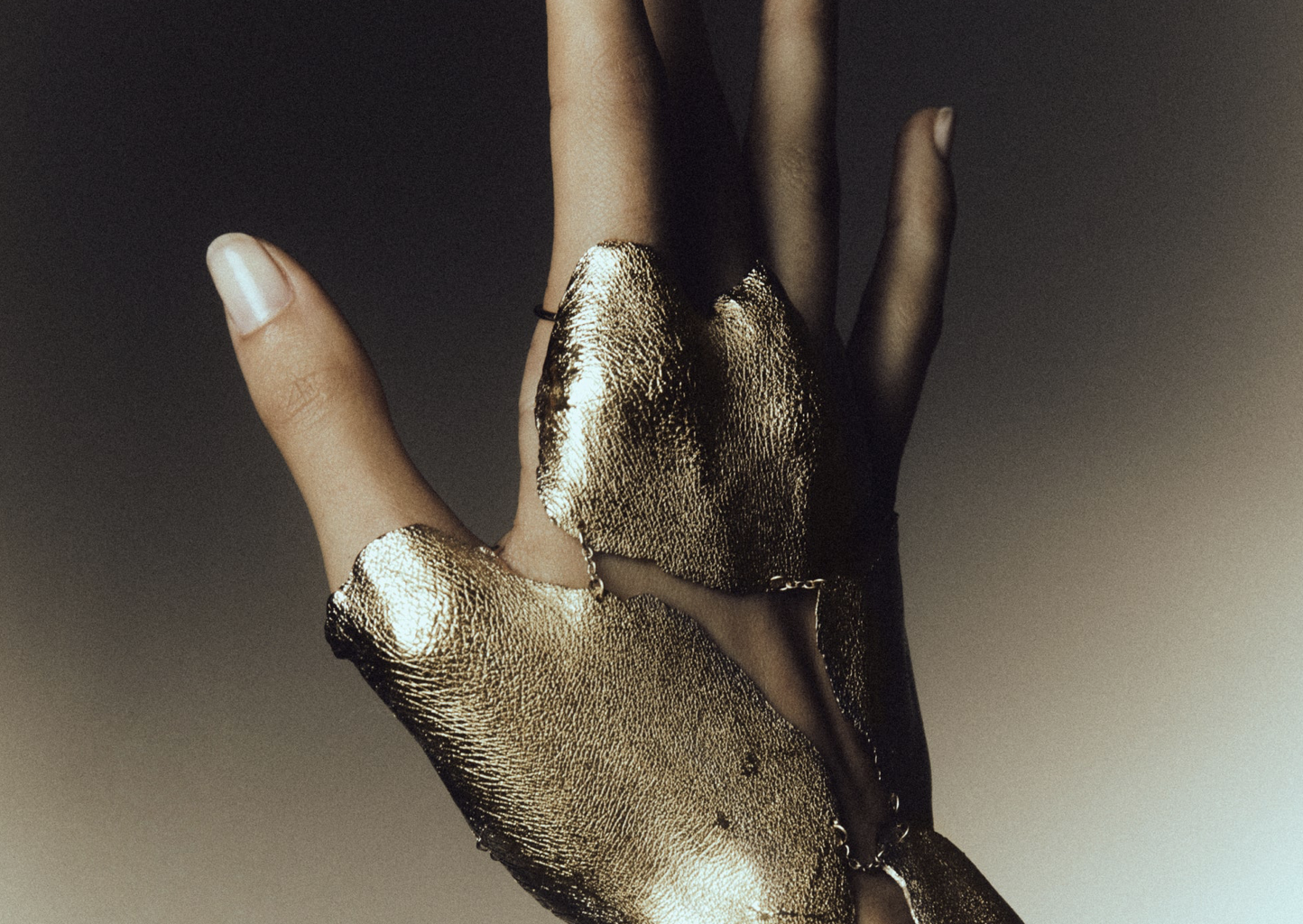
Sculptural jewellery is blurring the boundaries between fashion and anatomy, with surreal designs that look like they’ve grown straight out of the skin.
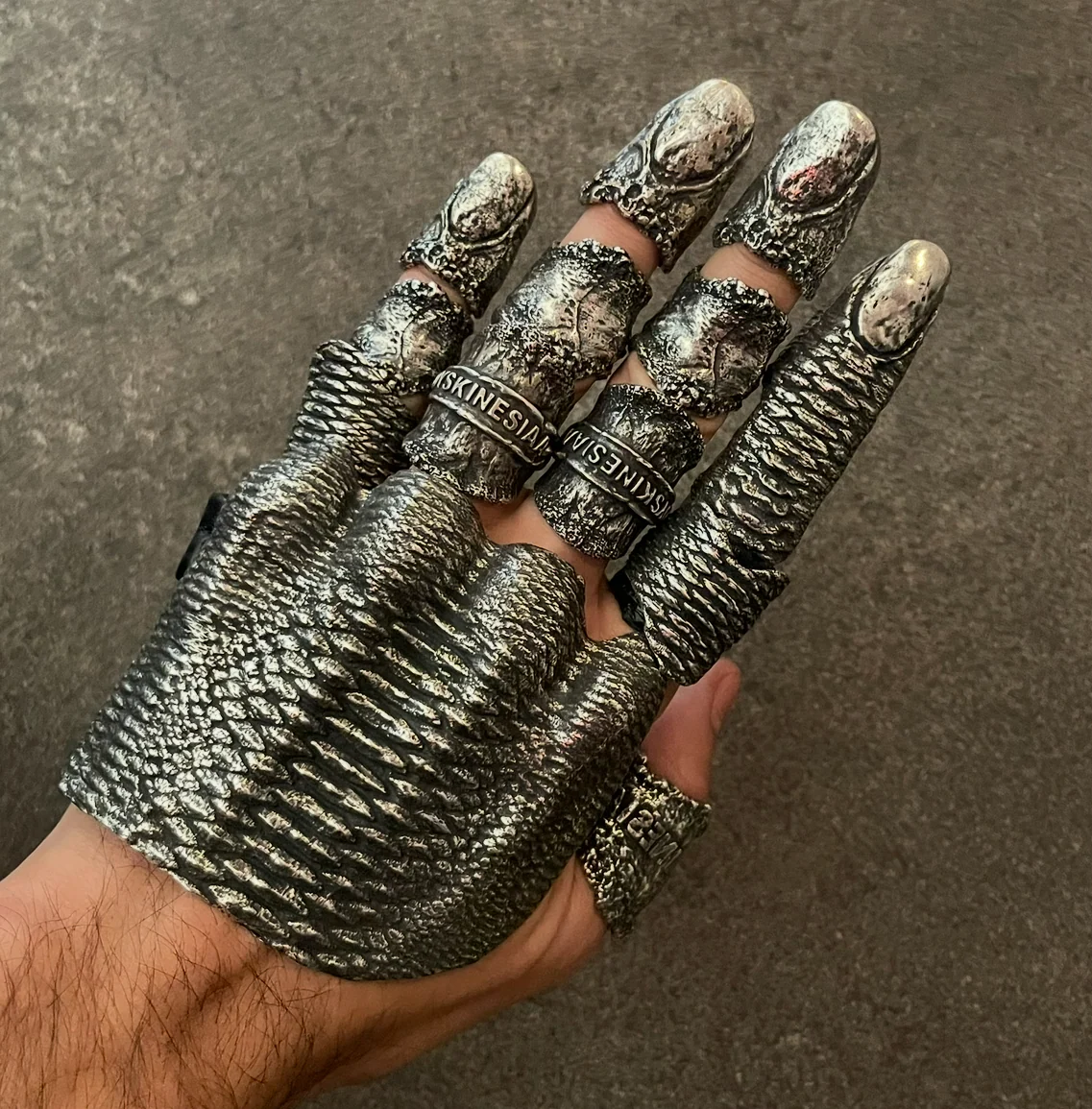
What if jewellery stopped being something we wear and started looking like something growing out of us?
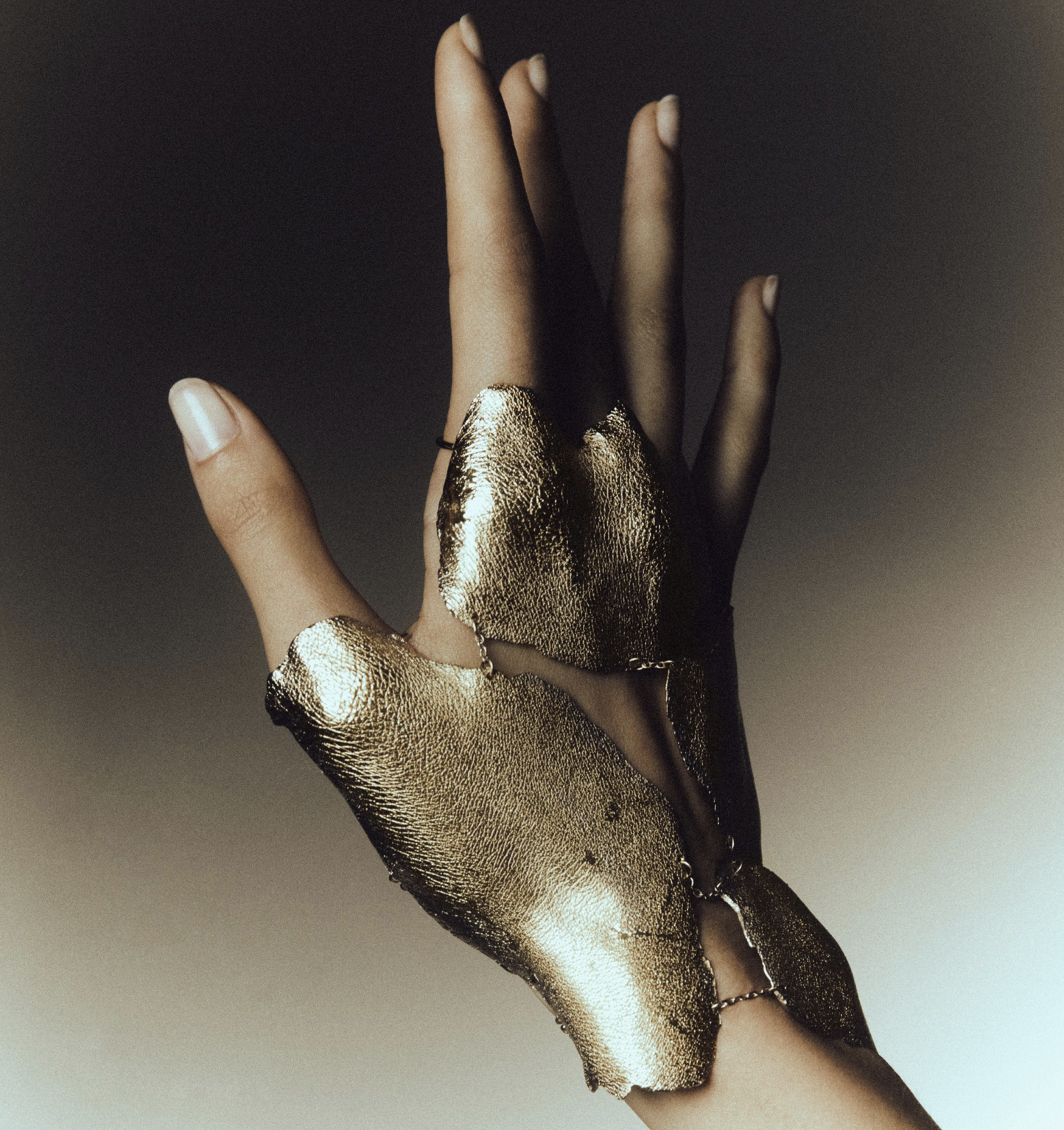
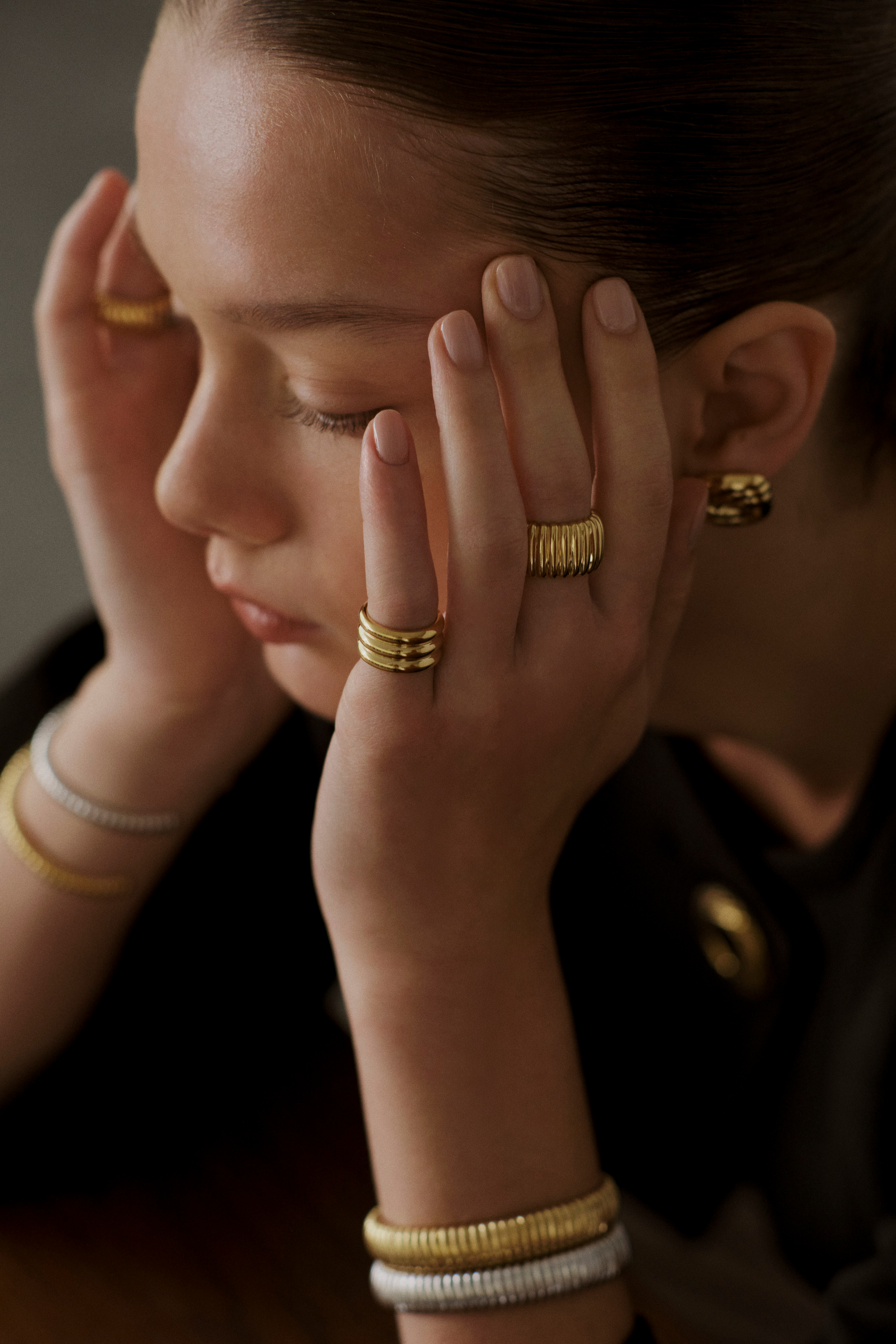
There’s something magnetic, yet slightly unsettling, about sculptural jewellery. Liquid metal creeping around fingers, structures wrapping around ears, unexpected forms emerging from the skin. These pieces don’t just complement our appearance. They imagine entirely new versions of it, somewhere between the natural and the artificial. And maybe that’s exactly what makes them so irresistible.
Haute couture has been playing with this idea for years. At Schiaparelli, Daniel Roseberry turns the human body into a surrealist playground, where oversized golden ears, eyes and anatomical details become extravagant ornaments. Familiar features are duplicated, exaggerated and taken out of context, transforming the recognisable into something extraordinary.
Sigmund Freud had a name for this unsettling familiarity: the uncanny. In his 1919 essay Das Unheimliche, he explored the peculiar unease that emerges when something we recognise suddenly feels strange or even sinister. But the concept goes beyond simply encountering something unusual.
For Freud, the uncanny isn’t necessarily something foreign or unknown. It can emerge when something that should have remained hidden unexpectedly comes to light, disrupting our sense of what feels familiar and safe.
Even before Freud, psychiatrist Ernst Jentsch had explored another dimension of this sensation in his 1906 essay On the Psychology of the Uncanny. He associated it with intellectual uncertainty, particularly the difficulty of determining whether something apparently alive is actually inanimate, or whether a lifeless object might possess a life of its own.
Jentsch’s observation offers a fascinating way of looking at today’s experimental jewellery. What happens when an inanimate material starts to resemble something living?
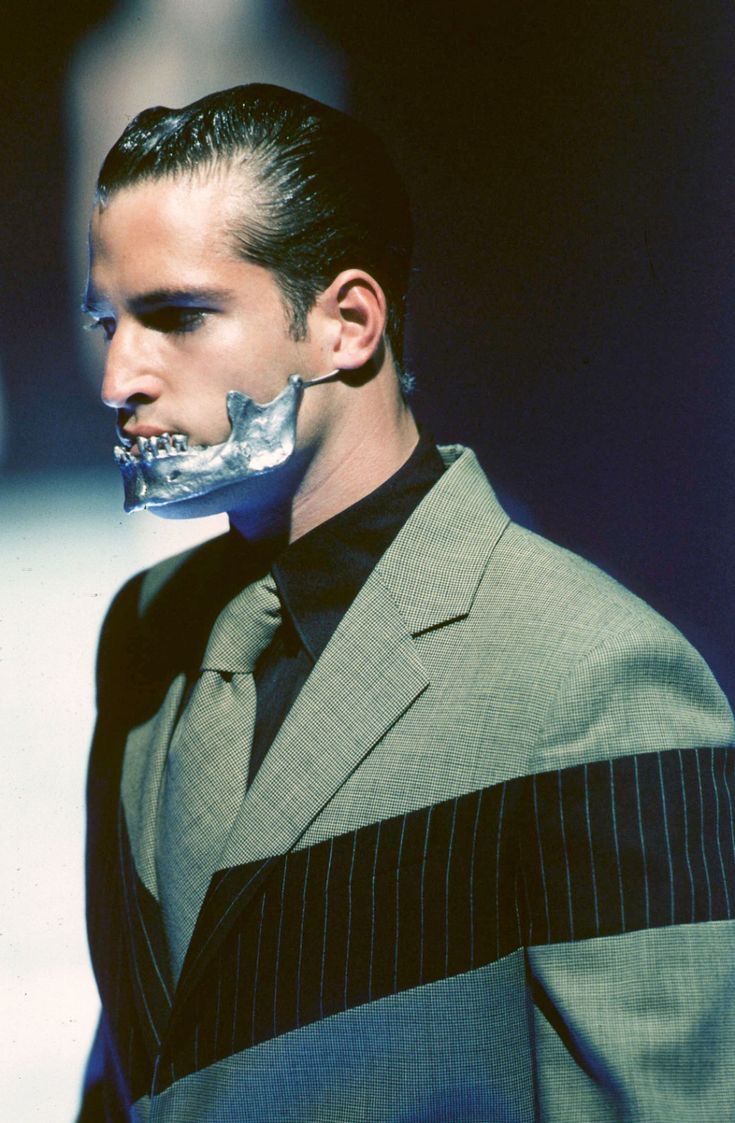
We know these creations aren’t alive, yet their shapes suggest otherwise. A metallic surface takes on the appearance of skin, while an ornamental structure resembles an additional limb. Suddenly, the boundary between the wearer and the object becomes difficult to define.
And that’s where the fascination begins. While high fashion has given this surreal vision of the body a spectacular stage, a new wave of independent designers is bringing it into everyday life, creating pieces that allow us to experiment with alternative versions of ourselves.
INCARNEM
Founded by French designer Marine Billet, Incarnem creates pieces that feel like fragments of an alternative anatomy. Billet also brought to life the iconic sculptural lung-shaped necklace designed for Schiaparelli and famously worn by Bella Hadid at the 2021 Cannes Film Festival.
At the heart of her practice is lost-wax casting, an ancient technique that allows intricate forms and textures to be translated into metal. By preserving the imprint of a physical shape, Billet transforms something temporary into something lasting. The result sits somewhere between a fossil, a sculpture and a personal keepsake.
FANGOPHILIA
Before founding Fangophilia in Tokyo in 2012, Japanese dentist Taro Hanabusa was already experimenting with custom dental accessories for friends in the city’s body modification community. Eventually, his fascination with unconventional adornment moved beyond teeth towards sculptural jewellery.
Using moulds taken directly from the wearer, Hanabusa creates silver pieces that fit with almost surgical precision. Think metallic finger coverings and facial accessories that look like futuristic prosthetics. It’s a collision of dentistry, body modification and cybernetic fantasy, where traditional jewellery conventions are replaced by an almost clinical approach to personalisation.
DYSKINESIAA
Founded in Paris in 2024 by Ilyasse Ebadi, a designer born in 2004, Dyskinesiaa approaches sculptural jewellery as a form of personal experimentation. Produced locally in limited batches, sometimes as one-of-a-kind pieces, its designs are made from sterling silver 925, with an emphasis on longevity rather than mass production.
Rejecting conventional jewellery codes, Dyskinesiaa draws inspiration from the body’s underlying architecture, transforming precious metal into wearable statements that feel individual rather than ordinary. The brand’s creations have also appeared in the release-day visuals for A$AP Rocky, bringing its experimental aesthetic into the spotlight.
MALAKAI
With roots in Bali and Berlin, House of Malakai was founded in 2013 by California-born designer Malakai. The brand exists at the intersection of traditional craftsmanship and futuristic fantasy. Combining metal casting, stone setting and intricate beadwork, Malakai draws inspiration from nature, spirituality and cultural traditions to create dramatic adornments.
Its pieces feel almost ceremonial, transforming the wearer into a character from another dimension. This otherworldly aesthetic has found its way into the visual worlds of Beyoncé, Madonna, FKA twigs and Rihanna, proving that sculptural jewellery can be just as powerful as the performance itself.