With Re{form}, John Galliano begins the third act of his career by bringing his couture-driven vision into the world of Zara. The result is a controversial encounter between couture and fast fashion, where two seemingly opposing worlds meet somewhere in the middle
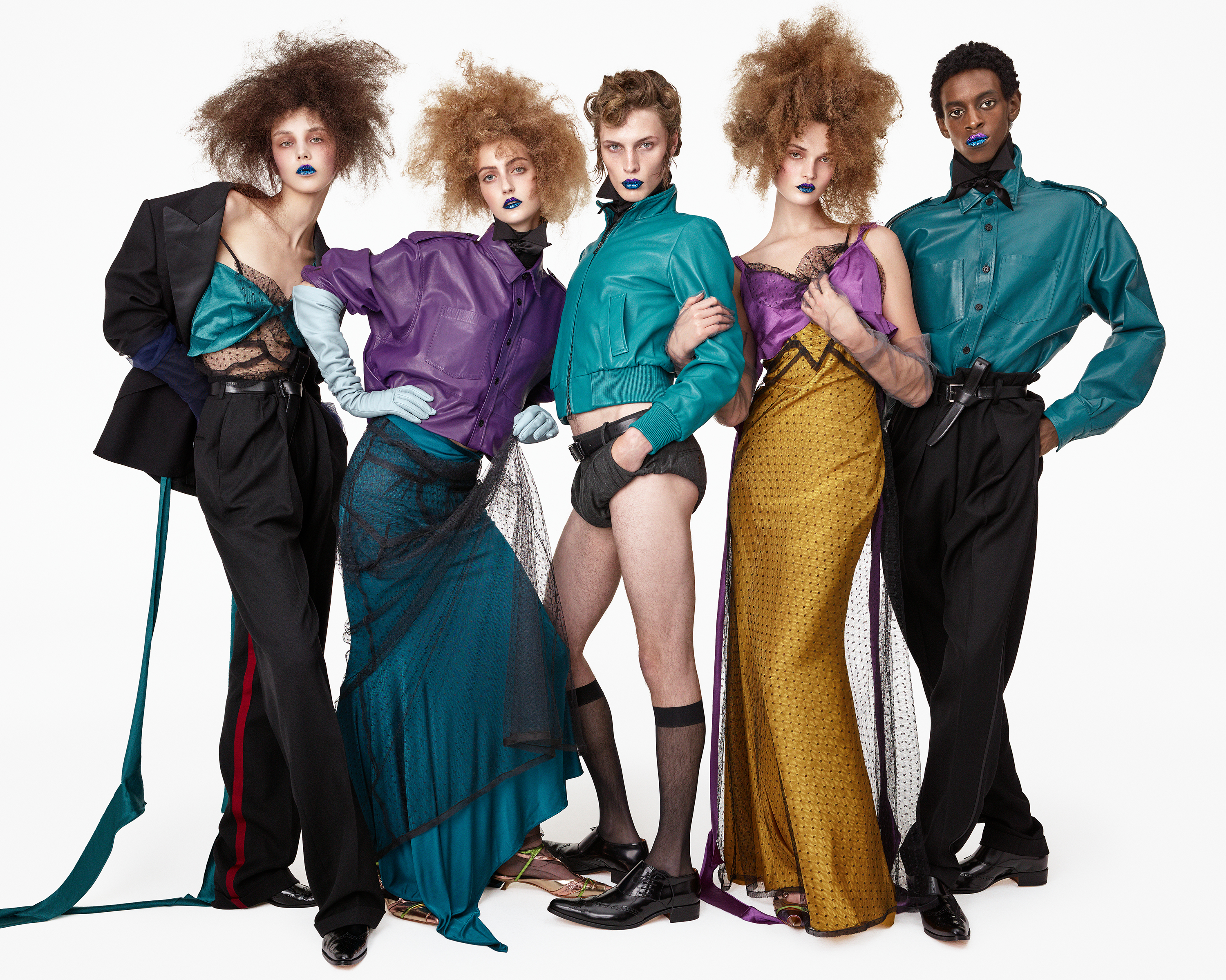
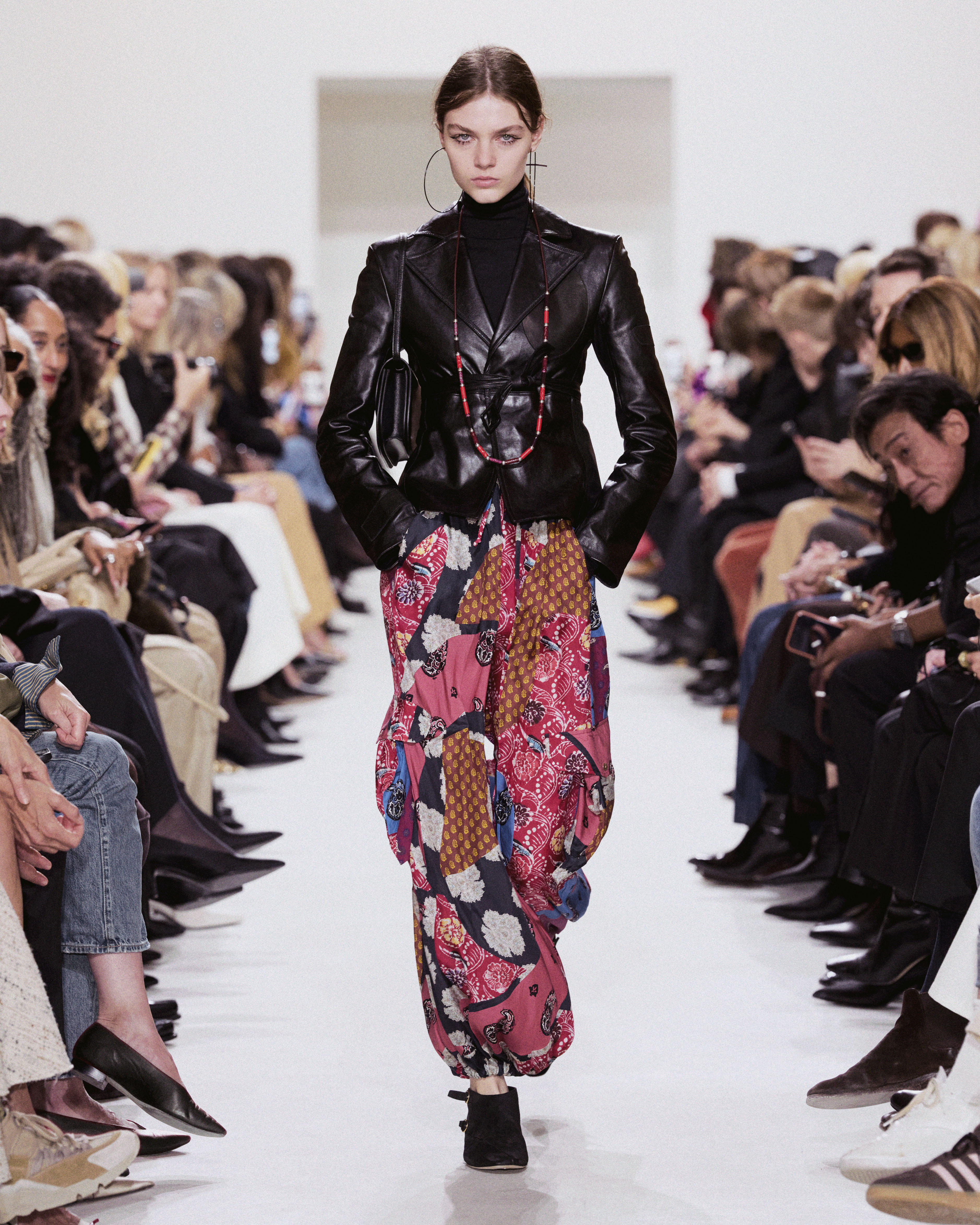
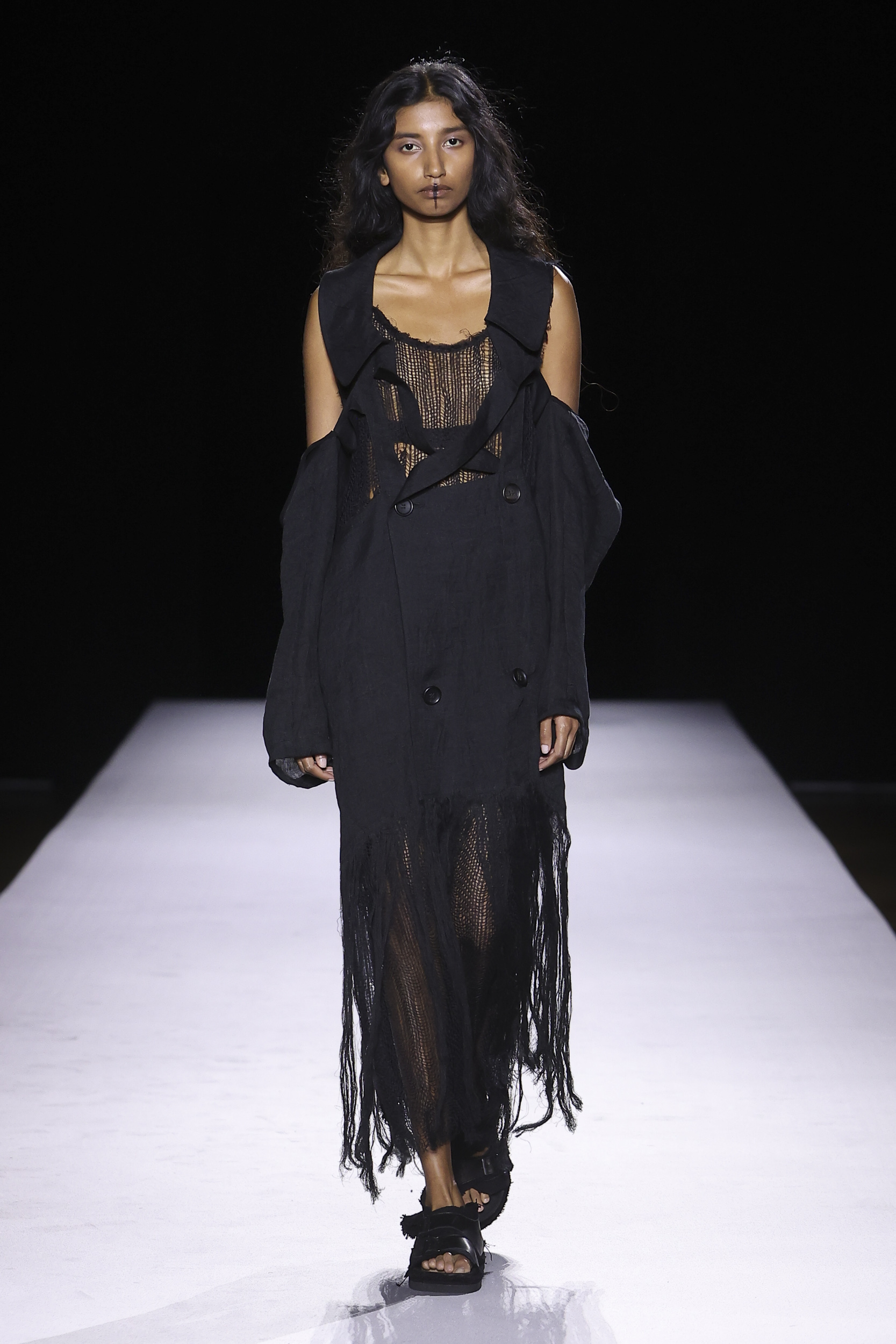
Re{form} Zara marks the beginning of the partnership between Zara and the couturier John Galliano. As highly anticipated as it has been debated, the collection stems from an apparently simple principle: taking pieces from Zara’s “archives” (or, more concretely, its existing stock) and transforming what is already there to give it new meaning. Rather than designing a collection entirely from scratch, Galliano intervenes in the pre-existing: dismantling, altering, layering and reconstructing garments according to his own creative vocabulary.
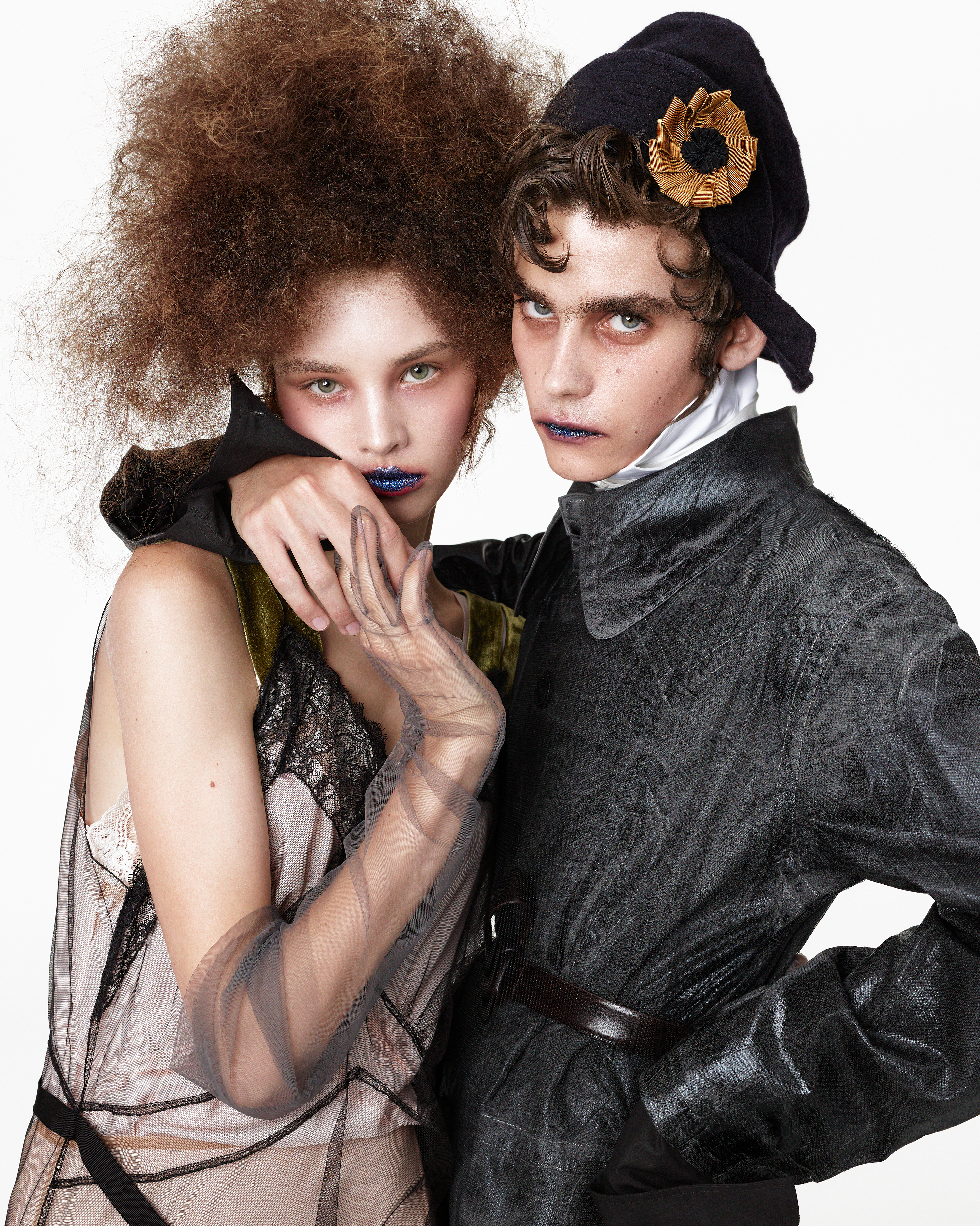
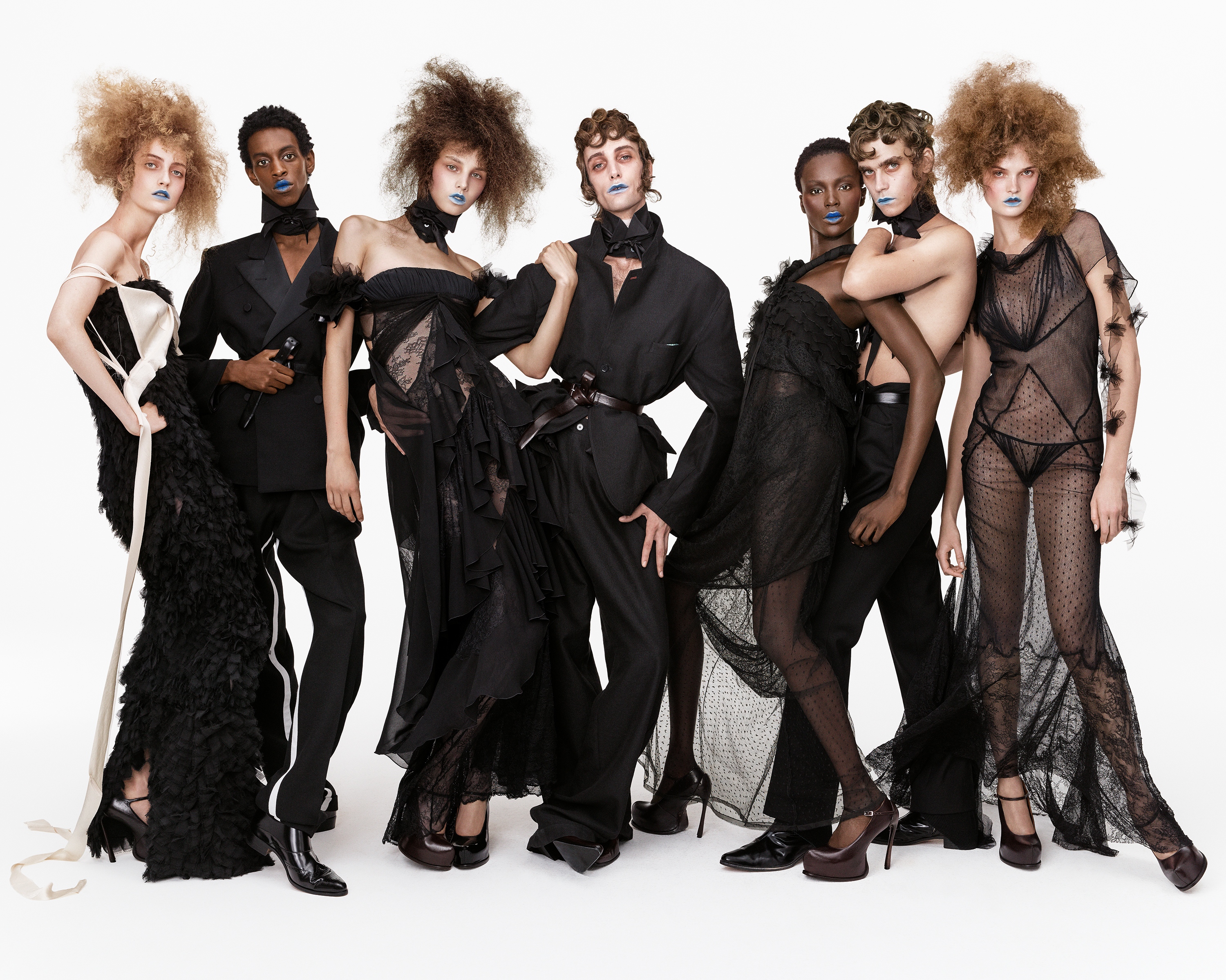
Perhaps the most fascinating aspect of the project is that, by working with Zara’s wardrobe, Galliano seems to return directly to 1984, the year he presented Les Incroyables, his graduate collection at Central Saint Martins. Inspired by the Incroyables and Merveilleuses, the eccentric young aristocrats of post-Revolutionary France, the collection was defined by exaggerated silhouettes, dandyism, theatricality and an almost decadent reinterpretation of historical dress.
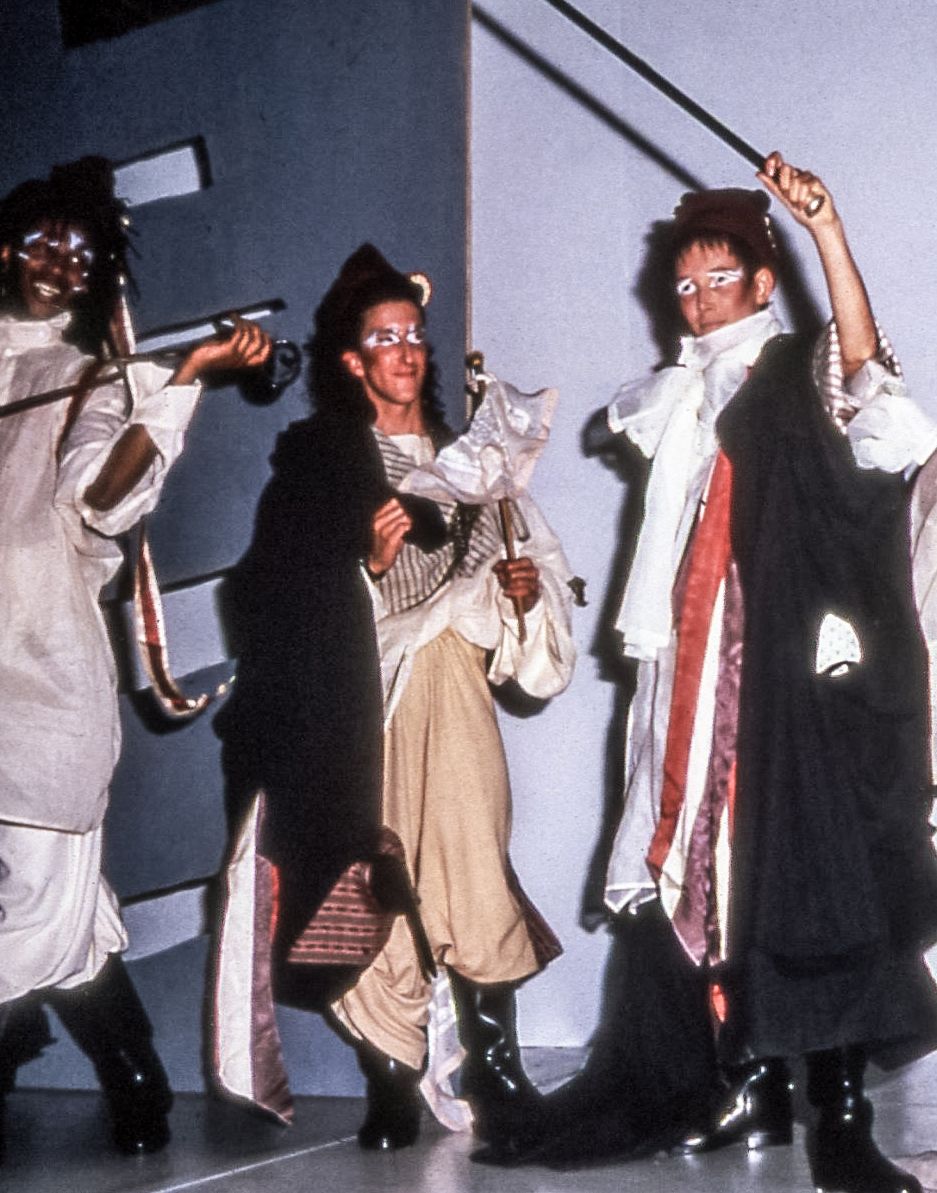
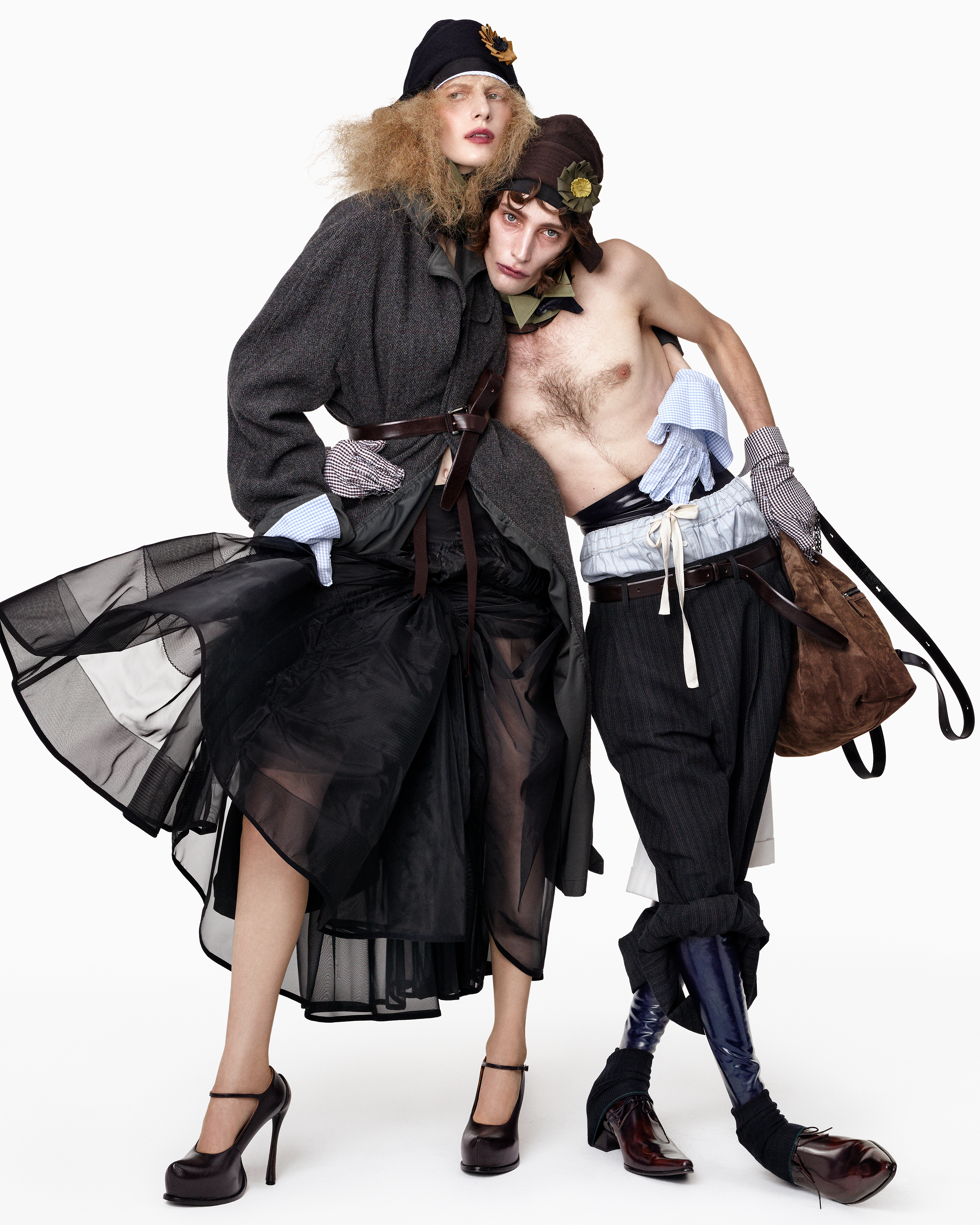
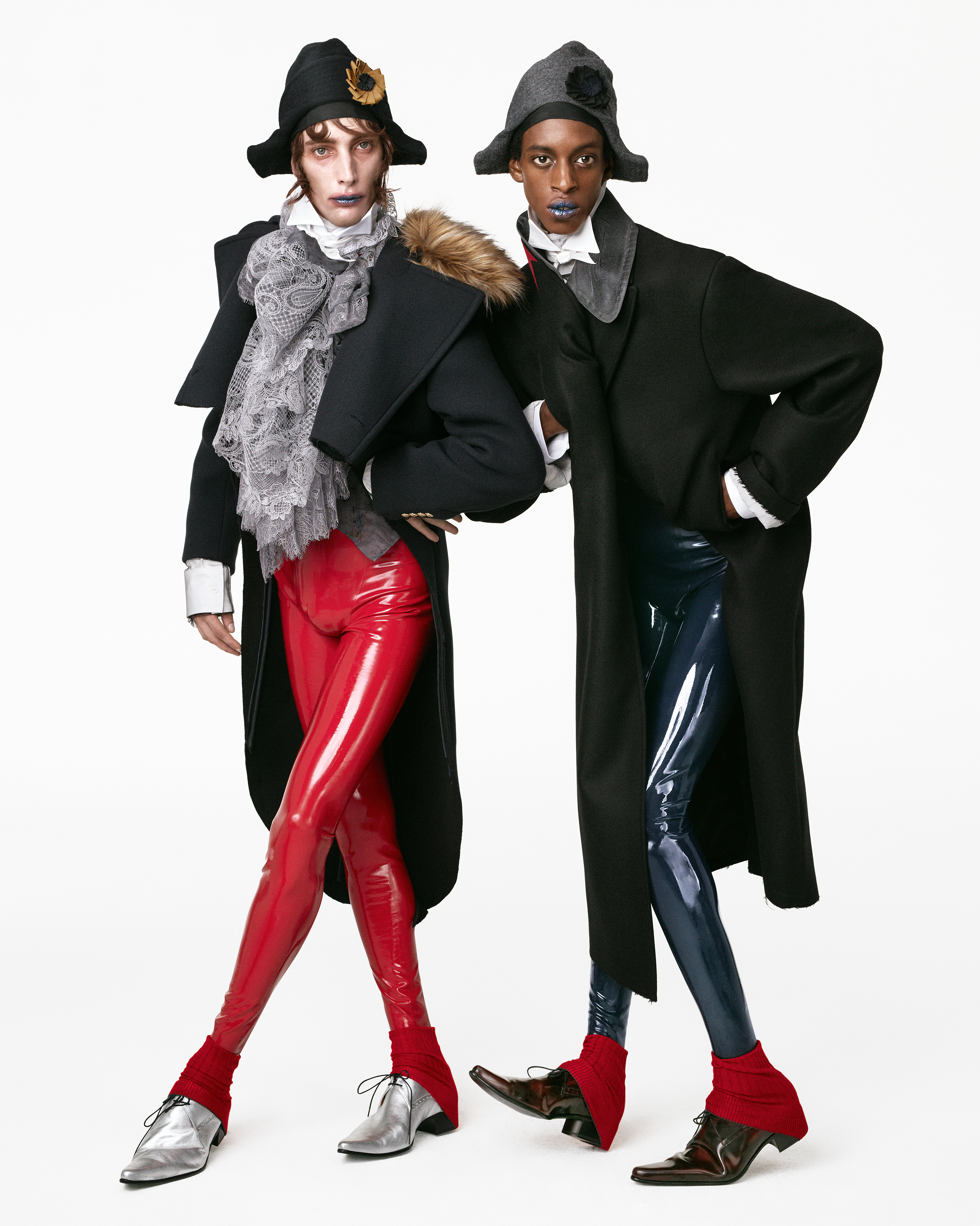
Many of those same codes resurface in Re{form}. The nineteenth-century proportions are distorted and inserted into a contemporary wardrobe, while tulle, sheer fabrics, draping and exaggerated volumes evoke the decadent romanticism that has accompanied Galliano since the beginning of his career. These elements are joined by references to military dress, particularly evident in the bicorne hats. For the headwear, Galliano once again collaborated with Stephen Jones, his longtime collaborator and a key figure in shaping the visual universe of his collections.
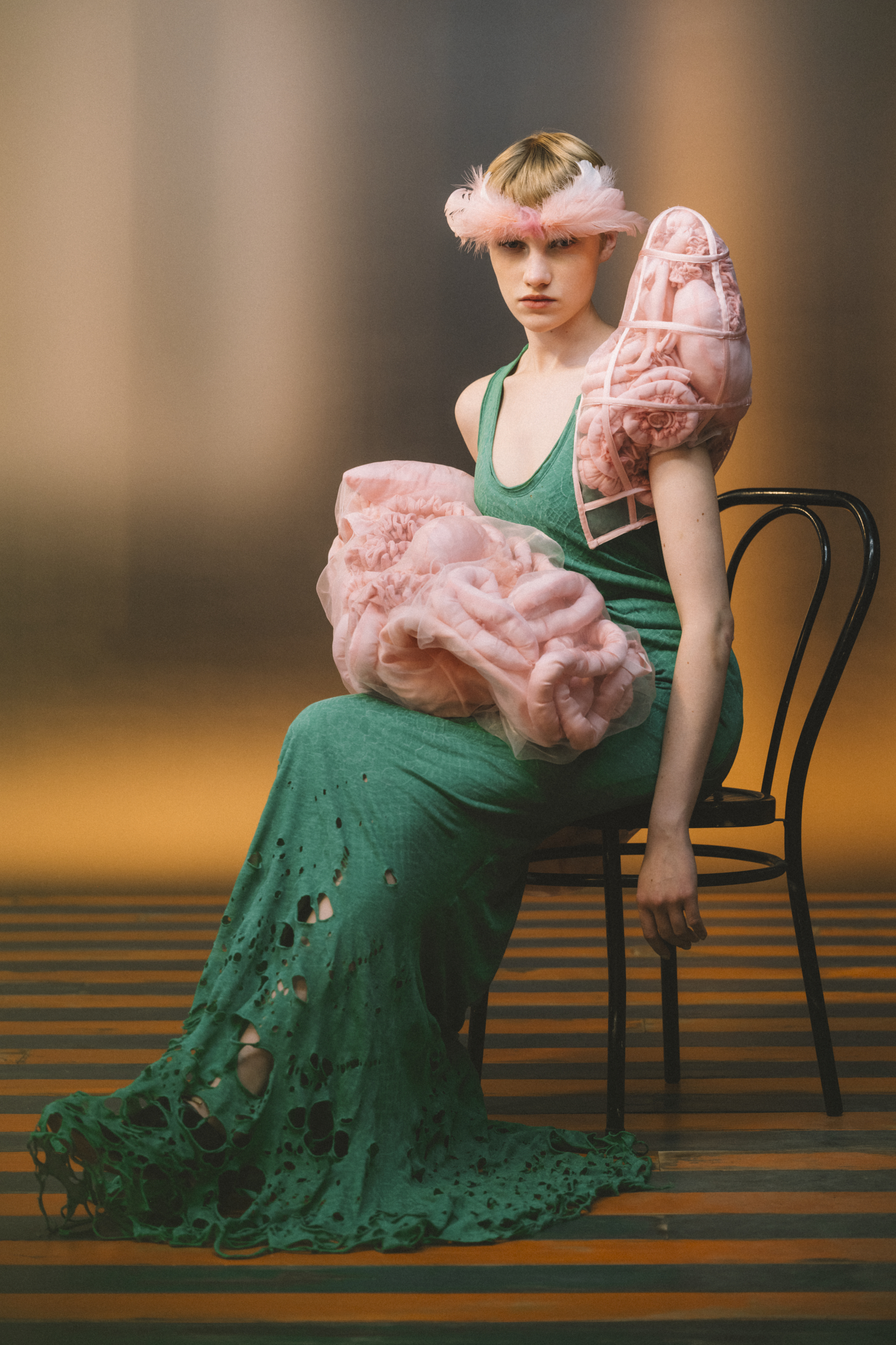
But Re{form} also carries the legacy of Galliano’s years at Maison Margiela. Rather than appearing through direct similarities between individual garments, the connection is most evident in his methodology: deconstructing an existing object in order to reveal a new identity. Altered proportions, displaced functional elements, layering, trompe-l’œil and garments that seem to exist somewhere between multiple forms inevitably recall the experimentation developed through Margiela’s Artisanal collections.
What changes radically is the context: techniques and ideas developed within the realm of couture are now transferred into the production system of one of the world’s largest fashion retailers.
Among the collection’s most recognisable experiments is “The Flix,” a technique named after the principle of the flip book. Different garments and layers are superimposed and condensed into a single construction, creating the impression of seeing several stages of the same garment simultaneously.
One of the most distinctive accessories is the Tri-Chic, a reversible bag whose shape deliberately resembles that of a sack. Chains and straps allow it to be carried by hand, over the shoulder or as a backpack. Once again, Galliano plays with the tension between luxury and the everyday: an object with seemingly humble, anti-luxury associations is recontextualised until it becomes a fashion accessory.
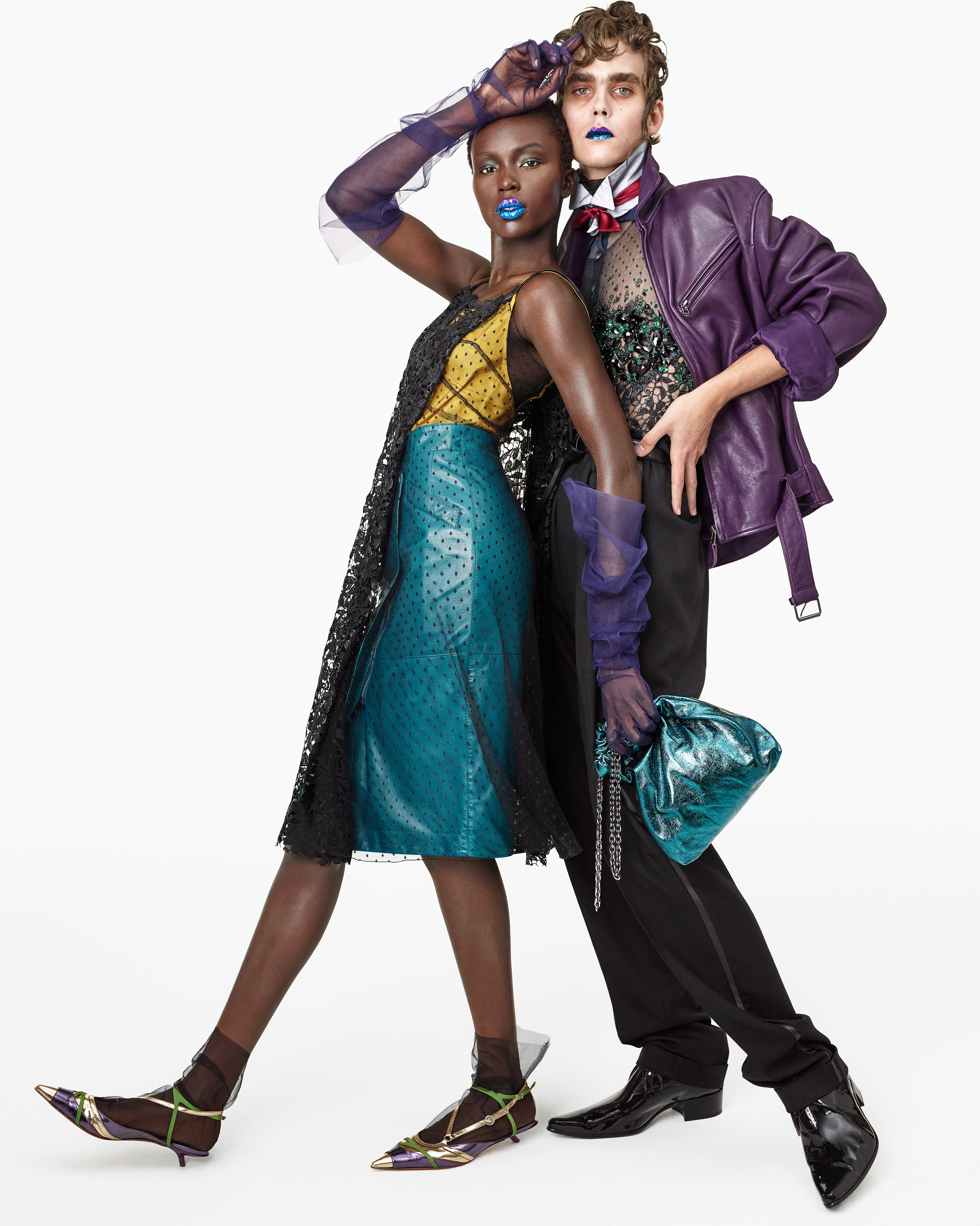
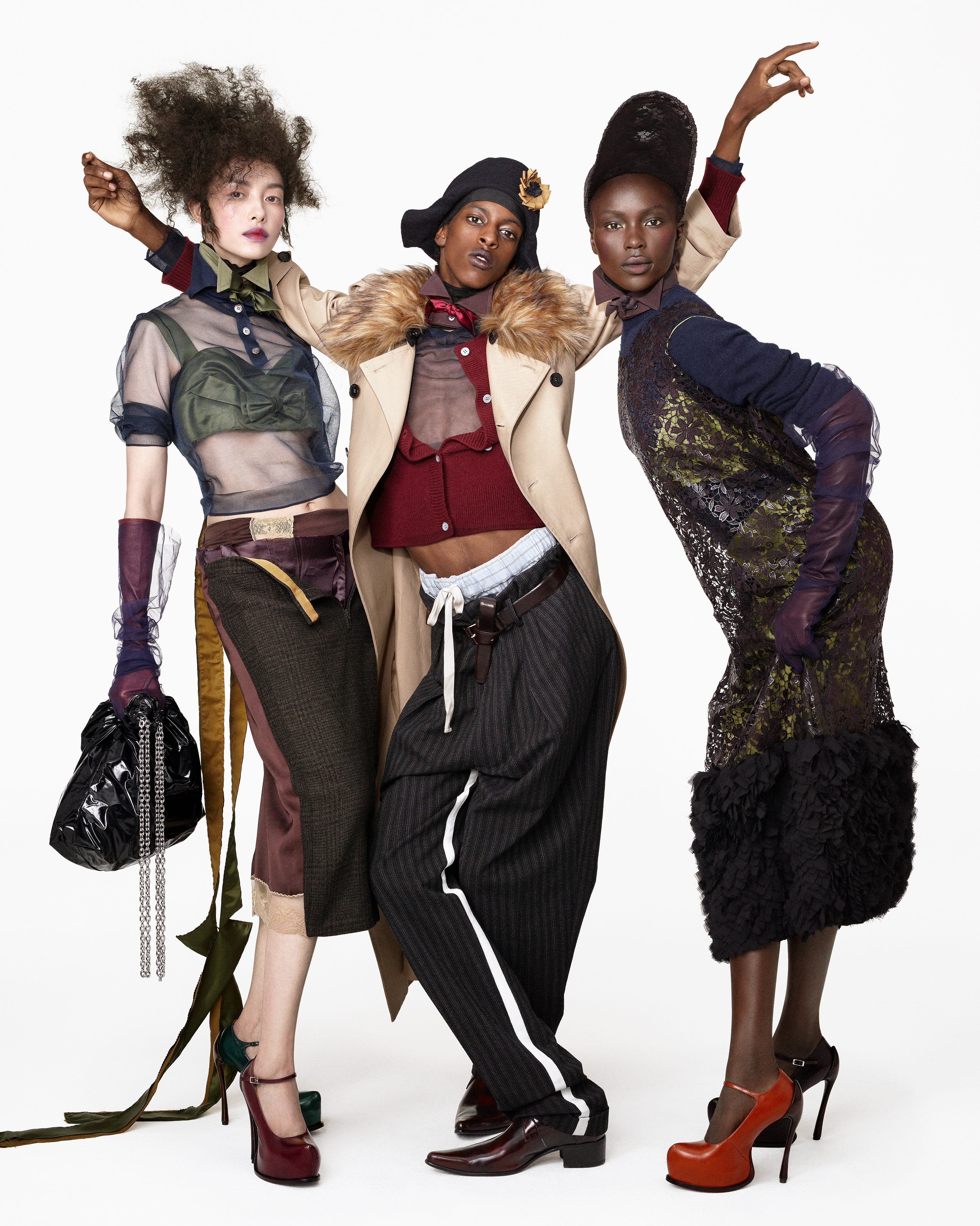
While the creative language is unmistakably Galliano’s, the relationship between materials and price is far more controversial. Alongside cashmere and leather, the collection makes extensive use of polyamide, polyester and other synthetic materials, even in garments sold at prices considerably higher than Zara’s usual range. The collection occupies an unusual price bracket for the brand, with certain pieces approaching $1,000.
This creates a problematic tension: the techniques, imagery and communication surrounding the collection evoke the world of couture, while the production and material composition of the garments remain inevitably tied to the industrial reality of a fast-fashion giant.
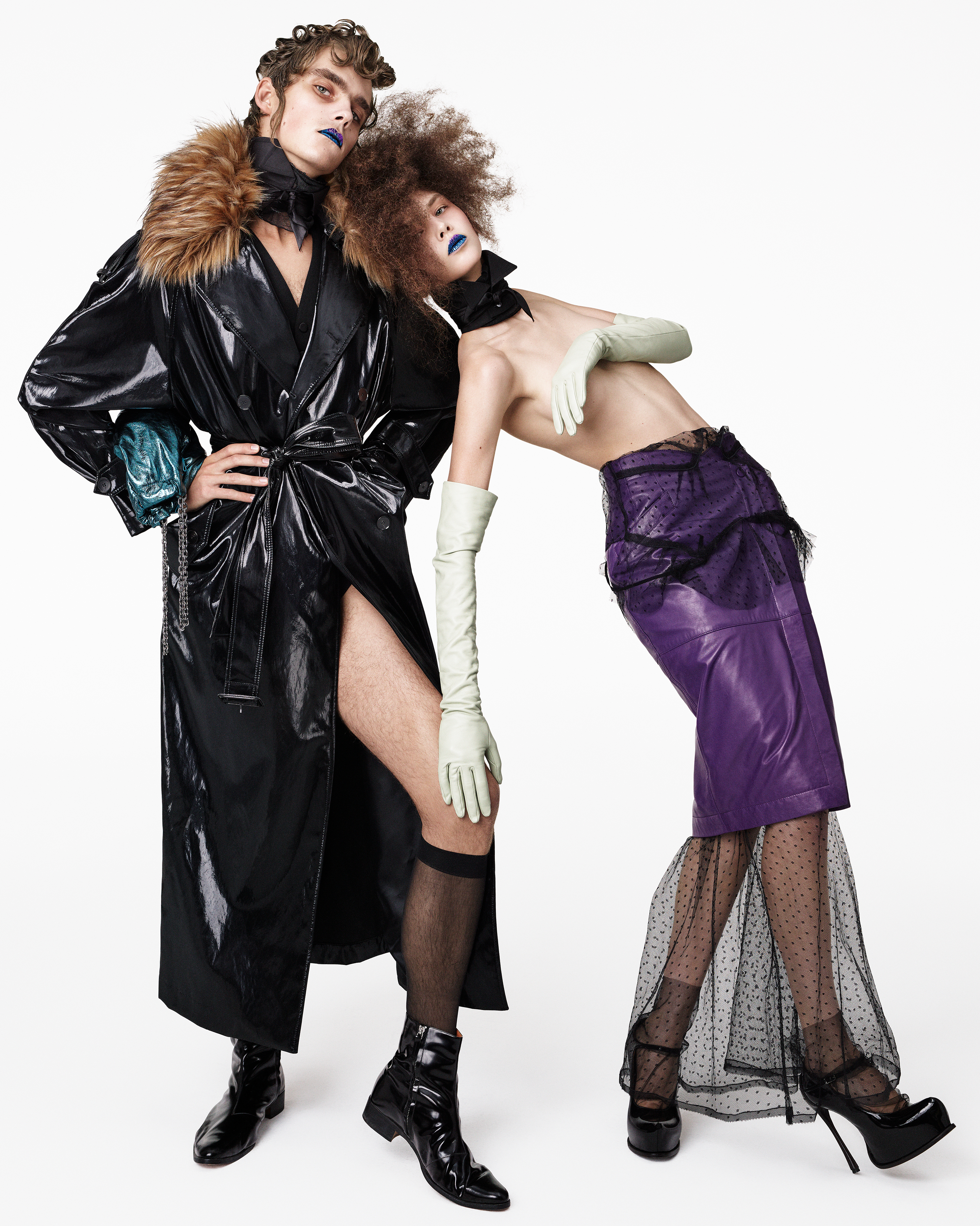
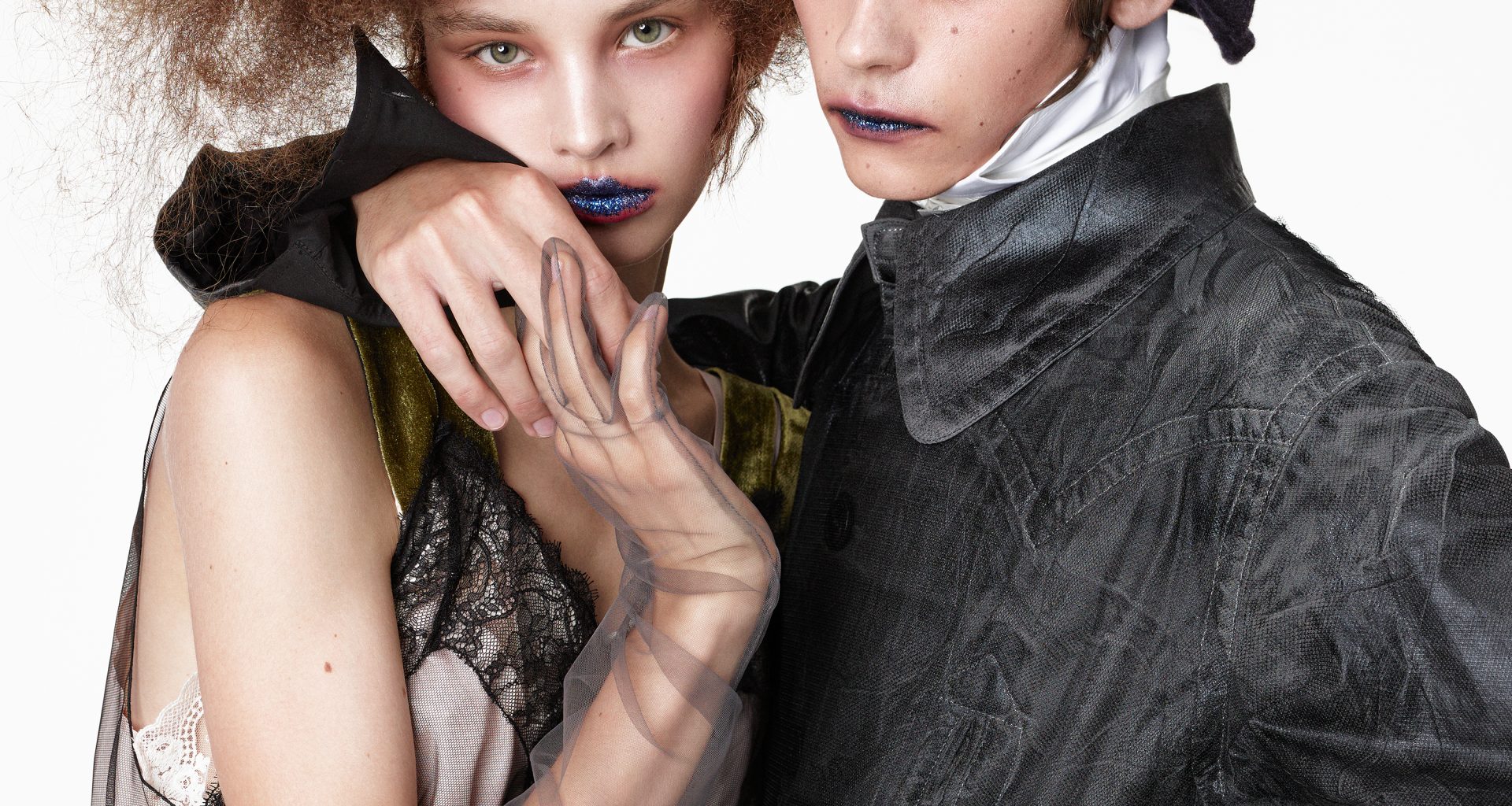
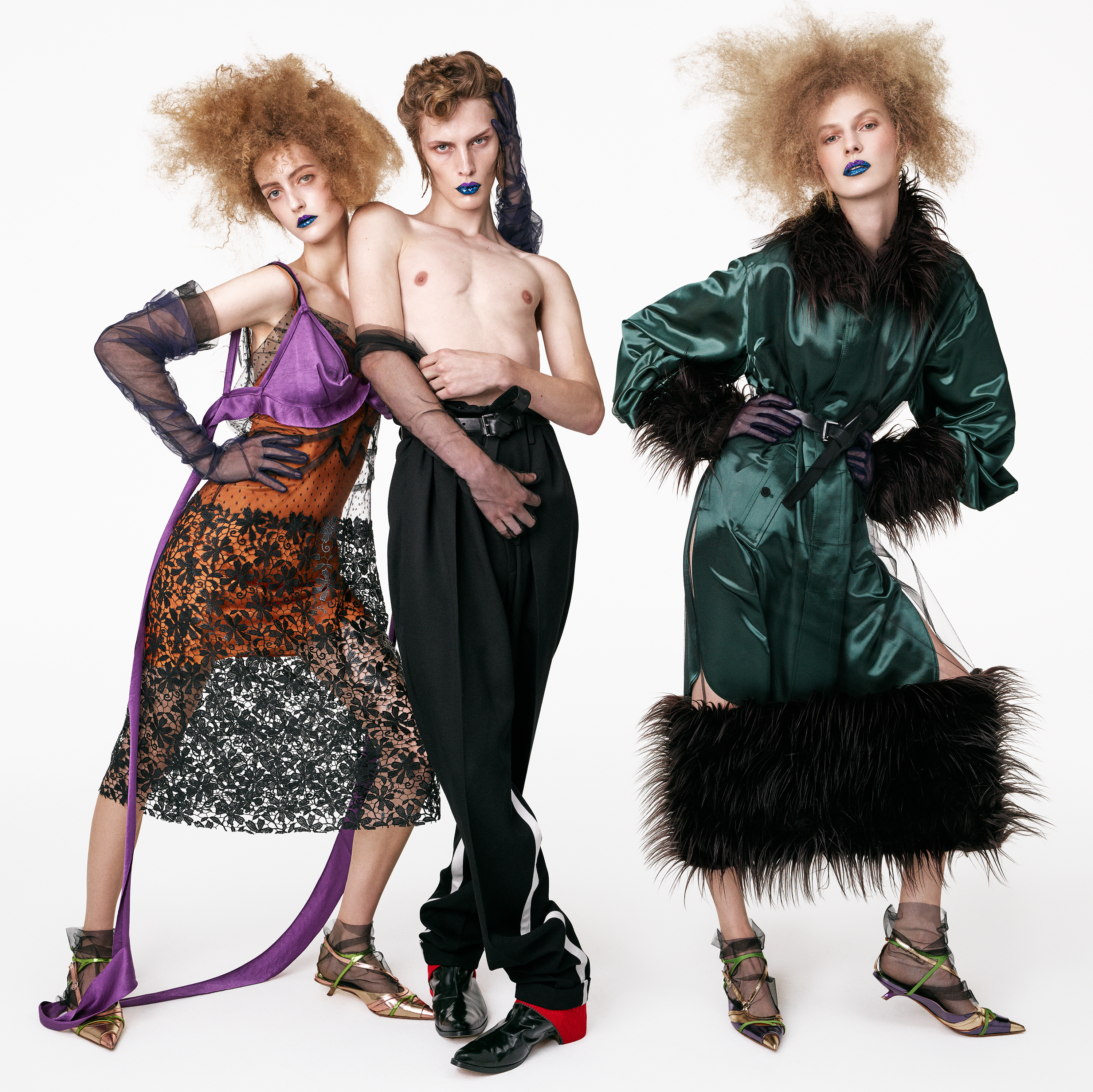
This ambiguity is further reinforced by the campaign photographed by Steven Meisel, a choice that is anything but coincidental. Meisel and Galliano share a long history within fashion’s editorial imagery, and the photographs make no attempt to present Re{form} as an ordinary Zara collection. On the contrary, they deliberately adopt the visual codes of high fashion, constructing a theatrical and sophisticated universe around the garments that attempts, at least on the level of image, to erase the distance between fast fashion and couture.
With Re{form}, what Galliano himself has described as the “third act” of his career officially takes shape. Following the experiences that have defined his trajectory in fashion, from his own label to Dior and, later, Maison Margiela, the couturier now enters an entirely different system. His collaboration with Zara allows him to bring his creative language to a potentially far broader audience than any haute couture house could reach. And perhaps this is precisely where the most compelling paradox of Re{form} lies: Galliano uses the conceptual tools of couture to intervene in an industrial product, while Zara uses Galliano to move closer to the imagery and cultural language of couture. Two seemingly opposing worlds that, at least for this collection, appear to meet somewhere in the middle.