By Alegria Haro
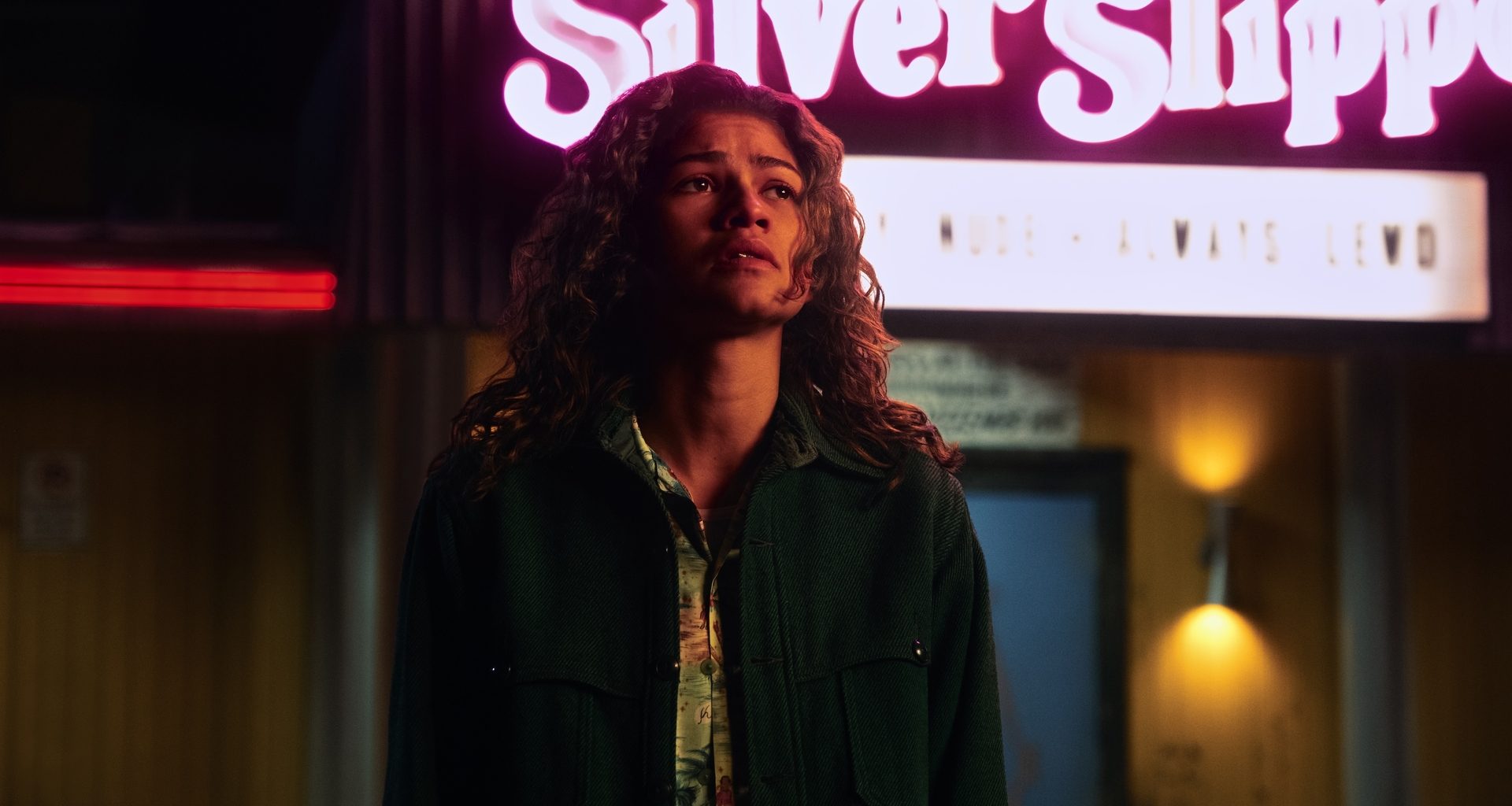
The finale of Euphoria’s third season arrives this weekend, and one of the most visually influential shows of the last decade no longer looks like the one we met in 2019. Sam Levinson has taken a turn from the show’s dreamlike adolescent angst into something much more brutal. We are out of the hallways of high school and into the open road, where desert light, construction sites and apartment complexes make every decision feel harder to escape.
It used to feel like High School Musical on drugs. This season, it feels like the glitter dried out in the desert and everyone woke up somewhere between Breaking Bad and a spaghetti western.
The five-year time jump works like a wardrobe reset. After Heidi Bivens’ era-defining work on the first two seasons, Natasha Newman-Thomas takes over costume design and moves the characters into a less adolescent, more unforgiving visual language. Each character is chasing a private version of the American dream, and their garments tell the story along the way.
Rue
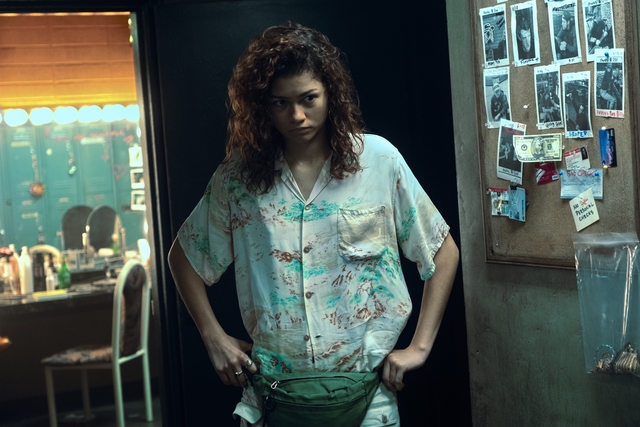
Rue has always dressed like someone passing through. Her hoodies, Converse, oversized layers, red sweatshirts and Hawaiian shirts look slept in, borrowed, lost, found again. In the first season, there was still something strangely tropical in those shirts, as if a print could pretend life was lighter than it was. Season 2 made her wardrobe heavier and more somber, closer to the seriousness of what she was living through.
In Season 3, Rue’s clothes move fully into desert counterculture. In the opening scene, as she tries to smuggle drugs across the border, she wears a multicolored safari jacket by Saint Michael, a thoughtful remake of a 1960s Abercrombie & Fitch piece made famous by Hunter S. Thompson and later turned into a cult menswear reference through Johnny Depp in Fear and Loathing in Las Vegas.
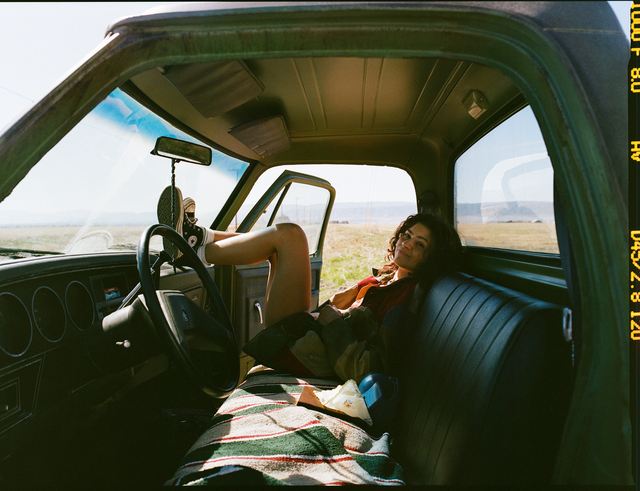
In that story, Thompson’s alter ego Raoul Duke drives through the desert toward Las Vegas with a car full of drugs, turning the American road trip into a chaotic spiral of hallucination, paranoia and excess. On Rue, this jacket makes the opening scene feel like the beginning of a drug-fueled American nightmare she may or may not survive.
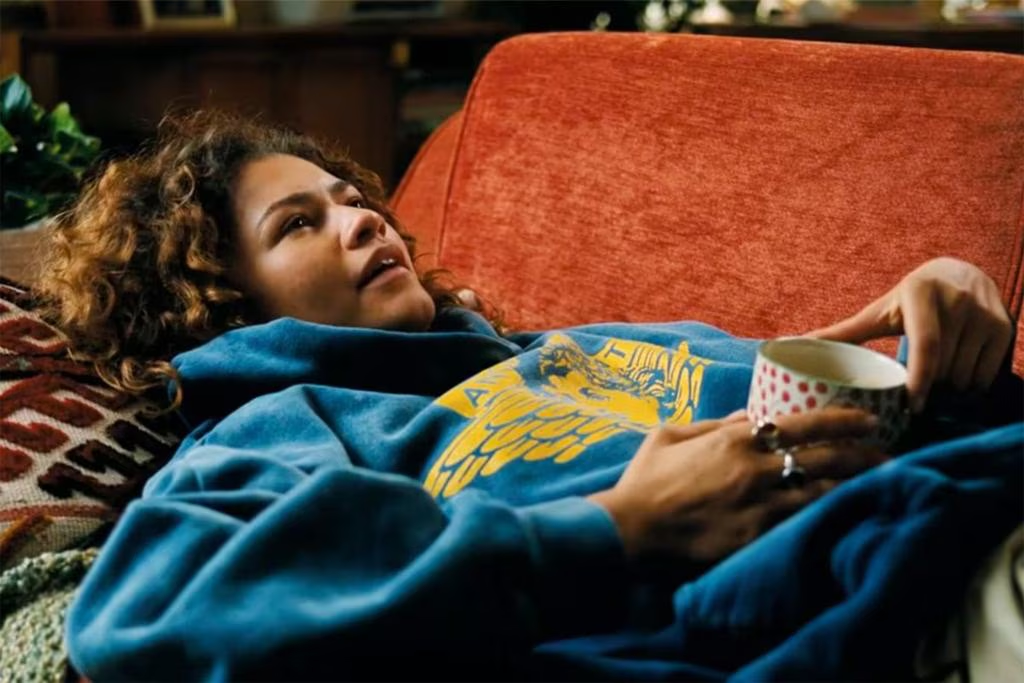
Rue also wears a blue “Angel of Death” hoodie from Saint Michael later in the season, making the Christian imagery around her even harder to ignore. In Exodus, death passes through Egypt before liberation begins; the marked houses are spared, and Moses is later called through the burning bush to lead his people out. When Rue almost gets hit by a truck and then sees a tree burning in front of her, the reference feels direct. Death is always near her, and her clothing says it plainly. The question is whether Rue is being marked by death, spared from it, or finally called toward something outside of it.
Maddy
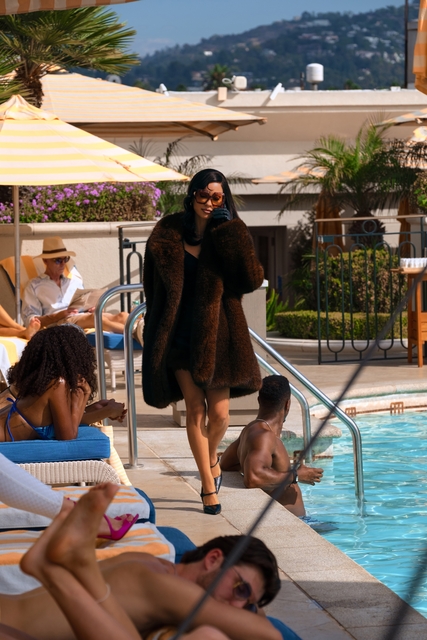
Maddy has always known how she wants to be seen. The eyeliner, the sharp silhouettes, the old-movie drama. Alexa Demie has often referenced vintage Mexican cinema icons like María Félix, and that matters because Maddy’s glamour carries that same sculpted force: beauty as command, not decoration. This season, that force starts to merge with religious imagery in a way that feels deeply connected to Mexican visual culture, where saints, the Virgin Mary, rosaries and protection symbols often live close to the body. On Maddy, the references feel like power objects.
Season 2 showed us her future in the closet of the woman she babysat for. That scene, with Maddy trying on archive designer pieces in secret, felt like a rehearsal for the life she was eventually going to claim. In Season 3, she owns the fantasy more directly. Working in PR gives her access to brands, vintage pieces, stronger silhouettes, designer codes and a more intentional kind of glamour.
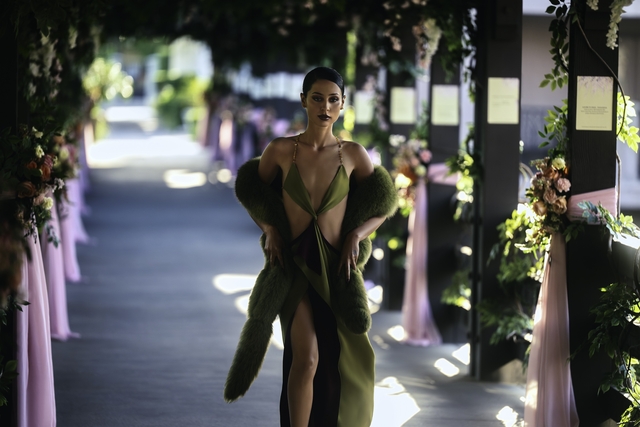
The pool look makes her evolution especially clear. Maddy arrives in faux fur by Ernest W. Baker, Jacques Marie Mage Grand Funk sunglasses and a Gabriela Hearst Diana bag, turning a poolside moment into a study in taste over function. Later, the custom green dress at Nate and Cassie’s wedding sends a rosary down her back like a line between seduction and protection.
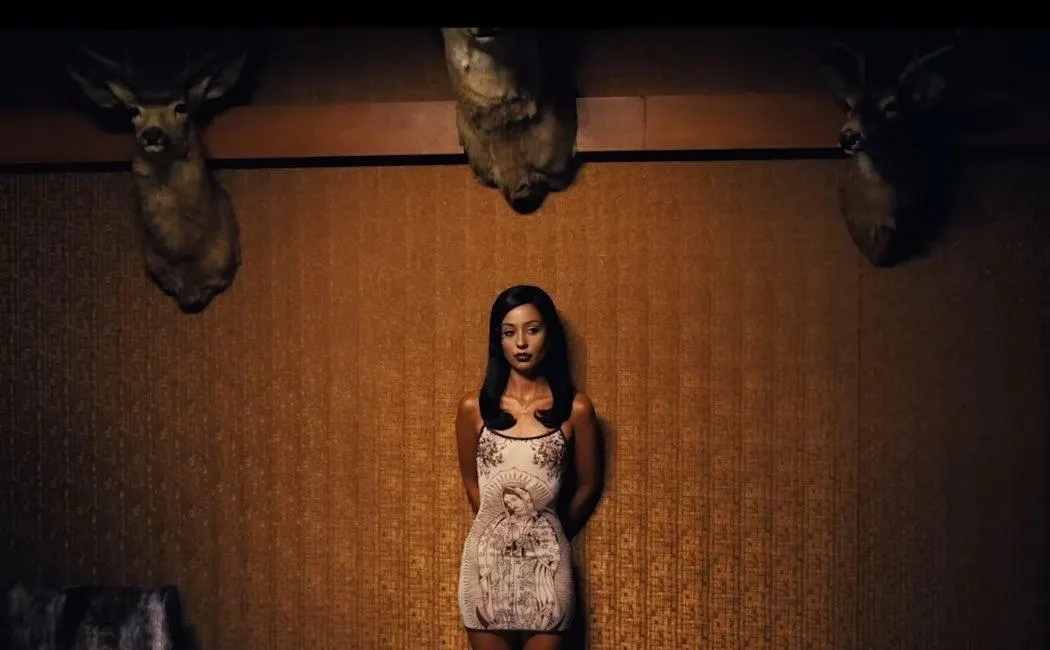
The Ed Hardy Swim “Mary” Mesh Cover-Up Dress takes the religious symbolism even further, placing Virgin Mary iconography across the body in the brand’s tattoo-coded Y2K language. The image becomes even stronger when Maddy stands against Alamo’s wall of taxidermied animals. Surrounded by hunted creatures made decorative after death, she looks caught between prey and predator with only her faith to protect her.
Cassie
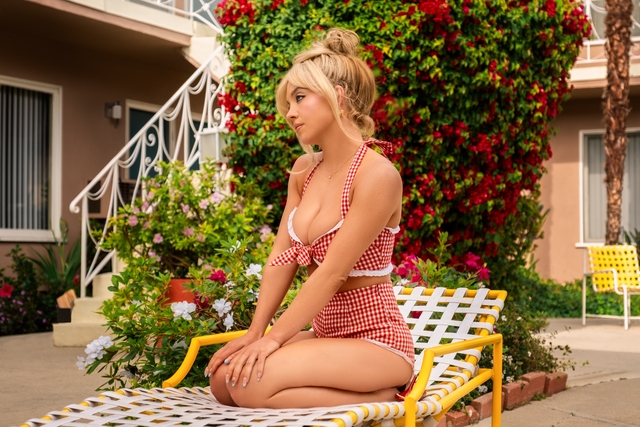
Cassie’s wardrobe has always been tied to being looked at. In the earlier seasons, her hyper-feminine pinks, tiny sets and soft-girl styling carried the anxiety of someone trying to be desired before knowing who she wanted to be. Her sweetness has always sat close to panic.
By Season 3, Cassie has the wardrobe of someone who got the life she thought she wanted. The Tom Ford Miranda sunglasses by the pool, the tie-dye Dior Saddle Bag, the oversized Miu Miu shades and the rotation of Gucci, Dior and Bottega bags give her life the surface of luxury and status. She looks expensive, wife-coded, fully installed inside the role she once seemed to be chasing. But the clothes also show how little has really shifted underneath.
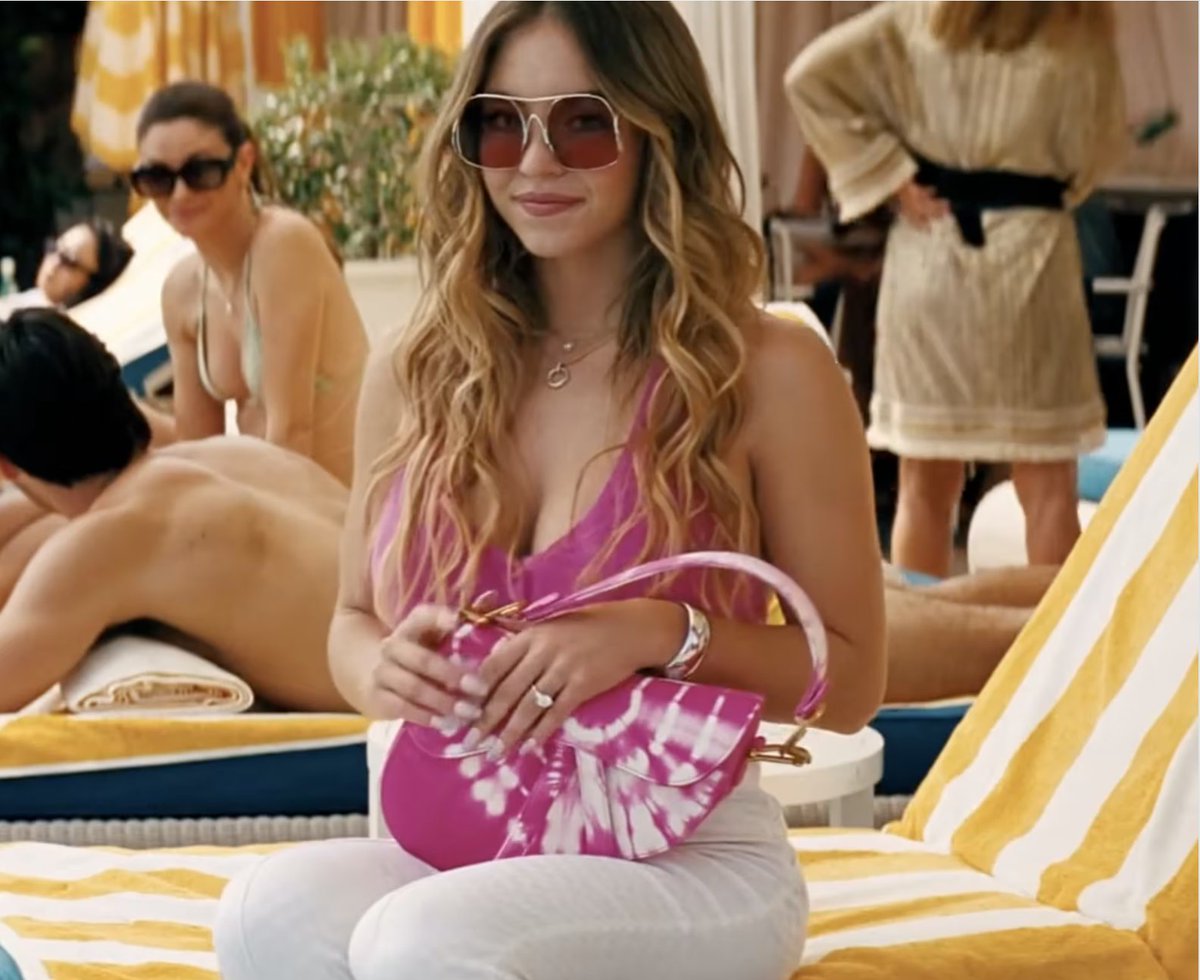
Her pool scene with Maddy makes that painfully clear. Cassie is still circling the same shade of pink that once carried shame, desire and panic around Nate. It recalls the Season 2 jacuzzi scene, when she throws up while Maddy talks about having babies, already collapsing under the guilt of what she has done. Years later, the pink is back, only now it comes with a better bag and bigger sunglasses. Beside Maddy, who looks stylized and self-possessed, Cassie’s femininity still feels anxious, dependent on being confirmed by someone else.
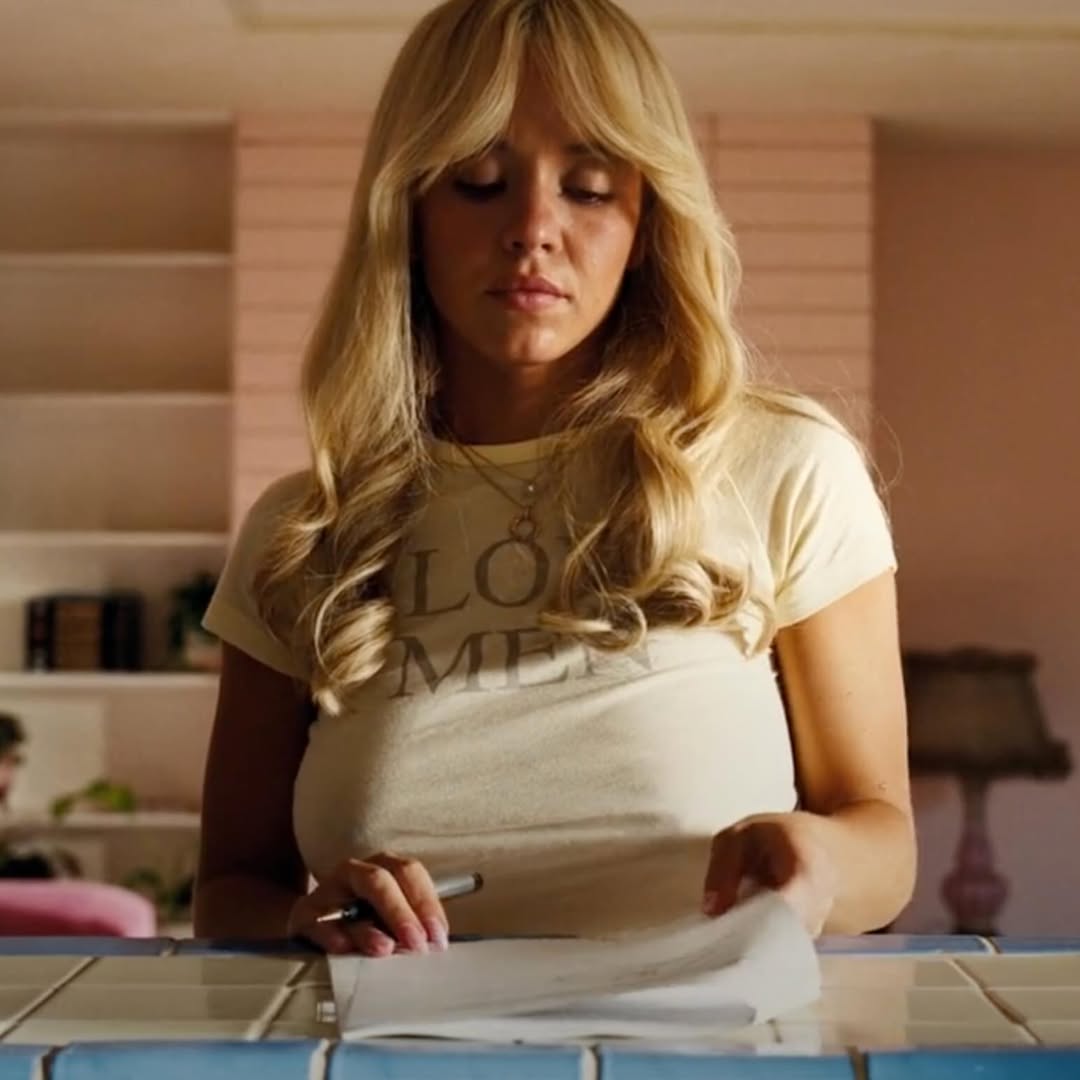
Then comes the Praying “I Love Me” tee, with the N crossed out in the phrase “I Love Men,” turning the shirt into a slogan of selfhood. It is funny, obvious and a little bleak. Cassie may be making money, collecting attention and learning how to use the gaze around her, but the question underneath has not changed enough. Her clothes have become more expensive. Her desire still keeps asking to be chosen.
Nate
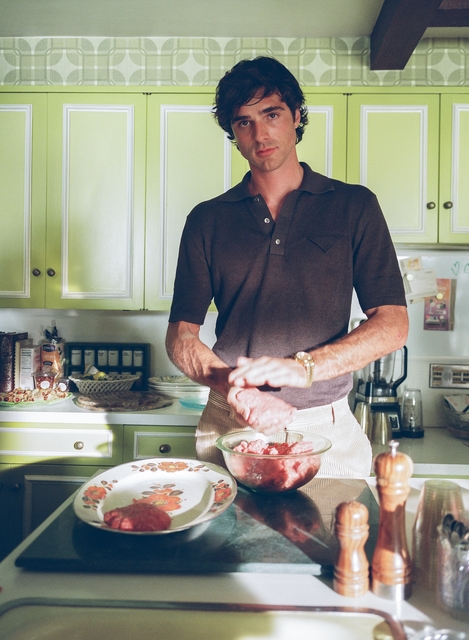
Nate’s wardrobe performs adulthood as control. He wears Bottega Veneta in almost every scene, even into construction work, which lands with exactly the right kind of absurdity. A $7,300 leather flannel on a worksite makes no practical sense, but Nate has never dressed for practicality. He dresses for domination.
This season, his clothes sit at the intersection of labour, money and threat. The Bottega Veneta flannel-print leather shirt, Intrecciato belt, denim jackets, briefcase, lace-up shoes and custom wedding tuxedo all belong to the same performance. He wants to look like a builder, an investor, a man with a plan, a man who has chosen his life so completely that nothing can touch him. Compared to the violent, raging Nate of the first seasons, this version looks almost tamed. The aggression has been pressed into expensive leather, clean denim and a calmness that feels rehearsed.
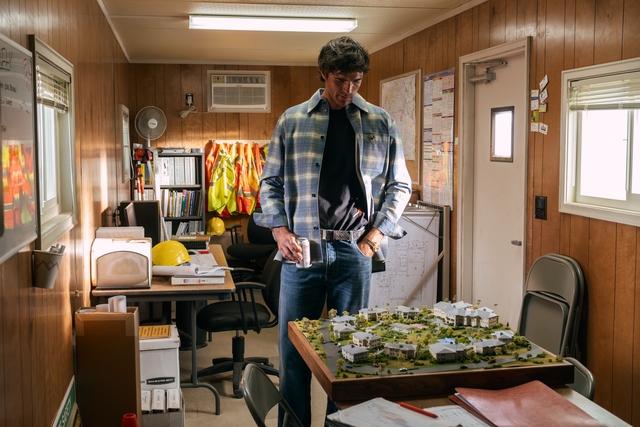
That comfort is what makes the clothes eerie. The clothes are calm, expensive and controlled, even as the story around him turns poisonous. By the time he dies, Nate looks less like the predator he used to be and more like one of Alamo’s hunted animals: mounted by the life he thought he could master. Season 1 Nate would have bitten the head off that snake himself.
Jules
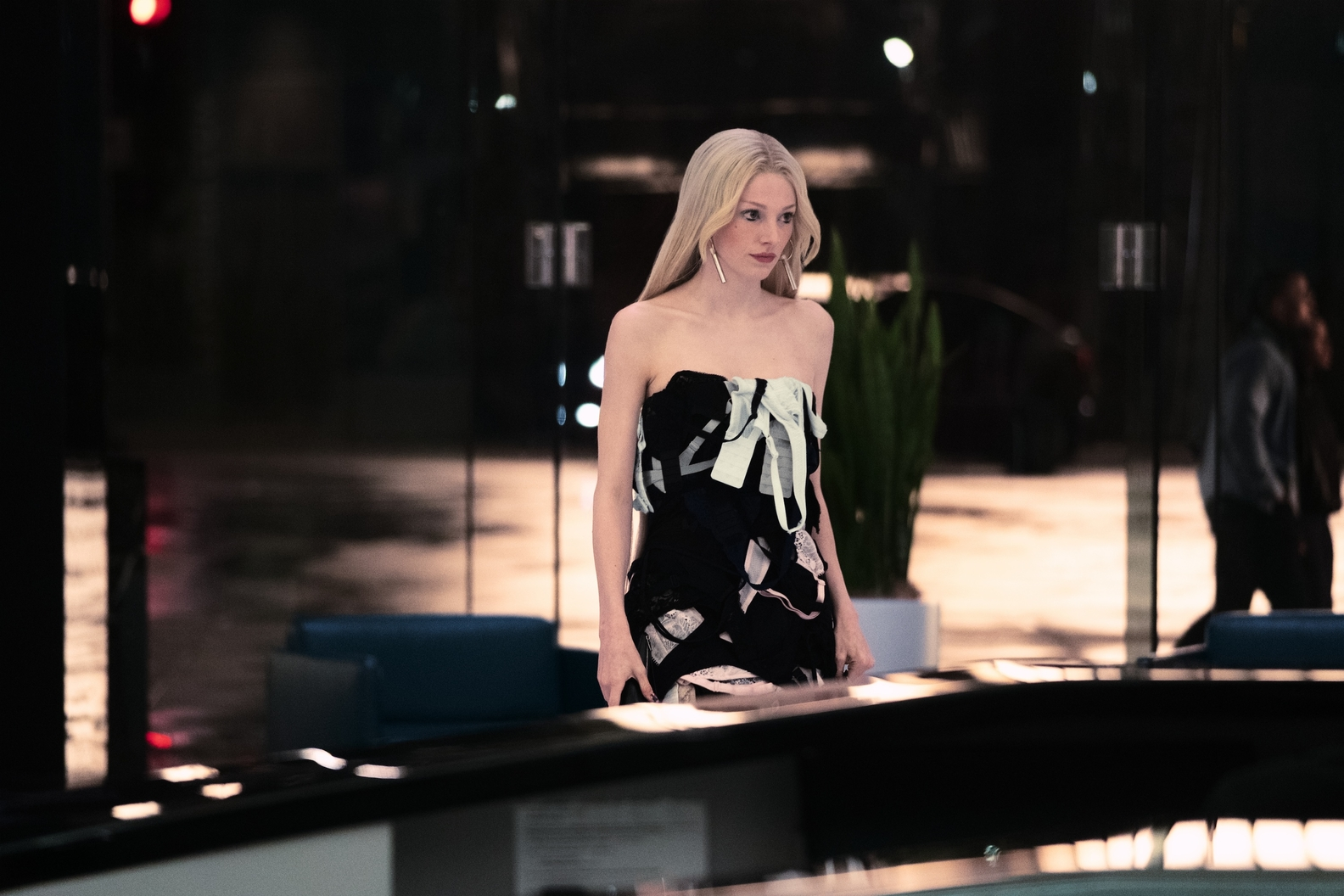
Jules has always represented transformation and fluidity. In Season 1, she was all Sailor Moon softness, candy colours, sparkly eyes and super-femme fantasy, almost like a pixie dream girl filtered through neon. Season 2 made her more avant-garde and self-directed, less interested in performing the kind of femininity other people could easily consume.
Season 3 gives her a different kind of fantasy. The longer, lighter hair makes her look more like an apparition inside someone else’s dream, while the Balenciaga Fall/Winter 2024 bra gown she wears in the first episode turns intimacy into image before she has even said much. Jules still feels ethereal, but there is a corruption to that innocence that was not there before.
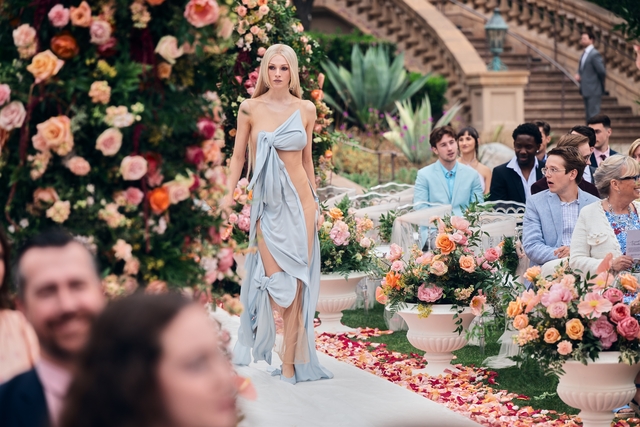
What feels most striking is how static she becomes. Jules has always been associated with movement, transformation and escape, but this season we mostly see her suspended in that high apartment, living in a glass house in every sense. One of the few times she steps outside that world is for Nate and Cassie’s wedding, where her baby-blue Acne Studios dress makes her look fragile and almost clueless in her own softness. The fluid fabric moves around her like water, but the effect is not freedom. Her softness used to read as innocence and fantasy. Now it reads as fragility, vulnerability and exposure.
Lexi
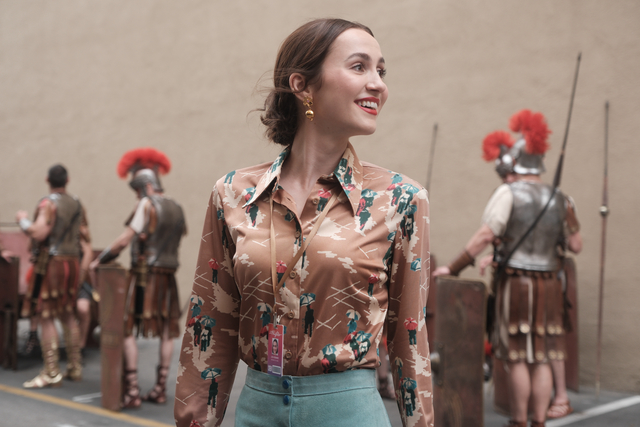
Lexi belongs to the season’s quieter 70s corner. Her vintage Nik Nik button-down gives her work wardrobe a polished, slightly retro intelligence, while the Mondo Mondo Remus and Romulus earrings show how she mixes vintage with contemporary oddness. She looks individual without trying to dominate the frame.
The interiors around her matter too. The upholstered rooms, the pool scenes, the À bout de souffle poster behind her while she writes L.A. Nights for her boss all place Lexi in a world of references and observation. She has always watched before acting. This season, watching starts to look like authorship.
That is the shift of Euphoria Season 3. The fashion no longer feels like teen trend-making from a bathroom mirror. The clothes now feel less like styling than evidence of what adulthood has done to each of them.
The kids are all grown up. In Euphoria, growing up means going west: into the heat, into the consequences of their actions, and into a new costume for survival.