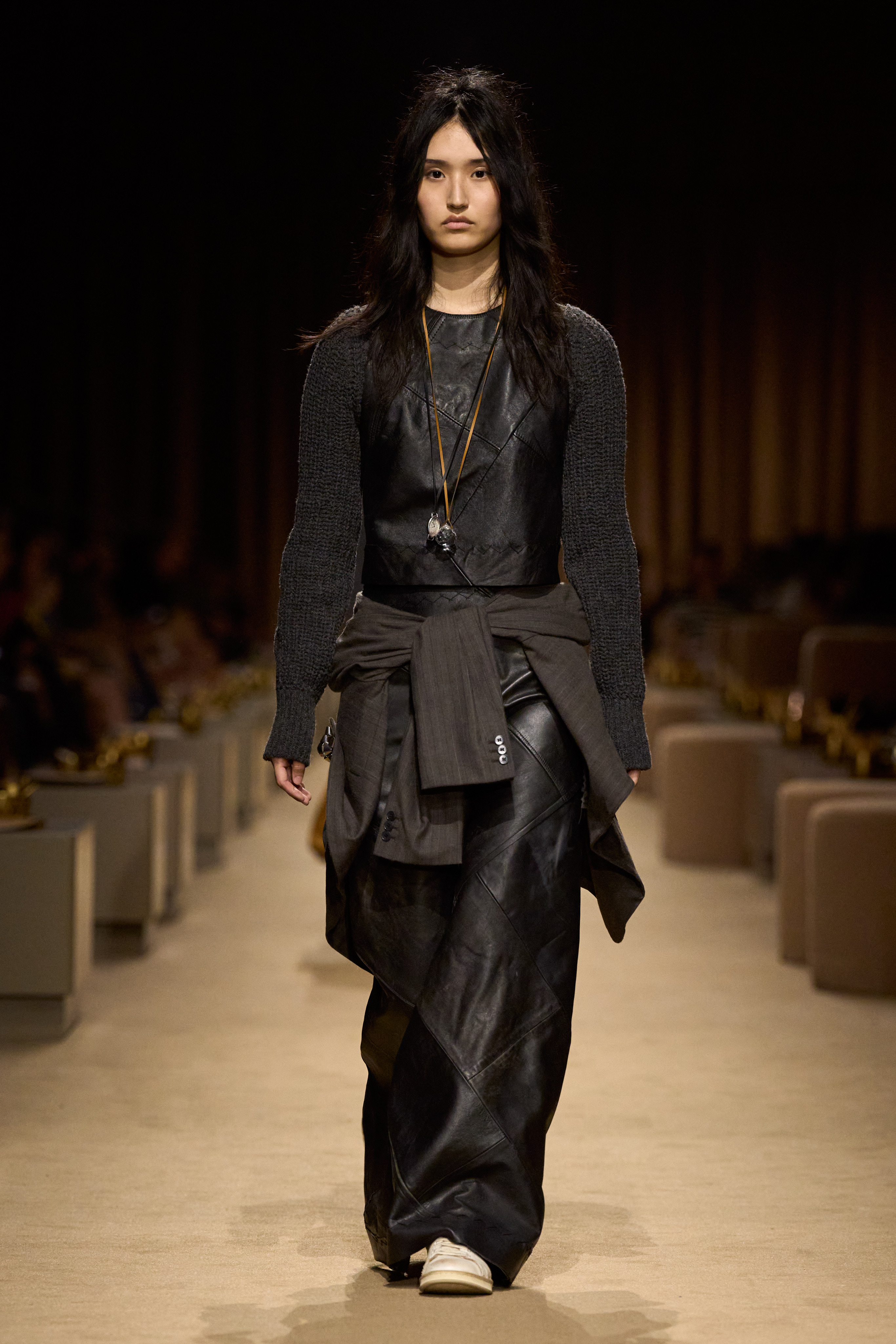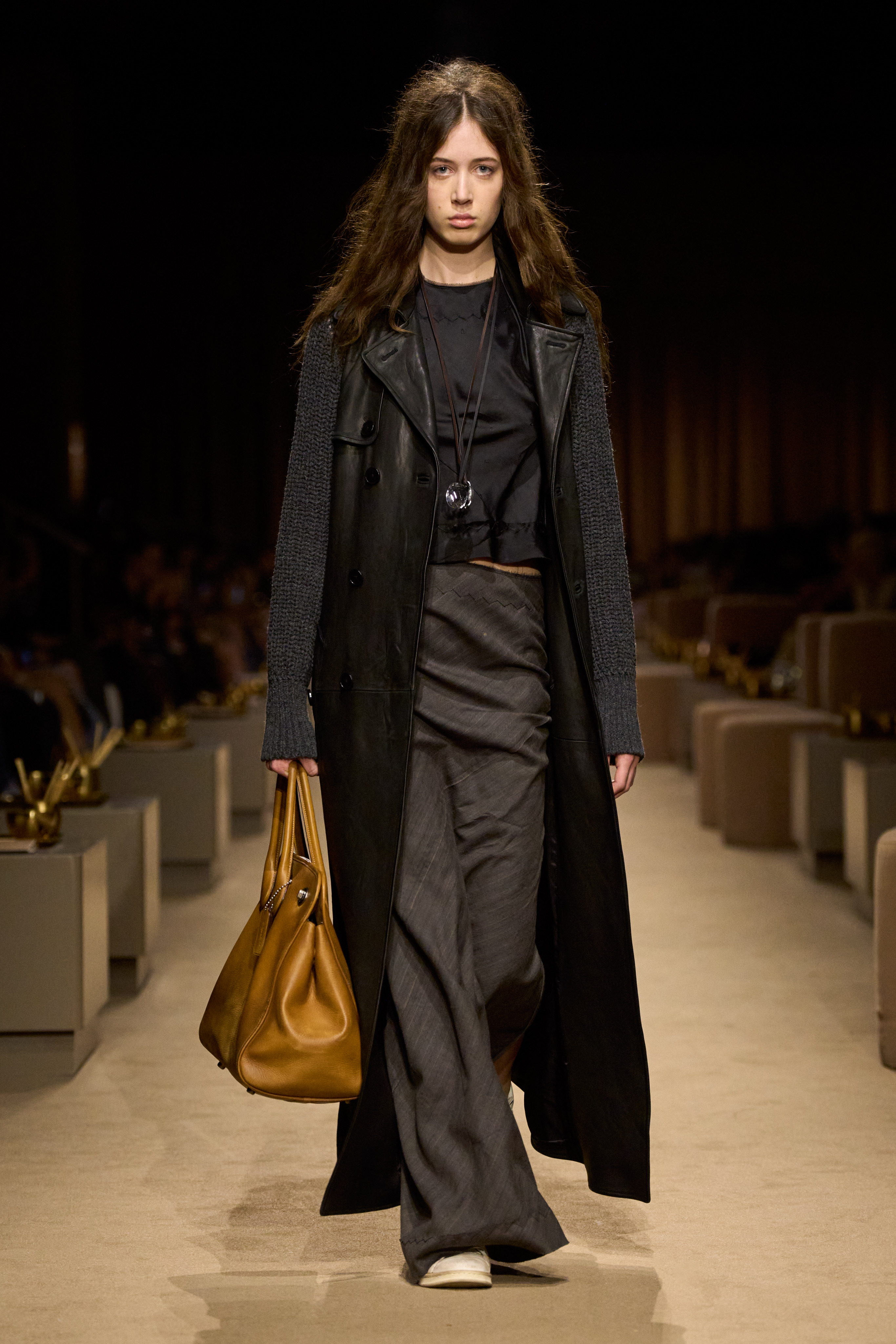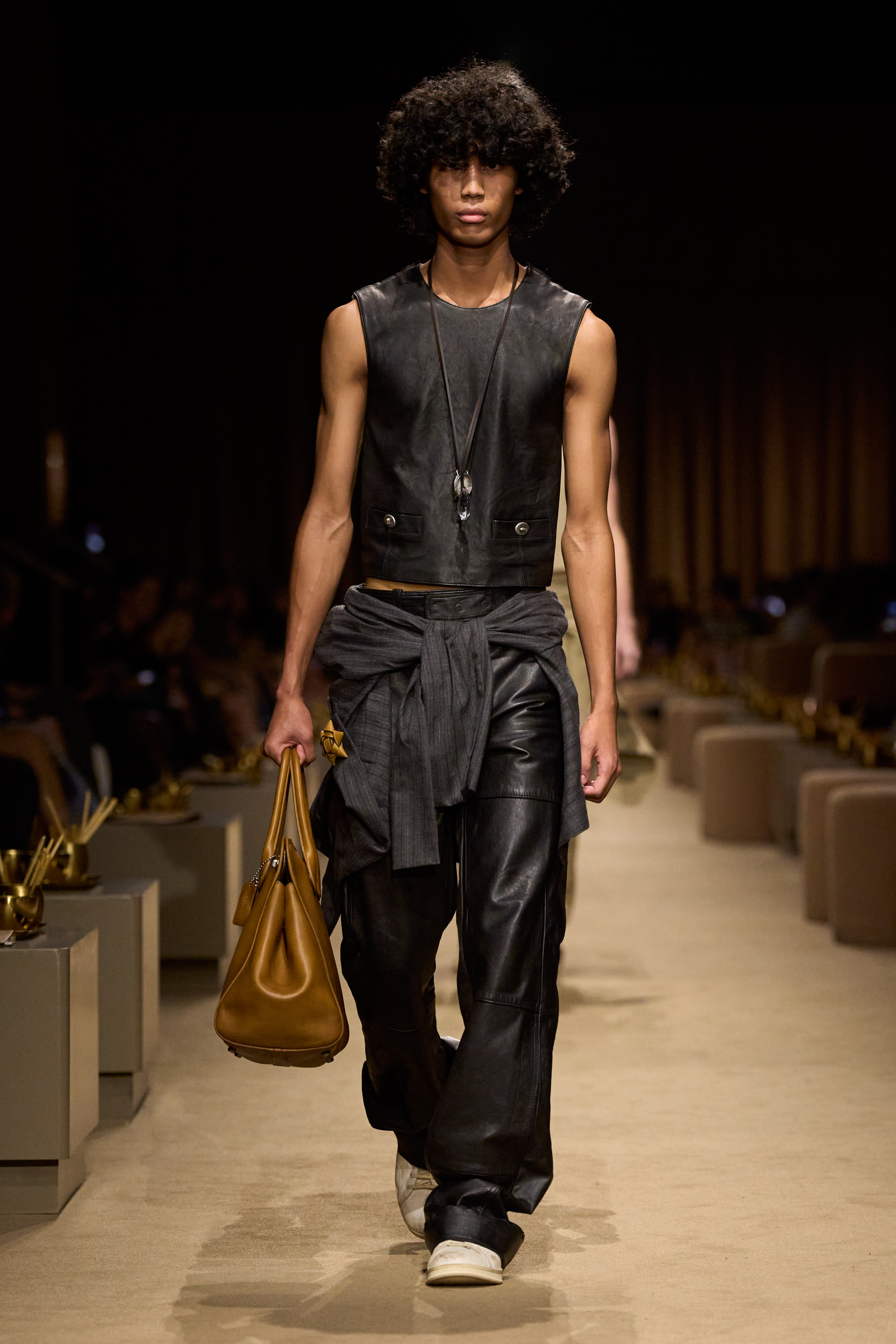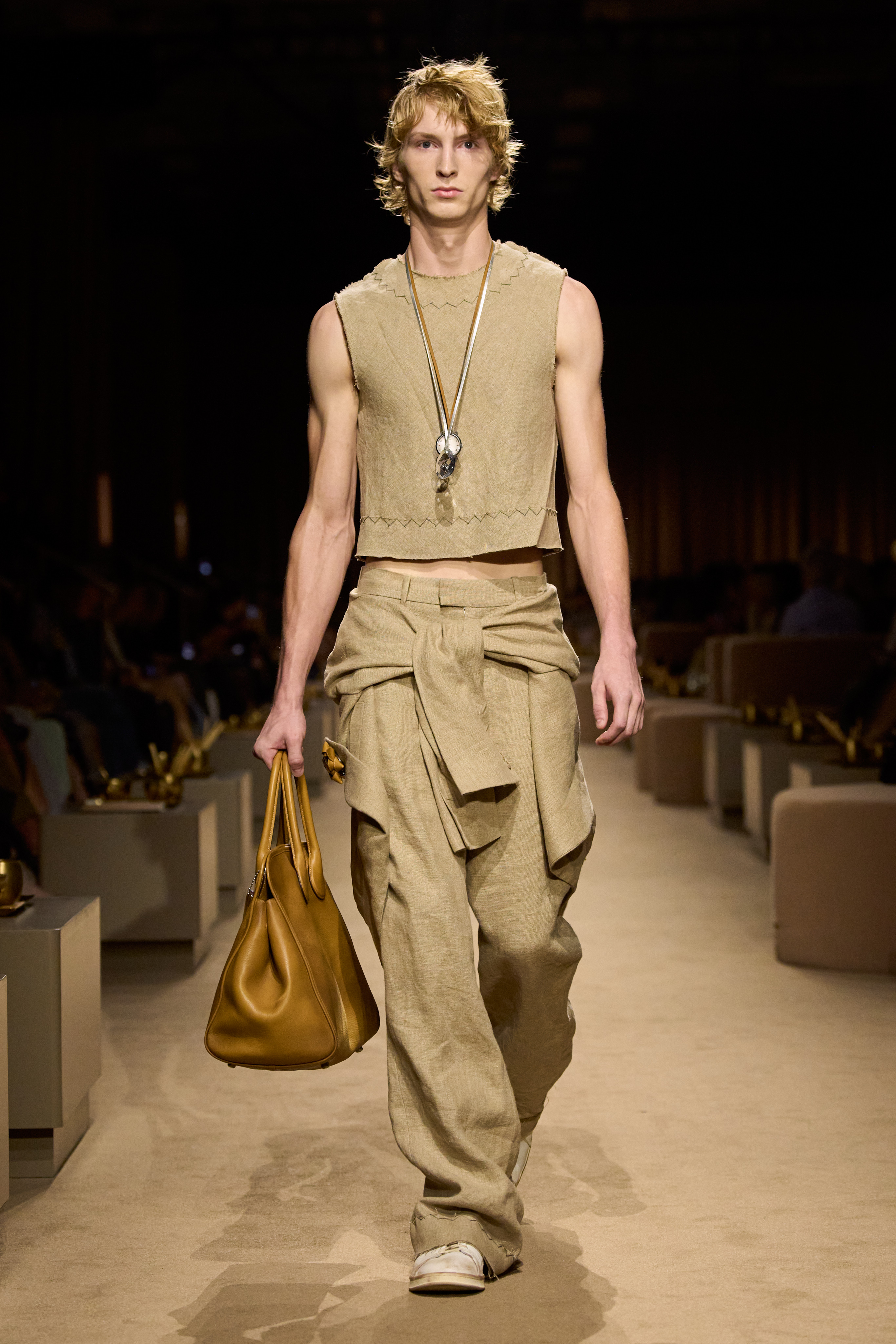


What does it mean to grow older in fashion without becoming old?
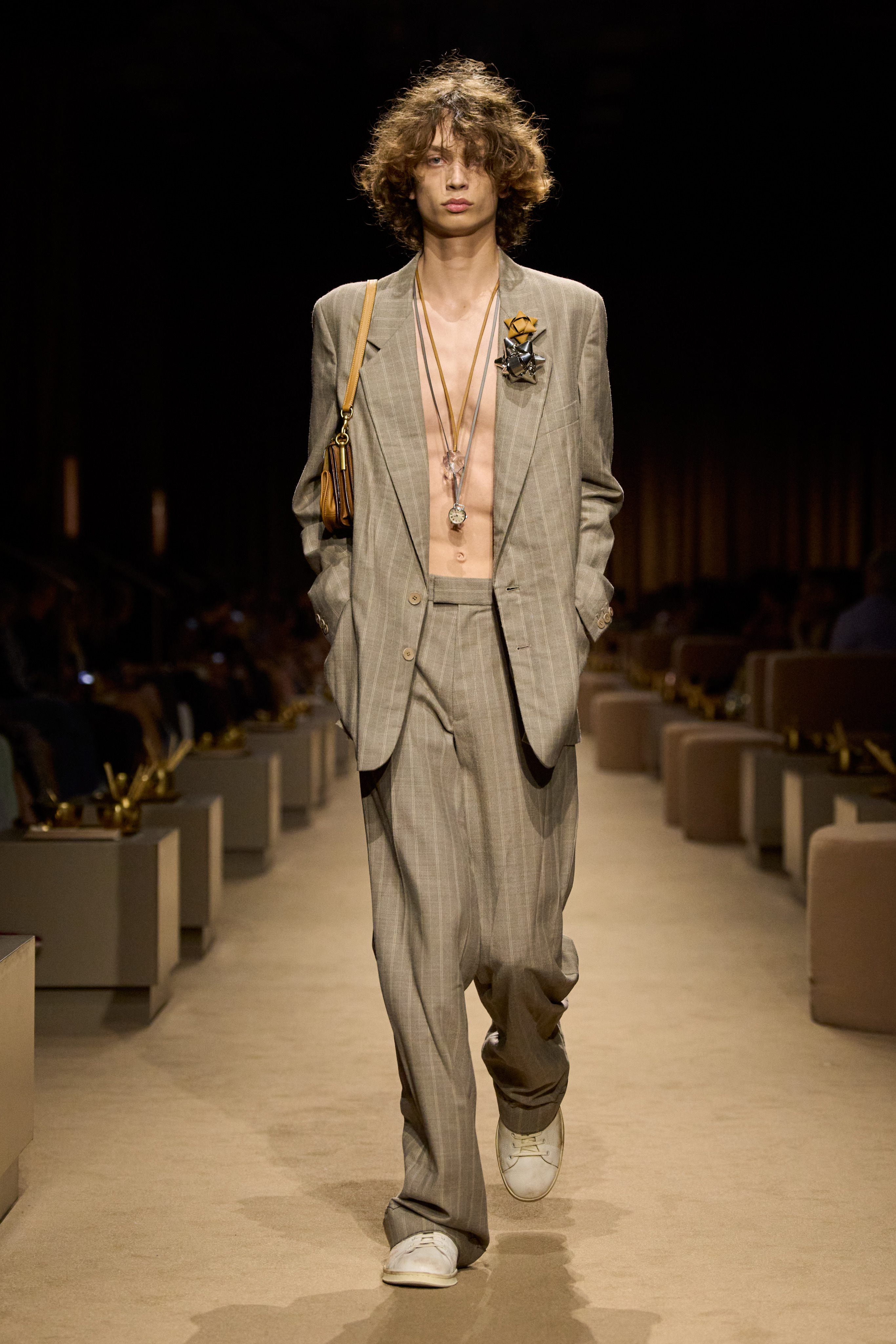
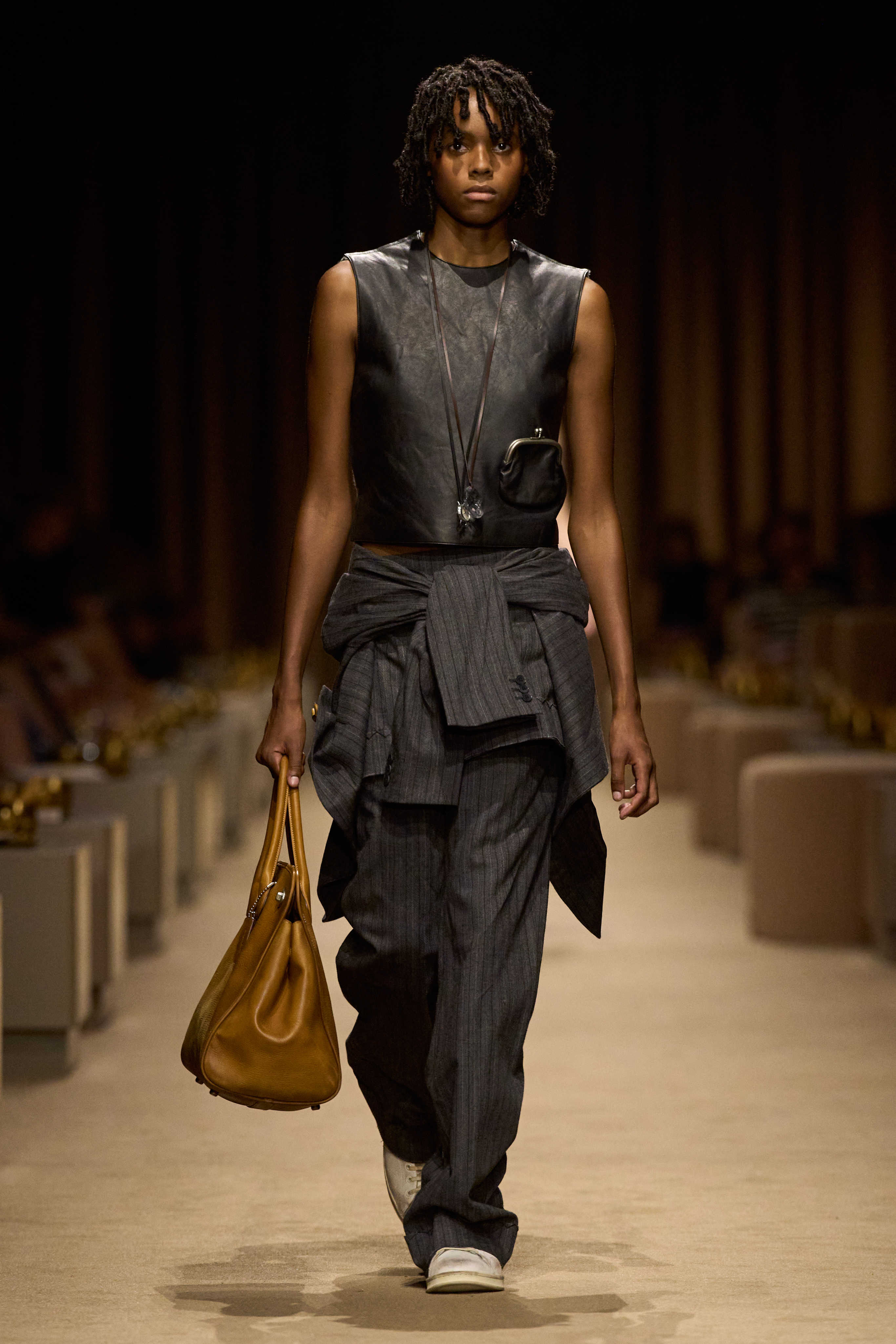
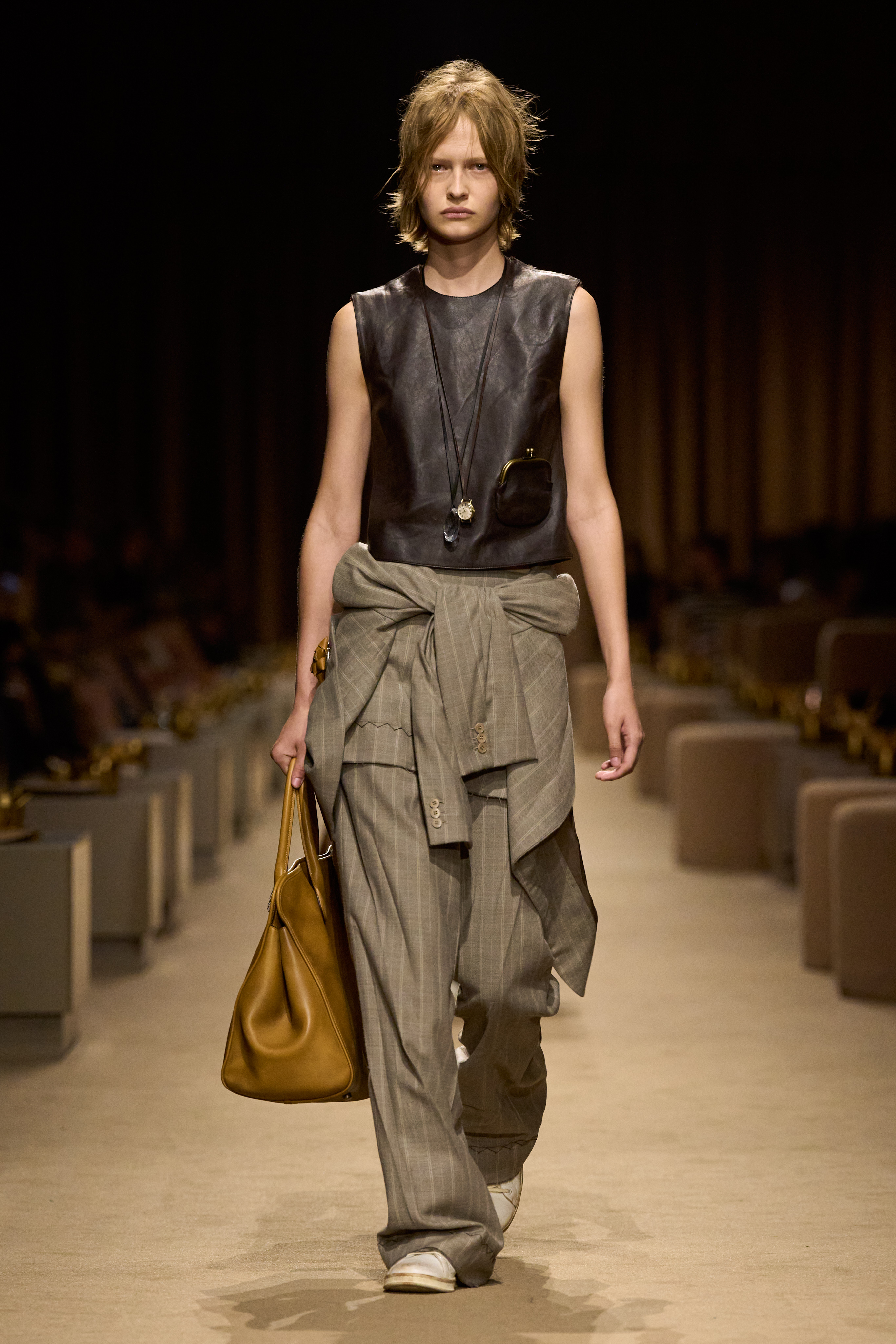
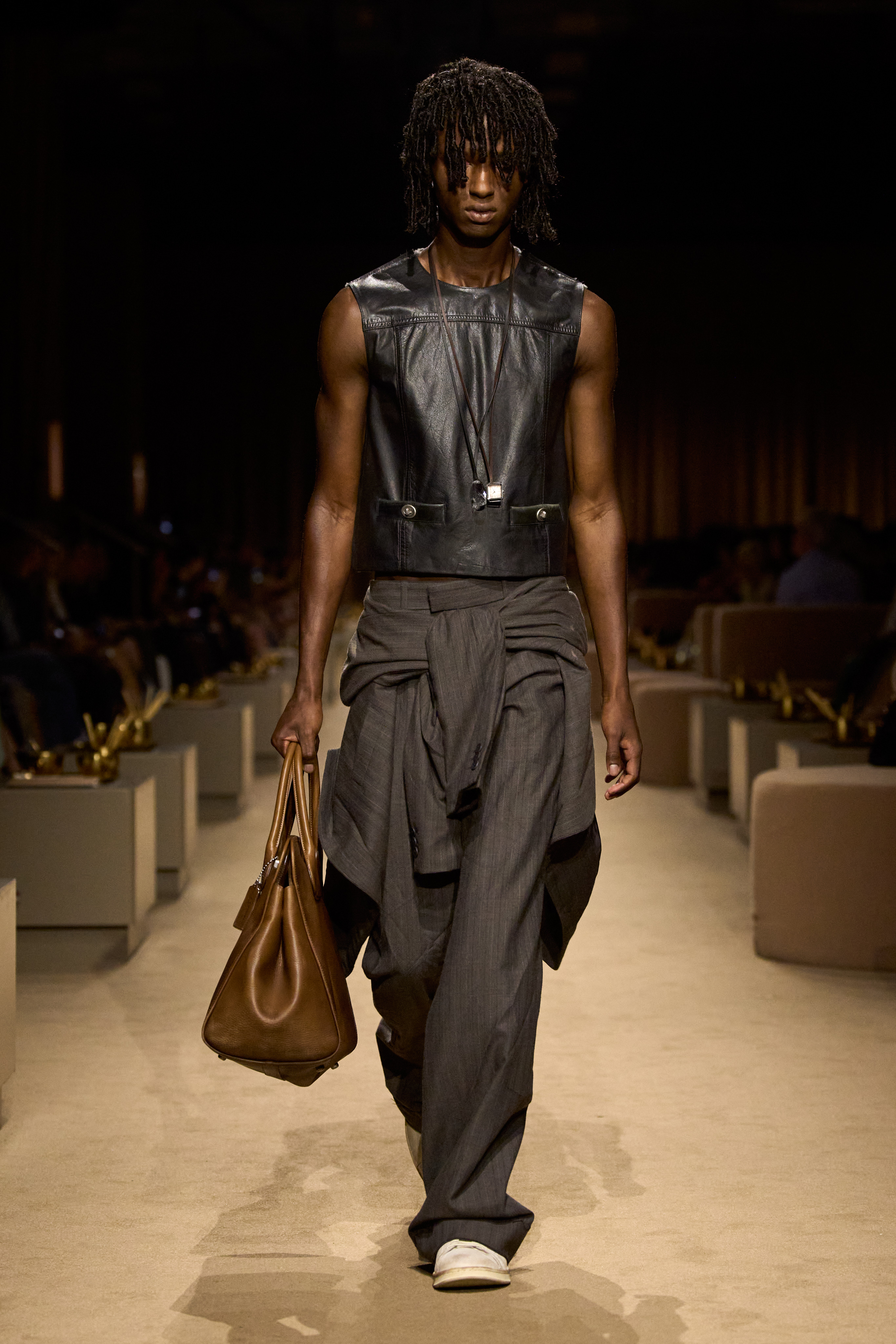
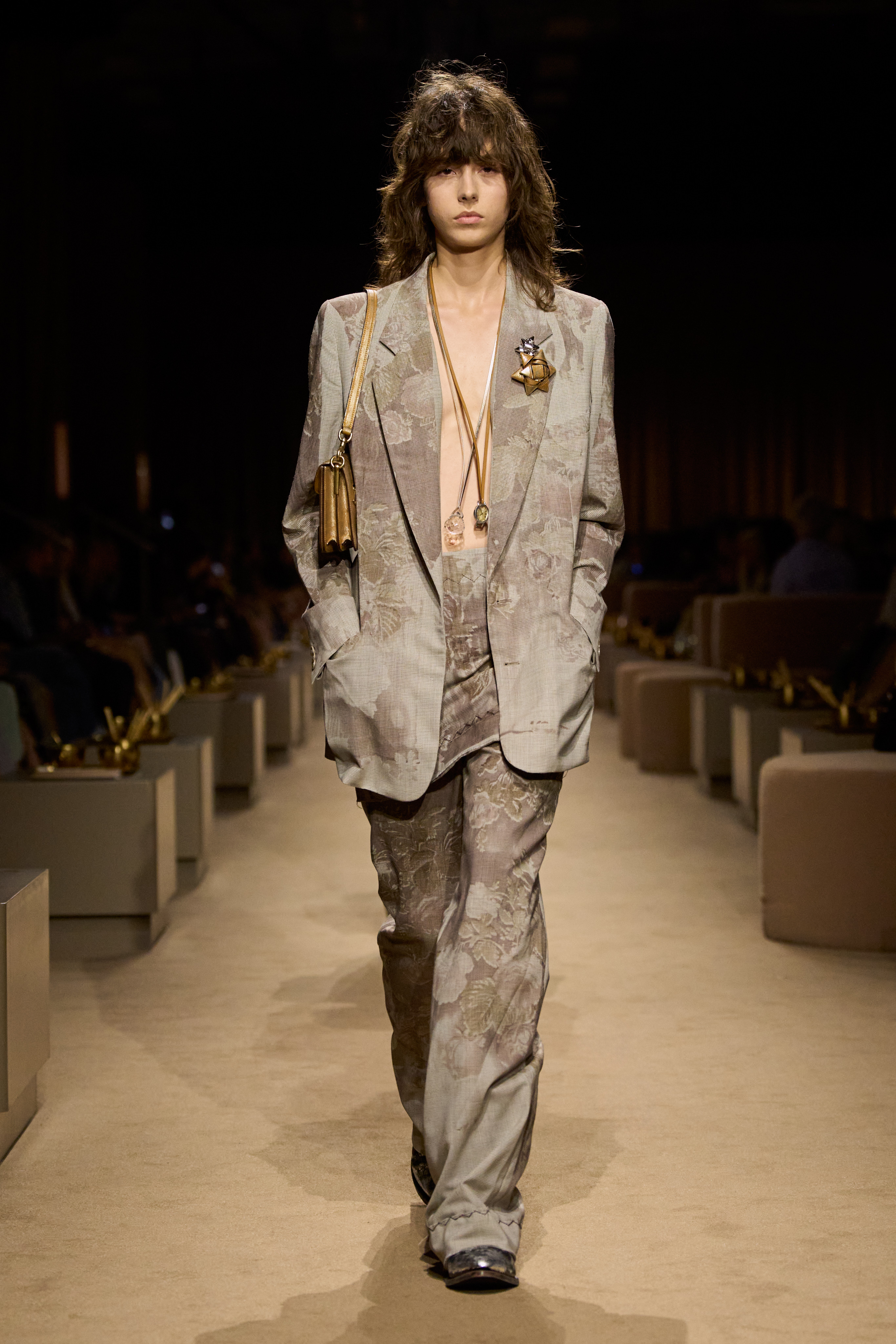
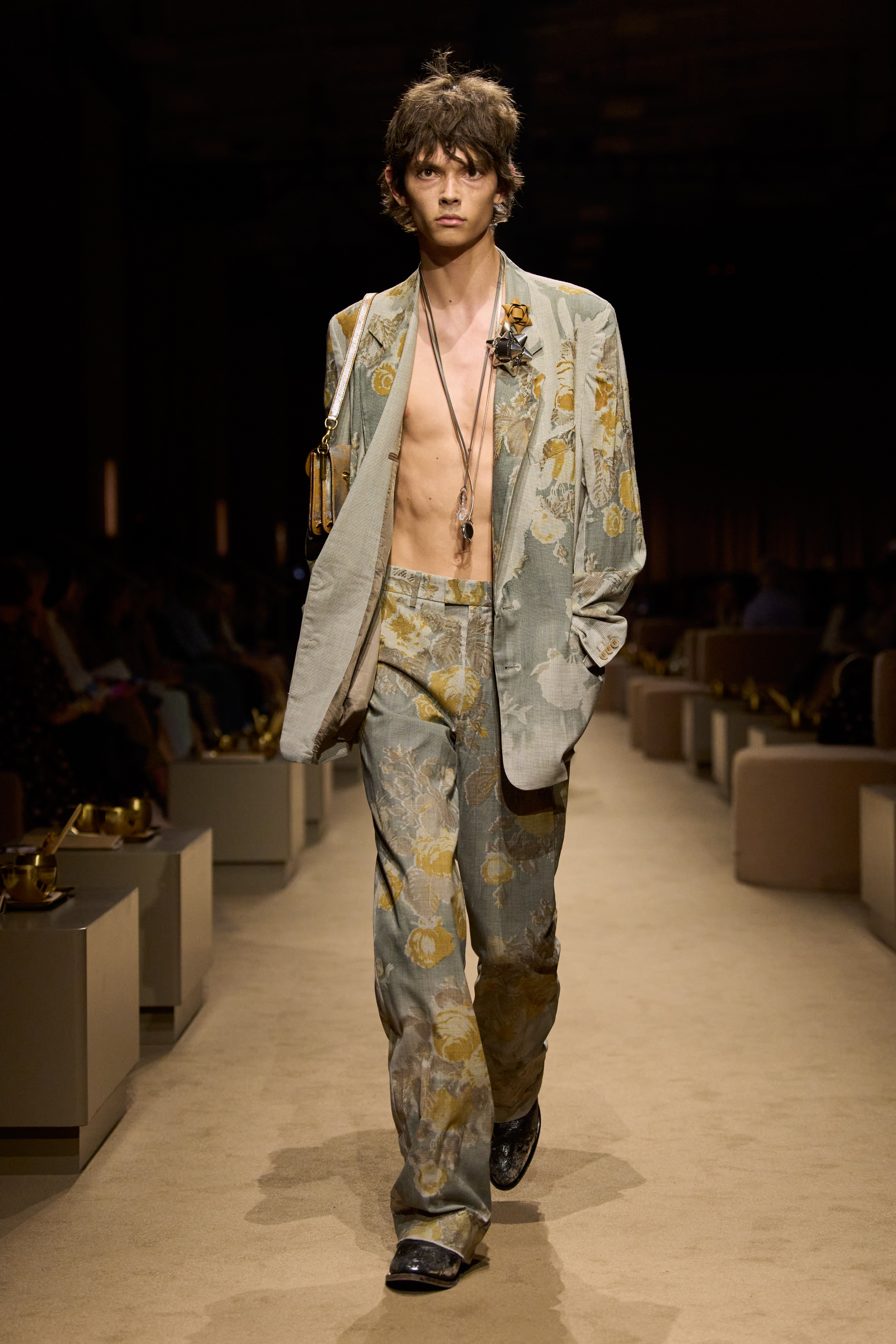
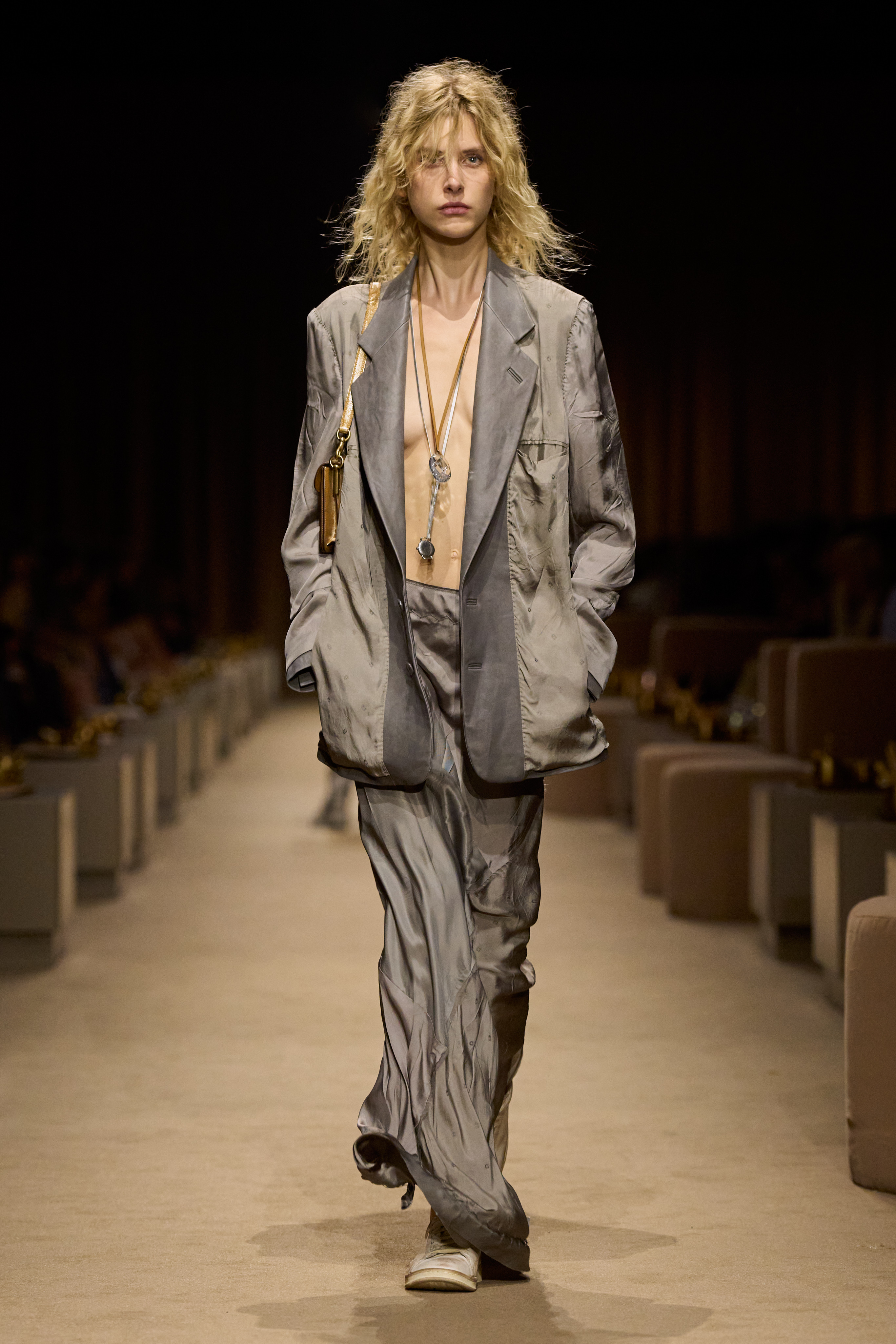
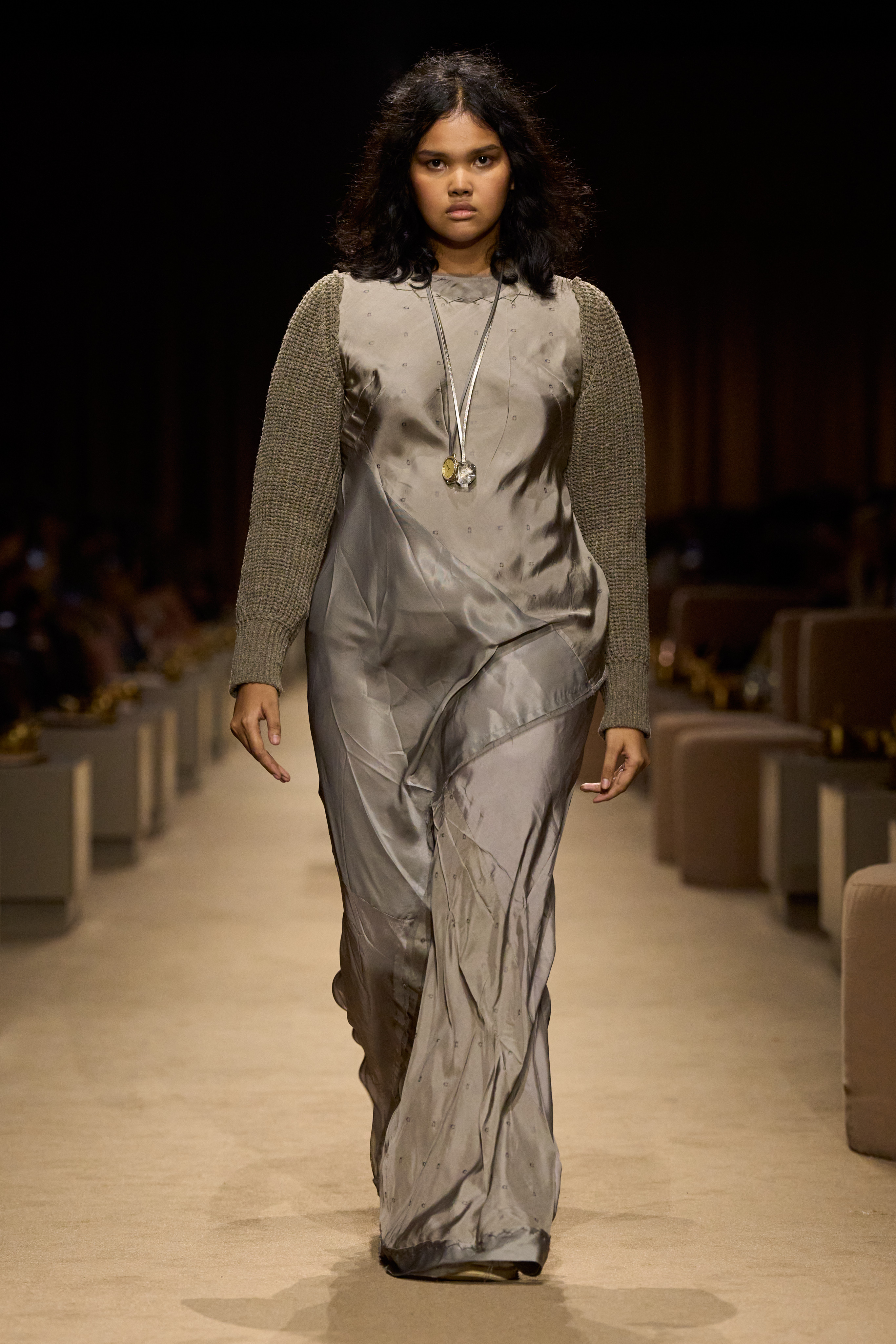
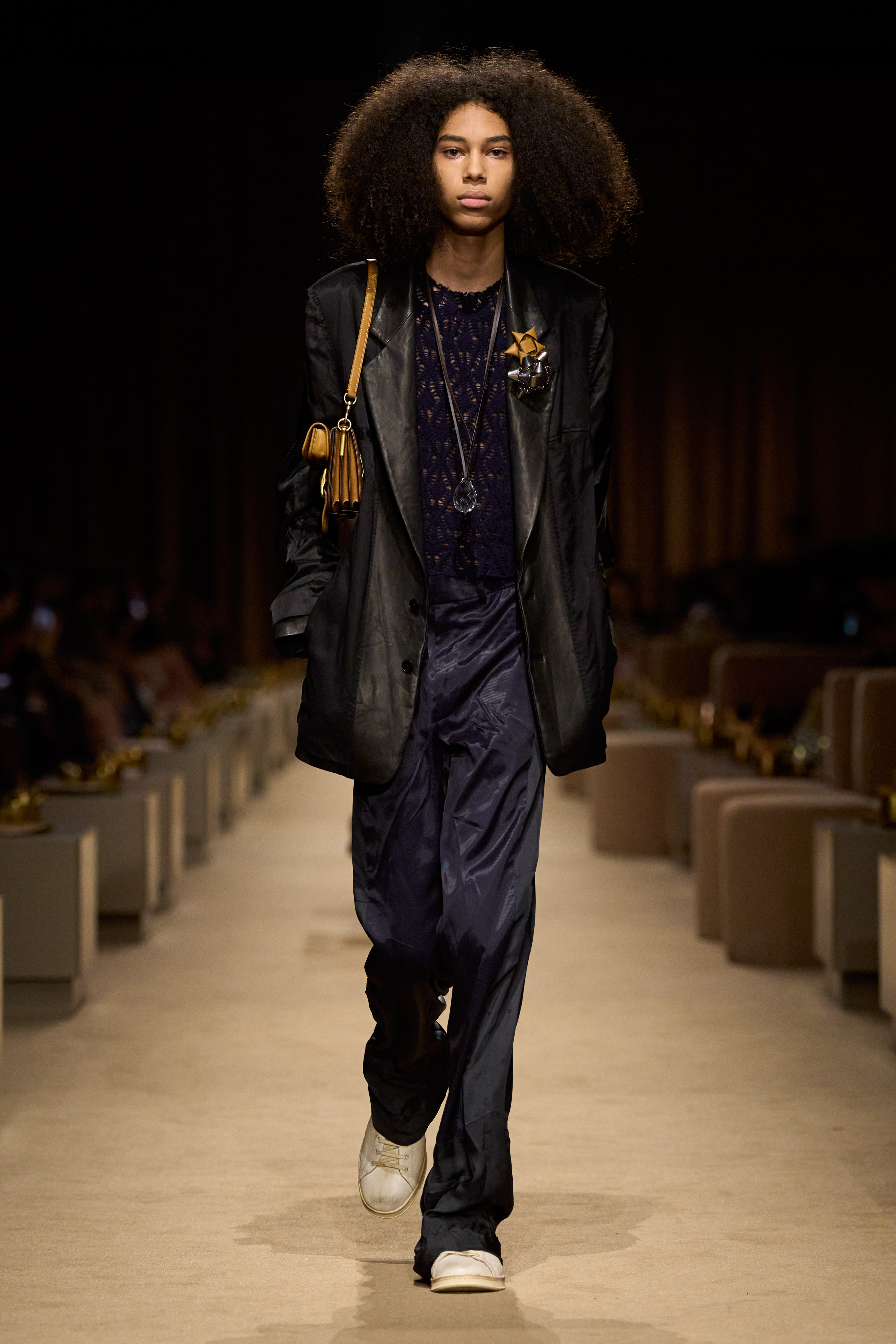
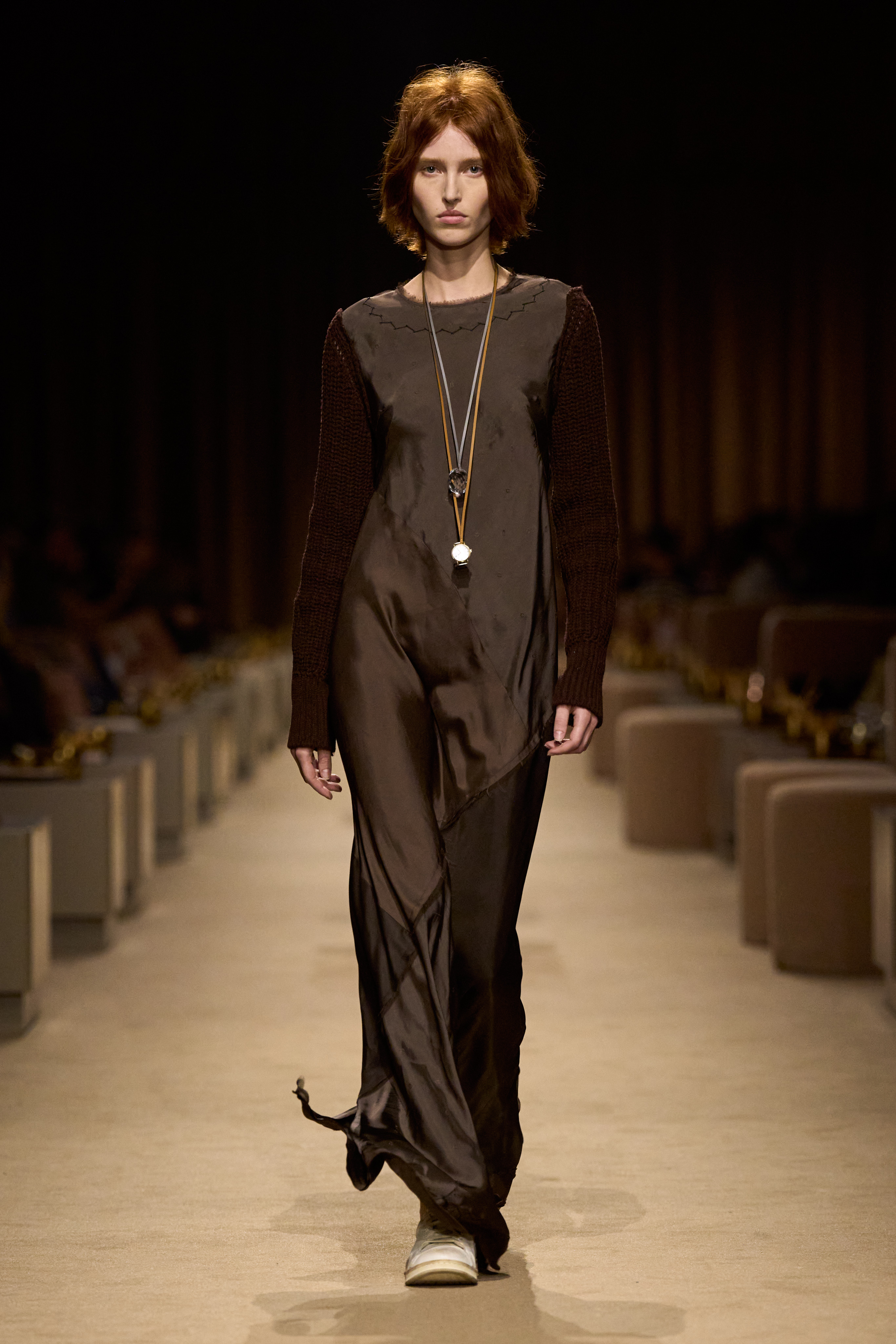
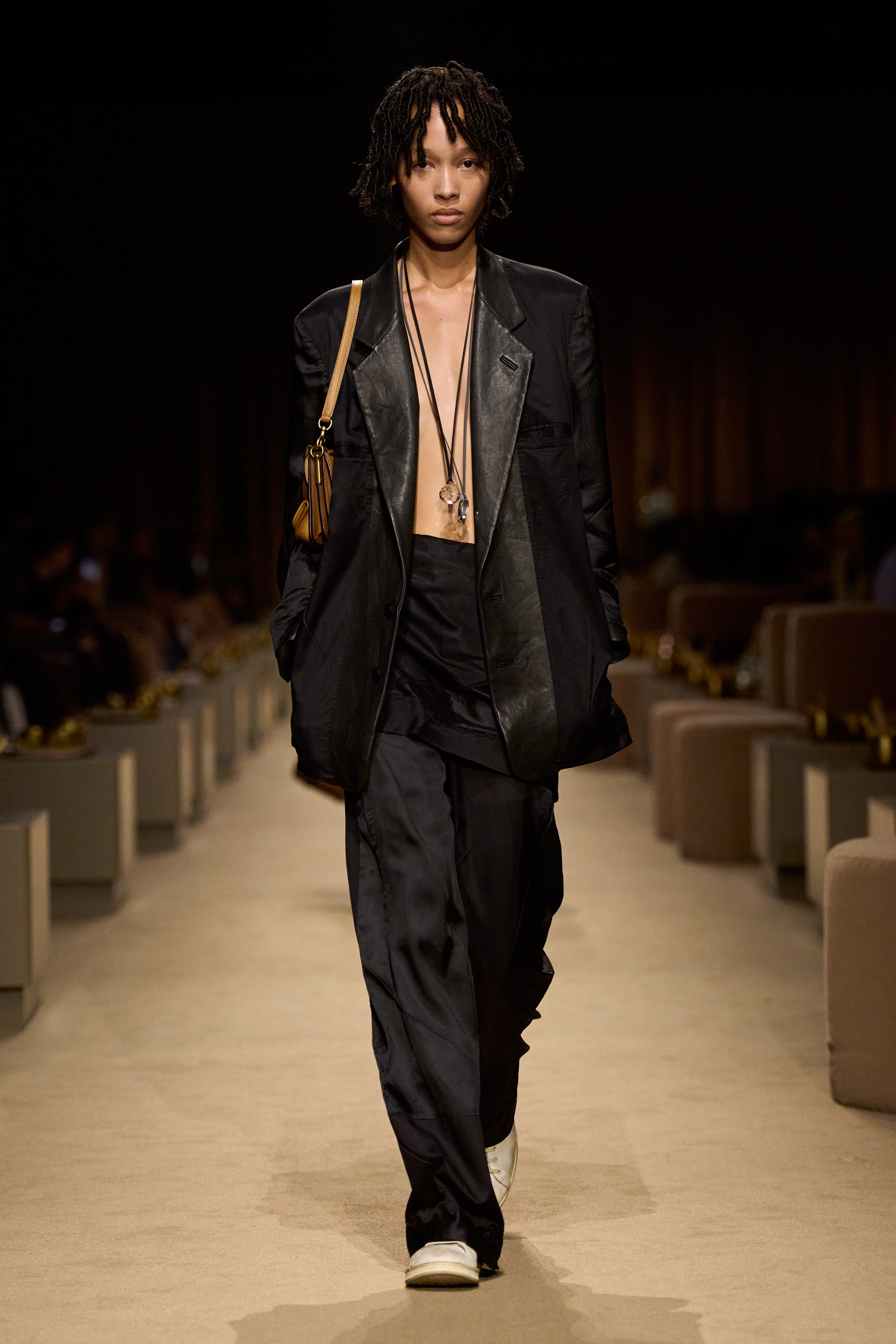
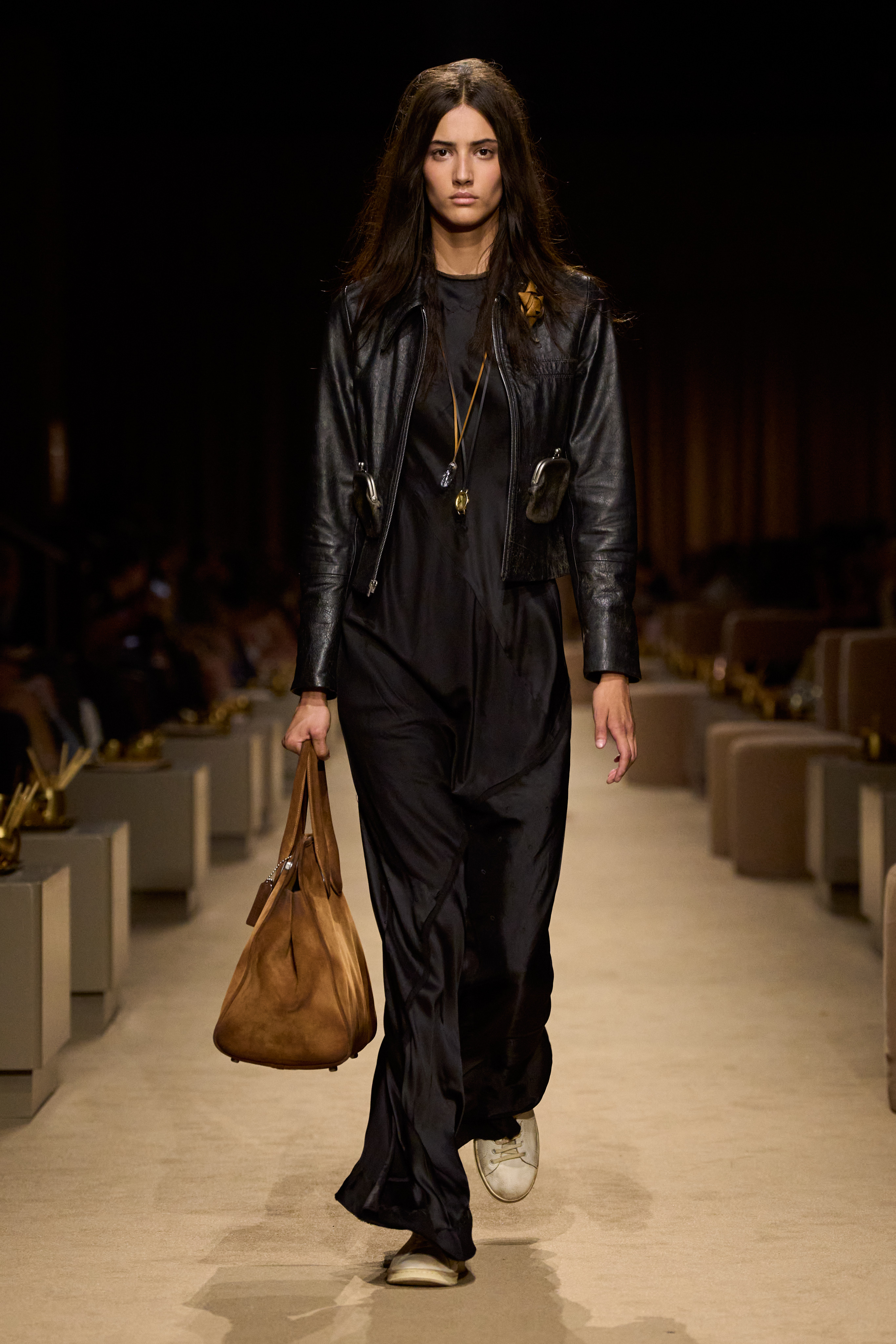
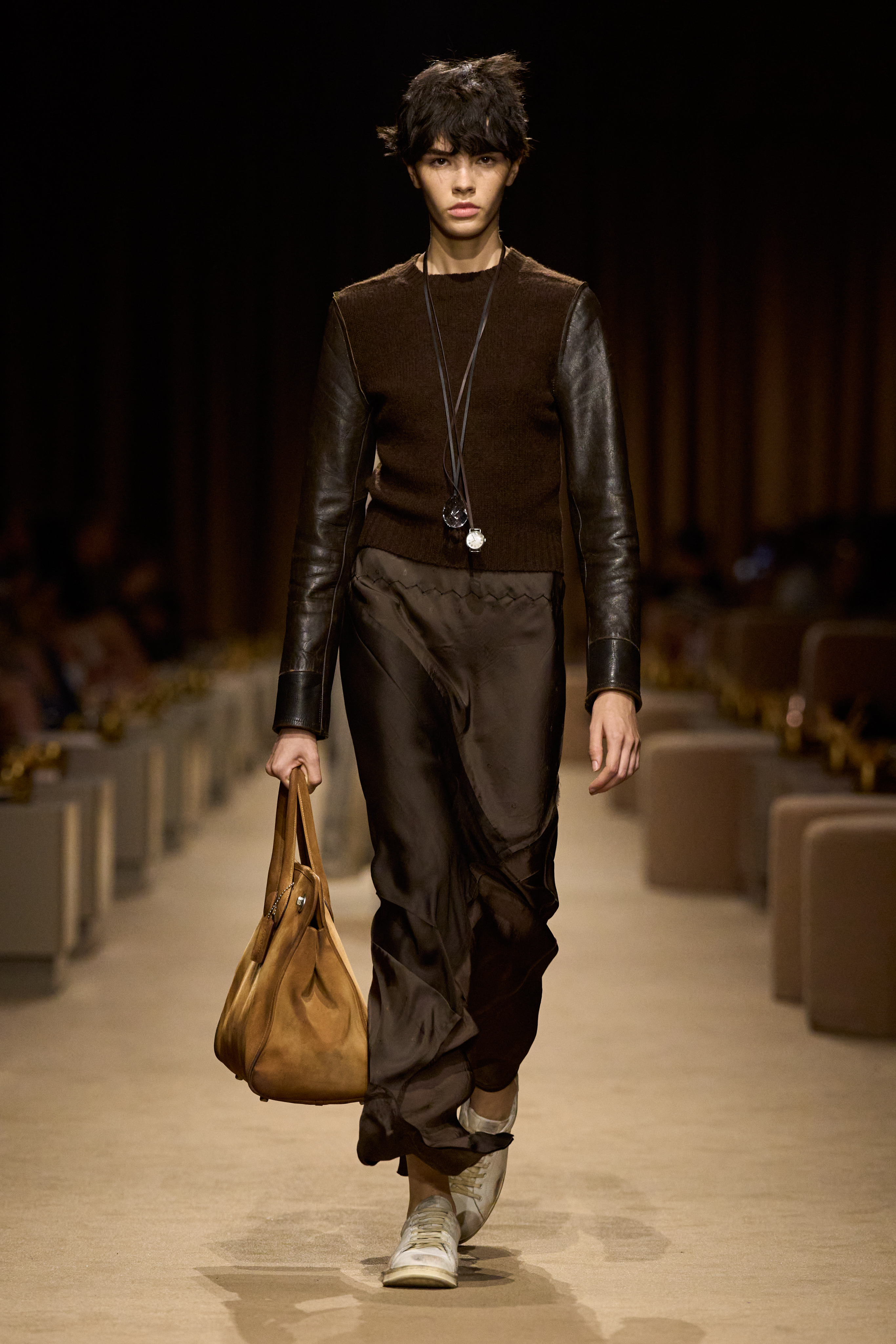
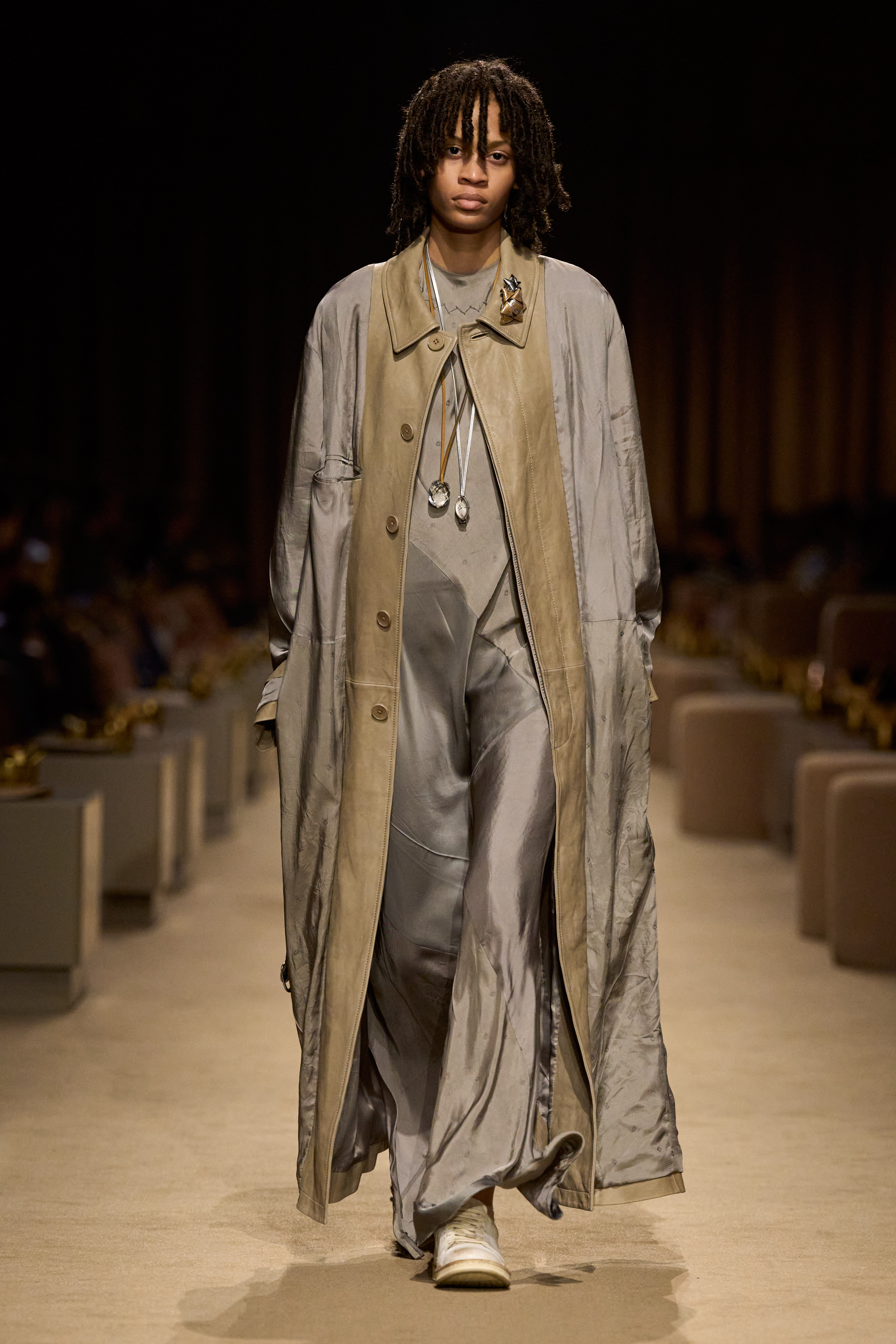
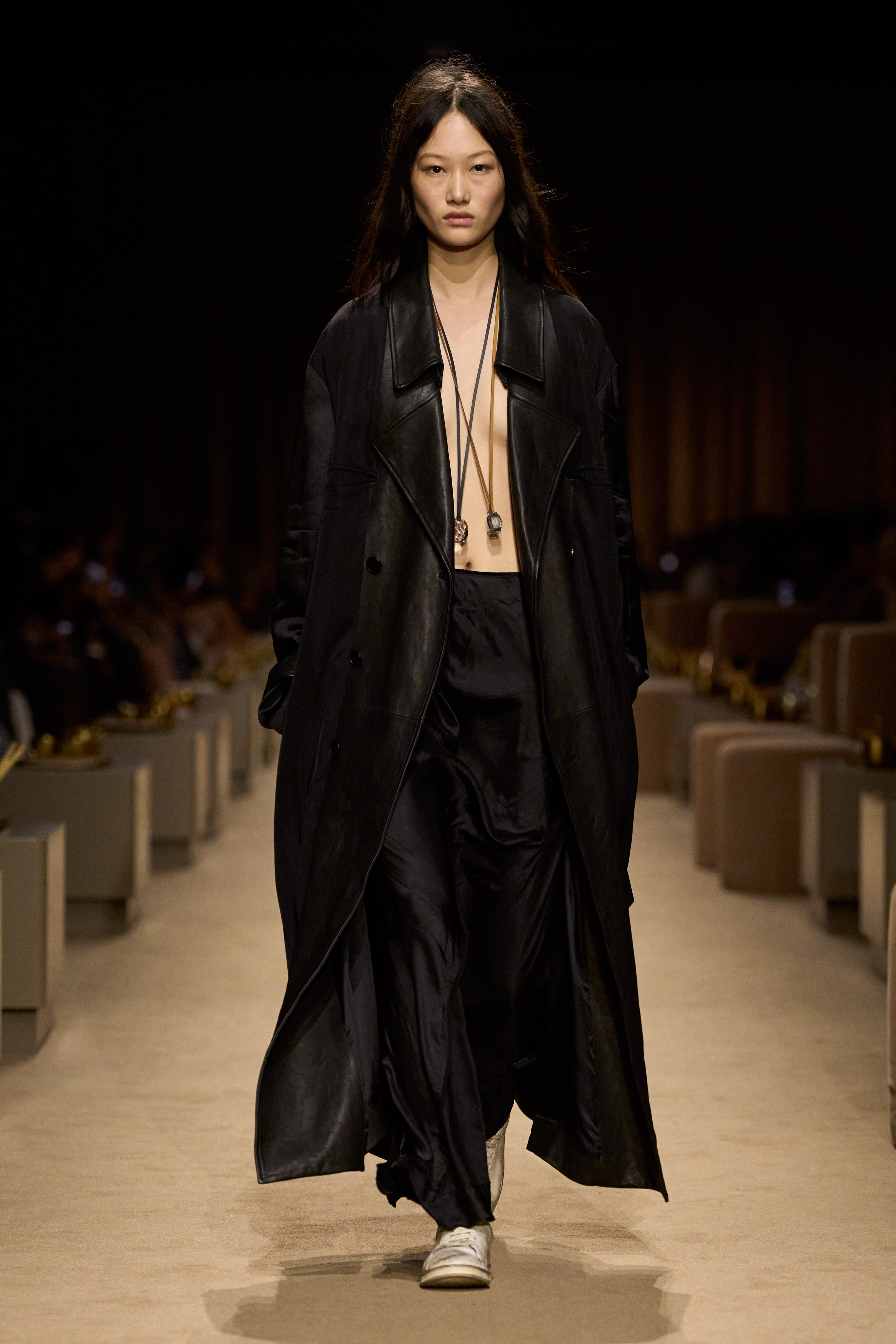
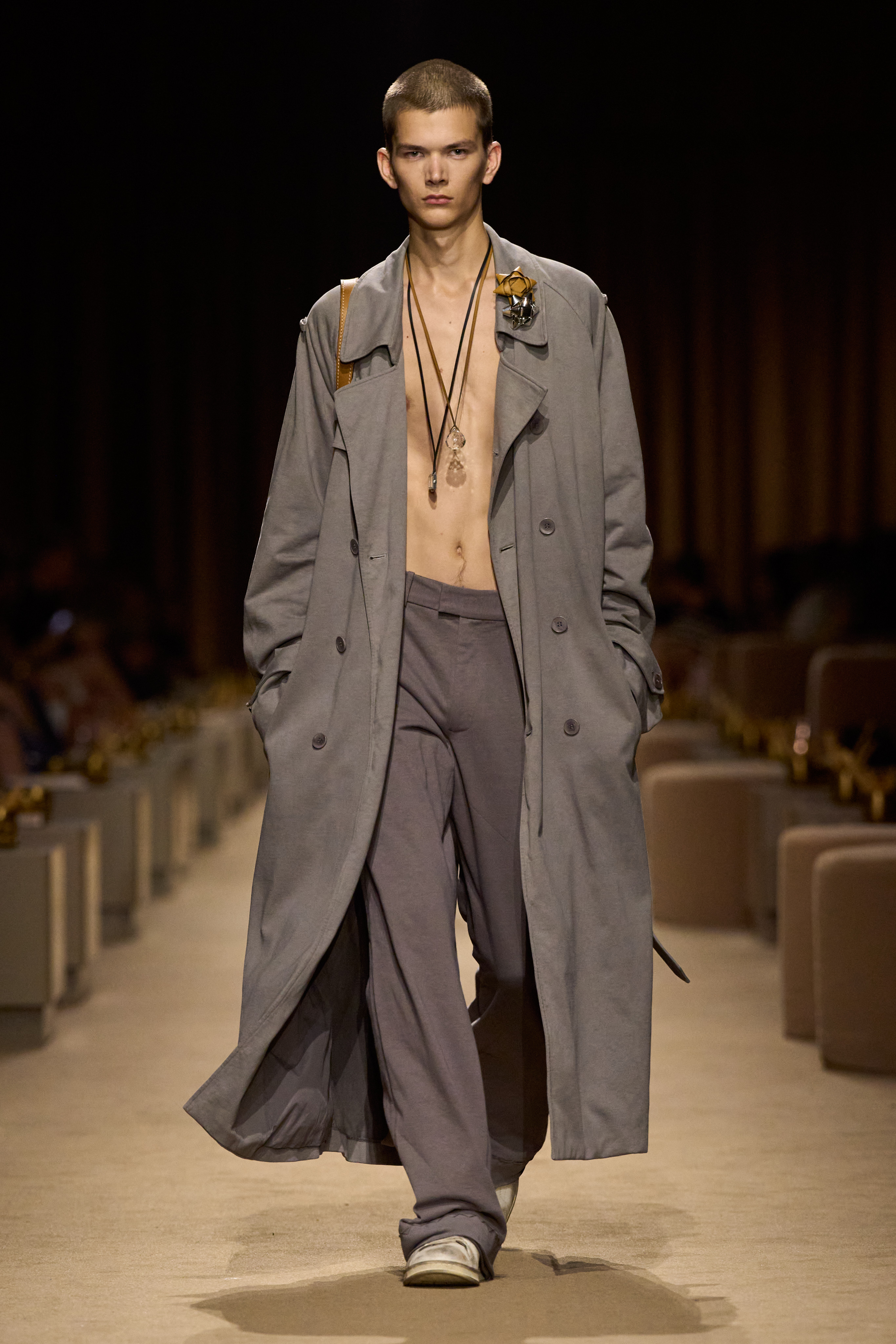
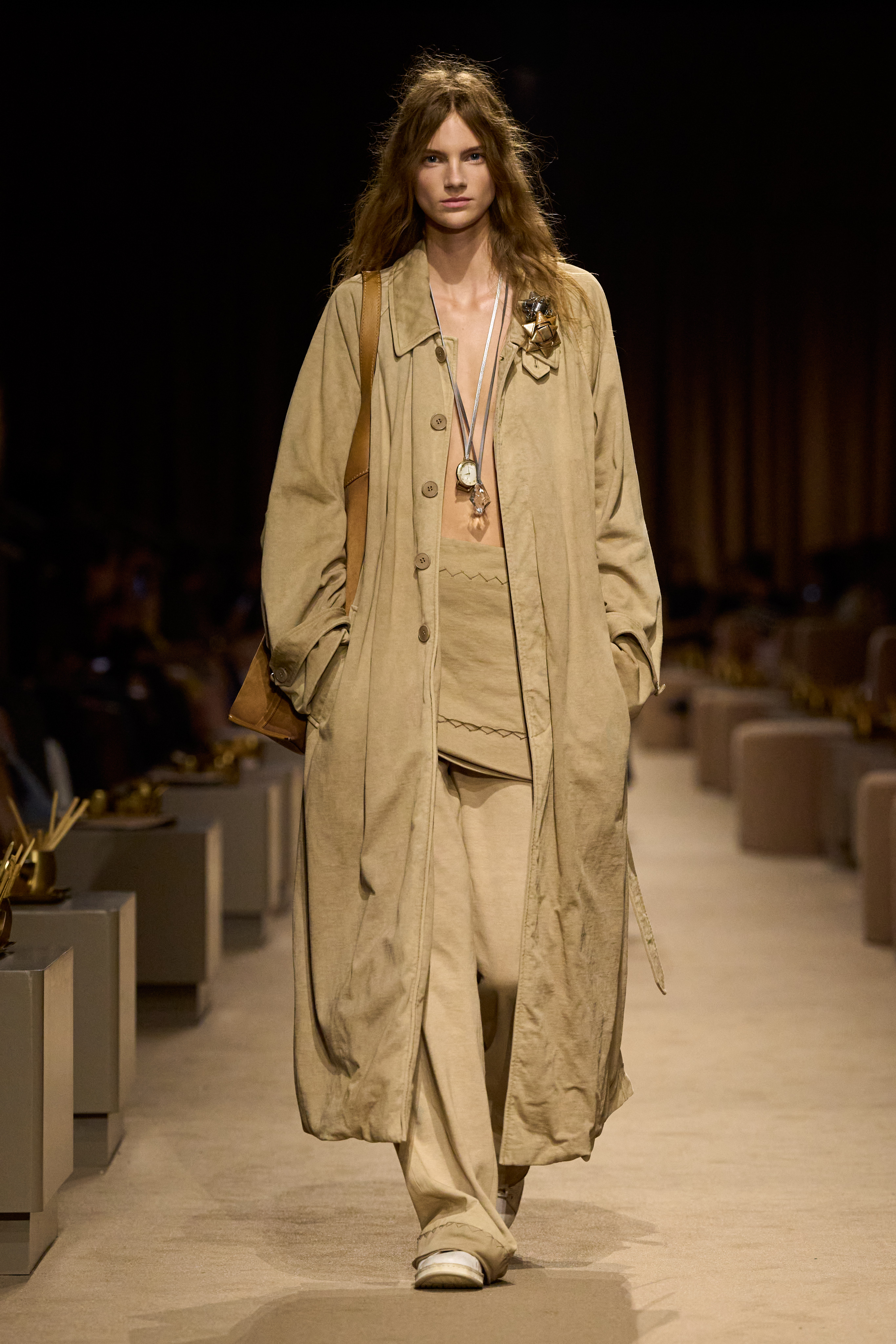
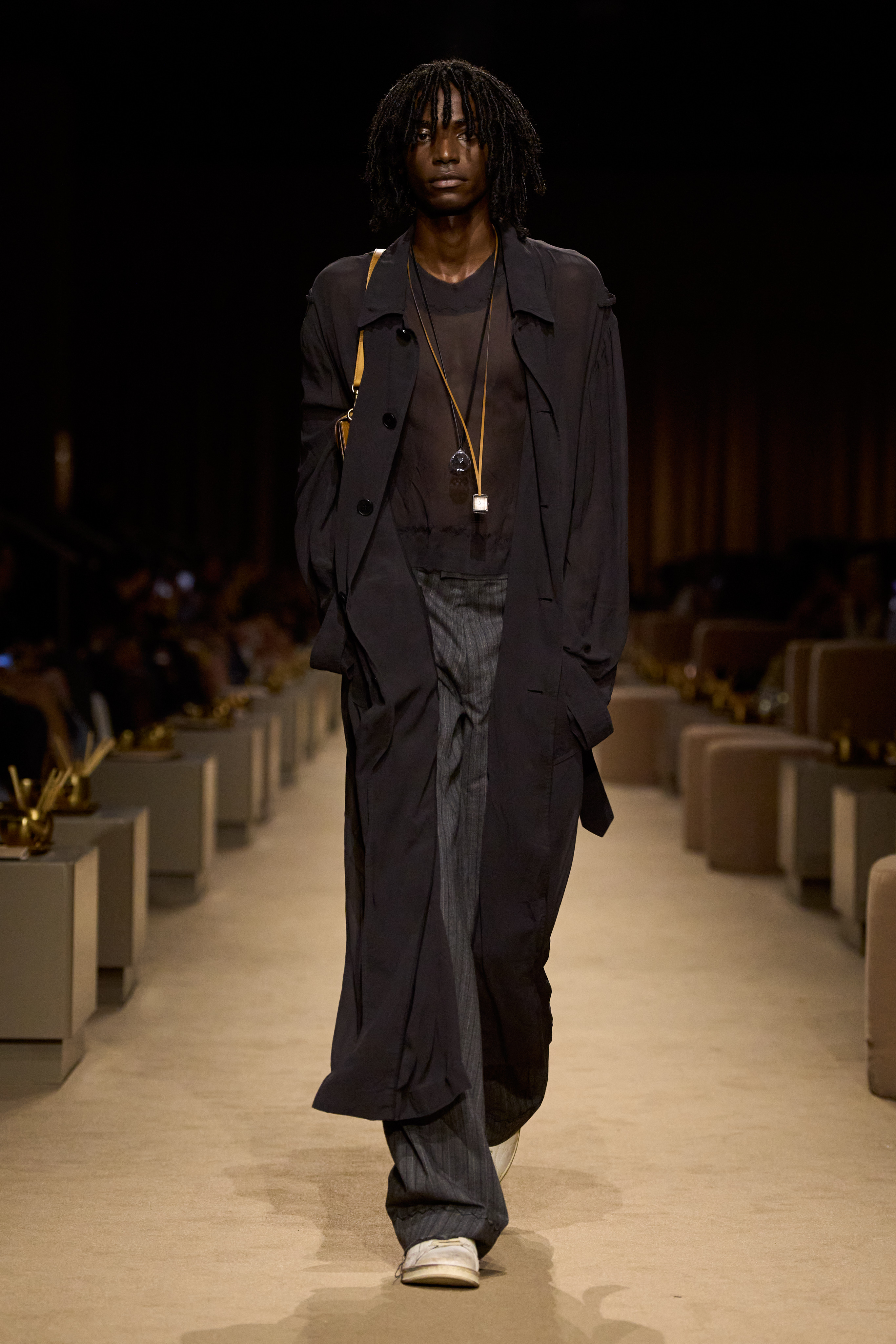
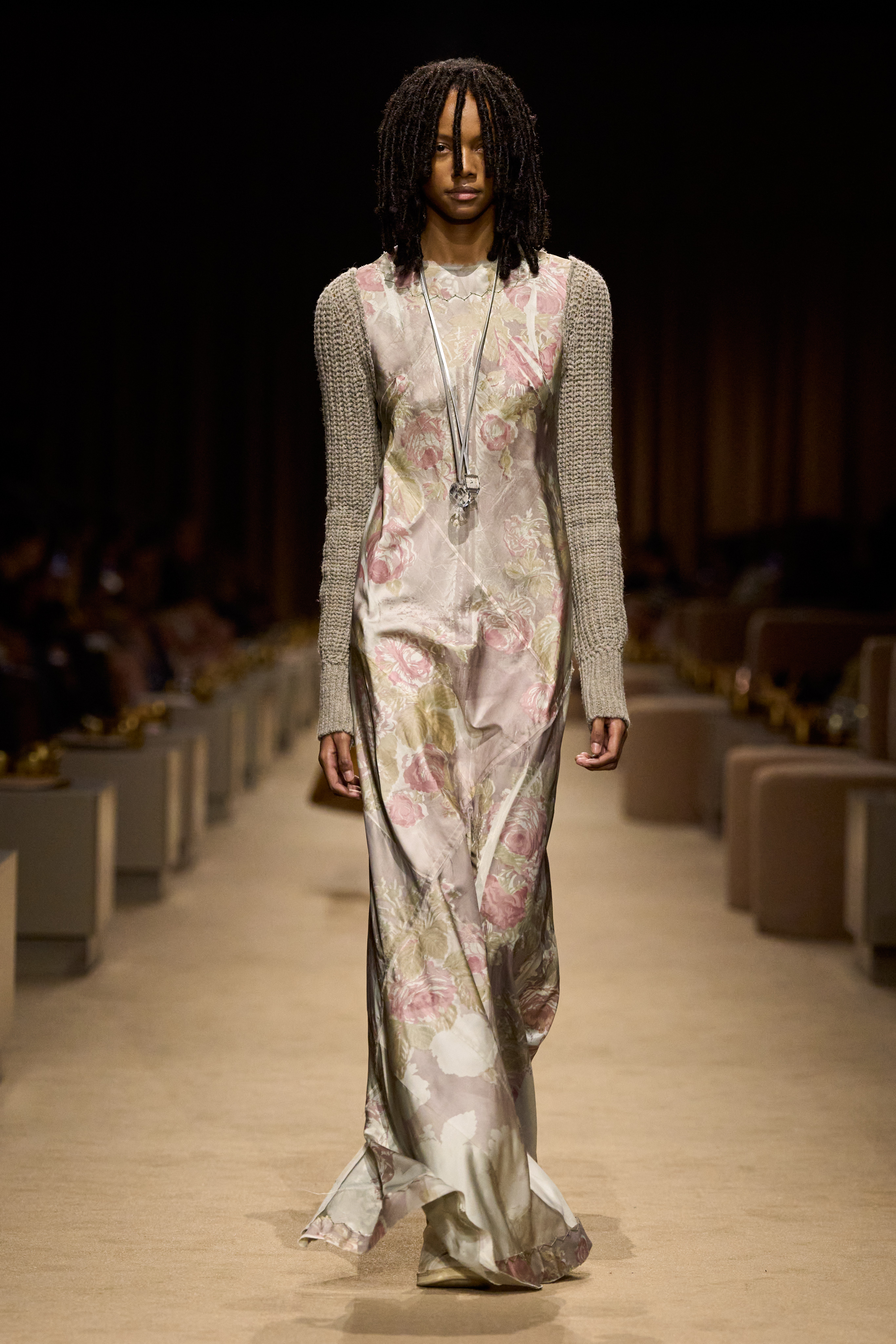
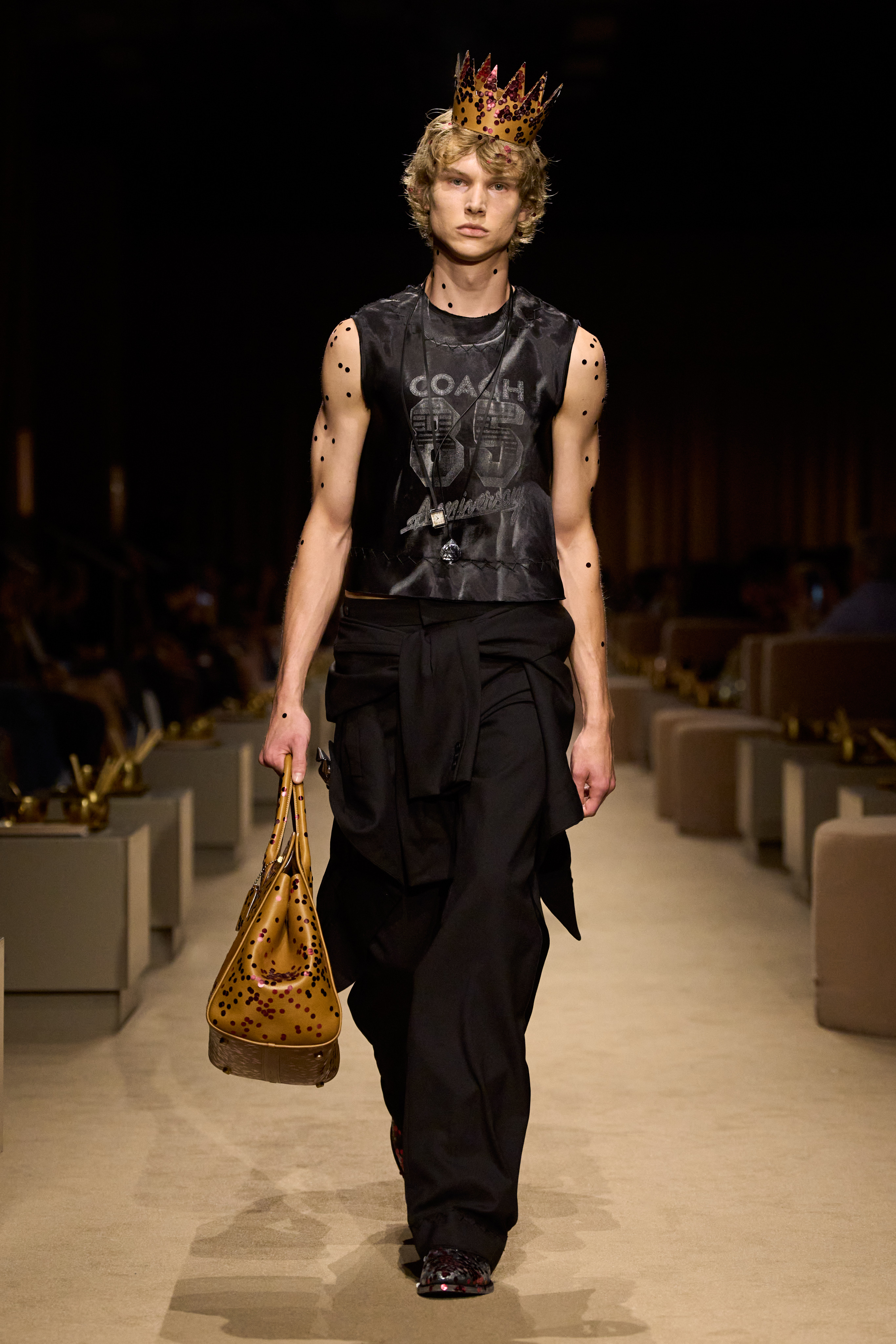
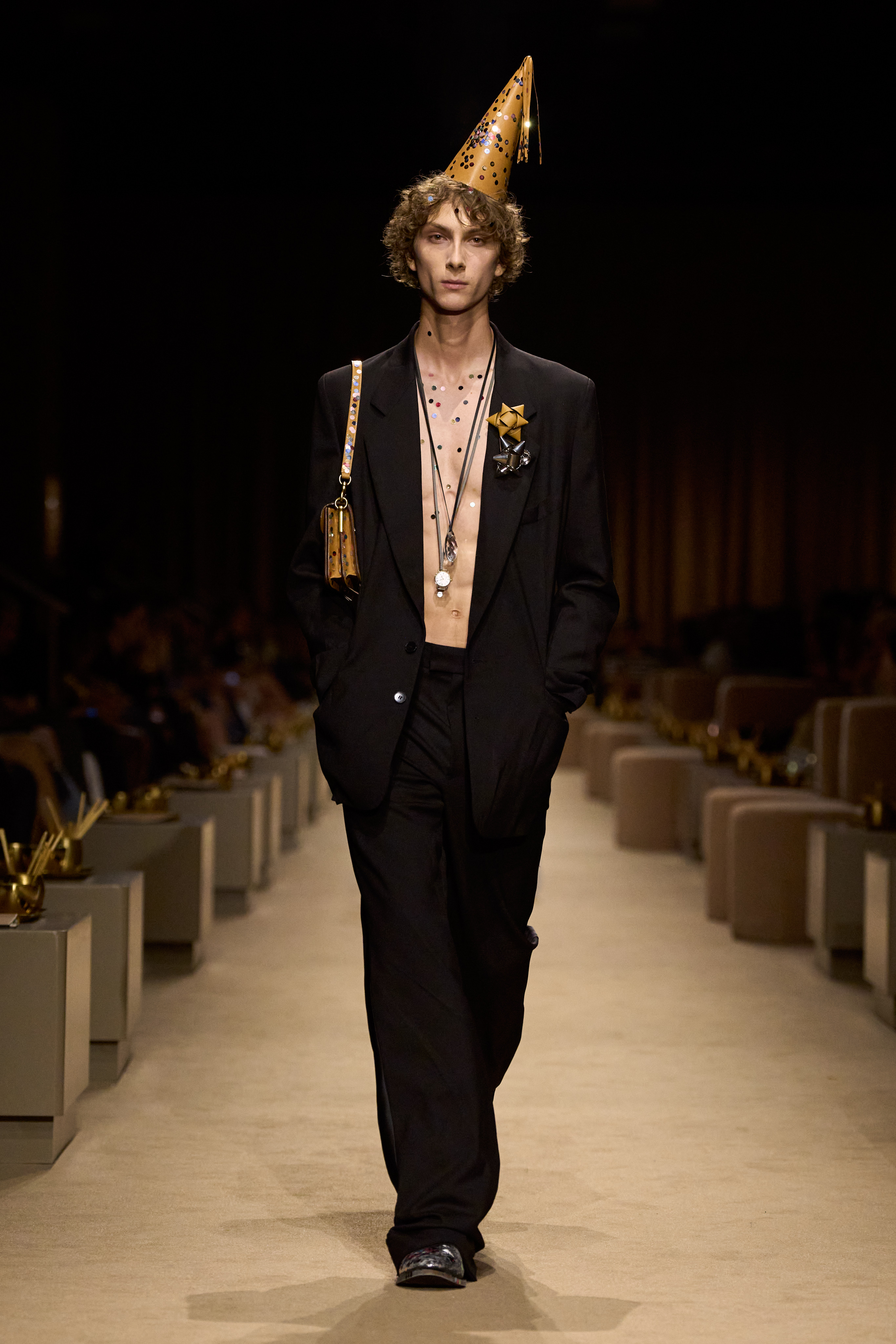
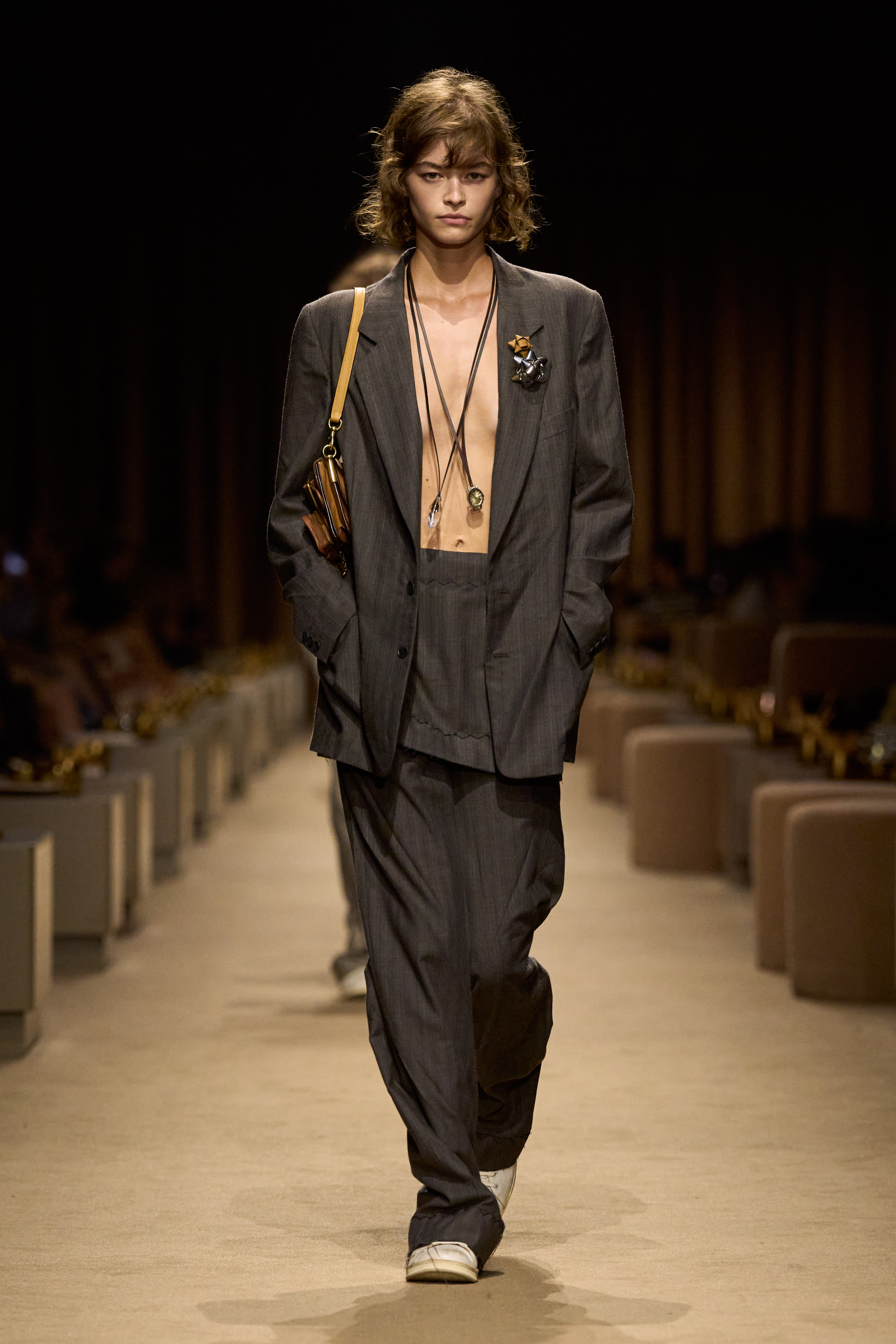
For Spring 2027, Coach turns 85 and does something unexpectedly human with the occasion: instead of looking back, it looks inward. Stuart Vevers takes the codes that have built the American house – leather jackets, trenches, tuxedos, bias-cut dresses, Western boots, familiar bags – and turns them inside out, exposing linings, seams, construction and the marks that usually disappear behind the finished product.
It is an anniversary collection, but it doesn’t behave like one.
Perhaps that is exactly why Coach feels so relevant right now. Founded in New York in 1941 as a small leather workshop, the brand has spent decades transforming American practicality into fashion. Bonnie Cashin, who became its first lead designer in 1962, introduced a sense of freedom, eccentricity and everyday functionality that still feels surprisingly contemporary. Since Stuart Vevers arrived in 2013, Coach has pushed that heritage into something much less predictable, mixing American pop culture, subcultural references, craft and a deliberately imperfect idea of luxury.
The result is a strange cultural phenomenon: Coach is an old house with a young pulse.
The Tabby became one of the clearest symbols of that transformation. Reintroduced by Vevers in 2019 from an archival 1970s design, it moved effortlessly from fashion insiders to celebrities and Gen Z wardrobes, proving that heritage does not necessarily have to be inherited: it can be rediscovered.
For Spring 2027, that idea becomes almost physical.
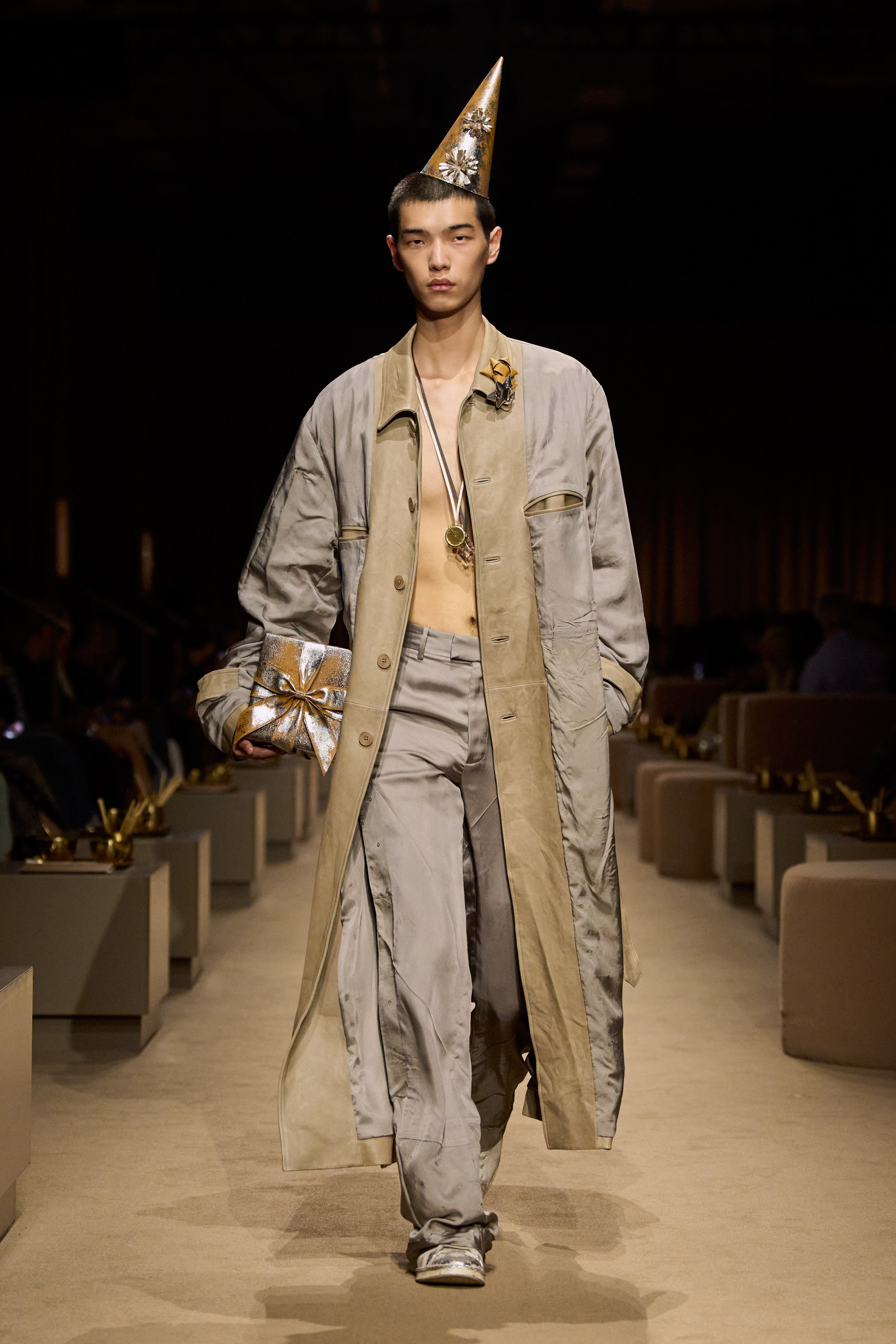
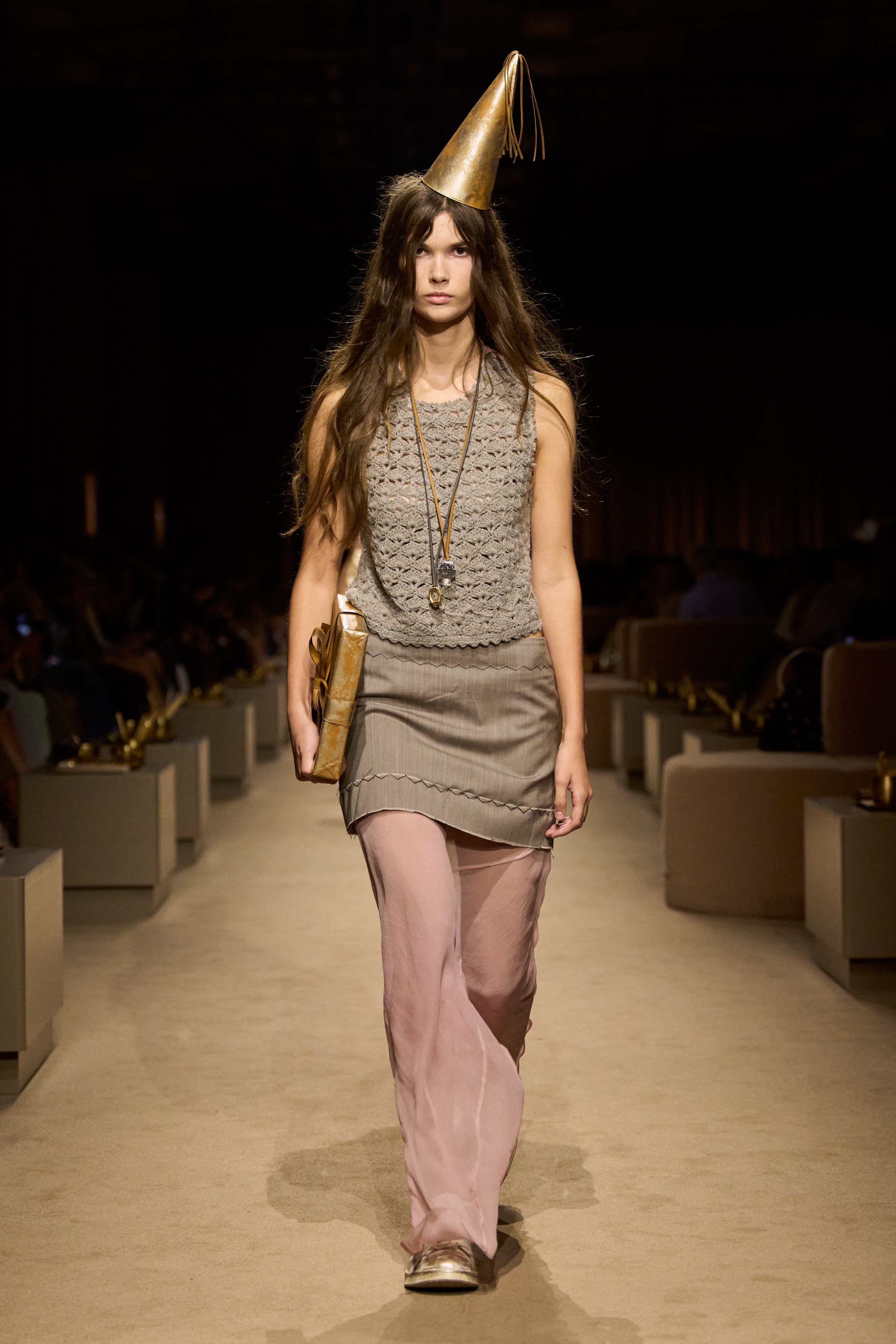
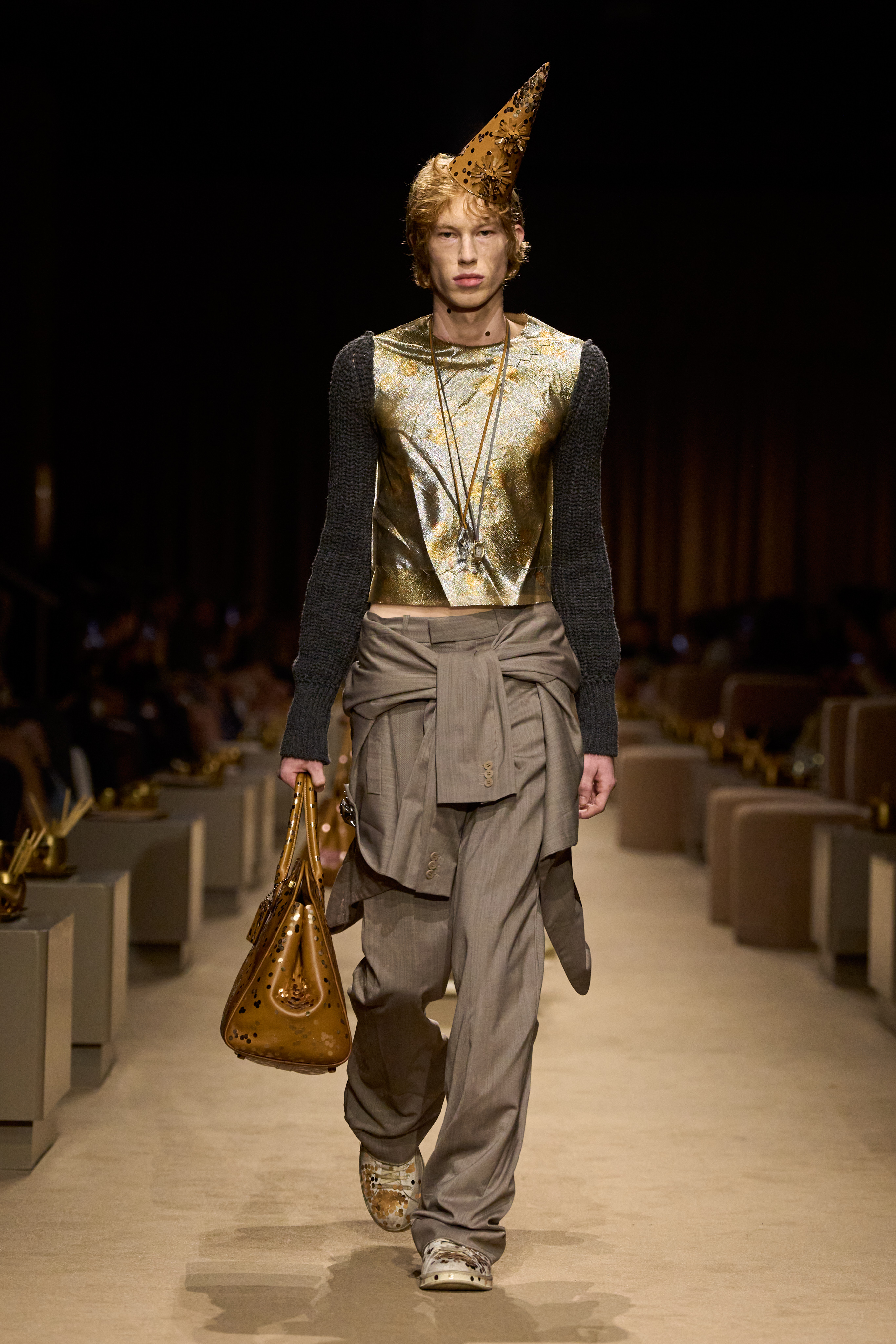
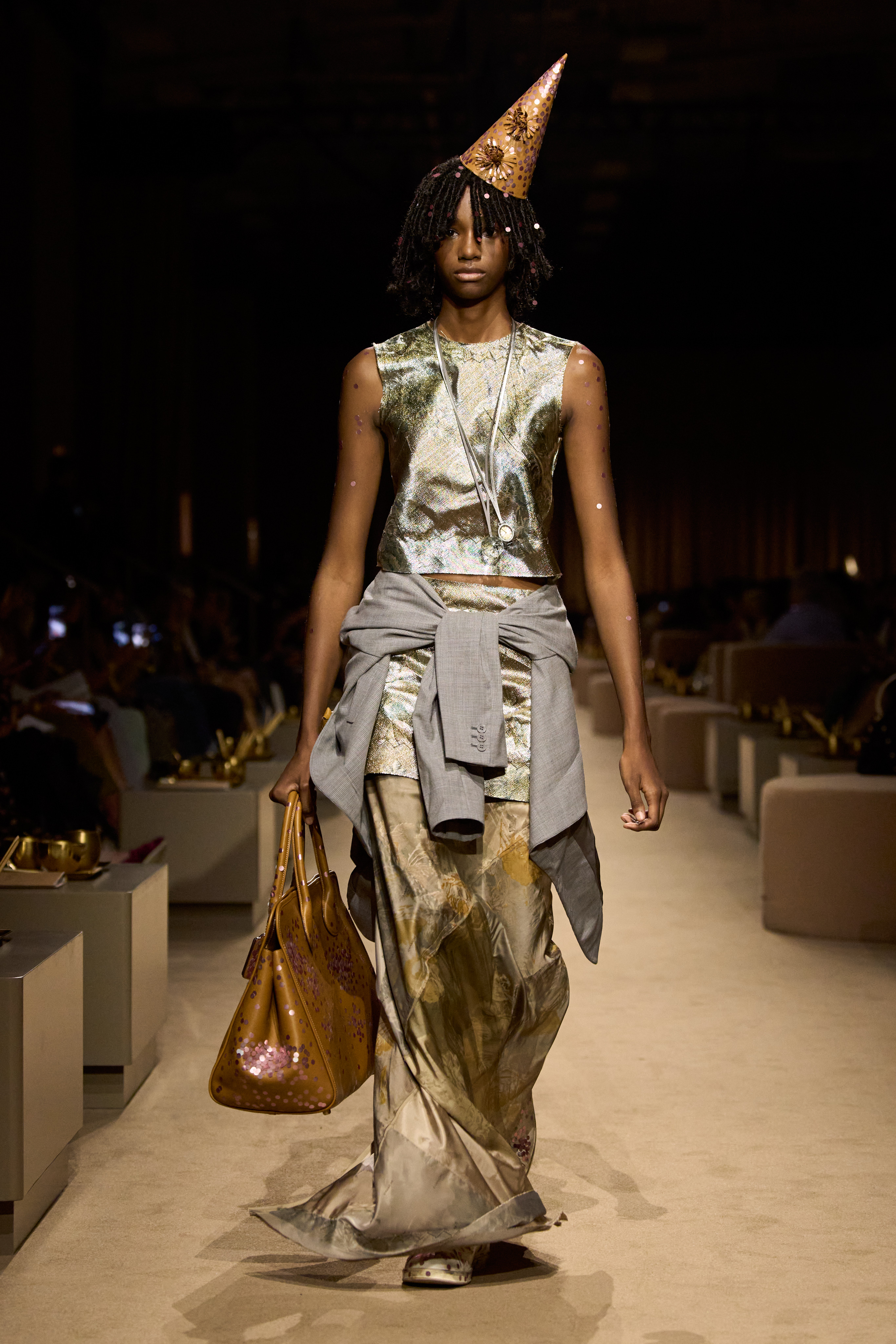
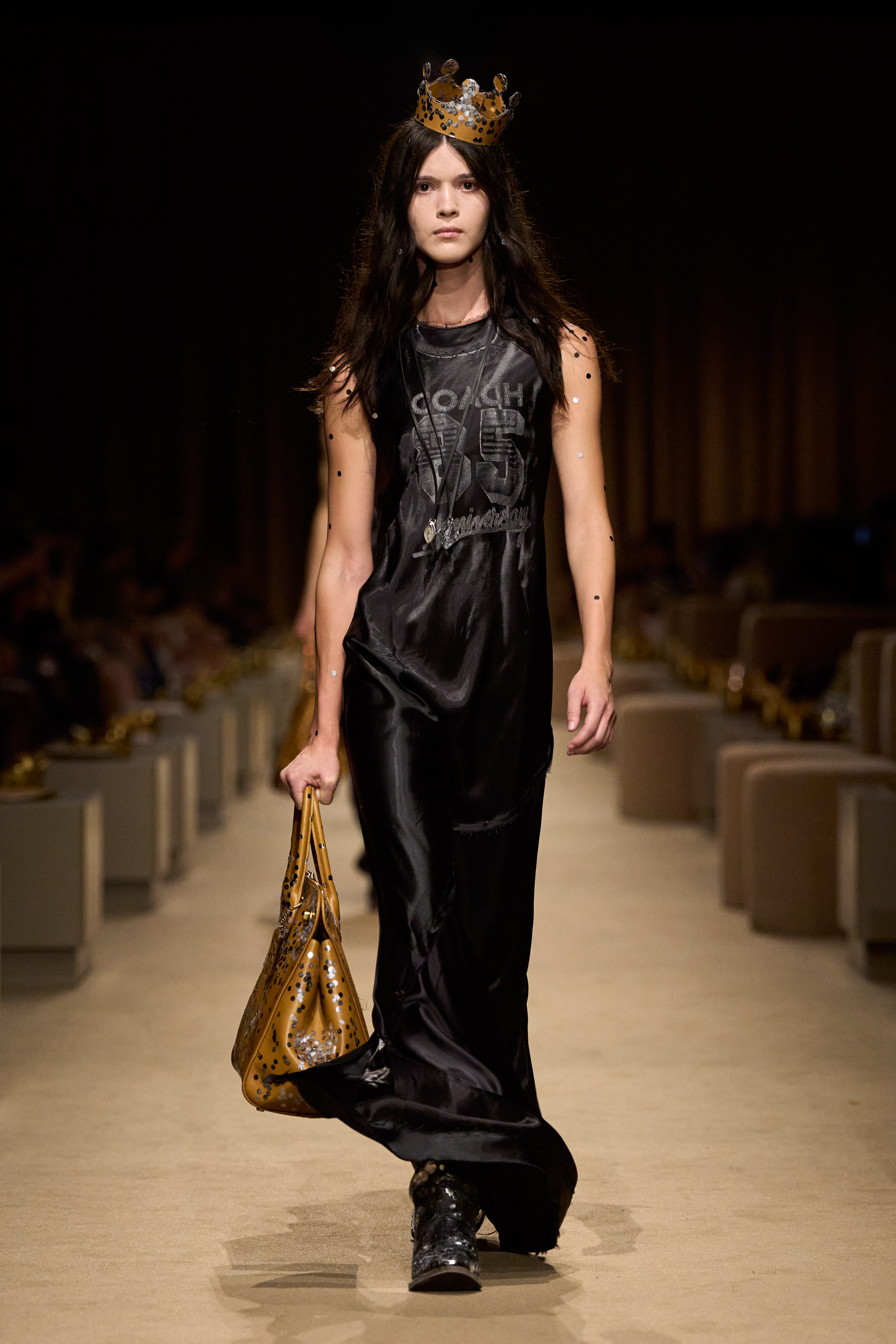
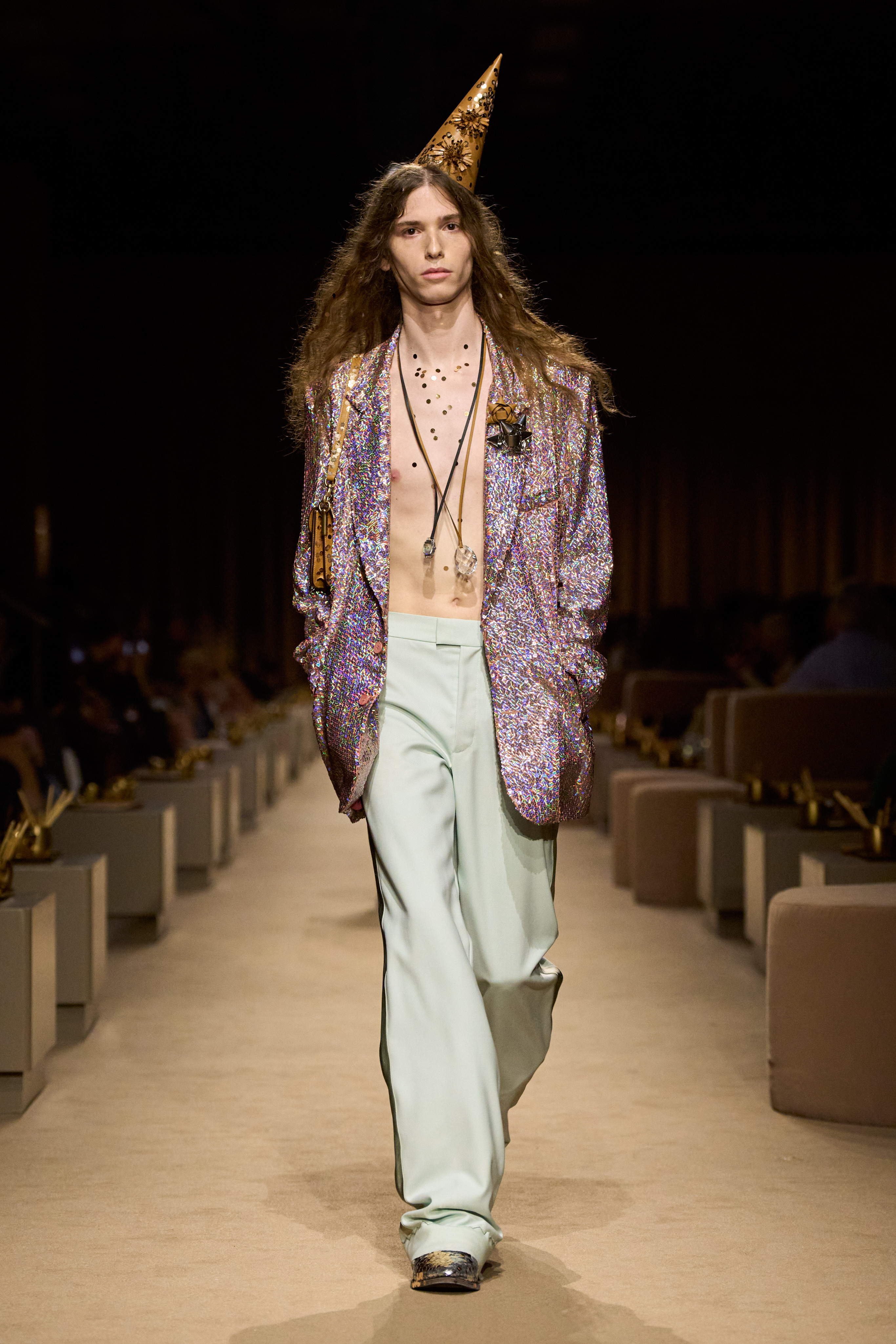
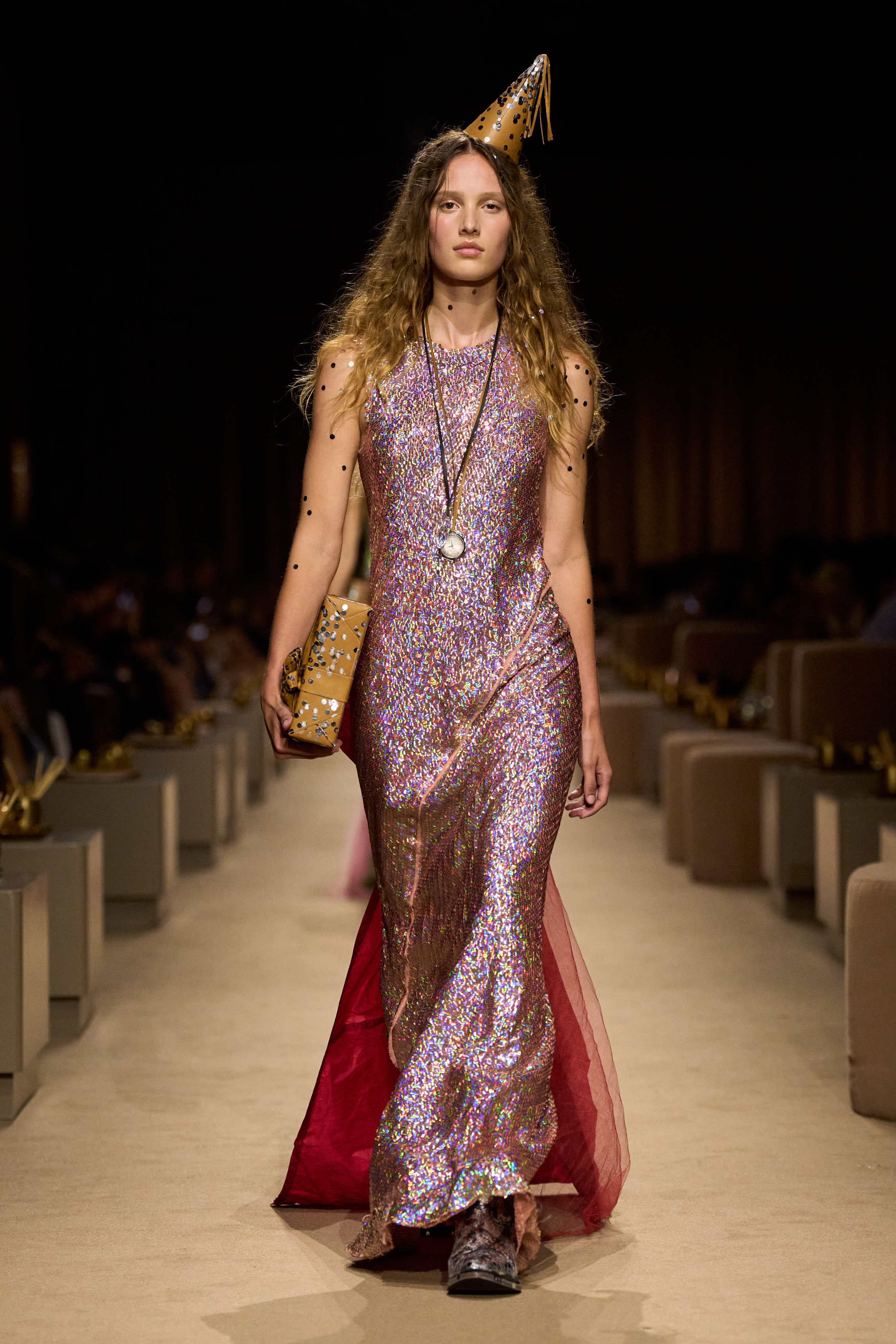
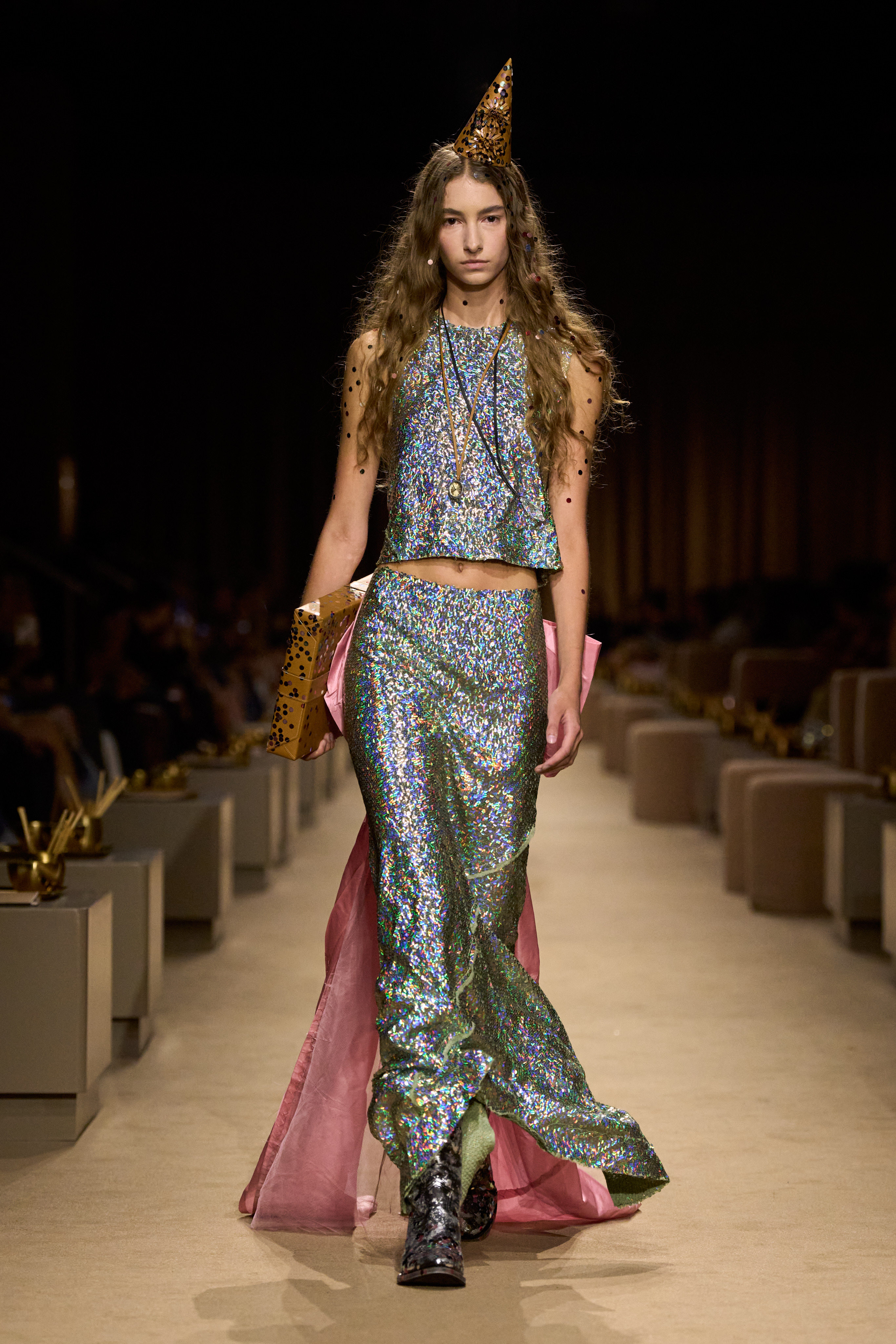
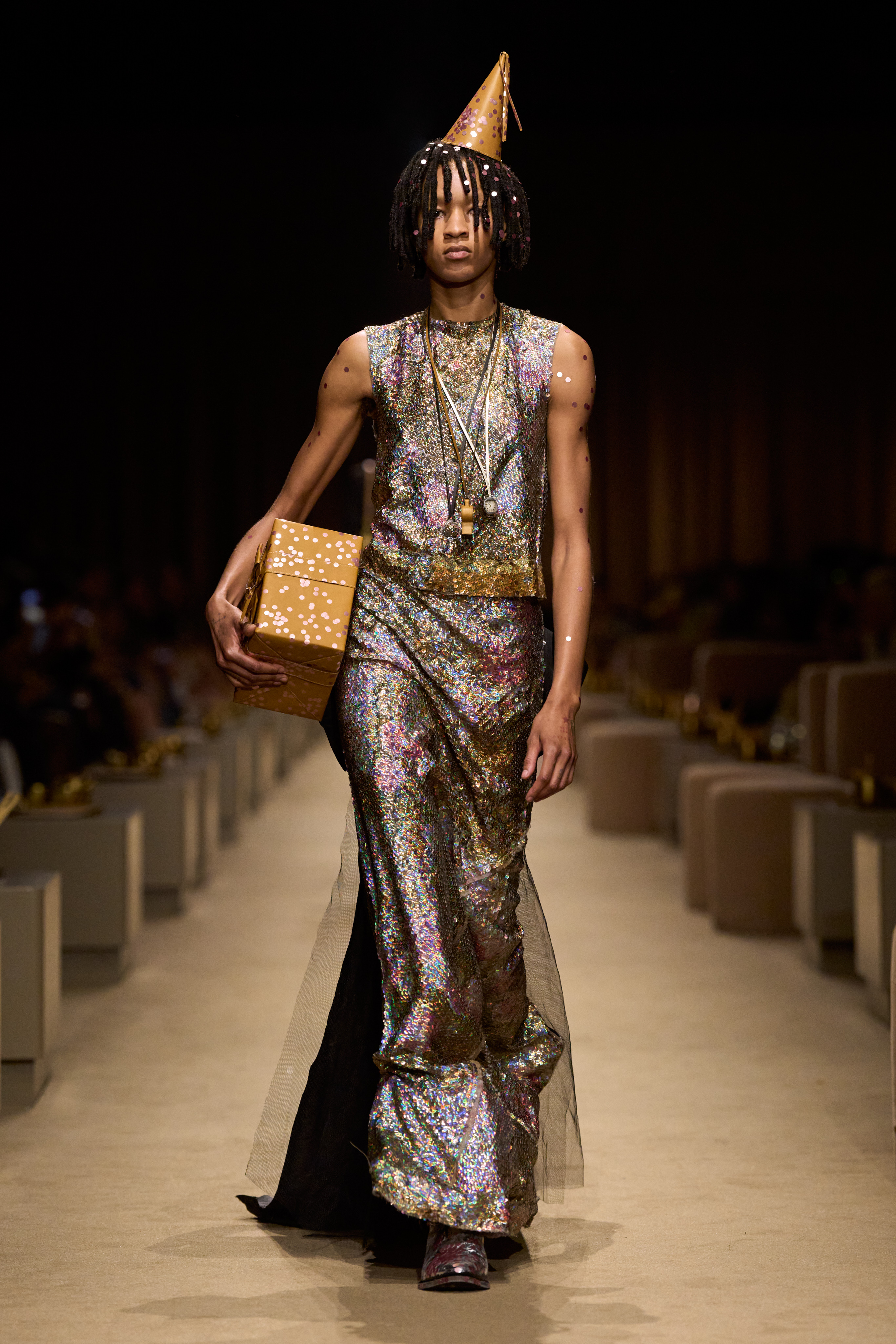
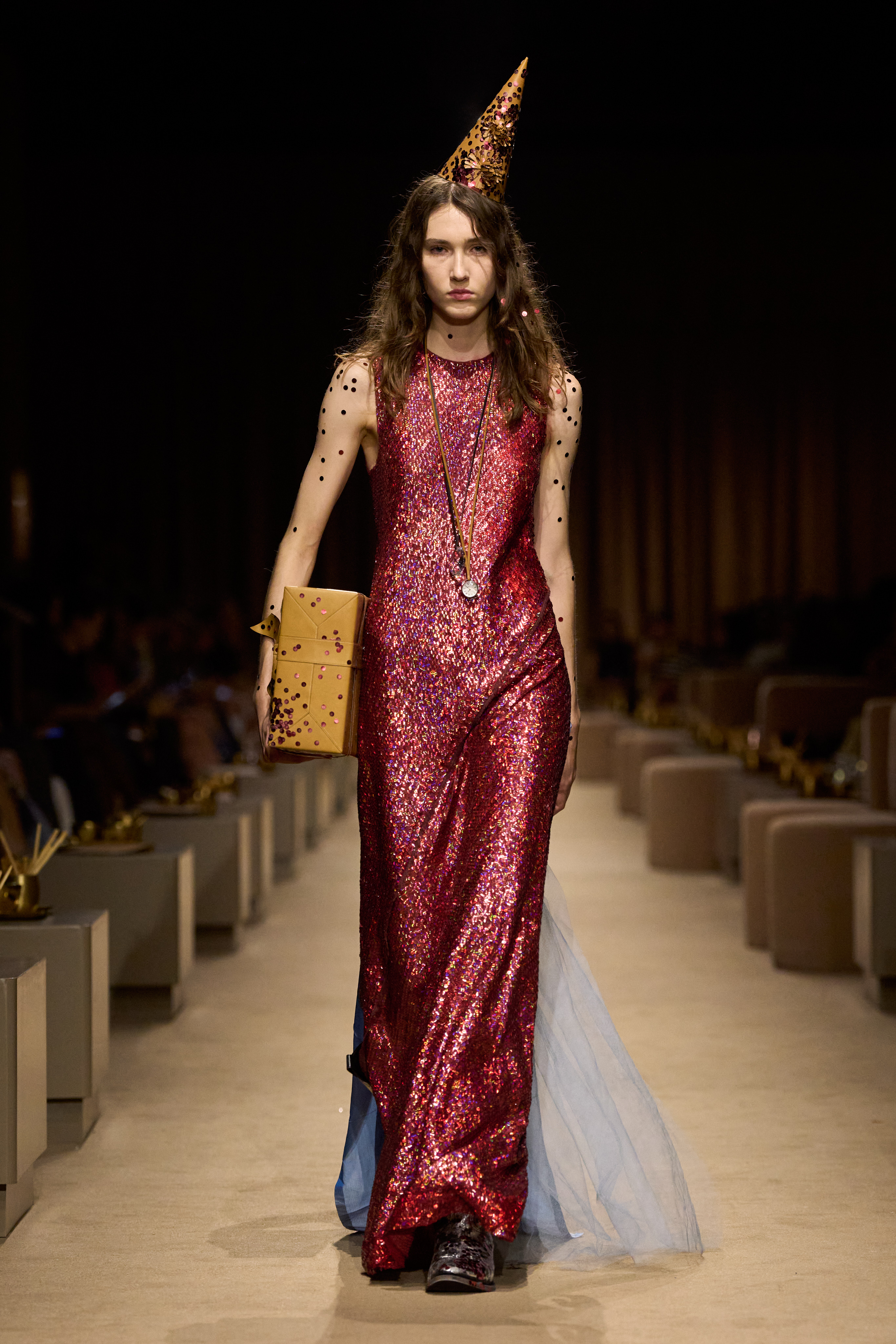
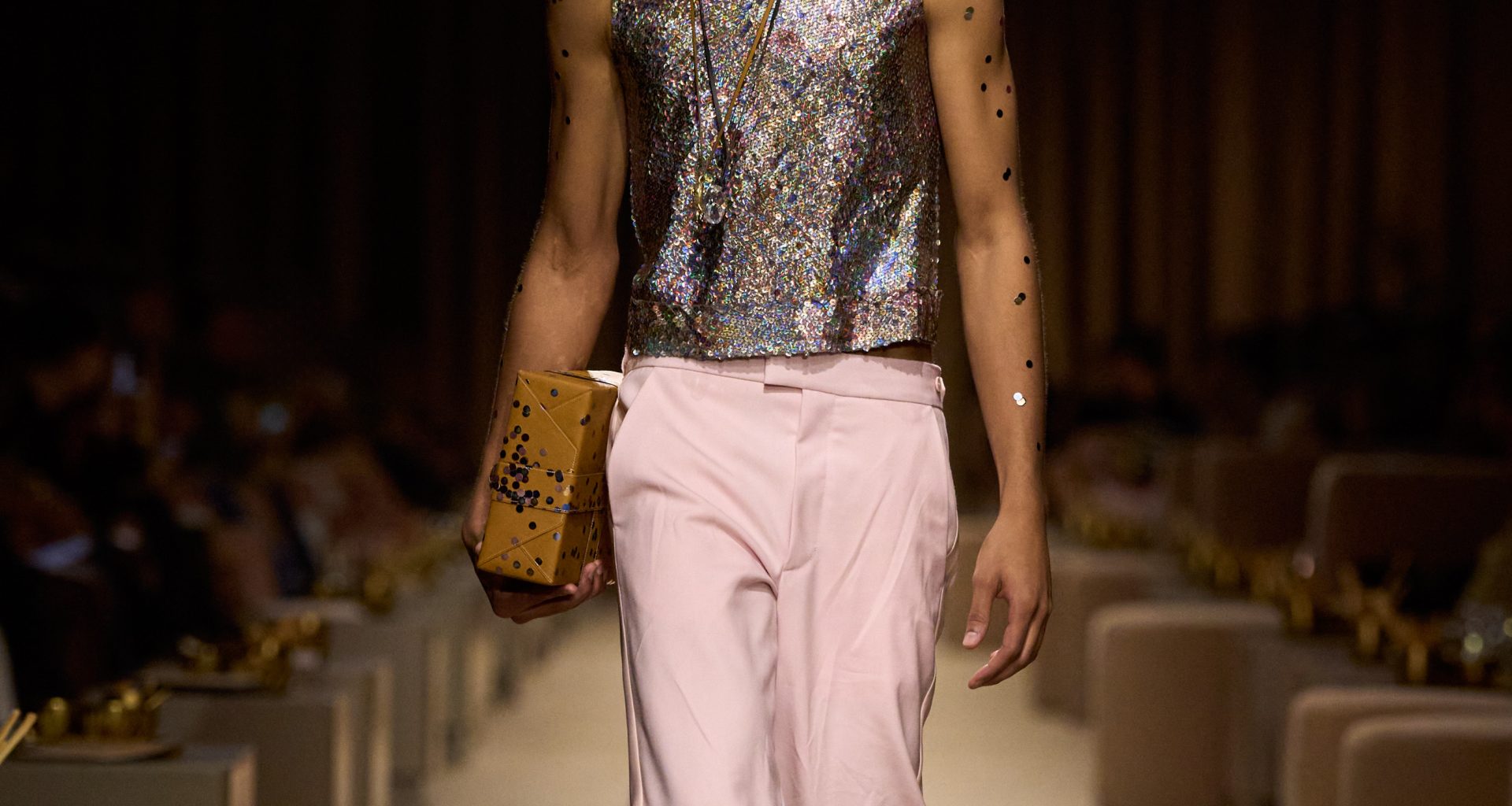
Leather looks softened by time. Heavy jersey feels like an old hoodie. Reused denim and vintage Coach linings are reconstructed into new pieces. Dresses arrive in repurposed materials, overdyed georgette, lamé and sequins, while raw edges and visible stitching refuse the fantasy of perfection. Even the new Turnlock Tote takes inspiration from a 1970 Coach design and the hardware associated with Bonnie Cashin, bringing the archive back into the present rather than placing it behind glass.
And then comes the party.
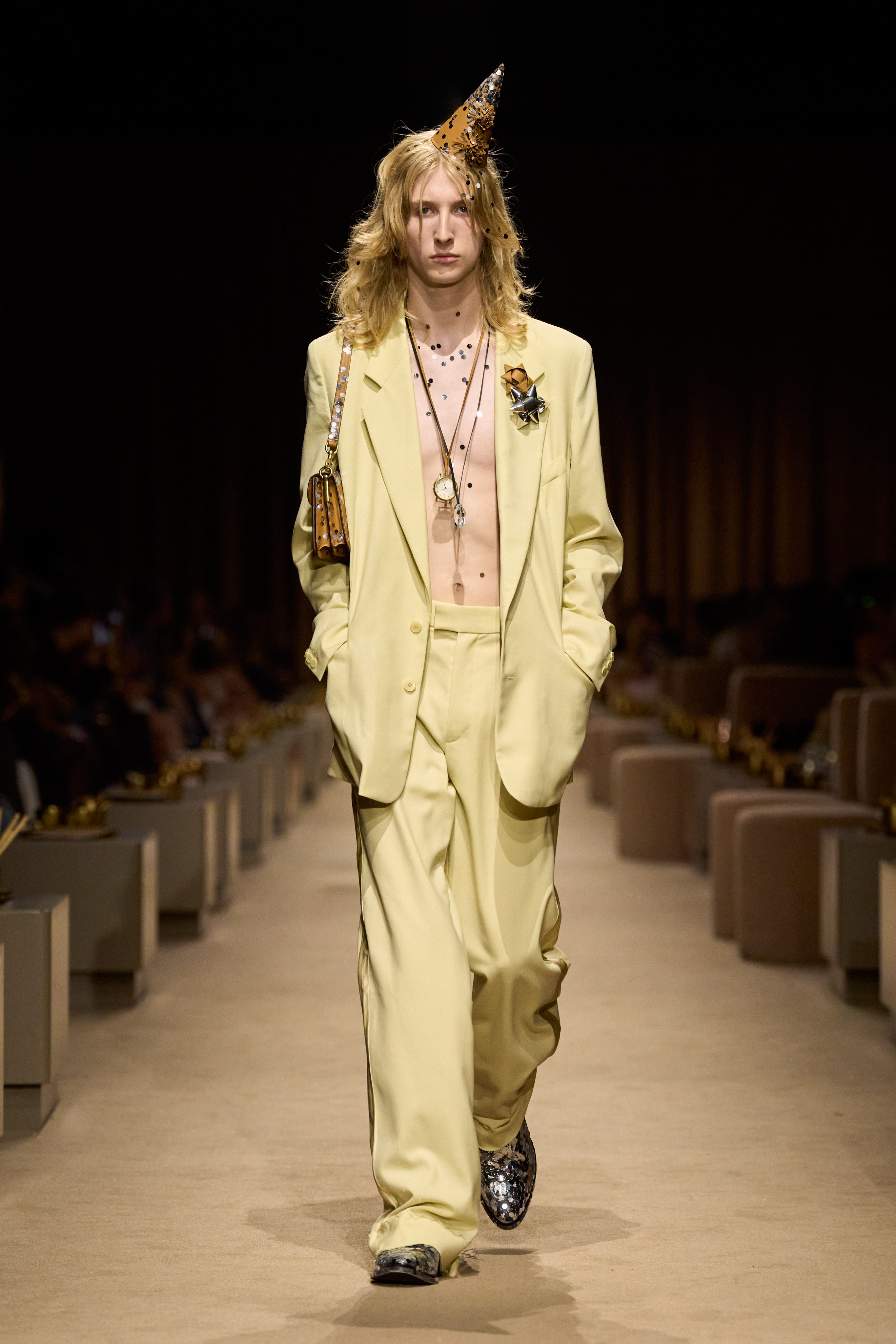
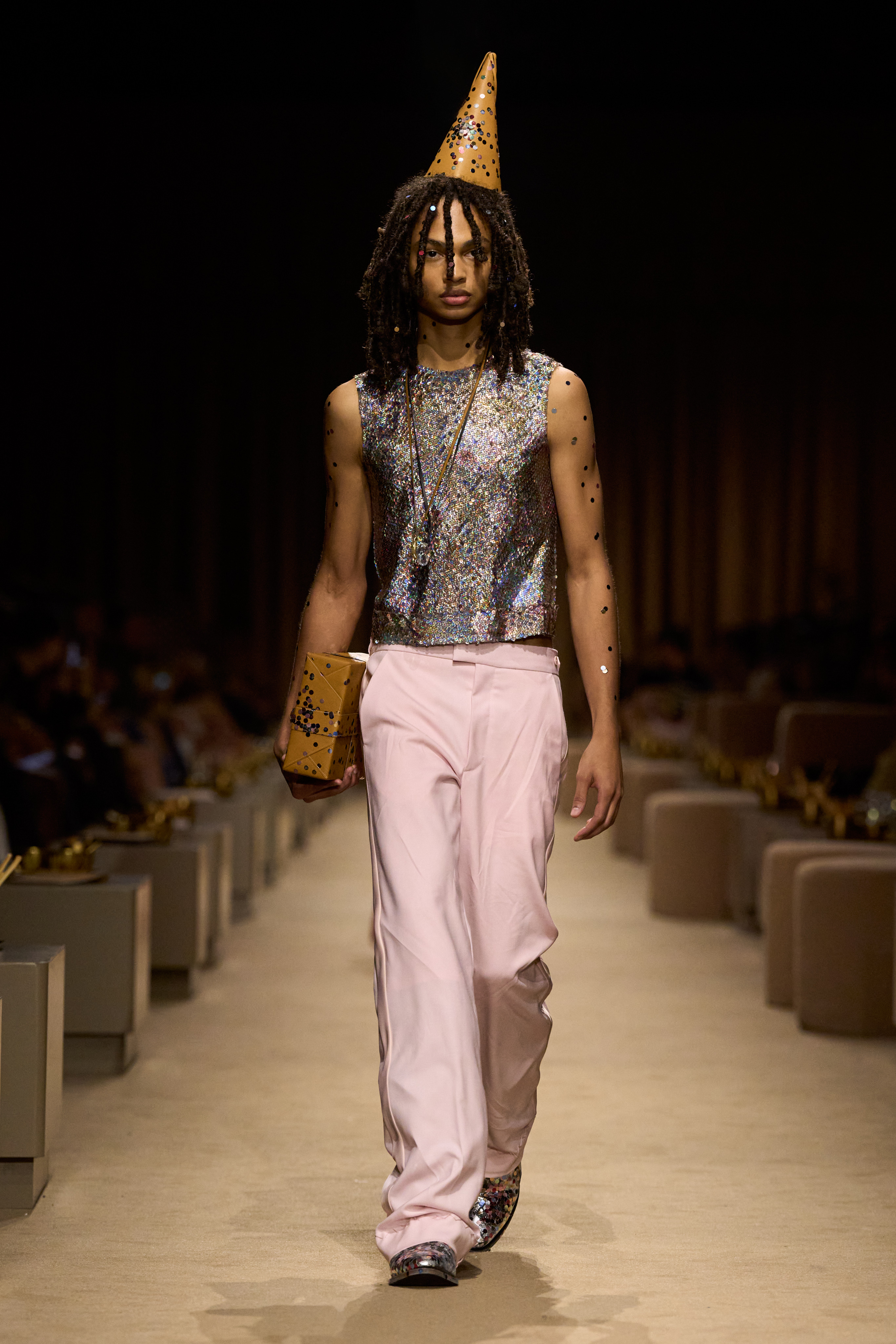
Confetti gets trapped inside bags and shoes. Metallic foil is rubbed into leather. Birthday cards, wrapped presents, party hats and crowns become accessories. The collection moves from dove grey, brown, black and natural leather into periwinkle, powder pink, mint and reflective metallics. It feels like walking into the aftermath of a birthday party rather than arriving before it: the most interesting moment, when the decorations are slightly damaged, the floor is covered in confetti and nobody is pretending that the night is still perfect.
That sense of wear is important.
Fashion has spent years selling newness as a form of desire. Coach is proposing something different: maybe the future belongs to things that already have a life in them. In a culture obsessed with vintage, resale, archives and personal objects, the scratch on the leather can become more desirable than the pristine surface.
The object becomes valuable because it looks as though somebody has actually lived with it.
The final act made that philosophy literal. Students from Bronx-based music organisation UpBeat NYC performed “Love Is the Message”, before voguing dancers joined the runway and turned the show into a collective dance floor. The reference to David Mancuso and the inclusive New York nightlife of the 1970s connected Coach’s history to one of the city’s most enduring ideas: fashion is never only about clothes. It is about who gets invited into the room, who gets to dance, and what happens when strangers briefly become a community.
Coach is 85.
But Spring 2027 doesn’t feel like a brand celebrating its past. It feels like a brand asking what its past can still do.
Maybe getting older in fashion isn’t about preserving what you were.
Maybe it’s about becoming interesting enough to be worn again.