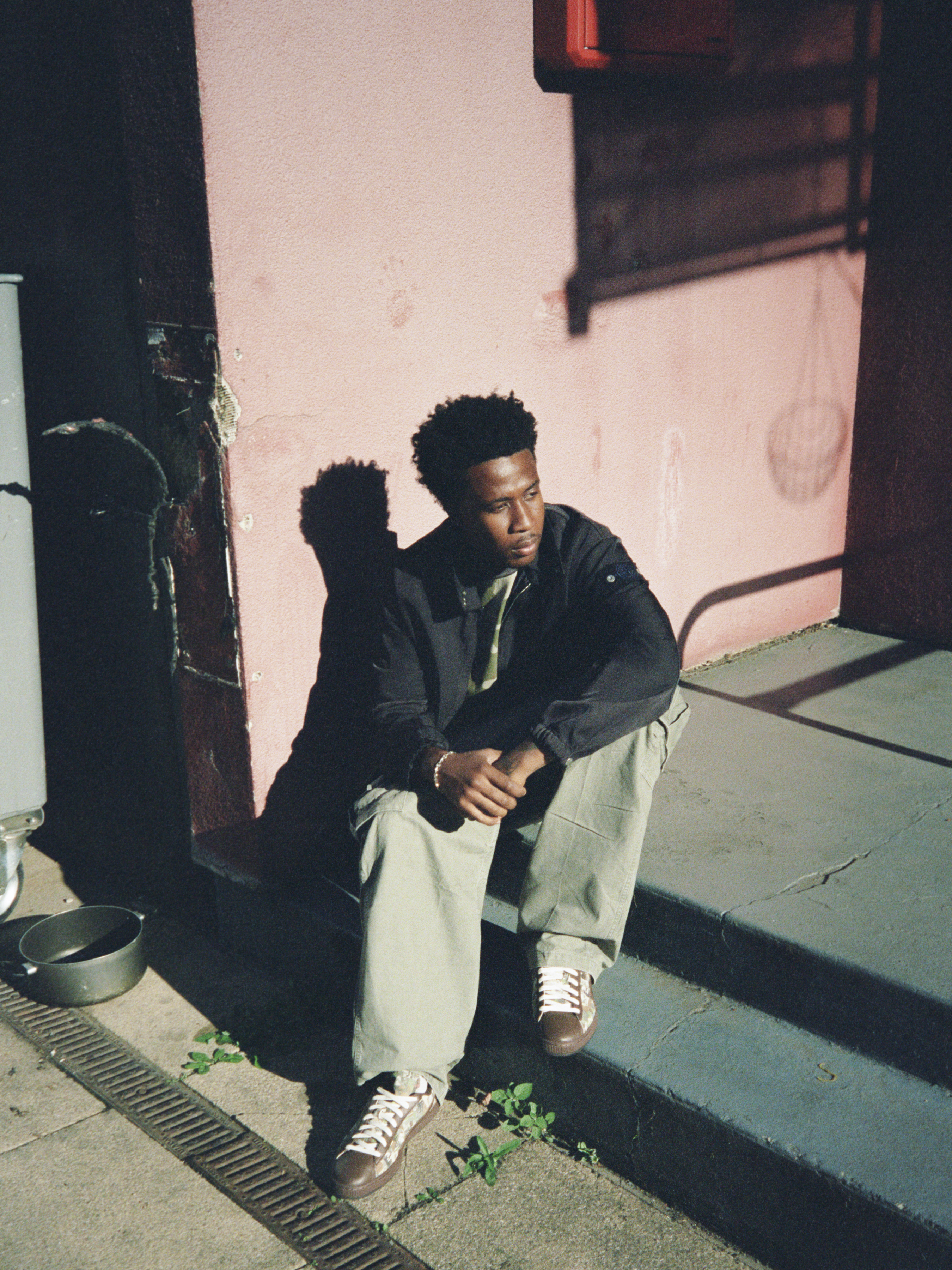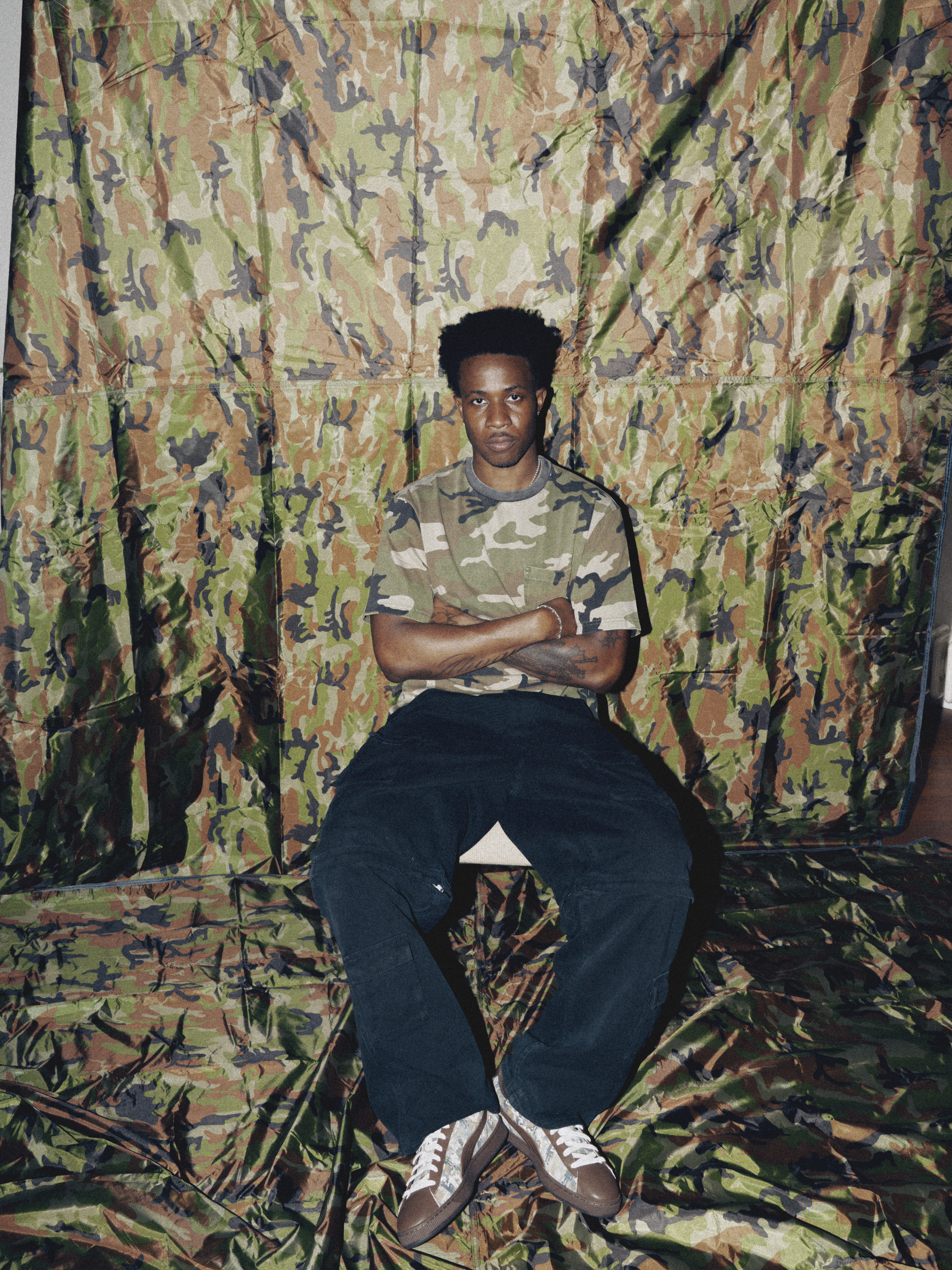

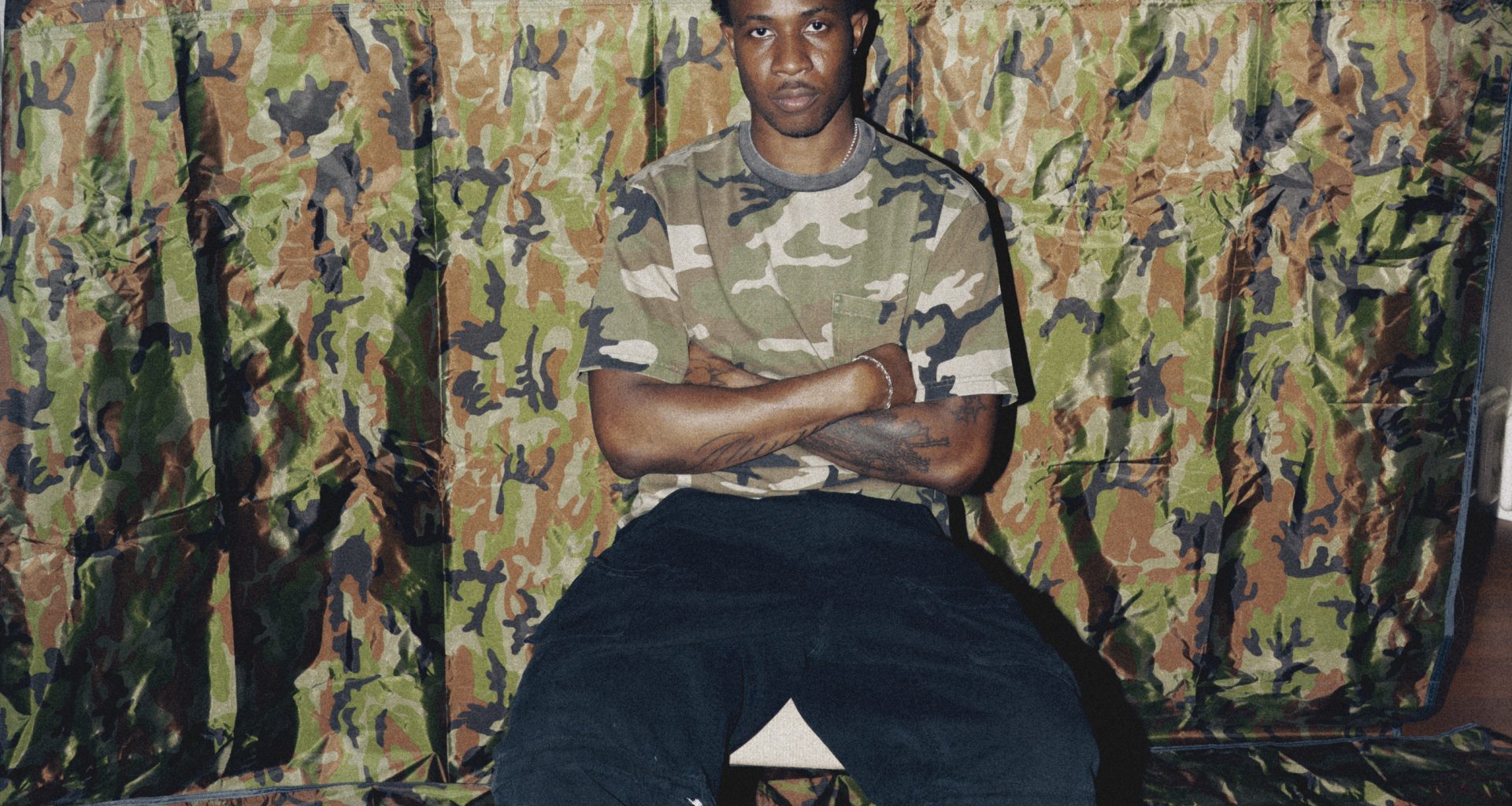
Camouflage is supposed to help you disappear. But when you put it on one of the most recognisable sneaker silhouettes around, blending in becomes difficult.
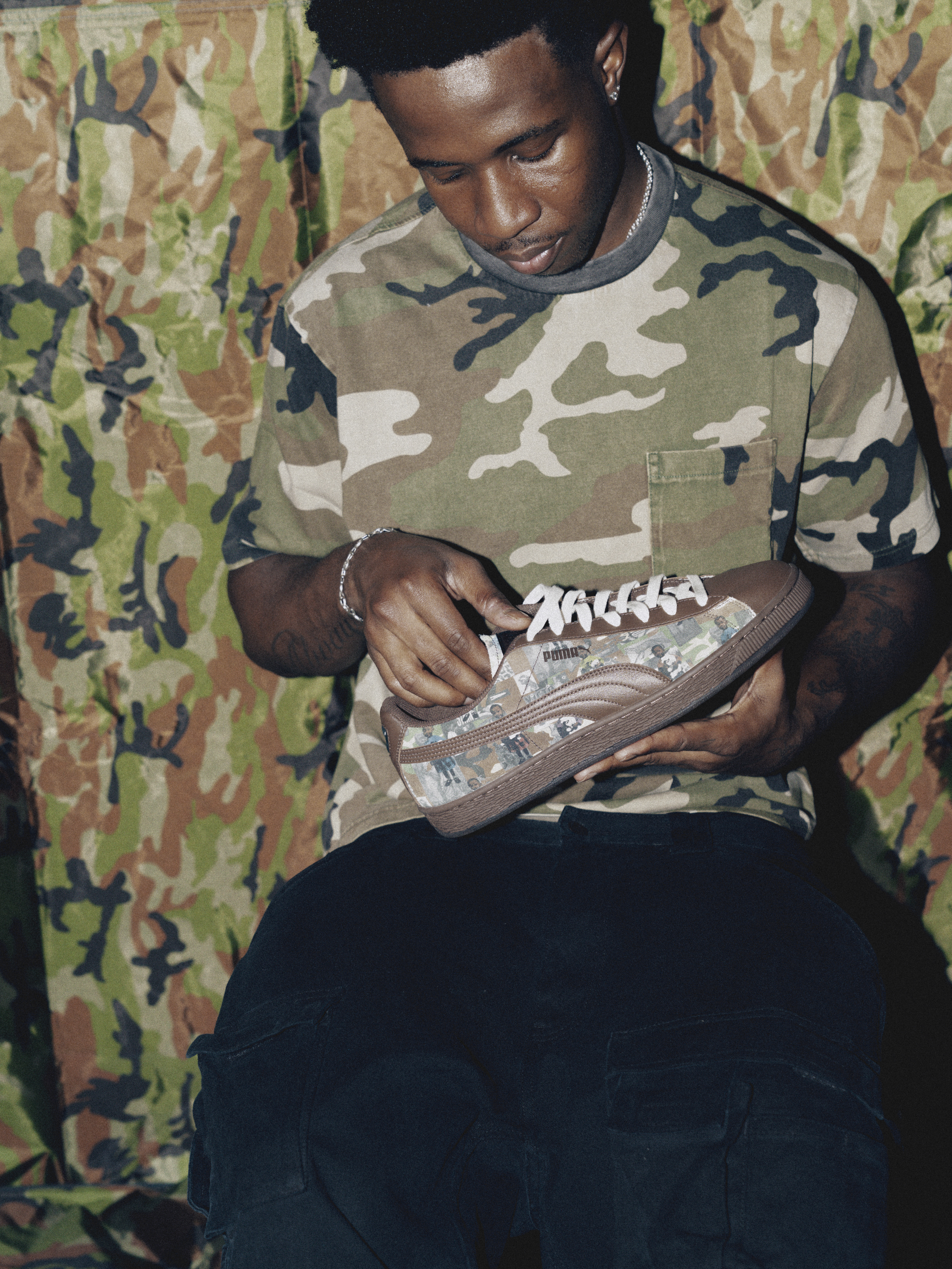
PUMA has teamed up with Nigerian artist Leonard Iheagwam, better known as Soldier, to turn the iconic Suede into a canvas for cultural storytelling, using camouflage prints and archival Nigerian imagery to create a shoe with a lot more behind it than its colour palette.
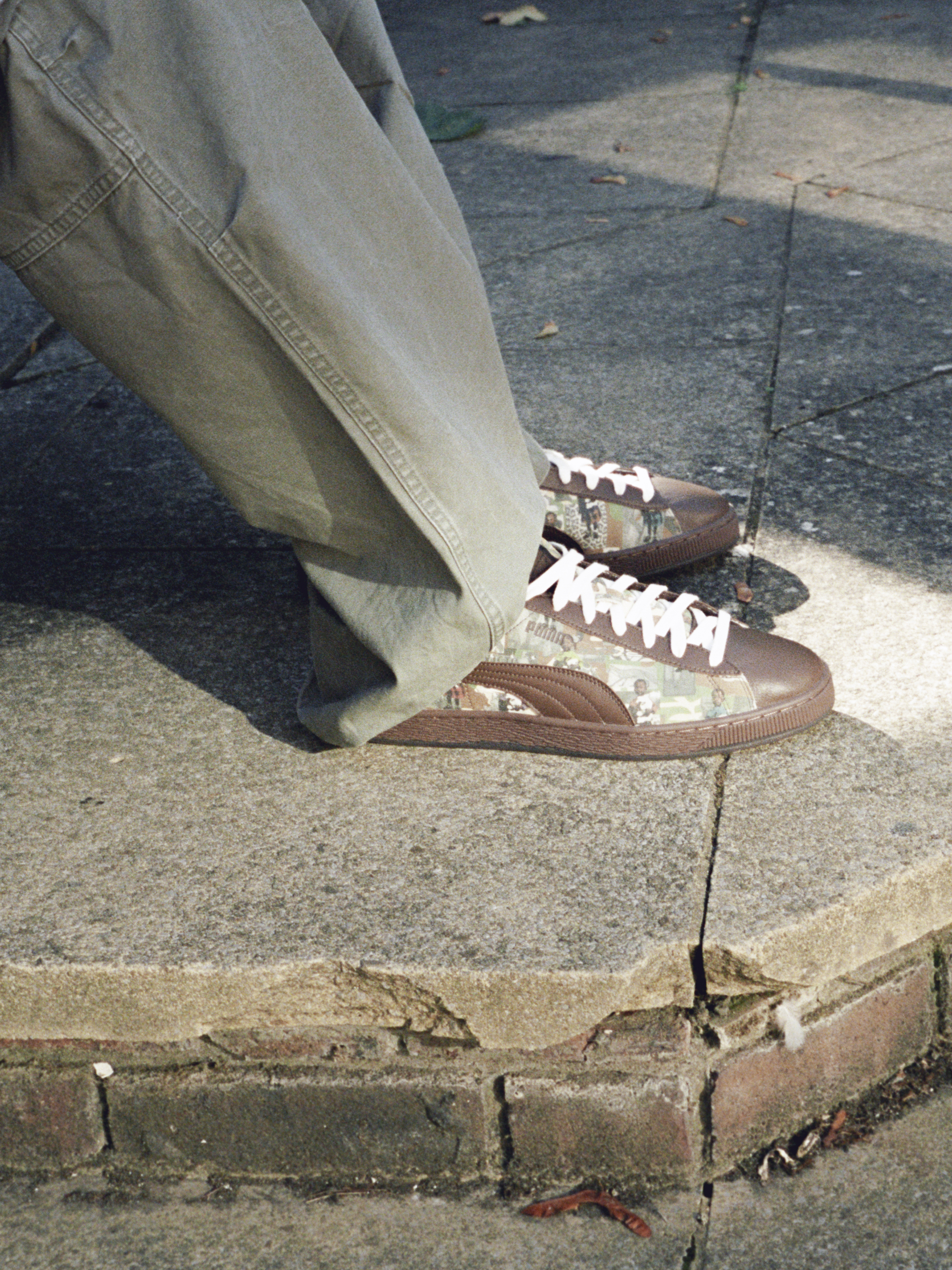
PUMA has been playing with textures and prints across its recent collaborations. After giving the Speedcat a glossy crocodile-effect finish with ROSÉ, the brand now takes a completely different direction with Nigerian artist Soldier. The PUMA x Soldier Suede combines printed camouflage with brown leather detailing and the familiar Formstrip. Built from collaged Nigerian archival imagery, the pattern brings together references that frequently appear in Soldier’s artwork. It’s interesting to see the same brand move between such different visual languages, keeping its classic silhouettes open to very different creative interpretations.
More than a camouflage print
For Soldier, camouflage carries a personal meaning. The artist’s name is connected to a Nigerian law that prohibits civilians from wearing military camouflage in public, with violations potentially resulting in fines or imprisonment. As he explained in an interview with i-D, the name came from this very contradiction: an artist whose work and identity are closely associated with camouflage, in a country where wearing it outside the military can get you into trouble.
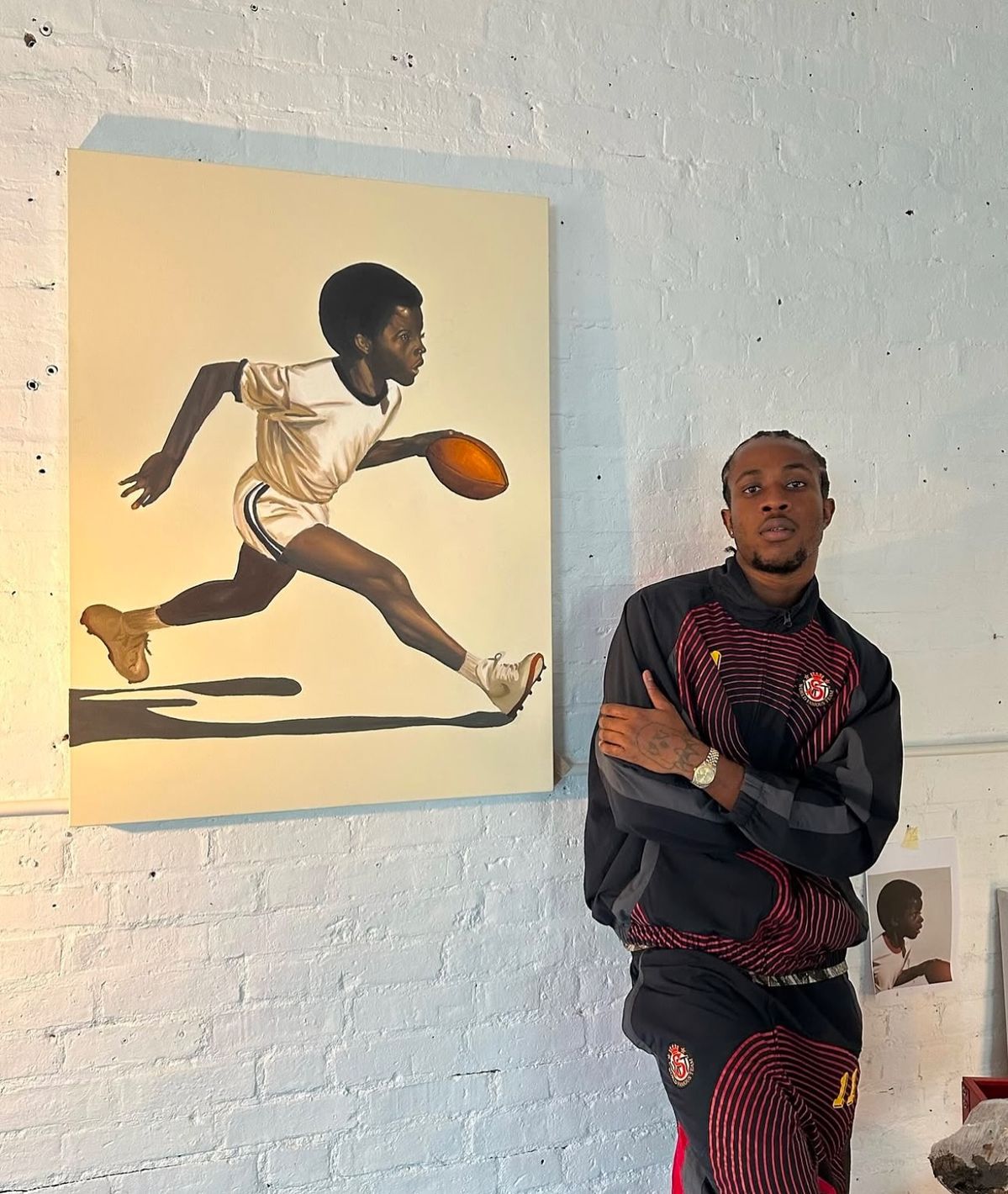
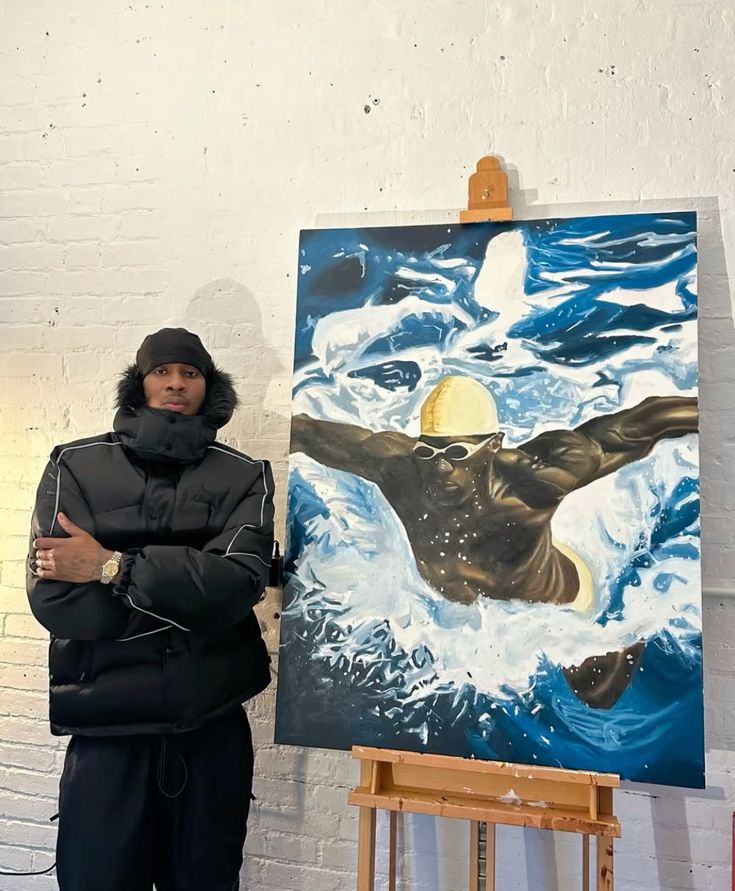
His background adds another layer to the collaboration. Born in Nigeria, Soldier has spoken openly about a difficult period in Lagos, including running away from home and experiencing homelessness before eventually finding his way to London. Since then, he has built an impressive creative network, working with names including Nike, Louis Vuitton, Marni, Timberland and Aston Martin F1. His practice moves between art, fashion and cultural storytelling, often bringing Nigerian references into spaces that don’t always make room for them.
The camouflage imagery in the PUMA collaboration isn’t simply there to make the sneaker look tougher. It connects to a visual language Soldier has been developing through his paintings and other creative projects. The collaged archival material gives the print a more personal quality, while the brown leather panels and white Formstrip keep the shoe recognisably PUMA.
The Suede as a canvas
PUMA has a long history of giving its classic silhouettes new contexts, and the Suede is particularly suited to collaborations with artists. First introduced in 1968, it has moved through sports, music and street culture, becoming one of those shoes that remains recognisable across generations. Its relatively simple construction also leaves room for different interpretations without losing the original shape.
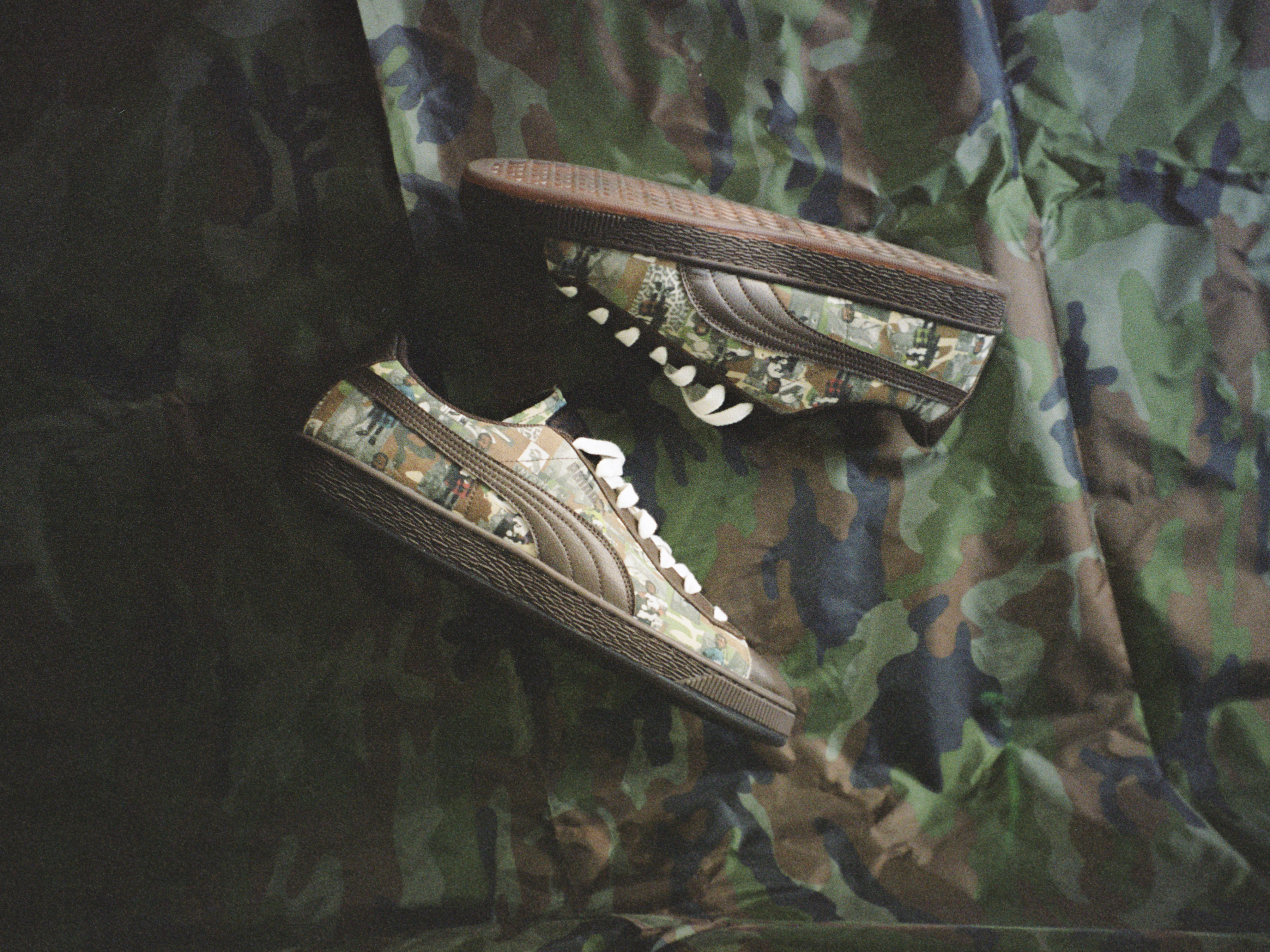
Here, the camouflage print covers almost the entire upper, with the brown leather details adding contrast. It’s a familiar PUMA shoe at first glance, but the closer you look, the more you notice the different images and textures making up the surface. The Formstrip remains in place, almost as a reminder that even with all these references layered onto it, the Suede hasn’t lost its identity.
A friends and family release
The collaboration was created to mark Soldier’s recent New York exhibition during Fashion Week and was celebrated with an intimate dinner at Shoreditch Arts Club in London on October 28. Guests included musicians Feux and Brandon Nembhard, cultural curator Samutaro, artist Ed Worley and photographer Kelvin Jones.
The PUMA x Soldier Suede is a limited Friends & Family release, rather than a general retail drop. That makes the project feel closer to a meeting between two creative worlds than a conventional commercial sneaker launch.
Soldier has spoken about wanting to tell stories that can stand the test of time and challenge how inclusive the art world is. With this collaboration, his visual language finds another platform, reaching beyond the gallery and into a silhouette with its own cultural history. Camouflage might be designed to help something disappear, but this particular pair isn’t going unnoticed.