

From Tokyo stationery shops to TikTok feeds: how a subculture became a global language.
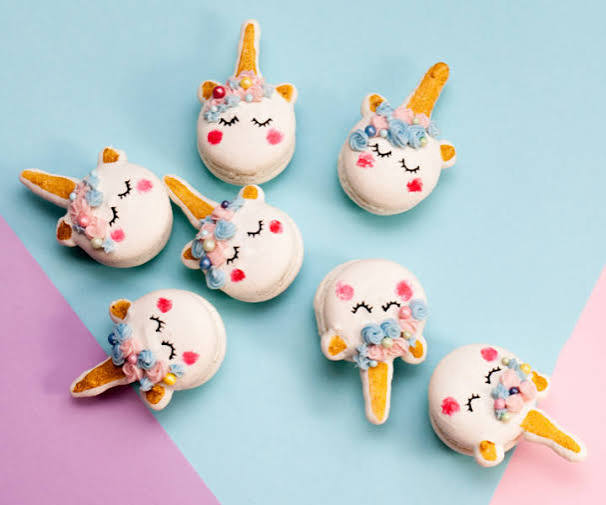
A teddy bear keychain, a peachy shade of blush, a bag dressed up with a pastry-shaped charm. If all of this feels normal to you today, it’s because kawaii (かわいい) has already taken over your wardrobe, your makeup bag and, probably, your camera roll.
But kawaii doesn’t just mean “cute.” It’s an aesthetic, an attitude, a way of being in the world: innocence, playfulness, softness and a touch of eccentricity, claimed without apology.
The Origins: When “Cute” Becomes a Revolution
The word has ancient roots, and refers to what is small, fragile and deserving of care. Kawaii as we know it, however, was born in the 1970s, when Japanese girls began writing in a rounded, bubbly handwriting full of little hearts and smiley faces, driving teachers and parents up the wall. It was already a small act of rebellion: choosing sweetness over the composure that society demanded.
Tenderness can be a universal language.
In 1974, Hello Kitty arrived, created by Sanrio, and kawaii became a commercial and cultural phenomenon. That little white kitty with no mouth (so everyone can project their own emotions onto her) is proof that tenderness can be a universal language.
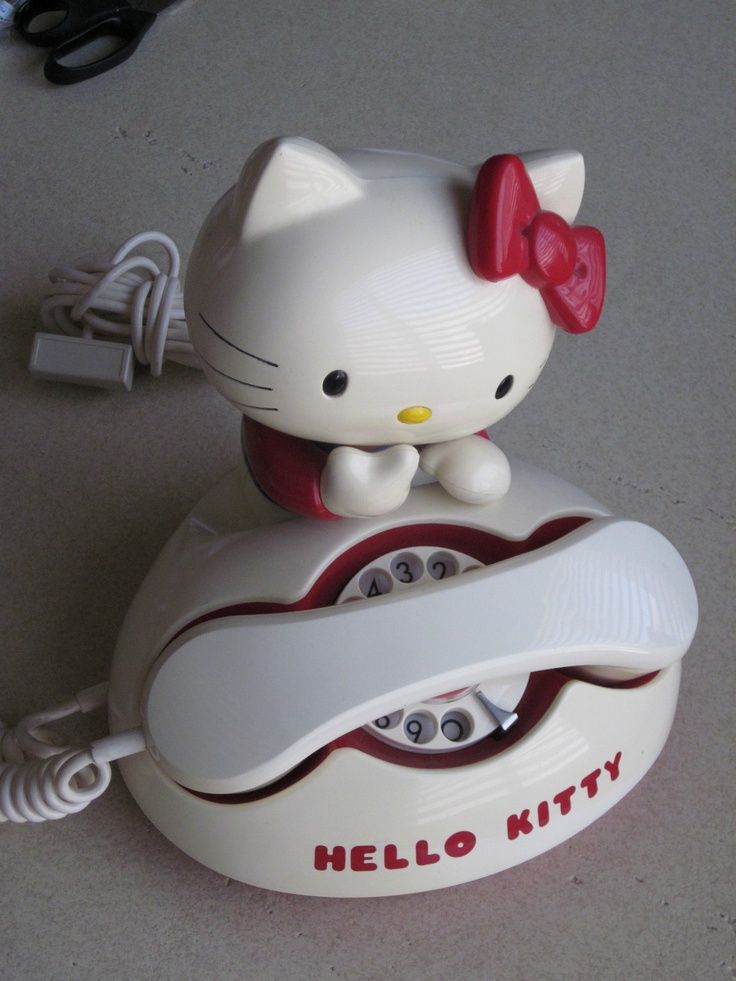
Harajuku: The Street as a Runway
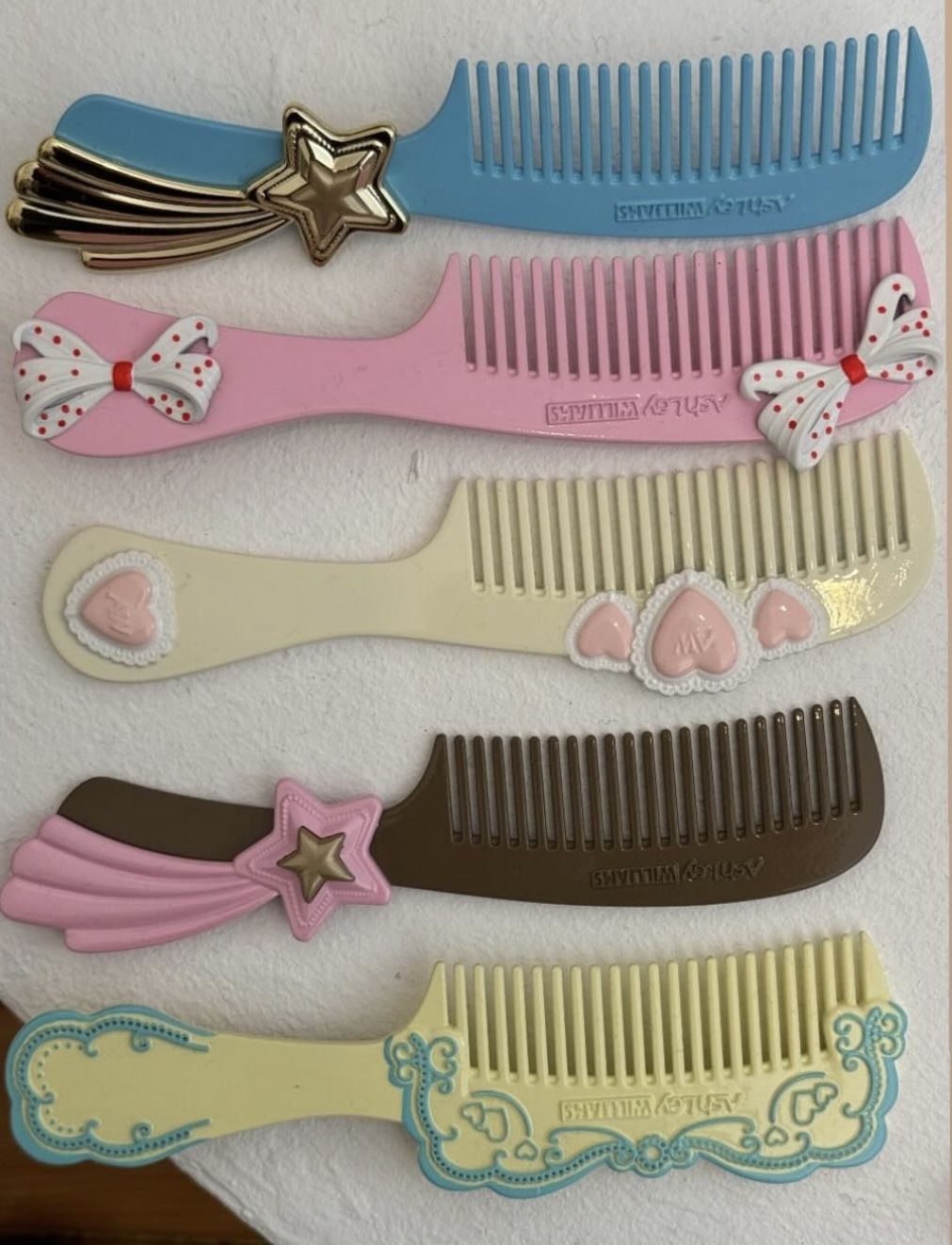
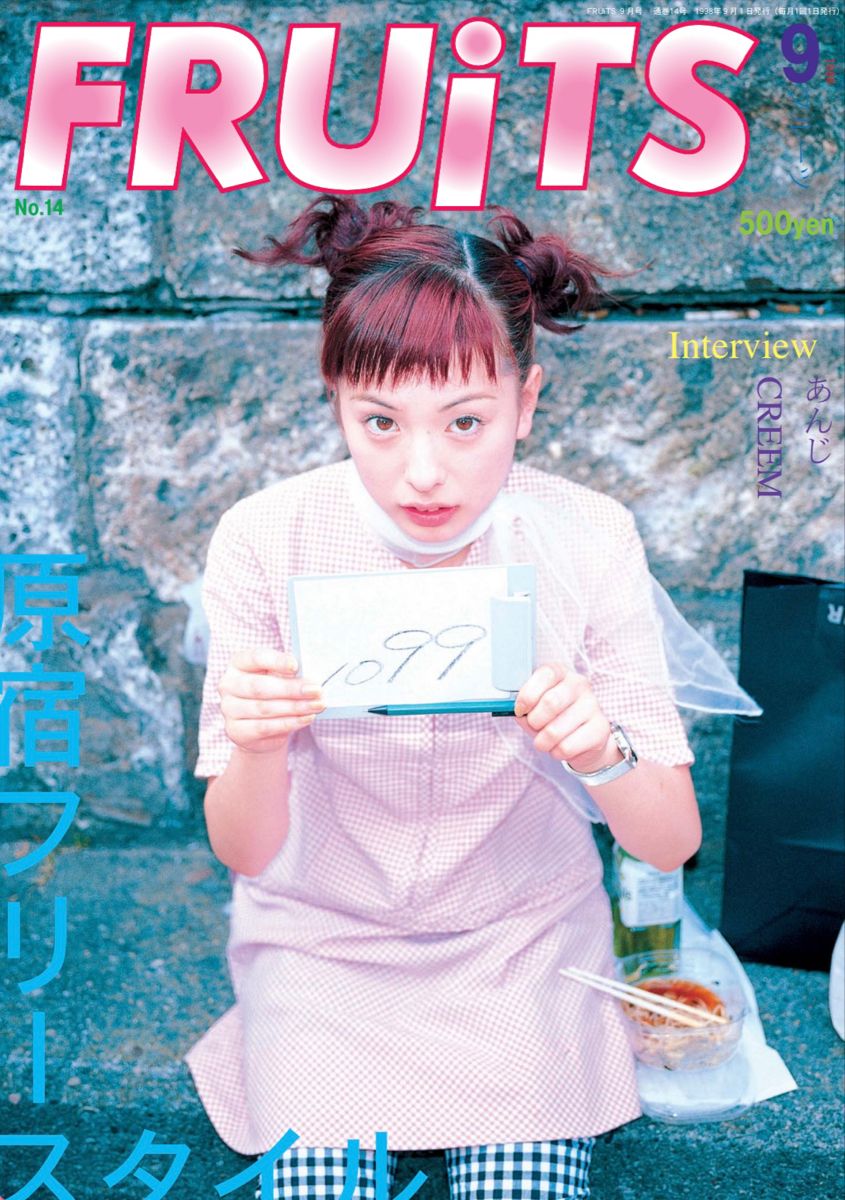
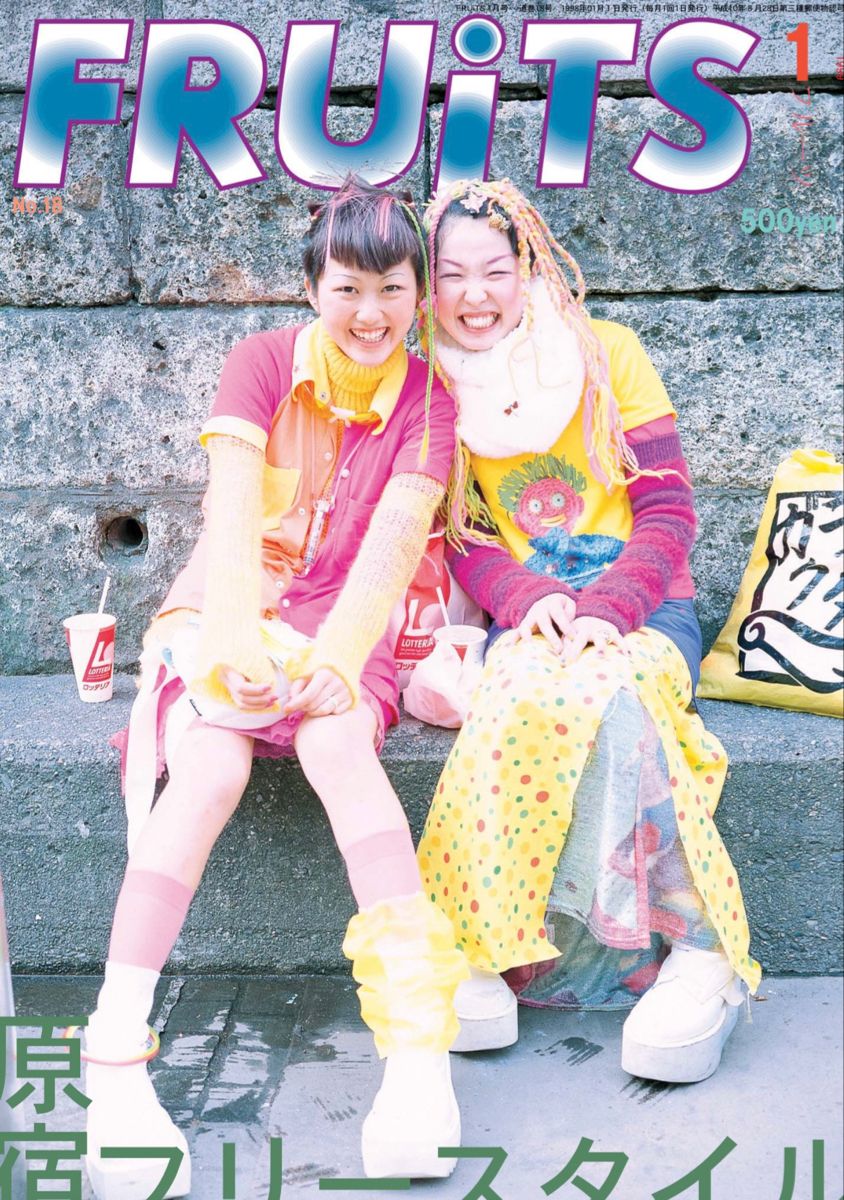
In the 1990s and 2000s, Tokyo’s Harajuku district became the laboratory of kawaii. Here, “cute” turned into style and identity: Lolita fashion with its bell-shaped skirts and lace, Decora with its layers of colorful accessories and endless hair clips, and the pastel tones of fairy kei. Magazines like FRUiTS captured girls and boys who used clothing to invent themselves, with no rules and no judgment.
From Japan to the World: Kawaii Is Everywhere
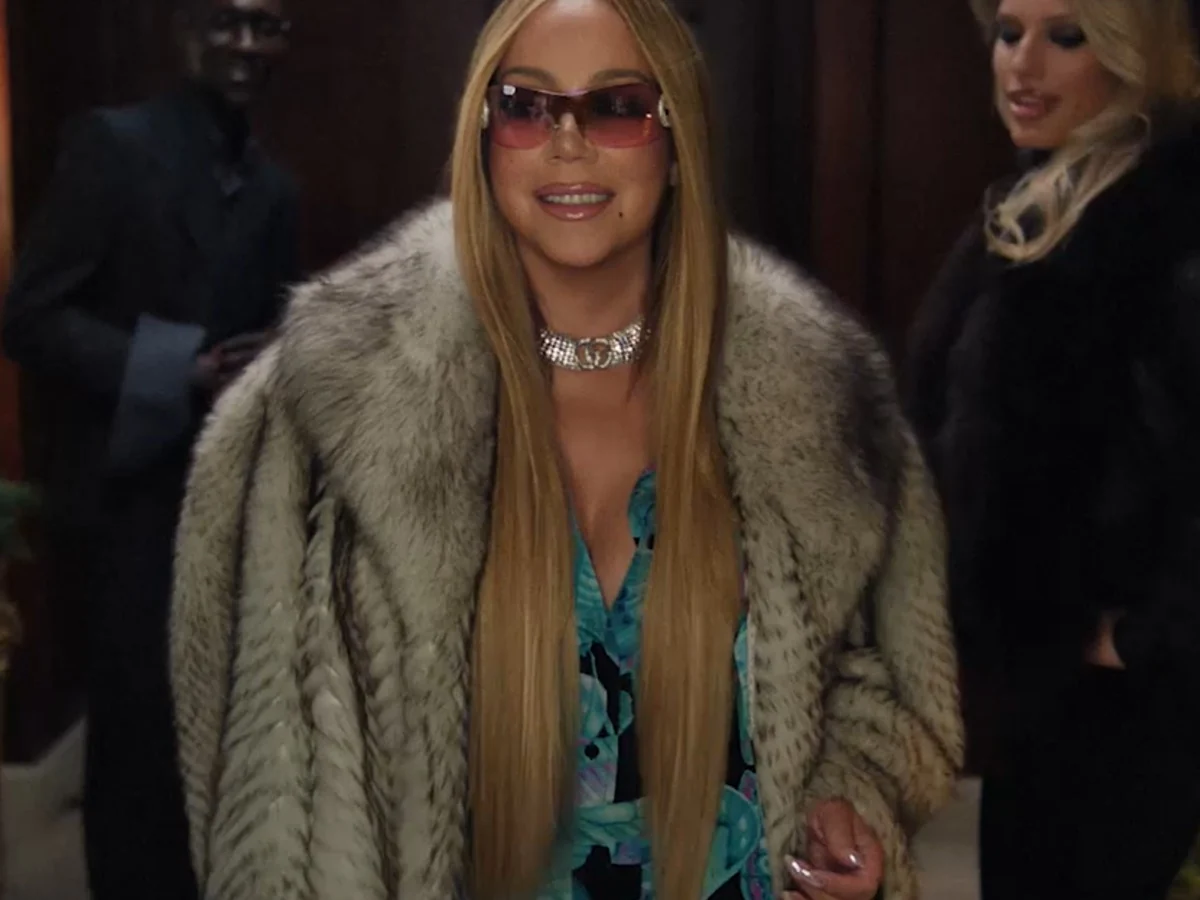
Today kawaii is no longer an “export” phenomenon: it’s a global visual code, recognizable at a glance. In fashion, bows, hearts, pastel shades and bags loaded with charms have become a shared language across runways and fast fashion. The return of Y2K style and trends like coquette owe much to the same craving for lightness. The latest shows prove it: in New York, Sandy Liang sent out a Spring/Summer 2027 collection built on playful dress-up, with bows, satin and pastels, even a fanny pack given the “princess-gorpcore” treatment. In London, Ashley Williams turned the runway into an isolated, unsettling dollhouse, where wigs, teddy bears and pink leggings blended sweetness with a hint of melancholy. Two opposite takes on girlhood, one tender and sunny, the other stranger and more ambiguous: neither claims to be kawaii-inspired, but the kinship is clear.
Kawaii beauty is about glow, softness and fun rather than perfection.
The same spirit has reached beauty, with rosy cheeks, “fresh face” makeup, glitter, nail stickers and toy-like skincare packaging.
Pop culture has played its part too, from Sanrio’s big comeback to must-have collectible plushies and “monster” charms that have become status symbols: a cute accessory on your bag can now say more than a logo.
Tying it all together is social media. TikTok and Instagram have turned kawaii into a shared language of pastel rooms, stationery unboxings and themed outfits: an aesthetic you learn, remix and make your own.
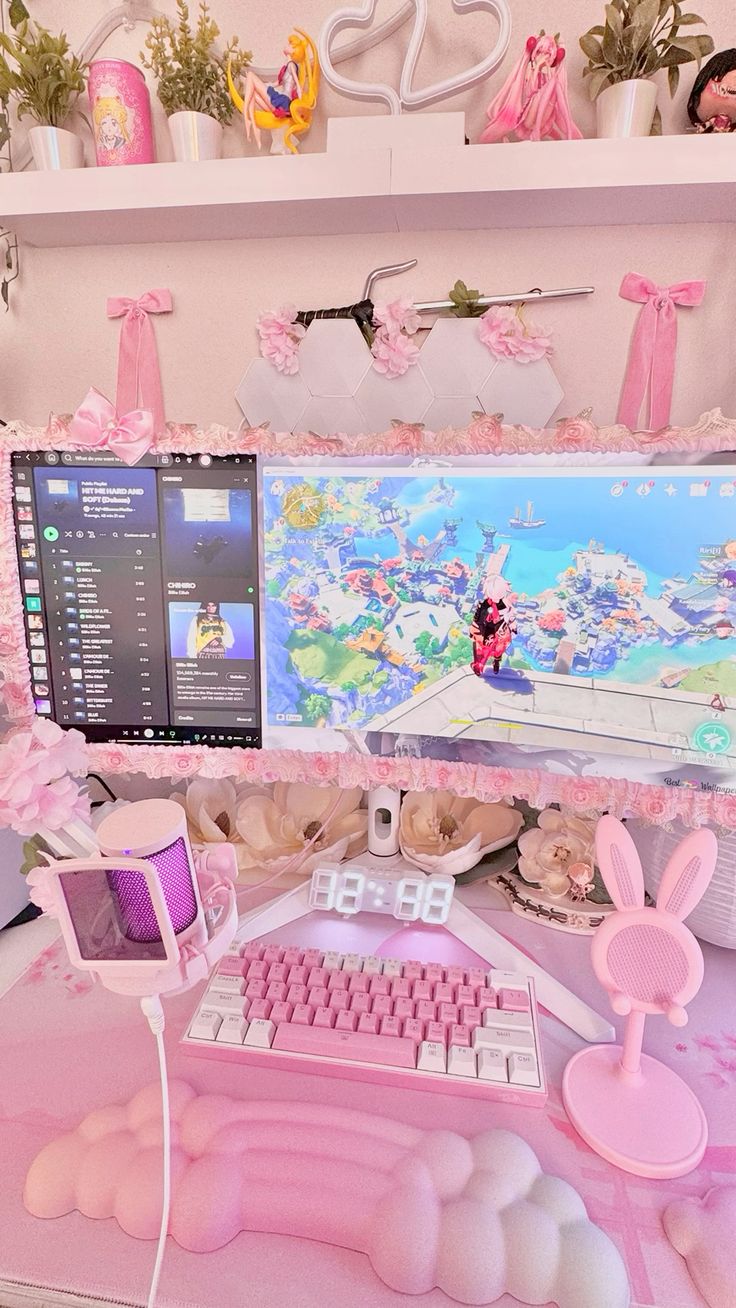
We live in a fast, anxious, hyperconnected age. In this context, kawaii offers a refuge: it’s visual comfort, a small dose of sweetness in a world that demands we always perform.
Choosing kawaii means rejecting the idea that growing up has to mean becoming serious and gray.
But there’s more to it. For many young people, choosing kawaii means rejecting the idea that growing up has to mean becoming serious and gray. You can be ambitious and playful, competent and tender, strong and soft. Here, sweetness isn’t weakness: it’s a choice.
It’s also an inclusive aesthetic: it has no age, gender or size. Anyone can make it their own, playing with colors, shapes and characters to build a freer image of themselves.
The Future Is Soft (and Very Personal)
Kawaii isn’t a trend destined to fade, because it answers a deep need: to express yourself, to play, to take care of yourself. It will change shape, blend with other cultures, and be reinvented by new generations. But the message stays the same: being tender doesn’t mean being fragile, and not taking yourself too seriously is a superpower.
So the next time you catch yourself smiling at a plushie or a glittery sticker, remember that it’s not a whim: it’s a small, colorful form of freedom.