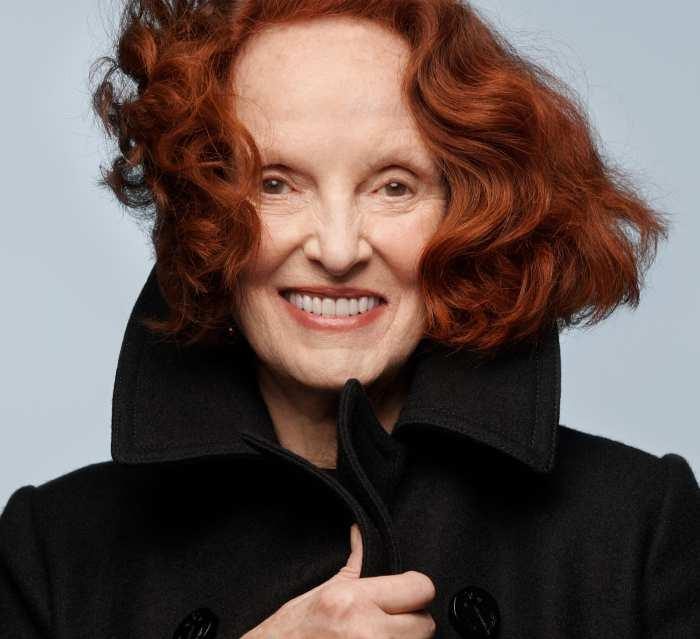

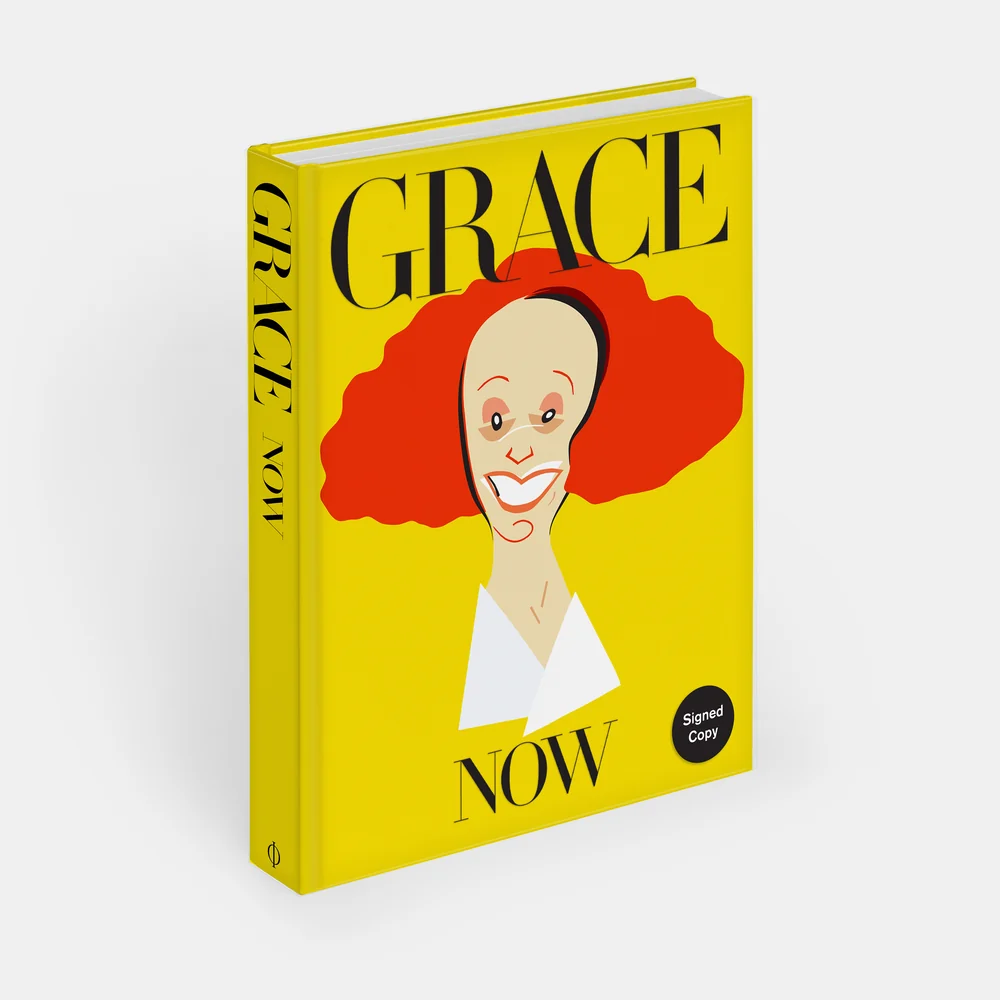
Published by Phaidon, the new volume brings together ten years of fashion photography, offering a closer look at the creative vision that has continued to shape Grace Coddington’s work beyond American Vogue.
For decades, Grace Coddington helped define the visual language of Vogue, developing some of fashion photography’s most recognisable editorial stories. Now, with Grace: Now, she turns her attention to a more recent chapter of her creative career. Bringing together more than 200 photographs produced over the past decade, the book revisits her collaborations with some of the industry’s most celebrated photographers while offering a glimpse into the ideas and editorial decisions behind the images. Together, the photographs trace the direction her work has taken since she left her full-time position as creative director of American Vogue in 2016.
A Decade Through the Lens of Grace Coddington
The third volume in Coddington’s career-spanning series of fashion portfolios, Grace: Now brings together collaborations with thirteen photographers whose work has appeared across American Vogue, British Vogue, W and Document. Among them are Annie Leibovitz, Peter Lindbergh, Steven Meisel, Craig McDean, David Sims, Paolo Roversi and Jamie Hawkesworth. Their photographs offer different interpretations of Coddington’s editorial vision, with each photographer bringing an individual visual language to the collection.
Several previously published fashion stories make their way into the book, including Peter Lindbergh’s Wildest Dreams, Annie Leibovitz’s People in the Sun and Jamie Hawkesworth’s 2025 cover story featuring Emma Stone. Together, these selections provide a sense of the range of projects Coddington has developed throughout the decade. The volume also includes written contributions from figures such as Anna Wintour, Edward Enninful, Sofia Coppola, Marc Jacobs, Nicolas Ghesquière and Karen Elson, adding perspectives from people who have shared different chapters of her creative career.
The selection process was an editorial exercise in its own right. In her conversation with Chloe Malle for Vogue’s The Run-Through, Coddington explained that she began by gathering photographs and printed tear sheets from the publications she had worked with. She then arranged miniature images on a board to consider the sequence of each photographer’s work before having the selected photographs printed and assembled into a physical dummy book. The process followed the method she had learned during her years at Vogue, where the relationship between individual photographs and the overall rhythm of a publication is central to its final form.
A Different Perspective on Fashion Photography
One of the most revealing aspects of Grace: Now is the shift in visual direction that Coddington herself identifies within the collection. Her earlier fashion stories frequently explored elaborate fictional worlds, most famously in the Alice in Wonderland portfolio she created with Annie Leibovitz. The new book reflects a growing interest in imagery that feels closer to reportage, with a more natural relationship between clothing, model and setting.
Speaking to Chloe Malle, Coddington confirmed that this change was intentional. She described moving away from the fantastical clothes that once played such a central role in her editorials, explaining that she now prefers pieces that could comfortably exist in a street setting. She also connected this decision to the current cultural climate, observing that everyday life feels particularly real at the moment. For her, fashion photography can still offer beauty within that reality, even when the setting is deliberately unpolished.
Her approach to working with models offers another glimpse into the thinking behind the photographs. During the same conversation, Coddington discussed the importance of maintaining a personal connection on set, describing how she might adjust a dress or quietly suggest a change in a model’s pose rather than directing everything through the photographer. She expressed concern that the growing reliance on digital monitors can distance editors from the people they are photographing. It is a practical detail that helps explain the intimacy and spontaneity she values in the images selected for the book.
The Stories Behind the Images
Beyond the photography, Grace: Now includes Coddington’s hand-drawn sketches and behind-the-scenes commentary, giving the publication a more personal dimension. These additions reveal aspects of her creative process that rarely appear in the finished editorial. Her observations offer readers a glimpse into the decisions that shape a fashion story, from the initial idea to the details of a finished image.
The book also marks a significant personal moment. It is the first major project Coddington has completed without Michael Roberts, her longtime friend and collaborator, who died in 2023. Roberts had worked with her on previous publications, including her memoir, Grace: A Memoir, and was closely involved in shaping the written and visual aspects of their projects. At the beginning of Grace: Now, Coddington includes a handwritten tribute to him. Speaking to Vogue, she explained that she chose to write it by hand because it felt like talking to him. The dedication gives the book a particularly intimate opening, acknowledging a creative partnership that had accompanied her through much of her career.
Her relationship with Anna Wintour also finds a place in the publication through a written contribution from the former Vogue collaborators. Their professional relationship dates back to their years at British Vogue and continued when Wintour invited Coddington to join her at American Vogue in 1988. During their conversation at London’s Victoria and Albert Museum in October 2026, Wintour described Coddington’s approach to a fashion shoot as something closer to a script, film or play than a conventional photographic assignment. The observation offers a fitting description of the creative thinking that connects the images throughout the book.
With Grace: Now, Coddington brings together a decade of work that reflects both the continuity and development of her editorial vision. Its photographs document the creative relationships behind the images, while her commentary and drawings offer a more direct understanding of the person making the selections. The book ultimately leaves readers with a portrait of an editor whose approach continues to develop through the act of looking, choosing and reimagining what a fashion photograph can be.