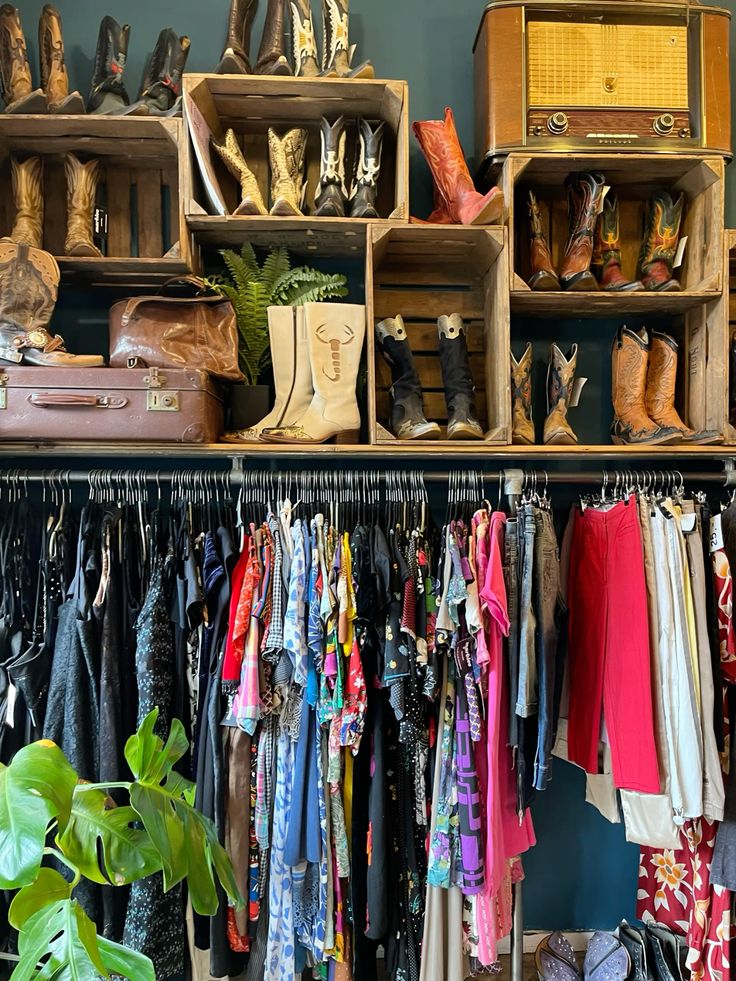


Secondhand fashion is transforming the way we buy, sell and assign value to clothing. Resale platforms have made pre-owned fashion more accessible and desirable than ever. But as the secondhand market continues to grow, new questions are emerging about how clothes circulate, our shopping habits and what happens to garments that can no longer be resold.
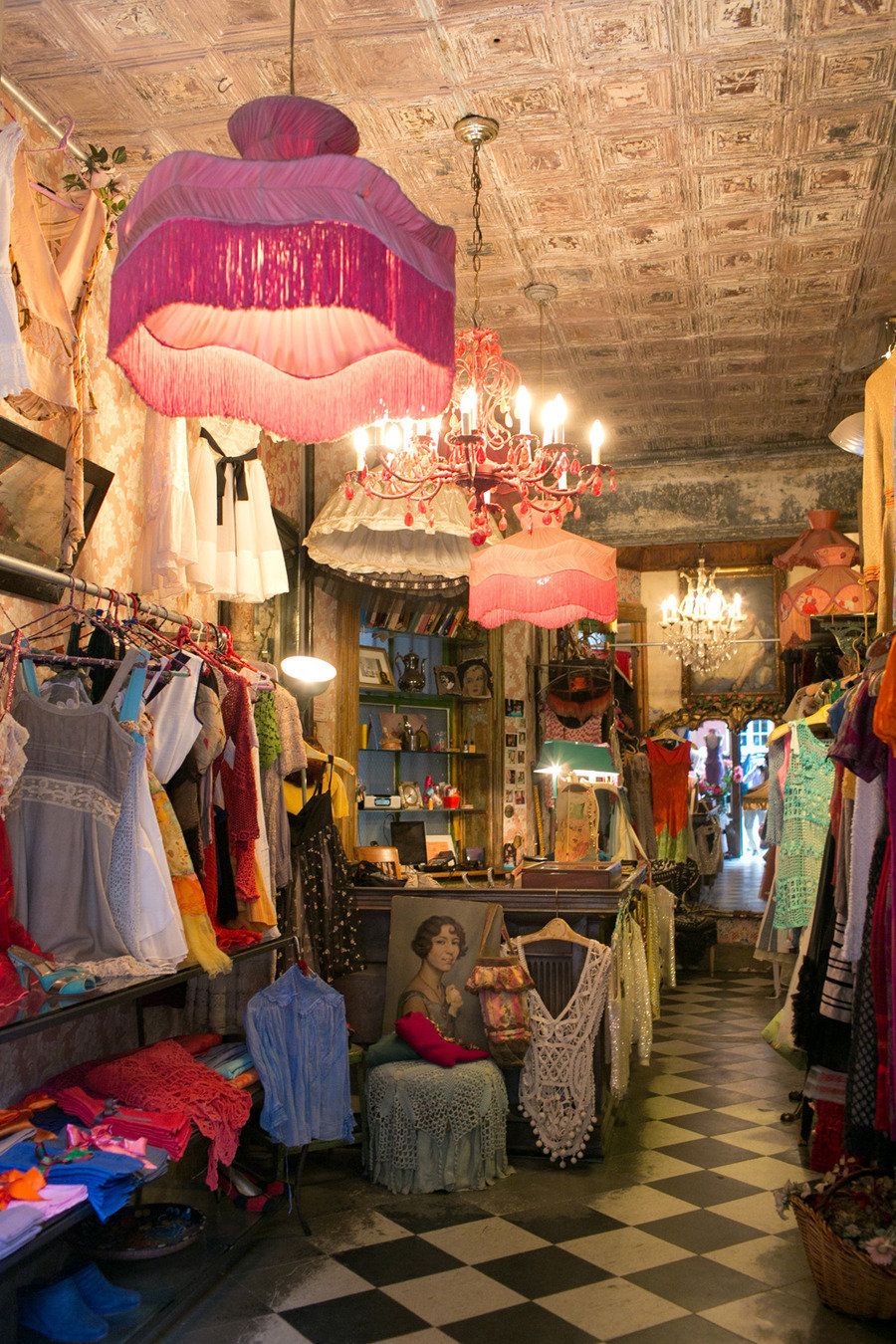
Selling clothes we no longer wear has become an everyday habit. All it takes is a phone, a few photographs and a couple of minutes to turn a garment gathering dust in our wardrobe into a potential source of income.
Platforms like Vinted have helped make buying and selling secondhand clothing increasingly common, reducing the disposal of perfectly wearable garments and changing the way consumers approach their wardrobes. Before getting rid of an item, we now consider how much it might be worth, whether someone would be willing to buy it and what price we could get for it.
What was once considered an alternative to traditional consumption has become an increasingly important part of the fashion industry. According to a report published in October 2025 by Boston Consulting Group in collaboration with Vestiaire Collective, the global secondhand fashion market could reach $360 billion by 2030.
This growth has transformed not only the way we sell our clothes, but also the way we buy them. Secondhand garments are no longer necessarily associated with saving money or shopping out of necessity. Instead, they often offer an opportunity to access otherwise unaffordable brands or discover rare and hard-to-find pieces.
The ability to browse thousands of items and complete a purchase in just a few clicks has made secondhand shopping increasingly convenient and accessible. Although based on the circulation of existing garments, this experience is becoming more closely intertwined with the dynamics of contemporary consumerism: a constantly updated selection, often affordable prices and the opportunity to discover new pieces all contribute to encouraging further purchases.
This does not mean that buying secondhand is synonymous with overconsumption. However, it raises questions about how easy access to a seemingly endless marketplace might influence our shopping habits. While secondhand fashion allows garments to remain in circulation for longer, it can also become another opportunity to consume, without necessarily reducing how frequently we refresh our wardrobes.
The rapid growth of online resale also raises questions about how we perceive the value of clothing. Unlike traditional vintage stores, where prices often reflect curation, rarity, craftsmanship and a garment’s history, online marketplaces allow individual sellers to set their own prices, sometimes prioritising a quick sale over an item’s potential value.
While this makes secondhand shopping more affordable, it can also put pressure on independent vintage retailers, whose businesses depend on preserving and communicating the value of the pieces they sell.
Moreover, the popularity of online resale is also changing the way we decide what to do with clothes we no longer want. The possibility of assigning a price to unwanted garments creates an increasingly clear distinction between items that can be resold and those that have lost their commercial value. While more desirable pieces can easily find new owners through digital platforms, damaged, worn-out or difficult-to-sell garments still need somewhere to go.
But what happens when the secondhand market can only extract value from some of the clothes we put back into circulation?
This question has become even more relevant following new European Union regulations that, since July 2026, have prohibited large fashion companies from destroying unsold clothing and footwear, except in specific circumstances. While the ban does not apply to garments donated by consumers, it marks an important shift in how the fashion industry is expected to deal with its excess. After all, preventing clothes from being destroyed is only part of the solution. If they can no longer simply be discarded, where do they go, and who takes responsibility for them?
The UK Case: When Donating Comes at a Cost
This contradiction is at the heart of an investigation published by The Guardian on 13 October 2026, which highlights the difficulties some British charity shops are facing as they receive growing quantities of unsellable clothing through donations.
Charity shops are secondhand stores run by charitable organisations, which sell donated goods to fund social and community services. Traditionally, they have played an important role in the clothing reuse system, allowing consumers to pass on garments they no longer wear while turning donations into financial resources for charitable causes.
Today, however, this balance appears increasingly fragile.
According to testimonies collected by the British newspaper, the rise of online resale platforms is contributing to a shift in the quality of donated clothing. Consumers increasingly choose to sell their most desirable garments themselves, while charity shops are often left with damaged, worn-out or unsellable items.
The issue is not simply the declining commercial value of donations, but also the work required to manage them. Every garment received must be inspected and, where possible, prepared for sale. Items that cannot be reused must instead be sent for recycling or disposal, processes that generate additional costs for charity shops. According to the report, charity shops manage to sell only around 25% of the clothing they receive in donations, on average.
This creates a paradox: while online resale allows individual consumers to make money from garments that still hold value, some charitable organisations risk receiving an increasing share of the clothing waste that the market is no longer willing to buy.
The dilemma raised by the British case concerns how value is distributed within the secondhand market. The growth of resale does not necessarily eliminate the problem of textile waste. In some cases, it simply changes who is responsible for dealing with it.
Consumers who successfully resell their clothes recover part of their original spending. Those who receive an unusable garment for free, on the other hand, may end up having to pay to dispose of it.
This does not mean that resale platforms are directly responsible for the difficulties faced by charity shops. The sector’s challenges are largely rooted in clothing overproduction and the poor quality of many fast fashion products.
Nevertheless, a structural question remains: if the commercial value of used clothing is increasingly captured by more efficient resale channels, who takes responsibility for the garments that can no longer be sold?
The rise of resale has undoubtedly transformed the fashion industry, making secondhand clothing more accessible and giving garments new opportunities to circulate. Yet its growing popularity also raises questions about how we consume, how we determine the value of what we wear and who bears the cost of what can no longer be sold.
The experience of British charity shops reveals one of the less visible contradictions of this expanding market: while some garments continue to generate value, others become someone else’s responsibility.
Ultimately, a secondhand economy can only be considered truly circular if it takes responsibility not only for what can be resold, but also for what gets left behind.