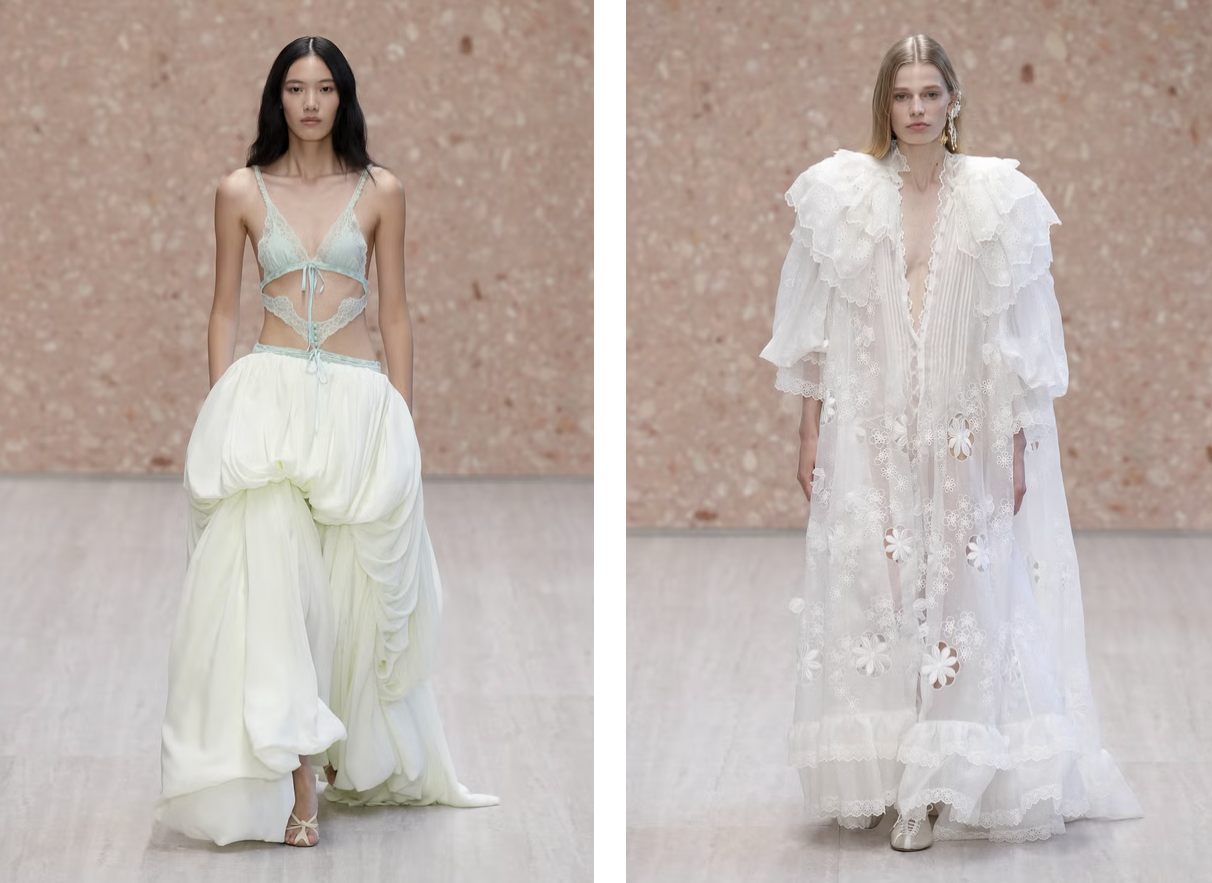
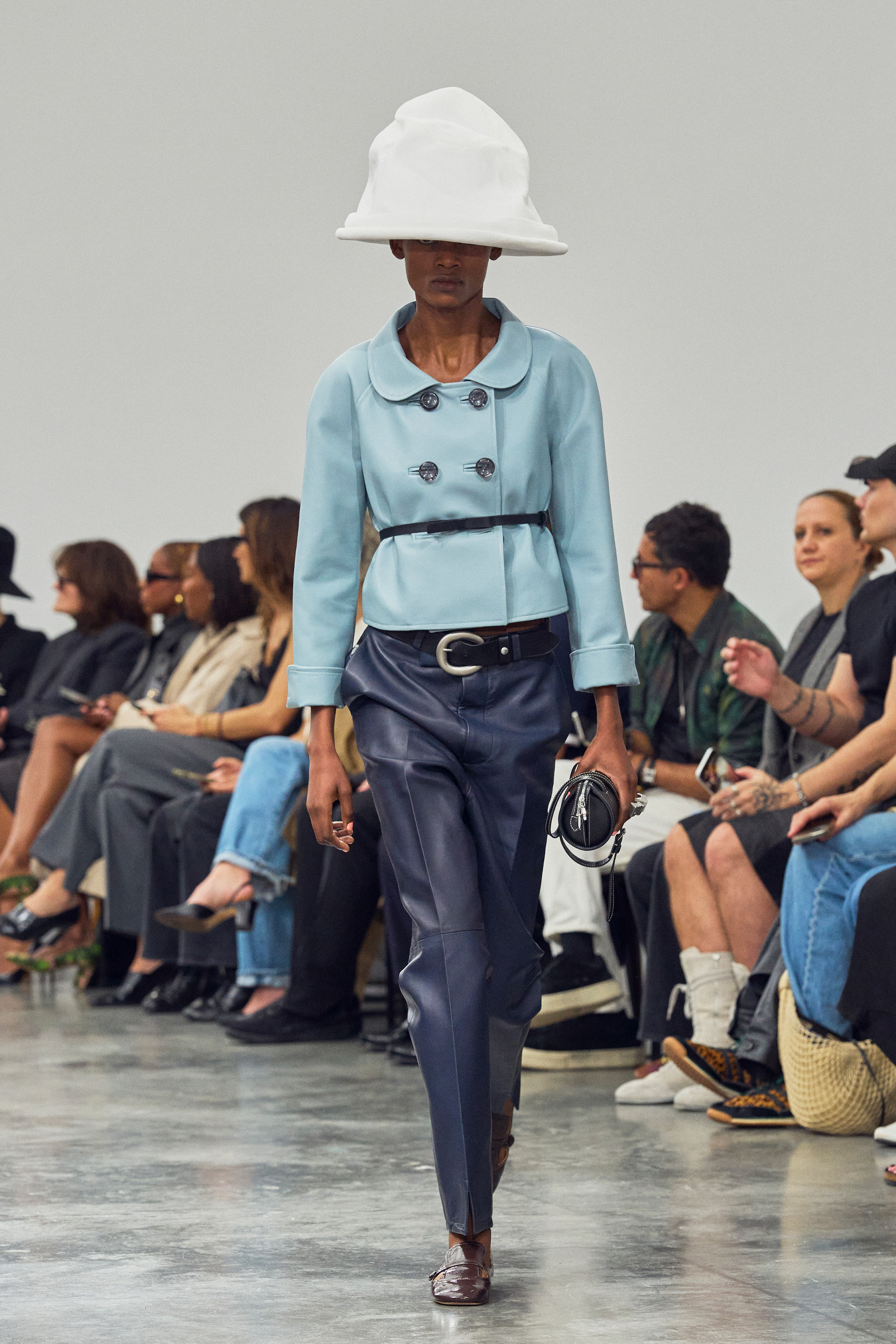
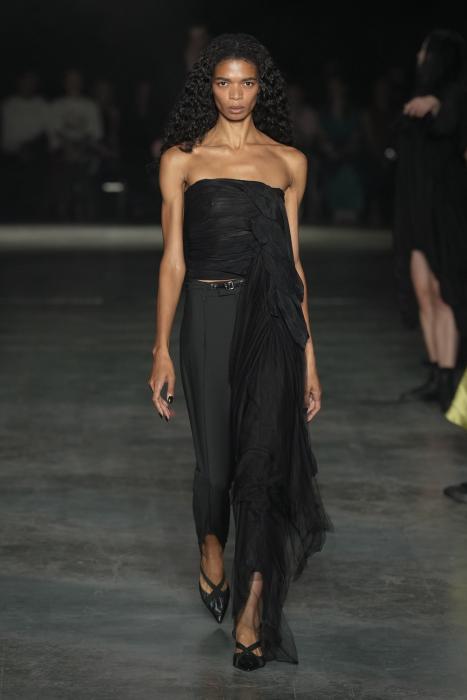
From the stage to the rave, Alain Paul is trying to set the body free. But can freedom be tailored?
When does a body stop obeying?
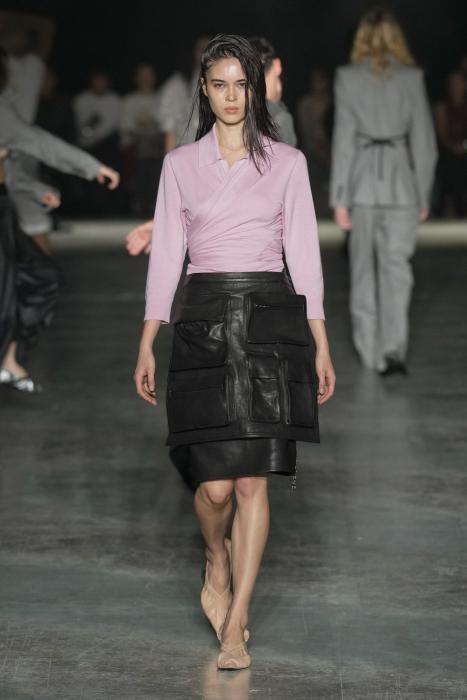
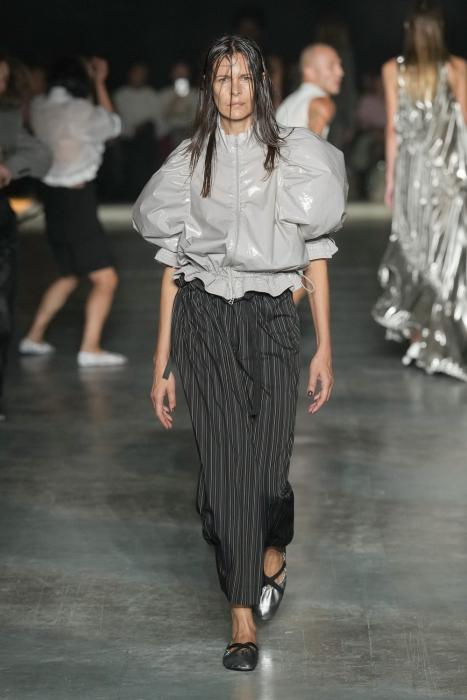
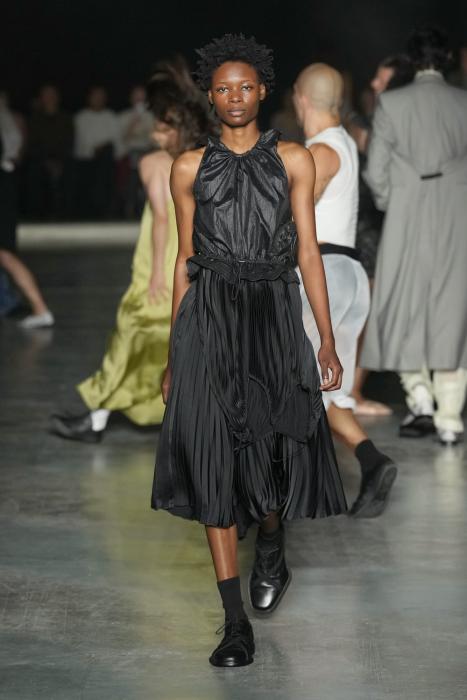
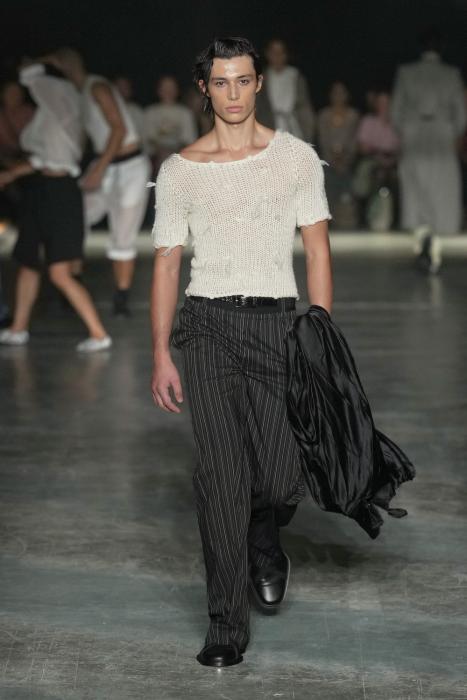
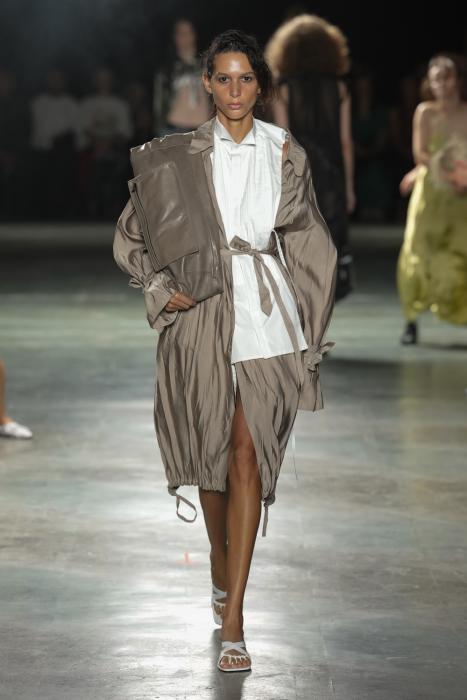
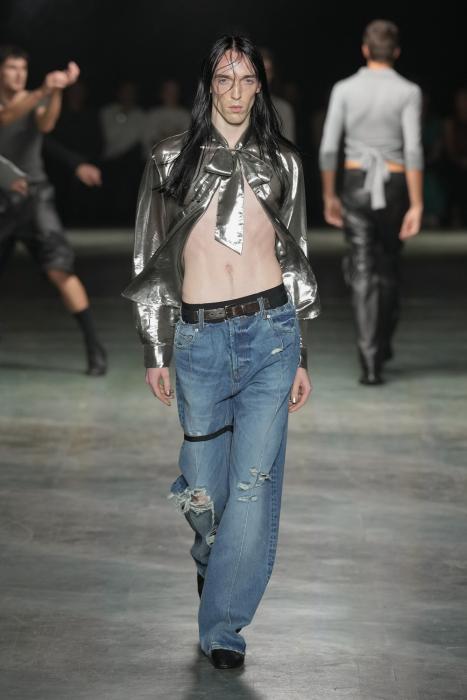
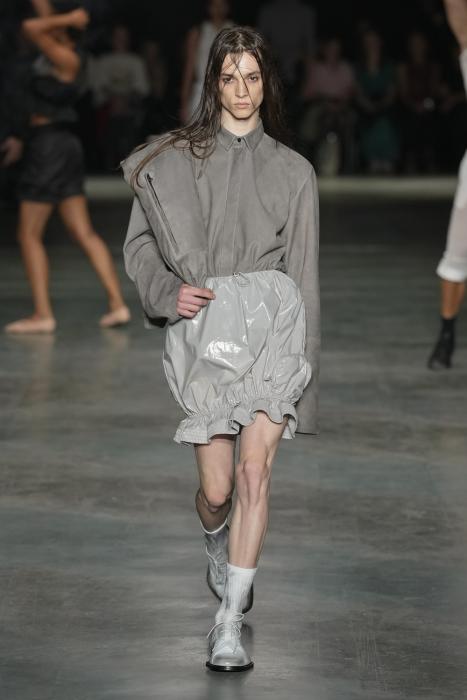
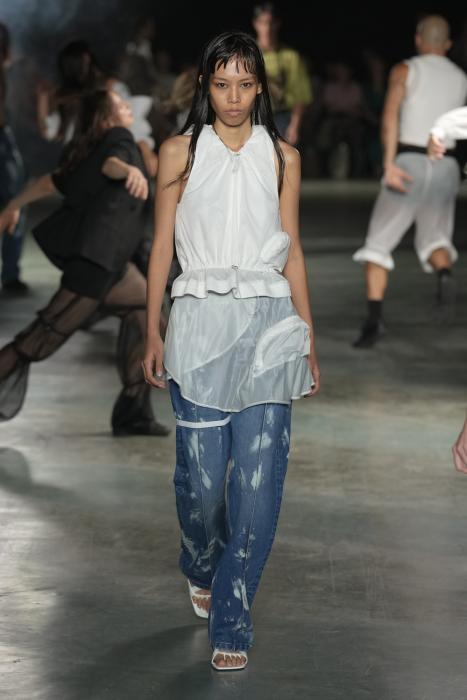
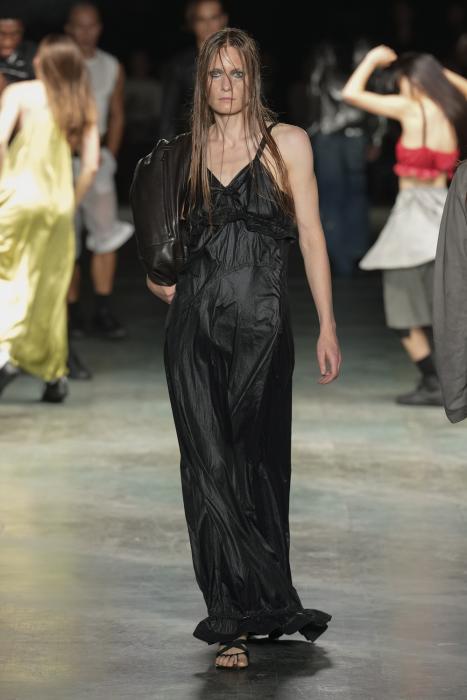
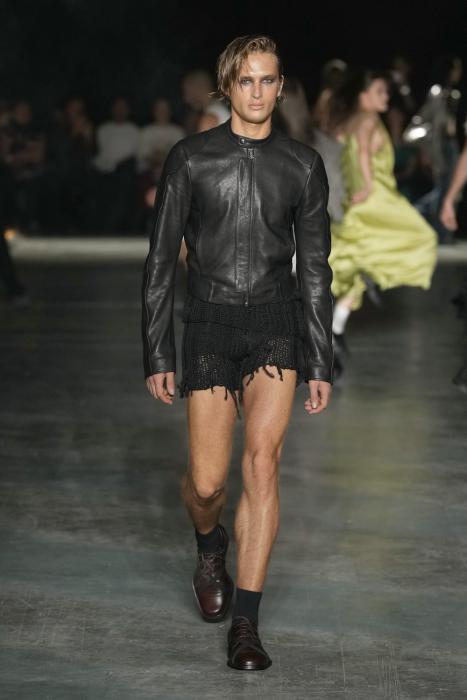
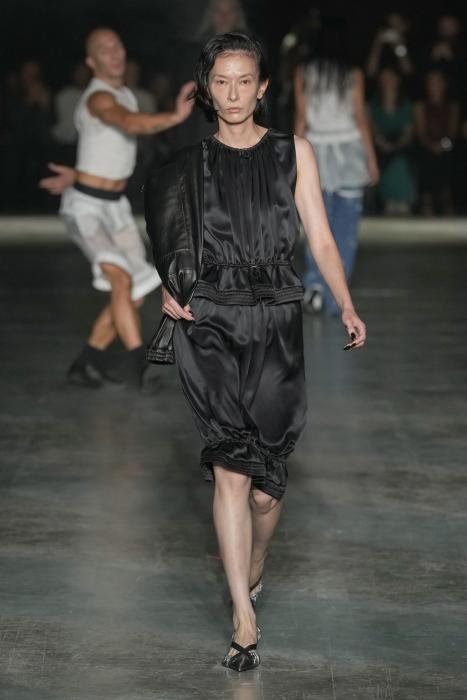
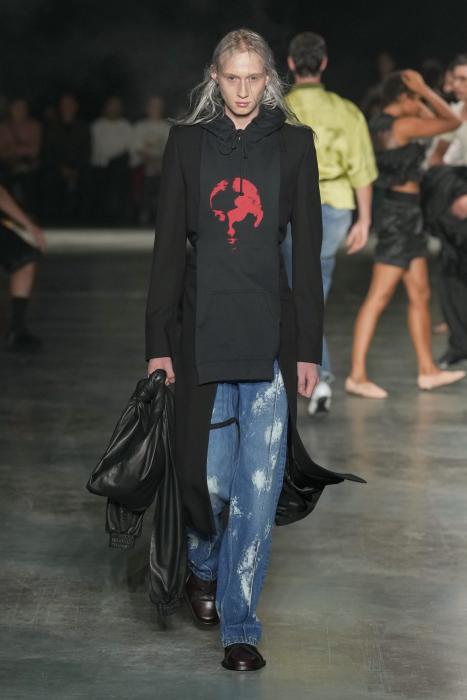
It sounds like a simple question. It may also be the only question worth asking about ALAINPAUL Spring/Summer 2027.
Because Alain Paul has never really designed clothes. He has designed bodies inside clothes: trained bodies, controlled bodies, distorted bodies, protected bodies, exposed bodies; and now, apparently, liberated ones.
The problem is that freedom, in fashion, is a suspicious word. It gets used most enthusiastically precisely when the body is being subjected to another form of discipline.
ALAINPAUL was founded in 2023 around a precise idea: “choreographing clothes around the body.” Not simply dressing the body, then, but choreographing it. Alain Paul arrived at fashion through contemporary dance, after growing up inside the physical discipline of ballet and studying dance in Marseille. He later moved into fashion in Paris, working at Vetements and then at Louis Vuitton under Virgil Abloh, before founding his own house in 2023.
This biography is not a footnote. It is practically the brand’s original operating system.
Because the dancer’s body is the ultimate disciplined body. A body taught to become something other than itself. To correct the gesture, erase the mistake, repeat until perfection. Yet it is also a body that, through discipline, acquires a freedom that the ordinary body does not possess.
That contradiction is what Alain Paul brought into fashion.
And with Spring/Summer 2027, it reaches a particularly interesting point.
The house describes the season as a movement “from the stage to the rave”, where the body moves from discipline towards freedom.
It is an almost suspiciously perfect sentence.
Because the rave, historically and sociologically, represents the opposite of the disciplined stage. Onstage, the body is watched. In the rave, the body is supposed to disappear into the crowd. Onstage, there is choreography. In the rave, there is collective movement. Onstage, someone performs and someone watches. In the ideal of the rave, that distinction dissolves.
But ALAINPAUL cannot simply throw discipline away.
And that is precisely where this collection becomes interesting.
FROM THE DANCER TO THE INDIVIDUAL
ALAINPAUL began with a professional body: the dancer’s body.
In its early seasons, dance was an explicit grammar. Not merely an aesthetic reference, but a method for constructing clothes. The house has consistently spoken about posture, gesture, movement, individuality, independence and the tension between freedom and rigour.
Then something began to shift.
Dance became less of a subject and more of a structure.
For Spring/Summer 2026, the point of departure was the audition: the moment when the performer submits themselves to judgement, before they are even allowed to become the spectacle.
For Fall/Winter 2026–27, Répertoire moved towards the museum, the archive, memory and the way history continues to shape the contemporary body.
Now, with SS27, the body leaves the theatre.
And goes dancing.
That is not a small difference.
It is a sociological transformation of the character Alain Paul has been building.
The dancer is a body belonging to an institution.
The performer is a body subjected to judgement.
The archival body is a body carrying memory.
The rave body is a body trying to belong only to itself.
BUT IS FREEDOM EVER REALLY FREE?
This is where the story gets less comfortable.
Because ALAINPAUL talks about freedom while constructing it through remarkably controlled means.
Tailoring. Cutting. Construction. Fabric. Volume. Architecture.
The house’s own methodology is rooted in contemporary lines, tailoring, precision and experimental construction. Concept and wearability are expected to coexist.
This is Alain Paul’s real signature.
Not ballet.
Not gender fluidity.
Not the rave.
Tension.
The tension between what holds and what lets go.
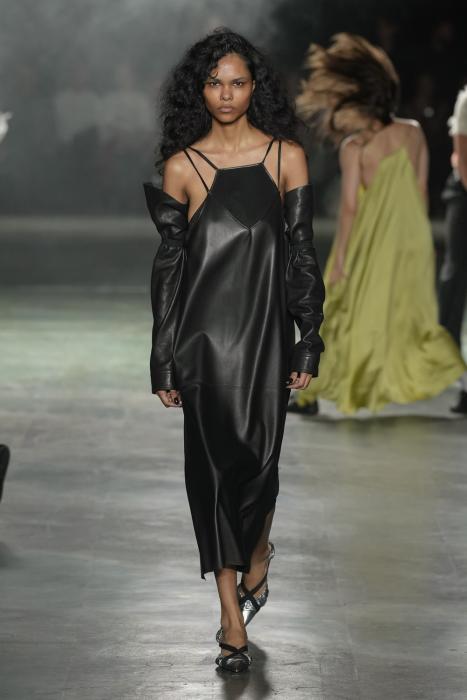
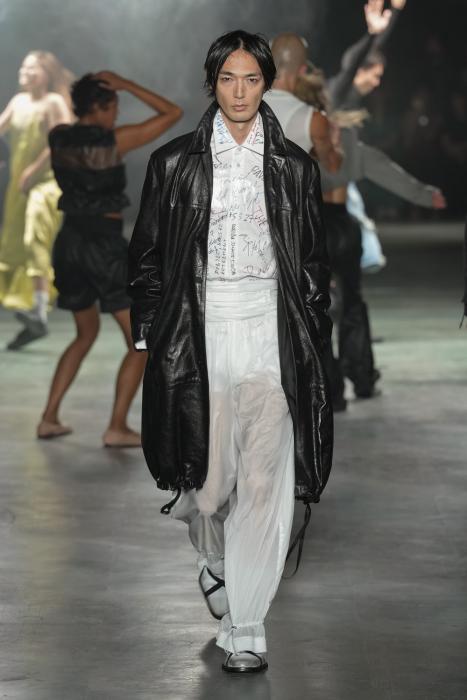
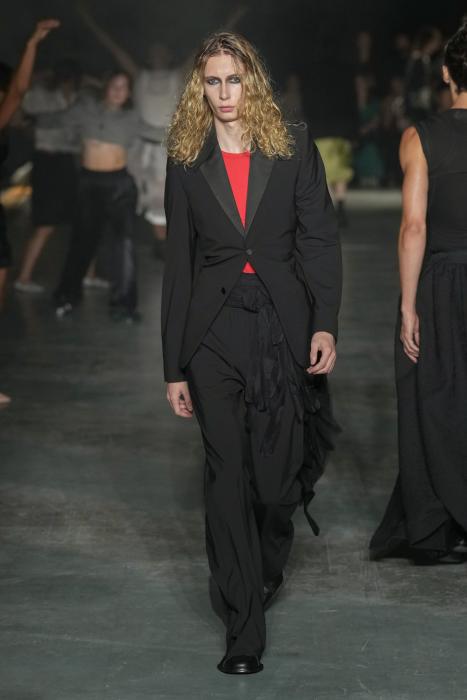
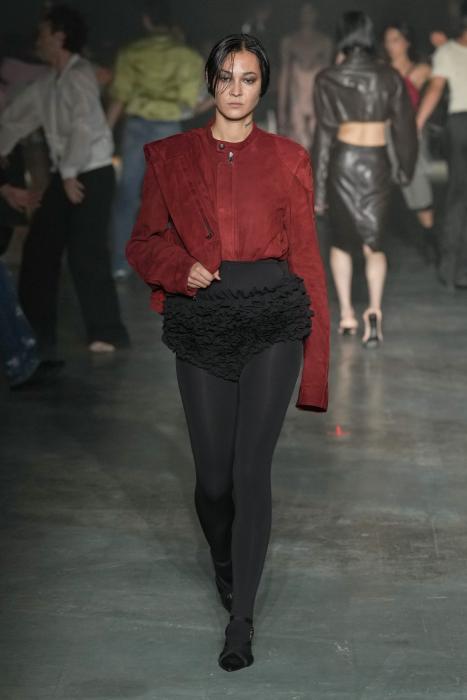
The garment is simultaneously structure and escape.
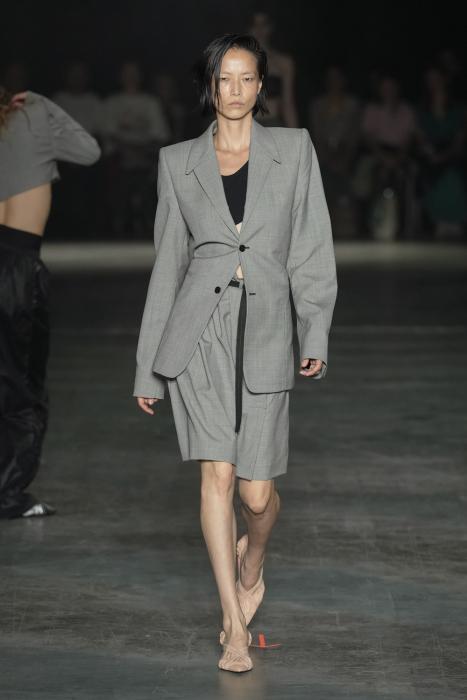
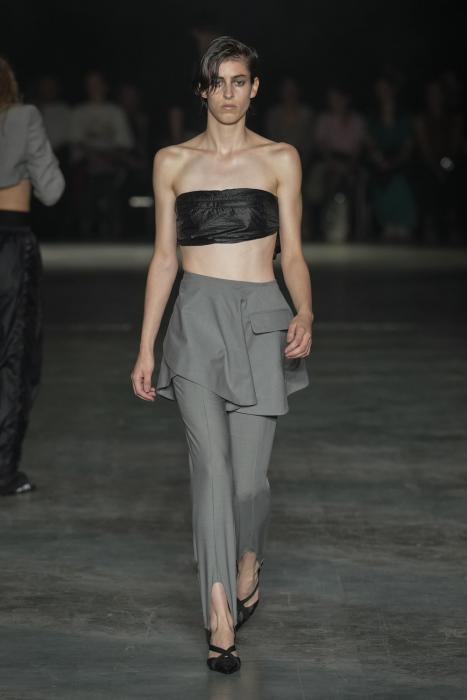
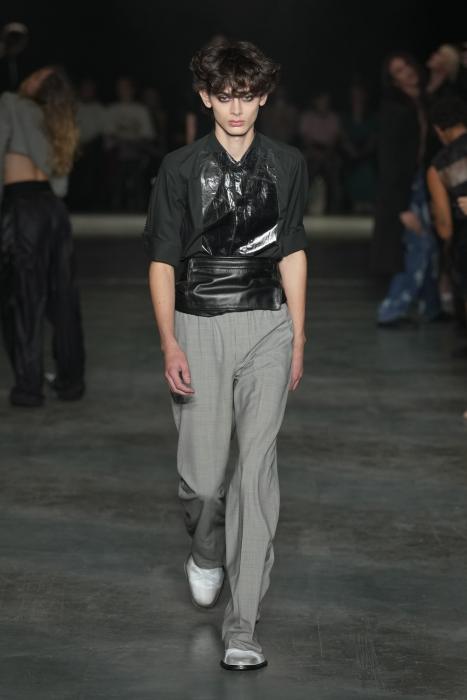
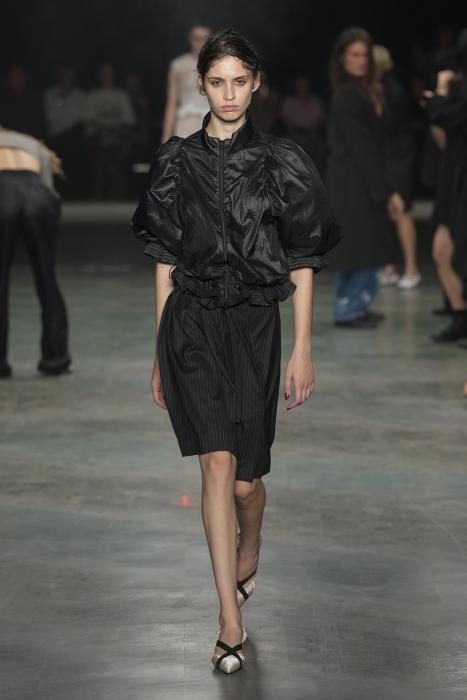
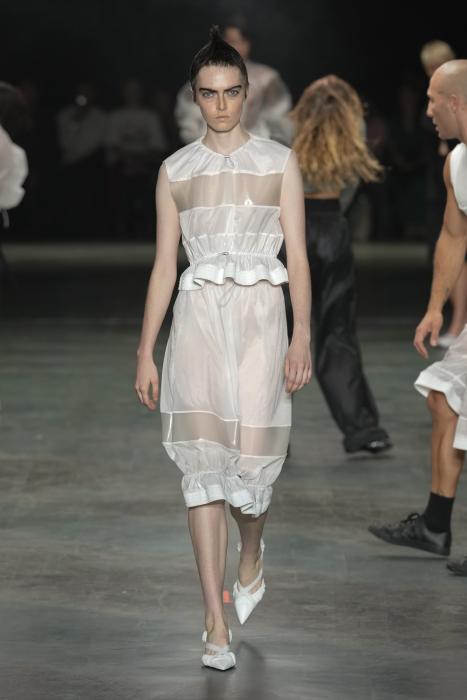
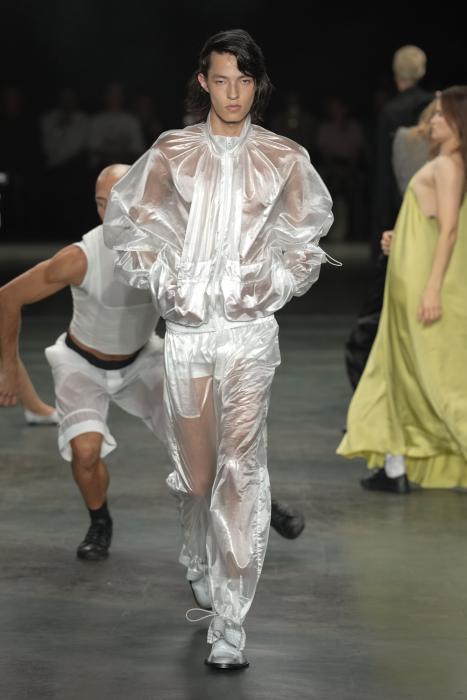
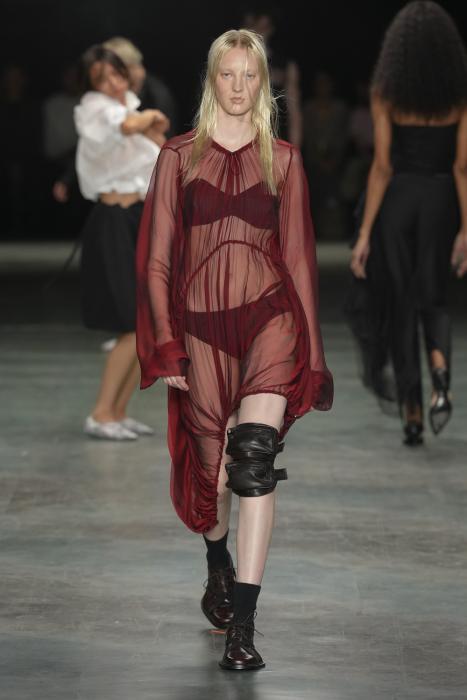
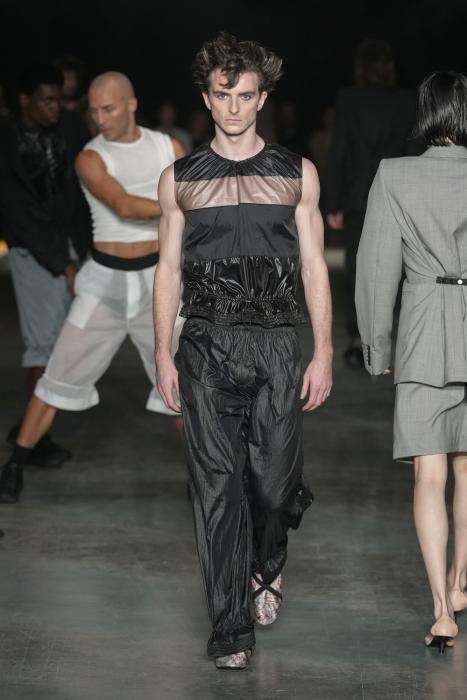
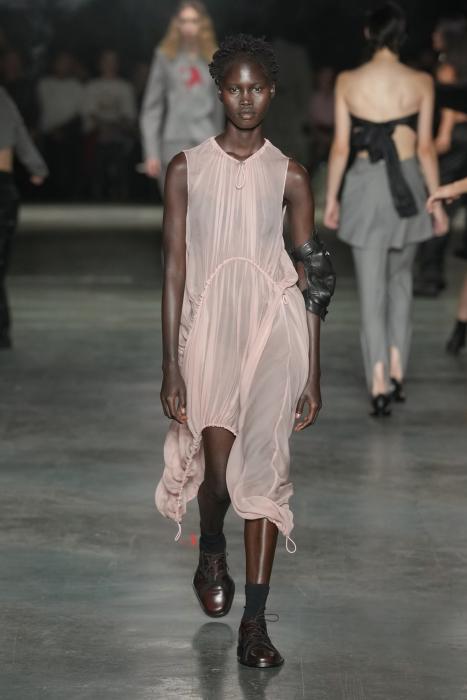
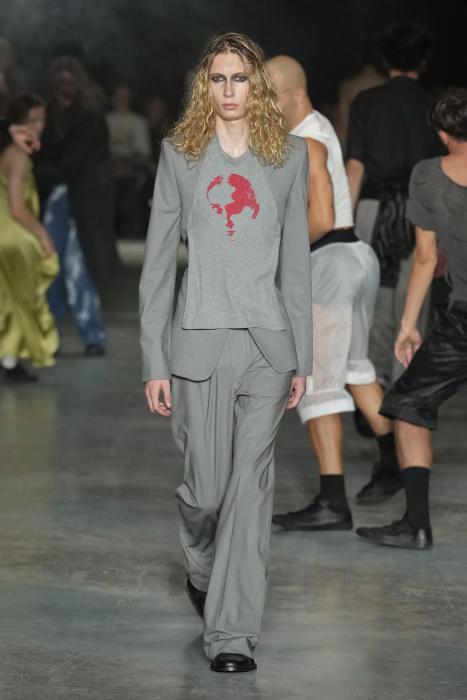
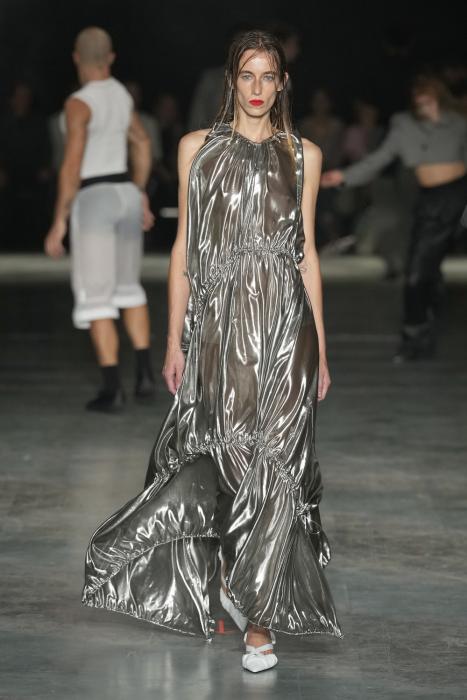
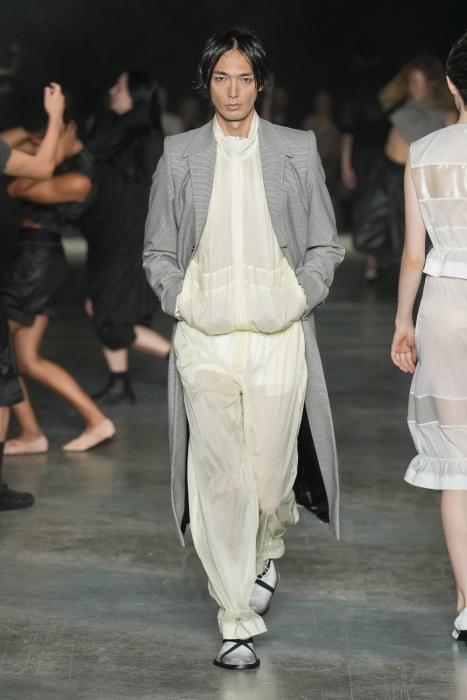
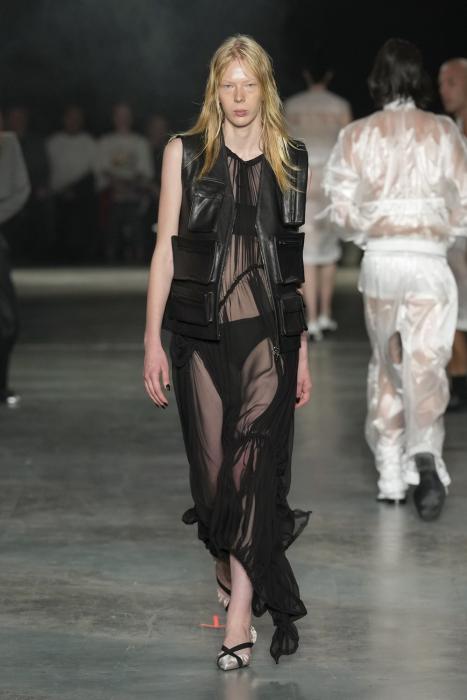
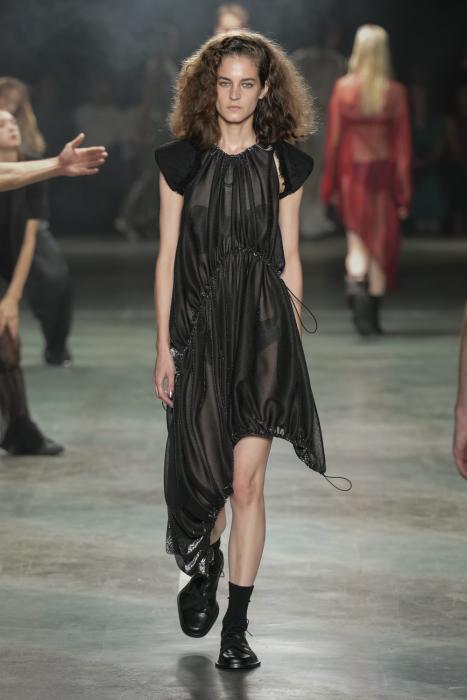
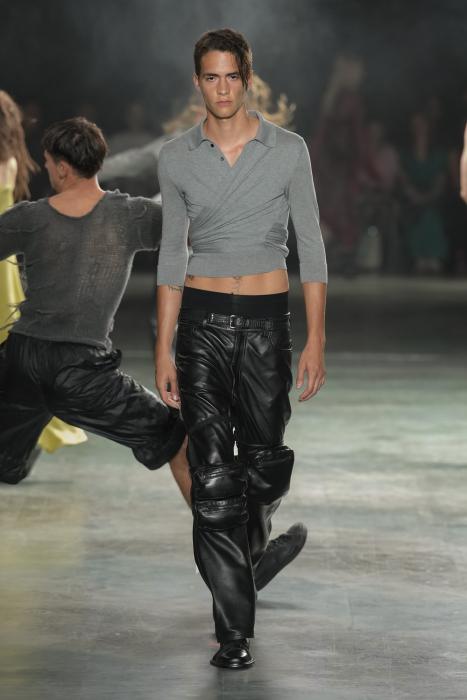
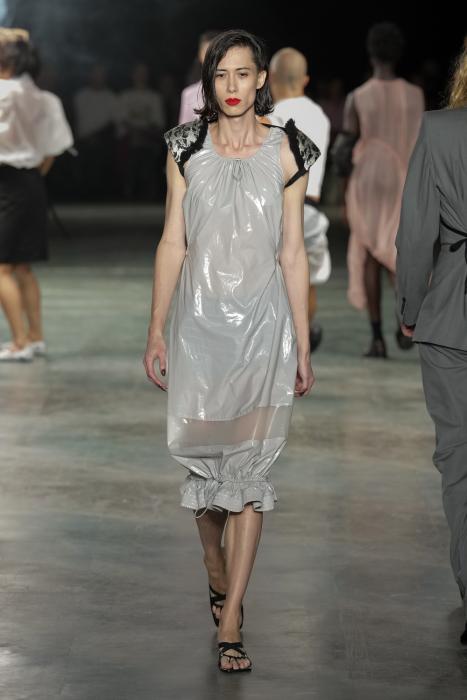
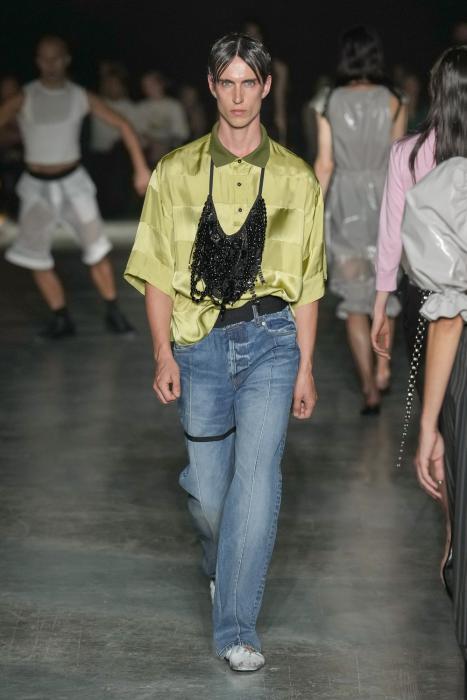
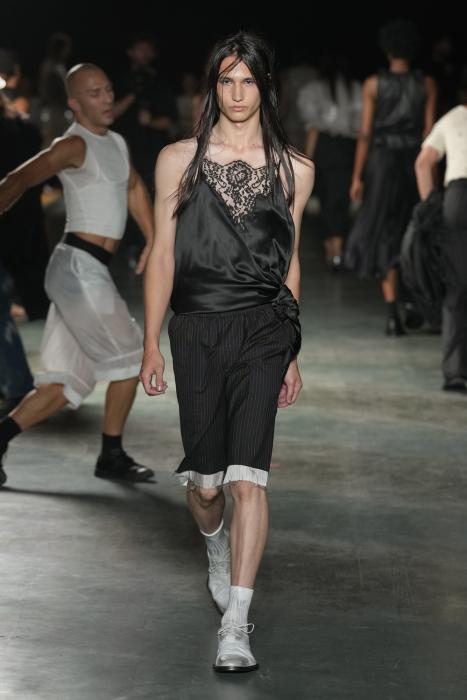
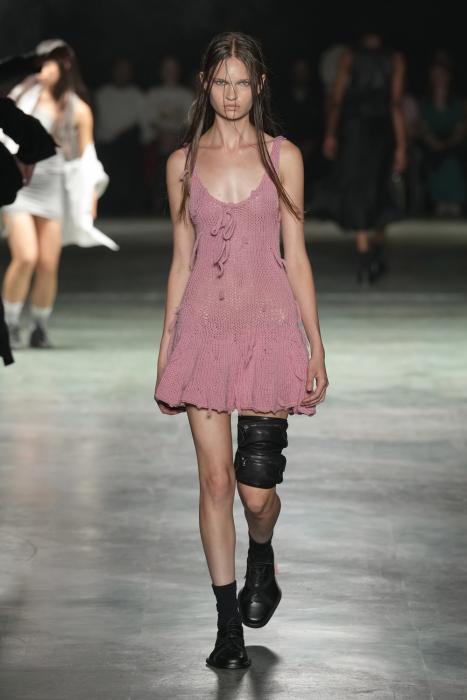
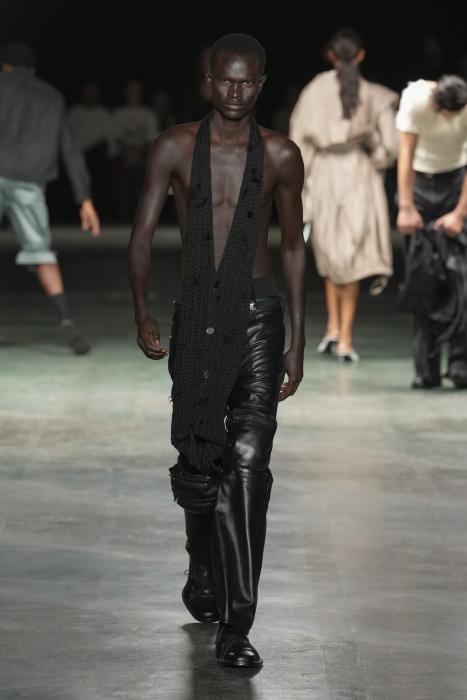
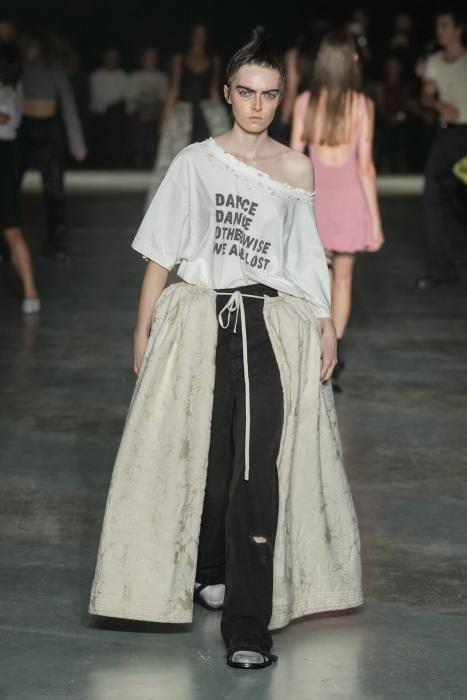
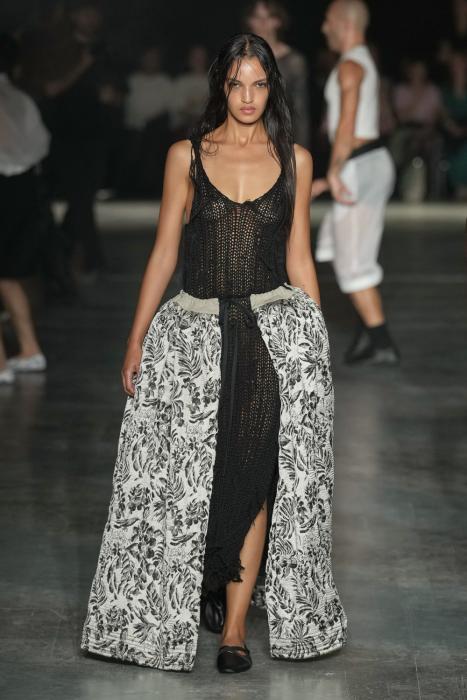
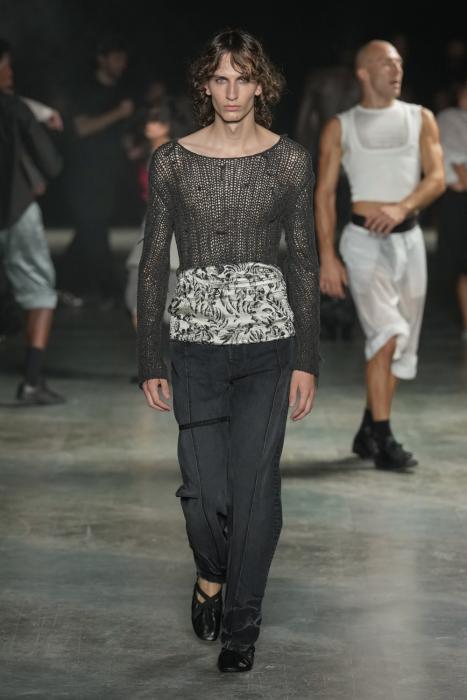
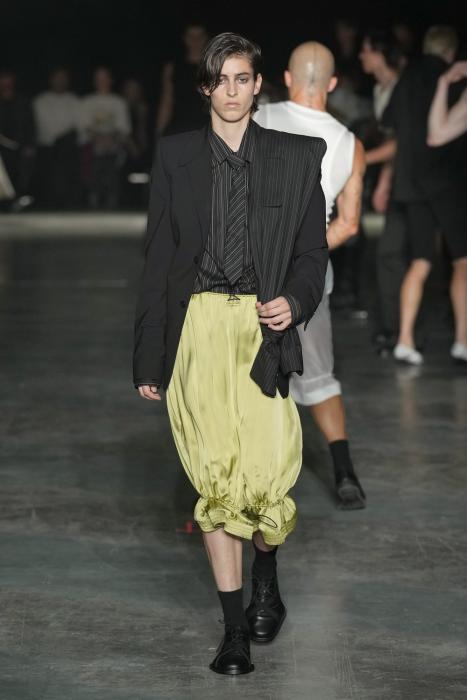
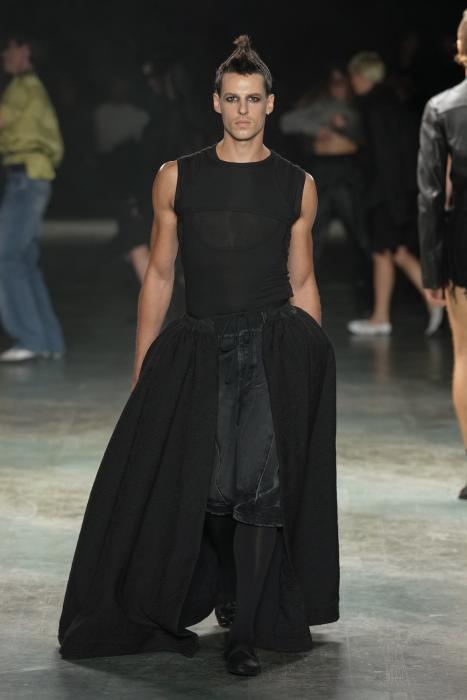
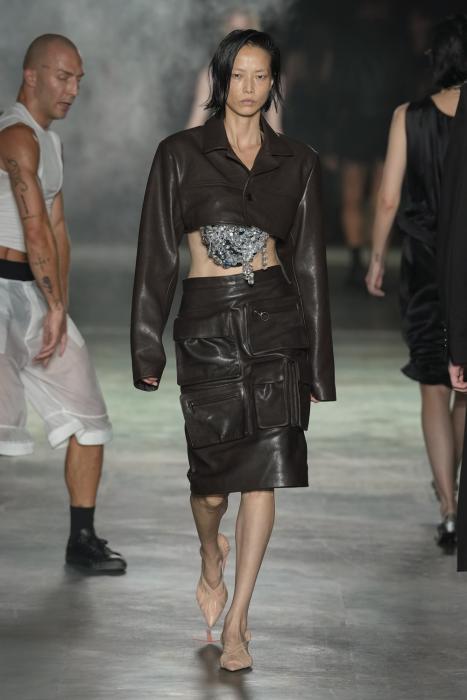
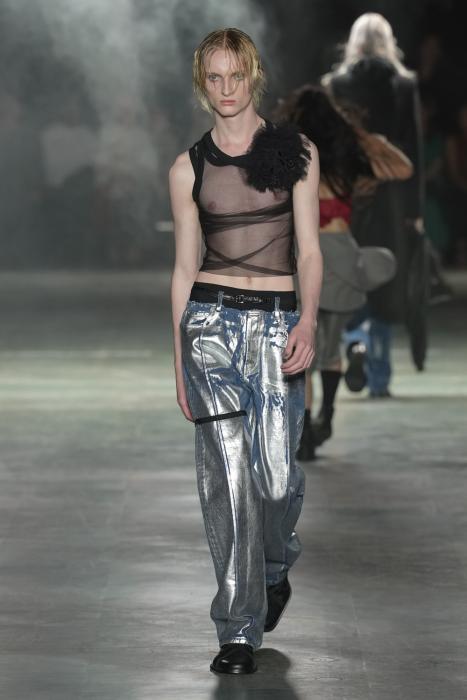
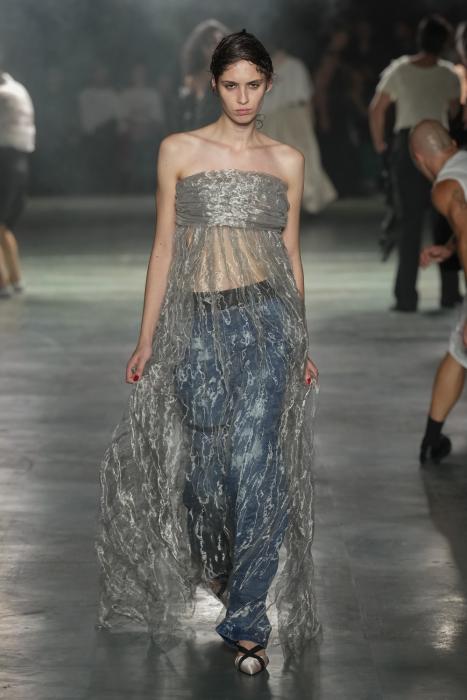
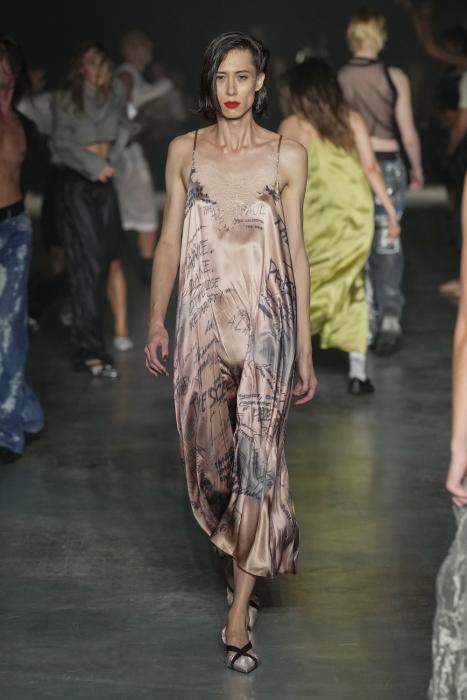
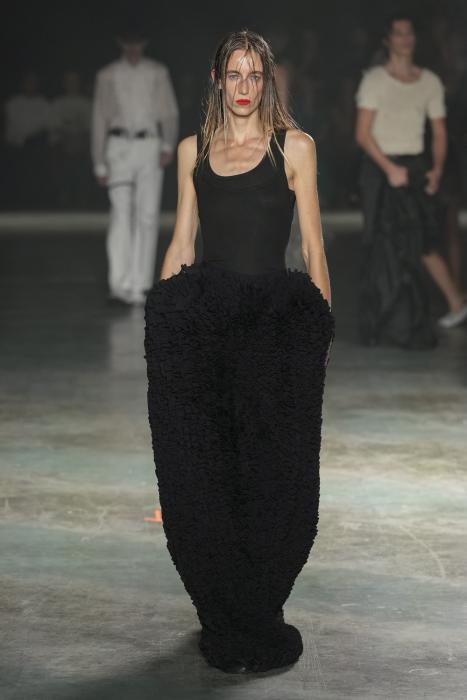
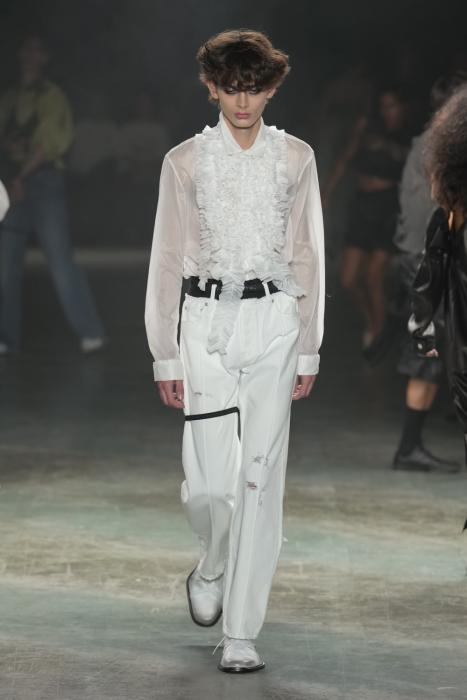
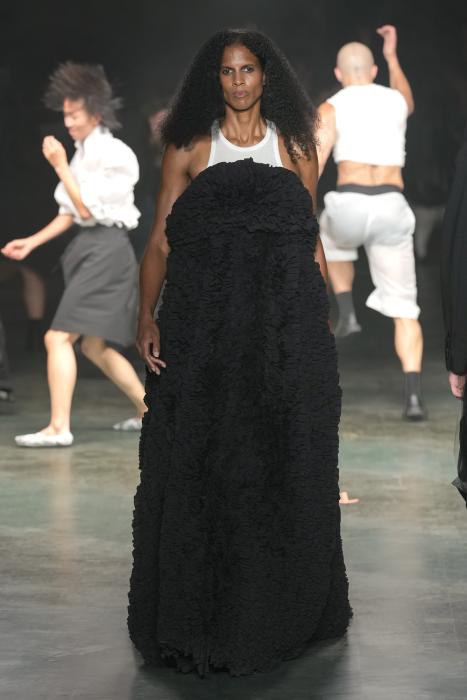
And this makes SS27 most compelling when it stops trying to illustrate freedom and starts constructing it through form.
Because contemporary freedom is not necessarily nakedness, destruction of the garment or a rejection of tailoring.
It can also mean the ability to inhabit a structure without being completely defined by it.
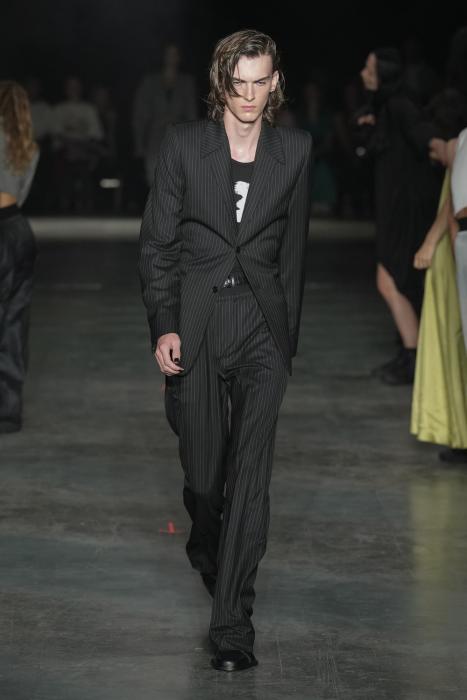
FROM ALAIN PAUL TO ALAINPAUL
There is another transformation happening here.
When ALAINPAUL was founded, there was an obvious risk of being understood as the fashion translation of a personal past: the dancer-turned-designer turning professional experience into clothes.
Three years later, the problem is almost the opposite.
Dance is becoming the origin myth, while the house is building an autonomous vocabulary.
This is a crucial moment for any young fashion house.
A biography can explain why a brand exists.
It cannot indefinitely explain why it should continue to exist.
ALAINPAUL seems to have reached precisely that point.
Dance no longer needs to be the answer.
It needs to become the invisible infrastructure.
Like the training of a body: still present in the body long after the class is over.
THE NEXT STEP: LOSING CONTROL?
And this is where Spring/Summer 2027 opens a question larger than the collection itself.
If Alain Paul began with the absolute control of the dancer’s body, moved through the judgement of the audition, into the memory of the archive, and now towards the freedom of the rave, where can he go next?
The most interesting answer would not be to make another “free” collection.
It would be to push the contradiction further.
What happens when the garment no longer choreographs the body?
What happens when the body permanently alters the garment?
What happens when clothing stops being a second skin and becomes a behavioural platform?
That could be the radical next step for ALAINPAUL: moving from the choreography of clothes to the agency of the wearer.
From the garment anticipating the gesture to the gesture transforming the garment.
IT HASN’T ARRIVED YET. AND THAT’S THE POINT.
ALAINPAUL is undoubtedly one of the more compelling talents to have emerged from the new Paris generation.
But that is precisely why it should not be treated with the protective benevolence usually reserved for young designers.
SS27 does not need compliments.
It needs to be looked at as what it appears to be: a moment of transition.
The collection works when its sartorial precision collides with the idea of abandon. It is less convincing when the concept risks explaining what the clothes should be capable of saying on their own.
That distinction matters.
Because Alain Paul already has a story, a biography and a system of references.
Now he has to prove that he can build a language that survives his own biography.
Spring/Summer 2027 is a step in that direction.
The dancer is still there.
But for the first time, he seems to have stopped waiting for his cue.
He has left the stage.
And we still don’t know whether he is heading to the rave or simply going somewhere else.
Maybe that is the question worth leaving open.
When a body stops obeying, what does it start doing?