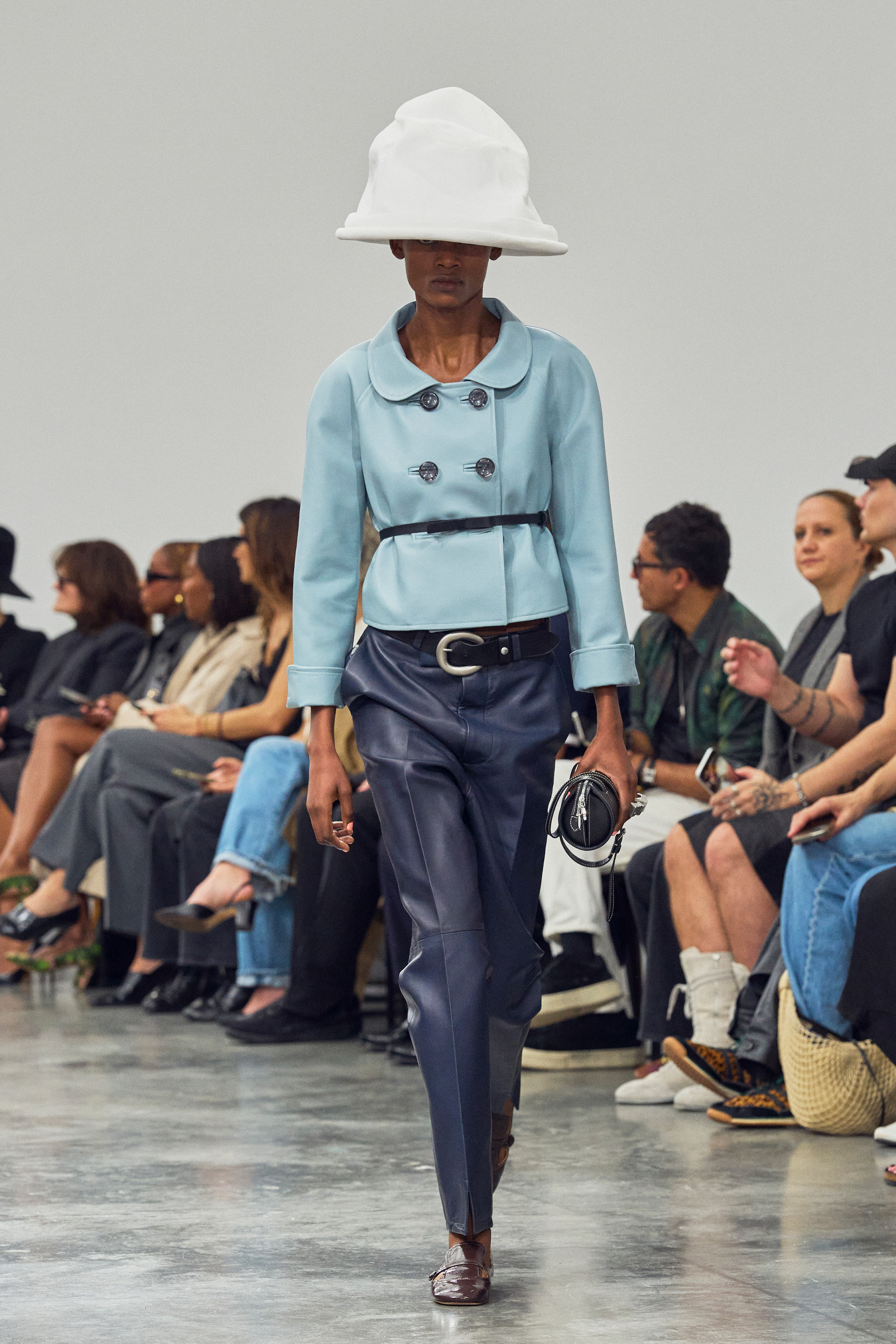
Milan Fashion Week moves fast. Francesco Risso’s Bureau of Imagination does not. Any fashion week is about being seen, talked about and photographed. If you’re lucky, you sit front row, get a Getty shot to post slightly edited on Instagram, and wear to the shows whatever you decided on the day before. It moves fast and leaves little room to enjoy the moments you made or the people you met along the way.
After years at Prada under Miuccia Prada and another decade at Marni, Risso knows how to build a brand and how to run one, so treating Milan Fashion Week as a marketing opportunity for his own brand Bureau of Imagination wouldn’t have been far-fetched. Instead, he’s taking it slow. The Bureau keeps some of those instincts but changes the scale: no collection to deliver, no runway six months out, no pressure to turn every idea into a product. There are clothes, but also furniture, ceramics, glass, silverware, books and the work of other people. The building gives all of it somewhere to sit.
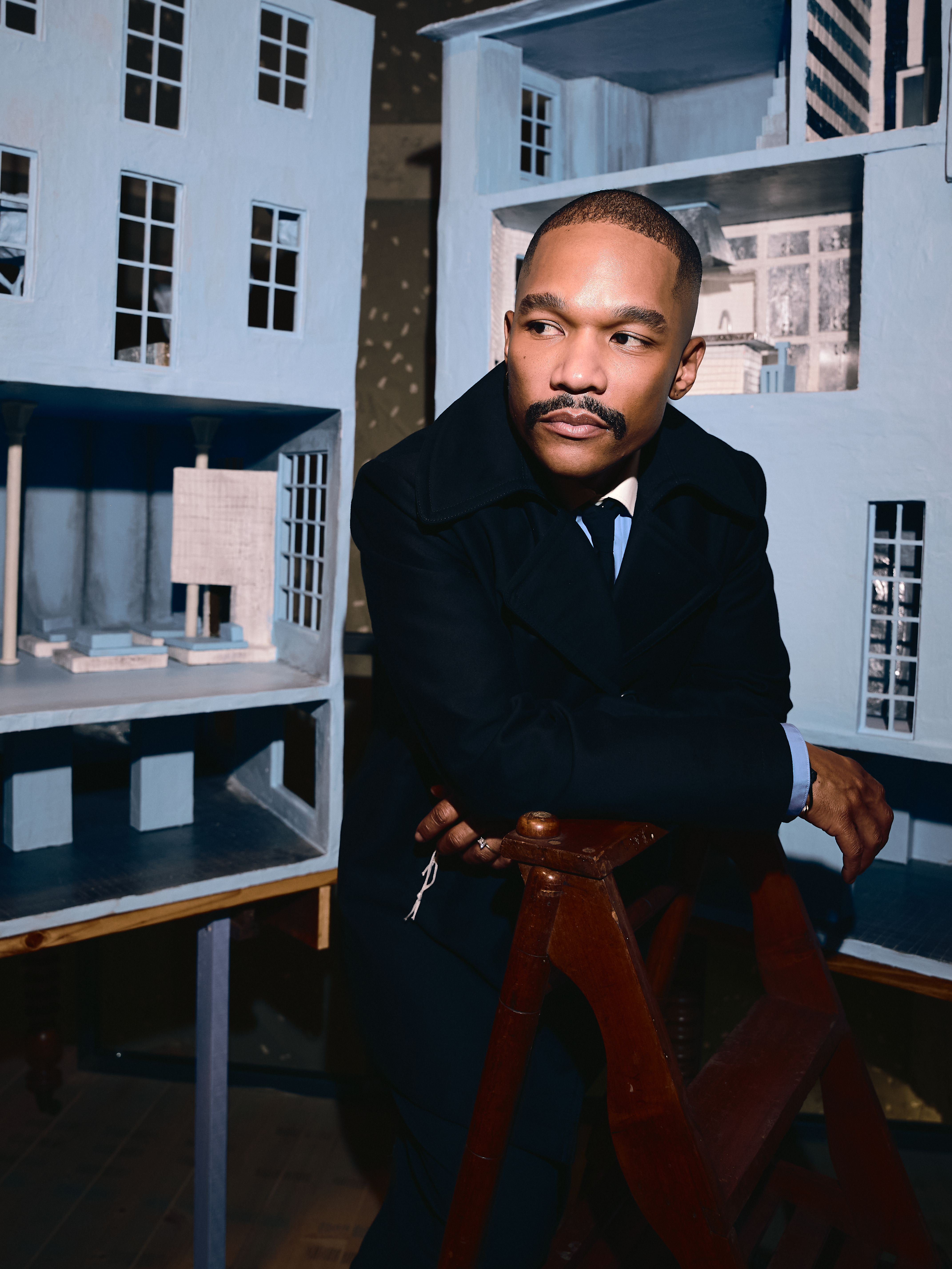
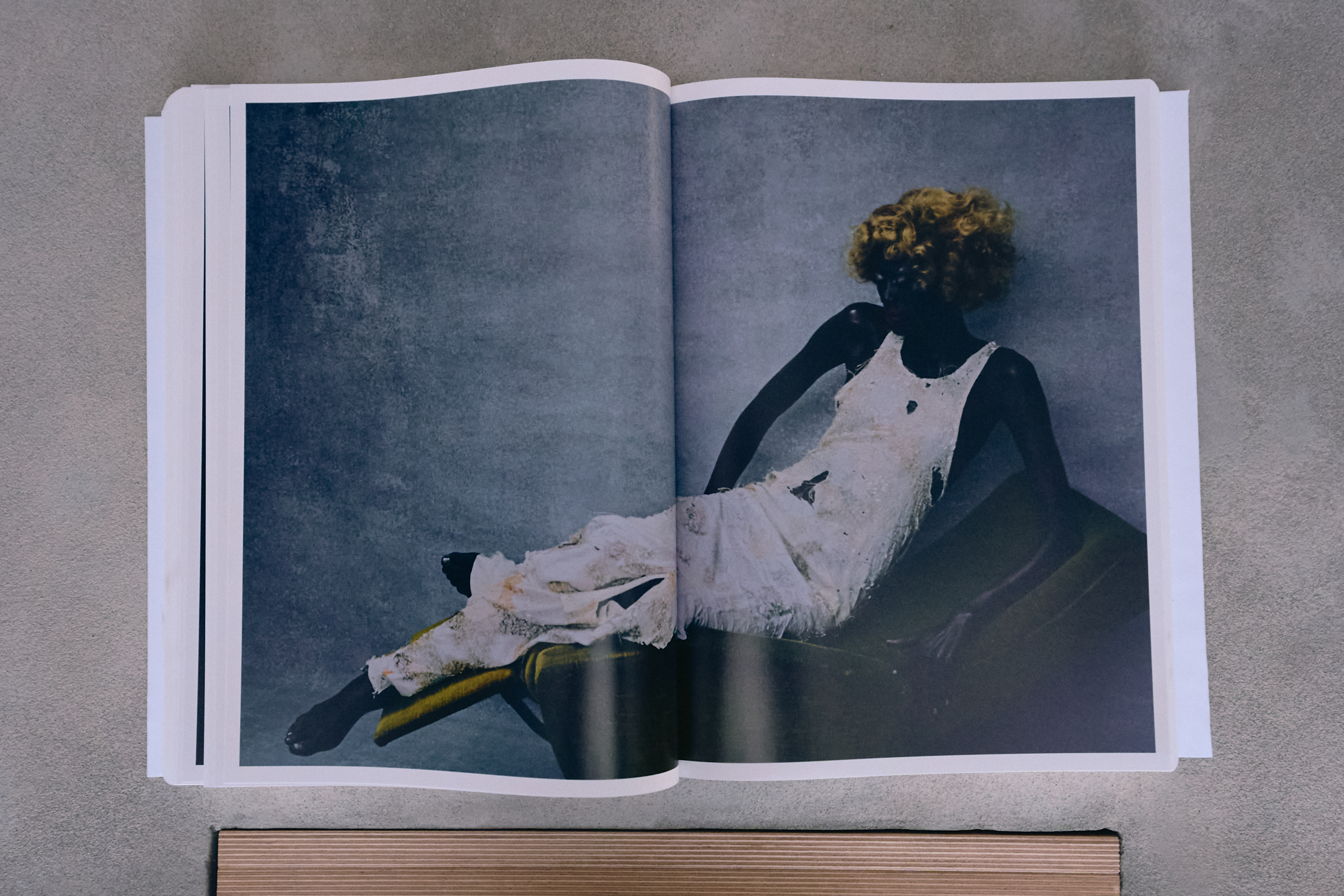
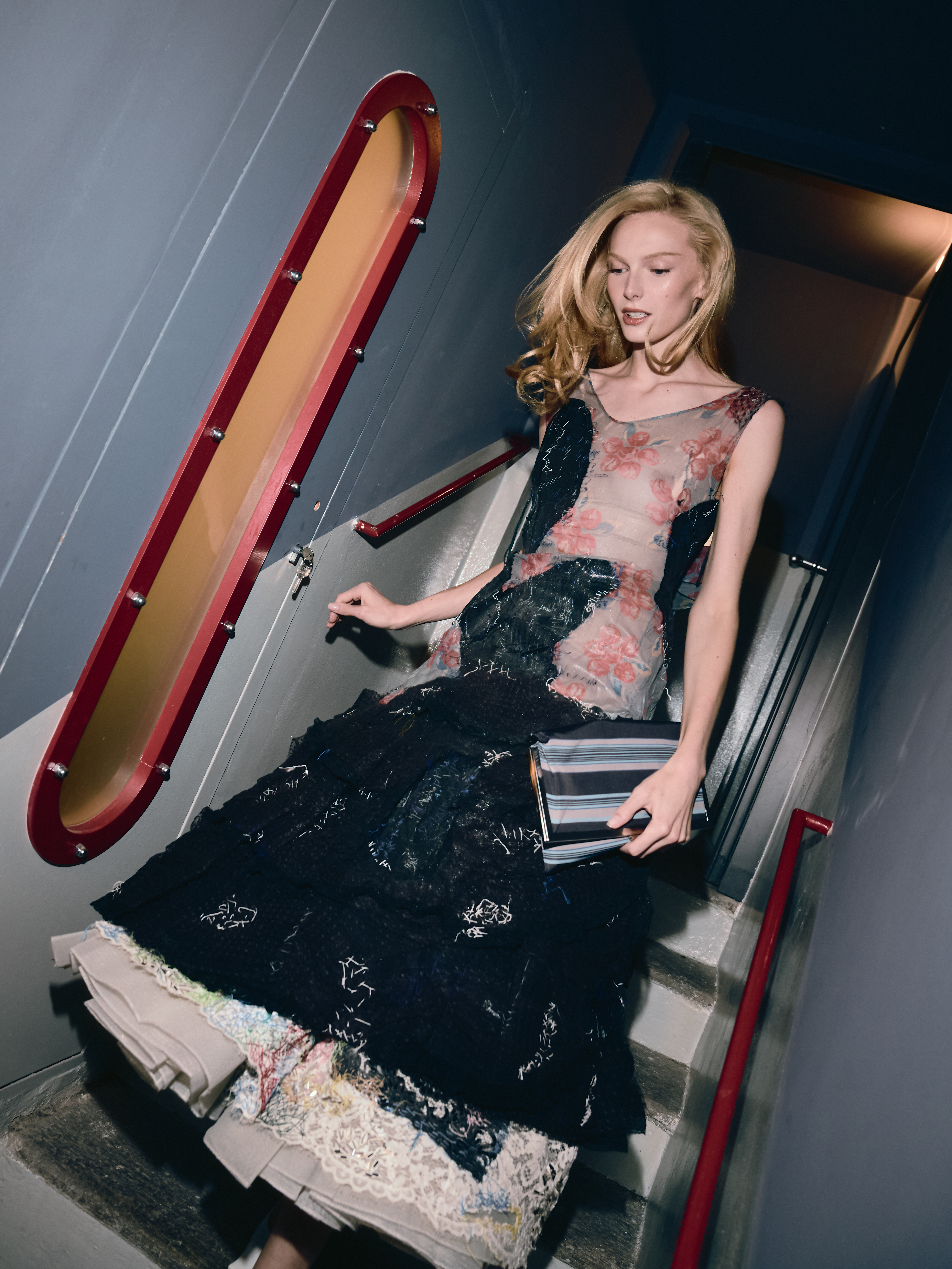
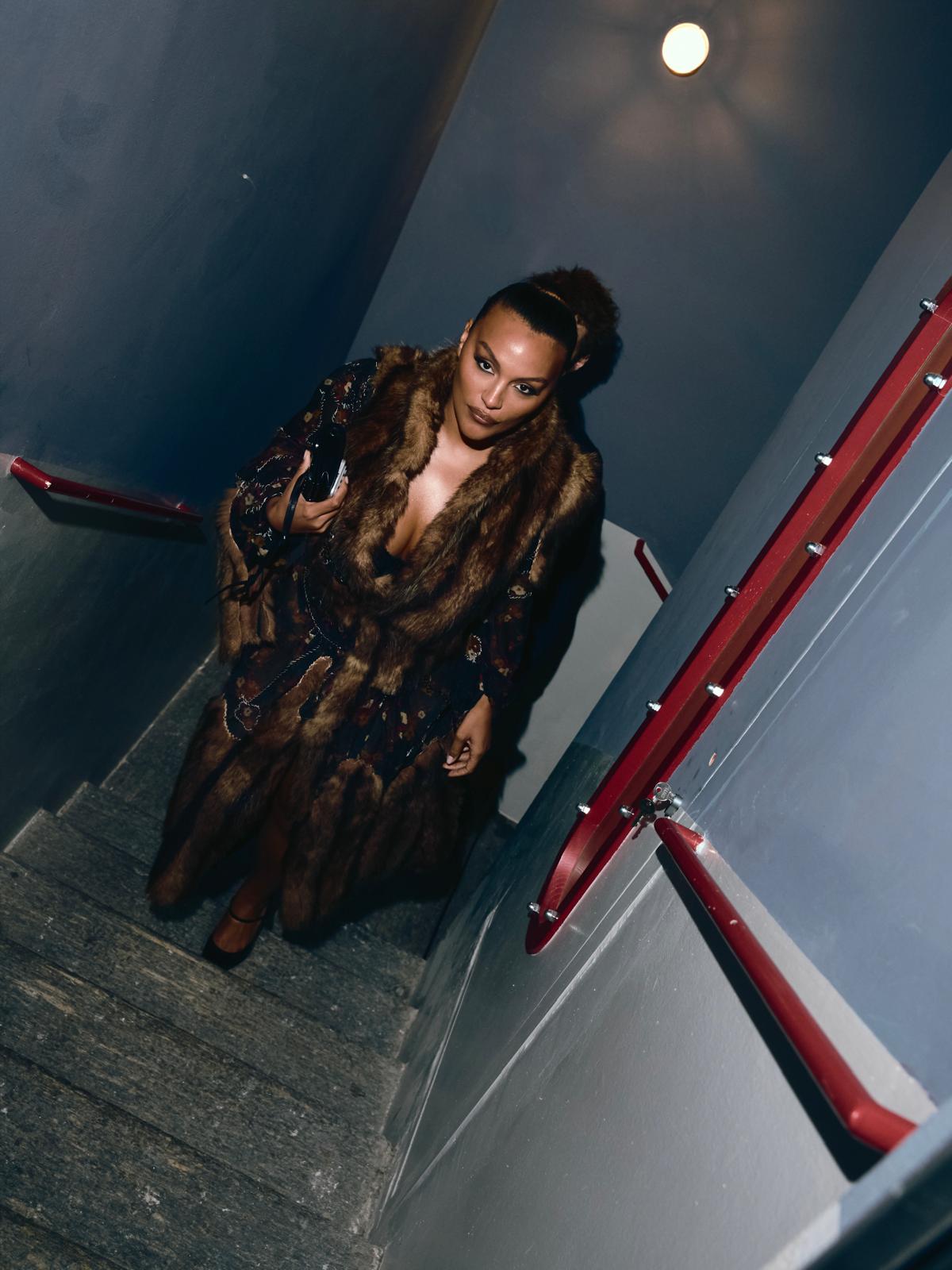
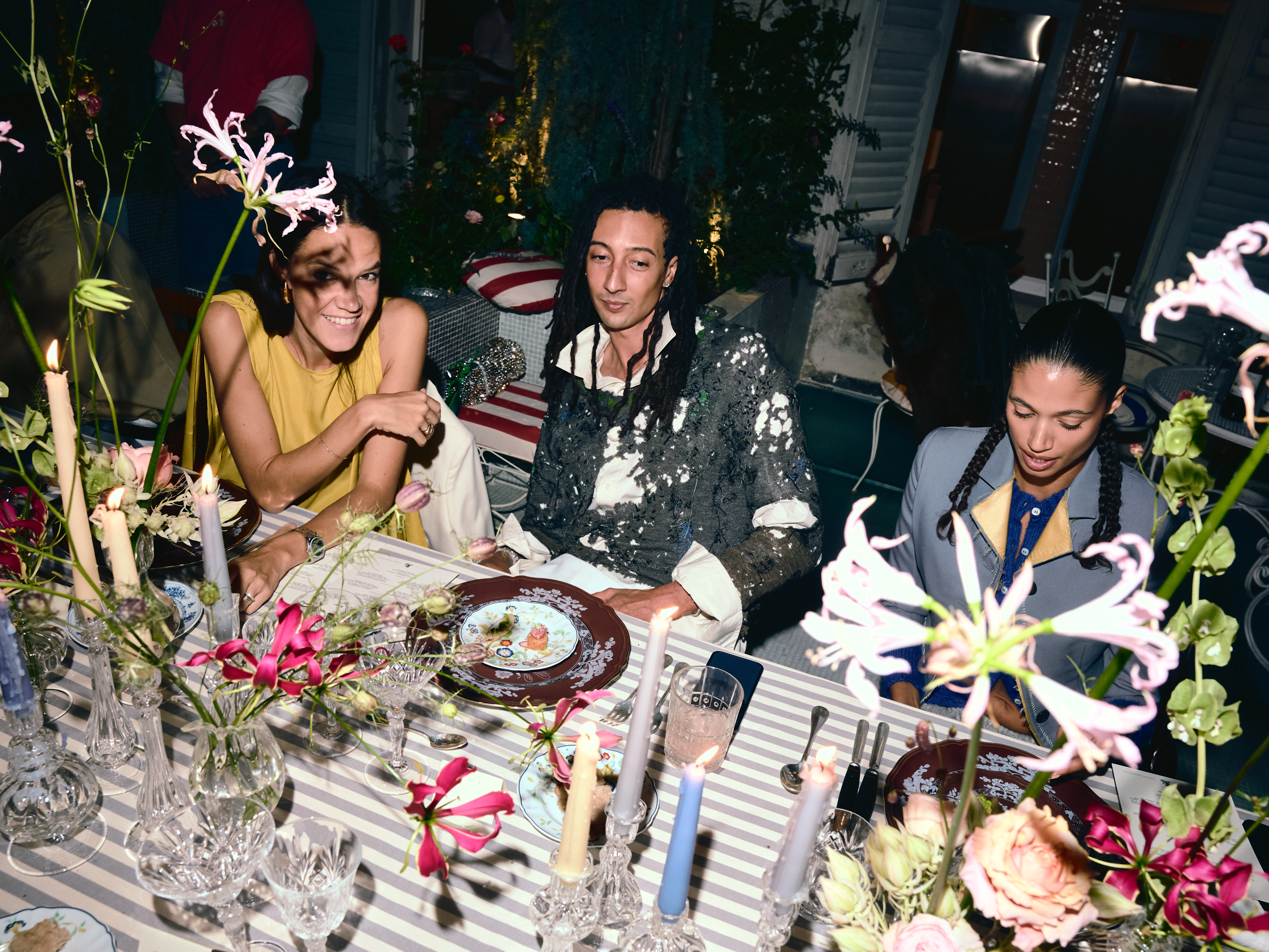
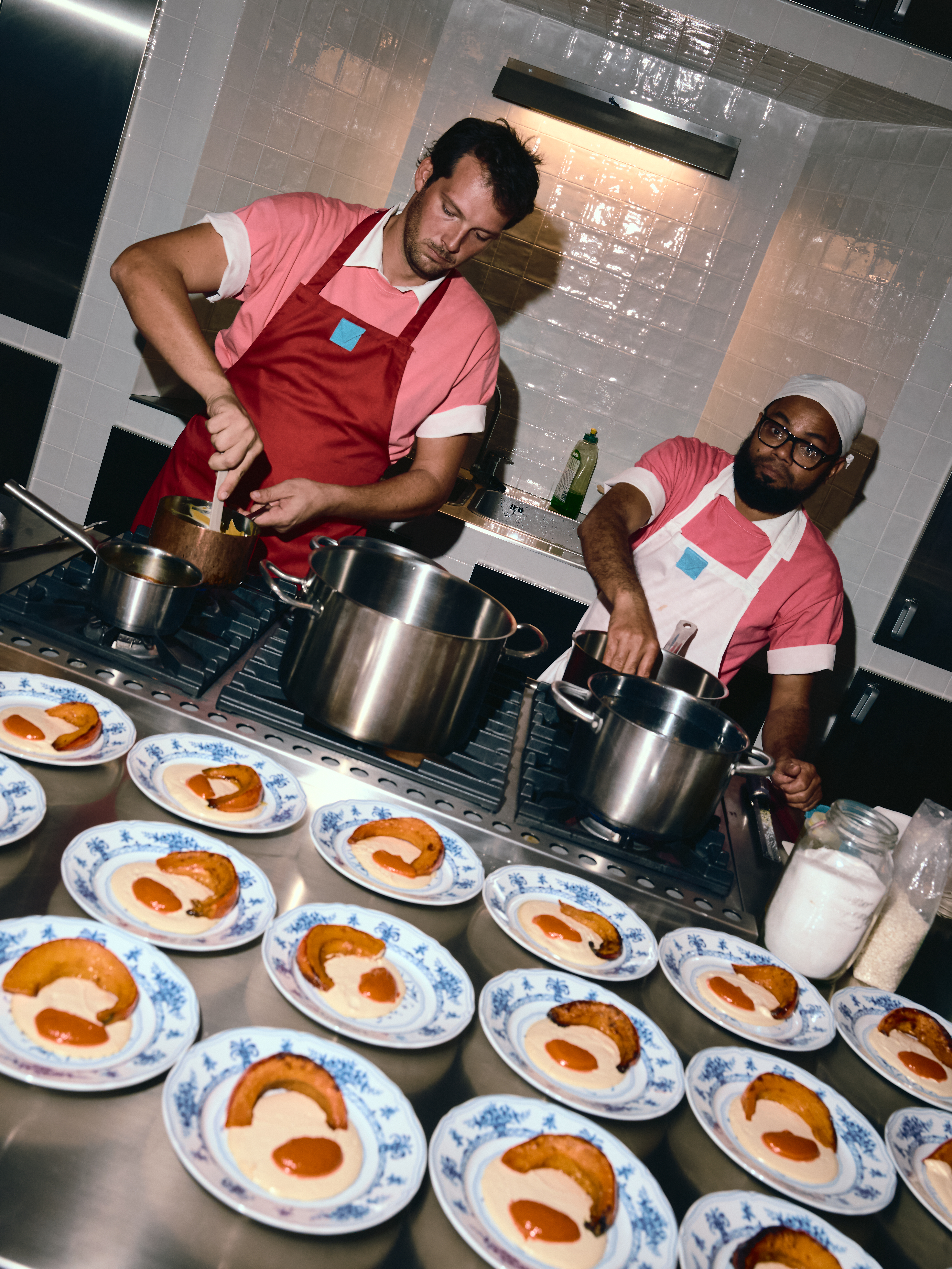
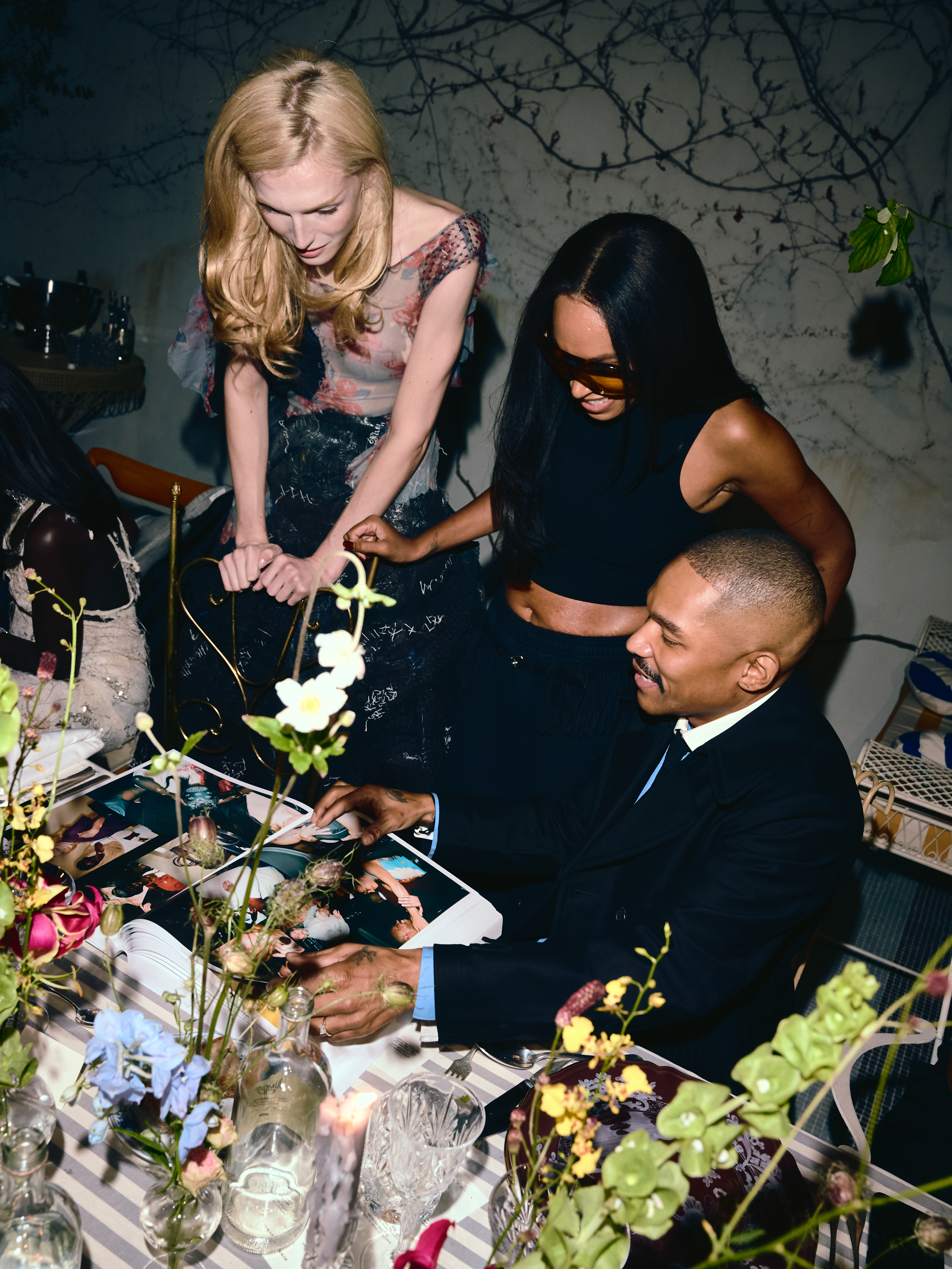
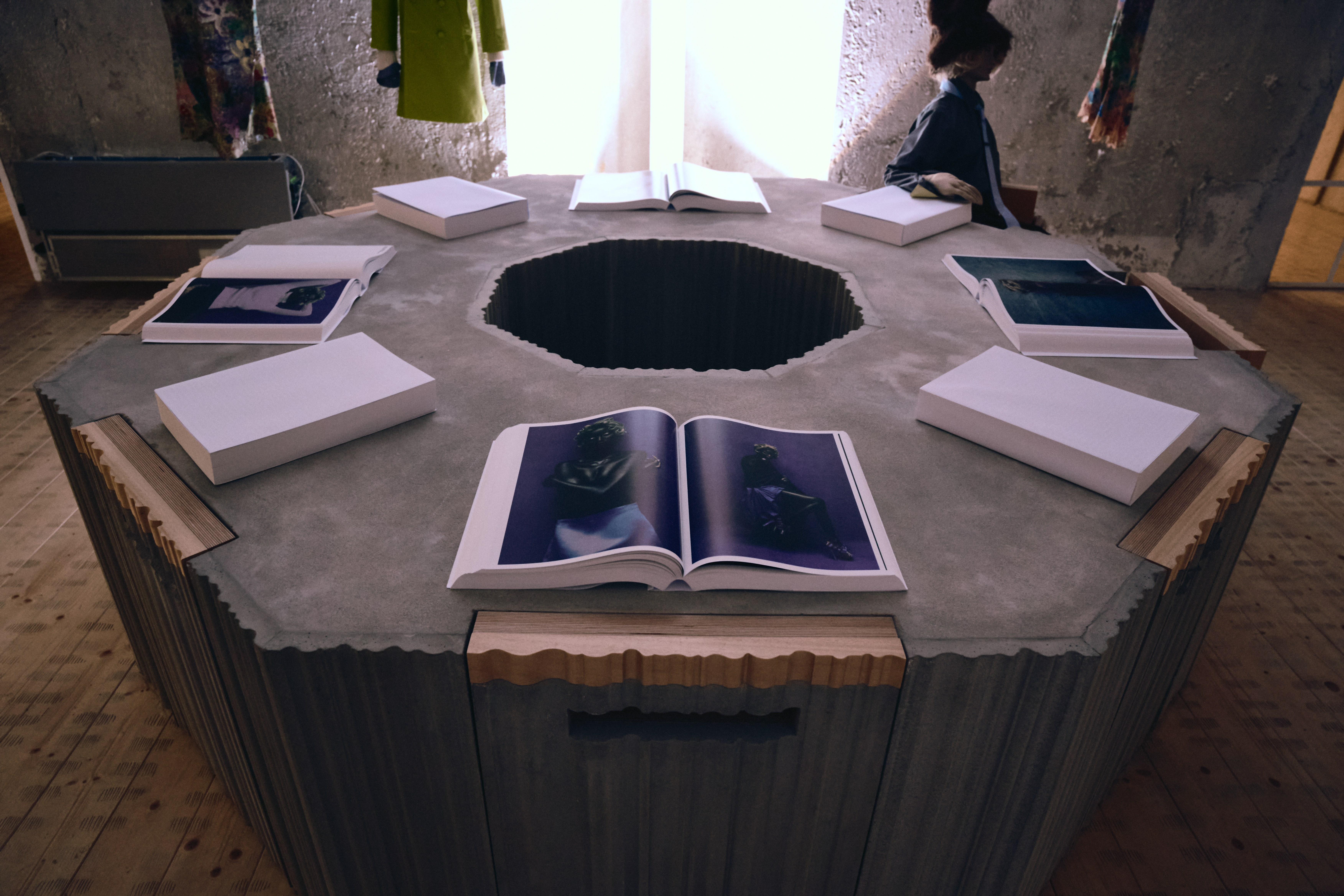
On September 26 in the midst of Milan Fashion Week, Risso opened the doors of the Bureau of Imagination for the launch of A Silver Lining, the new book from fashion editor, stylist and consultant Carlos Nazario. In the 1920s the same building used to be a cheese factory. Today it’s part studio, part workshop, part home, and the evening felt closer to being invited somewhere than turning up to an event. The place still feels like somewhere things are made. Objects get handled, materials are left visible, and work doesn’t stop at the edge of a finished garment.
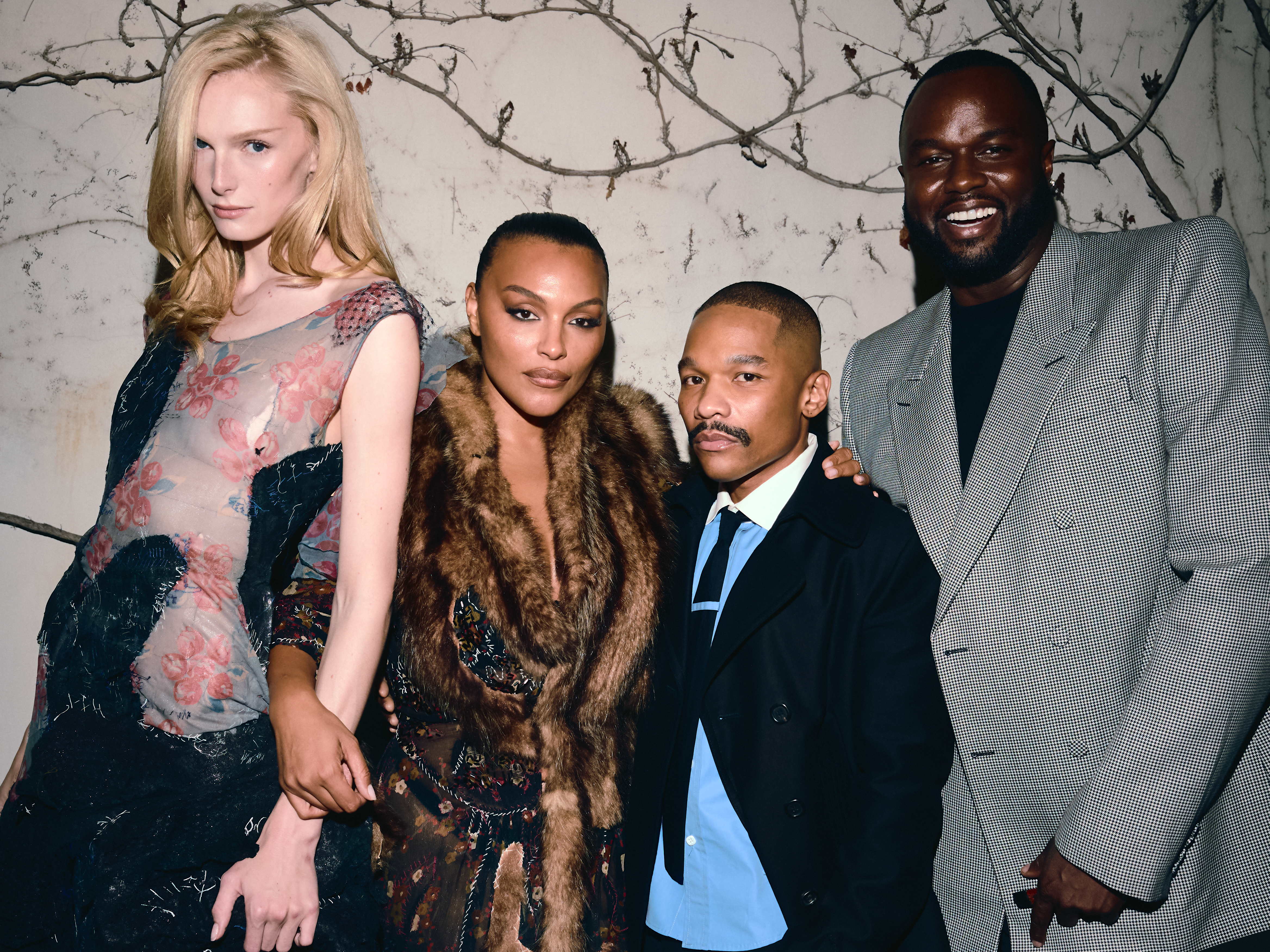
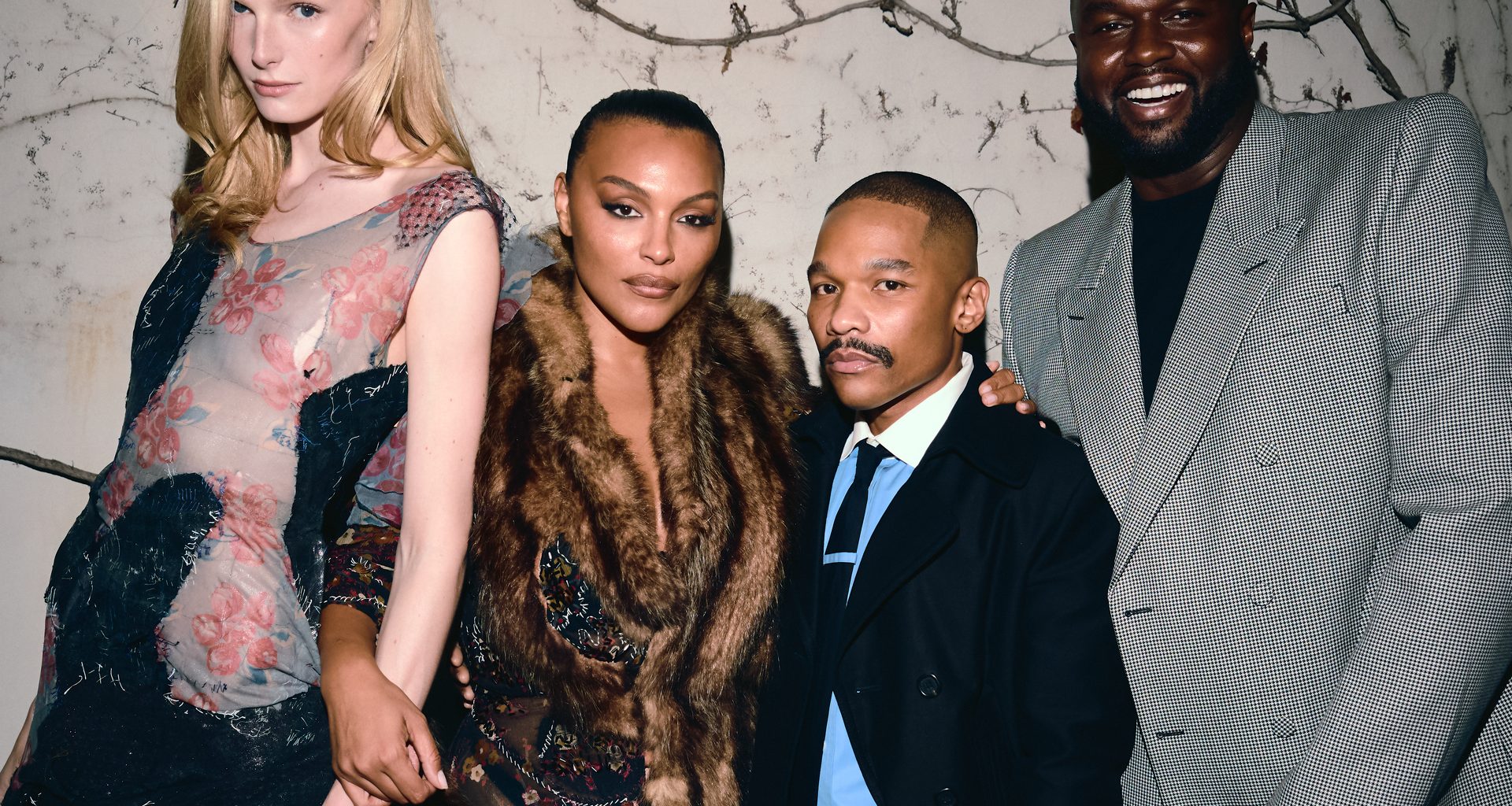
Elsesser, Anok Yai and Alex Consani were joined by Solange Knowles, Fai Khadra, Mona Tougaard, Jawara, Myha’la, Liim, Ferdinando Verderi, Perri Rosenzweig and Ghali, alongside Risso, Nazario and Alex Sossah, the Bureau’s curator. On a press release, a list like that is just names. In the room it made more sense: models, musicians, actors and people working behind the scenes sharing one evening.
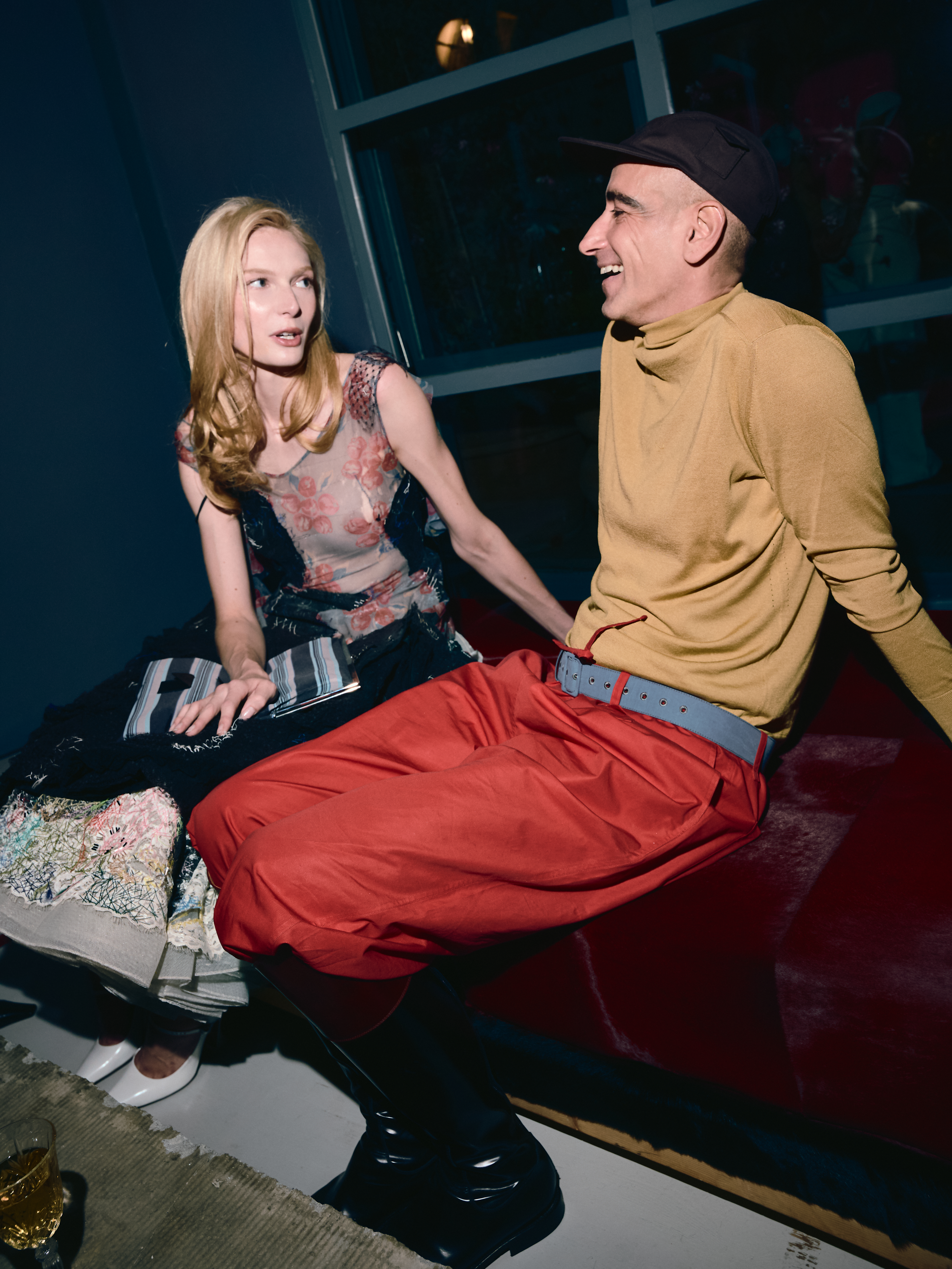
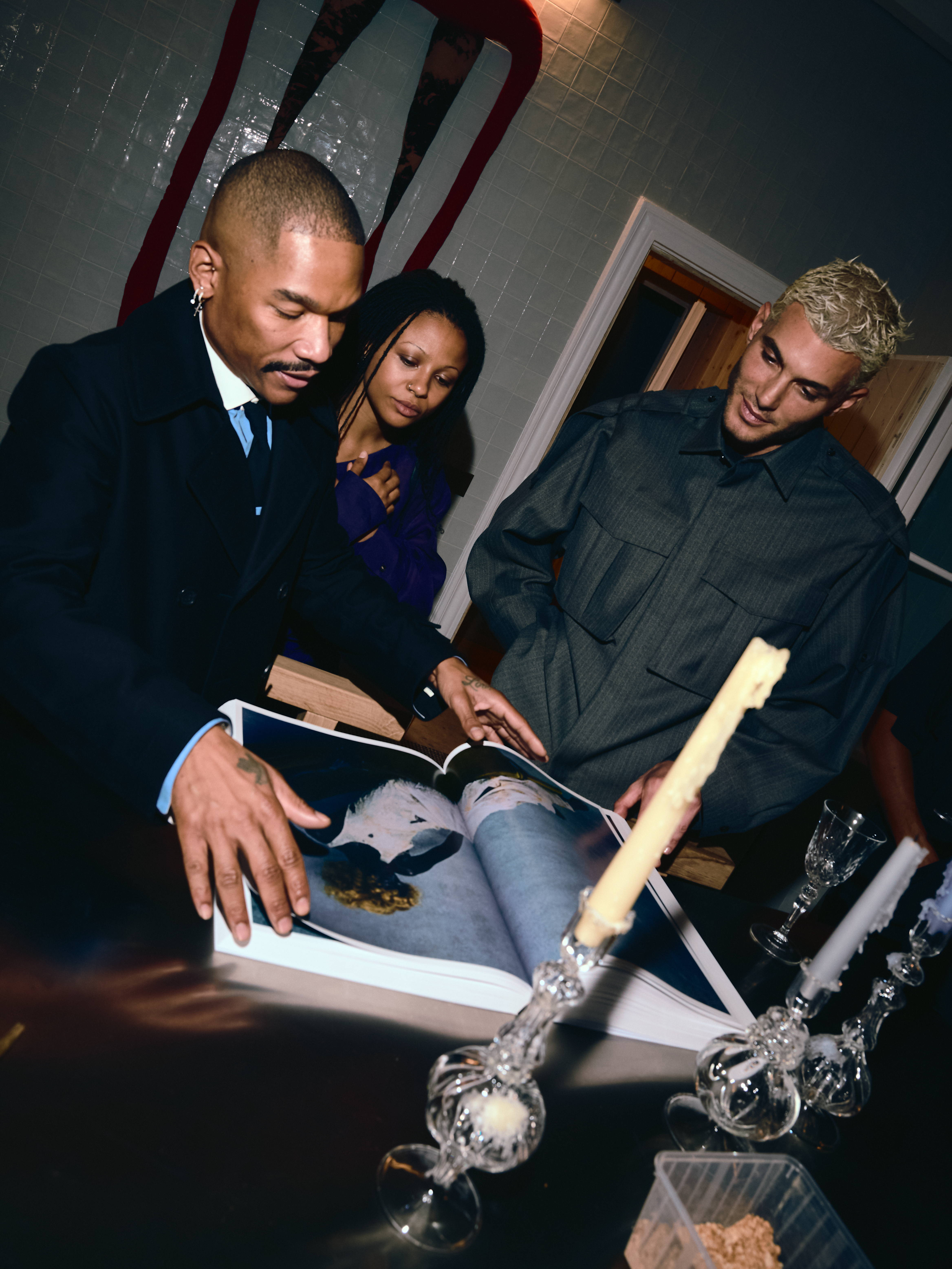
Alex Sossah helps build the group of people around Risso, bringing together artists, artisans, musicians and designers who might otherwise never cross paths in the industry. Nazario’s book belongs in that group. A Silver Lining is an independent project, and you can see it in how it’s put together. Gabriel Moses photographs Elsesser, Yai and Consani in Risso’s clothes, Nazario places the editorial in a book that exists on its own terms, and the Bureau becomes part of the bigger picture, hosting the publishing without the event turning into an advertisement.
Maybe that’s the best way to read what Risso is building: not through a statement about what the Bureau is supposed to become, but through the people who keep turning up.