Fashion Month might be wrapping up soon, but there is a pretty good reason to stay in Paris a little longer.
On September 30, the Maison Européenne de la Photographie reopens its doors with PENN & FASHION, an exhibition dedicated to Irving Penn and more than six decades of his relationship with fashion photography.
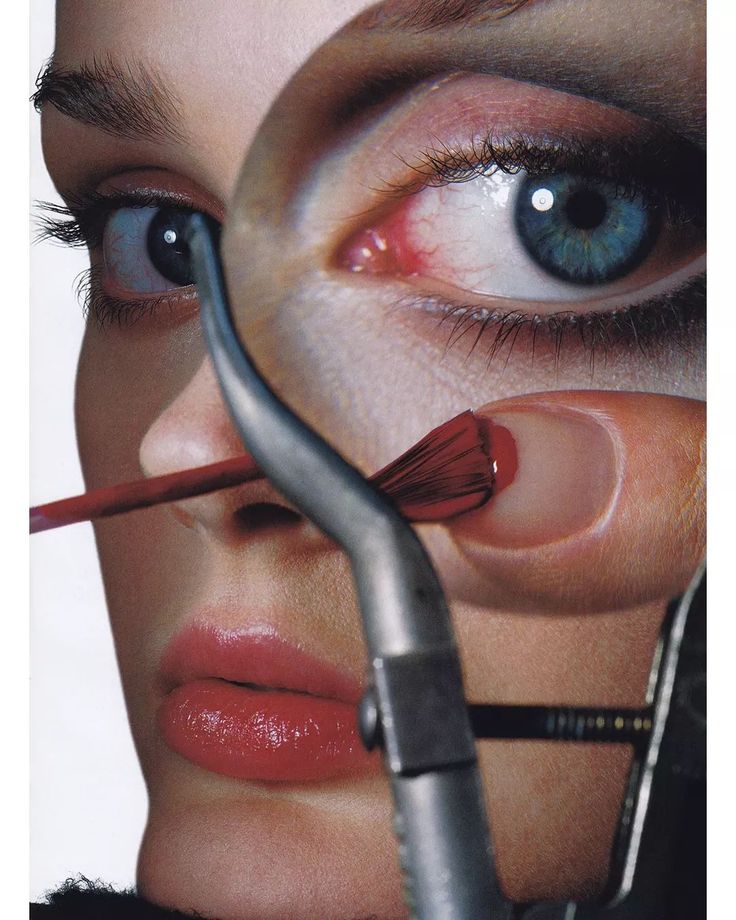
Before fashion photography became an endless stream of backstage flashes, campaign dumps and Instagram carousels, Penn was already figuring out how to make clothes feel like something more than clothes. His images were stripped back, precise and often strangely theatrical. A dress could become a sculpture. A model could almost disappear into a silhouette. A simple studio could make the clothes feel even louder.
And somehow, looking at them now, they don’t feel particularly old.
WHY DOES PENN STILL LOOK SO CURRENT?
Penn worked in an era without Photoshop, AI image generation or the endless post-production possibilities photographers have access to now. Yet the images don’t feel limited by that. If anything, the restrictions seem to have pushed him further into composition, light, texture and shape.
His studio could be almost completely stripped back. No elaborate location. No distracting set. Just the model, the clothes, the light and whatever strange idea Penn had in mind.
The result was incredibly controlled, but never completely predictable.
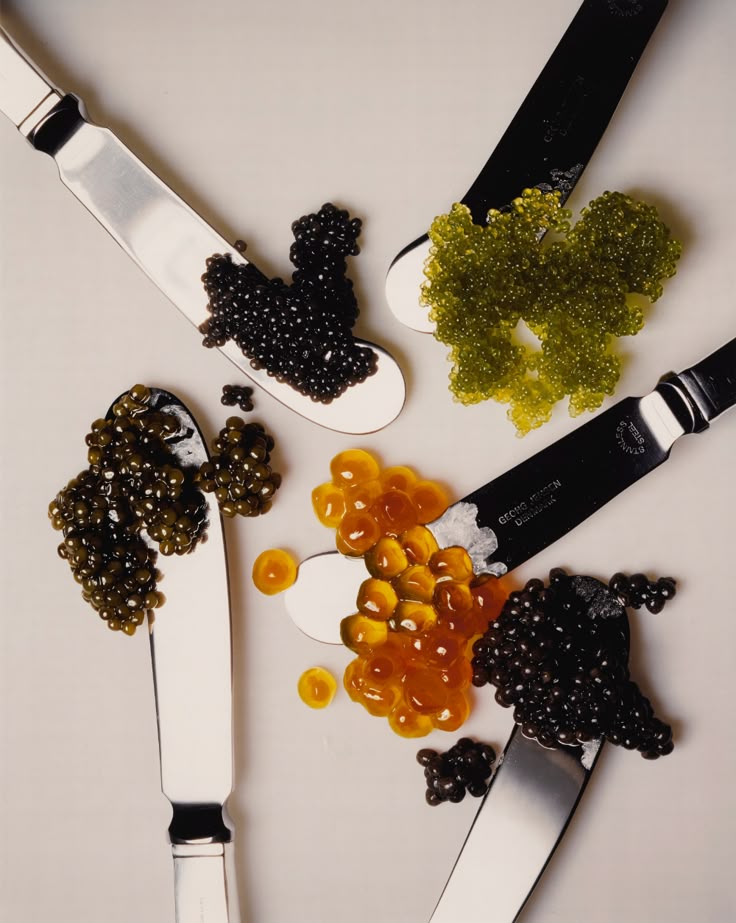
The clean studio. The extreme silhouette. The strange pose. The decision to let the garment occupy almost the entire image. These things don’t feel nostalgic. They feel like things fashion photographers are still doing now.
FROM DIOR TO ISSEY MIYAKE
The exhibition follows Penn’s career chronologically, beginning with the Paris haute couture collections he photographed for Vogue, including Dior and Balenciaga. Lisa Fonssagrives and Jean Patchett became some of the defining faces of his early fashion work.
Later came Ungaro and Courrèges, Yves Saint Laurent and Karl Lagerfeld, before one of his most interesting collaborations arrived much later: Issey Miyake.
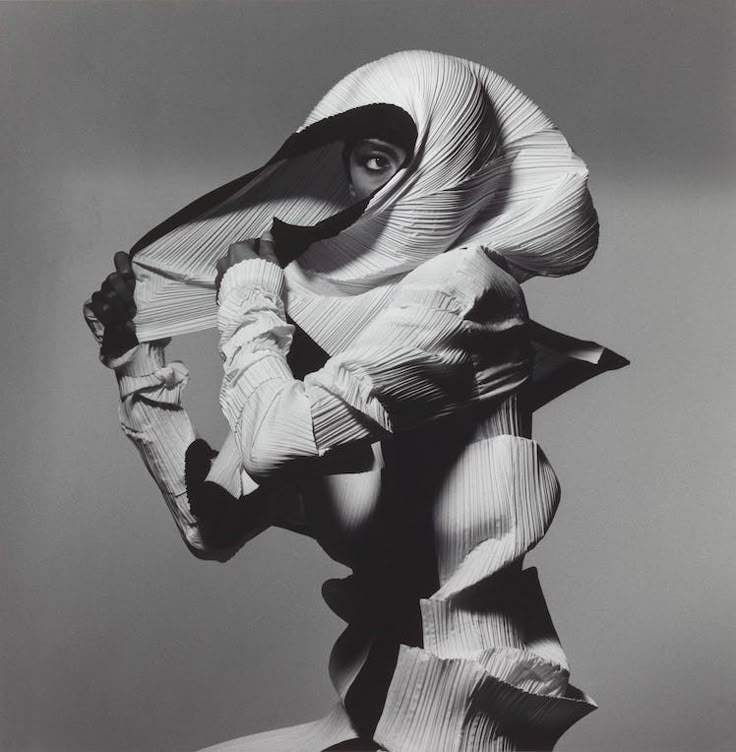
Miyake’s sculptural clothes were almost made for Penn’s way of seeing. Instead of filling the frame with a complicated environment, Penn could isolate a garment and let its volume, construction and texture do the work.
THE PHOTOGRAPHERS WHO CAME AFTER
Look at fashion photography now and Penn’s language is almost impossible to escape.
Take Rafael Pavarotti, for example. His images can be much more saturated, dramatic and contemporary, but there is still a similar interest in making the subject — the face, the body, the clothes — carry the entire image. Pavarotti’s work for Vogue Italia has become part of a new generation of fashion imagery, with bold colour and highly constructed portraits.
It’s easy to tell them apart but the connection is also recognizable.
THE HEAD IN ICE THING
One of Penn’s beauty images could almost sit on an FKA twigs moodboard today. There is something strangely alien about the face emerging from the ice, somewhere between beauty photograph and sculpture.
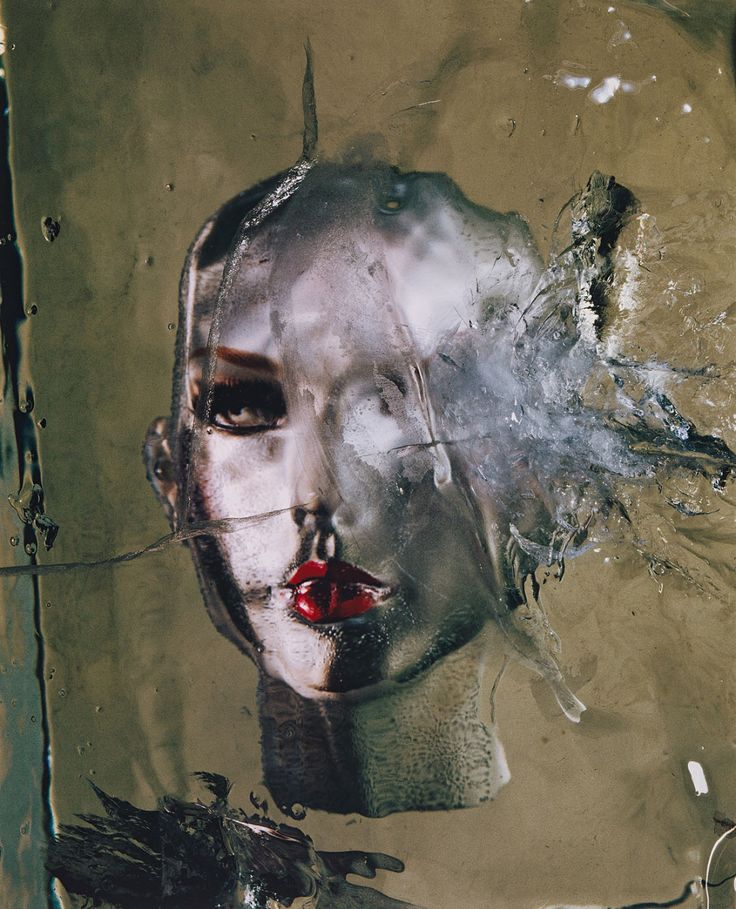
It makes you wonder how much of what we now consider experimental beauty photography is actually new.
There is also a slightly insane side to Penn’s legacy. The images that once appeared in fashion magazines now live in the world of serious art collecting. In 2026, Christie’s estimated one Penn print, Girl Behind Bottle (Jean Patchett), at $100,000-$150,000.
So yes, the photograph you might have seen in a magazine decades ago can now cost more than an apartment.
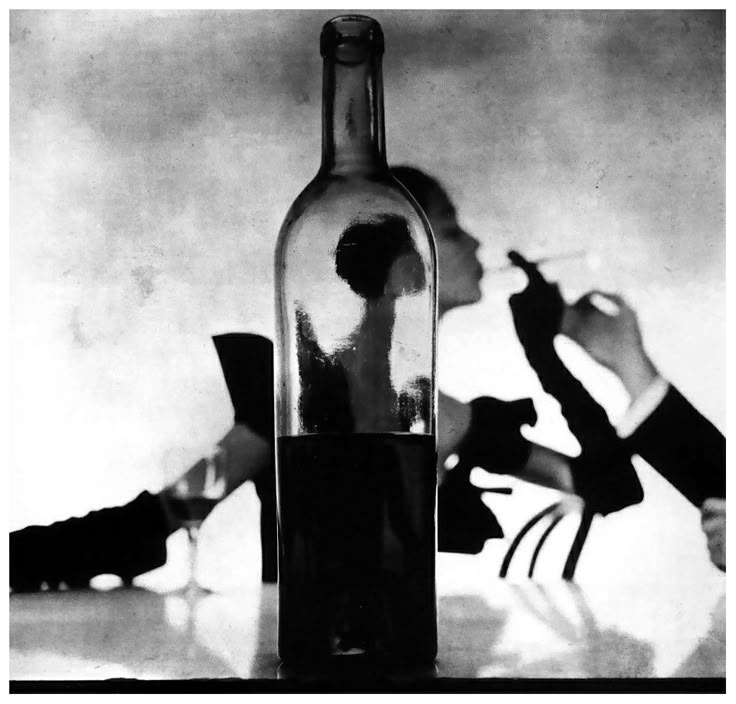
The technology has changed. The magazines have changed. Fashion photography has changed completely. Yet put one of his images next to a fashion image made today and the distance between them can suddenly feel very small.
Which makes PENN & FASHION a pretty good reason to delay that flight home, or book one to visit.