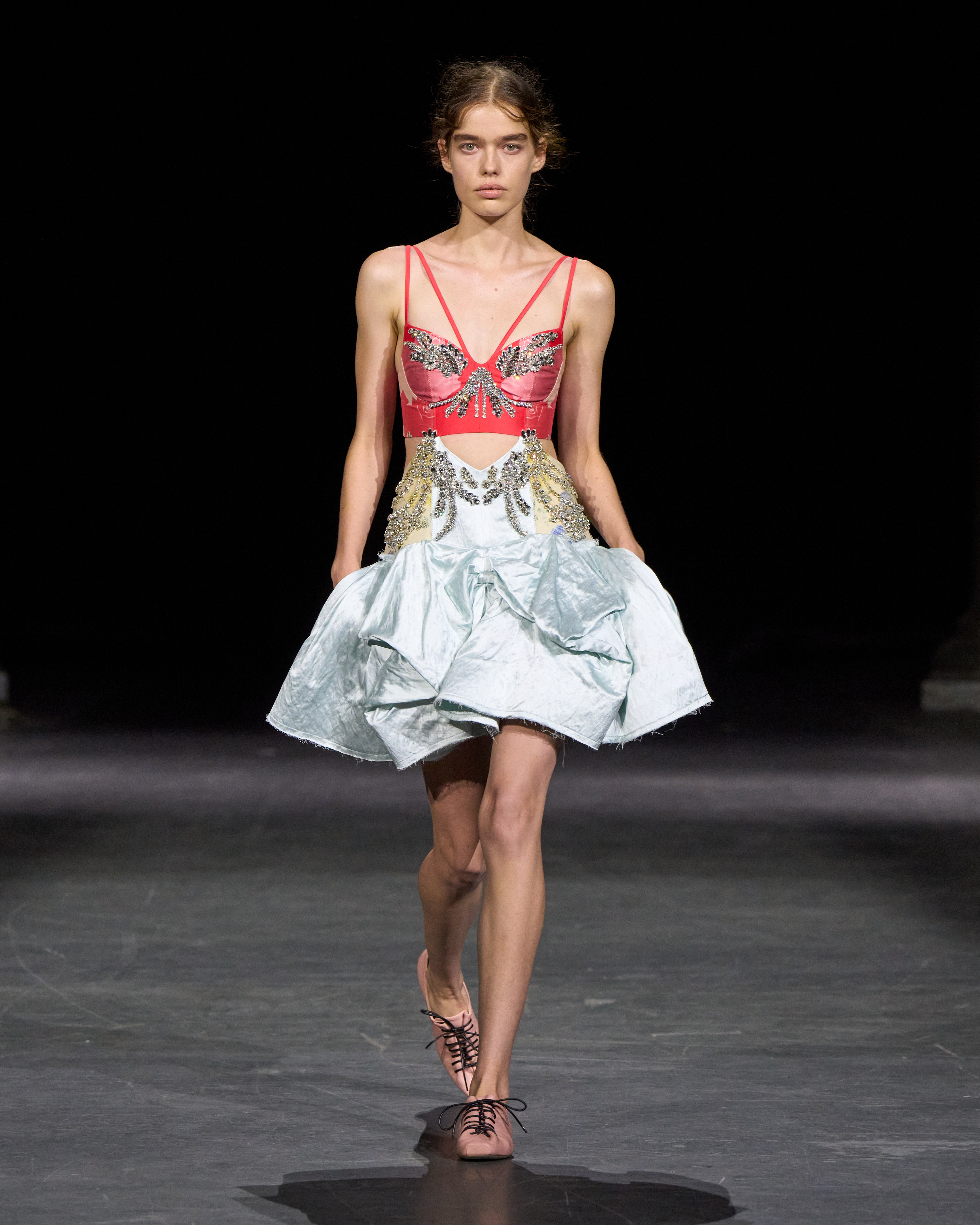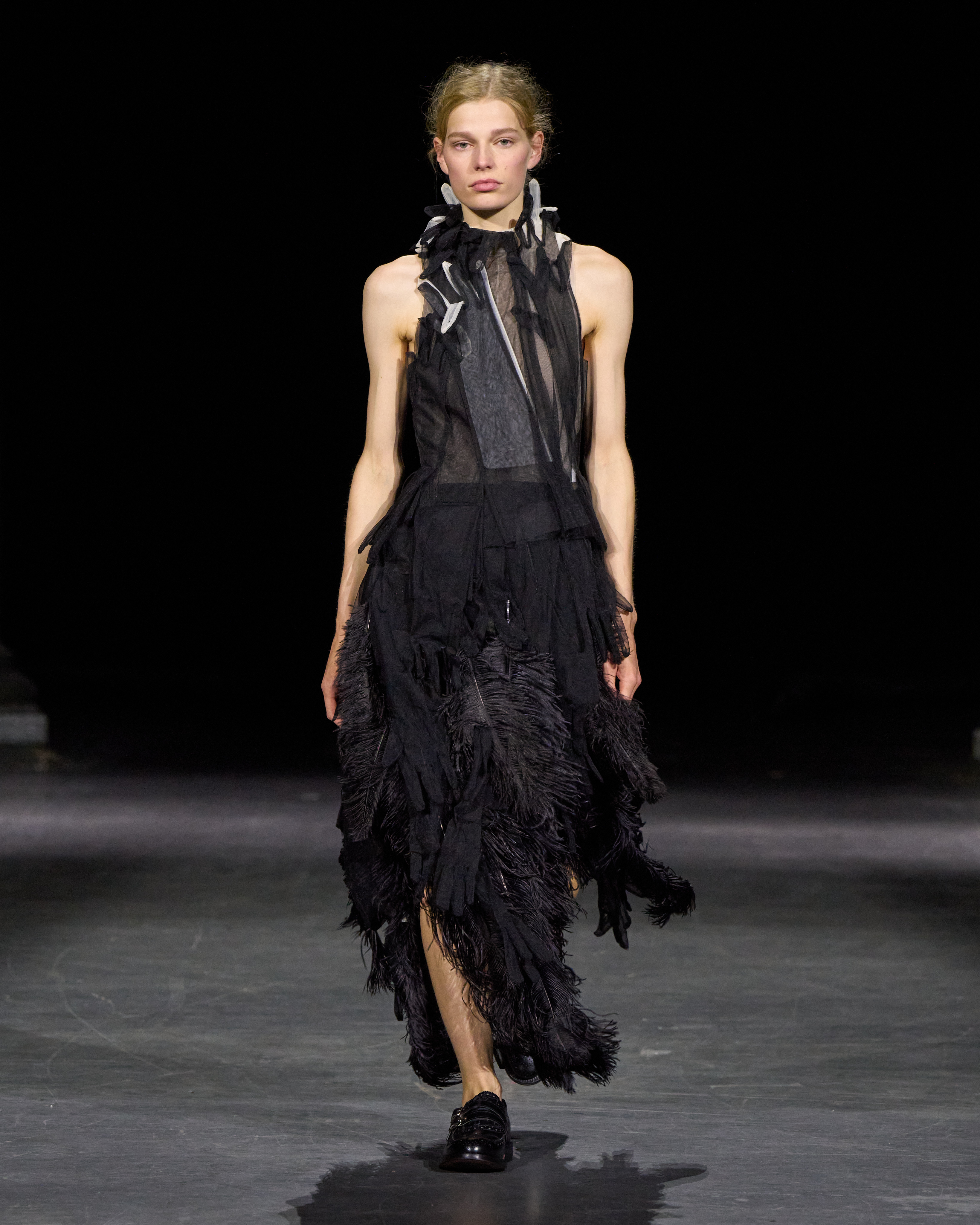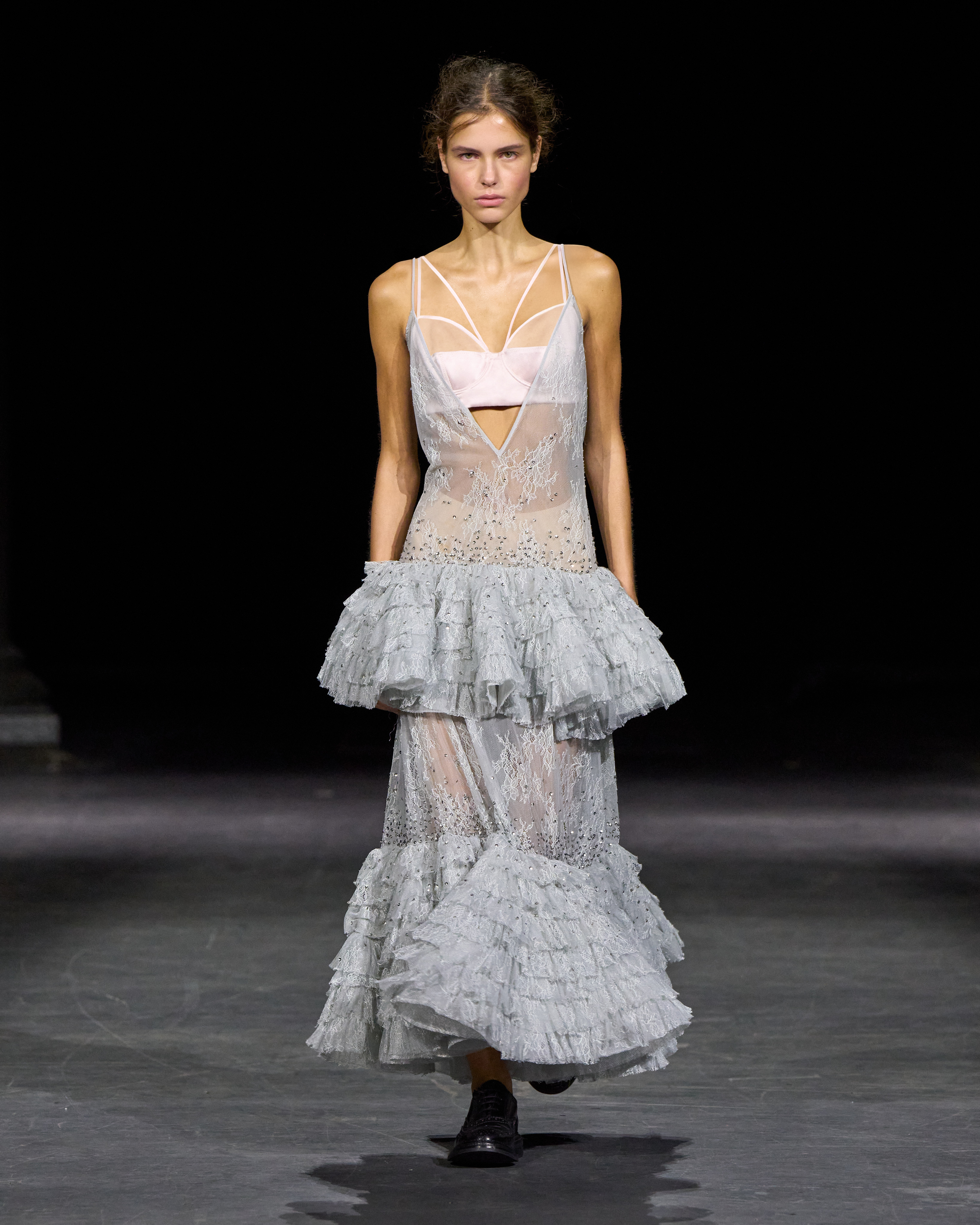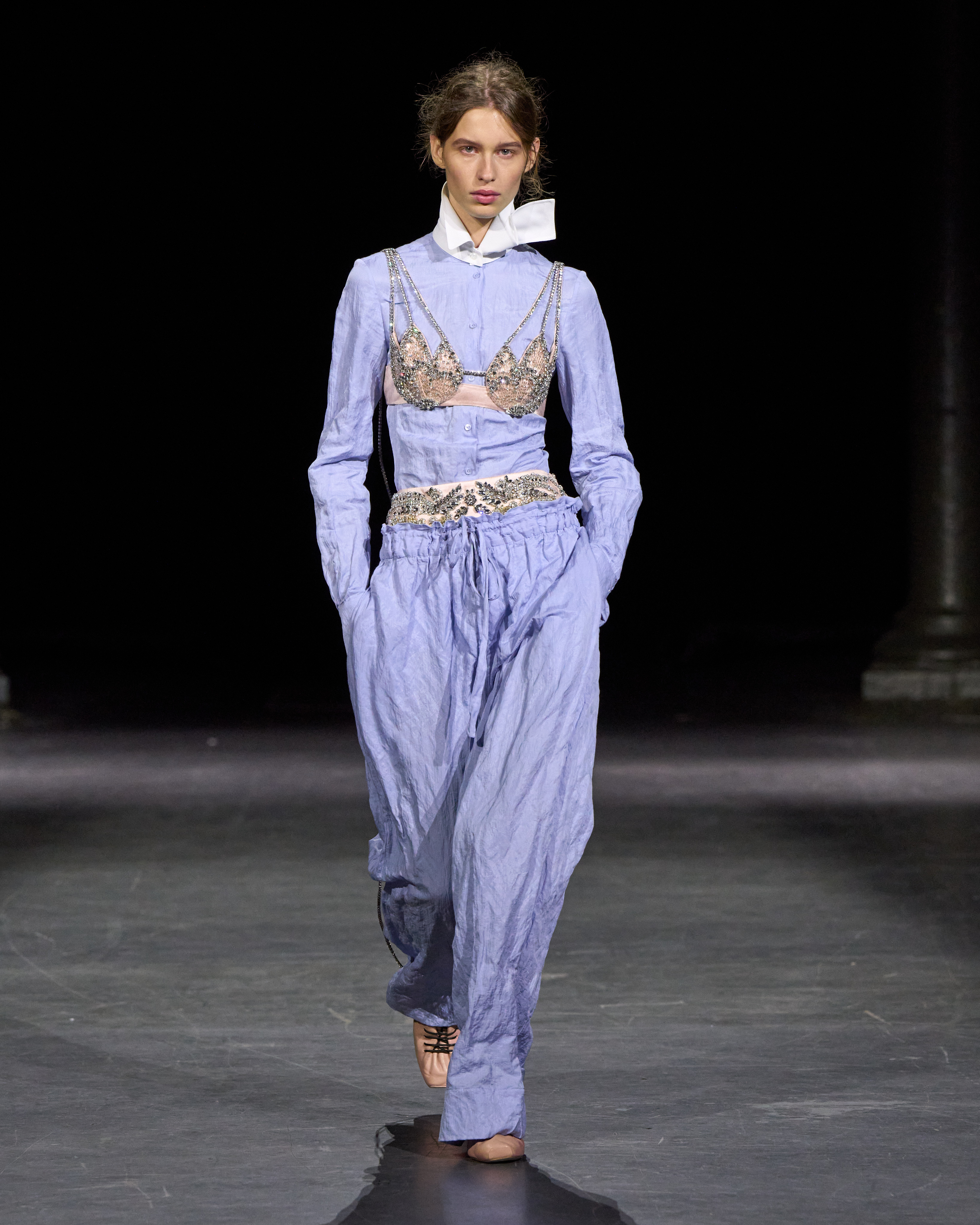
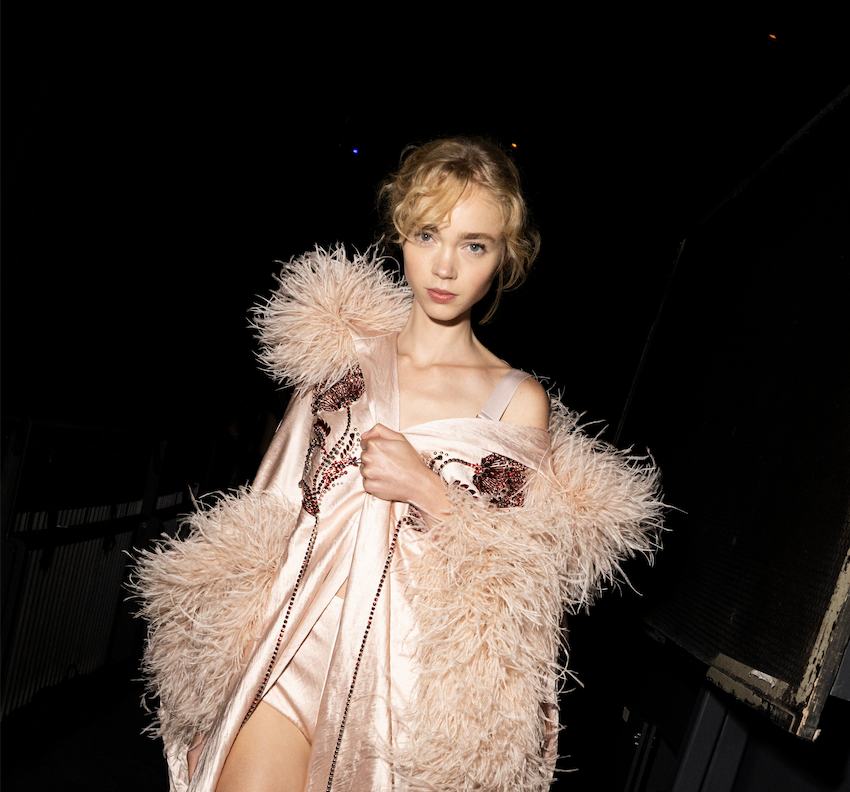

Erdem Spring Summer 2027 celebrates individuality, maximalism and a distinctive wardrobe that moves effortlessly from day to evening.
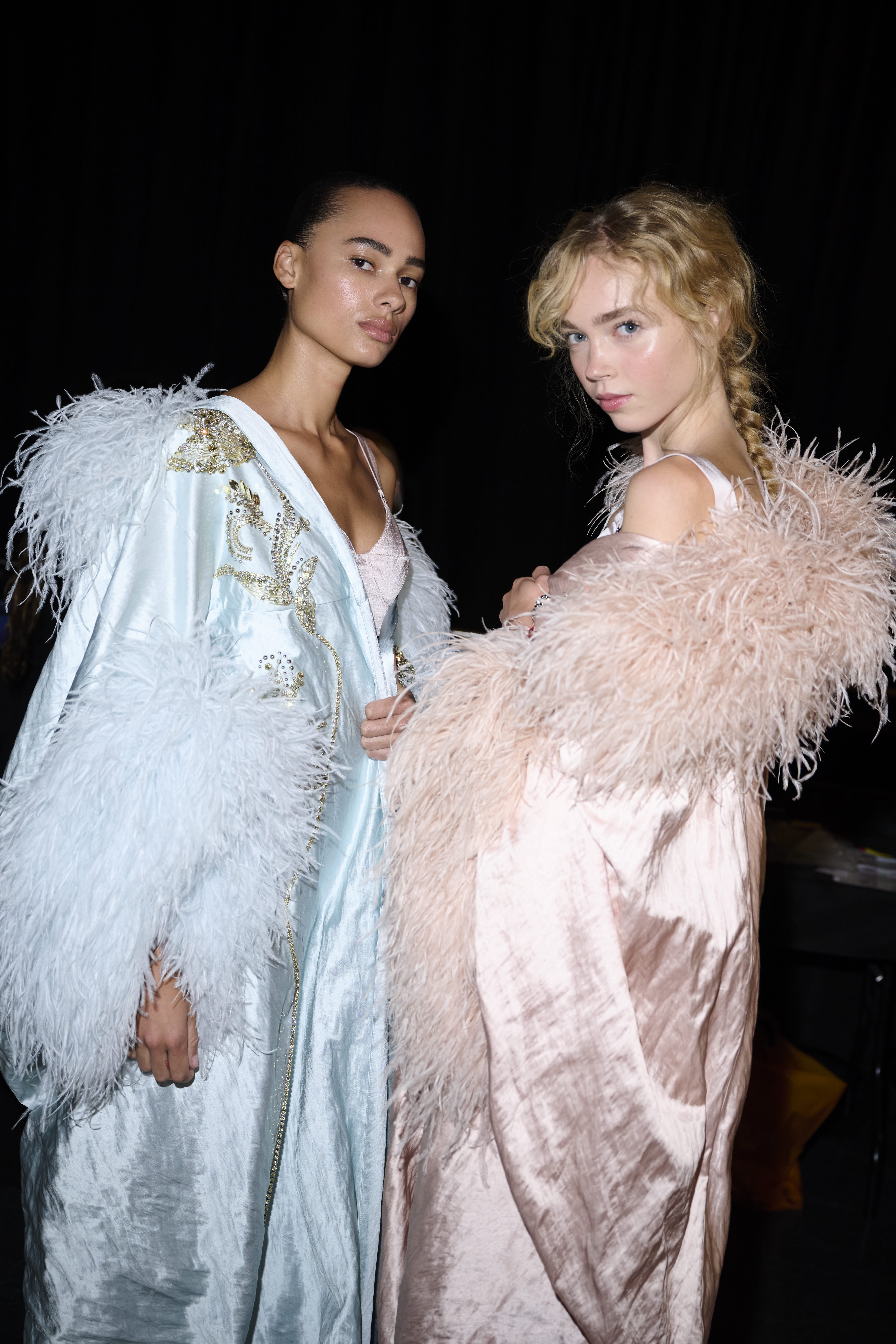
Erdem Spring Summer 2027 proves that staying true to a distinctive identity can be more powerful than following fashion’s constant cycle of trends.
In fashion, consistency can sometimes be mistaken for predictability. In Erdem Moralıoğlu’s case, it has become a strength.
Over the years, Erdem has established itself as one of the defining names of London Fashion Week, developing a visual language so recognisable that very little explanation is needed. Romanticism, decoration, florals, embroidery, historical references and an almost cinematic approach to femininity have remained central to the house even as fashion around it repeatedly changed direction.
And that matters.
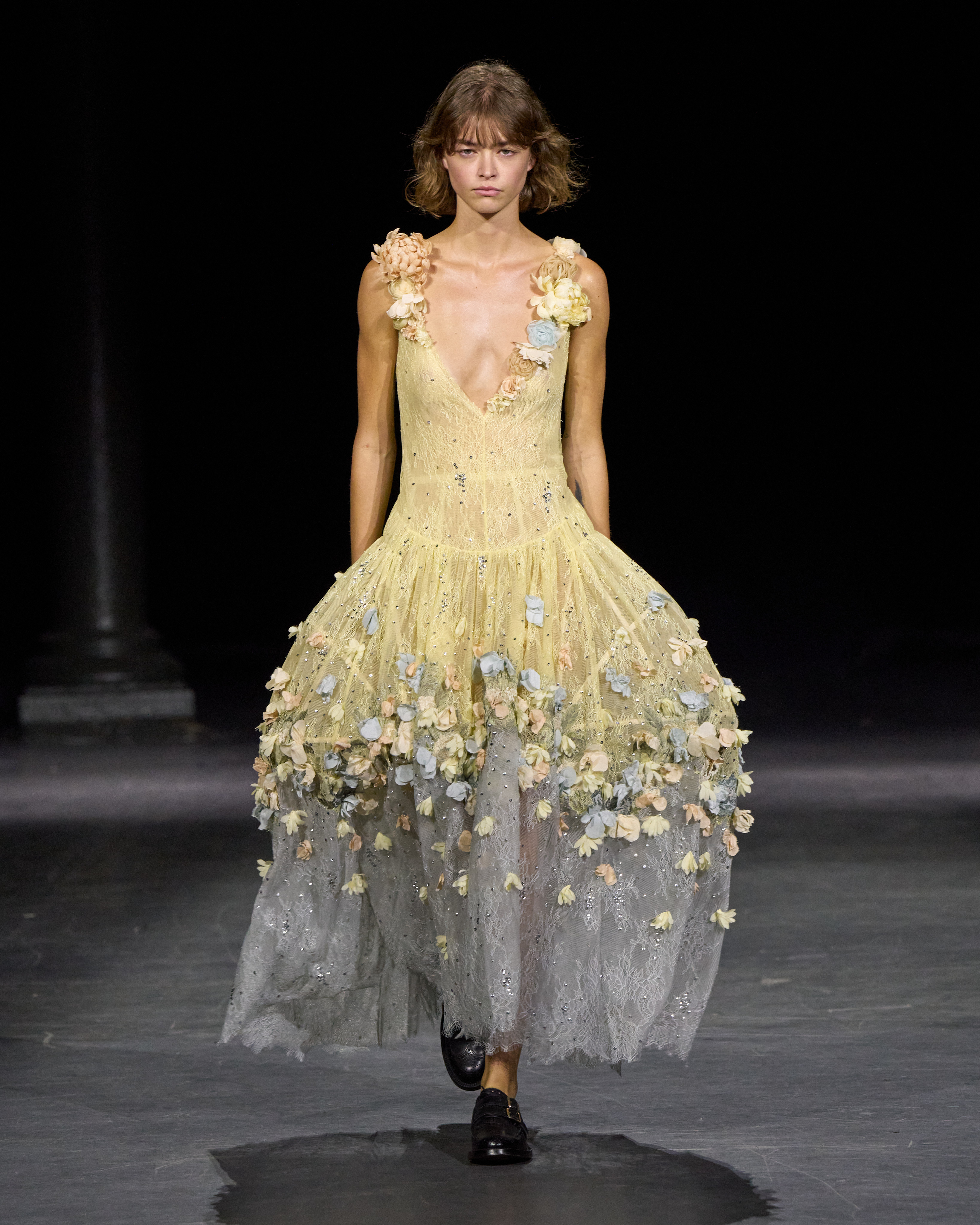
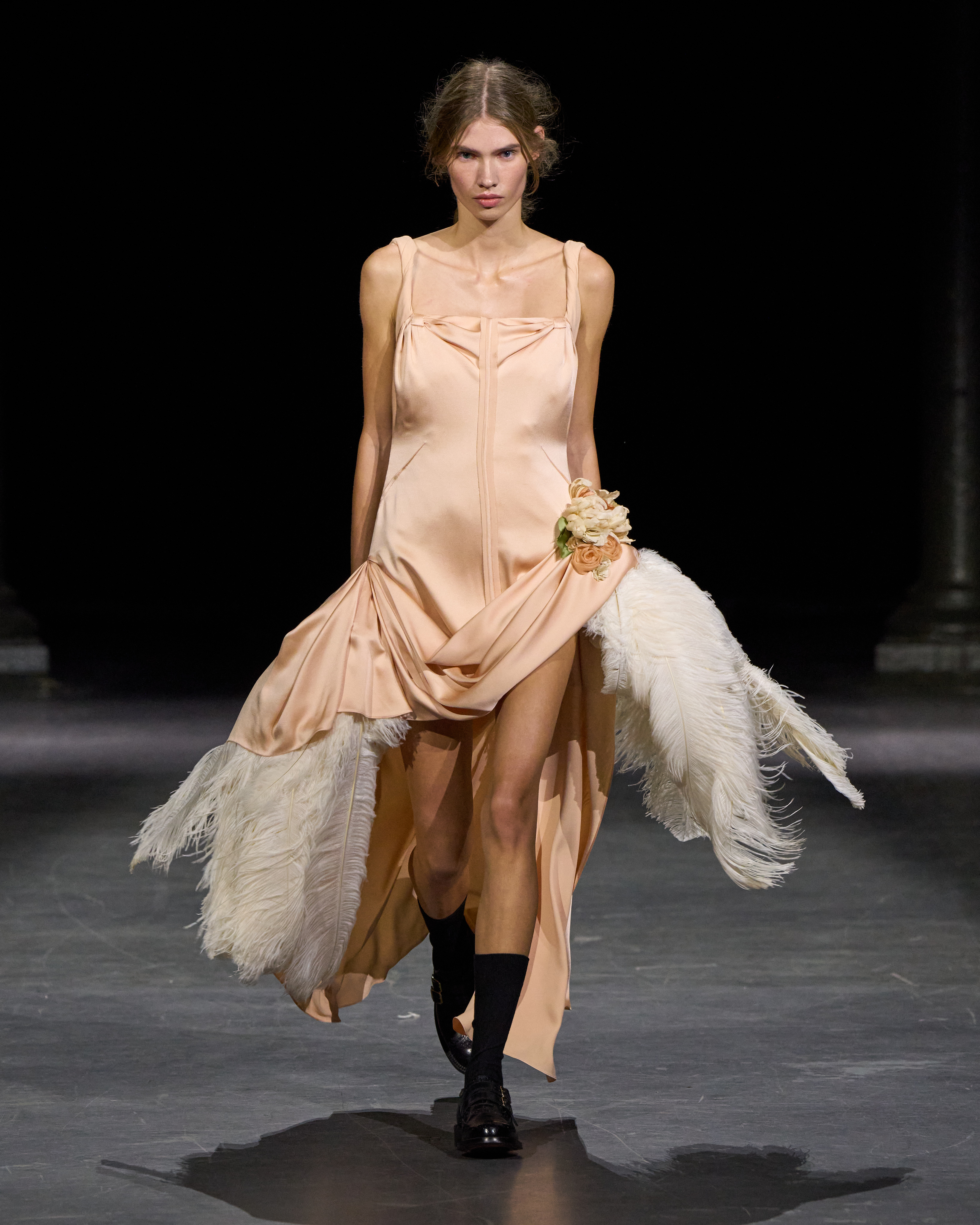
While the industry spent seasons moving towards restraint, quiet luxury and different interpretations of minimalism, Erdem never appeared particularly interested in becoming quieter. Instead, the designer continued to believe in clothes with presence.
Erdem Spring Summer 2027 is another reminder that a strong identity does not need to chase every new aesthetic shift to remain relevant.
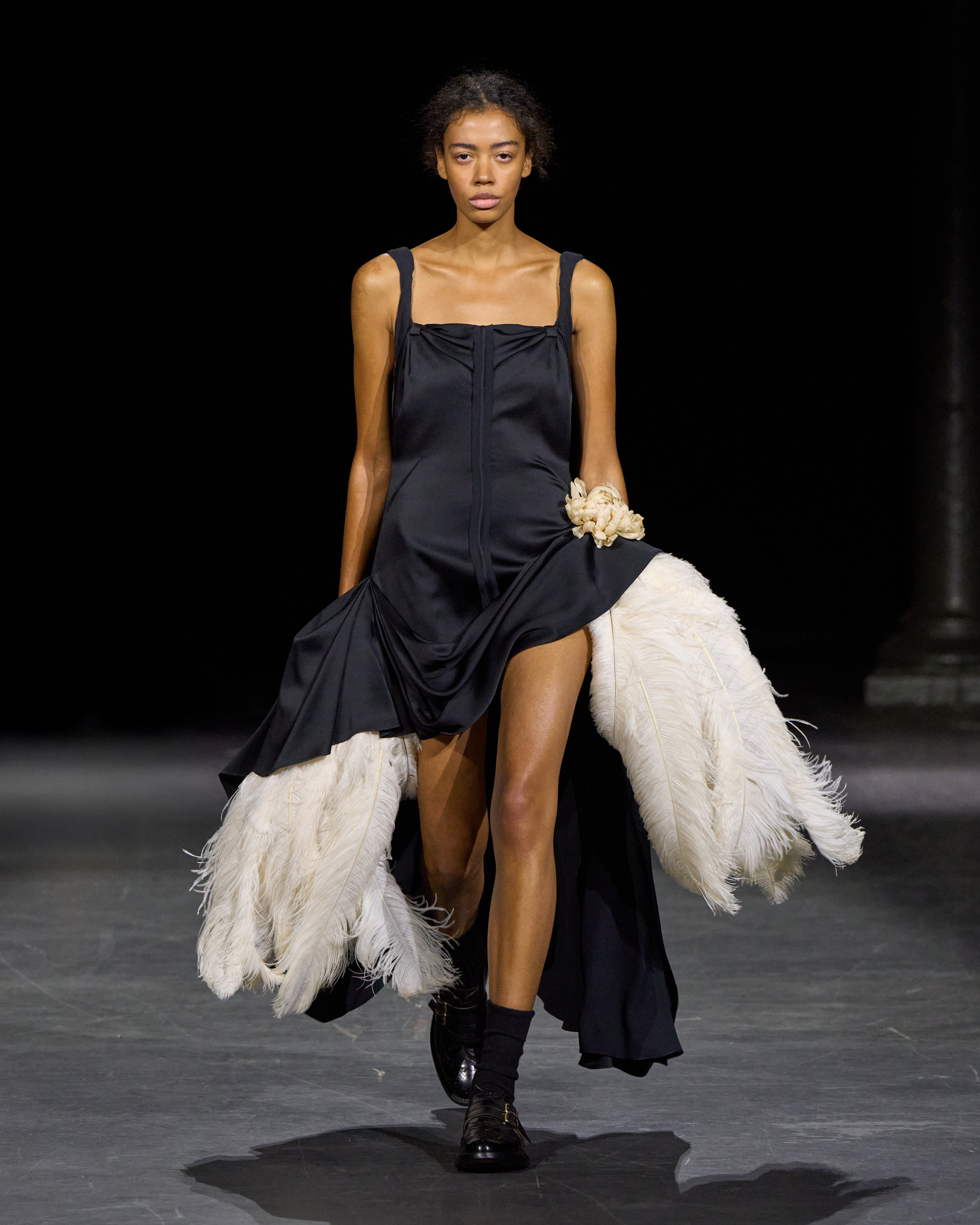
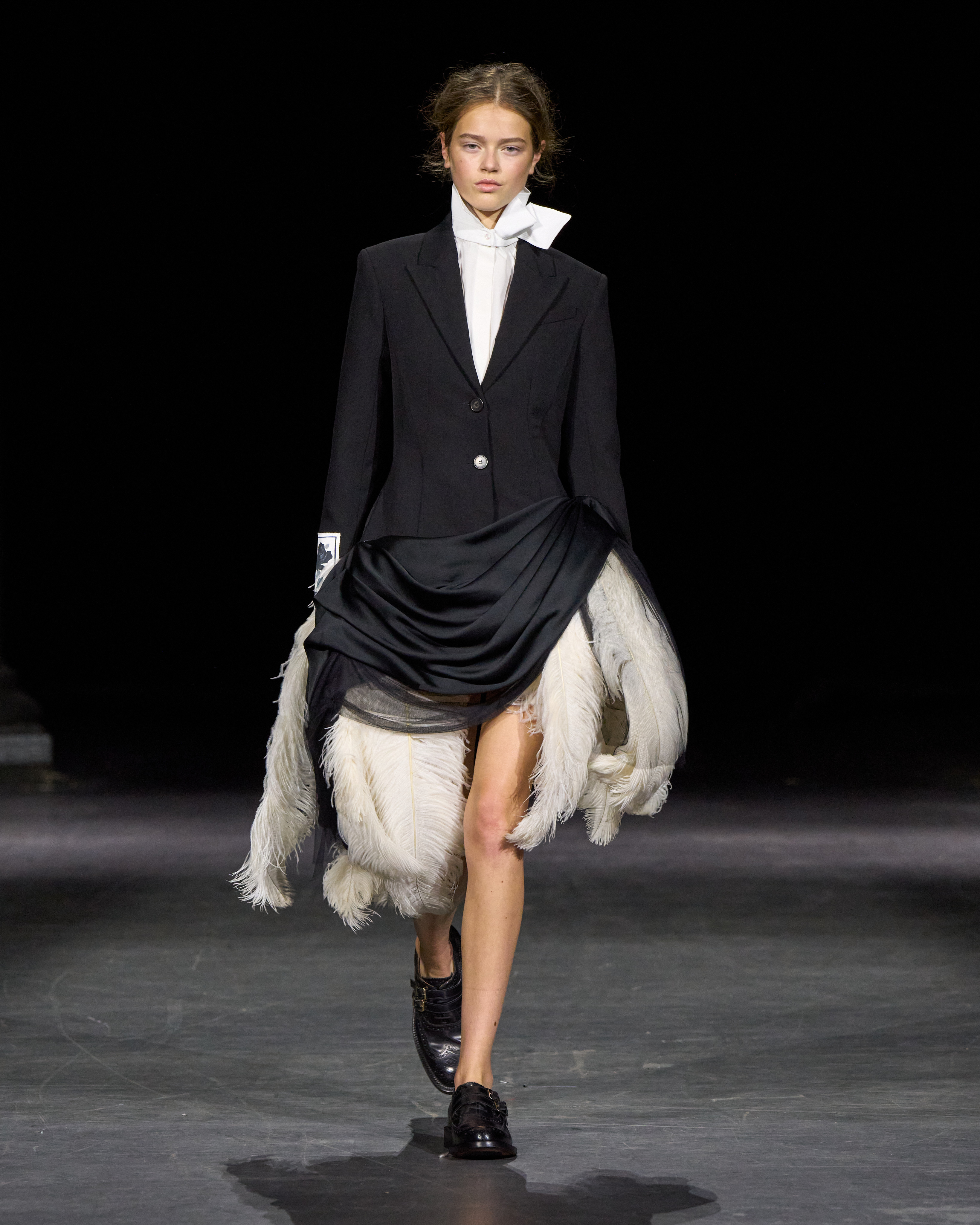
Maximalism in a Minimalist Fashion Landscape
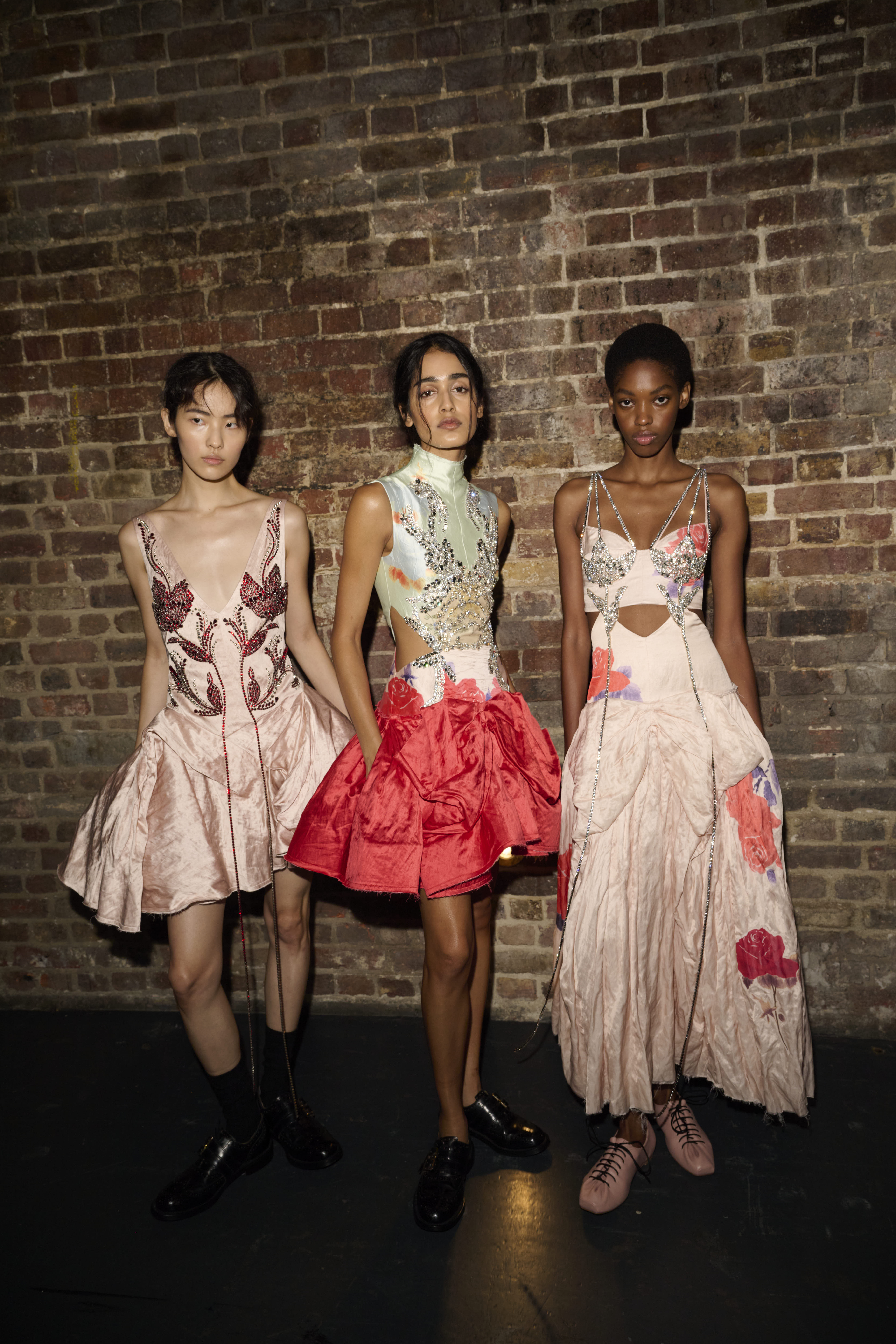
There is something refreshing about a designer who is not afraid of decoration.
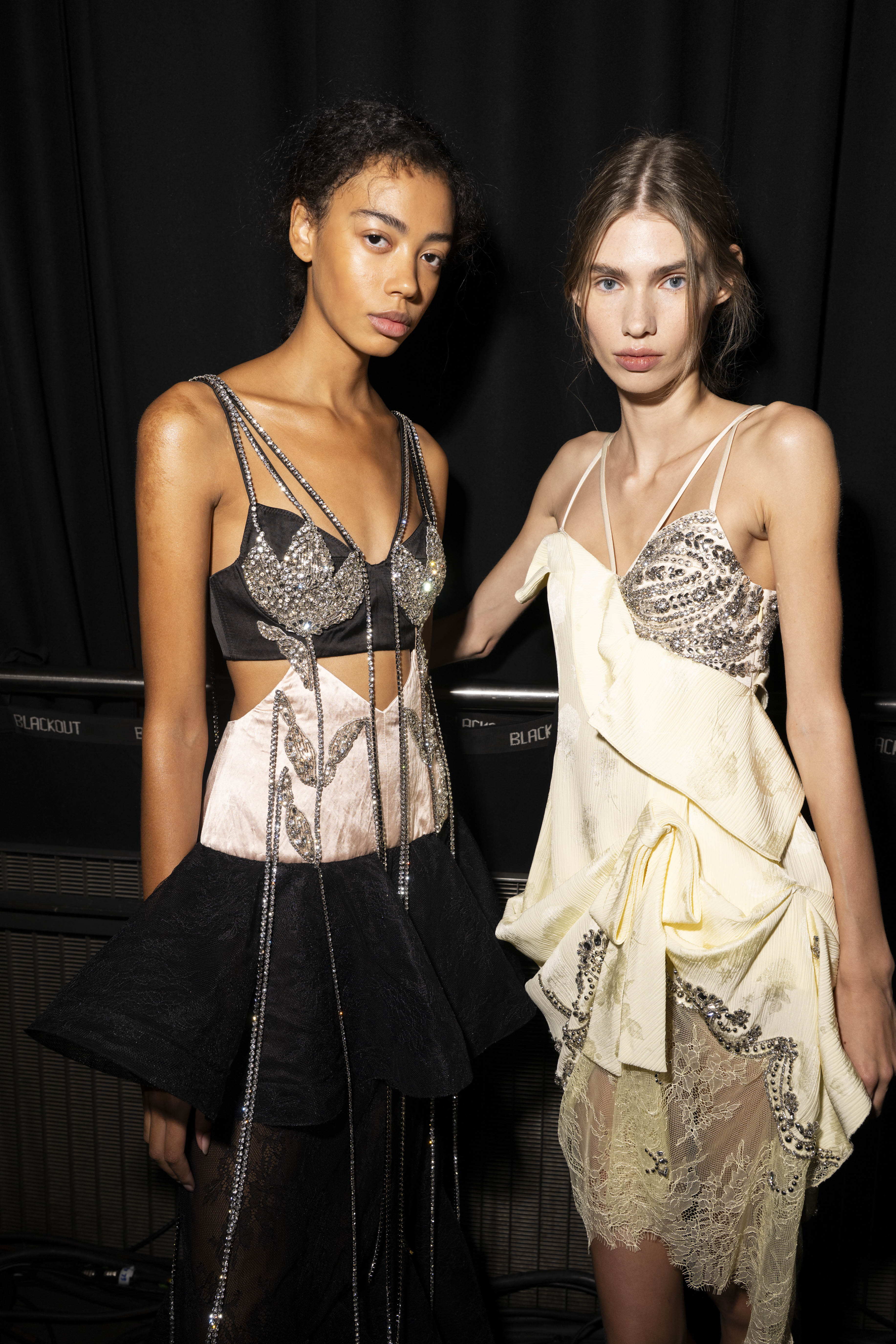
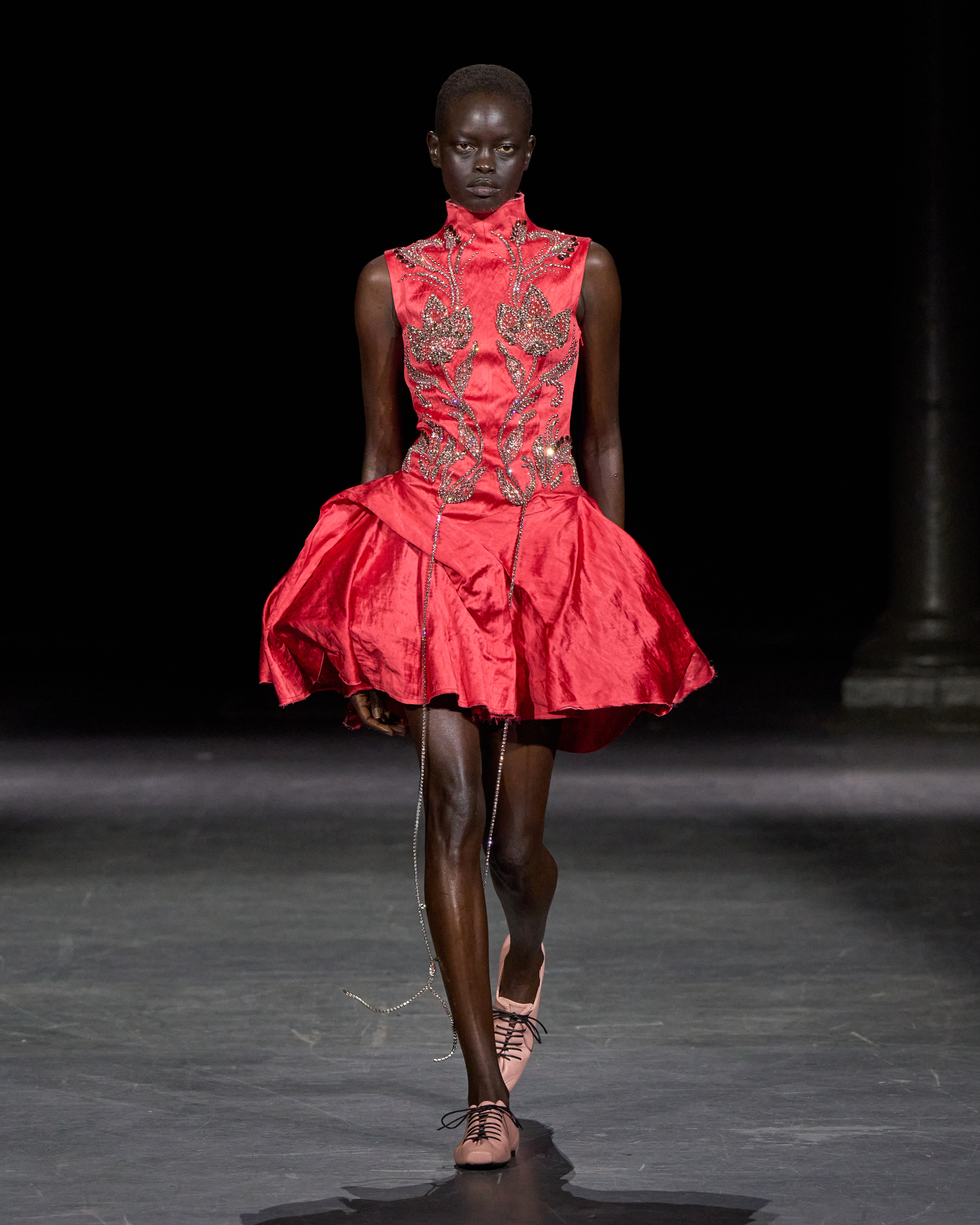
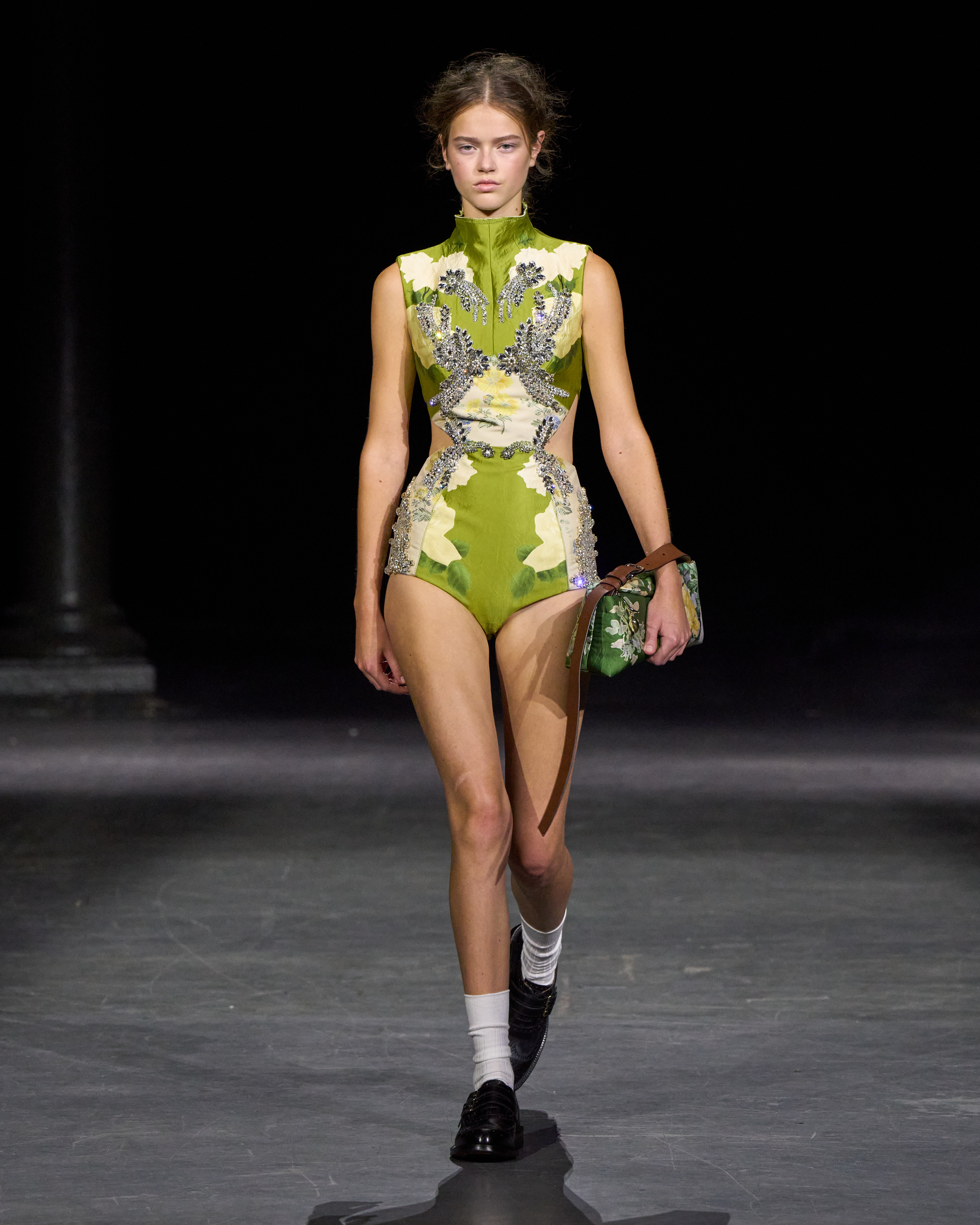
Erdem’s maximalism has never simply been about adding more. It is connected to craftsmanship, storytelling and an almost obsessive attention to surface. Embroidery, pattern, texture and dramatic silhouettes give the clothes an emotional quality that deliberately resists anonymity.
This is perhaps one of the reasons the brand feels increasingly distinctive today.
Fashion has spent years perfecting the idea of the discreet wardrobe: neutral colours, immaculate basics and pieces whose luxury is often designed to be recognised only by those already familiar with them. Erdem proposes something quite different.
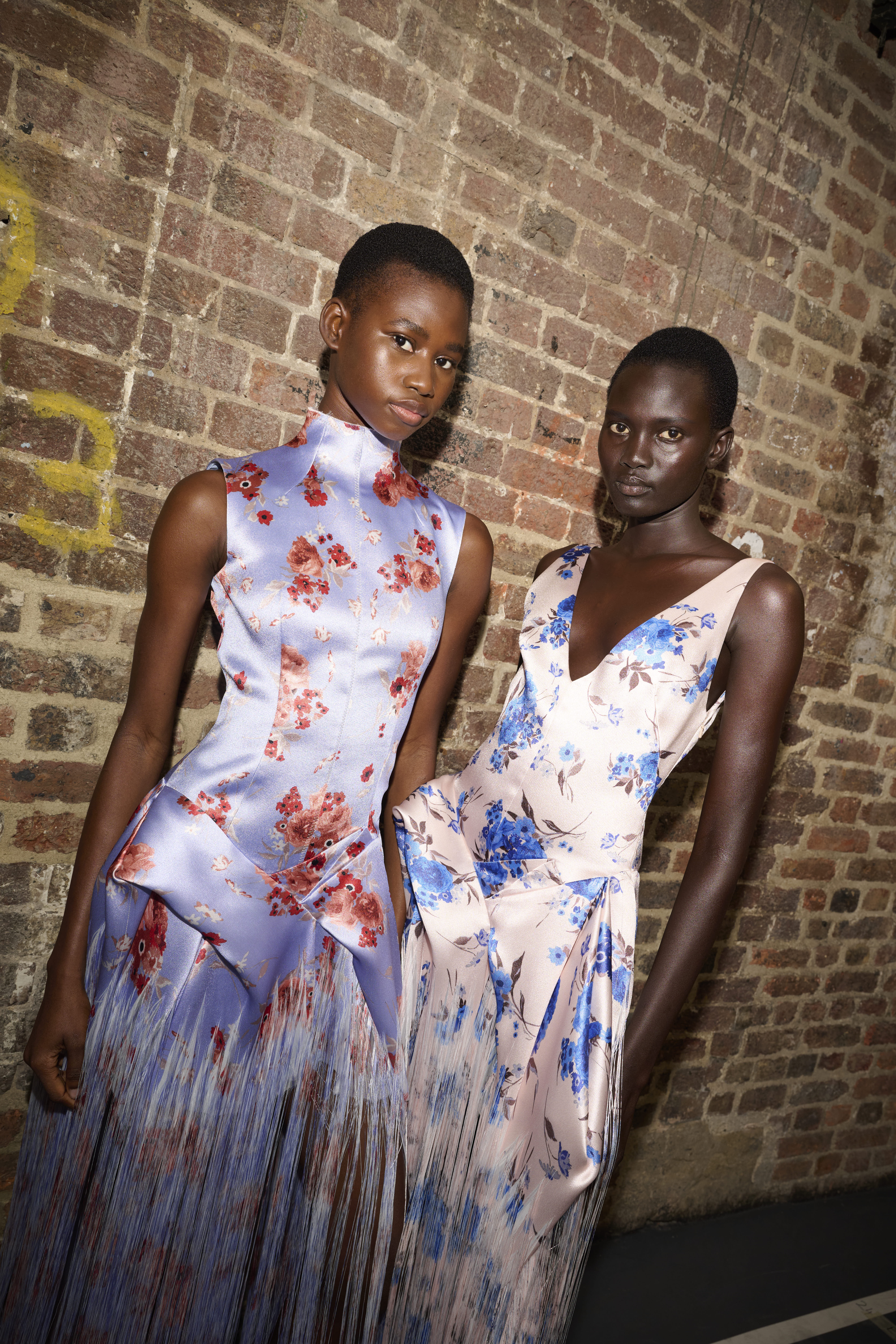
His woman wants to be seen.
She is not necessarily looking for a wardrobe that blends seamlessly into the background. A dress can be romantic without being fragile; a jacket can be practical without becoming anonymous; an evening piece can be extravagant without feeling like costume.
For Spring Summer 2027, that philosophy remains intact.
Barbette and the Freedom to Transform
The starting point this season is Barbette, the American aerialist born Vander Clyde Broadway who became a sensation in 1920s Paris.
Barbette performed as a woman before revealing a masculine identity at the end of the act, fascinating Jean Cocteau precisely because the performance complicated the idea that either masculinity or femininity represented a single, definitive truth.
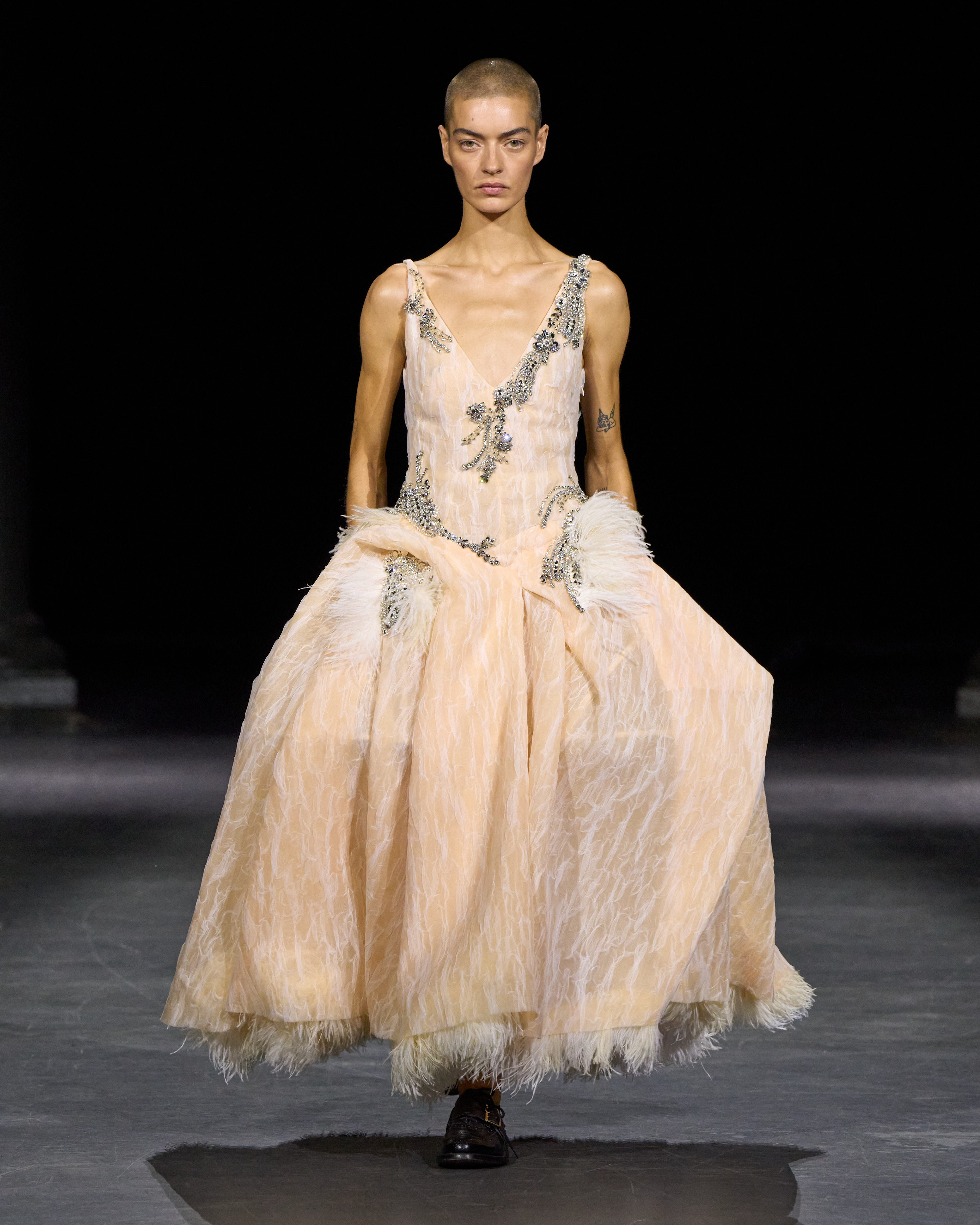
Erdem translates that ambiguity into a conversation between masculine and feminine forms. The house describes Erdem Spring Summer 2027 as a study in transformation, with both codes pushed and pulled against one another.
But the historical reference never needs to overpower the clothes.
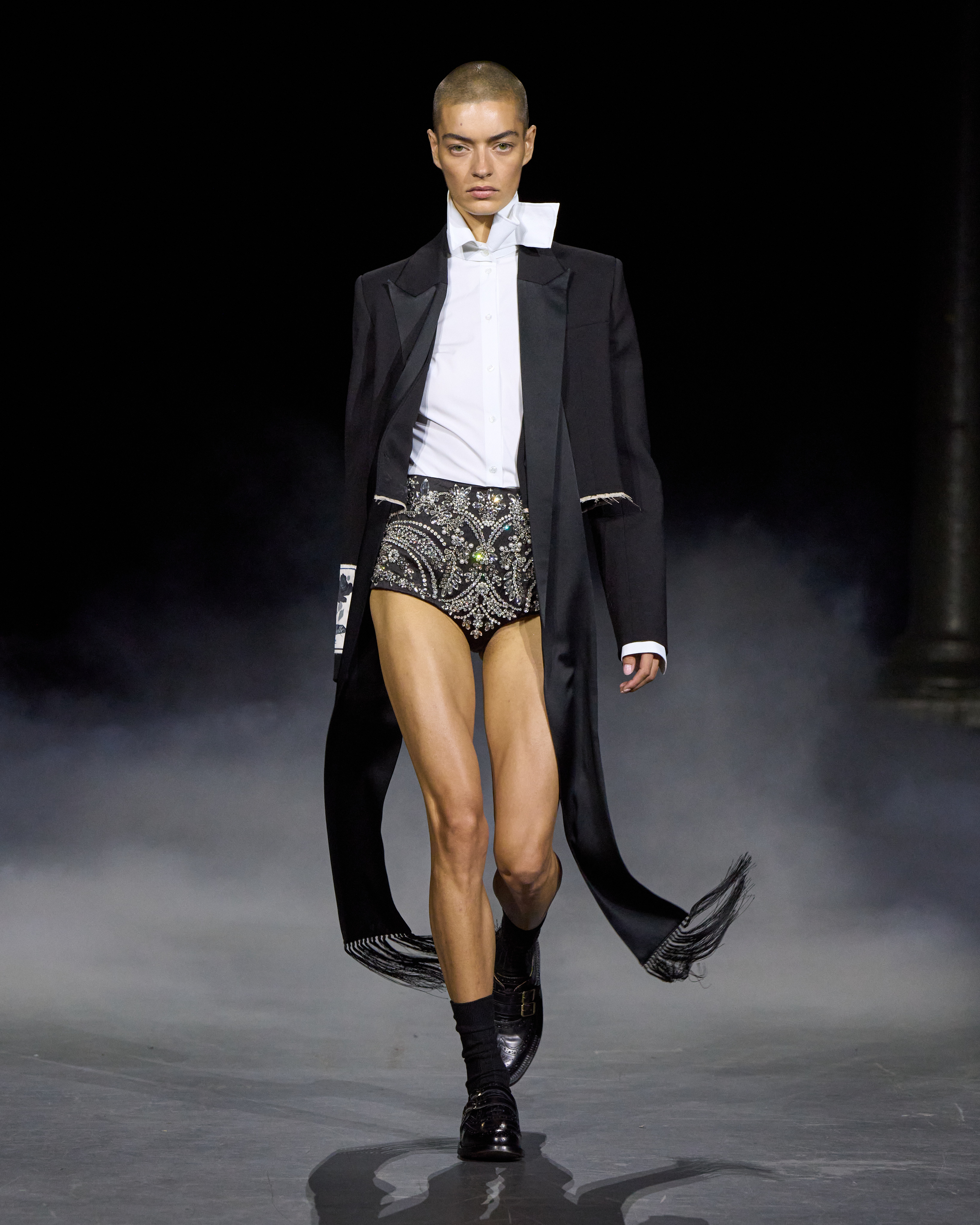
That is important because Erdem has become particularly skilled at using characters from the past as starting points rather than literal templates. The research creates atmosphere; it does not dictate how a modern woman should dress.
Barbette becomes less a costume reference than an idea: identity can be constructed, played with and transformed.
The collection’s press notes describe beauty as existing within the space between fixed identities, where it does not necessarily need to resolve itself into a single definition.
It is an idea that feels remarkably compatible with Erdem’s own creative universe.
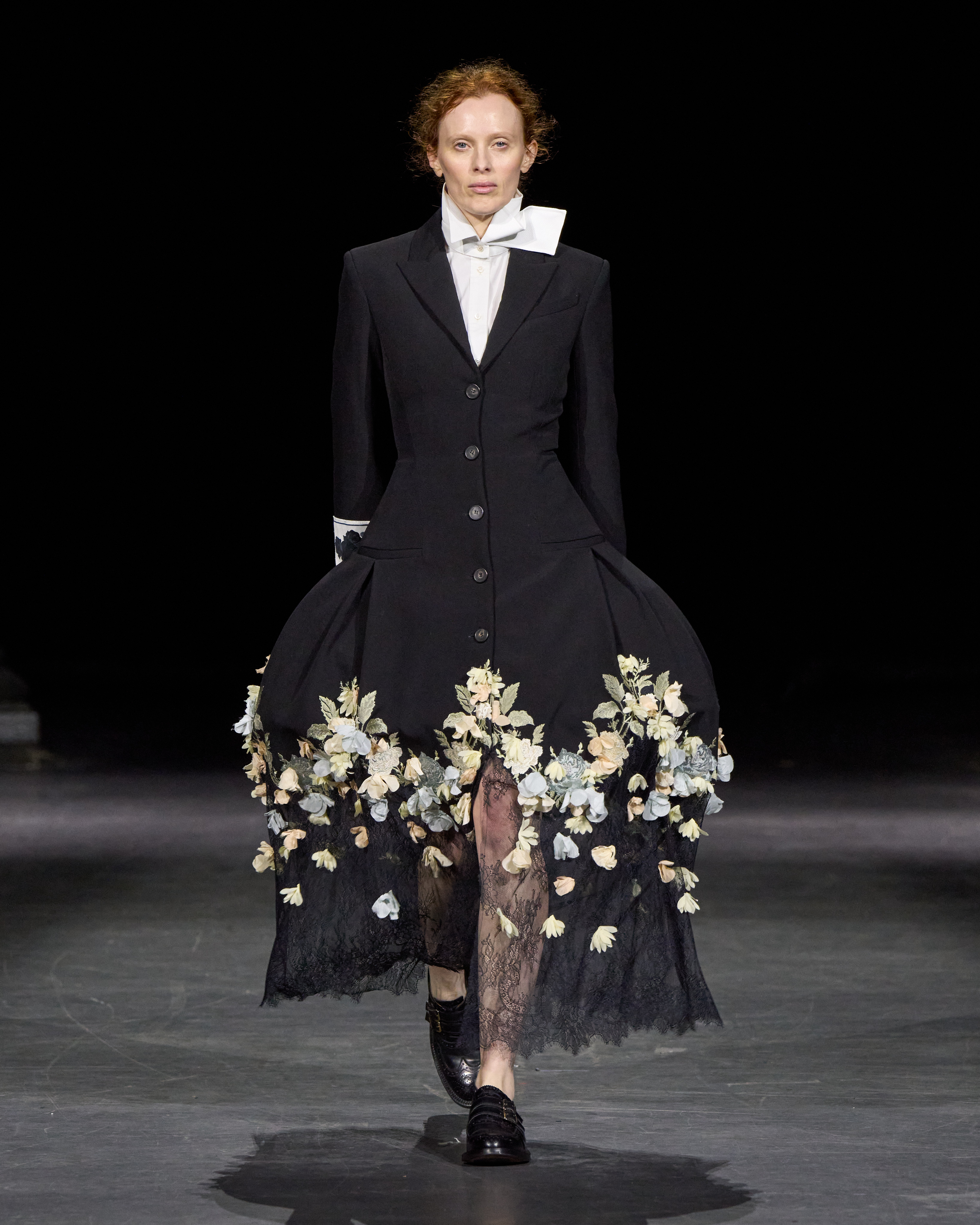
From Eveningwear to a Complete Erdem Wardrobe
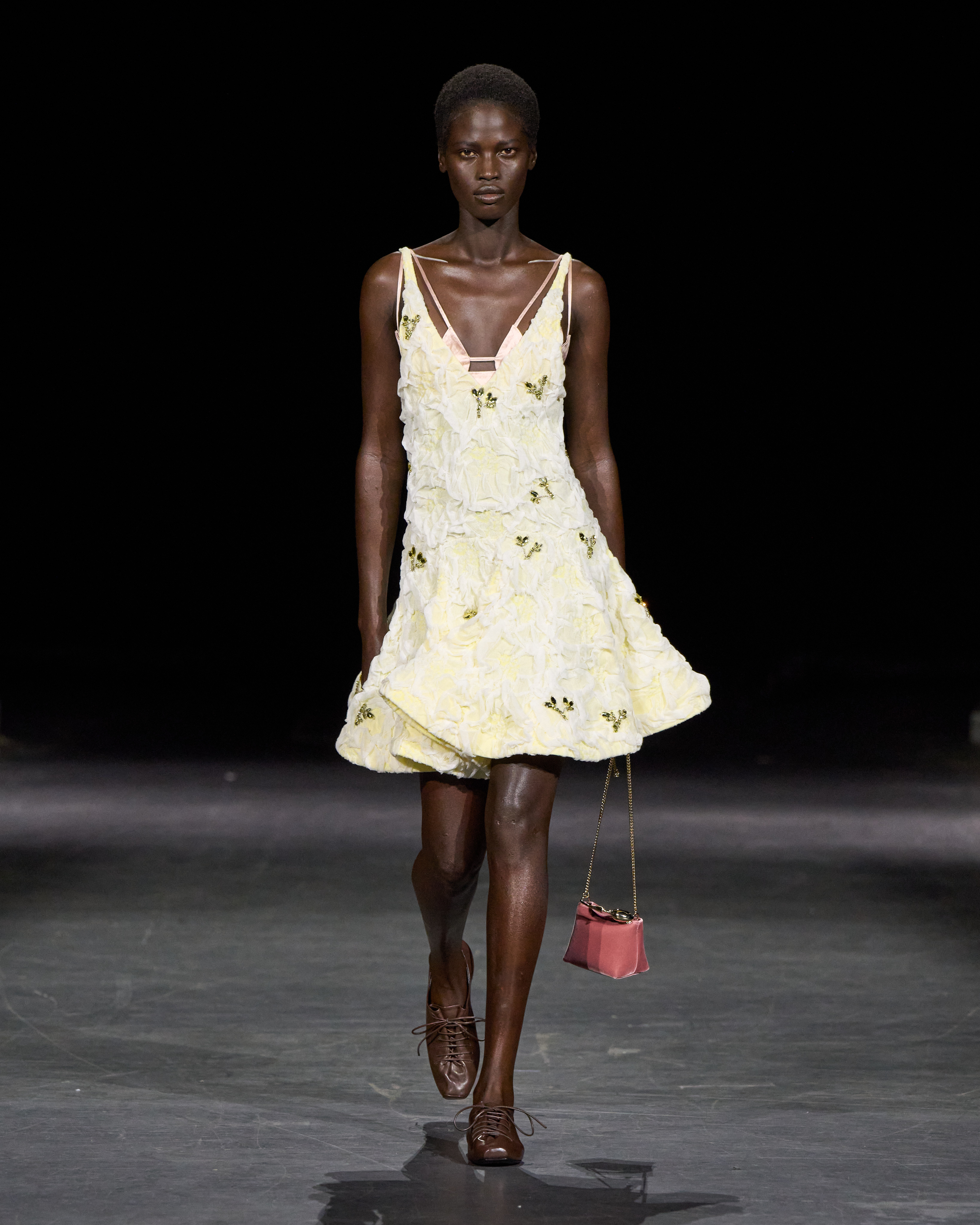
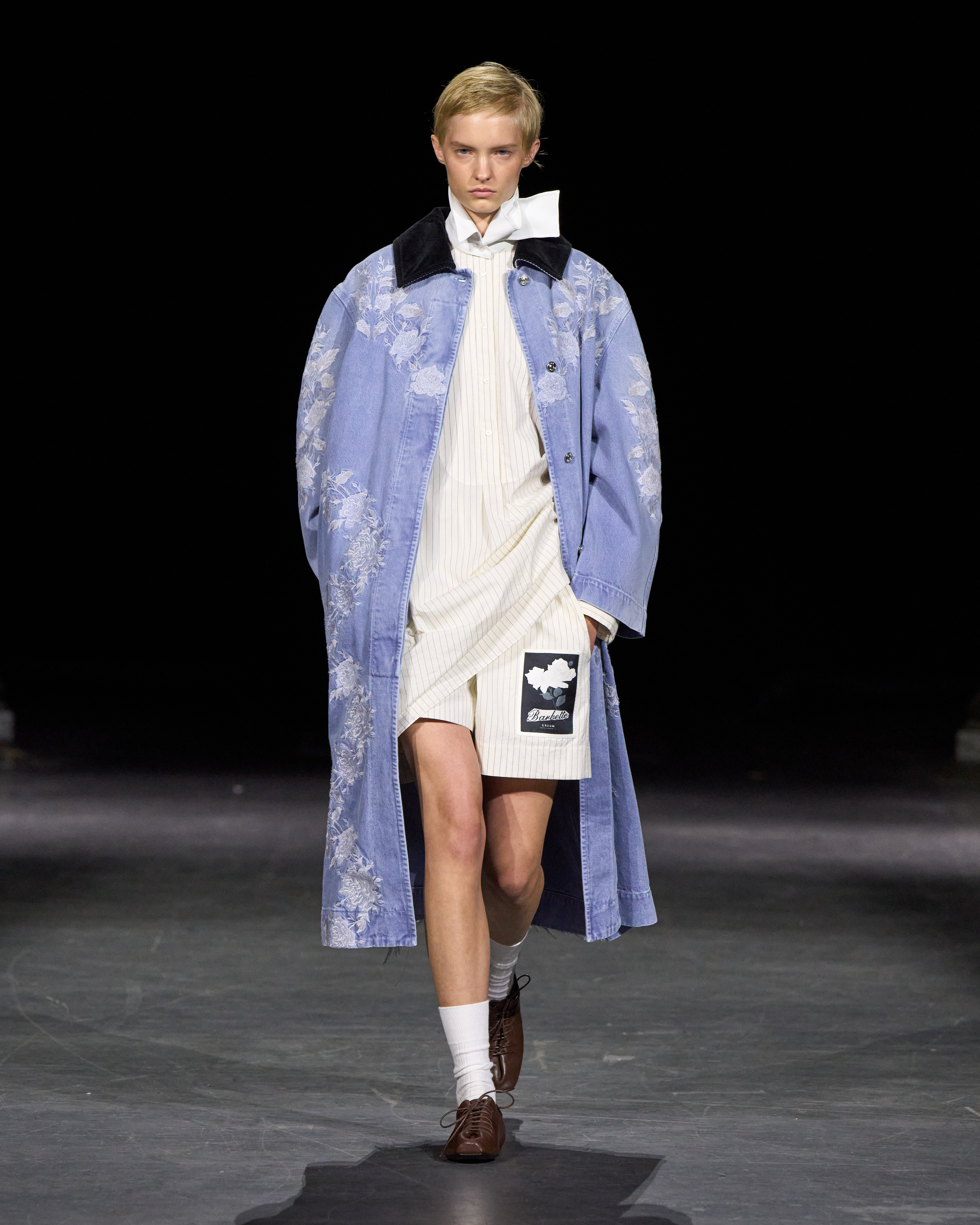
Perhaps the most interesting evolution, however, is happening beyond the gowns.
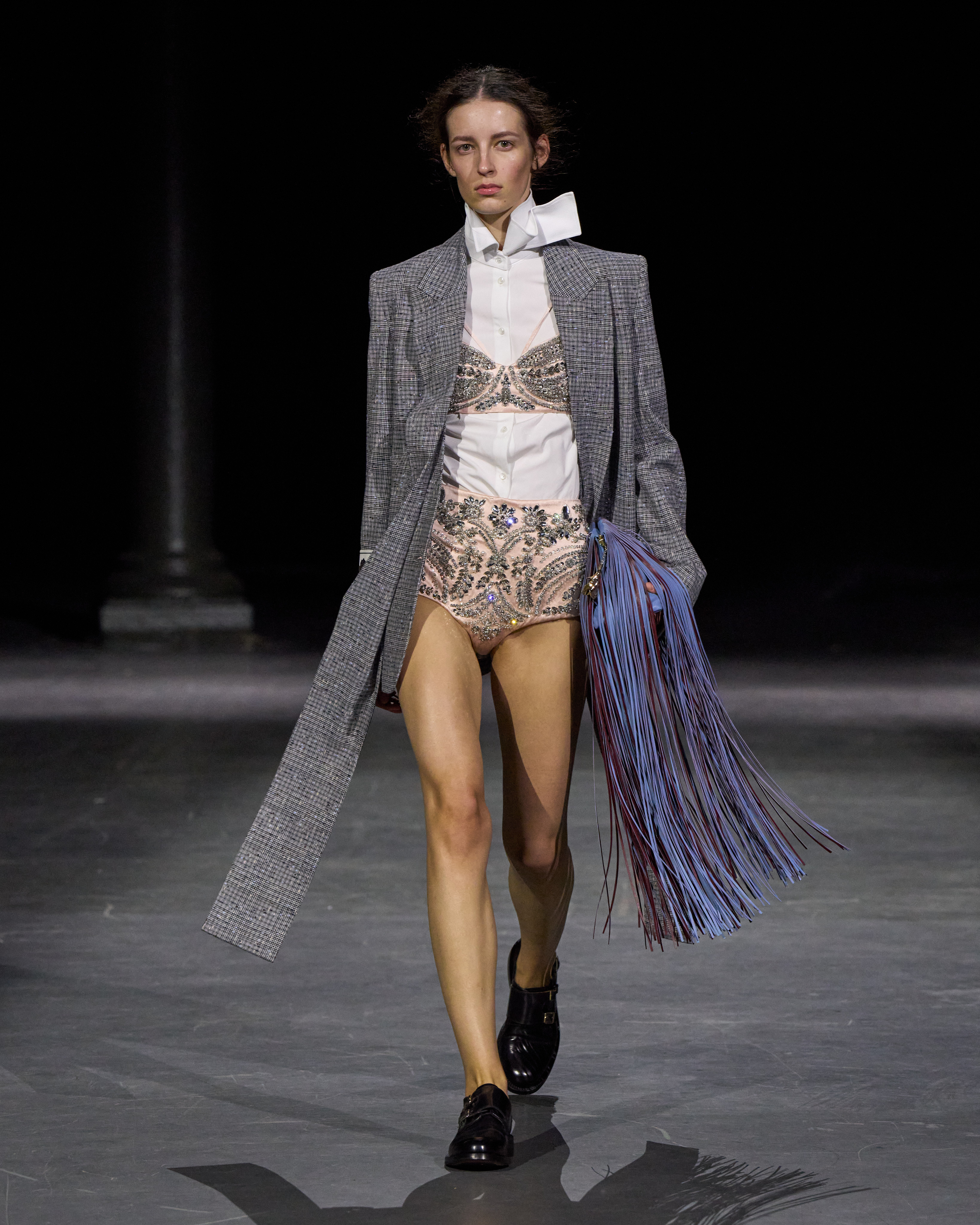
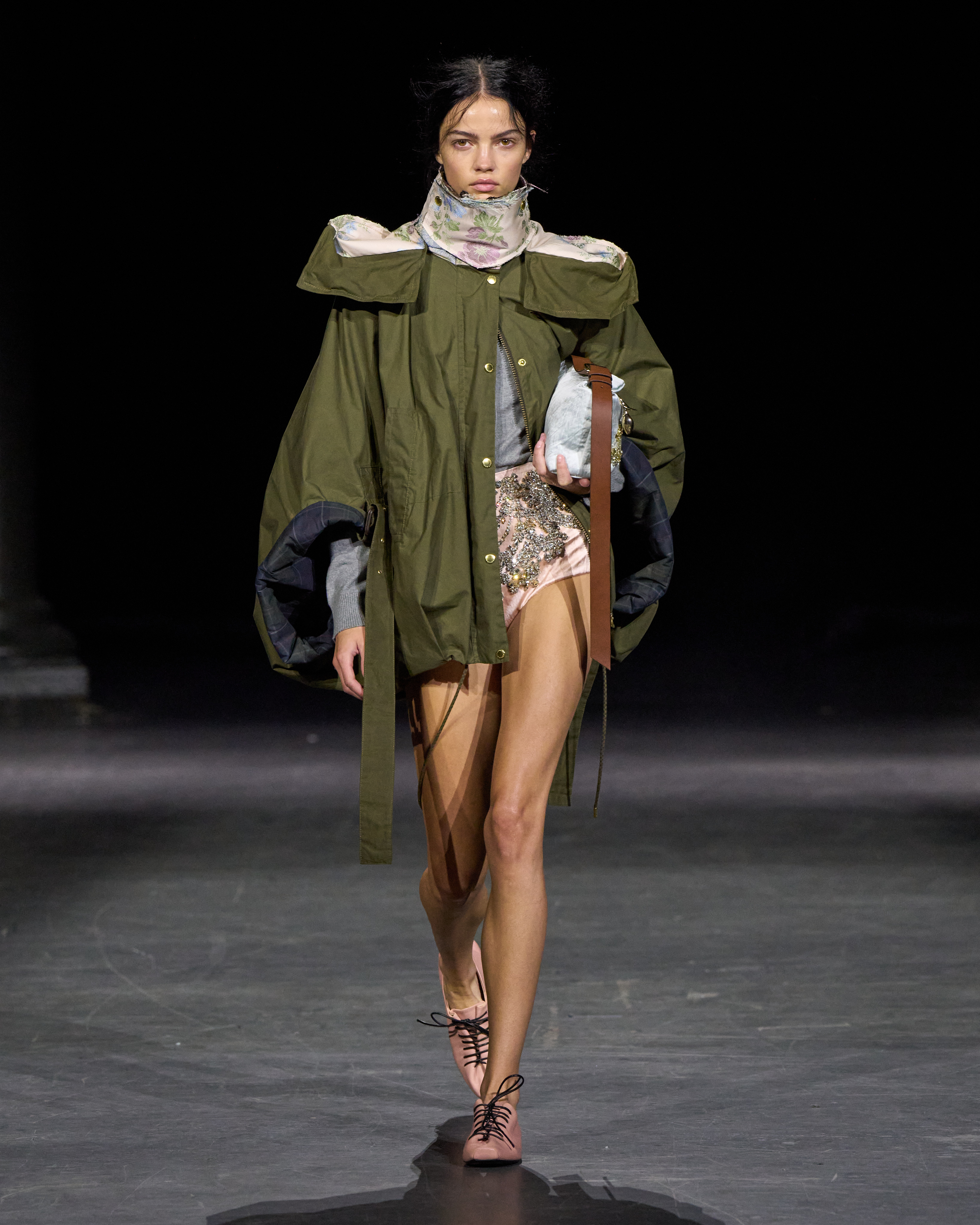
Erdem has long been associated with elaborate dresses and occasionwear, but the brand has gradually expanded its vocabulary into something closer to a complete wardrobe. The distinction is subtle but significant.
The daywear does not feel like a commercial interruption to the fantasy. It feels like another part of it.
This is where the brand’s evolution becomes particularly convincing.
The Erdem woman might still want the embroidered gown, but she also needs clothes for the rest of her life. Jackets, tailoring, separates and more relaxed pieces allow her to carry the same visual identity into daytime rather than abandoning it the moment the occasion becomes less formal.
Crucially, becoming more versatile has not meant becoming more generic.
That is the difference.
Fashion for Women Who Don’t Want to Disappear
There is a particular woman for whom Erdem makes sense.
She likes clothes. She understands the pleasure of getting dressed. She might appreciate trends, but she does not require them to tell her who she should become every six months.
Most importantly, she does not want to look anonymous.
That may ultimately explain why Erdem’s consistency feels increasingly valuable.
After years in which brands have frequently changed creative direction, aesthetic language and even their understanding of who their customer is, Erdem has continued to build one world. It has become broader, more sophisticated and more wearable, but it remains recognisable.
And recognition is very different from repetition.
A distinctive identity gives a designer room to evolve because there is already a strong foundation underneath the experimentation. Erdem can introduce more daywear, play with masculine tailoring or shift proportions without losing the emotional codes that define the house.
Erdem Spring Summer 2027 shows that evolution does not always require reinvention.
Sometimes knowing exactly who you are is enough.