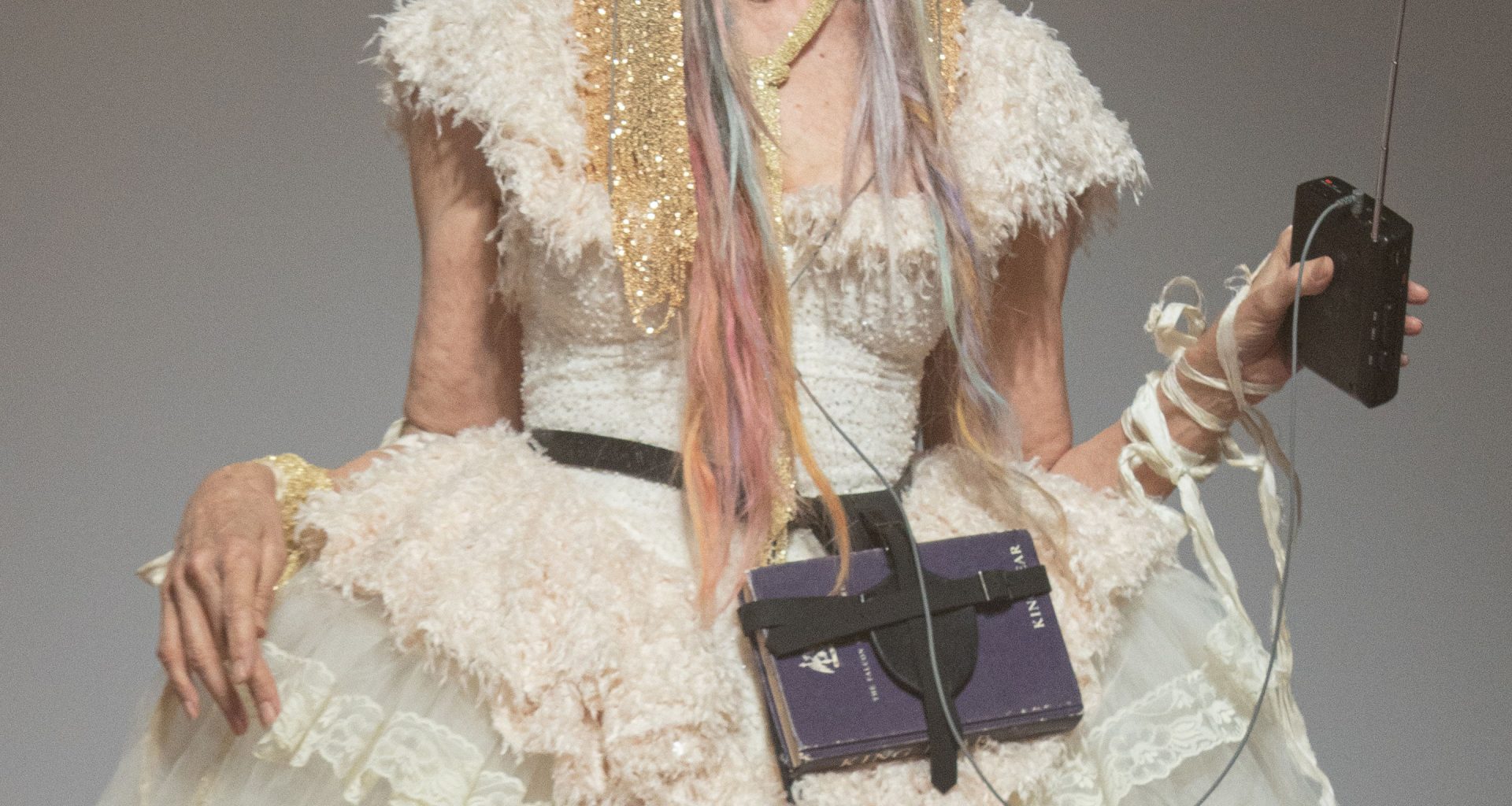
At New York Fashion Week, Kimberley Gordon transformed Selkie into an apocalyptic circus of rebel pirates and warrior queens. Blending maritime folklore with dark corsetry, The Ghost Ship delivers a powerful manifesto on unchosen paths, radical self-expression, and inclusive casting.
There are lives we will never live, invisible paths running parallel to our own that we can only wave to from afar, like dark silhouettes on the horizon. It is from this profound and haunting question about unchosen paths that “The Ghost Ship” comes to life, Selkie’s Fall/Winter 2026 collection, which captivated New York Fashion Week at Studio 525.
I’ll never know and neither will you of the life you don’t choose. We’ll only know that whatever
that sister life was, it was important and beautiful and not ours. It was the ghost ship that didn’t
carry us. There’s nothing to do but salute it from the shore.
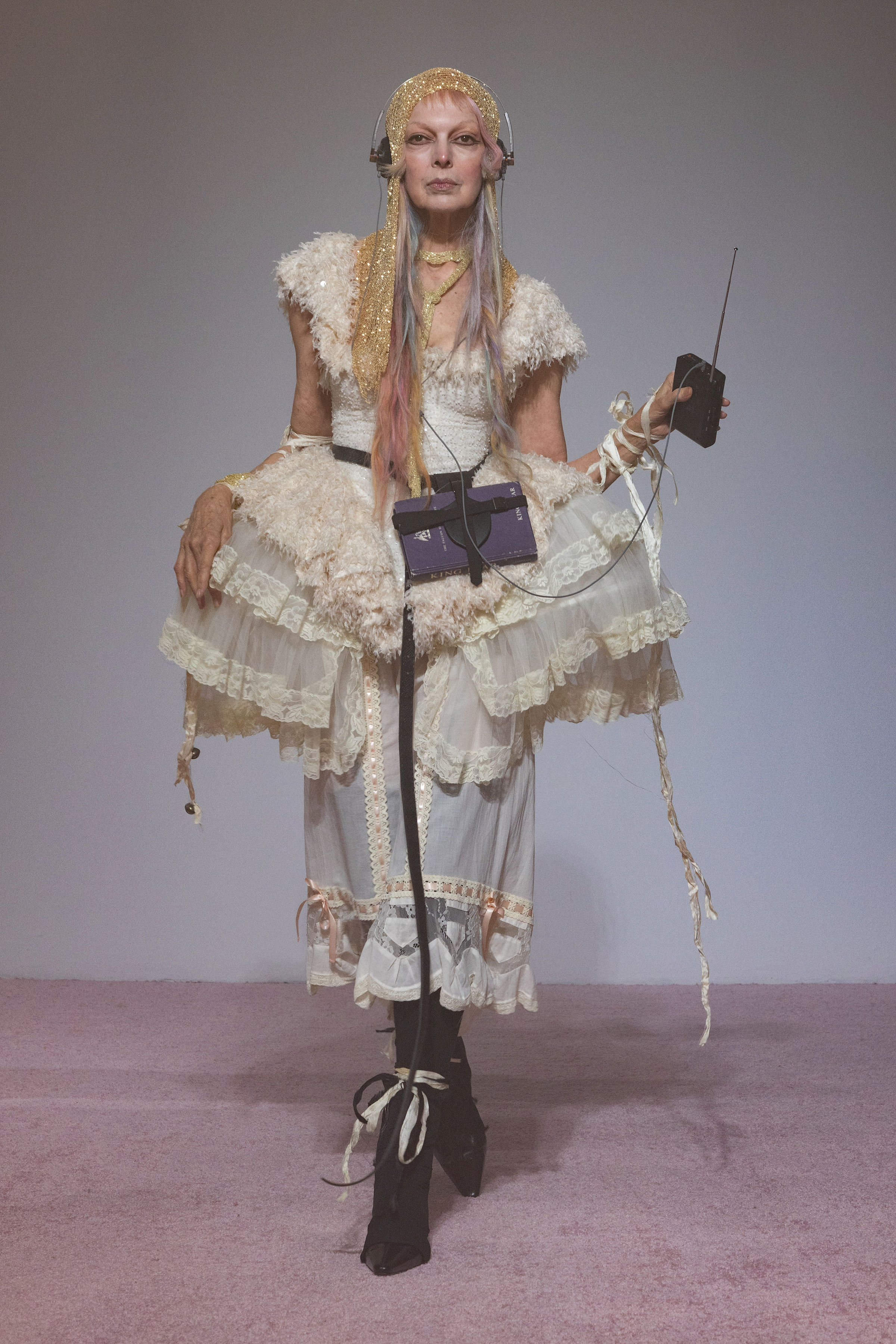
Creative director Kimberley Gordon transforms the metaphor of the “ghost ship”, inspired by the words of Cheryl Strayed, into a lavish and melancholic visual narrative: a traveling circus of rebel pirates and warriors, suspended between an imaginary apocalypse, the weight of past regrets, and the thrill of an uncertain future. More than just a runway show, the collection serves as a manifesto of radical freedom: the courage to choose one’s own course and to embrace, with absolute abandon, the imperfect beauty of one’s decisions.
An Aesthetic Between Maritime Folklore and Dark Corsetry
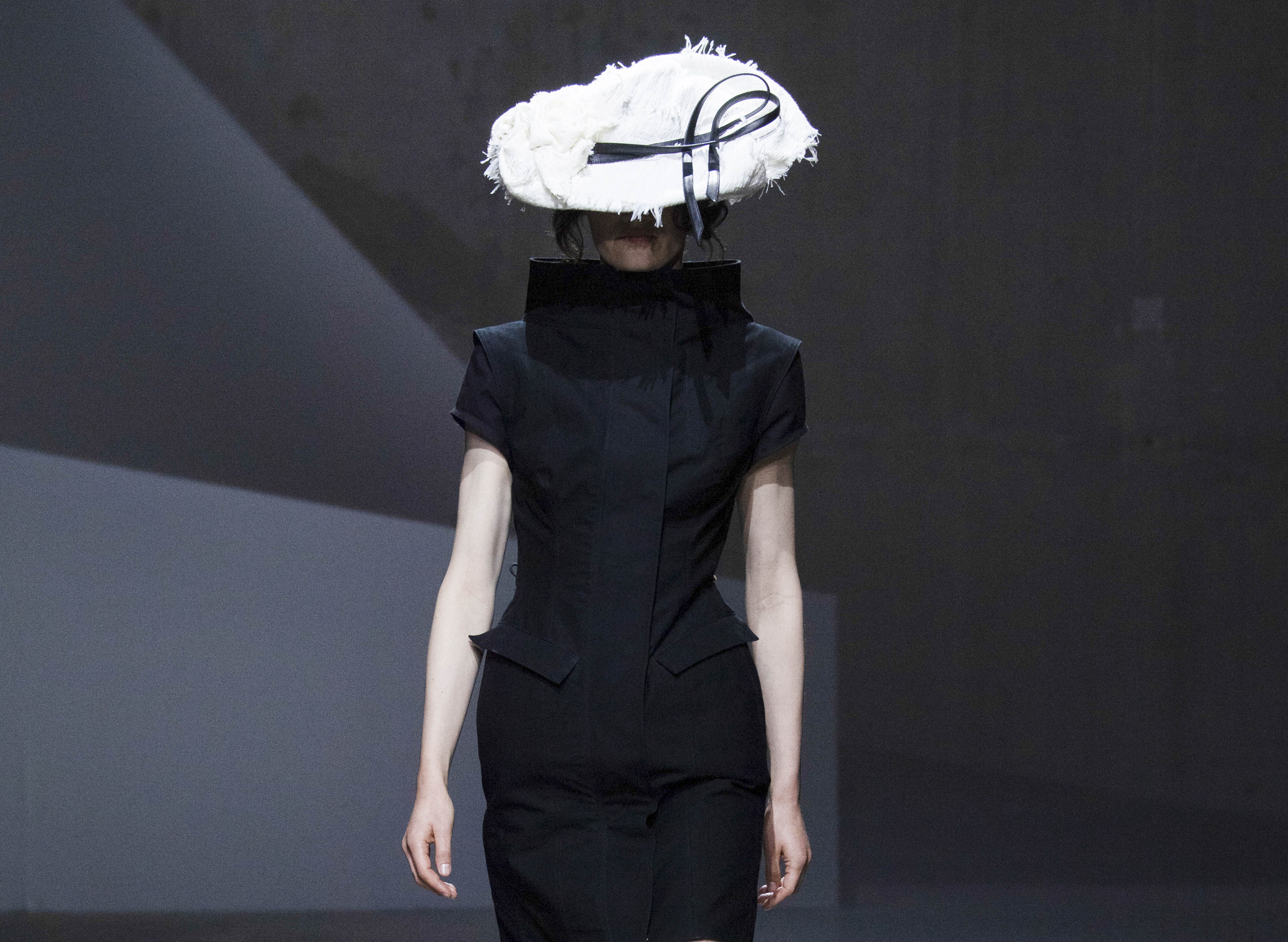
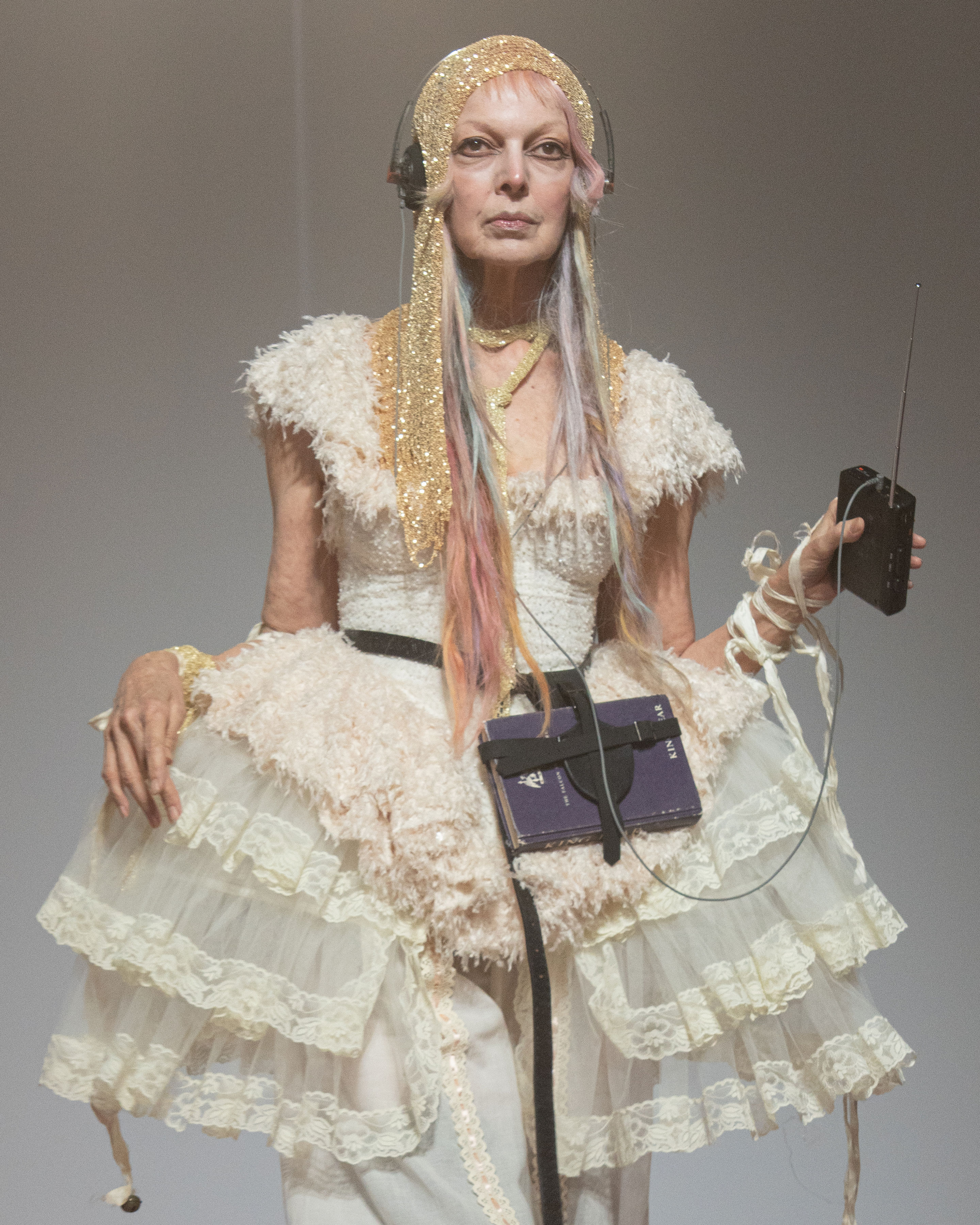
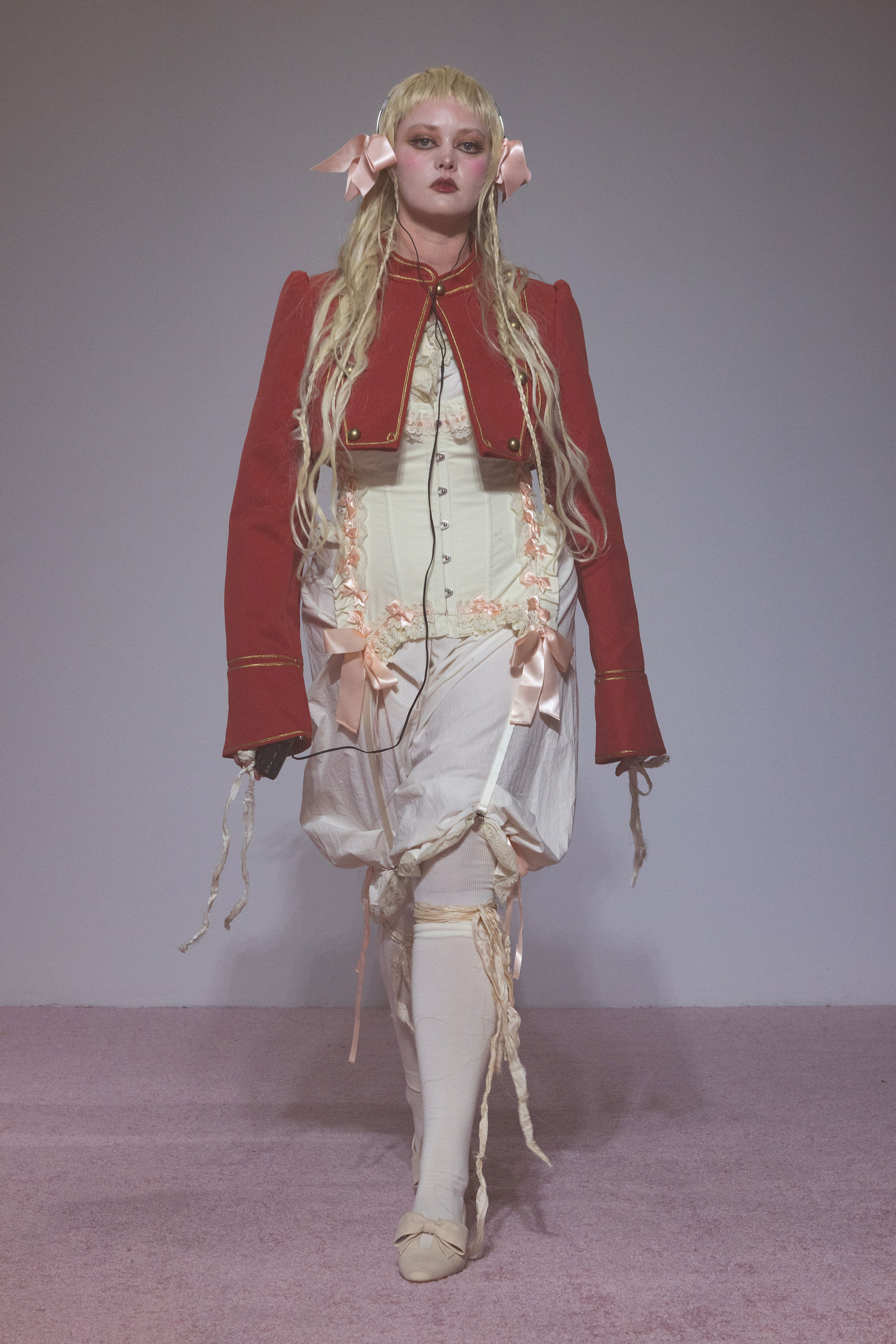
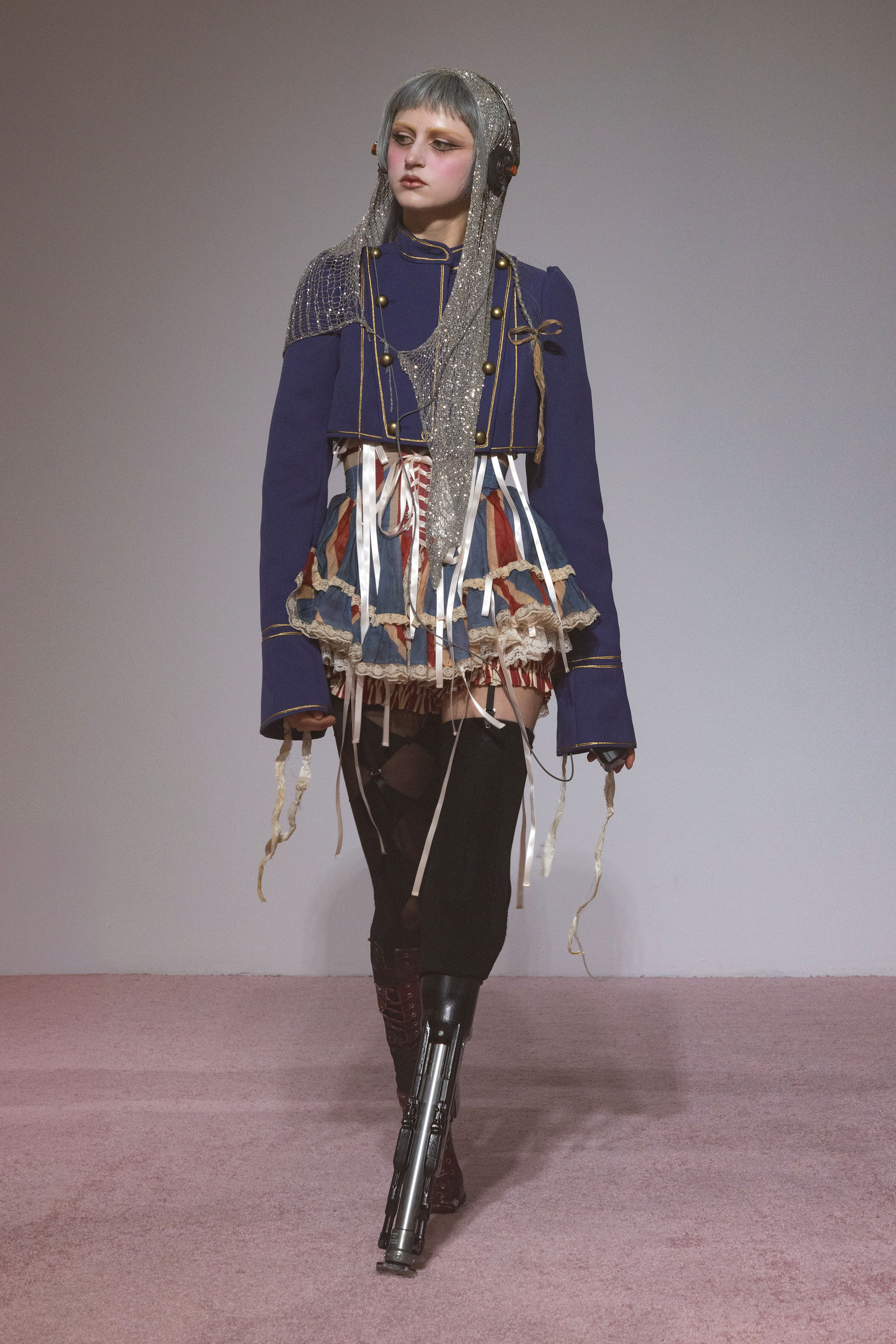
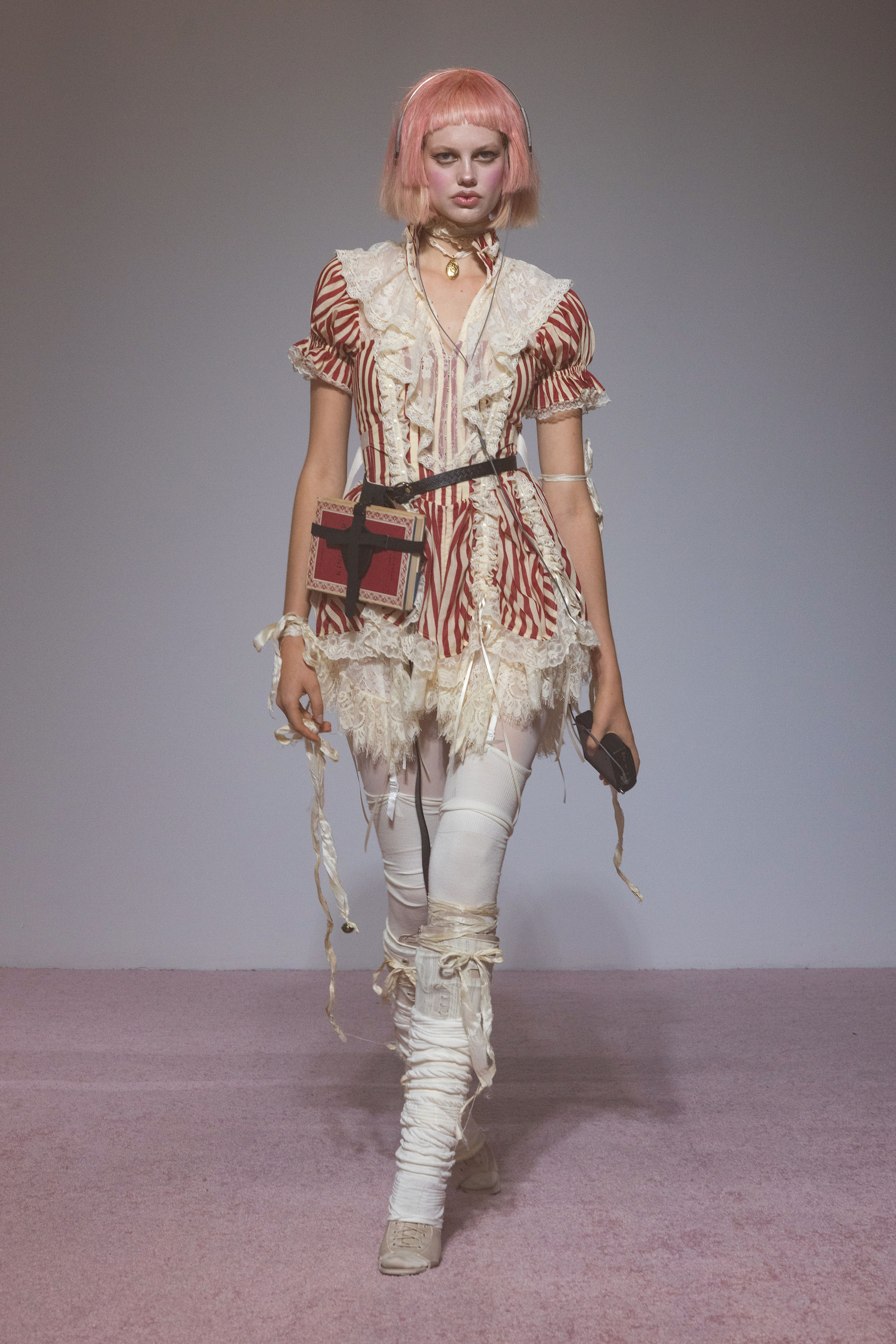
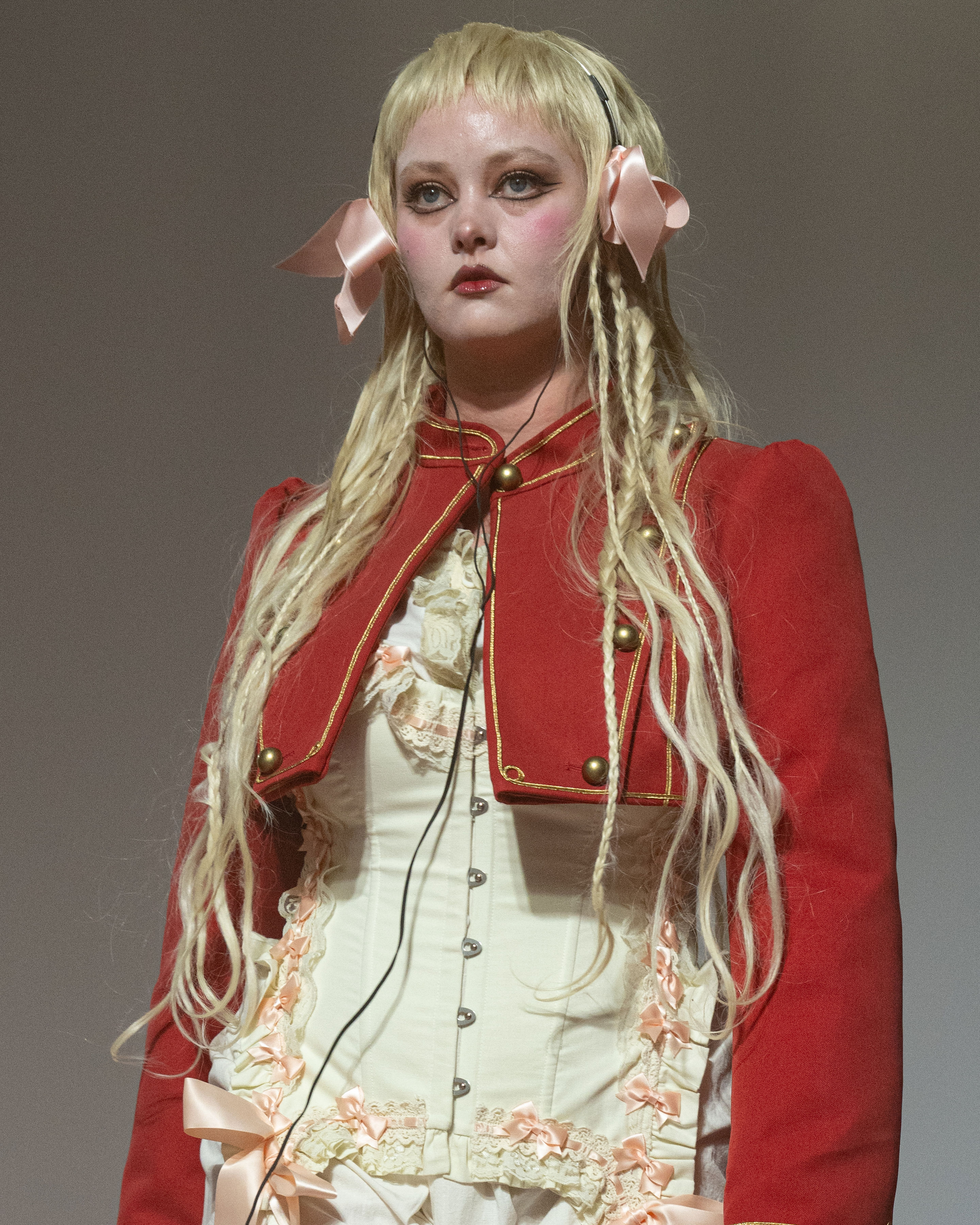
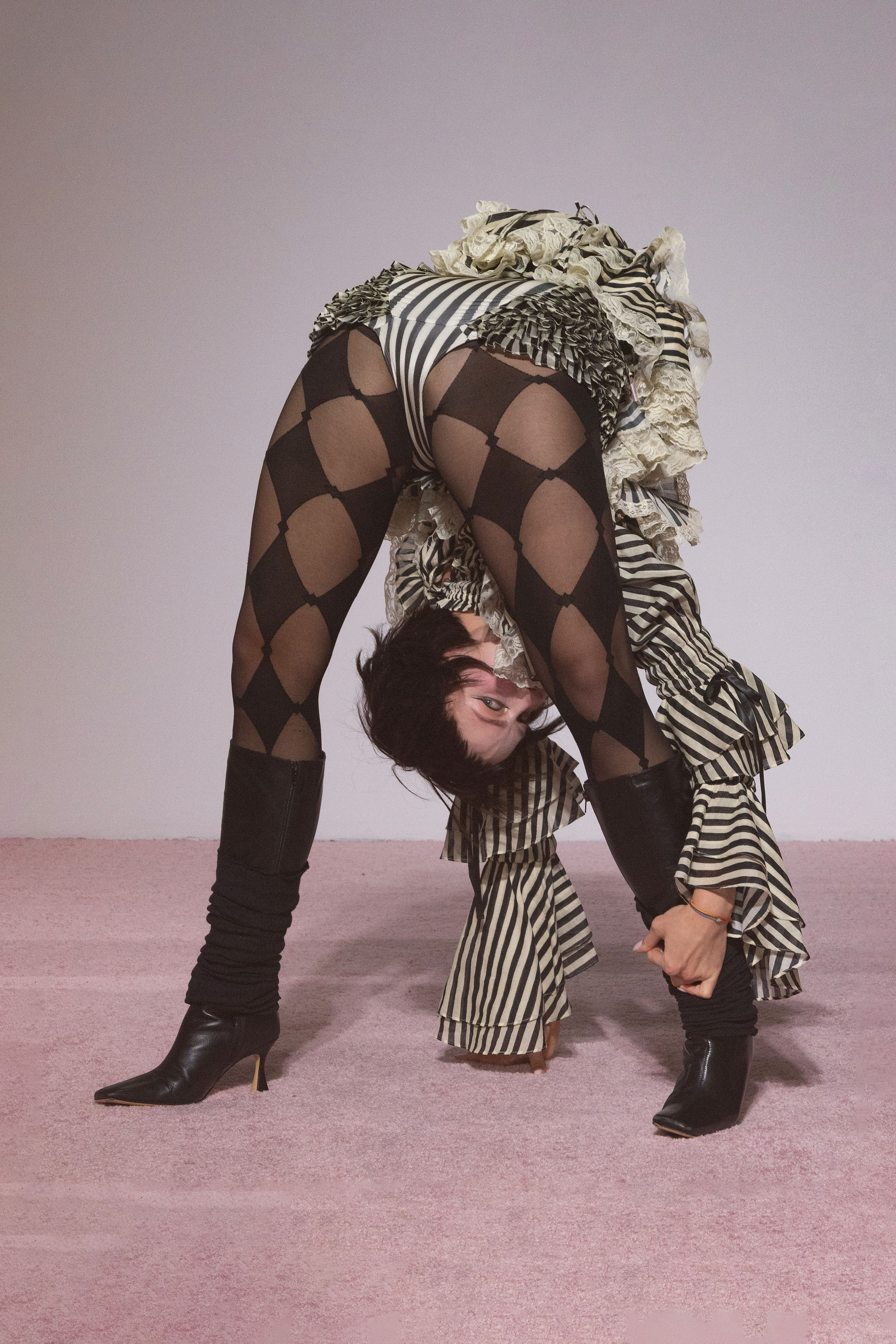
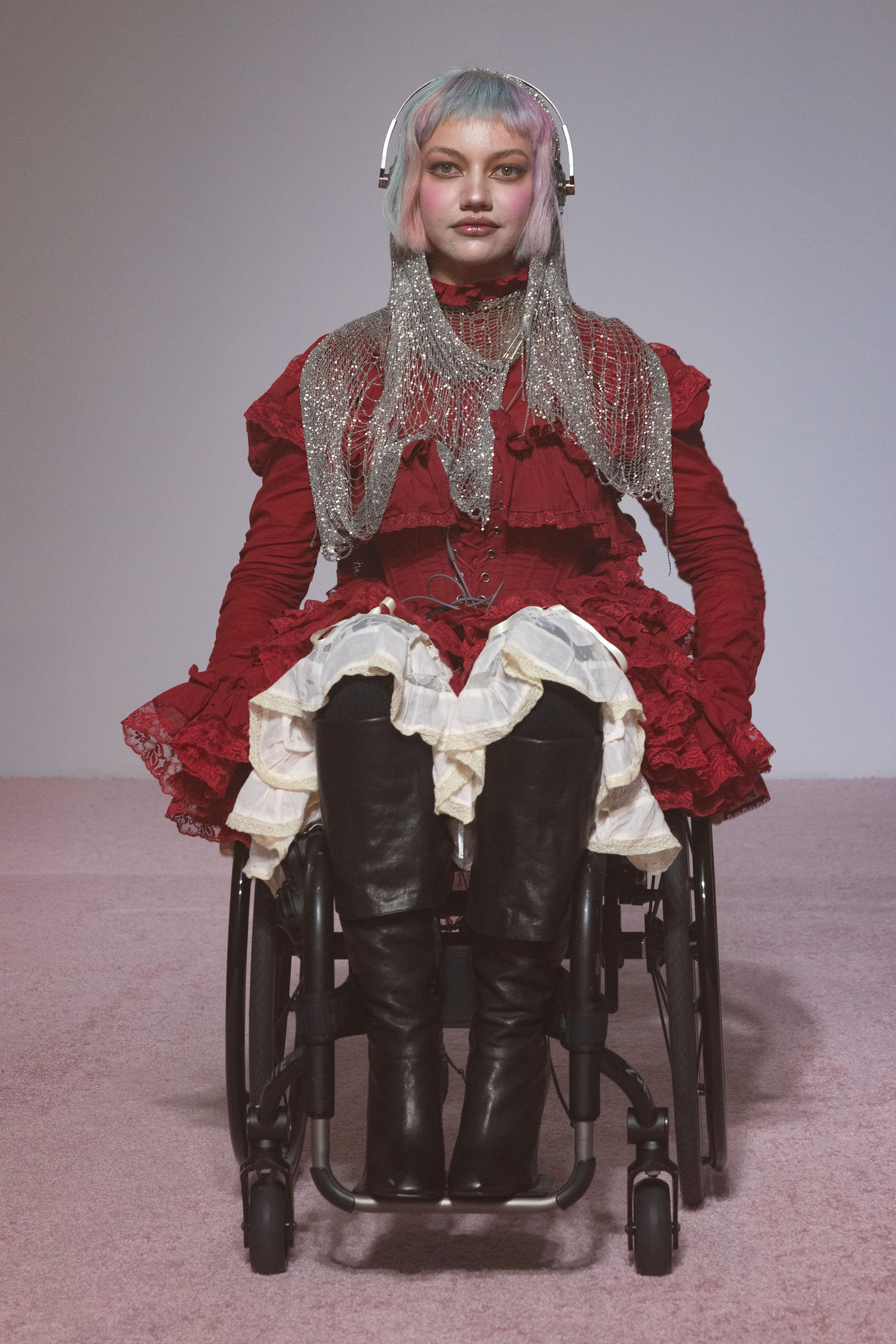
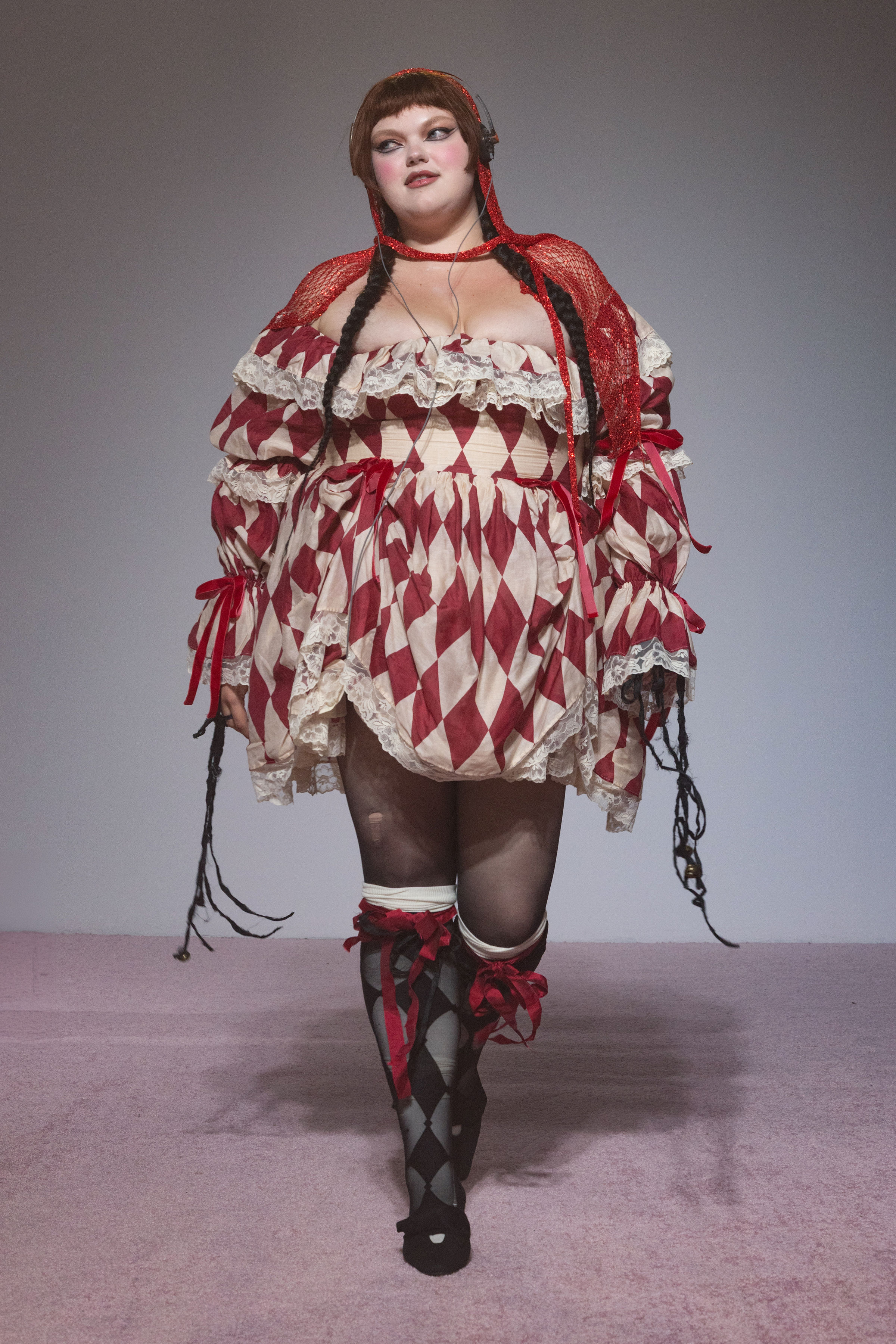
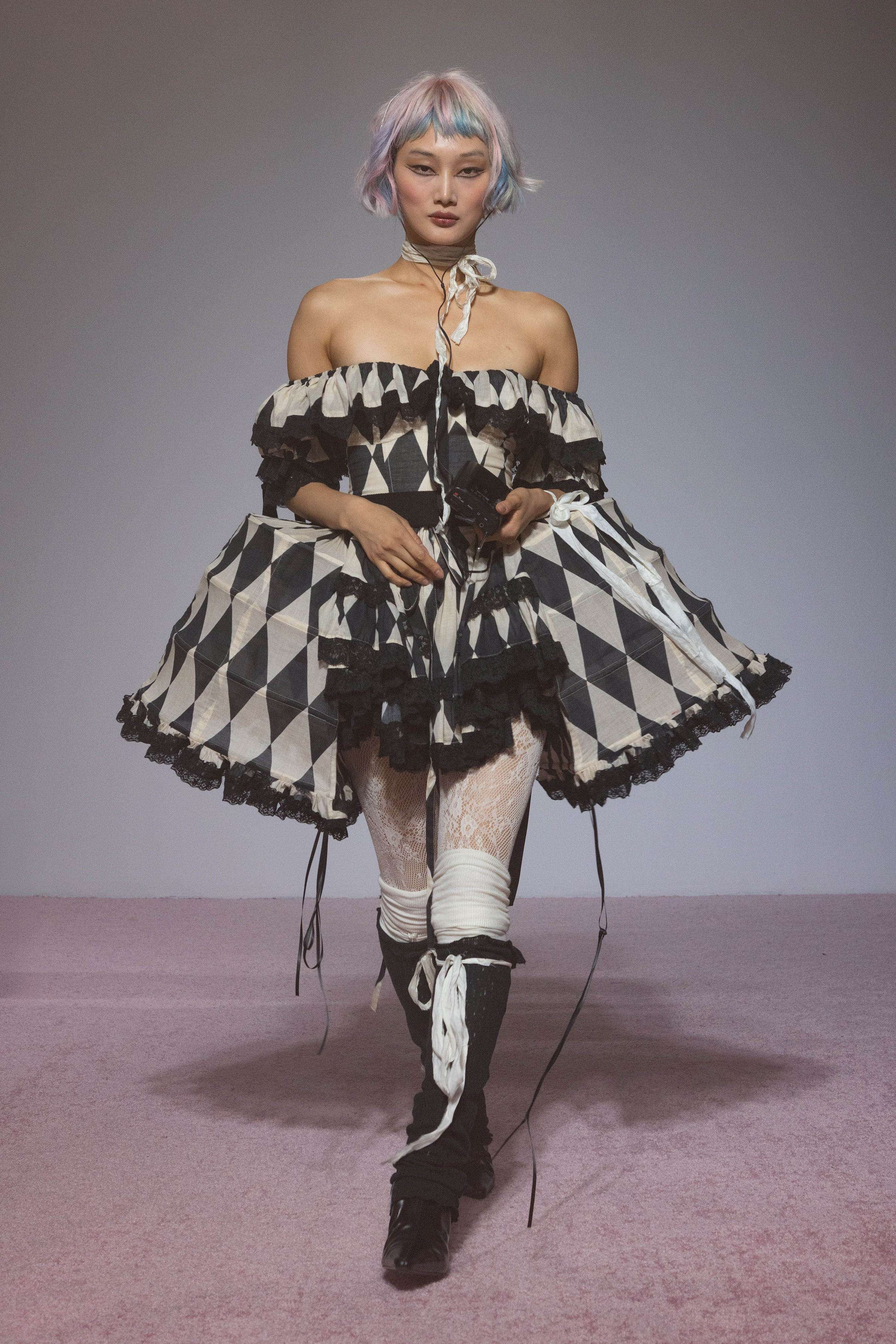
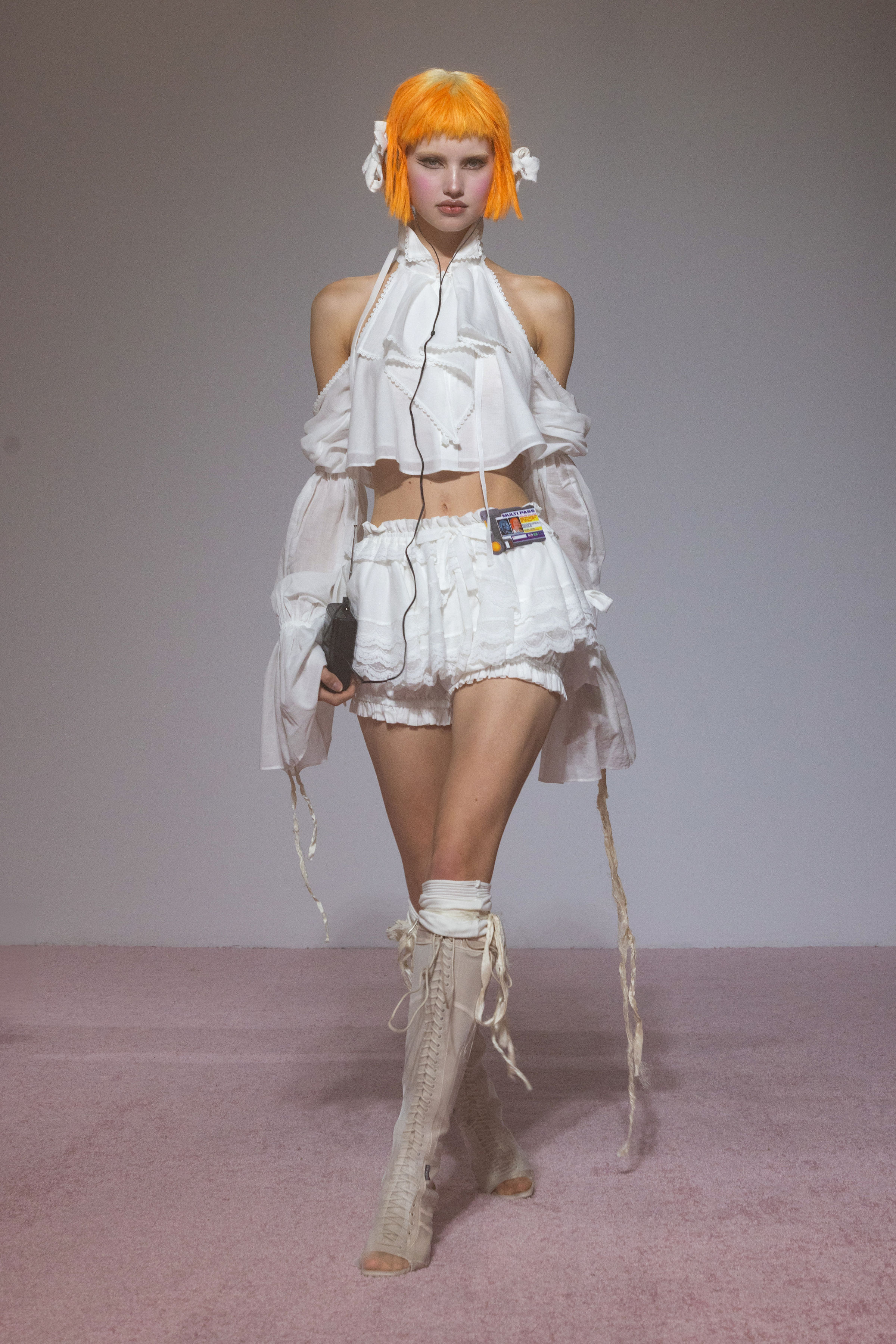
The show skillfully fused maritime folklore, historical fantasy, and circus imagery through Selkie’s distinctly feminine lens. On the runway, brought to life by a deeply inclusive casting that celebrates diverse bodies and identities, corsair and harlequin references alternated with sturdy armor, structured corsets, theatrical dresses, and dramatic silhouettes. Details in chain mail, religious jewelry, ocean shells, and exaggerated accessories pushed the brand’s imagination into uncharted and decidedly darker territory. The brand’s typically sugary, romantic garments shed their bon ton grace to take on an apocalyptic atmosphere: it is a true grunge Marie Antoinette who has abandoned Versailles to board a pirate ship, where fairytale volumes collide with an out of the ordinary warrior spirit.
Beauty & Backstage Details
The show’s beauty world marked the return of Linh Nguyen and Alexandra French. Completing the transformation is the brazen contrast between the decadent nobility of the face, characterized by a porcelain skin tone as clear and diaphanous as a doll, and the romantic grime of grunge.
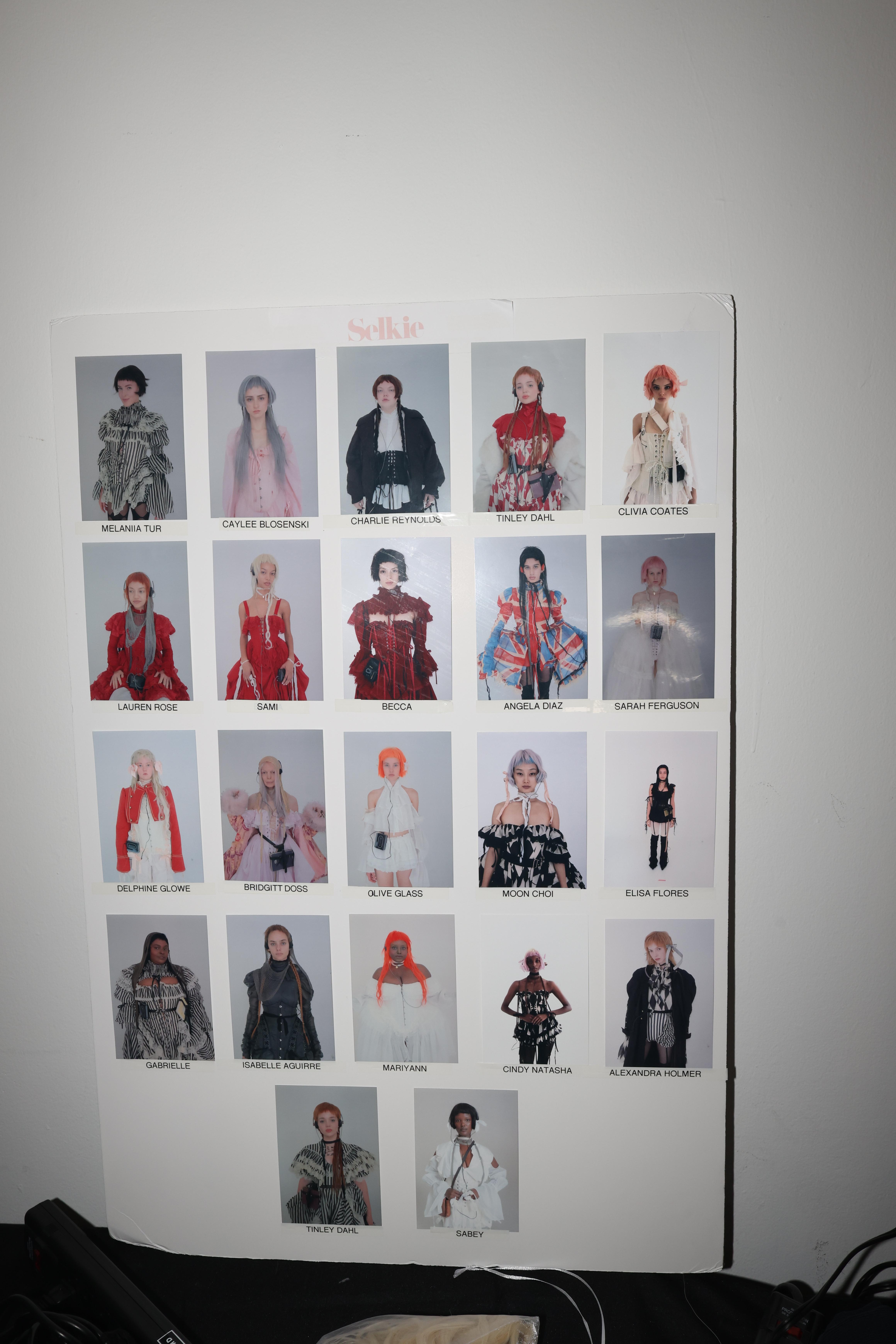
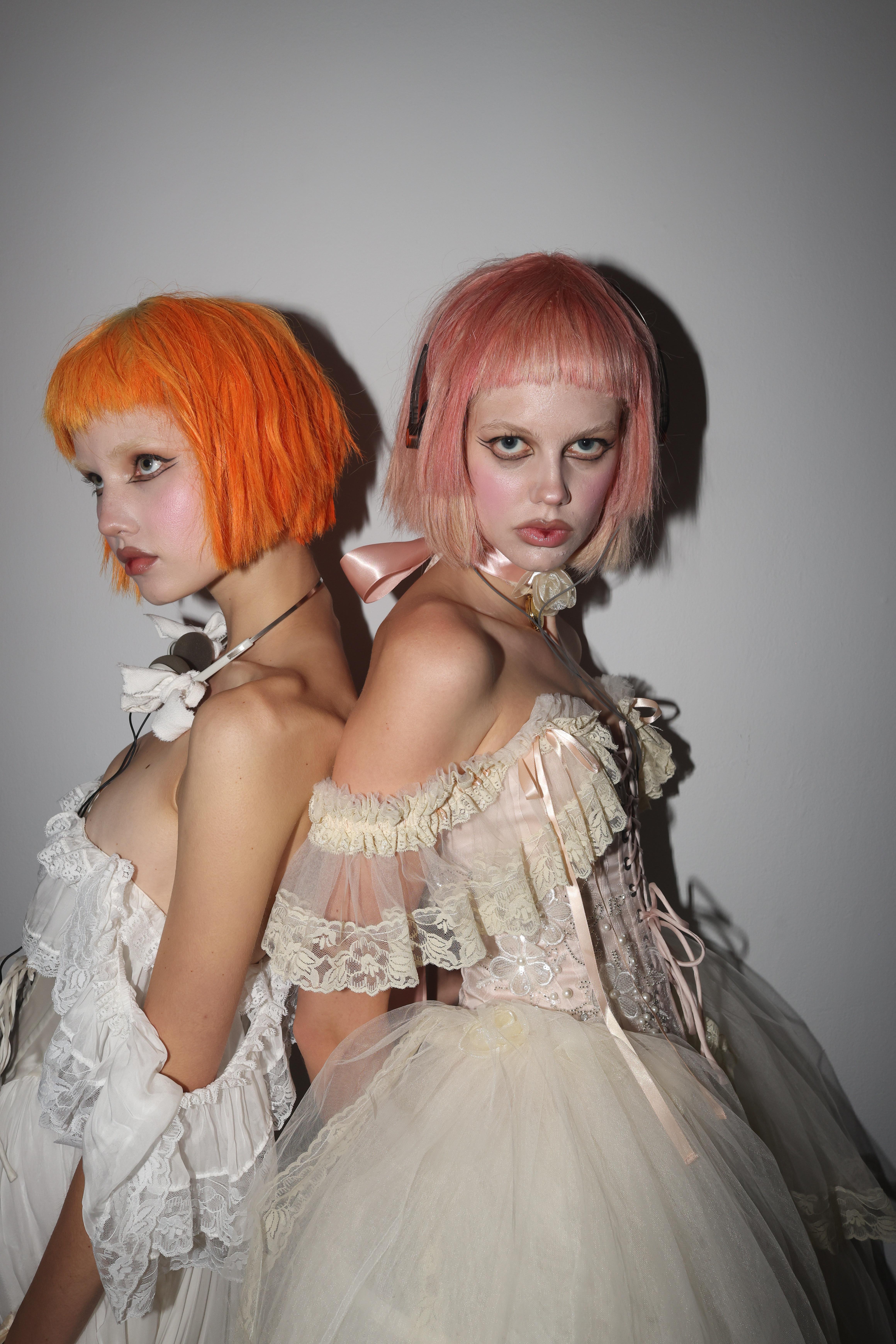
Nguyen curated the striking, lived-in hairstyles and precision cuts in collaboration with Cutler Salon, Redken, and EasiHair Pro, pairing baroque-inspired garments with a raw edge. Meanwhile, French returned as lead makeup artist in partnership with Urban Decay, conceiving a ghost clown porcelain doll look. The makeup, featuring a prominent circular blush and a graphic double winged liner, evoked the impression of a rebel queen who spent the night fighting on a command bridge amid storms and cosmic spaces. With their vibrant geometric bobs and striking, avant-garde framing, some of the looks immediately recall a famous nineties sci-fi cult film where an orange-haired supreme being and intergalactic warriors must fight against cosmic evil to save humanity from destruction.
Runway-to-Retail and Freedom of Expression
True to its innovative runway-to-retail model, Selkie made the entire collection immediately available for purchase alongside its runway debut. Through a narrative celebrating self-determination and personal choice, encapsulated by Gordon’s motto that “feminism is the freedom to choose the life you want”, The Ghost Ship proves to be not only a visually stunning presentation, but a radical invitation to dress and exist with absolute freedom. Beyond individual self-expression, collections like this reveal a deep, pressing necessity rather than a mere trend. For several brands today, translating an increasingly uncertain and, in many ways, dystopian future onto garments has become the only way to make sense of our present.
Giulia Calbi