On September 11 visionary fashion brand TTSWTRS returned to New York Fashion Week with one of the most conceptually rich presentations of the season. Held at Nine Orchard, the SS27 collection aptly titled Wonderland transformed the runway into an immersive intersection of fashion, film, technology, and surrealist imagination.
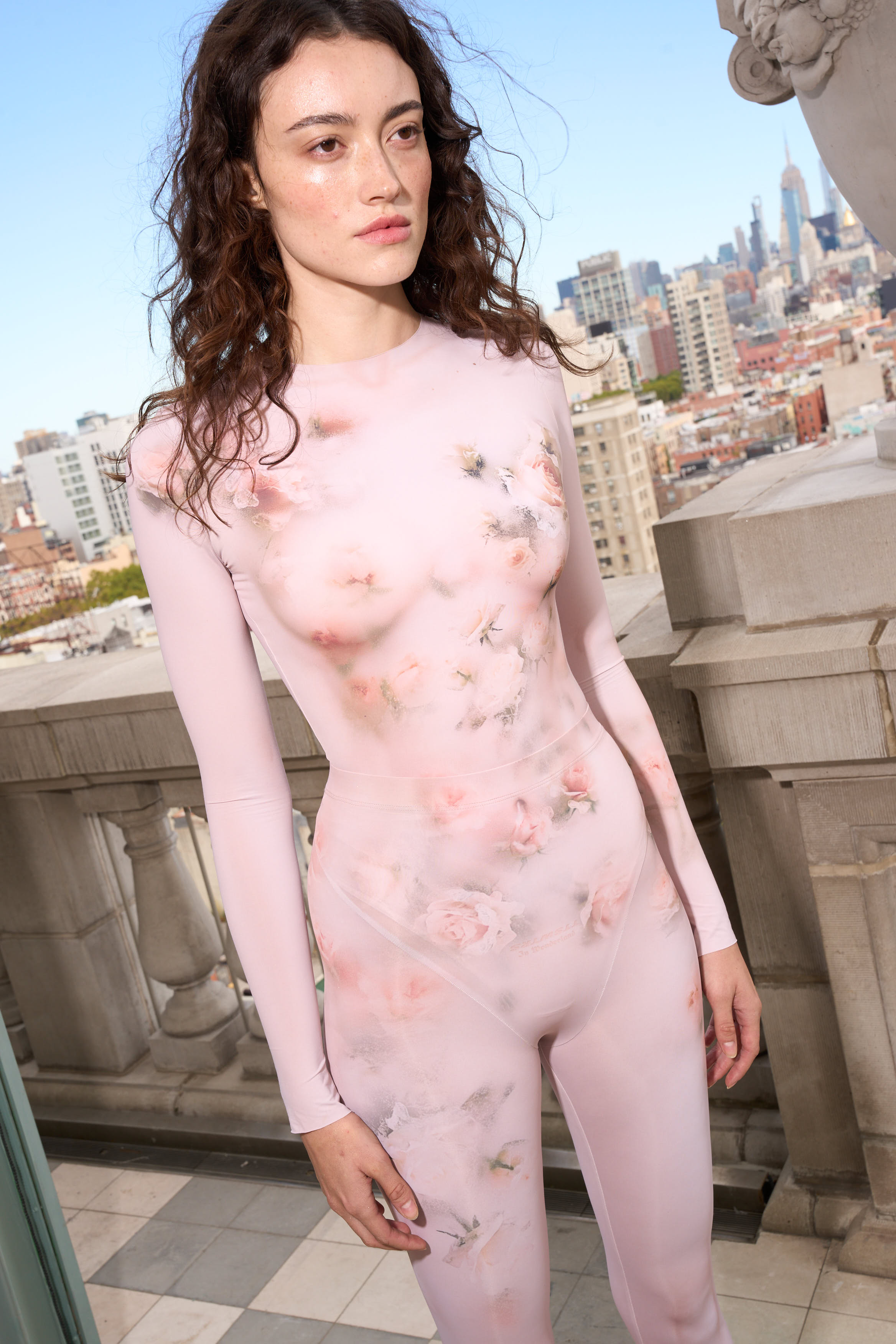
Founded in Kyiv in 2013 by former costume designer and stylist Anna Osmiekhina, TTSWTRS has built its global reputation on blurring the lines between fabric and skin, using signature tattoo illusion mesh to turn the human body into a living canvas. This season, however, the brand expanded its universe into a full scale digital and physical ecosystem.
Step Into Wonderland: The Concept and the Runway
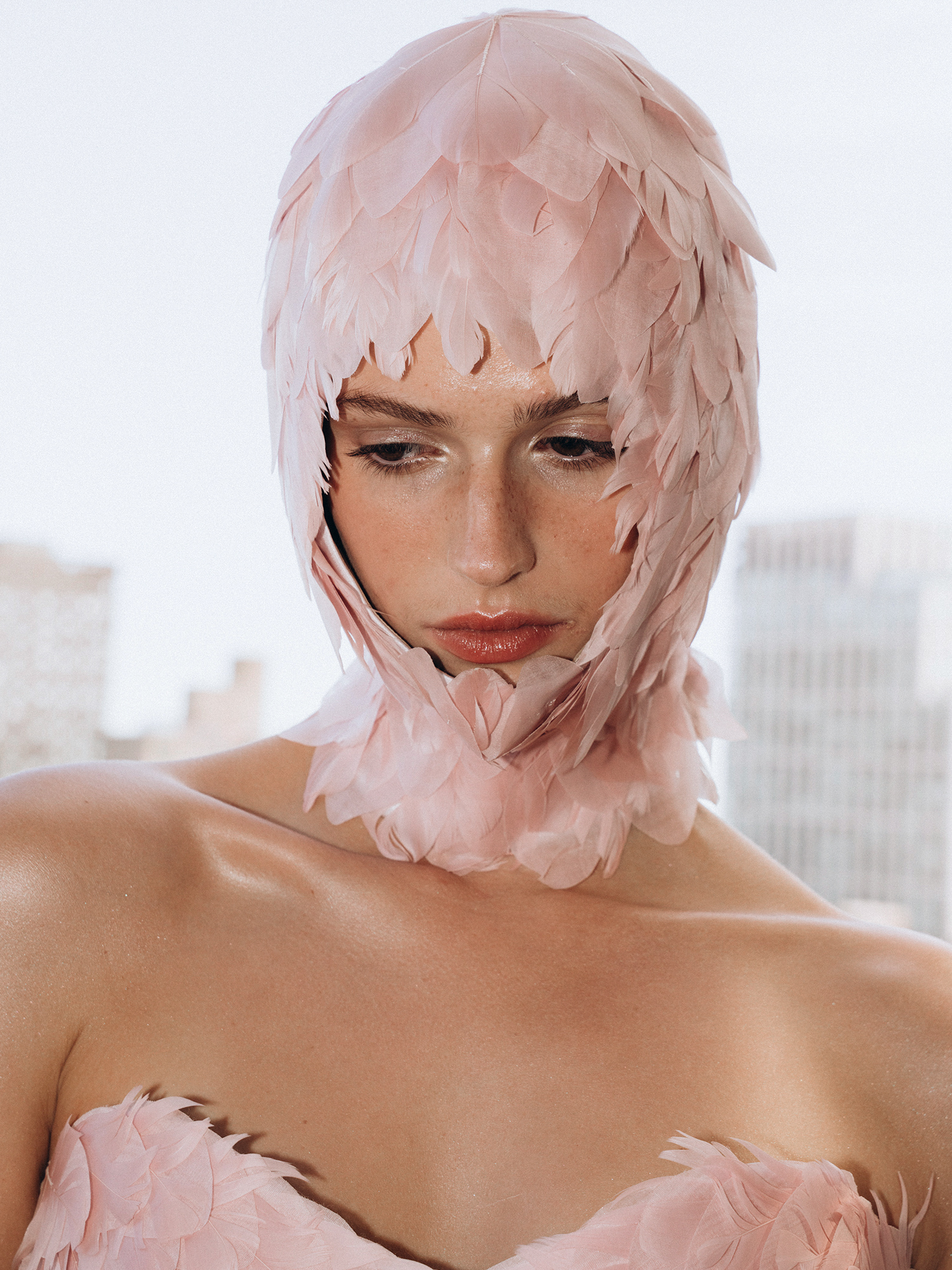
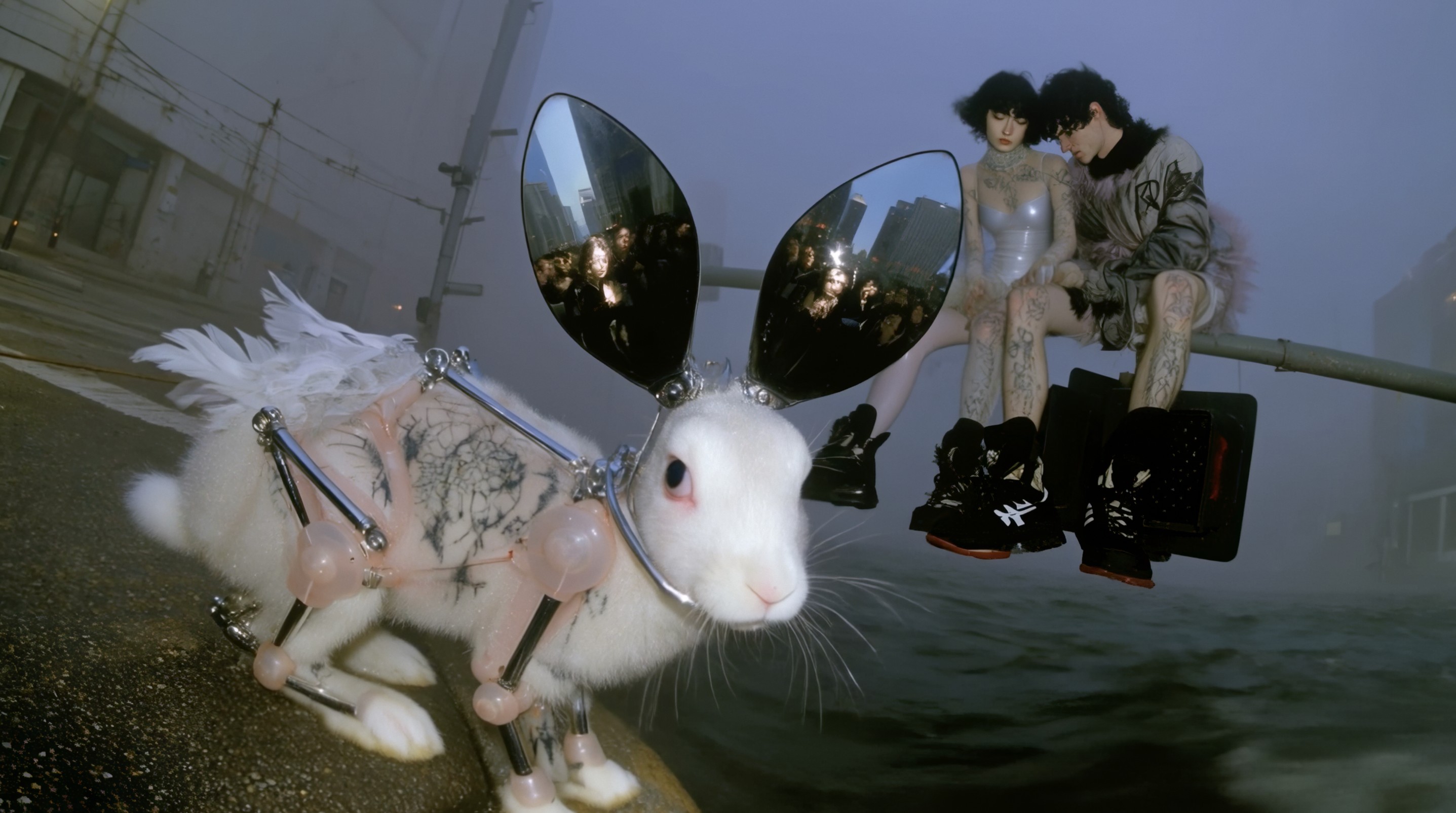
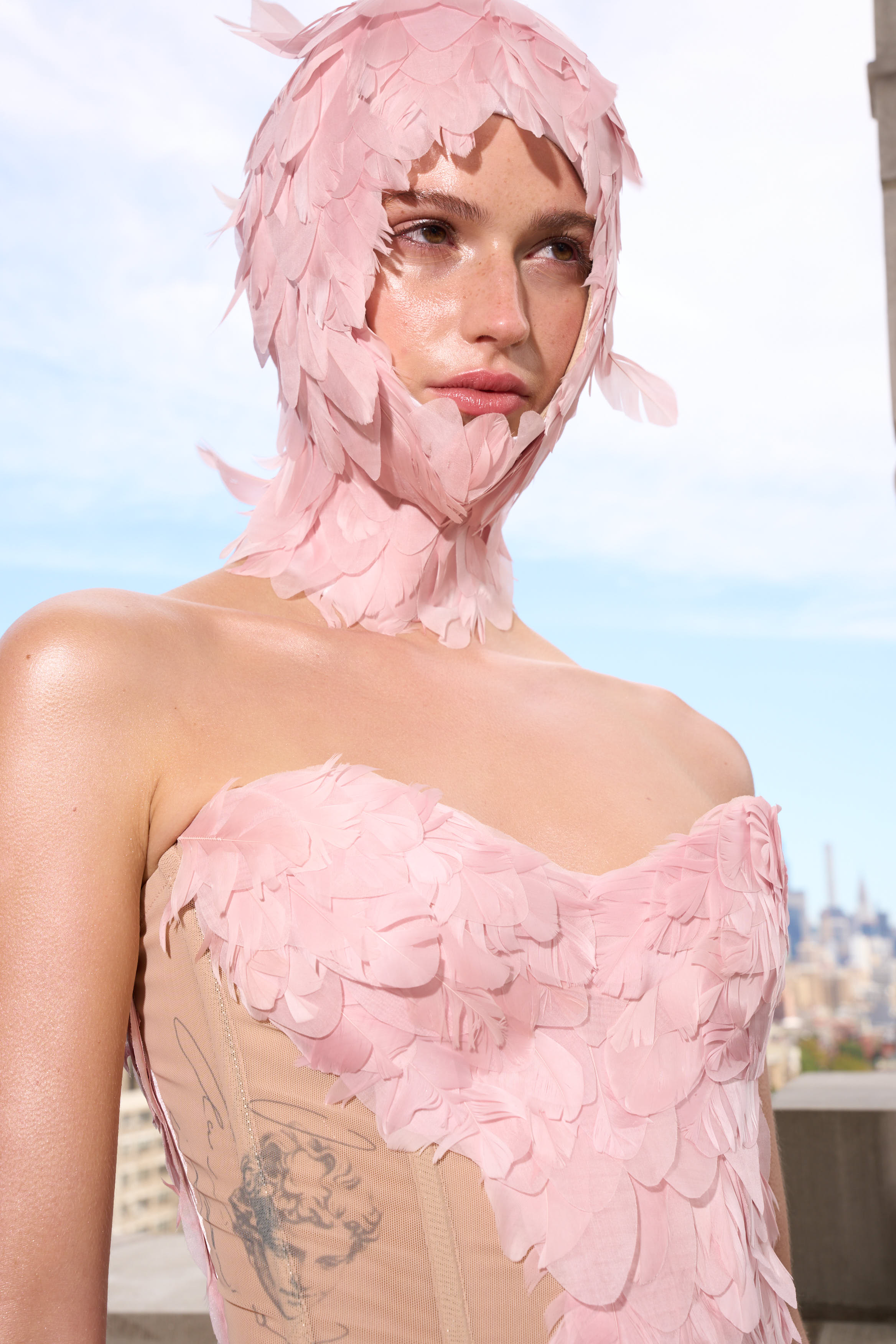
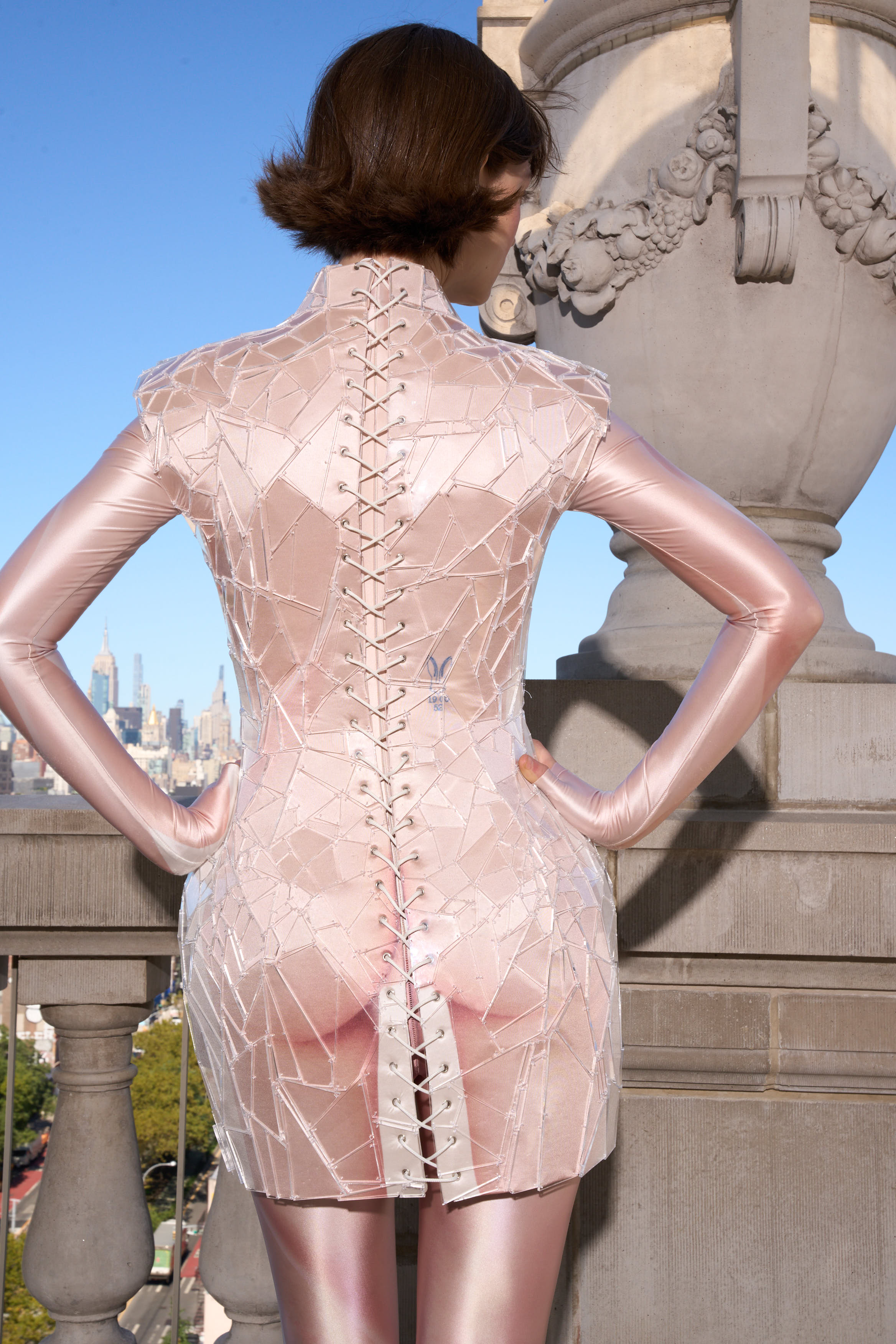
Drawing on the logic of a world where familiar things become strange, Wonderland felt like an avant garde fairy tale brought to life. Models moved through the space as otherworldly inhabitants, guided by subtle yet powerful artistic cues: references to a mysterious white rabbit, eccentric tea parties, cracked porcelain, frozen flowers, and flamingo like creatures.
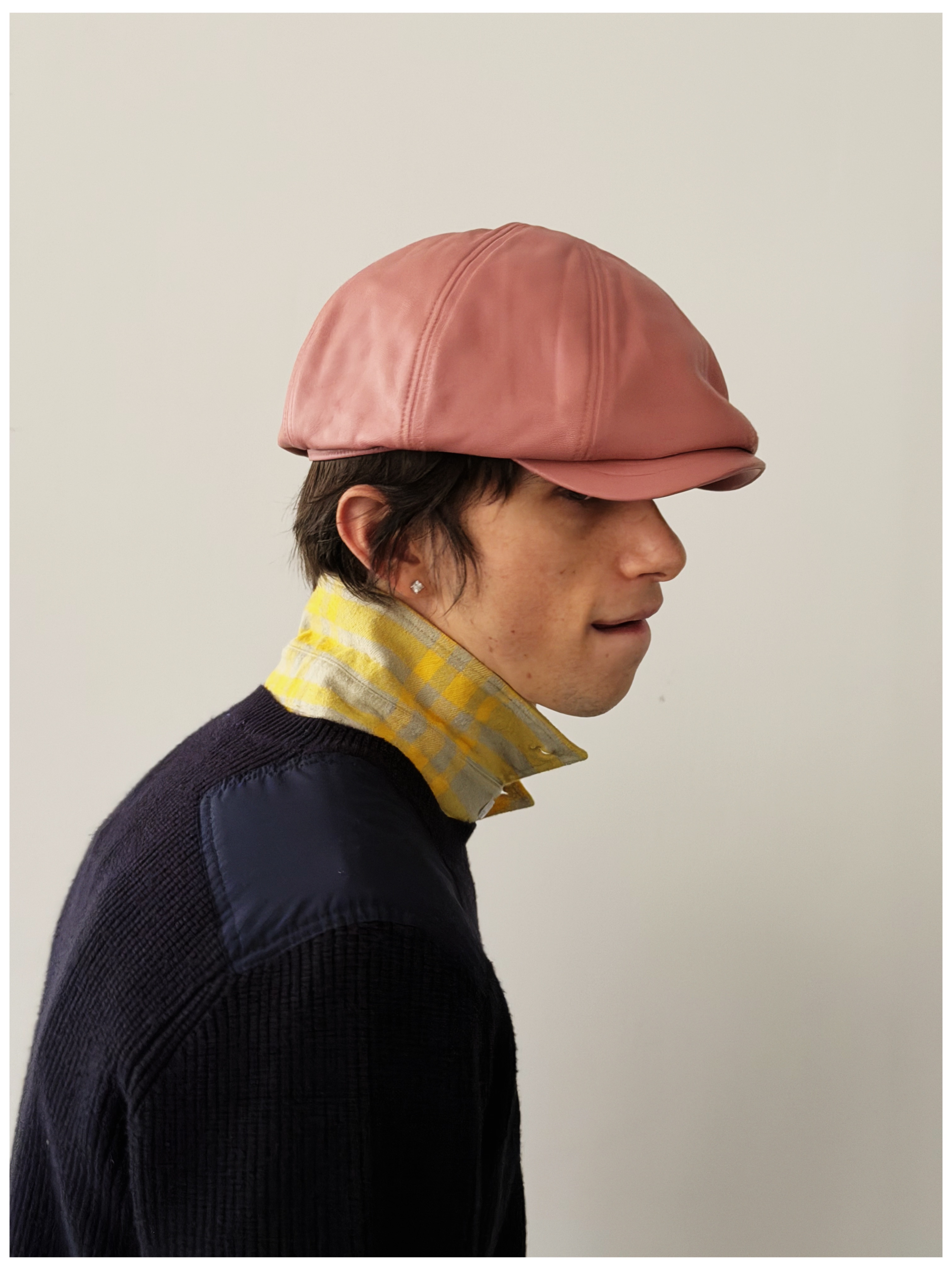
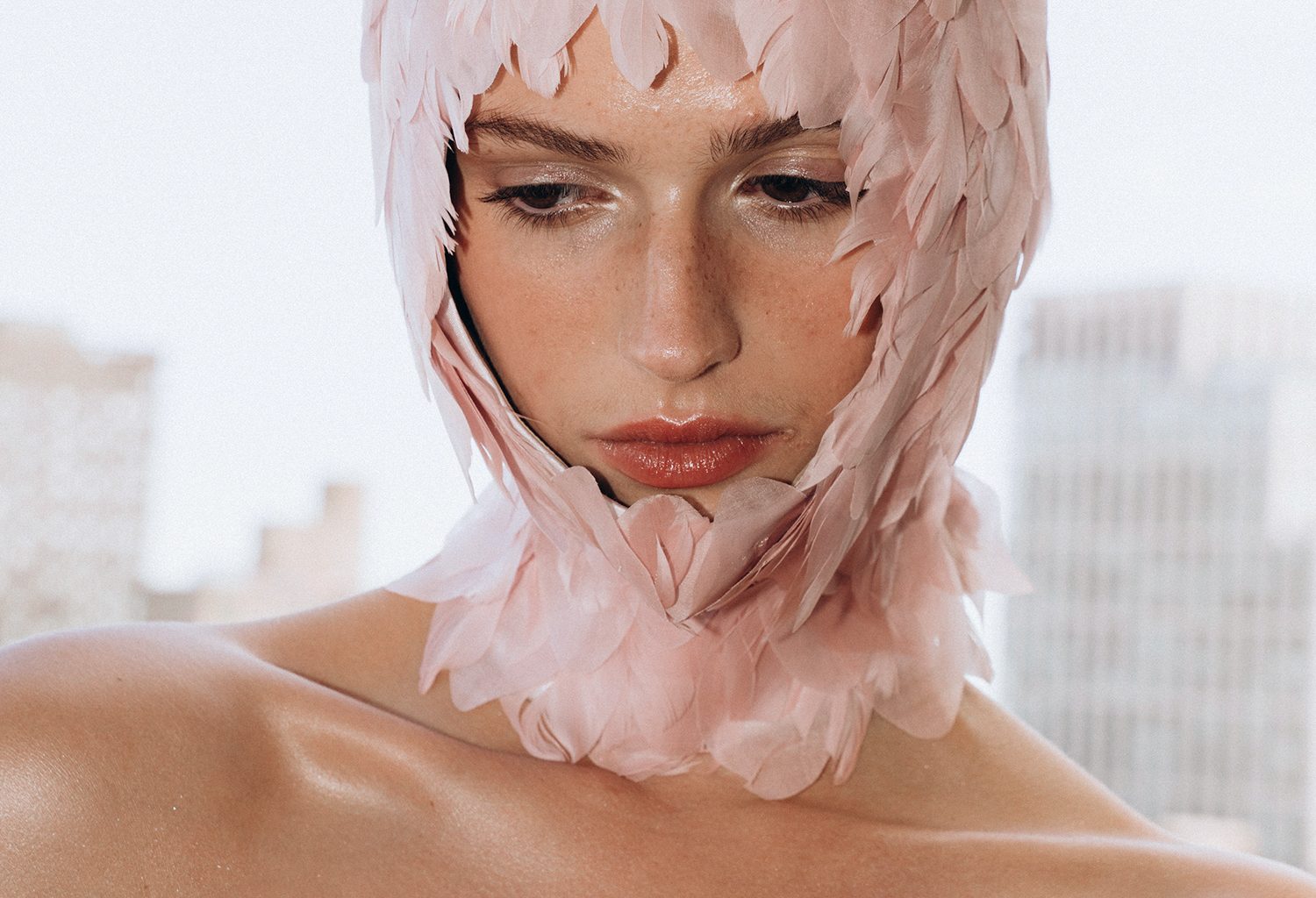
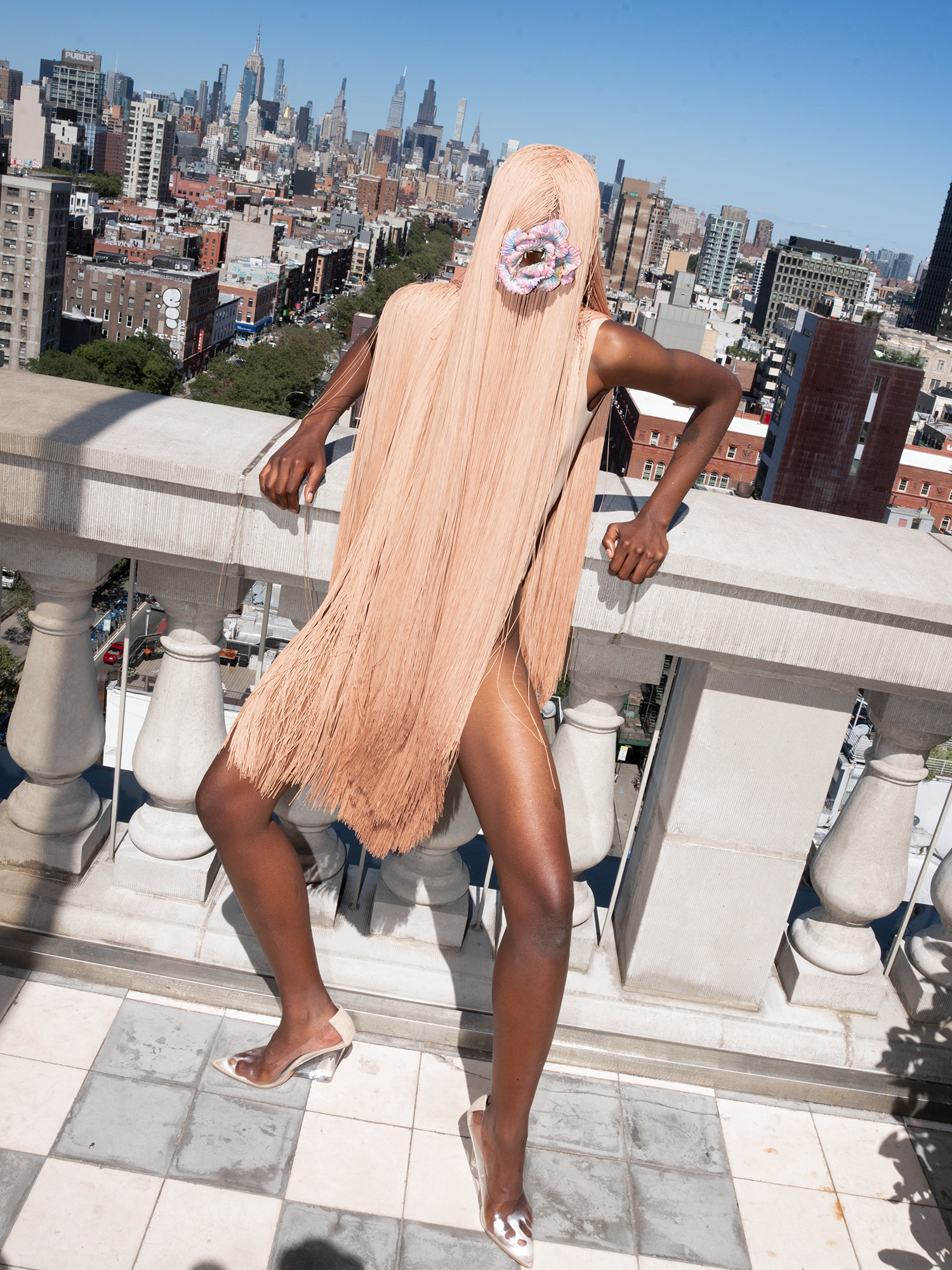
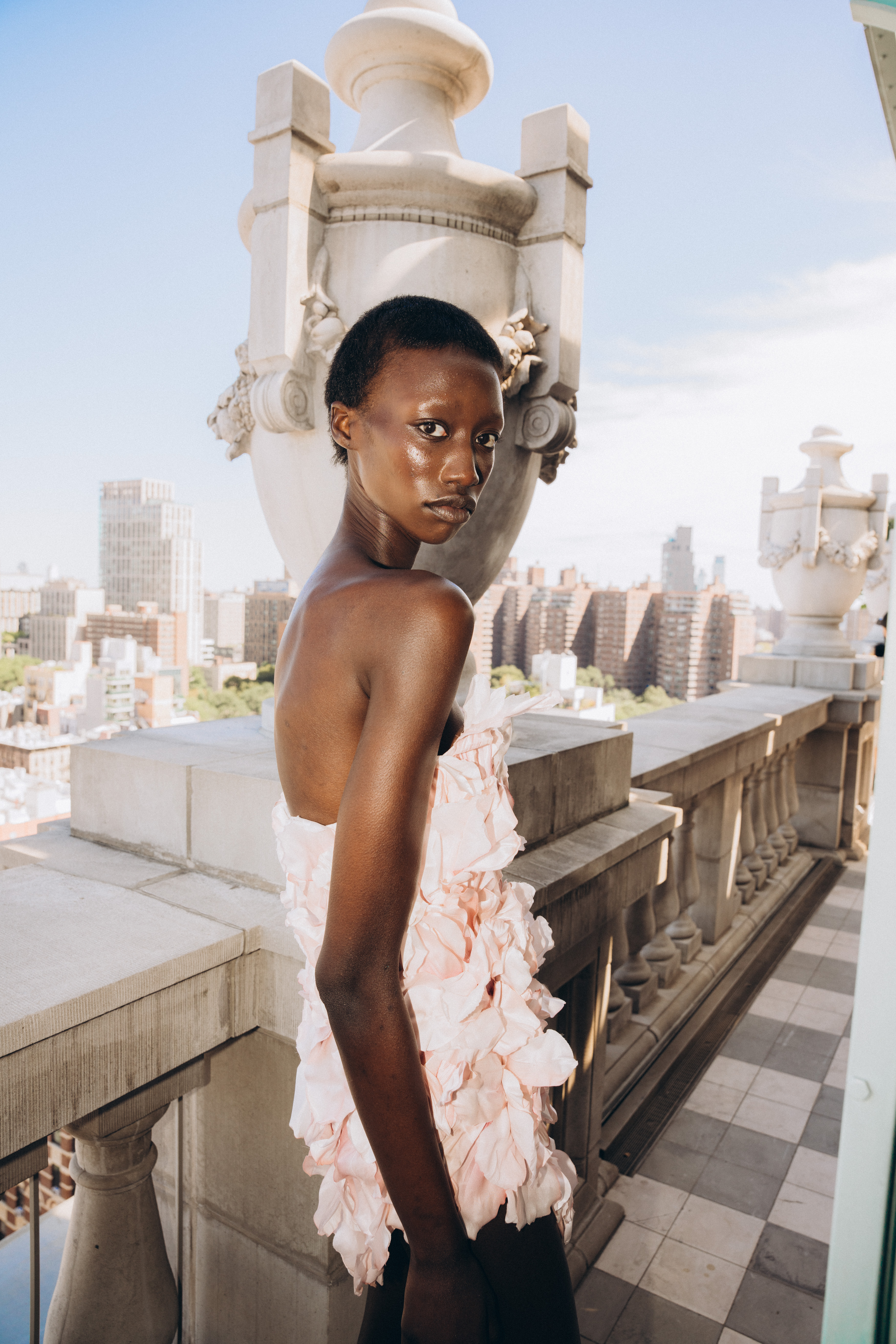
The garments themselves pushed experimental boundaries. Natural and unconventional materials took center stage: such as raffia woven into primary structures and sculptural hats, and vivid pink organza layered to mimic the texture of real feathers. Flowers appeared in contrasting states (frozen and uncanny versus intensely lifelike), while signature fringe was reinterpreted into exaggerated architectural contours that reshaped the natural architecture of the body.
Fashion Meets Extended Reality XR and AI
What truly set the presentation apart was its cutting edge technological integration. At the core of the experience was an original AI generated short film developed from a concept by Anna Osmiekhina in collaboration with Italian AI artist and photographer Eugenio Marongiu, known as Katsukokoiso.ai.
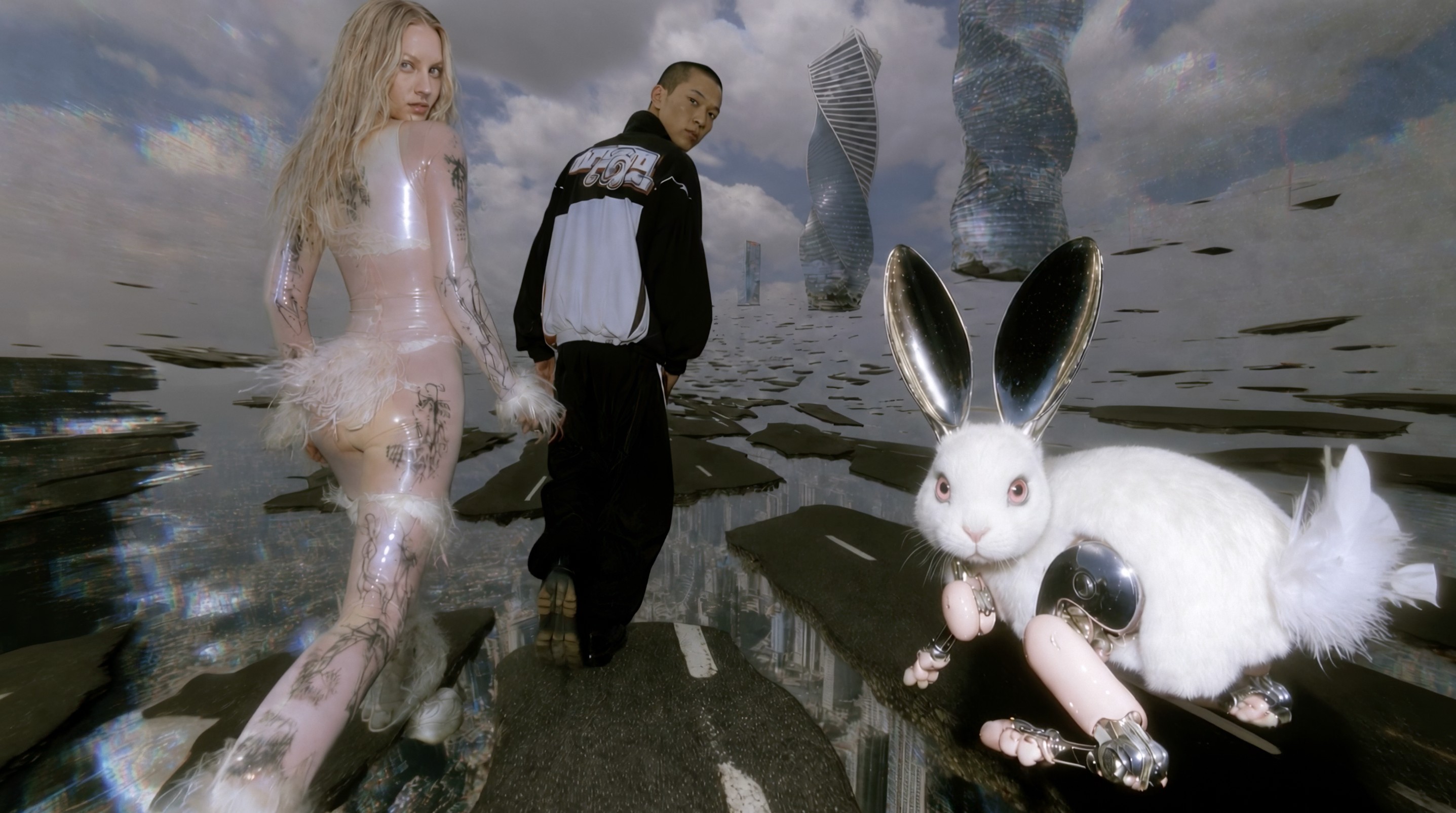
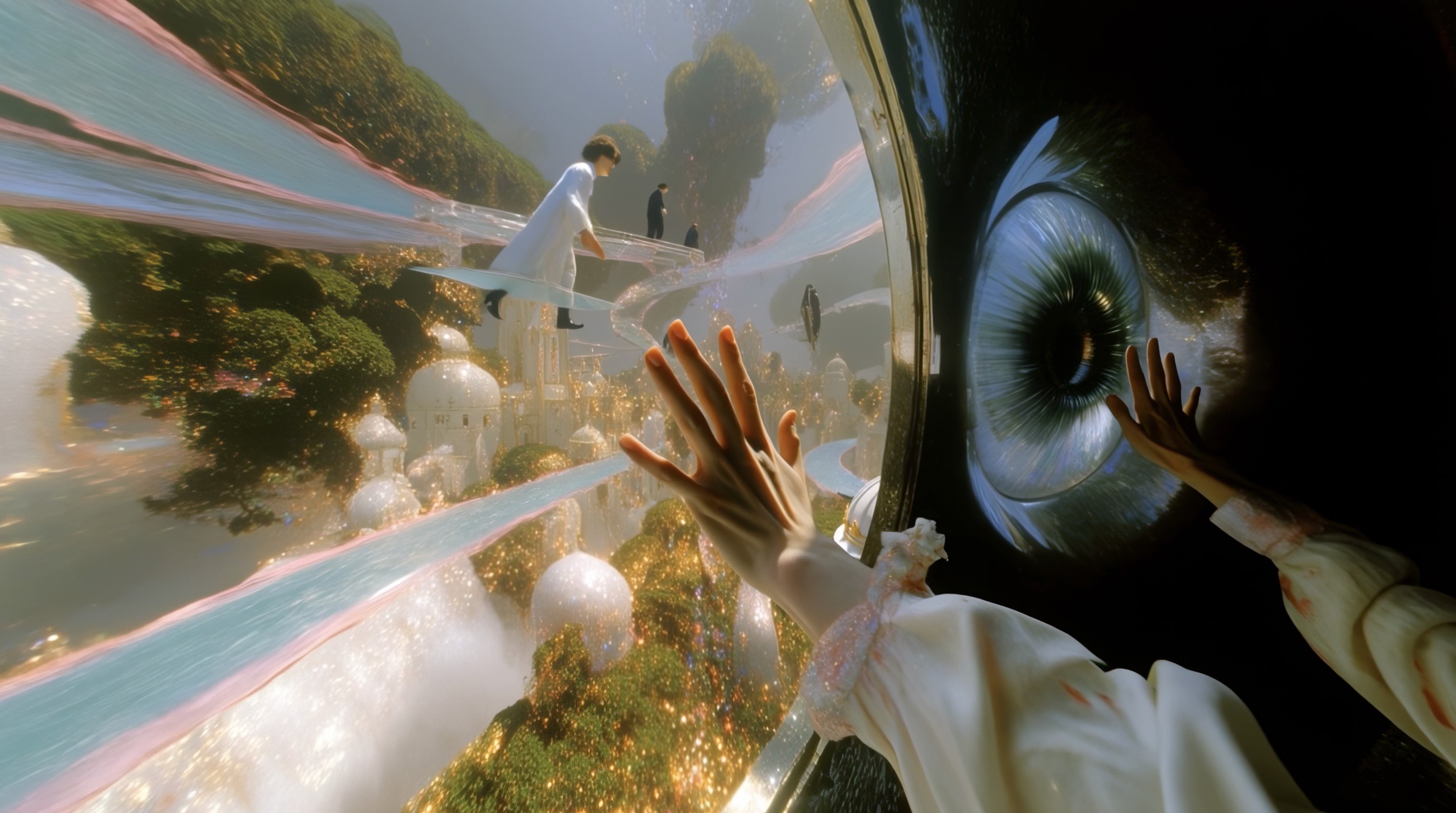
The film serves as a powerful narrative statement. Guided by a white rabbit, viewers are initially pulled into a serene dreamlike landscape before the environment shifts into a darker reflection of reality: one defined by overproduction, excess, and ecological disconnection. Yet, the narrative ends on a hopeful note of restoration: a vision of nature healed and humanity coexisting harmoniously with the planet.
Looking Beyond the Present
Wonderland proves that fashion can be much more than clothing, it can be a medium for environmental reflection and technological storytelling. As TTSWTRS continues to push the boundaries of identity and self expression, this collection stands as a reminder that the future is not yet fixed, and that alternative realities remain within our grasp. By exploring the use of artificial intelligence not to sweeten or confuse reality, but to expose it through a dystopian lens, the brand gives us back the image of a world on the edge, where certainties collapse and perhaps forces us to realize that this “wonderland” no longer exists.
Giulia Calbi