The third chapter of Vanity Teen’s Venice 2026 conversations with a new generation of filmmakers and actors brings us to Milan, the backseat of a scooter, and the restless energy of a city that promises everything while quietly keeping score.
For Lorenzo Aloi, Rider is not simply a story about delivering food through the night. It is about movement, and what happens when moving forward doesn’t necessarily mean getting anywhere. Directed by Roan Johnson and Davide Pavanello, the closing film of the Settimana Internazionale della Critica follows Sami, a young rider navigating Milan between precarious work, desire, music and the possibility of a different life.
But beneath the rhythm of the city, there is something more uncomfortable: the feeling of a generation constantly pedalling towards a dream that may have never been designed for them.
In conversation with Vanity Teen, Lorenzo talks about acting as a form of self-discovery, the tricks and freedom of becoming someone else, Milan as both dream and injustice, and the strange moment when passion becomes a profession. No red carpet mythology, no polished answers: just a young actor trying to understand what it means to keep moving without losing the reason why he started.
The third voice in our Venice 2026 series, where young talents presenting their films at Critics’ Week look beyond cinema, and into the world that shaped them.
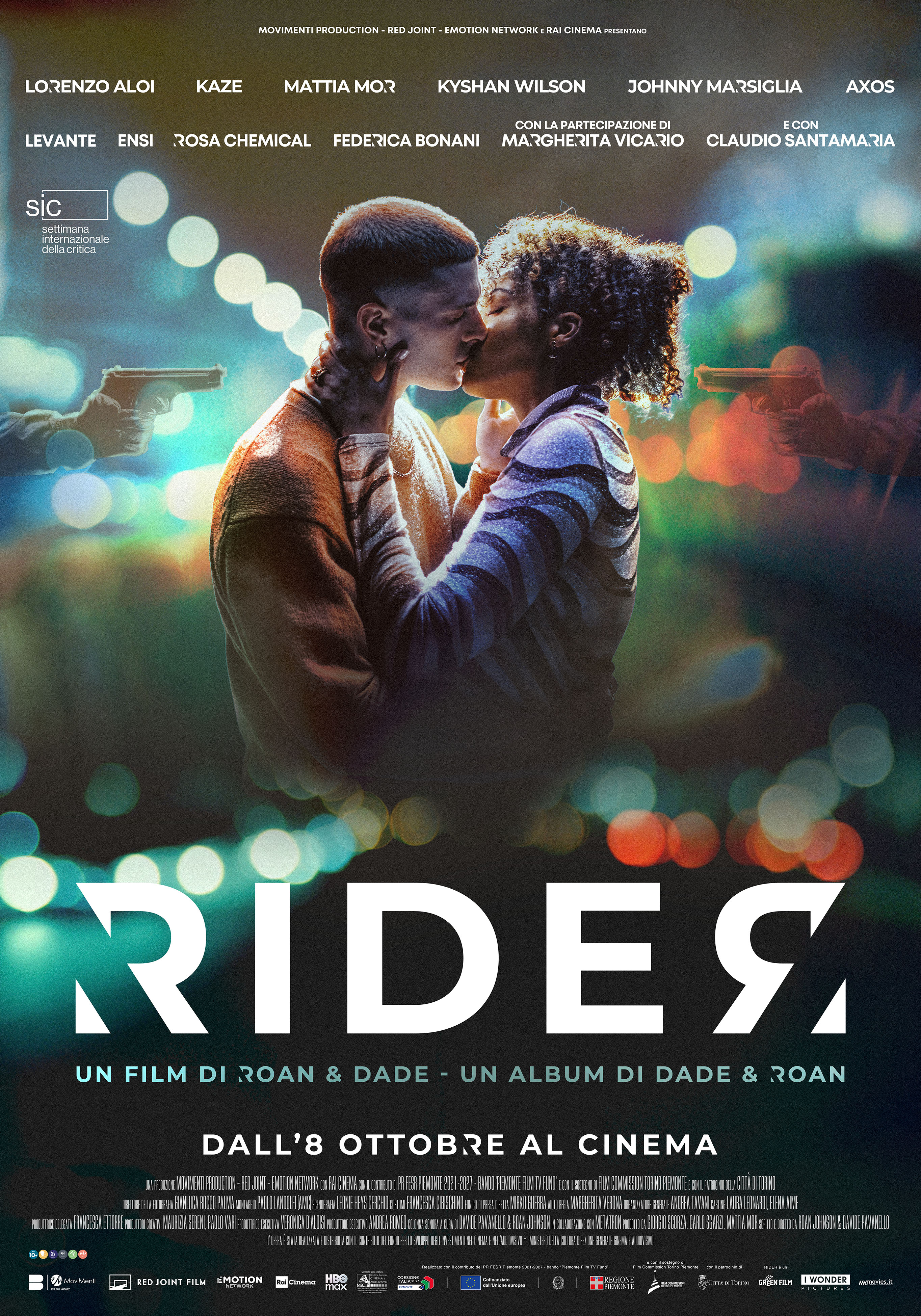
You’ve already moved through theatre, cinema and television, but every new role seems to place you inside a different version of young masculinity. What are you still trying to discover about yourself through acting?
I think there are many different ways of approaching acting. Whatever the approach, though, you inevitably work through your own body, sensitivity and intelligence. I therefore believe that studying and discovering what lies outside yourself – the character, the story, the world you are portraying – inevitably goes hand in hand with a process of introspection and self-analysis.
An actor’s tools are their own body, their own life and their own experience. And I believe that, in order to work with increasing precision across the potentially limitless range of characters that exist, an actor necessarily has to learn to know and discover themselves as deeply as possible.
I don’t know what I still have to discover about myself. And I also wonder whether it is actually possible to know that there is something you have yet to discover when you already know what you want to find. But what I have been learning over the years is that my professional journey has inevitably merged with a much more intimate and psychological one, connected to my self-esteem, my freedom from judgement, and my own tendency to judge. I know that my work will allow me to keep discovering new things about myself, but without ever knowing beforehand what those things will be.
Do you think becoming an actor has made you more comfortable with being yourself, or has it simply taught you how to become better at becoming someone else?
A lot can happen during a creative process. You can have satisfying insights, just as you can make embarrassing mistakes. Working as an actor – and going to therapy – is teaching me to embrace every one of these aspects without ever considering an attempt a failure. I’ll be honest and say that this is something I’m still working on, and that accepting this process does not come naturally to me, even though I understand it rationally.
Acting is helping me feel more comfortable with that freer part of myself, the part that tends to just go for it, even at the risk of getting things wrong. And then, of course, acting is also (perhaps above all?) a wonderful game made up of tricks and deception. So yes, being lucky enough to play different characters allows you to become better and more convincing at making something that doesn’t belong to you feel as though it does.
In Rider, work, romance, music and the city all collide over the course of one night. What does Milan look like when you stop seeing it as a postcard and start seeing it through the eyes of someone who has to survive it?
I think Milan is a very powerful symbolic embodiment of an Italy that is becoming increasingly fragmented and contradictory. Italy is the country of luxury, major brands, great food and all the imagery we are familiar with, but it is also one of the European countries with the most precarious employment conditions, a stagnant economic structure and limited opportunities for growth. For my generation in particular, this creates a devastating sense of anger and powerlessness.
Milan is perhaps the city that, more than any other, encapsulates the inequalities within our society: a centre of business and production, but also a city with struggling outskirts. A city with outrageous prices and a huge number of people who simply cannot afford them. A city where, for example, moving there to study is virtually impossible unless you can afford to pay a thousand euros a month for a 25-square-metre shoebox.
Milan can therefore represent a dream and an opportunity, but at the same time it can embody a profound sense of injustice and inequality, always ready to shut you out.
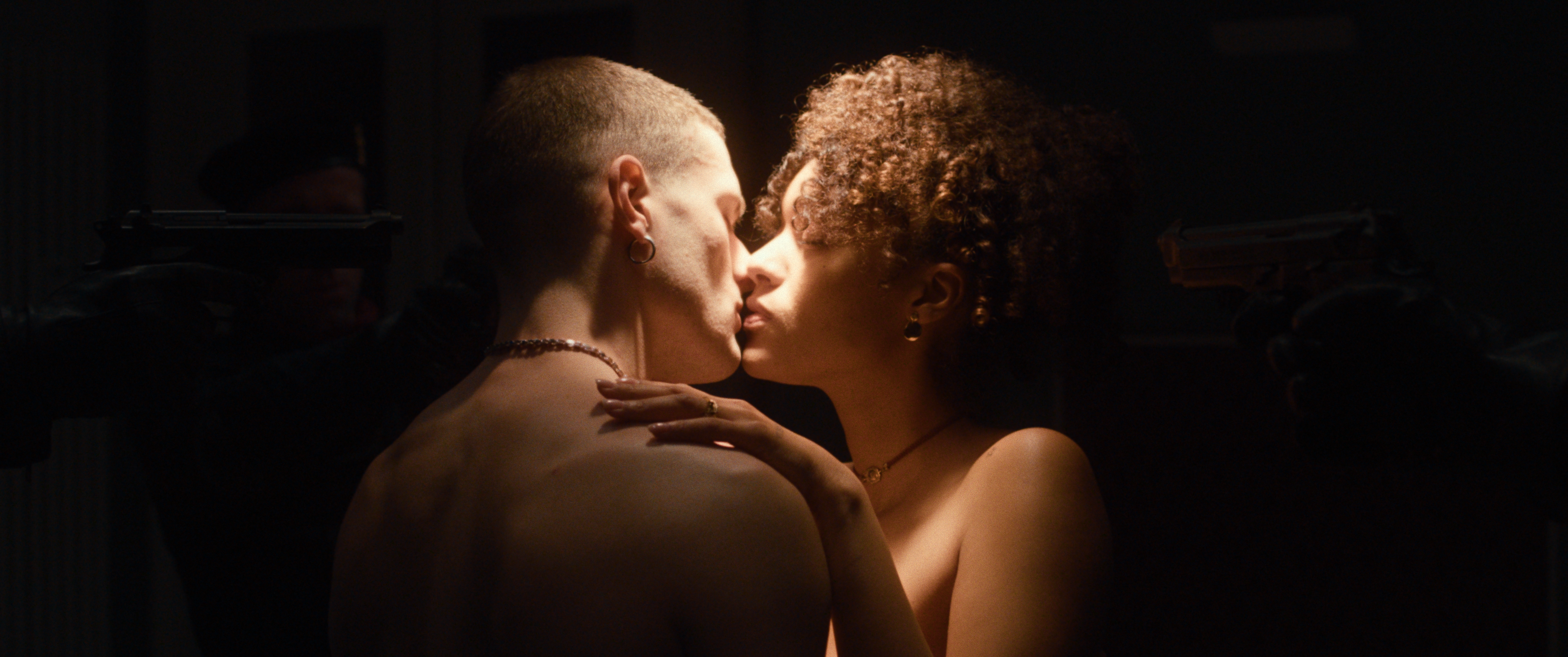
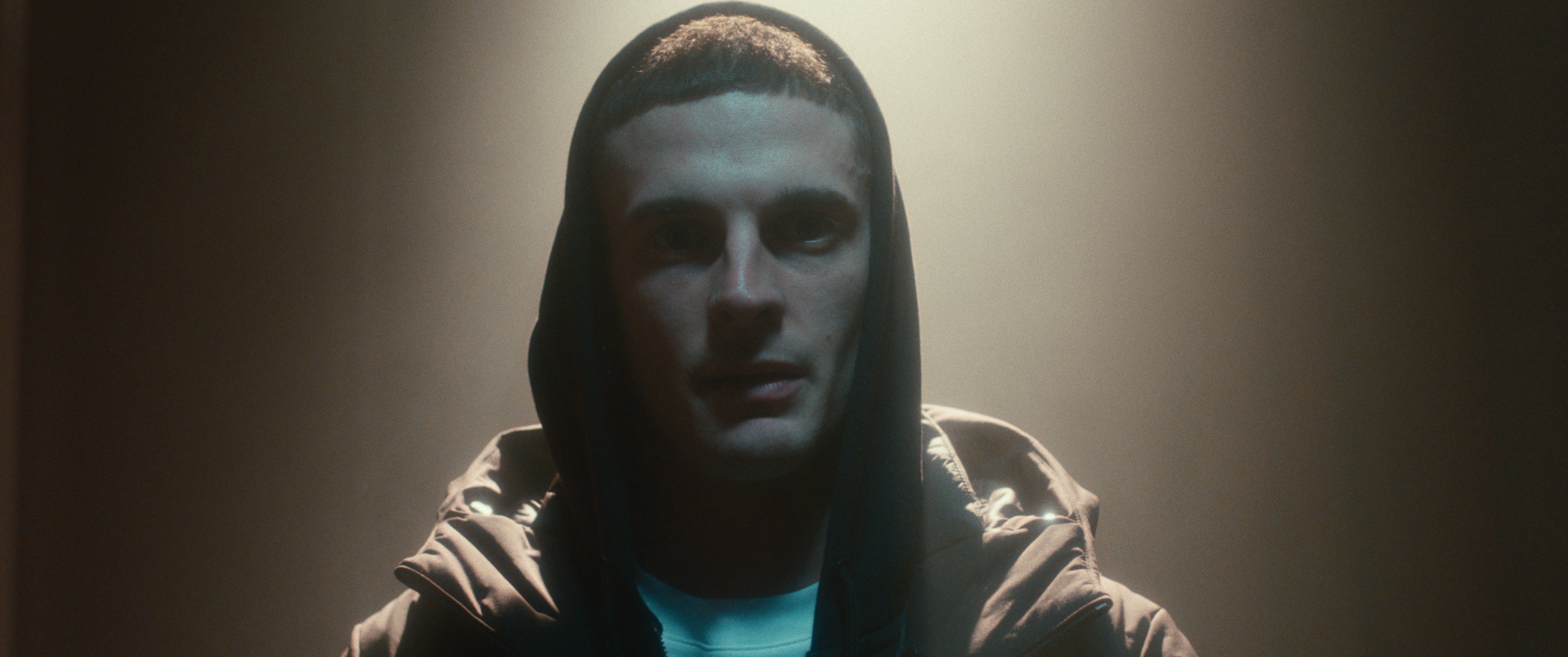
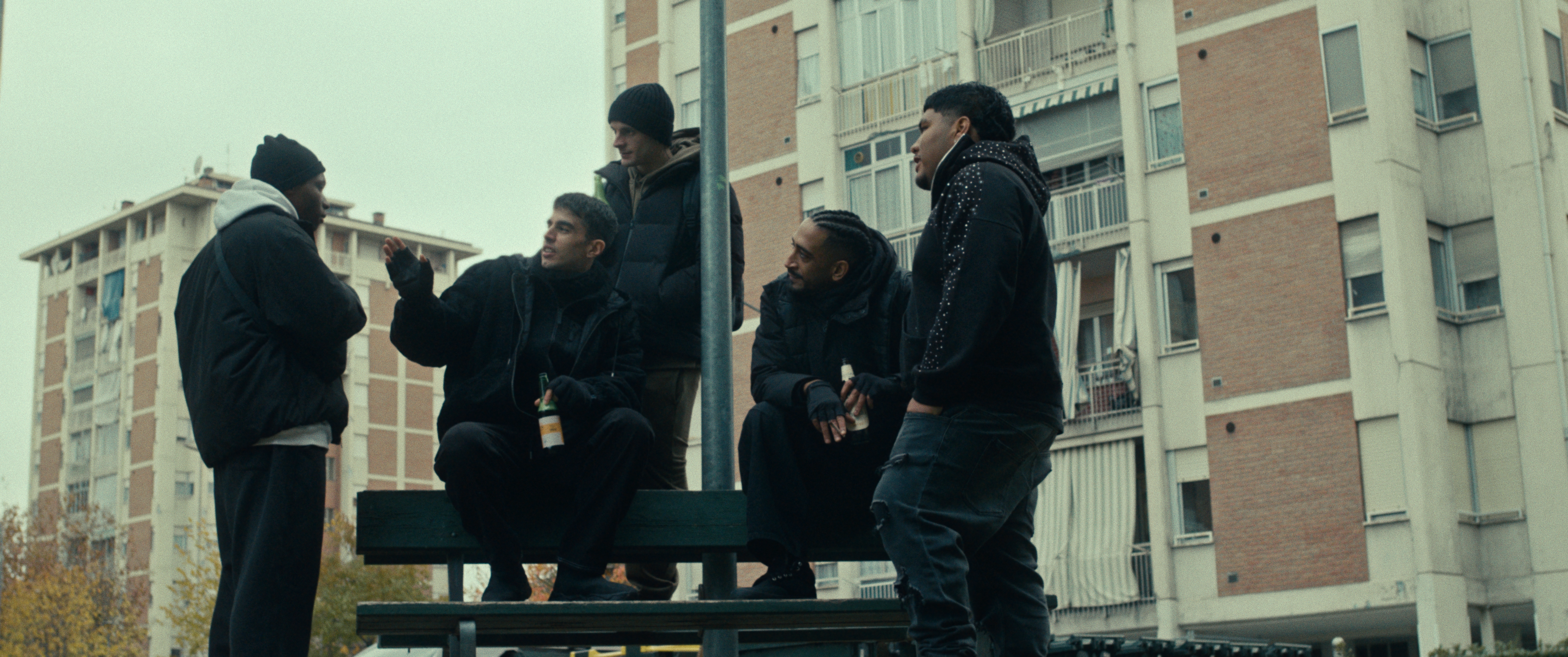
Sami spends his nights moving through the city while everyone else seems to be going somewhere else. What is he really delivering: food, love, or maybe a version of himself he hasn’t met yet?
Sami, as he says himself in the film, is looking for a breakthrough. He pedals and moves constantly through the fabric of Milan, driven by a hope fuelled by the dream the city seems to offer. Yet his constant movement towards that dream is, in reality, the movement of one of the mechanisms that allows that very same dream to be lived by someone else: someone who is, of course, wealthier and better suited to the city.
Write a letter to your future self on the back of a delivery receipt. What would you hope that version of Lorenzo has finally learned to stop chasing?
From where Lorenzo is today, with the perspective I have right now, I find it genuinely difficult to answer.
When something you love doing becomes your job, the internal mechanism that governs your relationship with it changes, and expectations, predictions and calculations begin to come into play. I think the problem arises when these new layers settle in and eventually cause the original motivation to harden and become buried beneath them.
The passion underneath it all – the kind that, when you are a child, makes you do something until you are exhausted simply because you love doing it – is the most powerful artistic drive there is. As time goes by, I hope I can stop chasing anything other than that pure, selfless desire to play and use my imagination. Everything else, however inevitable some of it may be, I don’t think really matters.
So I hope I will always be able to listen without allowing myself to be influenced, and that I won’t chase external approval as a measure of my own worth.
Press Relations: Golin Ketchum