



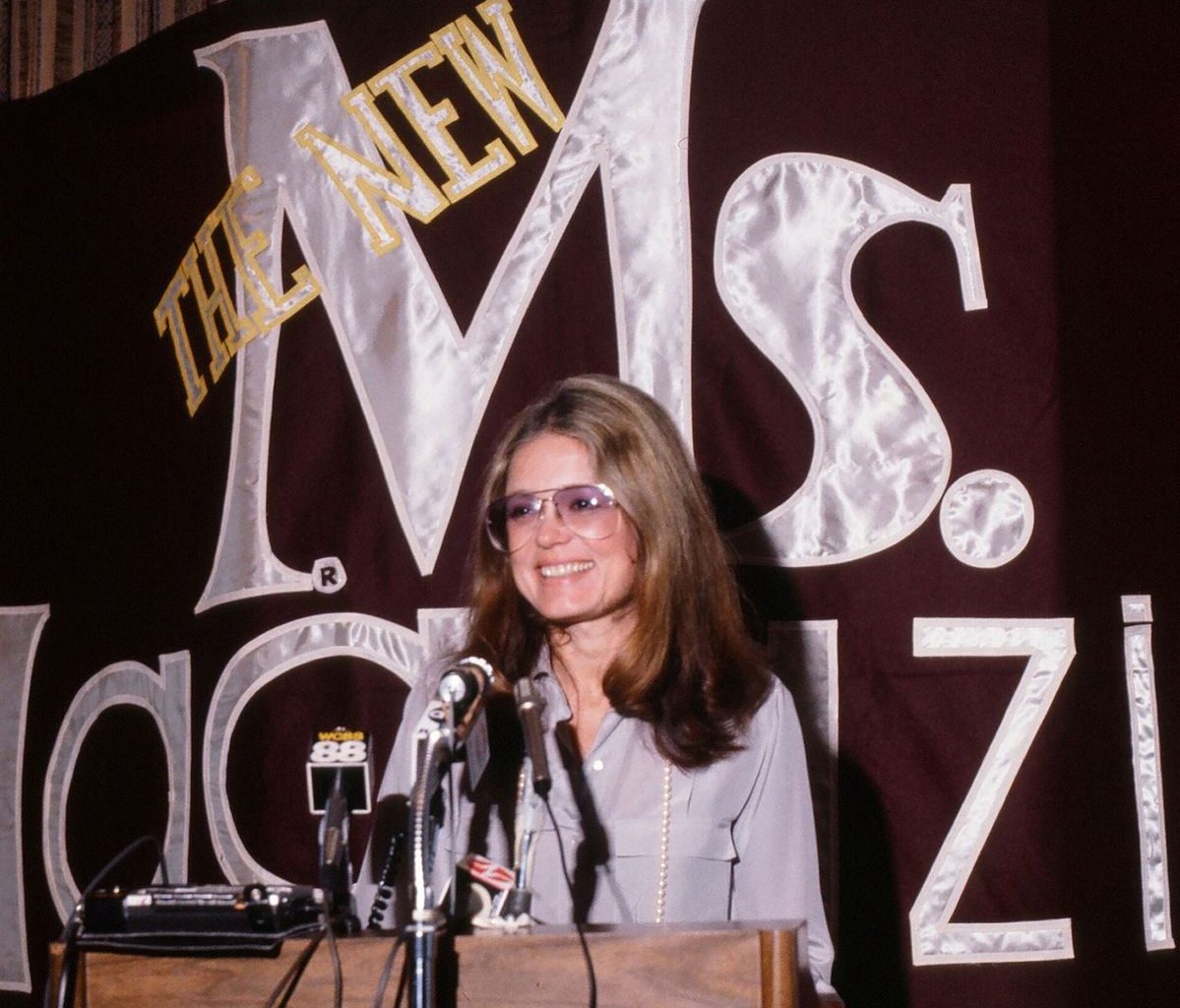
Gloria Steinem, one of the most influential voices of American feminism, has died at 92. From going undercover as a Playboy Bunny to bringing women’s rights into the mainstream, she spent her life challenging the rules society had written for women.
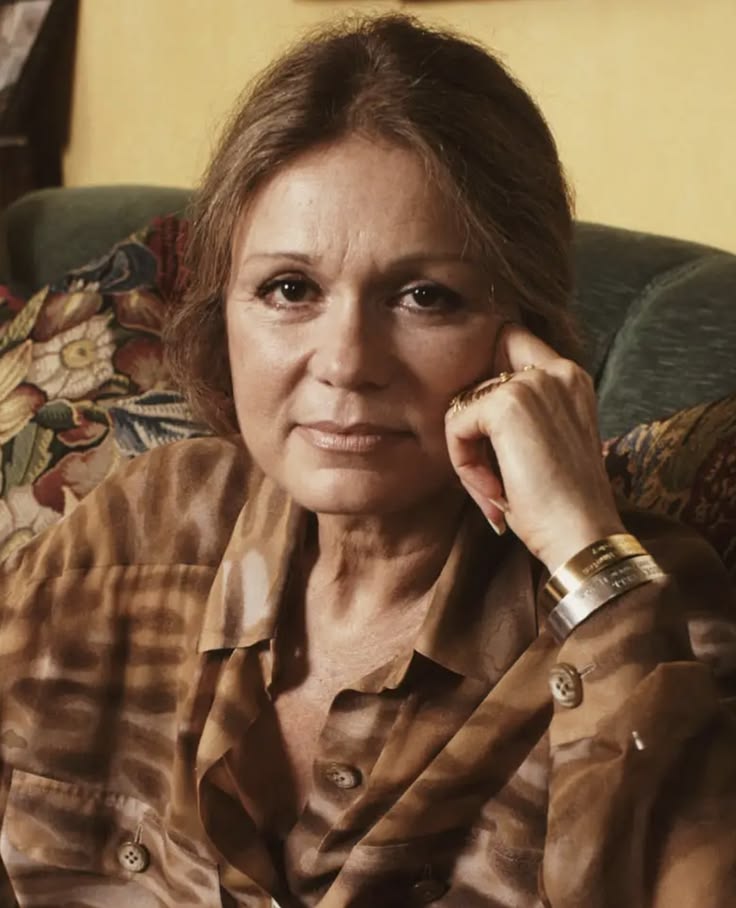
What does it take to change the way an entire society talks about women? For Gloria Steinem, it meant turning feminism into a conversation America could no longer avoid.
Steinem has died at the age of 92, leaving behind a legacy that stretches far beyond the feminist movement itself. One of the most influential voices of 20th-century American feminism, she spent decades fighting for abortion rights, sexual freedom, gender equality and an end to domestic violence.
“A liberated woman is one who has sex before marriage and a job after.” – Gloria Steinem
But Steinem was not simply a feminist thinker. She was a journalist, an activist and, above all, a powerful communicator. Her real strength was taking issues that were often dismissed, ignored or considered too controversial and bringing them straight into the mainstream.
It Started with a Playboy Bunny Uniform
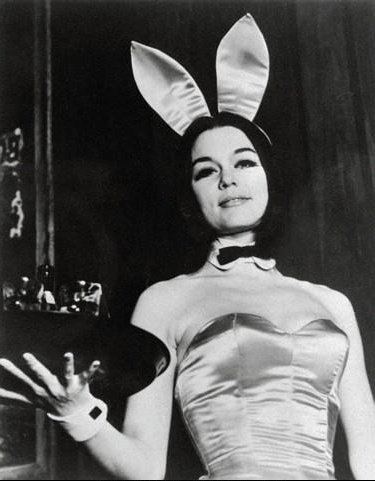
Before becoming one of the most recognizable faces of American feminism, Steinem went undercover. In 1963, she entered a Playboy Club in New York posing as a Playboy Bunny. What she found behind the glamorous image was a very different reality.
Her investigative report exposed the working conditions of the women employed there, from the strict rules governing their appearance to the way they were treated on the job. The experience became an early example of what would define Steinem’s career: looking beyond what society presented as “normal” and asking who was actually paying the price for it. And that question soon became much bigger.
“It’s alarming to me that women are still encouraged to blame themselves. No one can do it all.” – Gloria Steinem
Why was it considered natural for men to build careers while women stayed home? Why were politics and positions of power still overwhelmingly dominated by men? And why were decisions about women’s bodies so often made by someone else?
She was not simply asking for women to enter spaces traditionally reserved for men. She was questioning why those spaces had been reserved for men in the first place.
Ms. : When Even a Title Became Political
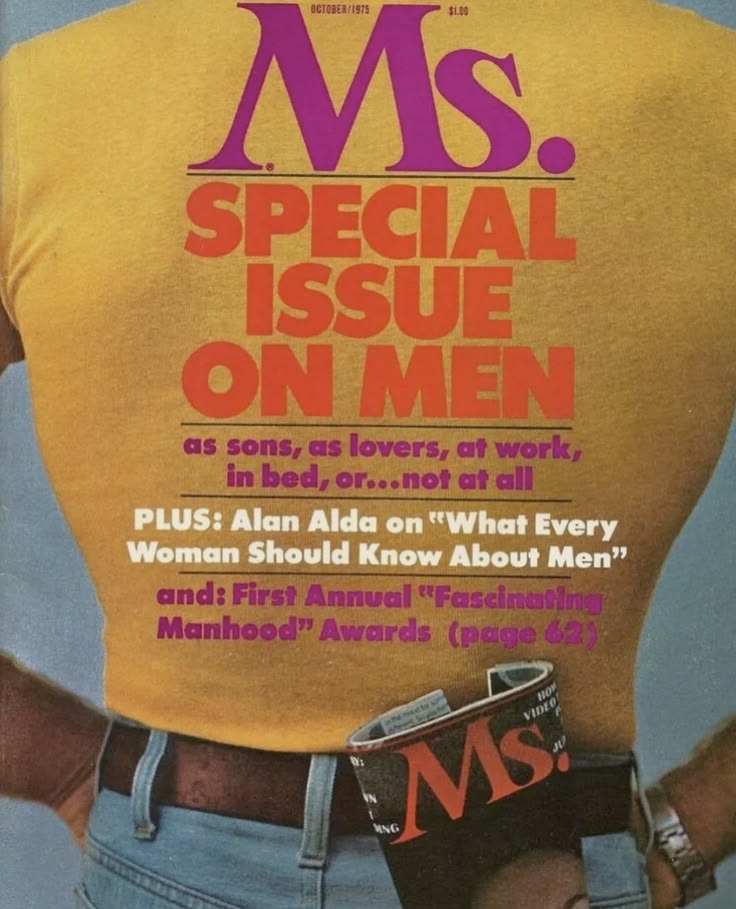
Sometimes a cultural revolution can begin with something as small as two letters.
In the early 1970s, Steinem helped launch Ms., a feminist magazine created alongside other activists, including Dorothy Pitman Hughes and Patricia Carbine.
Even its name challenged convention. Women were traditionally addressed as “Miss” if they were unmarried and “Mrs.” if they were married. Men, meanwhile, were simply “Mr.”, a title that revealed nothing about their marital status.
So why should a woman’s title tell the world whether she was married? “Ms.” offered an answer. It allowed a woman to be addressed without defining her in relation to marriage or to a man.
“Listen, honey, if men could get pregnant, abortion would be a sacrament.” – Gloria Steinem
The magazine carried that same philosophy into much bigger conversations. It openly discussed abortion, domestic violence, sexuality, workplace discrimination and women’s political representation, subjects that were still controversial, and sometimes considered radical.
Ms. helped take those conversations beyond feminist and activist circles and put them into the hands of ordinary Americans. Feminism was no longer something happening on the margins. It was becoming part of mainstream culture.
Her Greatest Weapon? Making People Listen
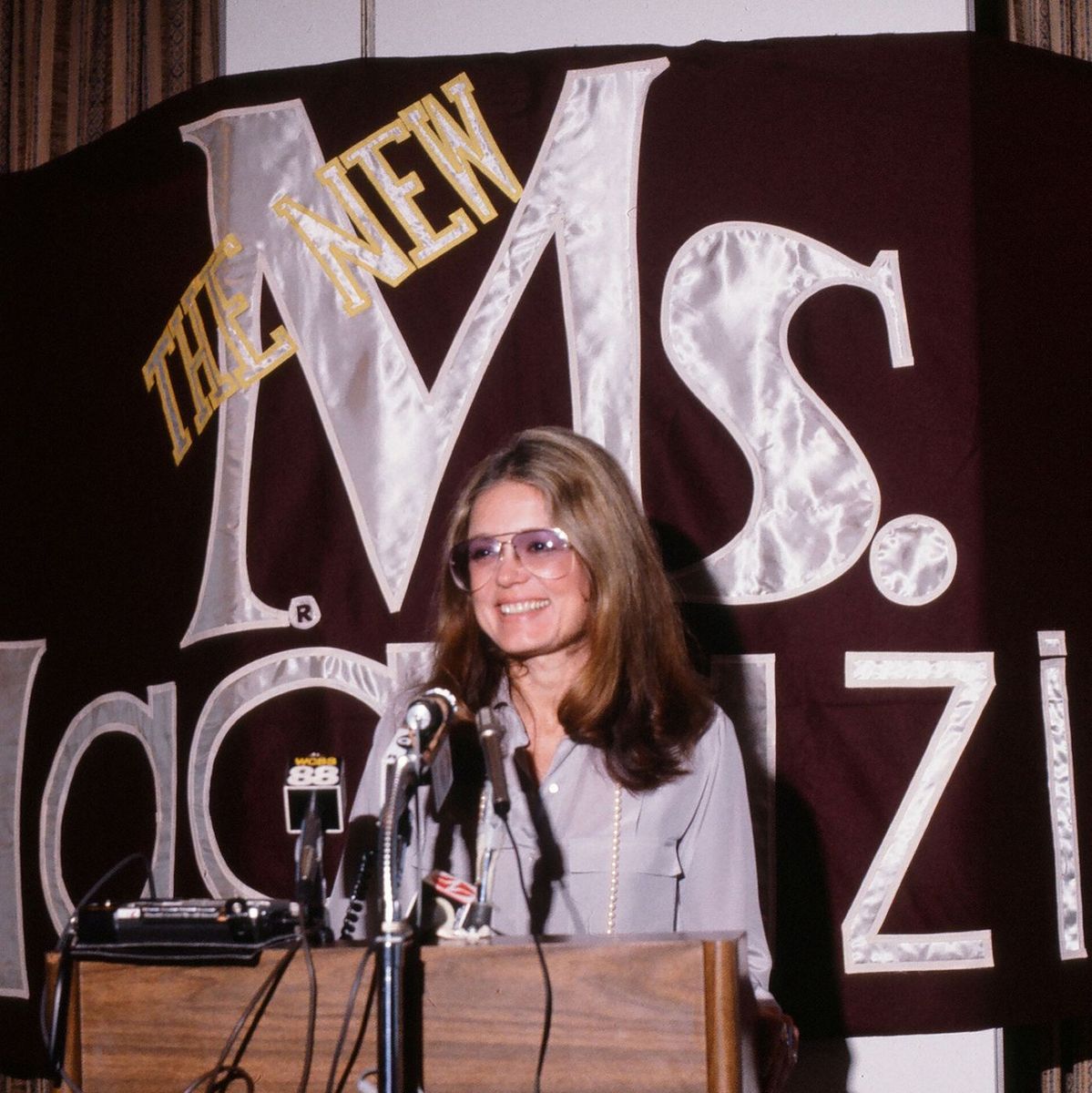
Gloria Steinem’s influence did not come from developing a complex academic theory of feminism. It came from something arguably just as powerful: making people listen.
She understood that changing laws mattered, but changing the public conversation mattered too. Through journalism, activism and the media, she helped transform issues once dismissed as “women’s problems” into political and social questions that concerned everyone.
Today, these subjects are firmly embedded in public debate. When Steinem began talking about them, many were still pushed into the private sphere or treated as taboo.
Gloria Steinem did not invent the feminist movement, nor did she speak for every woman within it. But she became one of its most effective public voices, a woman who knew how to take an uncomfortable question, put it in front of millions of people and make it much harder to ignore.
“We are the women our parents warned us against, and we are proud.” – Gloria Steinem