Courtney Love’s defiant legacy of unapologetic music, the Kinderwhore aesthetic, and fierce social rebellion proves she is the ultimate blueprint for modern female empowerment.
Live Through This—the album released by Hole on April 12, 1994—is a record that captures an era while defying, scratching, and ultimately outliving it. Released just five days after the tragic passing of Kurt Cobain, this alternative rock masterpiece was born in the fire of a devastating trauma, but its true greatness lies in its ability to transform pain, rage, and fragility into a weapon of cultural liberation. Decades later, the second album from the band led by Courtney Love is not merely an archaeological artifact of the nineties, but a sharp manifesto that speaks directly to our present.

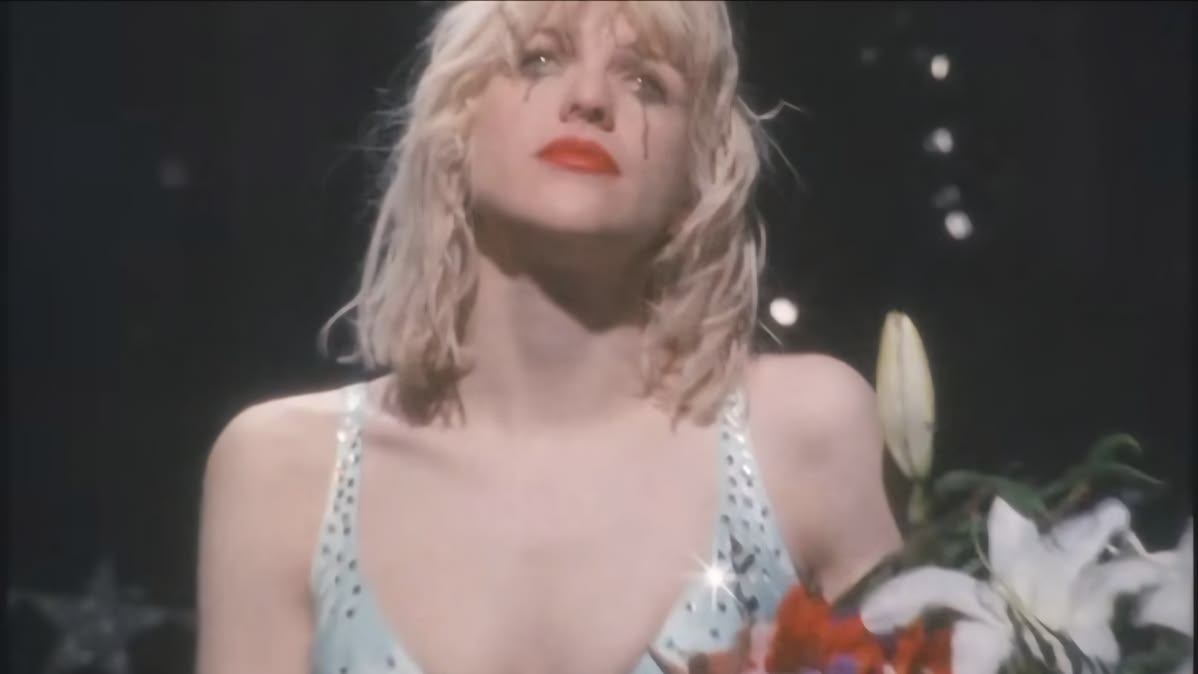
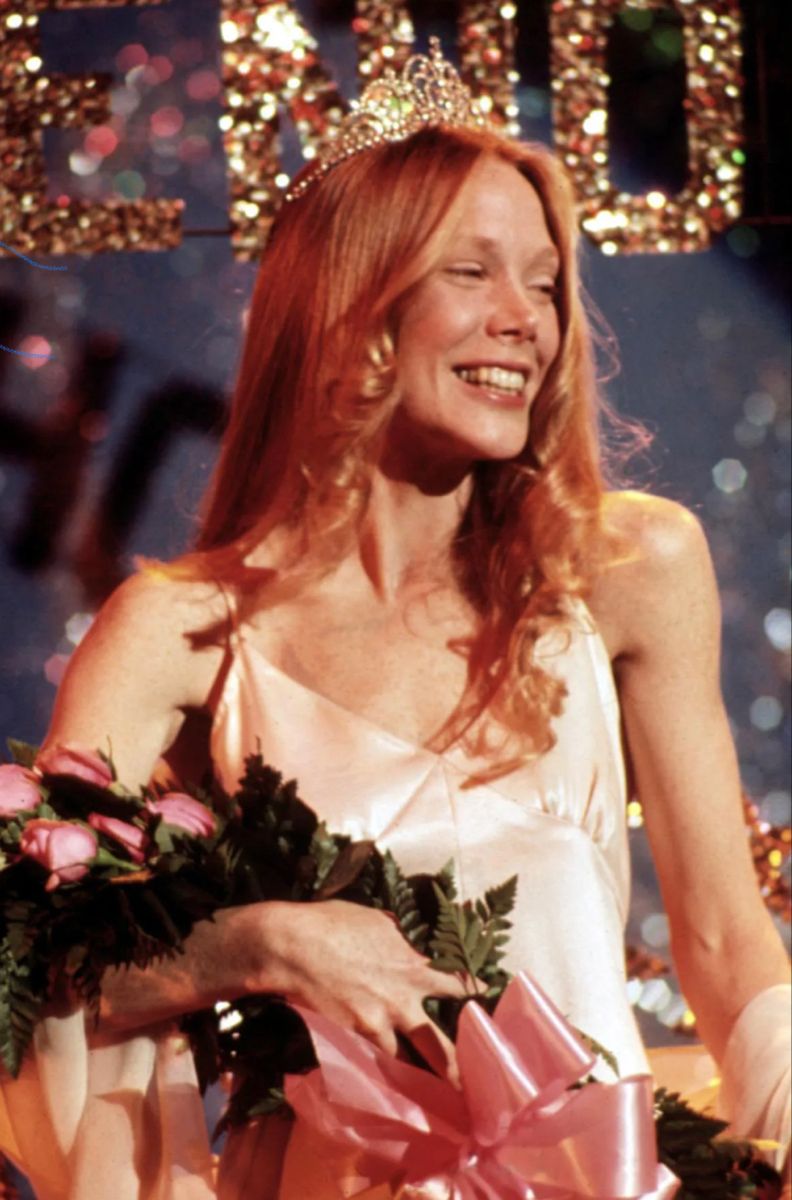
Behind the iconic cover art lies a lightning-fast creative process and an instant connection between Courtney Love and photographer Ellen von Unwerth. It was the Hole frontwoman herself who conceived the idea for the shoot, proposing over the phone to re-enact the atmosphere of the 1976 horror film Carrie by Brian De Palma.
« Every time that I sell myself to you, I feel a little bit cheaper than I need to. »
The political core of Live Through This lies in its radical rejection of submission. Tracks like Ask for It, which opens with ruthless lines such as “Every time that I sell myself to you I feel a little bit cheaper than I need to” and “Be a model or just look like one”, lay bare the tyranny of aesthetics, commodification, and the objectification imposed on women, forced to conform to impossible standards or endure the constant judgment of the world.
All of this is made even more evident in Miss World, with the famous line “I’m Miss World, somebody kill me”, which lays bare the dark side of beauty pageants and self-image. Titles and songs like Ask for It playfully yet provocatively touch upon the concept of asking, overturning the dynamic whereby women are expected to beg for space, approval, or rights. Love takes rage, historically labeled as a masculine emotion, and turns it into a disruptive megaphone, screaming uncomfortable truths without ever asking anyone’s permission.
Fashion Focus: The Birth of Kinderwhore
Behind that imagery inspired by Carrie and the visceral aesthetic of Live Through This, Courtney Love birthed the Kinderwhore movement: torn vintage baby doll dresses, rumpled lace slips, ripped tights, and heavy layers of smudged eyeliner. It was a disruptive look that weaponized violated childhood and fragility as political tools against the commodification of the female body mirroring the raw, uncompromising lyrics of the album itself, which fiercely tackled abuse, self-hatred, and the suffocating tyranny of aesthetic standards.
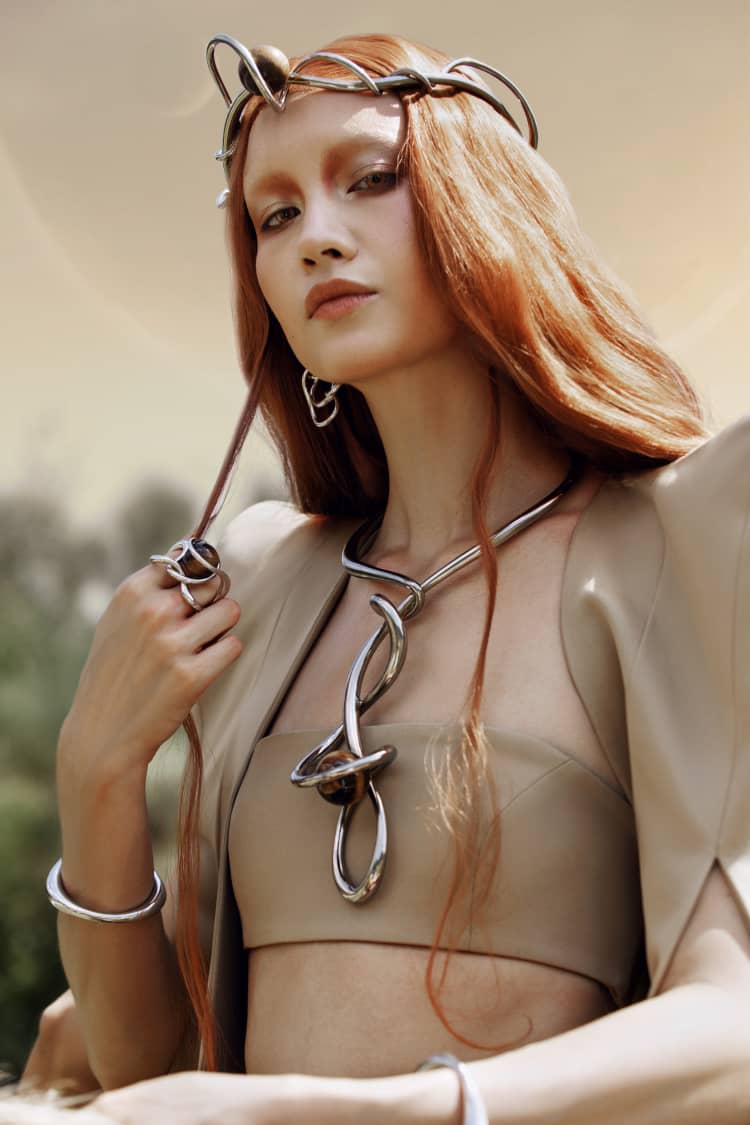
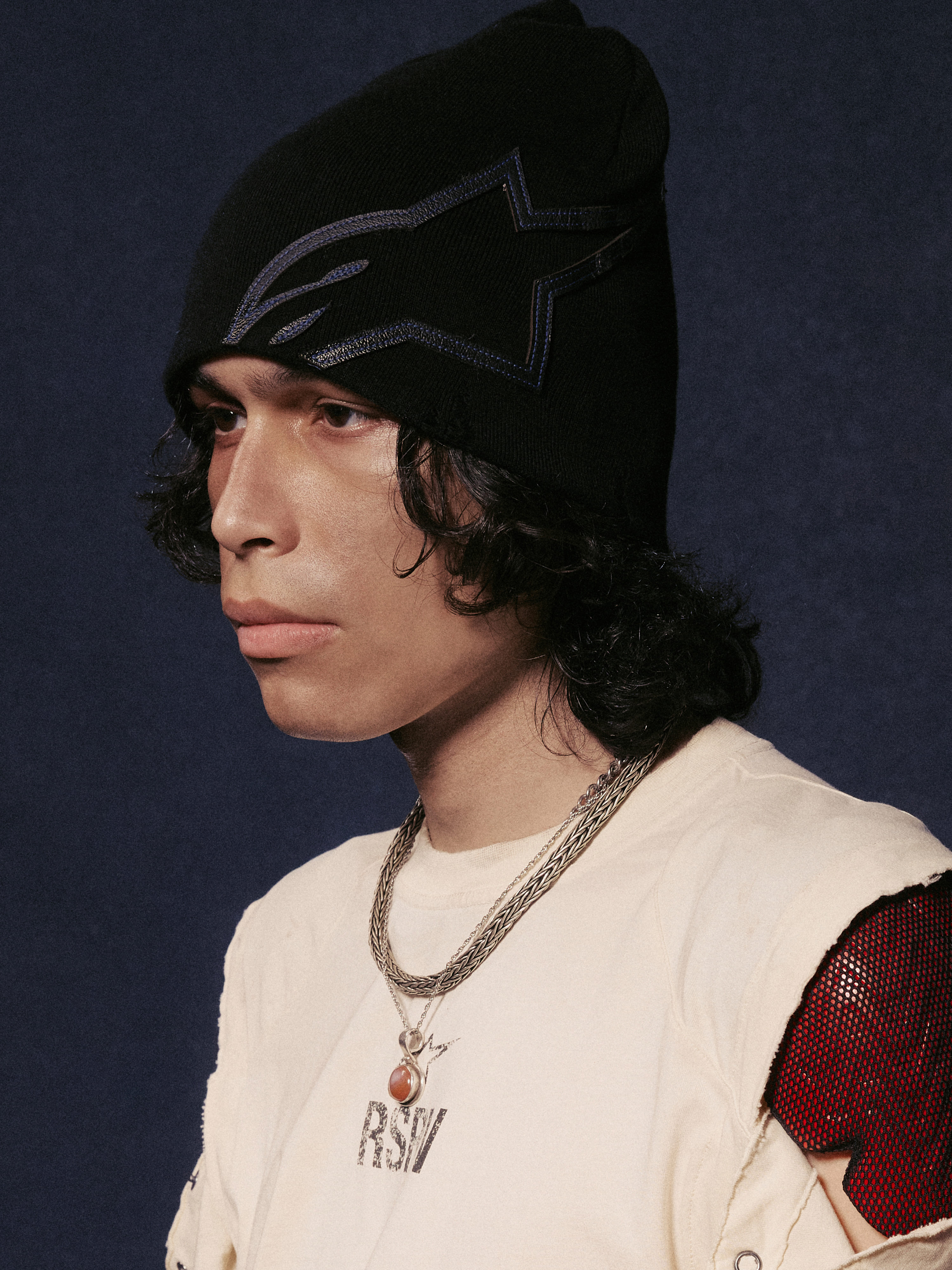
Building directly on those cheap, second-hand baby-doll dresses, slip gowns, and tattered lace scavenged from charity shops, that chaotic thrift-store rebellion has officially graduated to the high-fashion main stage. We can trace a direct, unbroken line from those rebellious 90s finds to recent collections on the modern runway. Contemporary collections frequently send models down the catwalk in shredded lace, deconstructed Victorian slips, subverted doll dresses, and decadent corsetry, turning the stark, unsettling contrast between childhood innocence and dark subversion into a powerful weapon. Proving that the disheveled, anti-establishment Kinderwhore aesthetic has become a permanent fixture of high-end couture, this style turns the classic baby-doll silhouette into a badge of fierce, unapologetic rebellion.
I Want to Be the Girl with the Most Cake
Reducing Courtney Love to a tabloid figure misses her artistic magnitude. Love transformed the role of women in rock, moving them from marginal roles to center stage. She fearlessly sang about denied motherhood, abuse, bulimia, and self hatred, carving out an unprecedented space for female rage in music.
She remains deeply relevant today because she shattered the confines of acceptable womanhood, proving that raw vulnerability and unbridled rage can coexist as a revolutionary force for liberation. Decades after her breakthrough, her enduring legacy reminds us why her defiant voice still matters: the urgency to exist on your own terms never asks for permission.
Giulia Calbi