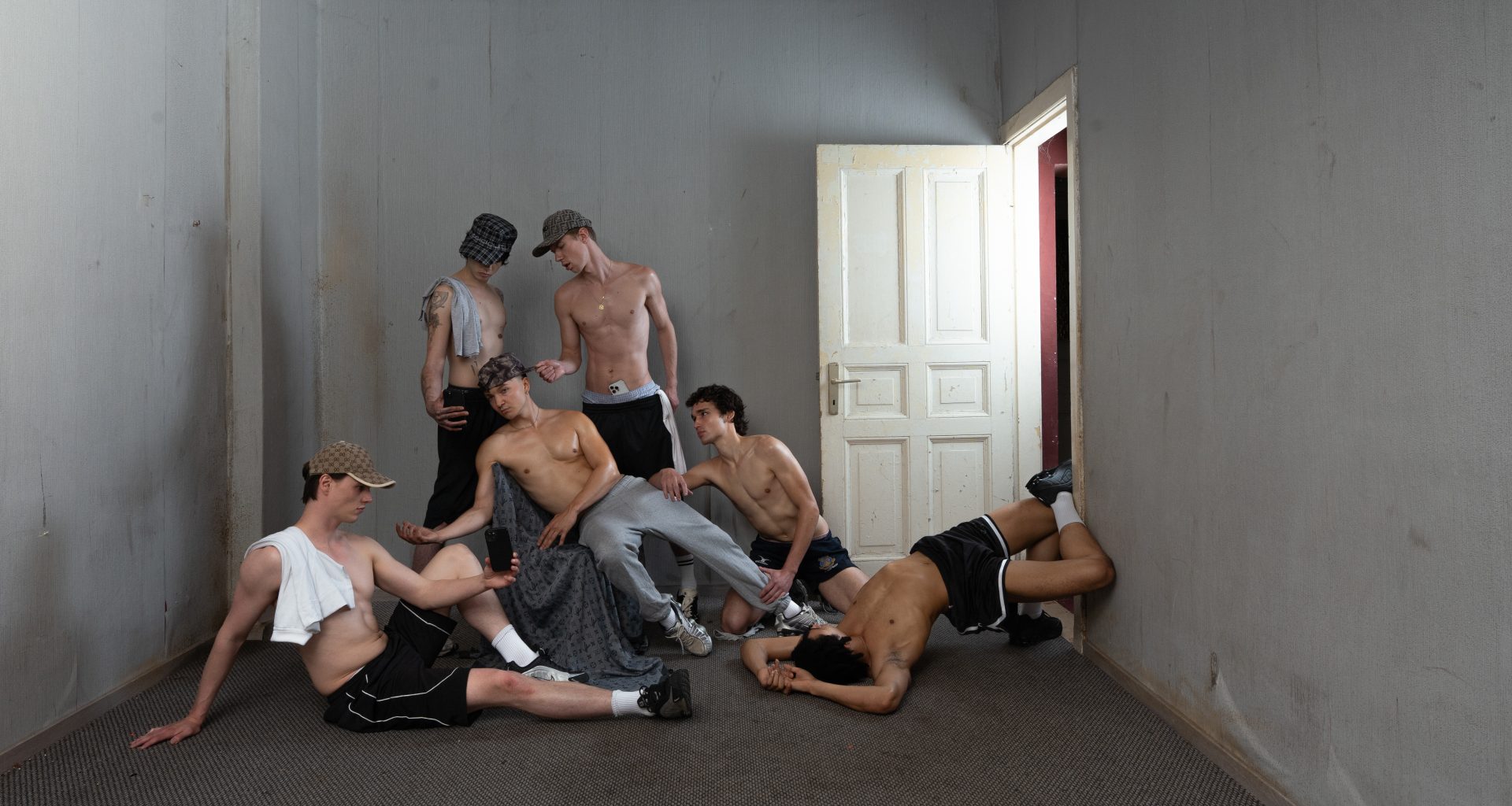
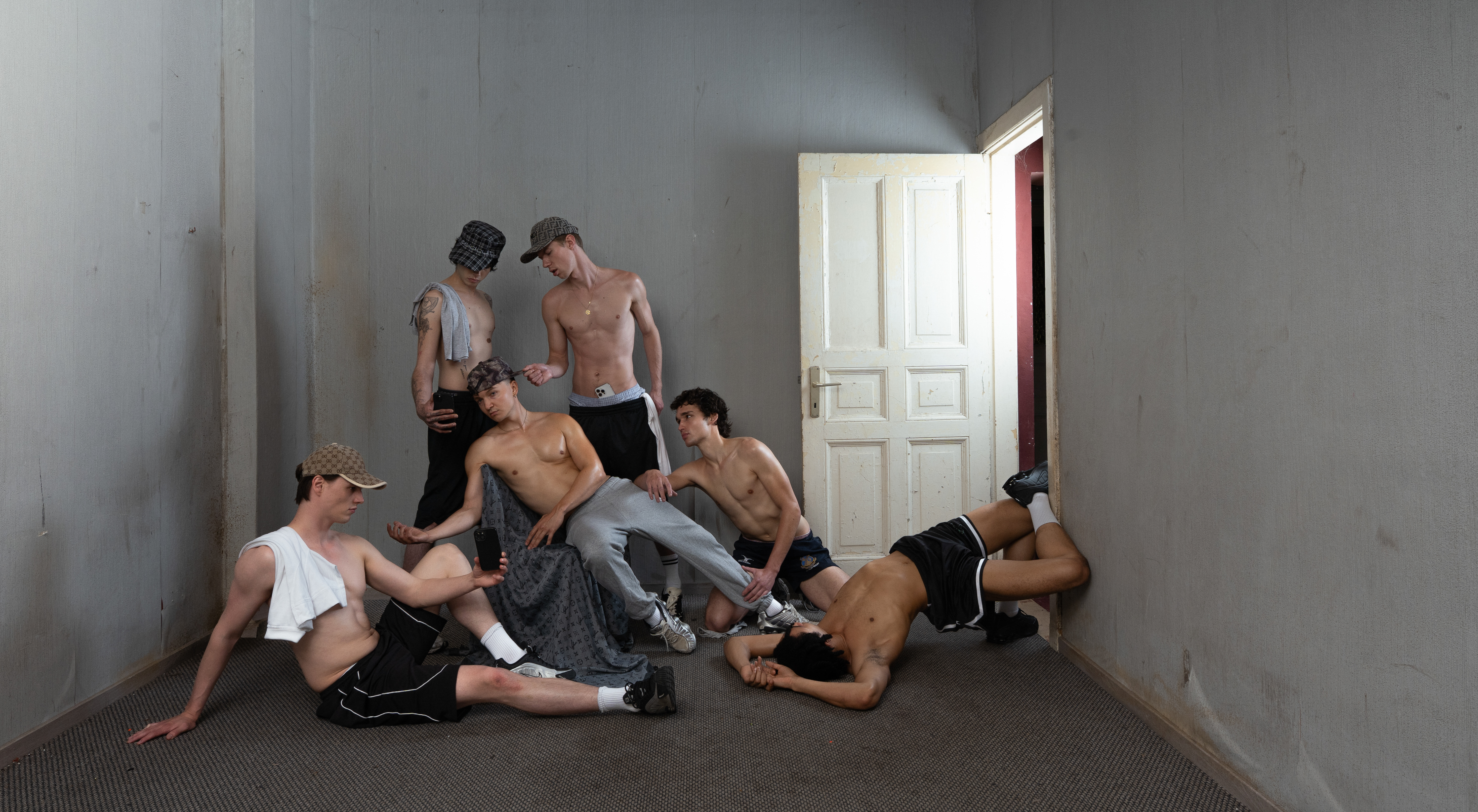
Not long ago, becoming a pop star meant reaching a destination. Today, it means surviving the algorithm long enough to remember why you started making music in the first place.
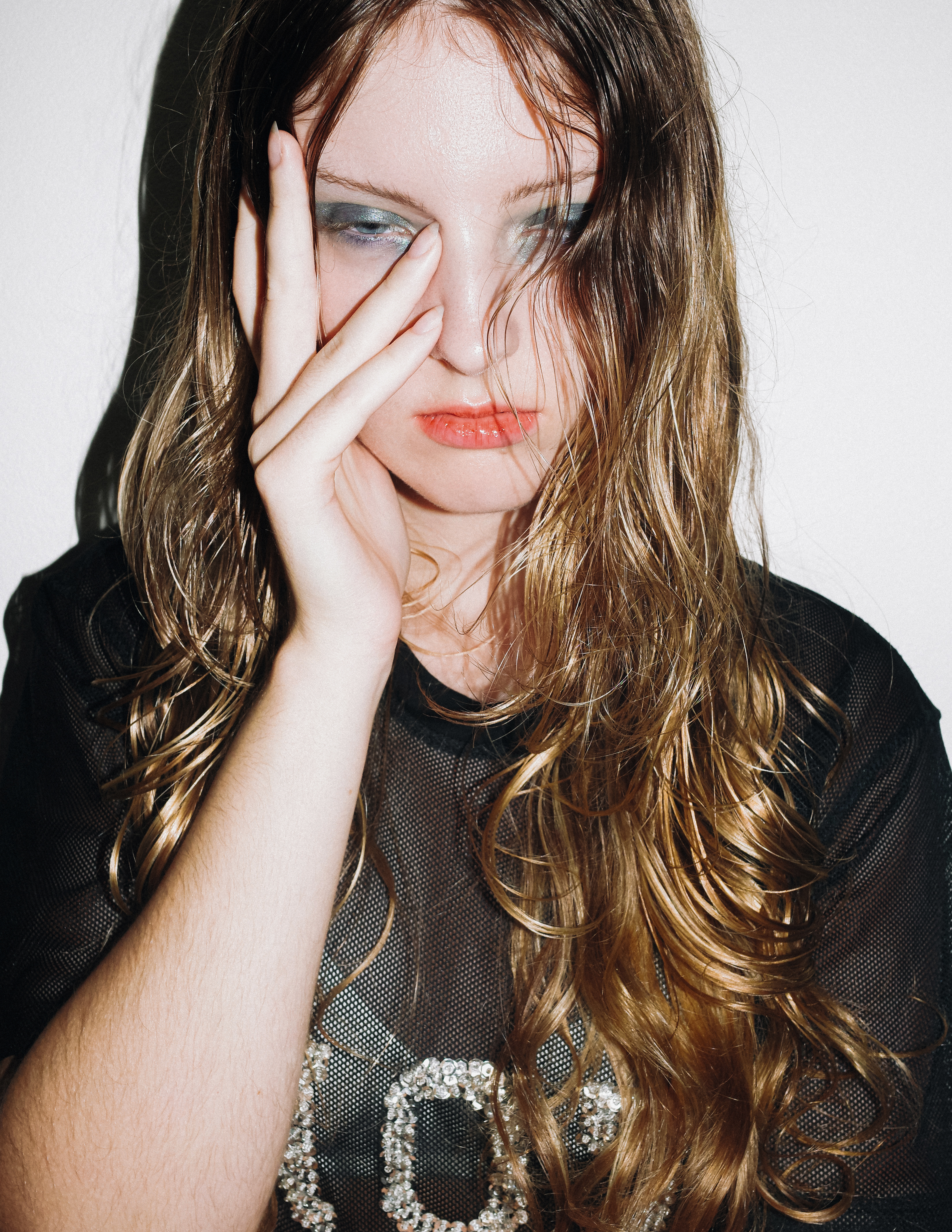
There is something quietly radical about siovo. Not because he is loud—although he certainly knows how to be—but because he refuses to confuse visibility with existence. In a cultural landscape where attention has become the ultimate currency and identity is constantly flattened into content, the Berlin-based artist approaches pop as something infinitely more fragile: a language capable of holding contradiction, intimacy and reinvention all at once.
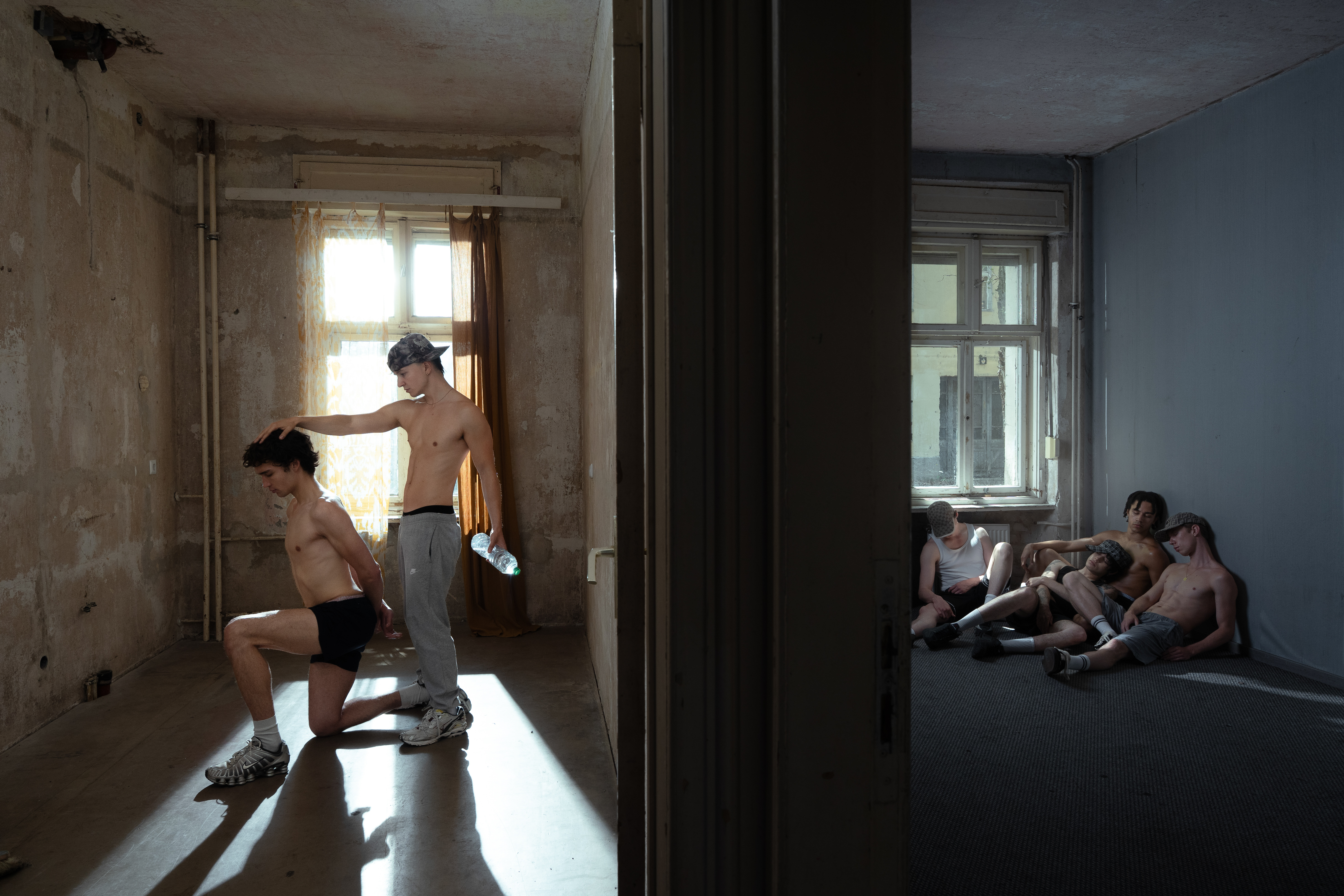
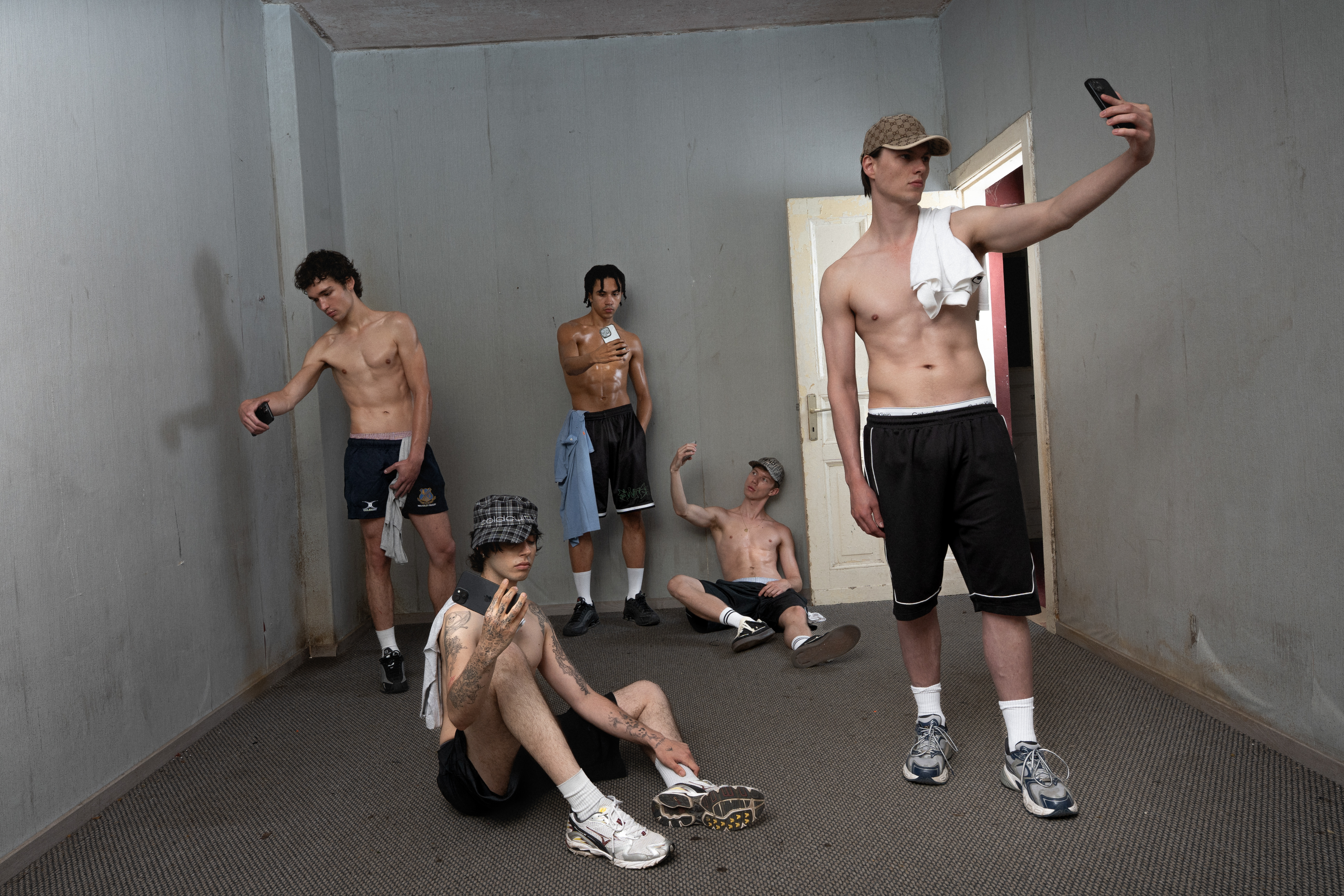
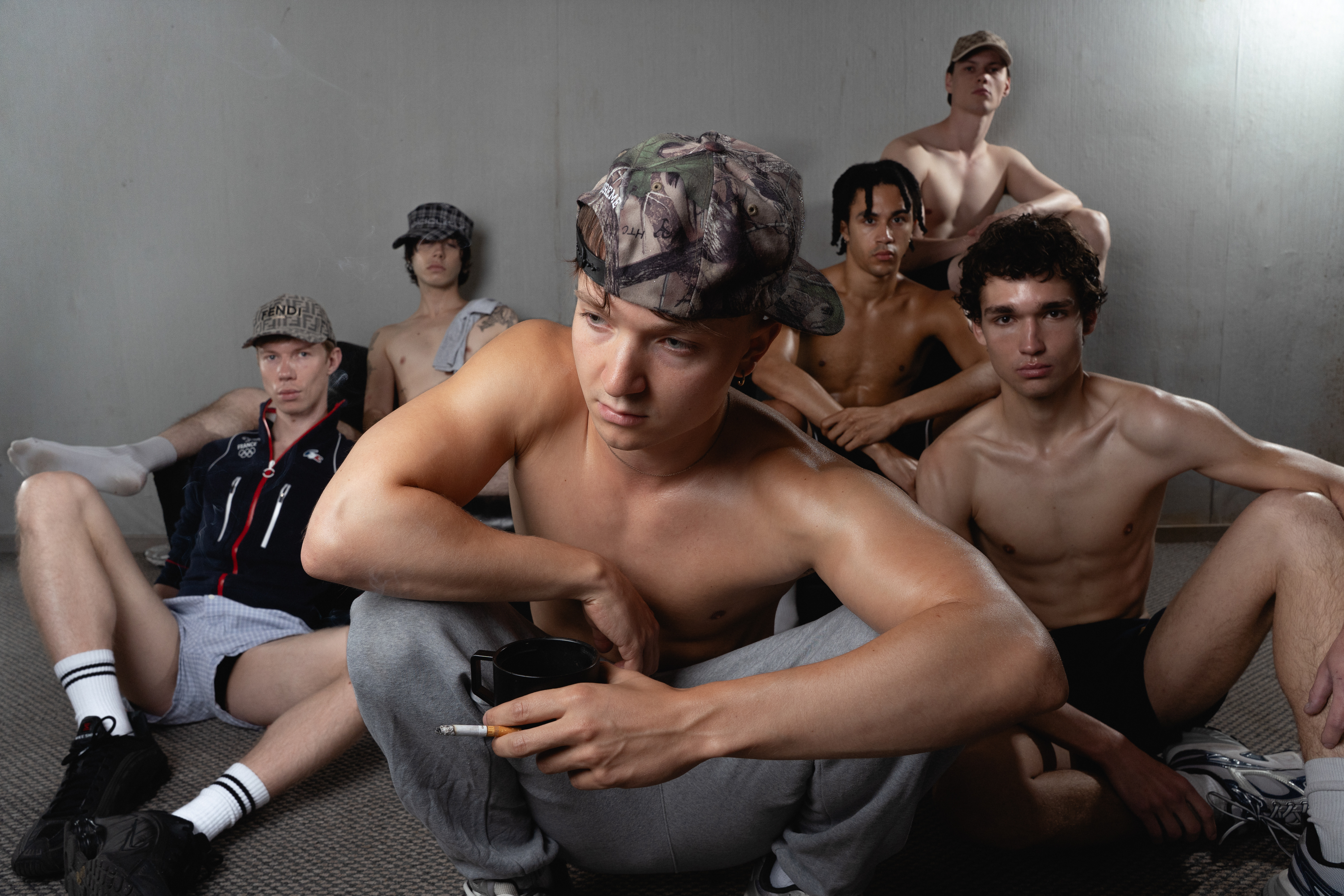
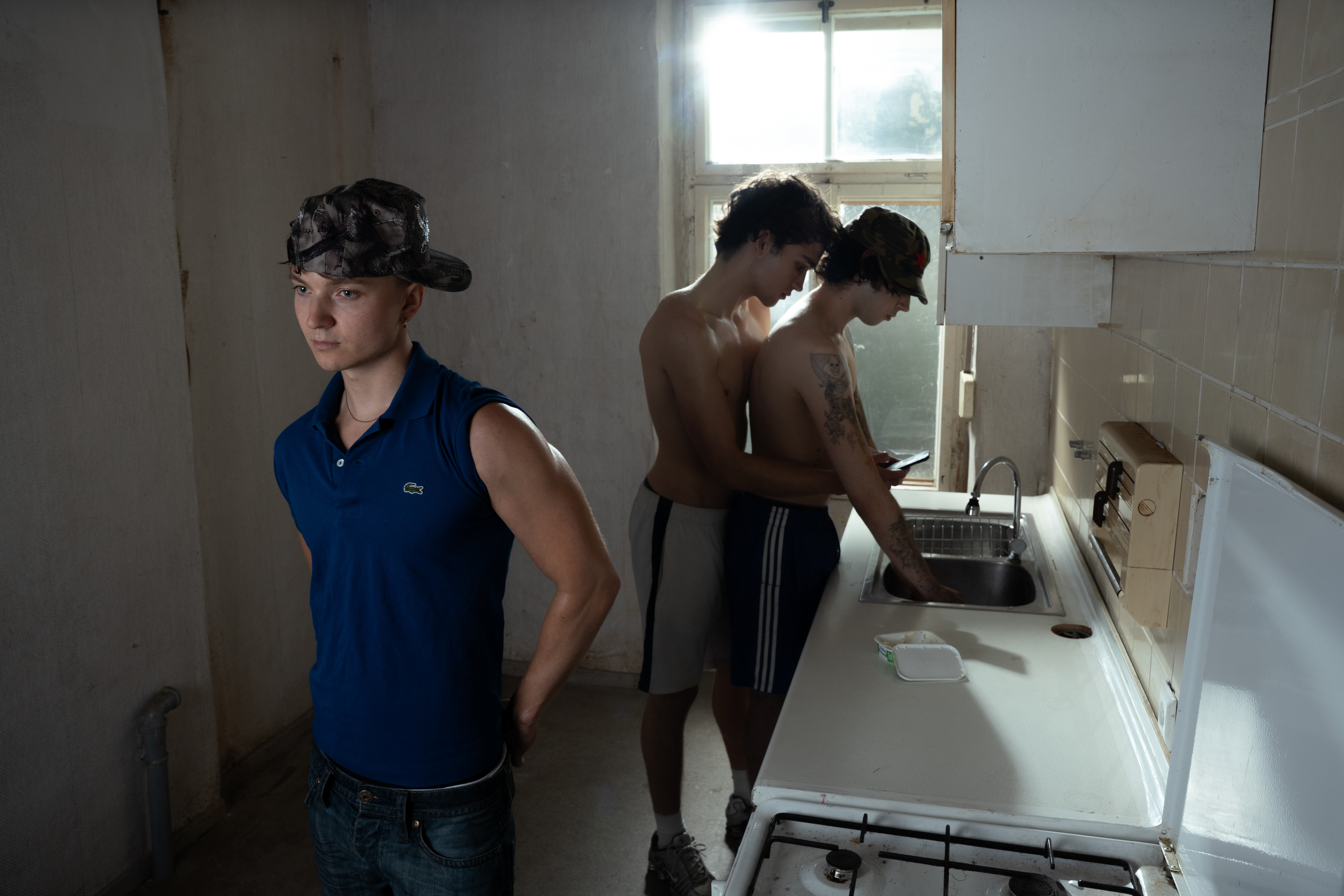
Raised in the Swabian Jura before finding his place in Berlin’s vibrant creative underground, siovo belongs to a generation that inherited both infinite digital exposure and profound emotional solitude. His songs move effortlessly between euphoric synth-pop and devastating confession, transforming queer desire, heartbreak and self-discovery into cinematic narratives that feel as personal as they do universal. Fashion, performance and music dissolve into a single visual vocabulary where every image, every lyric and every silence carries equal weight.
What makes siovo compelling, however, isn’t simply his aesthetic—it’s his refusal to believe in the myth of arrival. “The ‘I made it’ moment is dead,” he tells us. Rather than chasing the illusion of permanence in an industry obsessed with instant validation, he embraces uncertainty as a creative method. Identity is never fixed. Success is never final. The horizon keeps moving, and perhaps that’s exactly the point.
Between razor-sharp humour, unexpected vulnerability and an unwavering commitment to being unapologetically “too much,” siovo is redefining what German pop can sound like—and, more importantly, what it can represent. Not a polished fantasy, but an evolving conversation. One that celebrates complexity over perfection, process over performance, and authenticity over algorithmic approval.
This is not simply the portrait of an emerging musician. It is the story of an artist who understands that, in an age of endless noise, the most revolutionary thing you can create is a space where people finally feel seen.
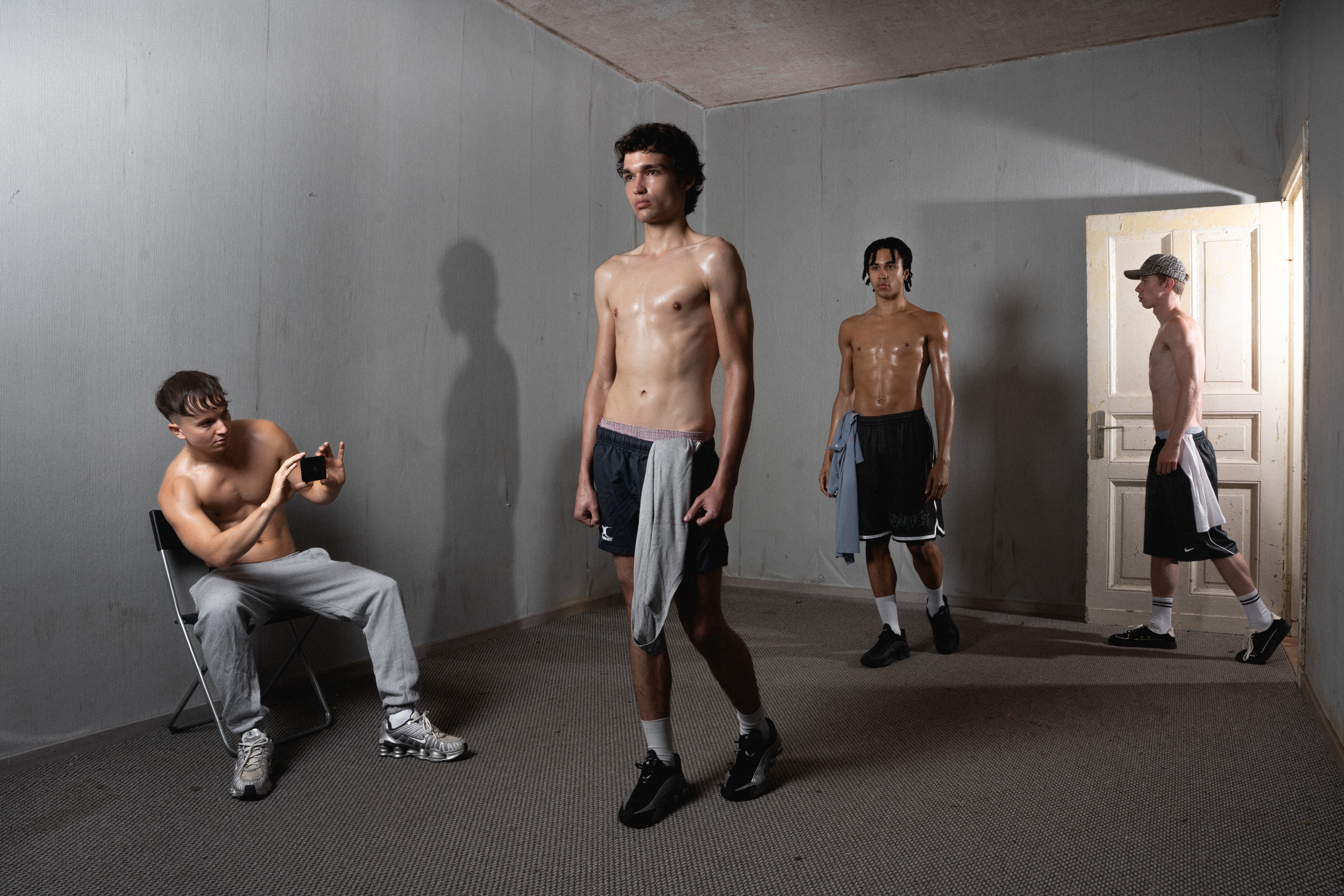
If the version of you that exists online disappeared tonight, who would be the first person to notice you were no longer there?
Well, probably my dad. He’s like my most dedicated follower on Instagram and reacts to every single story I post. I remember blocking him once when I was around 16. I’m glad I grew out of that phase of embarrassment pretty quickly and embraced the nonchalance instead. I realized his engagement was actually a very pure form of fatherly support—and, honestly, great for the stats.
What is the most elegant lie you ever told yourself in order to become the artist you are today?
That there would be an “I made it” moment at some point in my career.
But I feel like the “I made it” moment is dead.
My actual “I made it” moment was the first time I got on stage or dared to release music. That’s when I quite literally made… it.
I told myself there was going to be this big break everybody keeps talking about—the moment when my music would finally be respected, worthy enough to exist, every ex-school bully jealous, and I’d finally be happy.
It was a great lie to keep me going after the first few failures. But eventually I realized we’ve entered a time in which attention has become a currency, and numbers come and go however the algorithm feels like—having nothing to do with your actual talent.
You have to be present and available 24/7 just to keep the momentum going. Labels went from having their biggest artists release albums every three years to expecting people to outperform their previous single within two months; otherwise you’re considered a flop and they move on to the next person.
It’s more important now than ever to focus on the process of creating and finding fulfillment in making art rather than chasing moments of recognition that supposedly grant you a ticket into pop culture eternity.
If something works—great. If not, kudos for trying, mama.
Most artists spend their lives searching for a voice. Are you searching for a voice, or for someone truly willing to listen to it?
Growing up in the Swabian Jura, I was often confused about where and what I was. I tried on many different callings and boxes, all of which shared a similar undertone but made both other people and myself expect drastically different things from me.
Eventually, I realized that I’m allowed to reinvent myself as often as I want. I can simply put the label “artist” on it and not worry that it means there’s a lack of identity or some deeper problem.
So now I’m just looking for people who are willing to be surprised and who never expect me to stay in pitch—philosophically speaking.
I’m convinced that we can all be many things and should never feel limited to a certain tone that either society or we ourselves have assigned to us.
I think our multifaceted nature is what transforms us from characters into human beings. That’s why I’m so grateful to have found fans who understand every tonal shift in my work. My hope is that they’re inspired by watching me embrace all the different notes of life.
And I will hit those notes!
If we could step inside your mind for five minutes during a concert, what would surprise us more: the chaos or the silence?
Unexpectedly, I think it would be the silence.
During my last tour, I realized that my music had started to take the next step. It seemed to crawl out of my usual concert community and attract listeners who normally attend huge pop-diva arena tours—people who discovered me through my bigger, more upbeat songs and definitely came to party and expected me to always energetically jump around.
While there’s certainly a big jump-around happening, there are also many moments where silence becomes just as important. Especially when I sing about topics that resonate deeply with my queer community.
When I rewatch videos from my concerts and see guys in sweaty crop tops from dancing too hard to songs earlier suddenly standing there with tears in their eyes and their friends wrapped around them, I feel incredibly proud.
It gives me a feeling that I’ve created something that isn’t just loud and flashy, but can also be intimate and thoughtful while still being entertaining.
Those moments wouldn’t happen with too much internal chaos. The silence keeps me grounded and ready for all the noisy moments. The last tour also was insane for having me travel from city to city every night for weeks without any breaks in between. So a clean headspace is what kept me alive and performing.
What is the emotion you still haven’t found the courage to turn into a song?
It’s so hard to write a true happy song in German. Ugh.
I sometimes feel like after so much cultural disruption during and after the Second World War, German popular music evolved in a way that often associated happiness with exaggerated optimism and shallow light-heartedness—eventually resulting in what we now know as Schlager.
Over time, that style became so culturally loaded that genuinely happy lyrics started feeling suspicious, cheesy, or meaningless to a lot of people. As a result, many artists now shy away from uplifting music because they’re afraid of being associated with that almost forbidden niche.
Which is such a shame, because German-language pop can be so much more than music for people over eighty or drunk tourists on Mallorca.
I’m always honored when someone tells me, “I usually don’t listen to German music, but…” because it makes me feel like my little construction project of building a verbal bridge back home is somehow working.
I want to put the pop back into German pop, and every day I try to find a little more courage to embrace joy in my music and in myself.
Imagine that one hundred years from now someone finds a single photograph of you and no trace of your music.
What would you want that photograph to say about you?
“Cunt-serving twink.”
Is there a part of Simon that siovo had to sacrifice in order to exist?
Definitely.
I remember spending every day and night in the studio when I first started making music while all my friends were out at clubs, parties, or hanging around in parks.
There’s also been the sacrifice of parts of my private life, of course. But I never really wanted to make a big deal out of that or fundamentally change the way I live.
So the biggest sacrifice has probably been my peace of mind.
Being in the public eye—or even just posting a photo that ends up on the timelines of people who see you only as an image rather than a person—can drive you crazy. Comments, DMs, and even third-hand conversations in real life can disrupt your own consciousness so much.
Learning how to ignore things and log off should honestly be considered an art form in itself. But I’ve learned how to deal with it and fully committed to take verbal bullets if needed, in order for my community to be represented.
When was the last time you changed your mind about something you once considered an absolute truth about yourself?
I always thought I never wanted to be too much for anyone.
That changed drastically last year when I hit a low point in my career after being dropped by my label and people didn’t really care for my music. I was forced to sit with my own thoughts and question everything I had supposedly done wrong.
Eventually, it clicked. I realized it wasn’t the things I did wrong—it was the things I didn’t.
Downplaying myself and constantly trying to optimize my personality into something commercially acceptable was probably the worst thing I could have done for me and everyone involved.
I remember endless conversations about what my brand should be, how I should sound, and who I should appeal to. I disagreed with almost every one of their suggestions, but I also didn’t want to make people uncomfortable by pushing the boundaries too far. So they were lowkey real for dropping me.
Growing up, I always got told to play it safe, to never make anyone uncomfortable, and to definitely never provoke anyone politically.
Funny enough, those are exactly the things that define an artist and separate a human being from AI slop.
I wish I had realized that sooner, but maybe I simply hadn’t grown into the person I am now.
Today, I know exactly what I want to be too much of.
And ever since, people started hating—but even more people started to love it.
If desire were a physical substance, what shape would yours take: a wound, a home, a storm, or something else entirely?
Neither a wound nor a storm. I think my desire would take the shape of a horizon.
No matter how far you walk toward it, it always remains just beyond reach.
I realized early in my career that creative desire is rarely about arrival. It’s the next topline you haven’t found yet, the feeling you’re still trying to translate into sound, the version of yourself you’re becoming through the process.
What keeps one creating isn’t fulfillment itself, but the beautiful distance between where you are and what you’re reaching for.
I also remember watching the sun crawl down behind the Swabian hills back home every night in summer. Even now, whenever I look at a horizon, I wonder what it must look like from my parents’ window at that exact moment.
So if desire had a shape, I’d want it to be a horizon—something I could carry with me everywhere I go.
If you could write a letter today to your future self, knowing they would read it at the most important moment of their life, what would be the first sentence you would write—and what would be the last?
First sentence: Don’t get too impulsive with life decisions, but rather be aware of the history that brought you here.
Last sentence: Send Kim Petras that Dropbox link.
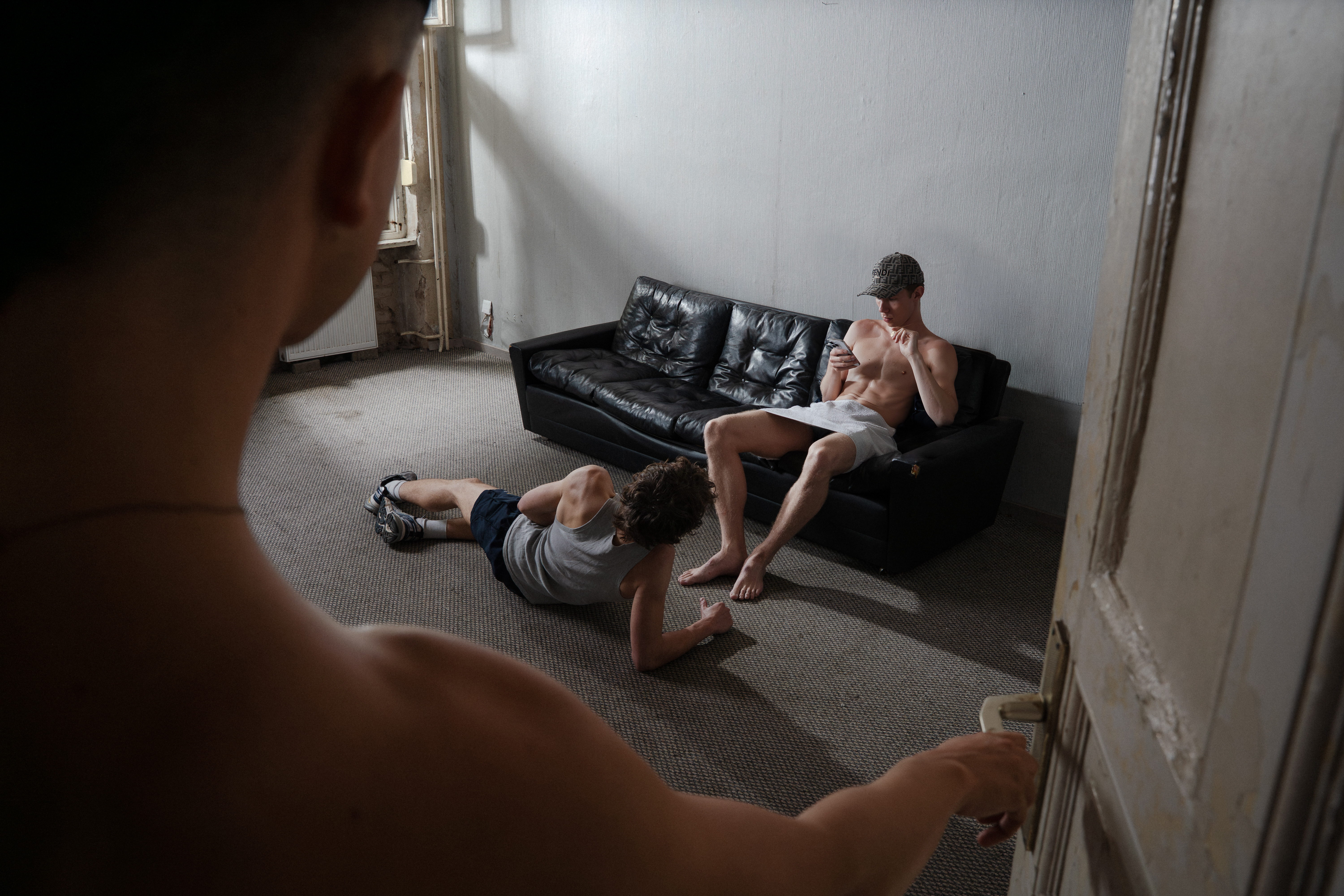
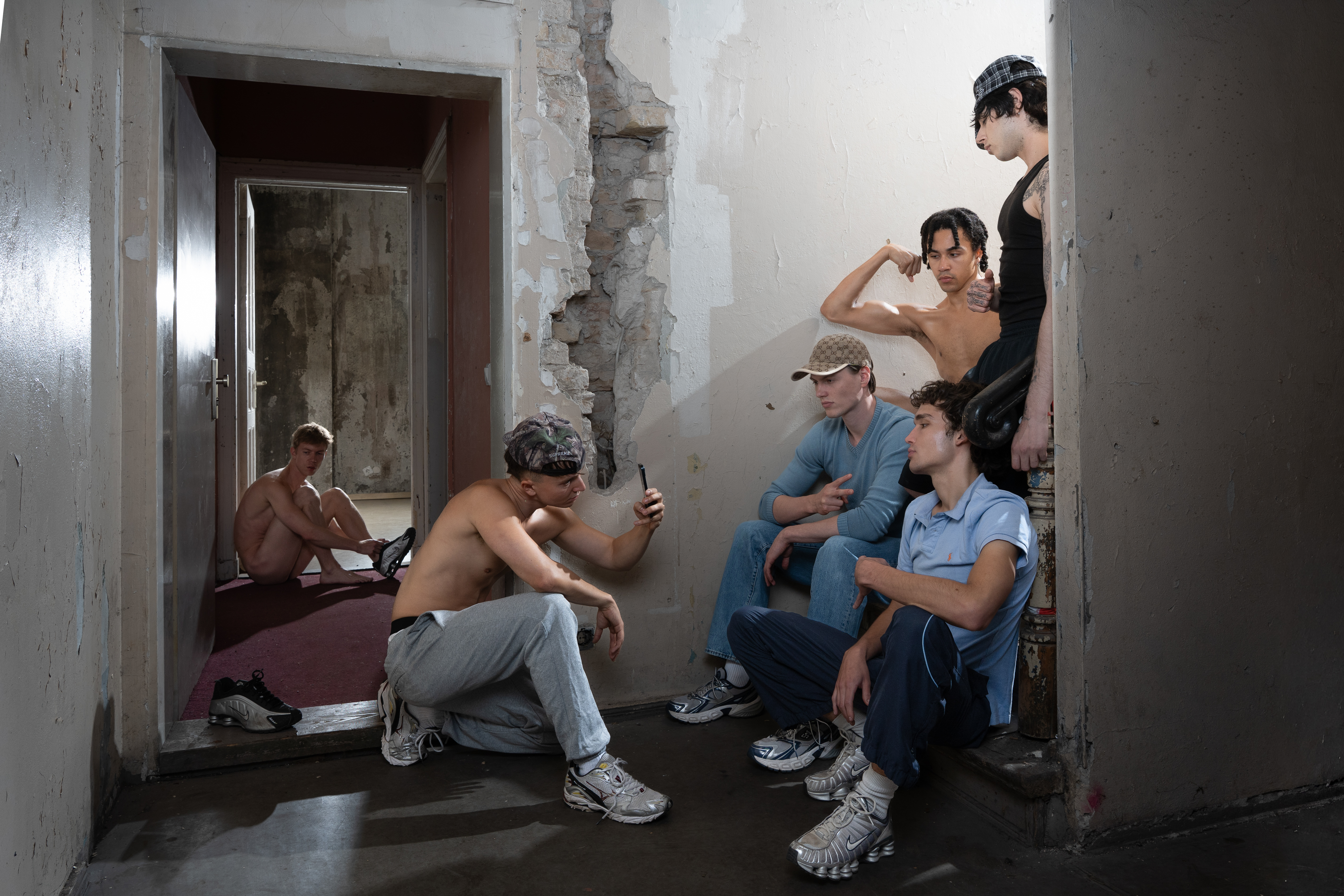
CREDITS
Talent: siovo
Concept & Photography: Nikolai Voelcker
Production Assistant: Jakob Müller
Lighting Assistant: Oskar Tebroke
Lighting Assistant: Eli Dreher
On Set: Sebastian, Malte, Emilio, Finn, Elias, Ehsan