By Giorgia Cantarini
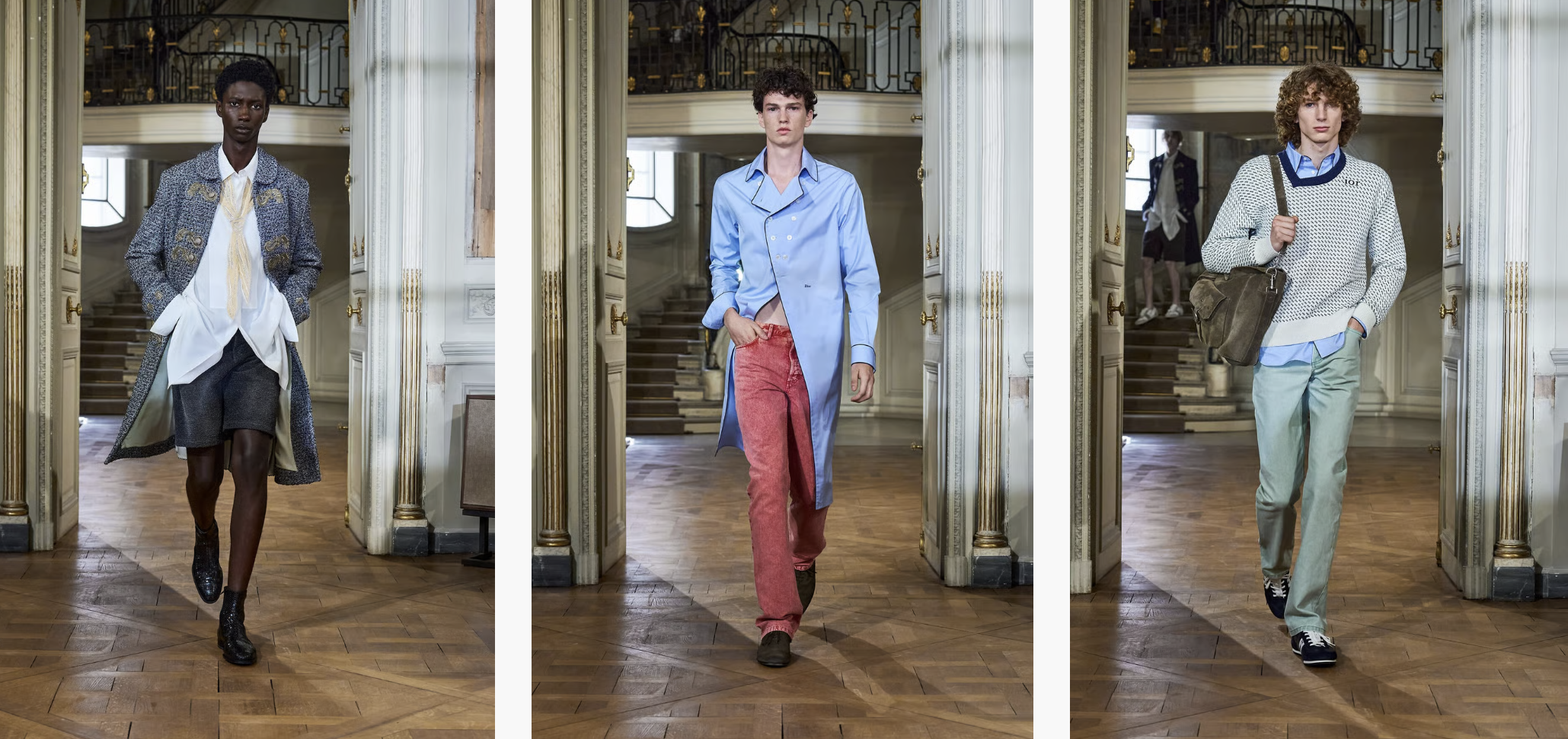
With a Fred Again soundtrack, rave references and couture-level craftsmanship, Dior Men’s Spring/Summer 2027 show proposes a new generation of luxury—one that feels lived-in rather than polished.
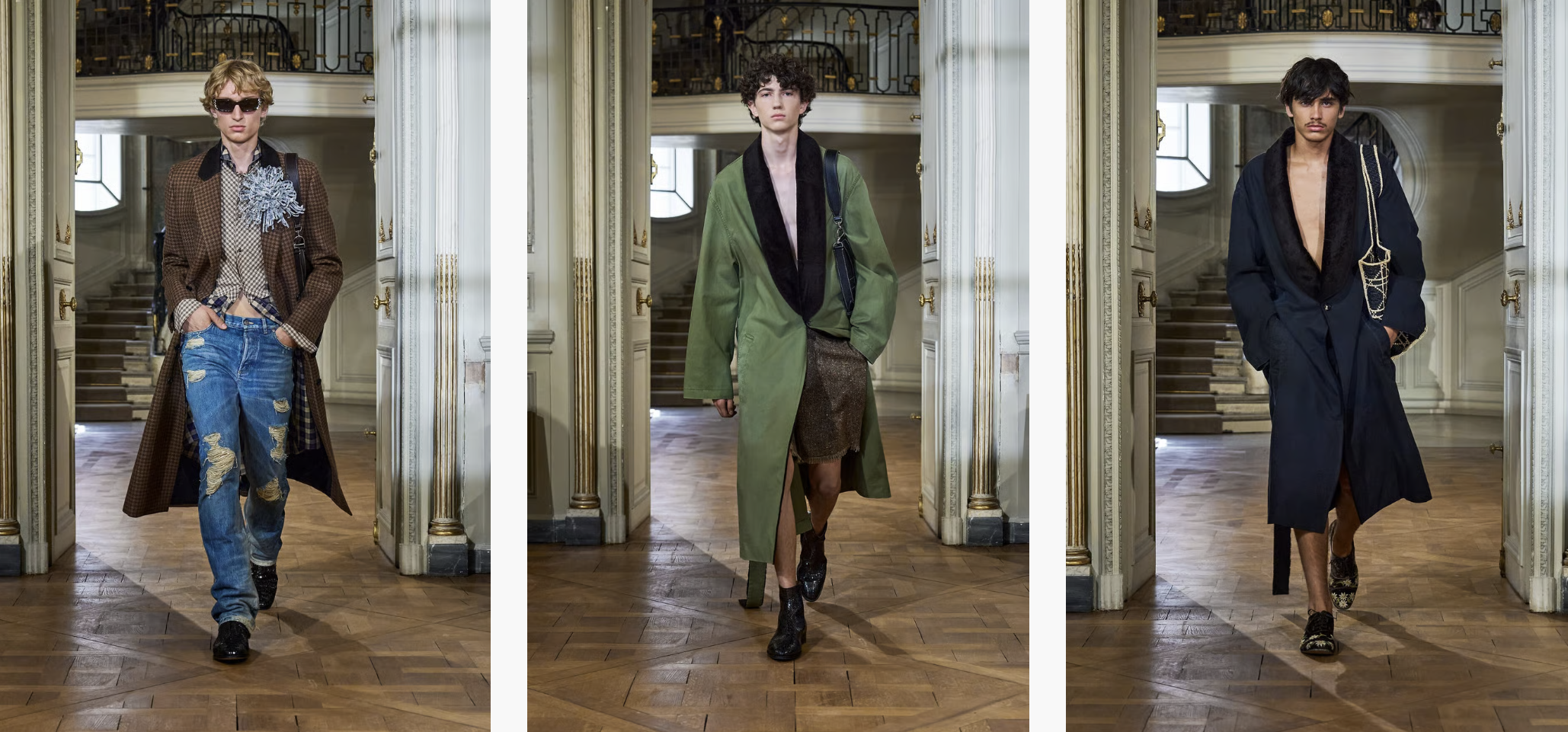
For Dior Men Spring/Summer 2027, Jonathan Anderson chose neither. Instead of erasing the past or announcing a revolution, he did something far more interesting: he treated Dior like a track waiting to be remixed.
The show opened almost like an independent film. A lone model walked into the Musée Nissim de Camondo, picked up a phone and plugged it into the sound system. Seconds later, an original soundtrack by Fred Again filled the room. It was a small gesture, almost mundane, yet it immediately established the collection’s entire premise. Fashion, like music, evolves through sampling. Nothing is created from scratch; everything is borrowed, re-edited and given a new emotional context.
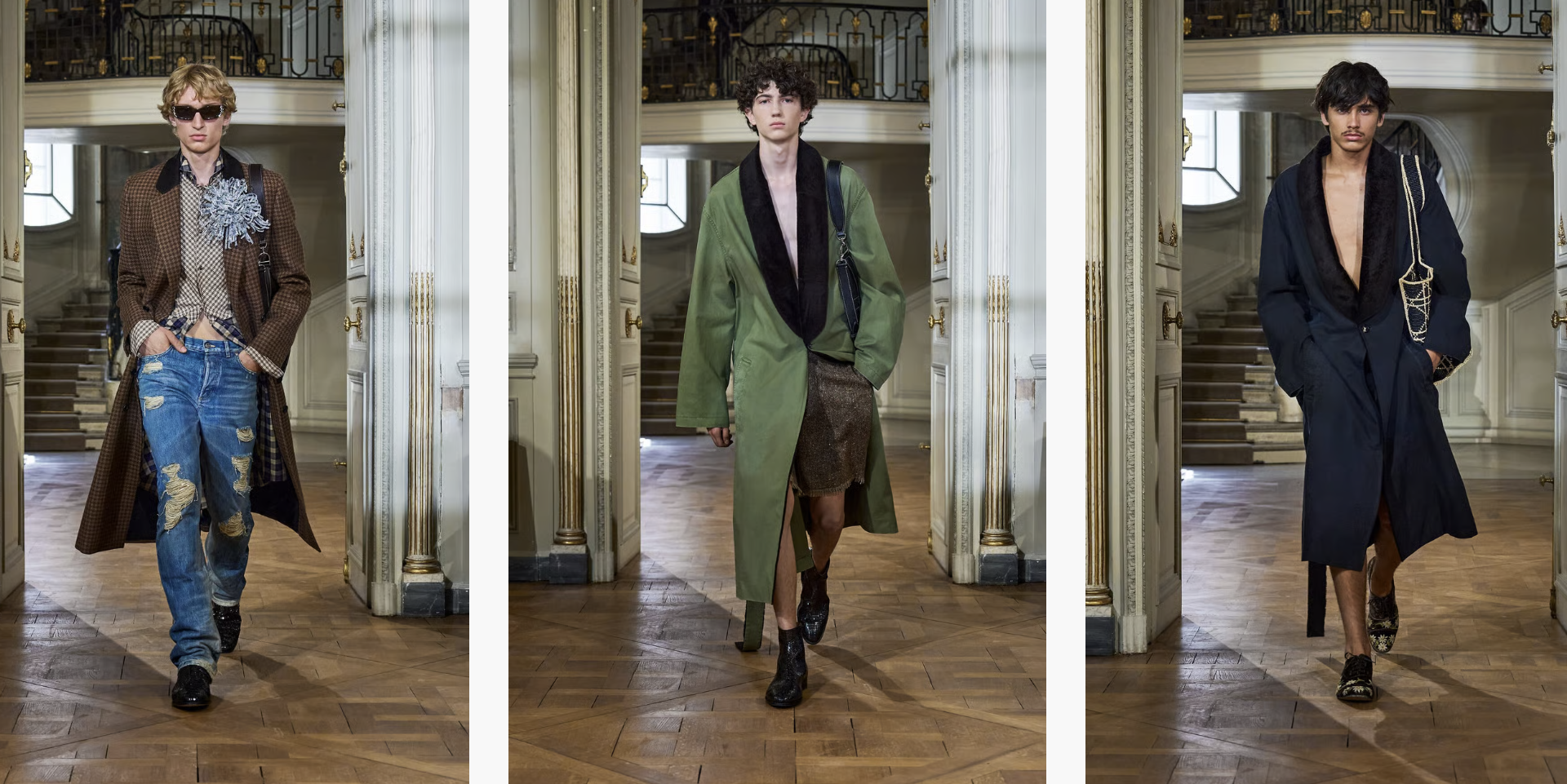
That opening also introduced one of the collection’s strongest undercurrents: the return of rave culture. Not rave as costume, but as attitude. Anderson himself has spoken about noticing a renewed desire among young people to dress up, go out and embrace nightlife again after years dominated by quiet luxury and digital fatigue. Rather than translating club culture into obvious sportswear, he imagined what happens the morning after: tuxedos worn slightly undone, chiffon tailoring replacing rigid suiting, sequinned denim catching the daylight and oversized knits slipping casually off the body.
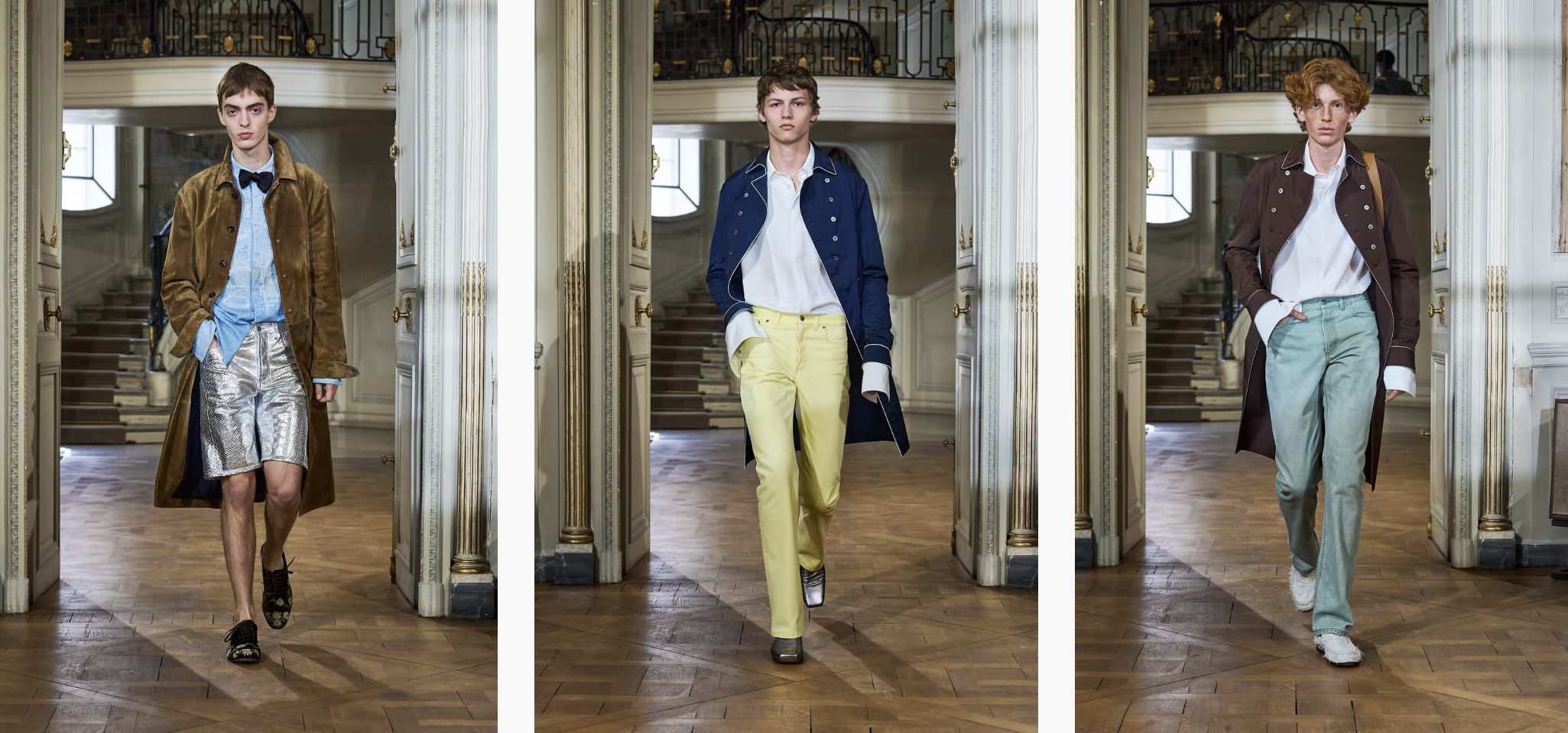
This is where Anderson’s Dior begins to feel radically contemporary. The collection isn’t nostalgic for the early 2000s indie sleaze revival currently circulating on TikTok, nor is it interested in reproducing Hedi Slimane’s Dior Homme. Instead, it absorbs fragments from both worlds—alongside references to Marc Bohan, 18th-century decorative arts and Dior’s couture archives—and transforms them into something surprisingly coherent.
The silhouette followed the same philosophy. Tailoring remained the backbone of the collection, but it no longer imposed authority. Jackets floated around the body in printed silk chiffon that mimicked classic pinstripes, double-breasted suits became softer, while trousers expanded into relaxed proportions that prioritised movement over precision. Anderson wasn’t dismantling elegance; he was making it breathe.
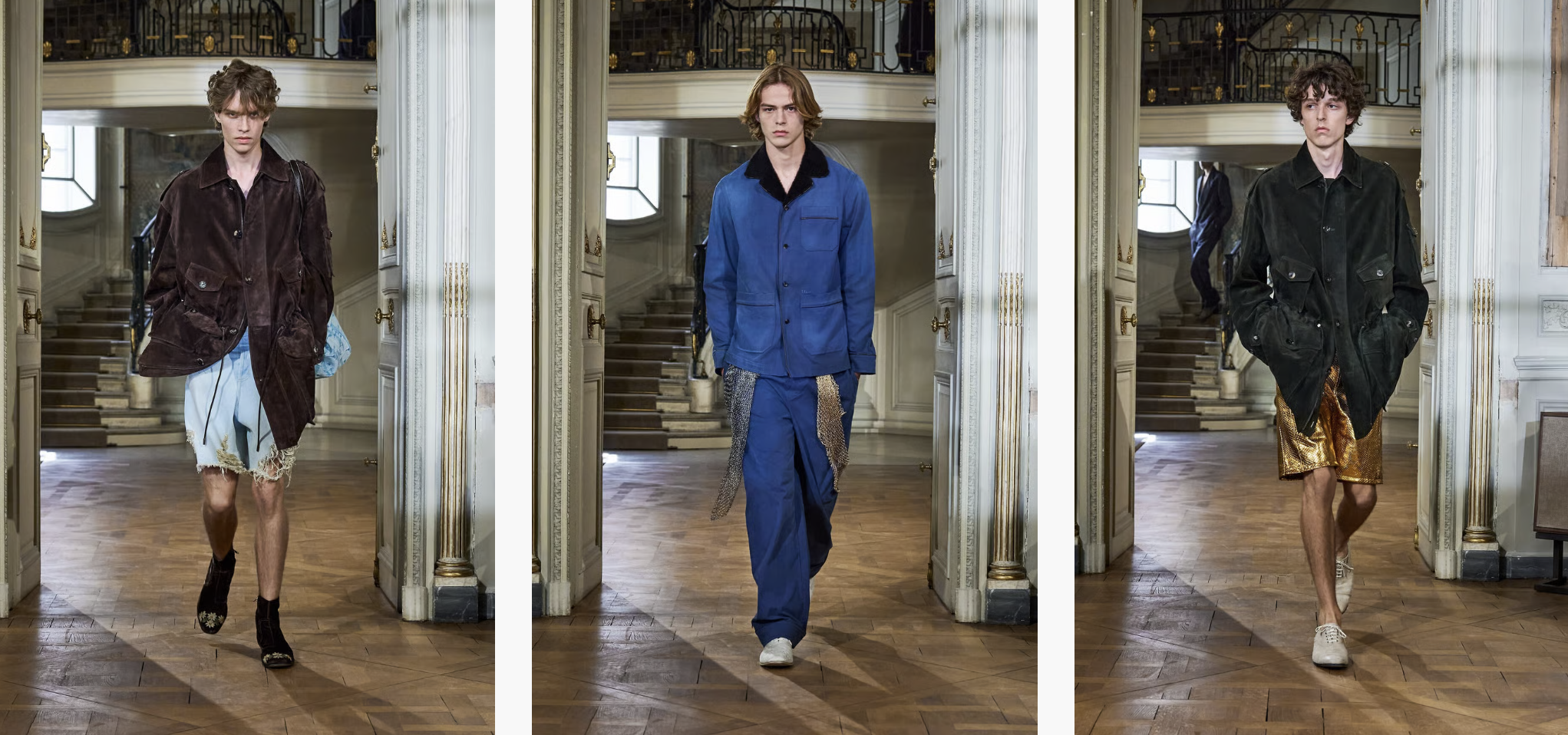
Materials carried much of the emotional weight. Japanese denim was patched, embroidered and deliberately distressed until it felt closer to couture than workwear. Glitter-coated five-pocket jeans recalled the rebellious energy of Dior Homme without becoming an exercise in nostalgia. Metallic knits, transparent fabrics, torn tweeds and intricate embroidery sat comfortably beside traditional wool tailoring, creating a wardrobe suspended somewhere between aristocratic salon and underground house party.
Accessories deserve particular attention because they quietly introduced what could become Dior’s next commercial language. Skinny scarves returned as styling devices rather than retro gimmicks. Denim Cannage totes softened one of the House’s most recognisable codes, while crystal pavé sunglasses and disco-ball-inspired boots injected humour without tipping into costume. Even the tiny embroidered ladybirds crawling across distressed footwear revealed Anderson’s fascination with details that reward a second glance.
The casting reinforced the collection’s narrative rather than simply displaying clothes. Every model appeared to embody the same fictional protagonist at different moments of the night—before the party, during the party and at sunrise. It felt less like a runway and more like character development, a reminder of Anderson’s ability to build worlds instead of trends.
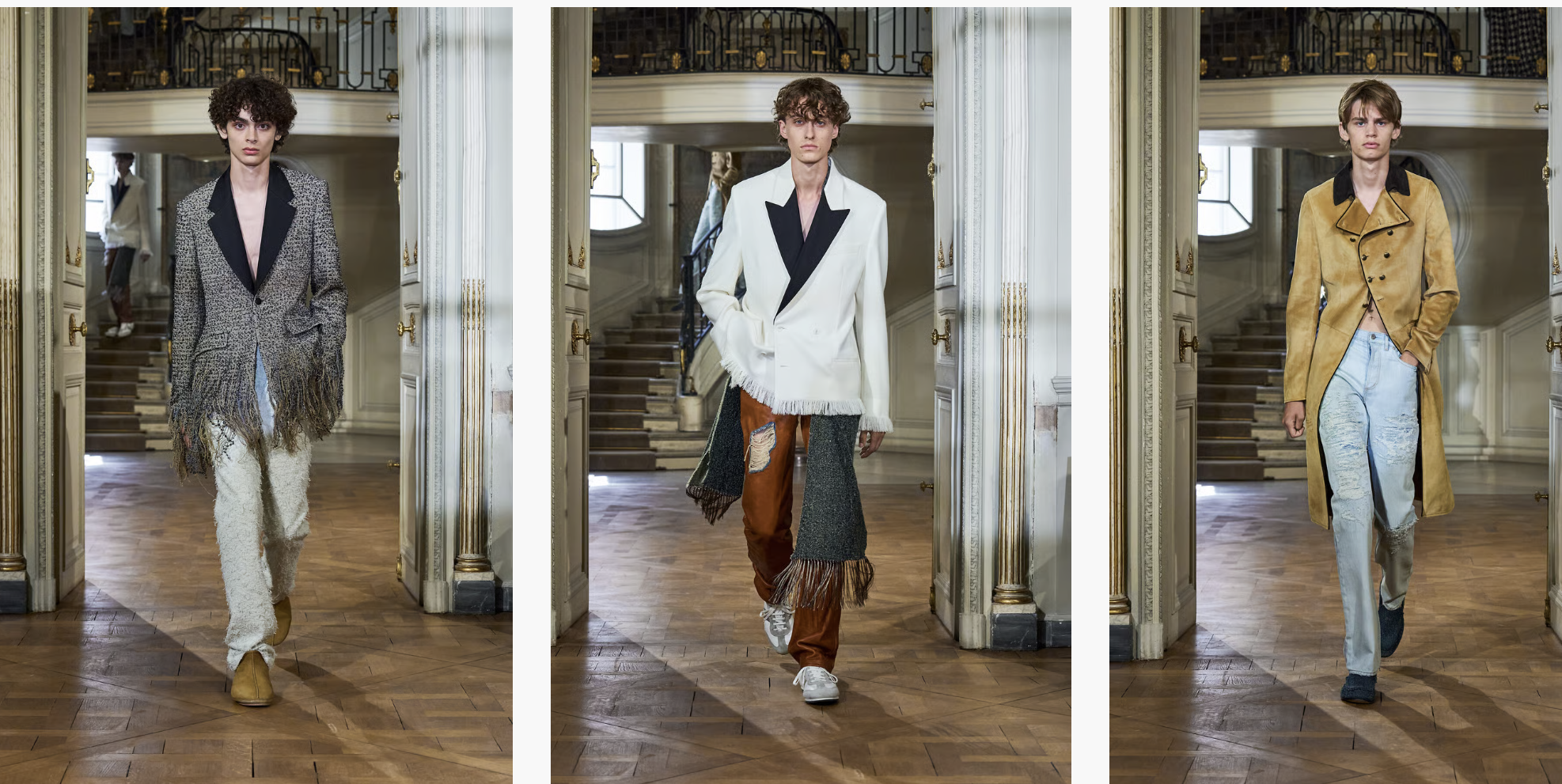
Dior Men Spring/Summer 2027 may prove far more influential than immediately obvious. While the collection lacks the instant “Instagram bait” of many contemporary luxury shows, its strongest ideas—soft tailoring, embellished denim, tactile accessories and relaxed formalwear—are precisely the pieces likely to shape both retail and editorial over the coming seasons.
Ultimately, Jonathan Anderson didn’t ask what Dior should look like in 2027. He asked how it should feel. The answer isn’t louder logos or bigger spectacles. It’s curiosity, contradiction and clothes that reveal themselves with a mix of high and low: bow tie and shiny pants, shorts and distressed tailored jackets. There are debut collections, and then there are cultural resets.