


By Giorgia Cantarini
Solo-maxxing is one of the latest social media trends redefining how younger generations think about relationships, independence, and personal fulfilment.
But what does solo-maxxing mean? At its core, solo-maxxing encourages people — primarily Gen Z and Millennials — to intentionally embrace singlehood and redirect the time, energy, and money traditionally invested in dating toward themselves. Self-care, personal development, financial stability, hobbies, travel, and individual experiences become the priority.
Unlike previous generations, many solo-maxxers do not view being single as a temporary waiting room before finding a partner. Instead, they see it as a legitimate lifestyle choice.
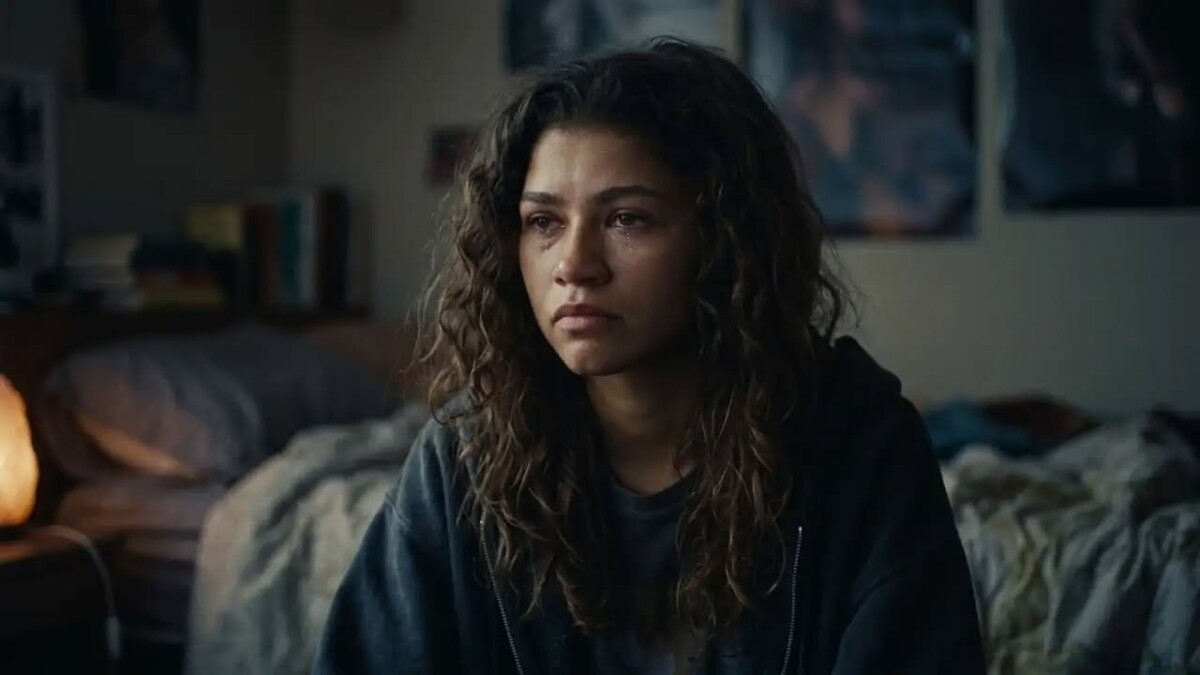
For some, it is a matter of financial autonomy. In a period marked by rising living costs and economic uncertainty, dating can feel like an expensive investment with uncertain returns. Focusing on one’s own goals, career, and financial wellbeing often appears more rational than navigating the complexities of modern relationships.
For others, solo-maxxing is about protecting emotional energy. After years of dating-app fatigue, situationships, ghosting, and increasingly transactional approaches to romance, many young adults are choosing to opt out entirely. Rather than risking disappointment, they invest in themselves.
Others see it as a form of self-discovery — an opportunity to heal attachment wounds, build confidence, and learn how to enjoy their own company without depending on external validation, without judgment, rejection, tensions, all of this though, is the at the
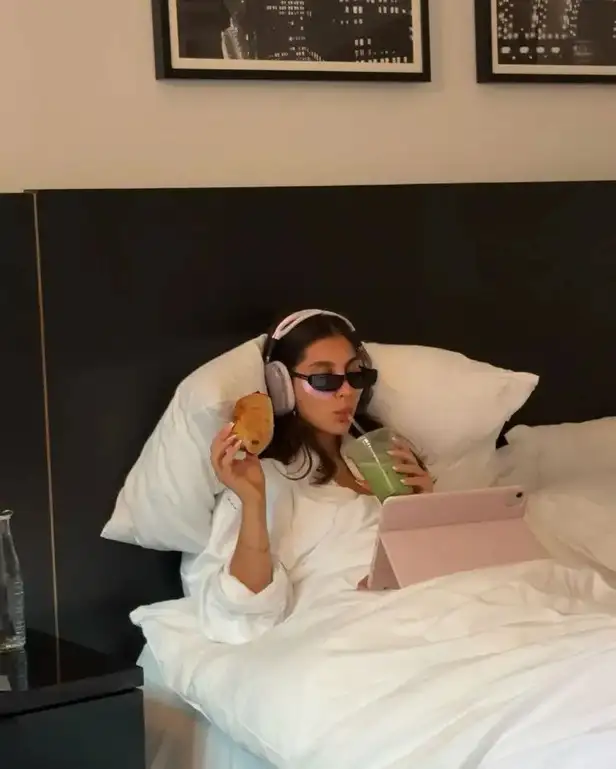
The lifestyle itself is surprisingly simple. Solo-maxxers normalize activities that were once considered unusual to do alone: going to restaurants, visiting museums, travelling, attending concerts, watching films, or simply spending time with themselves without feeling the need to justify it.
On social media, these moments are often transformed into carefully curated content. Solo dinners, solo vacations, wellness routines, morning rituals, and personal milestones become part of an online narrative that celebrates independence as a form of achievement.
Yet the growing popularity of solo-maxxing also raises an uncomfortable question.
Is this truly a celebration of independence, or is it a generation adapting to a world where meaningful connection feels increasingly difficult to access? Critics argue that solo-maxxing can sometimes blur the line between healthy solitude and emotional withdrawal. When self-protection becomes the primary goal, independence risks becoming isolation disguised as self-care.
And this is perhaps the paradox at the heart of the trend.
Human beings are fundamentally social creatures. While learning to be alone is healthy, chronic loneliness remains one of the defining challenges of modern society. The danger is not enjoying solitude, but becoming so accustomed to it that connection starts to feel unnecessary — or worse, threatening.
Interestingly, the cultural response to this growing isolation is already visible.
At the very moment social media celebrates solo-maxxing, cities around the world are experiencing a boom in real-life social gatherings designed to bring strangers together. From New York to London, Paris, and Milan, a new generation of IRL events is emerging as an antidote to digital loneliness.
In New York, events such as Pitch-A-Friend and Pitch & Pair invite people to present their single friends through humorous PowerPoint presentations in front of a live audience, turning matchmaking into a collective social experience rather than a private algorithm-driven activity.
Across London, similar formats have appeared alongside a growing number of community-driven gatherings designed not only for dating but also for friendship and social connection.
At the same time, the rise of coffee raves, breakfast clubs, and morning dance parties is transforming the way people meet. Organisations such as Daybreaker in New York and Morning Gloryville in London have popularised alcohol-free morning events where strangers gather to dance, drink coffee, and start the day together.
Board-game clubs, community dinners, running groups, creative workshops, and friendship-focused events are becoming increasingly common across major cities as younger generations search for spaces where connection feels more authentic than endless swiping. Eventbrite data even shows that singles-focused events have more than doubled in recent years as dating-app fatigue continues to grow.
While supporters see solo-maxxing as a refreshing rejection of outdated relationship expectations, some experts worry that constantly protecting one’s peace could become an excuse to avoid emotional vulnerability altogether. The question is whether solo-maxxing is teaching a generation how to enjoy their own company—or simply how to become comfortable with loneliness.