


Inside Animale Sociale – Nessunoh Mi Può Giudicare, the Milan apartment redefining the meaning of belonging
Design is only the starting point.
Inside Casaornella, the real luxury is belonging.
With Animale Sociale – Nessuno Mi Può Giudicare, Casaornella moves decisively away from the traditional idea of the showhouse, transforming the Milanese apartment into something far more fluid, emotional and contemporary: a space designed not simply to be observed, but inhabited.
Created by Maria Vittoria Paggini, the project dissolves the boundaries between art, fashion, sound, hospitality and interior design, allowing them to function as one living organism capable of generating genuine human connection. Guests may arrive expecting an installation, but what they encounter instead is a feeling — something intimate, atmospheric and unexpectedly personal.
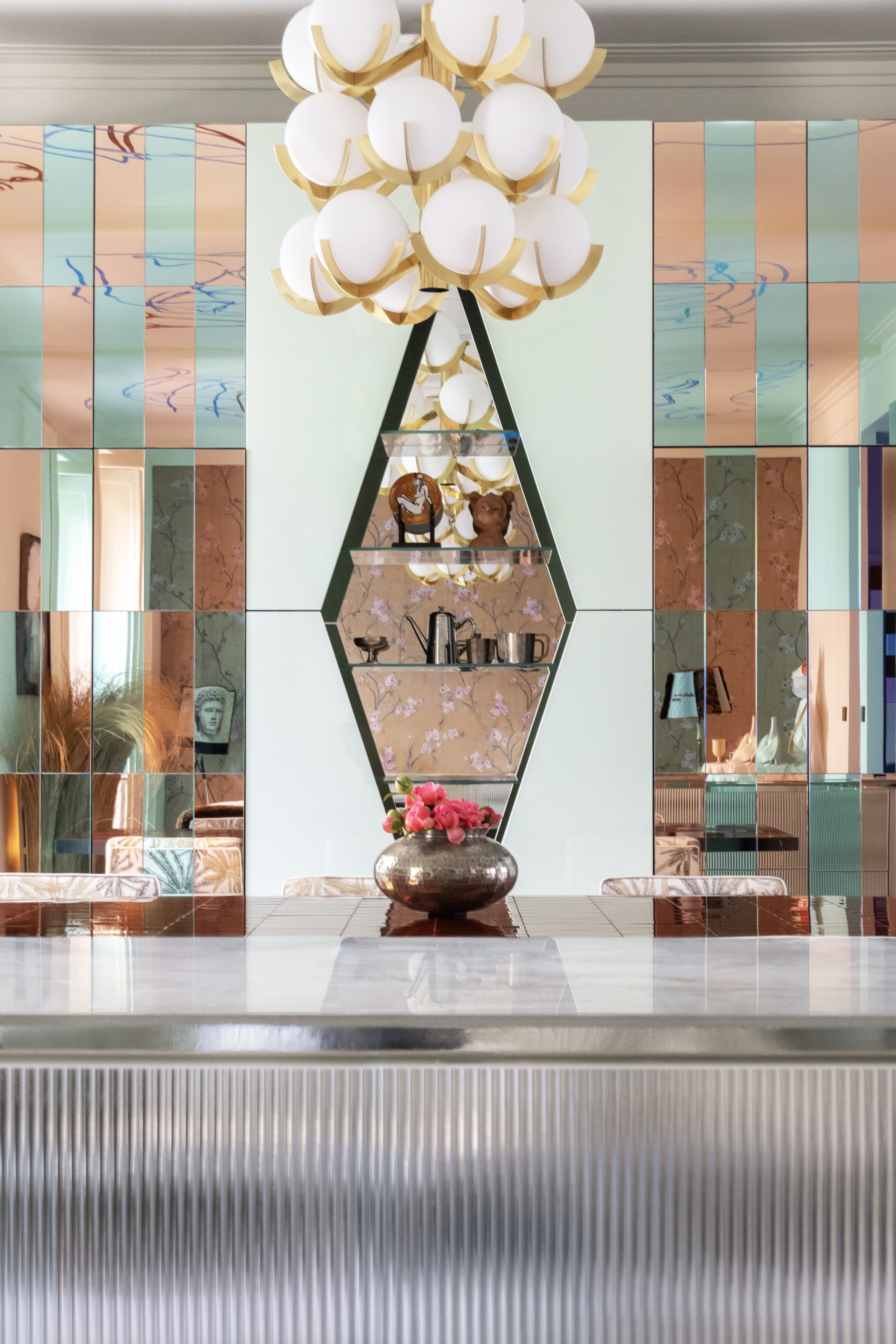
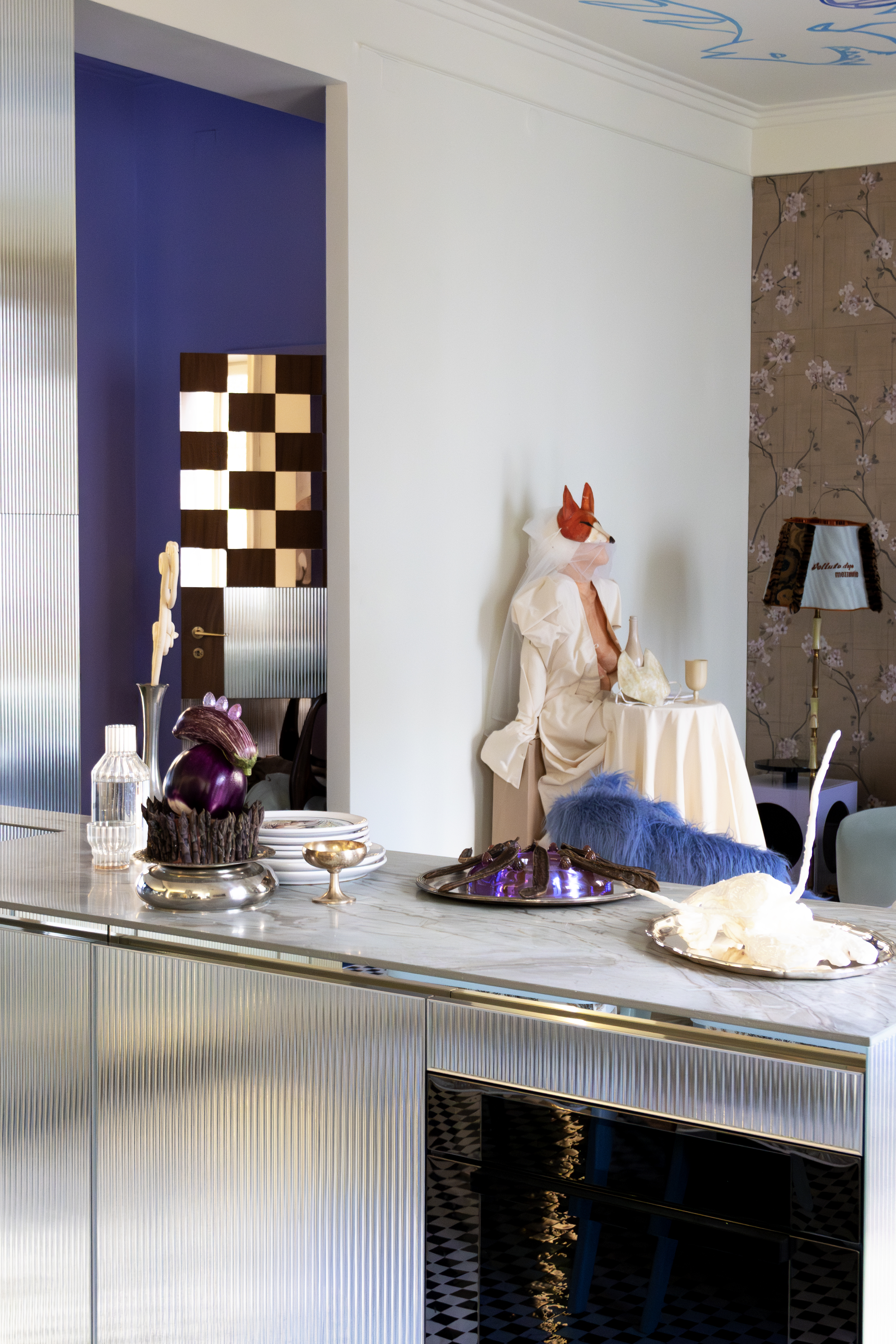
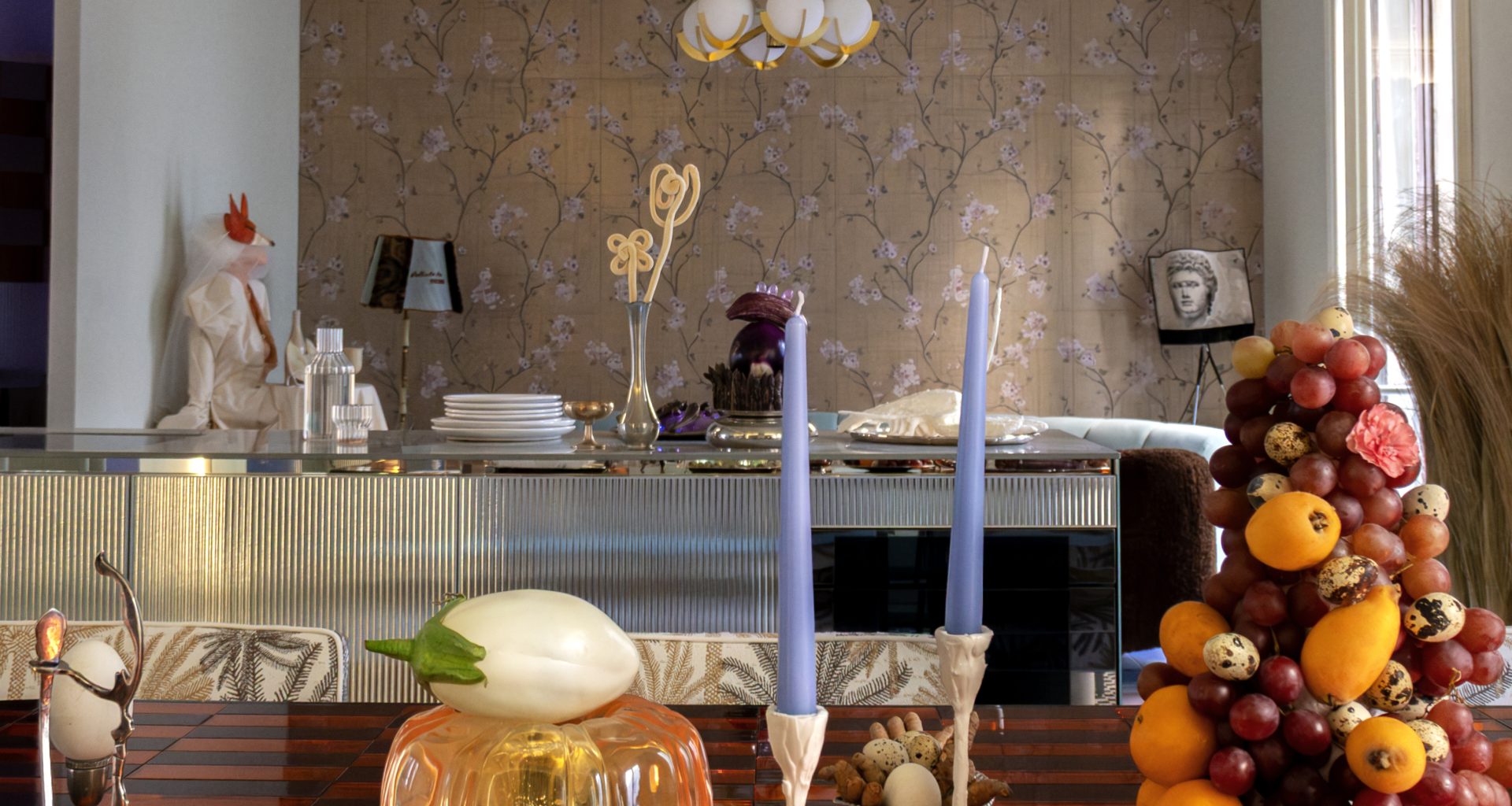
Serenissima (Gruppo Romani), Controverso lamp by
CorpoLuce, Woman sculpture by Tatiana Brodatch &
Xenia Axelrod, Floral arrangement by Latteliè Studio, Custom Kitchen- designed by Maria Vittoria Paggini crafted by Turati Cucine
Here, design never dominates the experience-
It operates quietly beneath the surface.
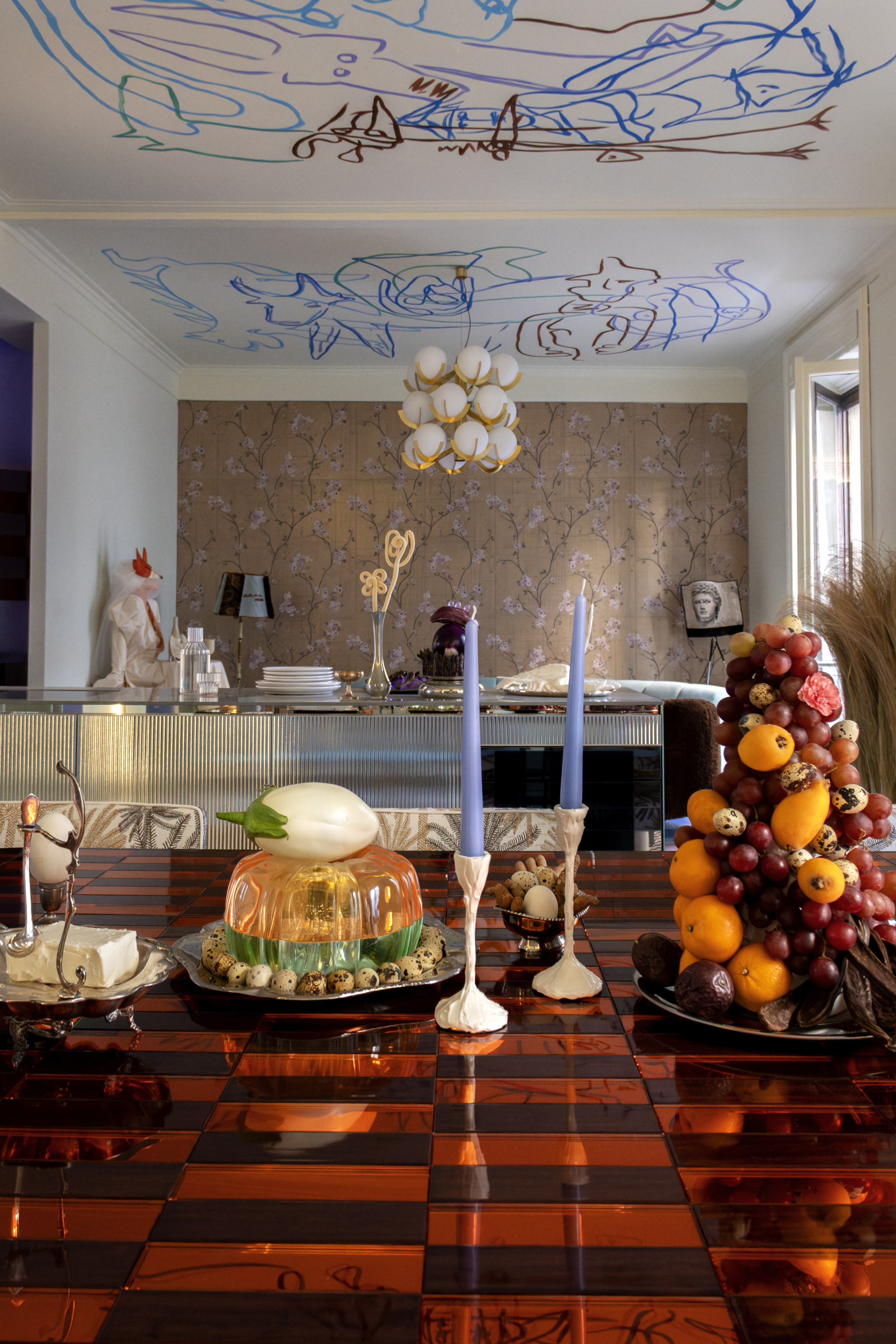
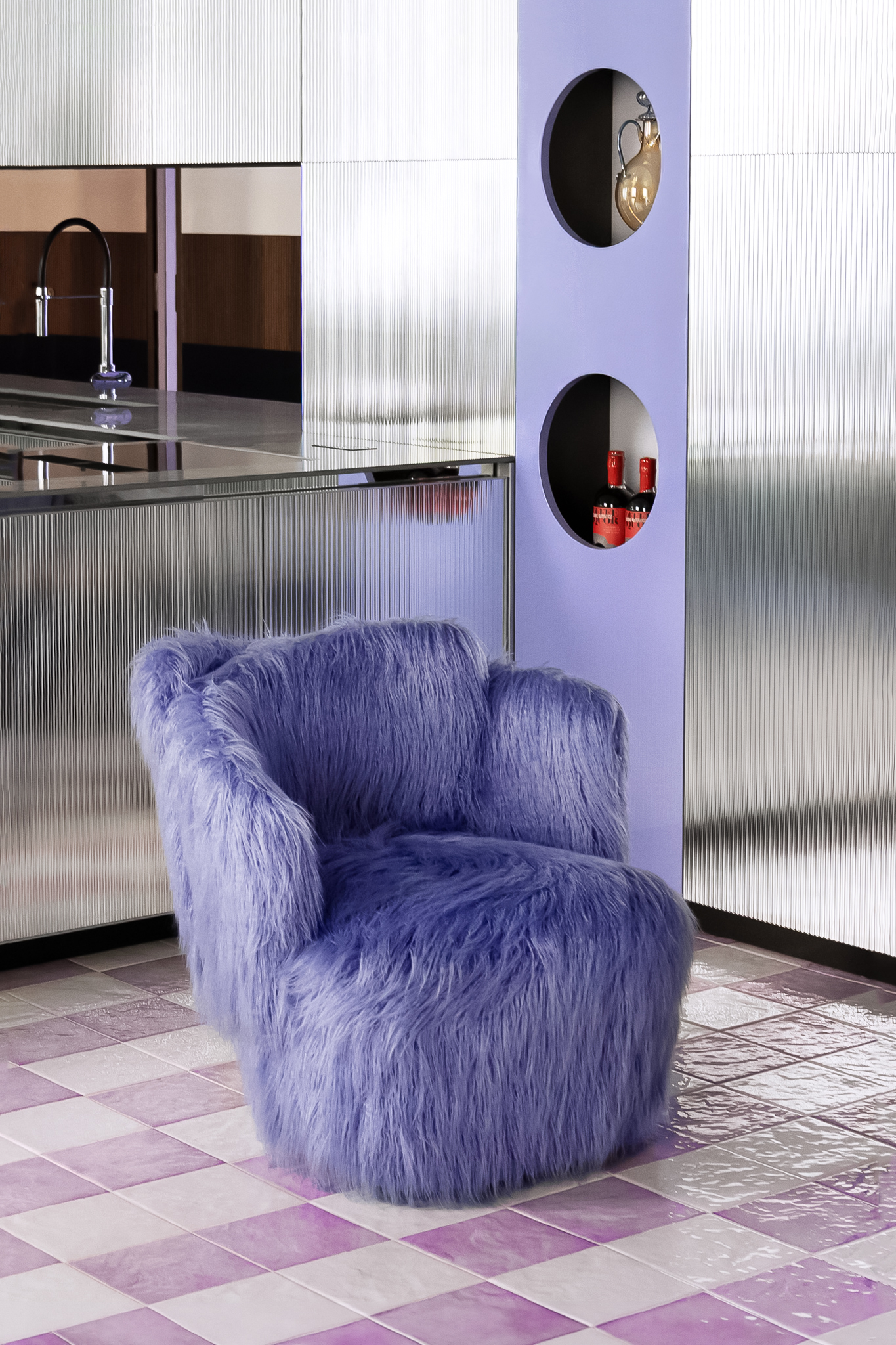
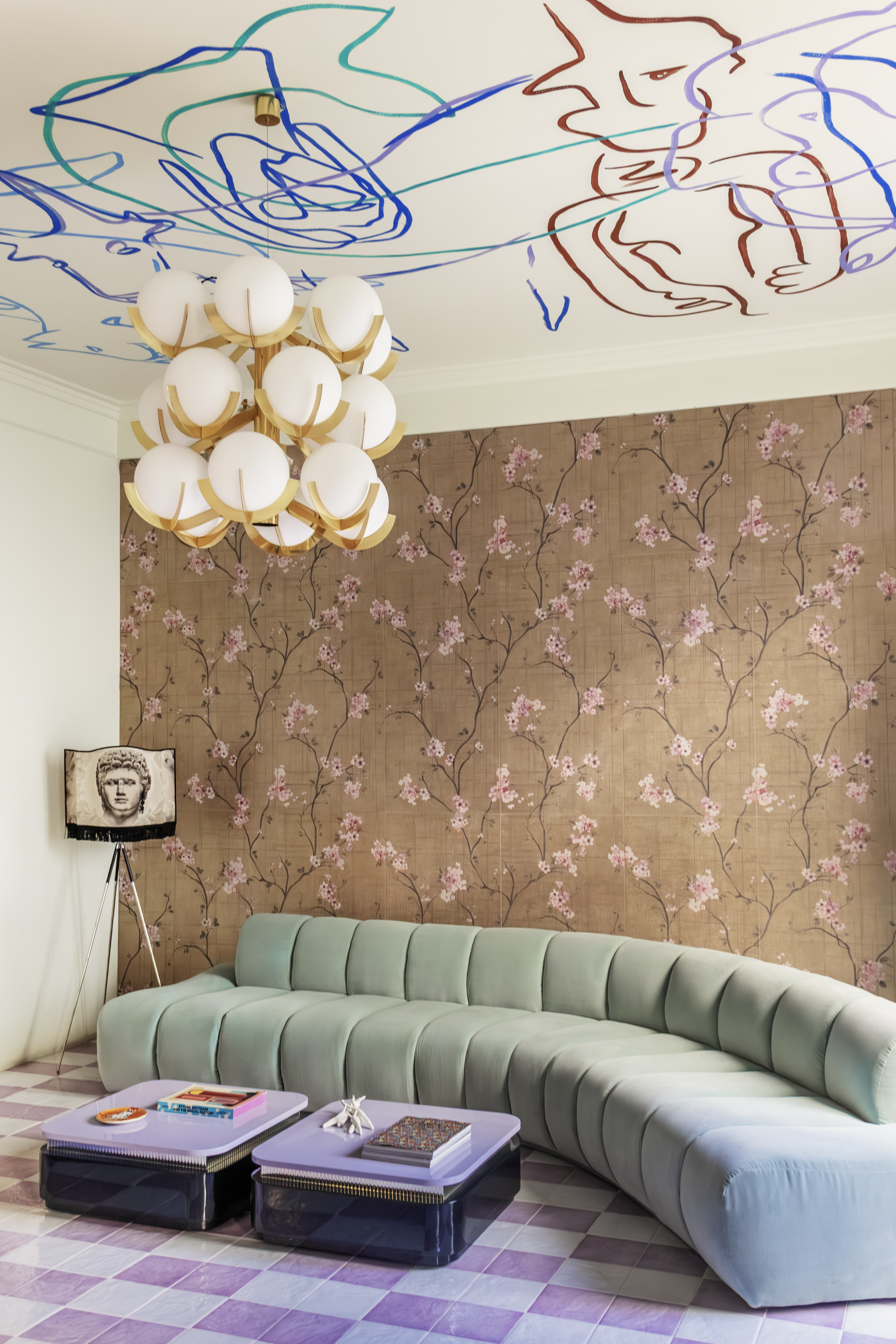
A shared pasta dinner around a table. A playlist that feels strangely familiar, as though it already belonged to someone’s memory. A scent developed with Narici Milano that lingers long after leaving the space. And then there is lilac — developed alongside Kerakoll — transformed from decorative choice into emotional architecture: a colour that alters perception, softens movement and changes the way bodies inhabit the room.
Everything inside Animale Sociale appears constructed around a single underlying idea: that people still crave belonging.
The apartment itself reflects this philosophy. Spaces open into one another without rigid hierarchies or imposed separations.
Rooms communicate freely, much like people do once their defences begin to disappear. What emerges in this suspended territory between intimacy and unfamiliarity is something increasingly rare within contemporary urban life: genuine relational experience.
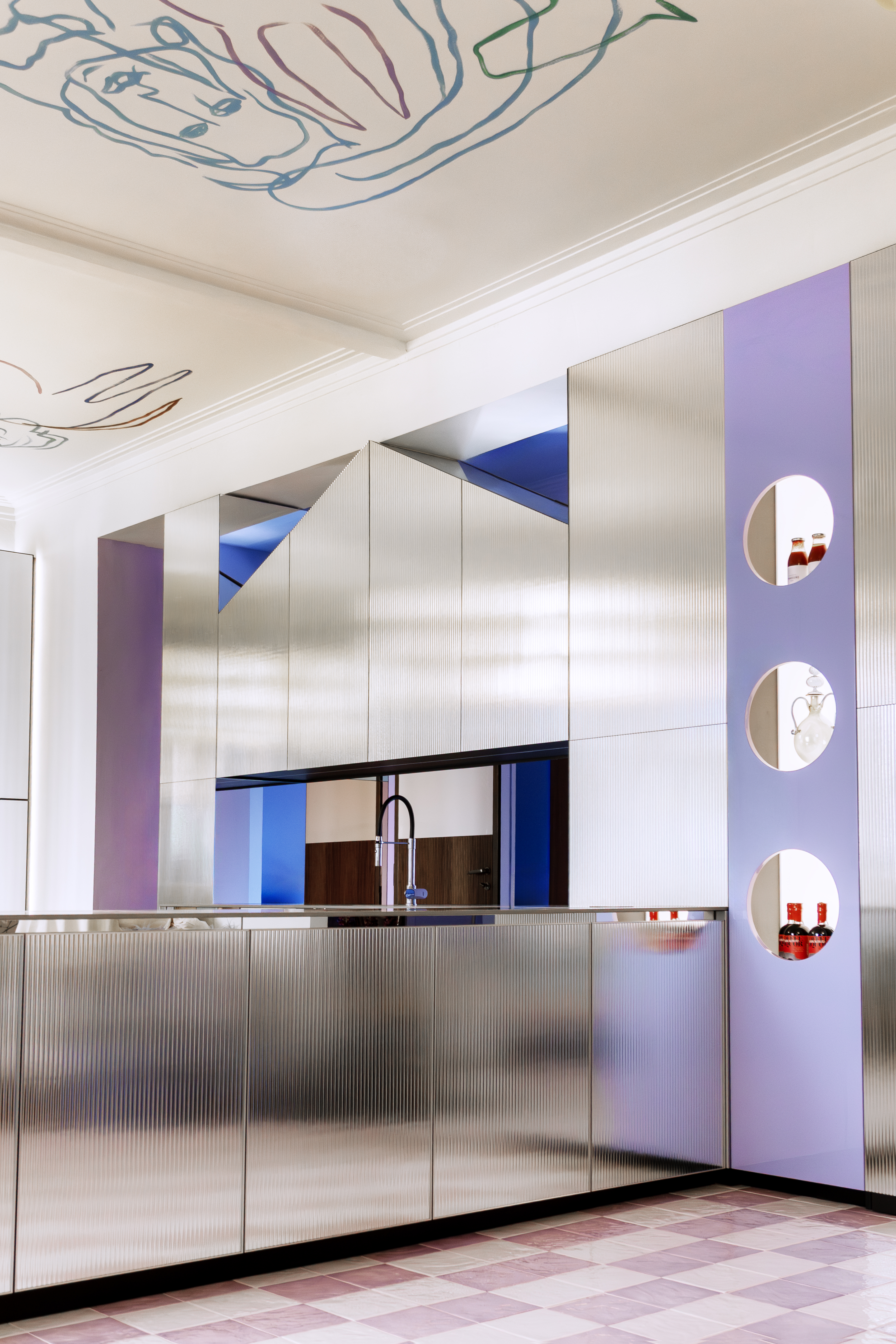
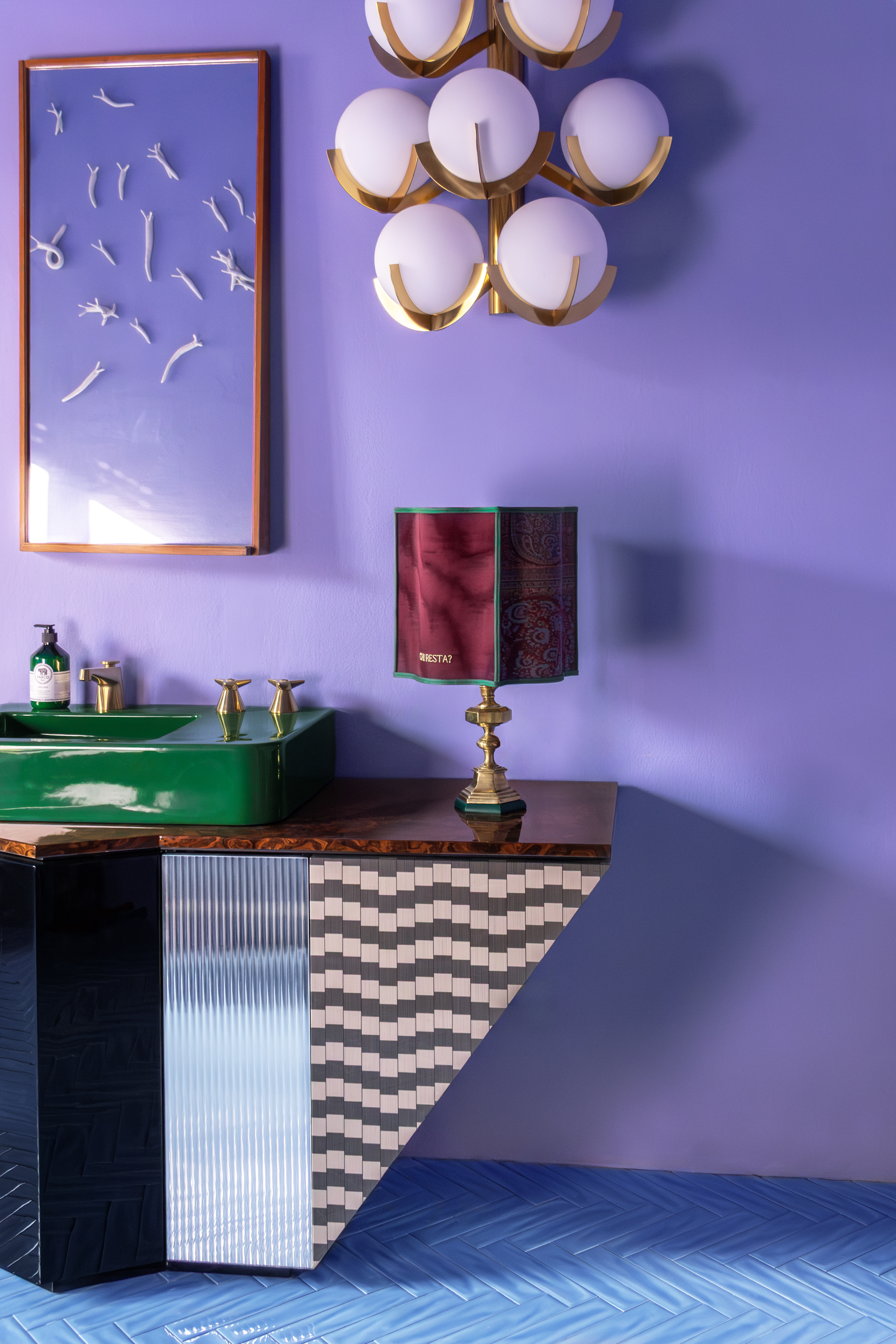
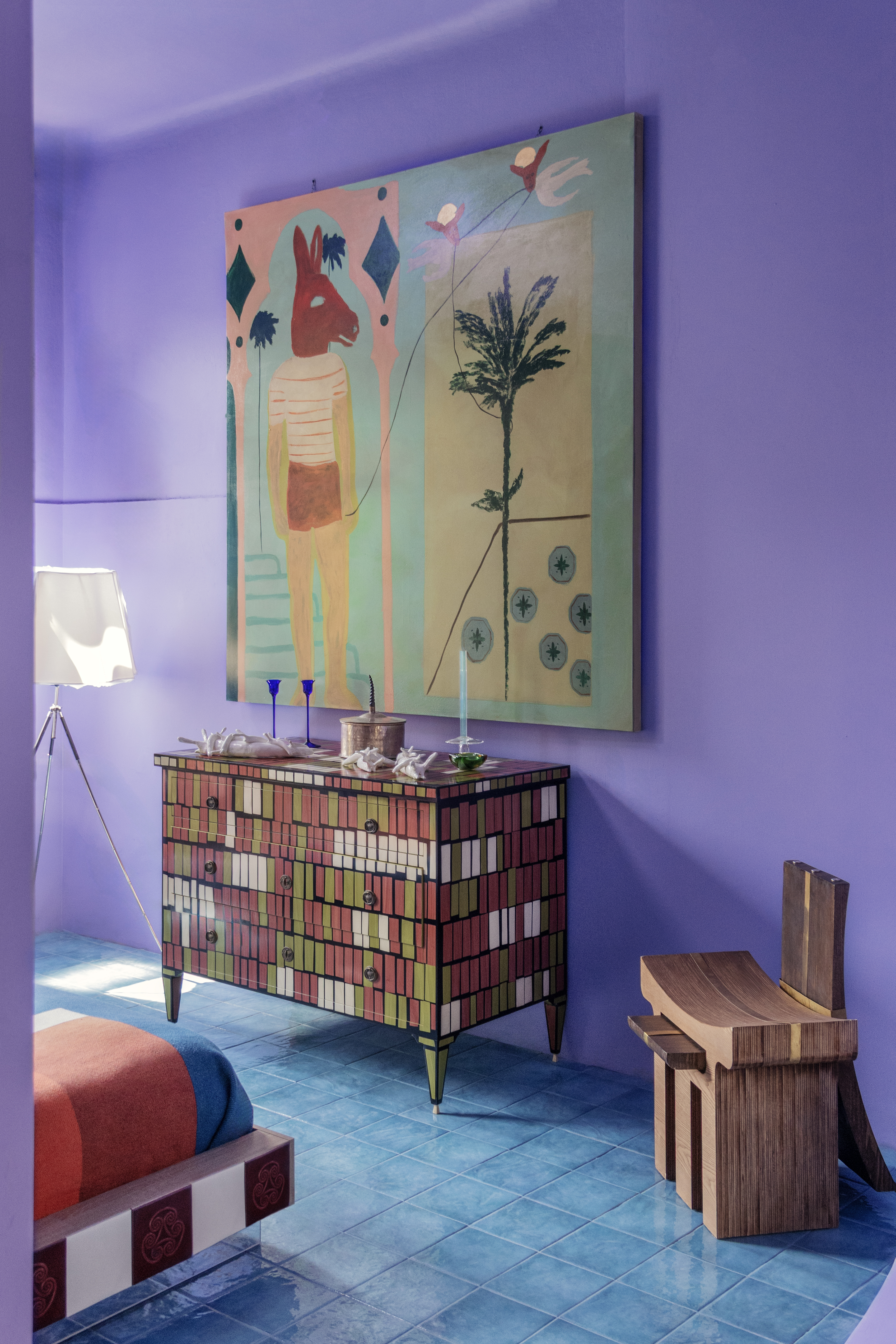
Paggini X Fratelli Boffi, Tiles Trasparenze Marine by Cerasarda
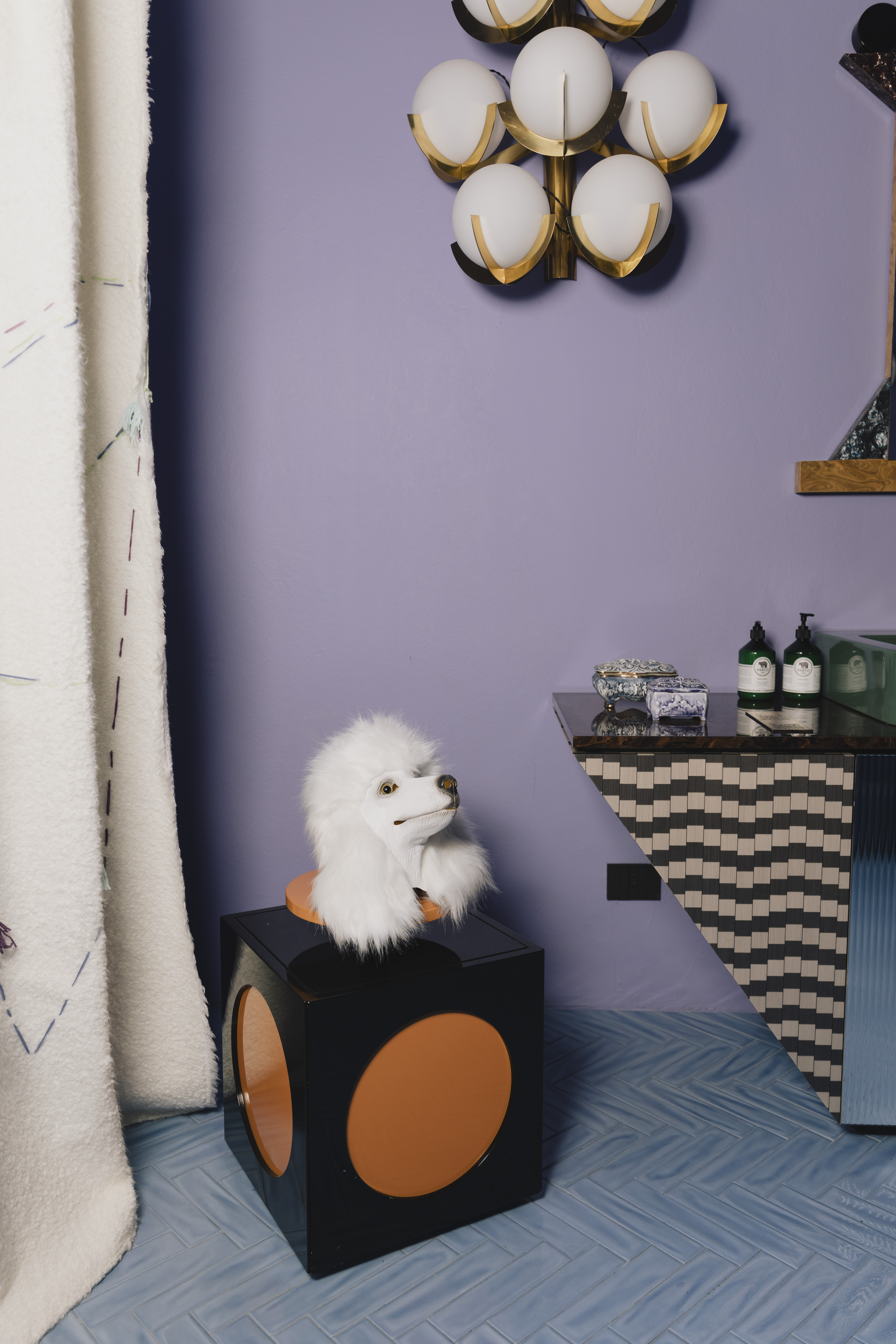
Paggini X Matteo – Vanity Unit/ sideboard designed by Maria Vittoria Paggini X Fratelli Boffi, Softhouse (MVP capsule collecton Motel for Softhouse), Tiles Trasparenze Marine by Cerasarda
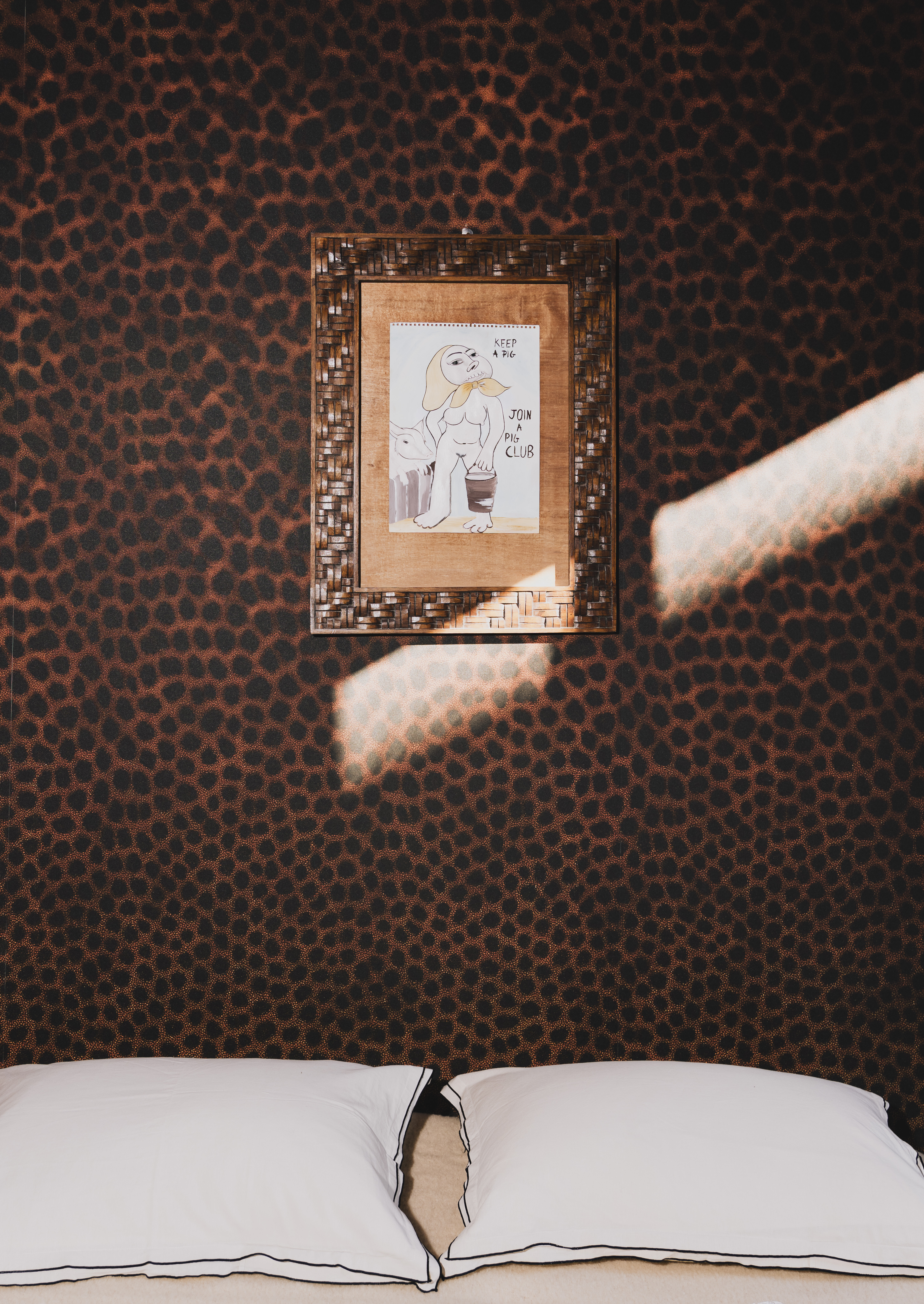
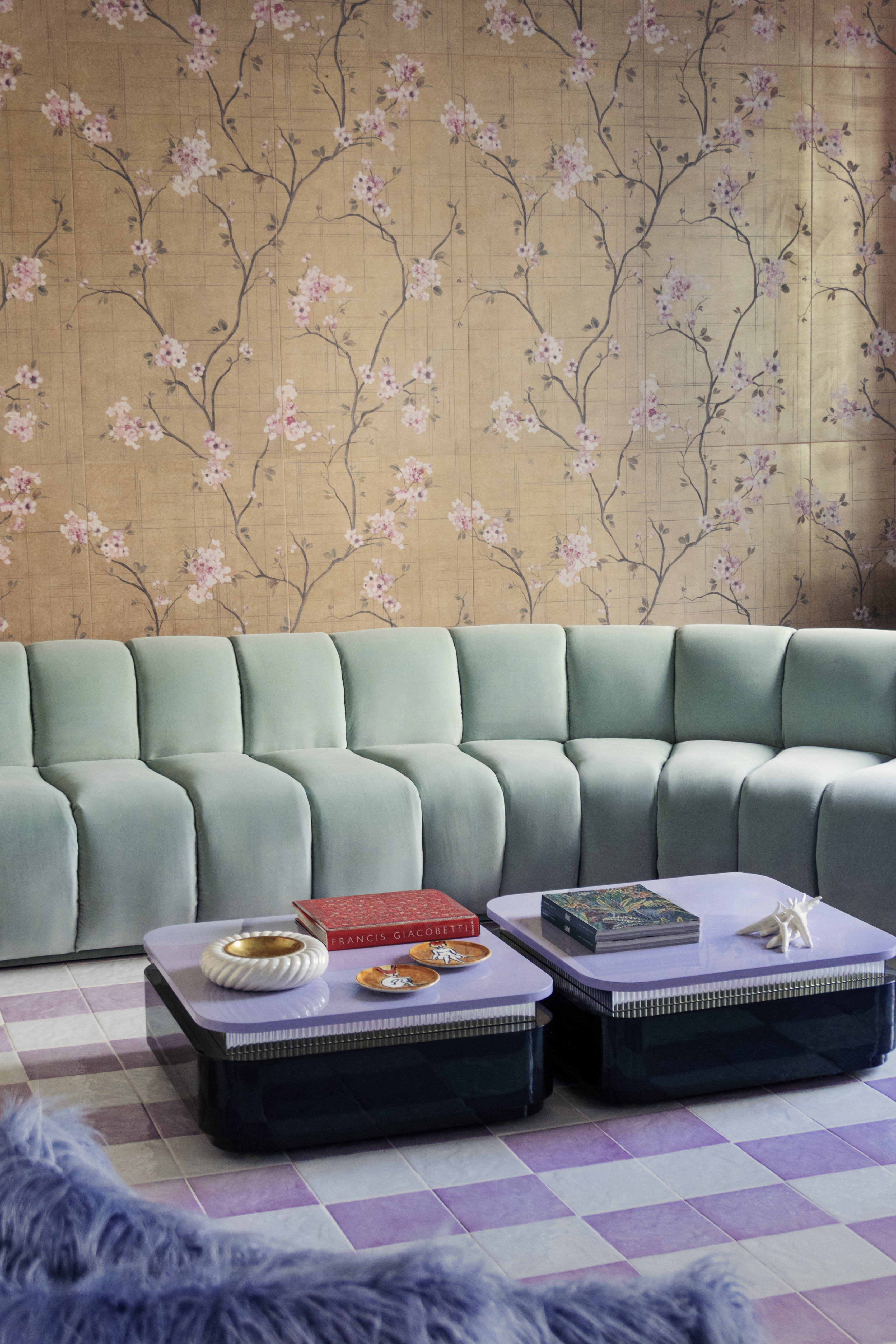
Designed by Maria Vittoria Paggini x Rumore Wallpaper
Casaornella is not a showhouse to look at.
It is a place to feel.
And perhaps that is the deeper meaning behind Animale Sociale – Nessuno Mi Può Giudicare: a reminder that, despite everything, we are still searching for the same thing — spaces where we can recognise ourselves in others and feel, even briefly, less alone.
CONTACTS
IG: @casaornellamilano / @mariavittoriapaggini
Web: casaornella.com
Email: milano@casaornella.com