by Giorgia Cantarini
Between surf culture, South Asian echoes and a controversial artificial wave, Louis Vuitton Spring/Summer 2027 turned Paris Fashion Week into a spectacle of luxury, desire and debate.
Forget the cliché of the luxury surfer. Louis Vuitton Men’s Spring/Summer 2027 show wasn’t about catching waves—it was about surfing culture as a global language. Under Pharrell Williams, the beach became less of a destination and more of a mindset: one where travel, craftsmanship and pop culture collide inside Louis Vuitton’s ever-expanding universe.
The monumental wave dominating the runway immediately set the tone. Water wasn’t simply a backdrop; it became a metaphor for circulation. Ideas, people and aesthetics flowed across continents with the same ease as the collection itself. Yet the scenography also became one of the show’s most debated elements. Staged during an intense Paris heatwave, with sand, mist and an artificial waterfall inside the Cité Internationale Universitaire, the production raised questions around resource use, public space and the optics of luxury spectacle in a moment of climate anxiety. Louis Vuitton stated that the water was reused through a closed-loop system, but the criticism became part of the story.
Officially, the narrative leaned into surf culture, but online the conversation quickly shifted elsewhere. Fashion commentators, particularly South Asian creators, recognised visual references that stretched beyond California, reading echoes of Indian craftsmanship, colour palettes and styling traditions. Whether intentional or not, those conversations became part of the show itself, proving that collections no longer end when the last model leaves the runway—they continue across Instagram, TikTok and niche fashion communities.
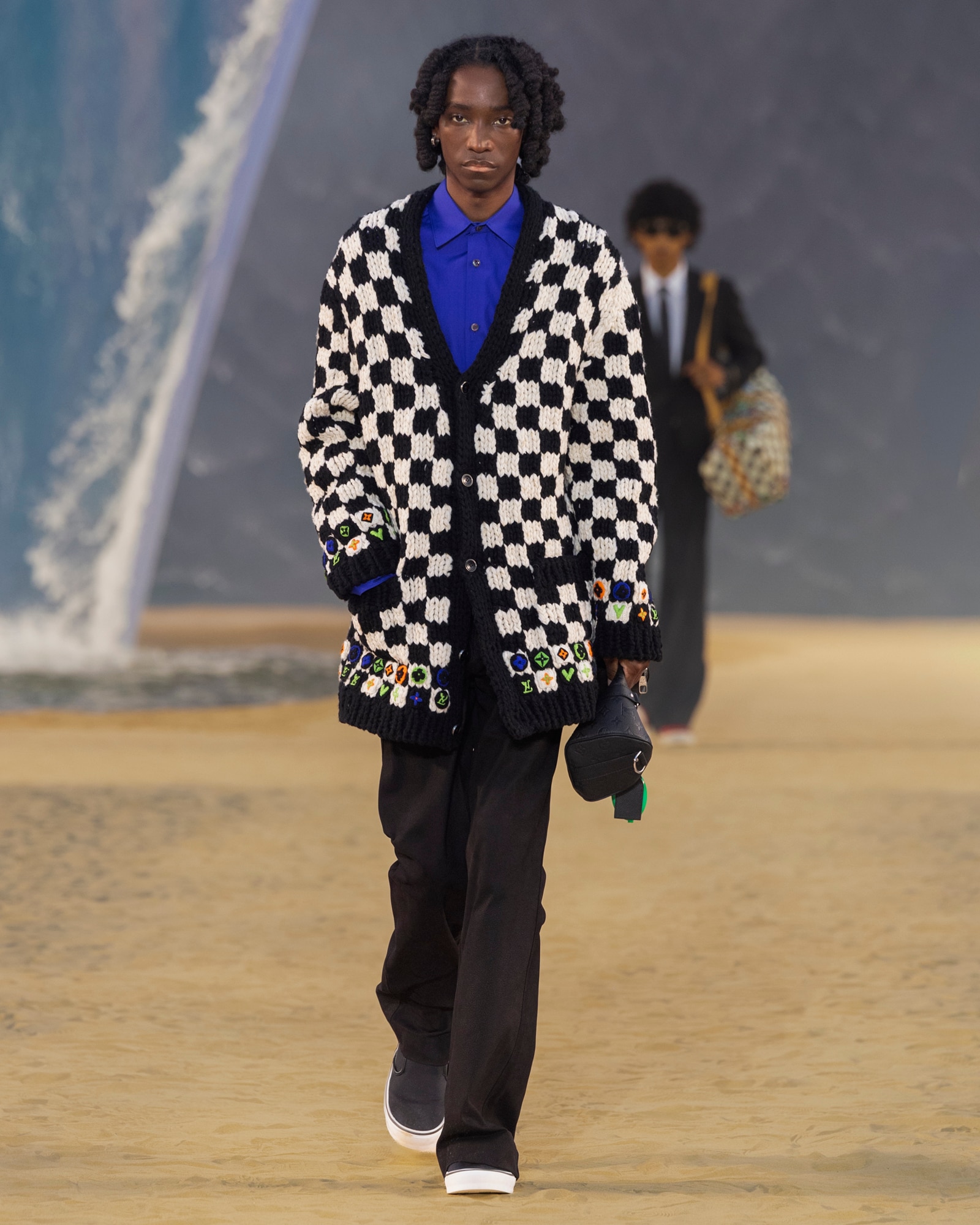
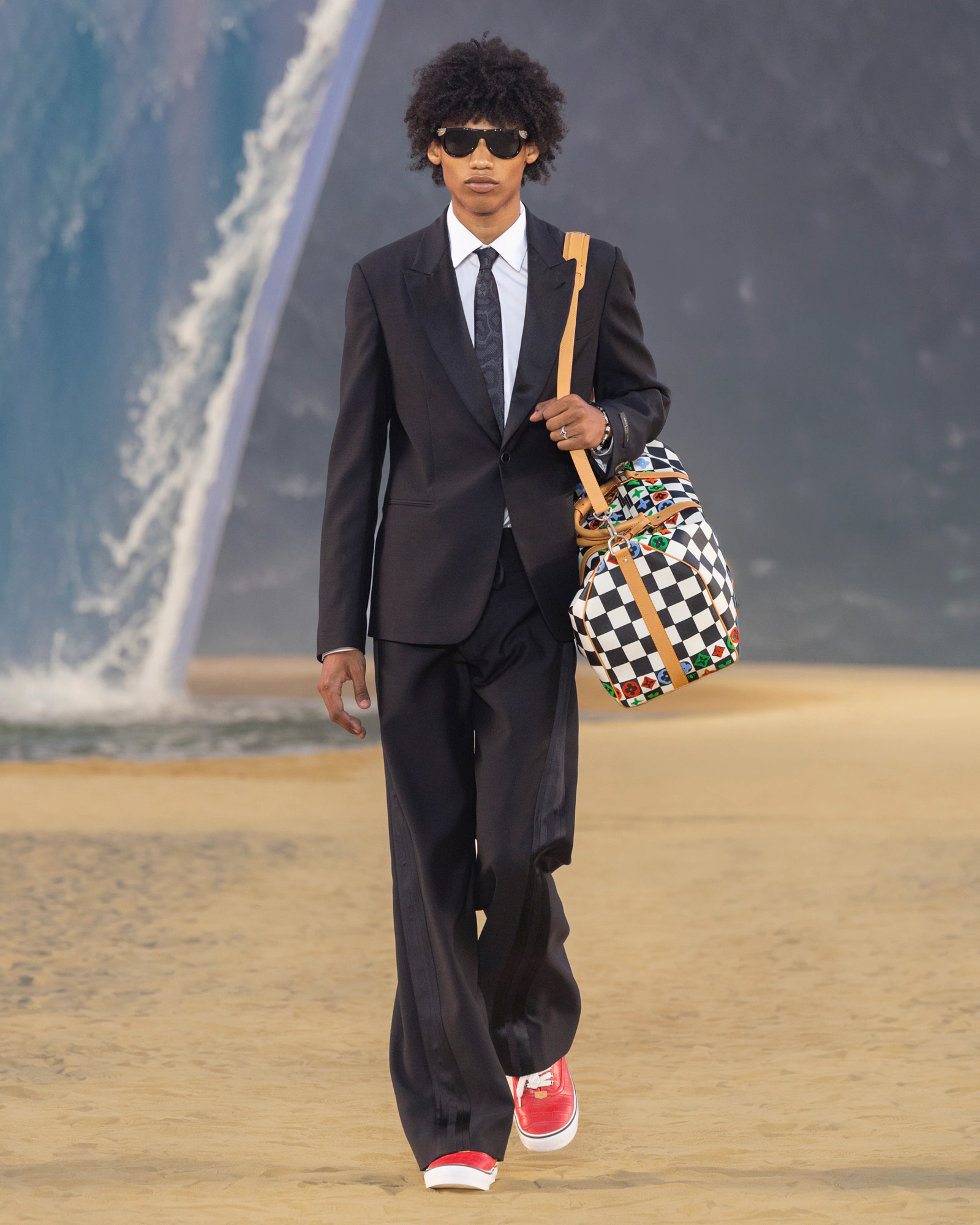
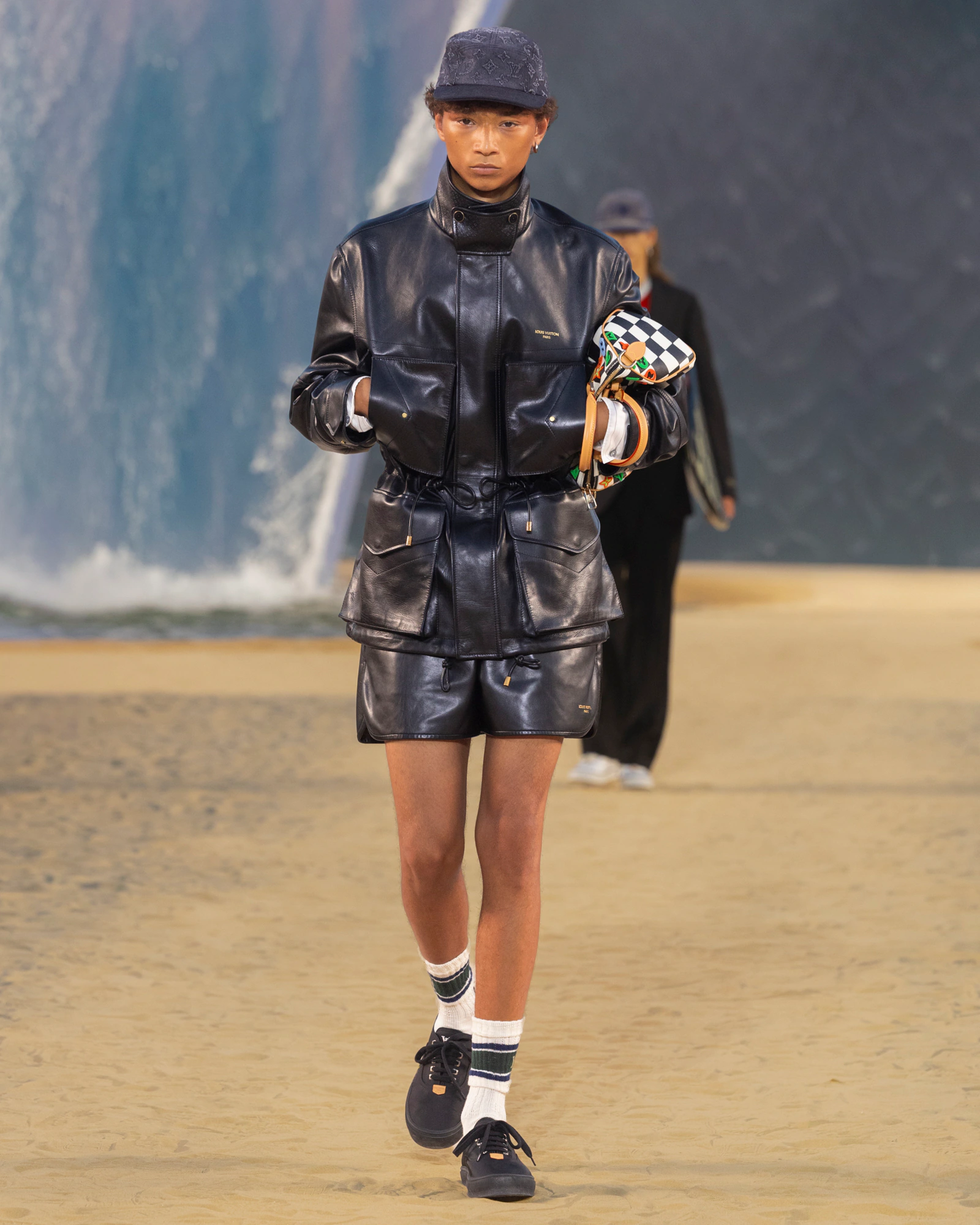
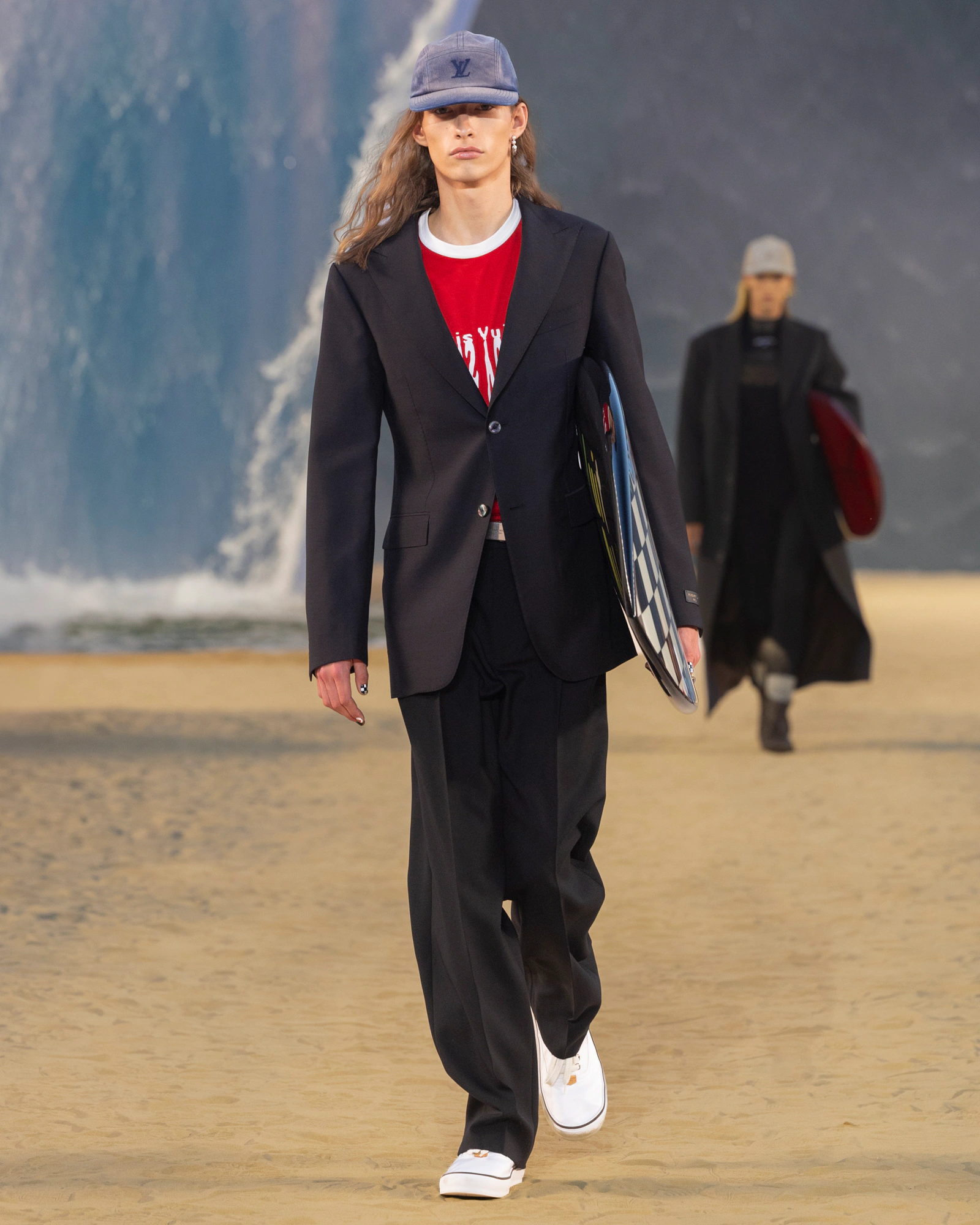
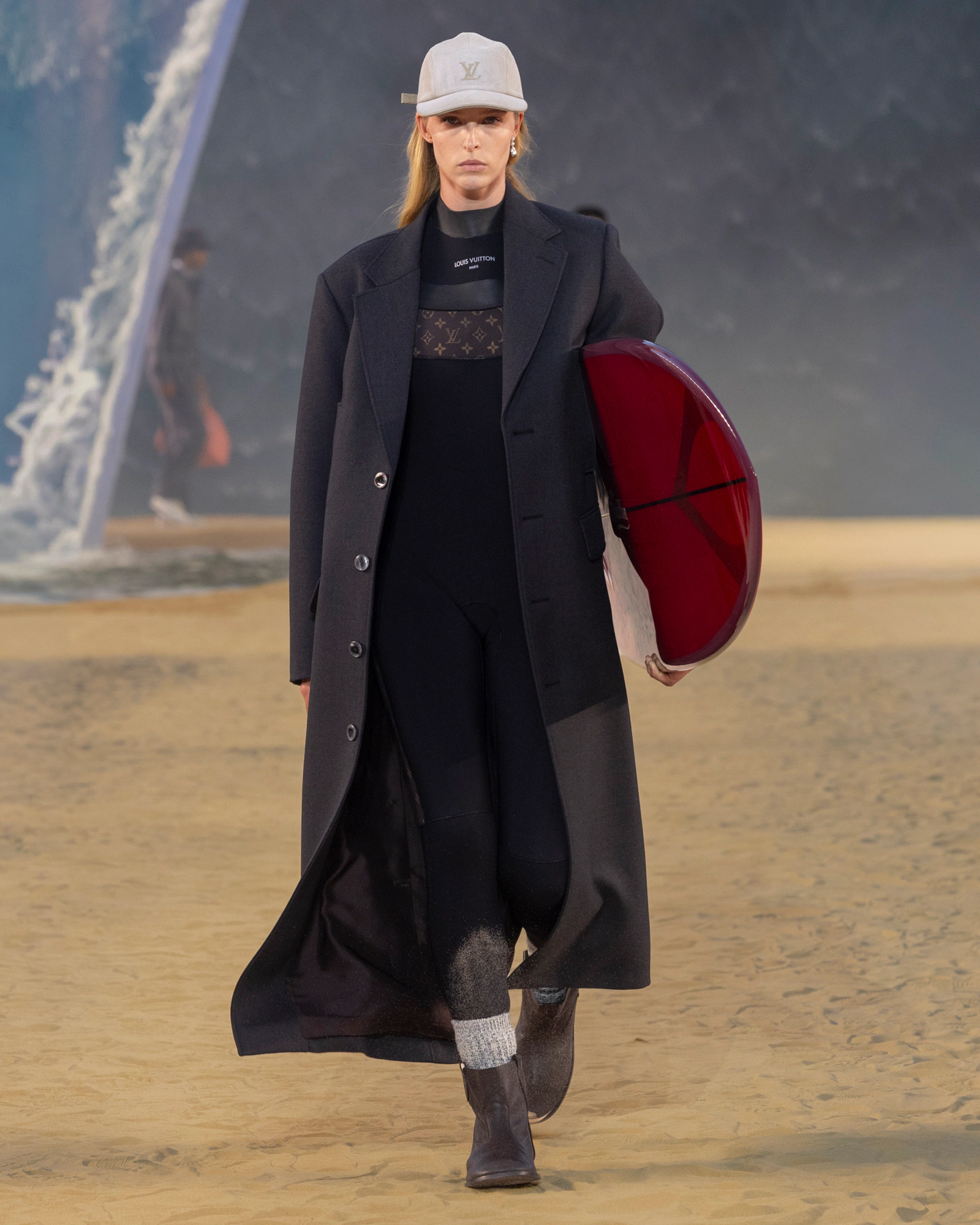
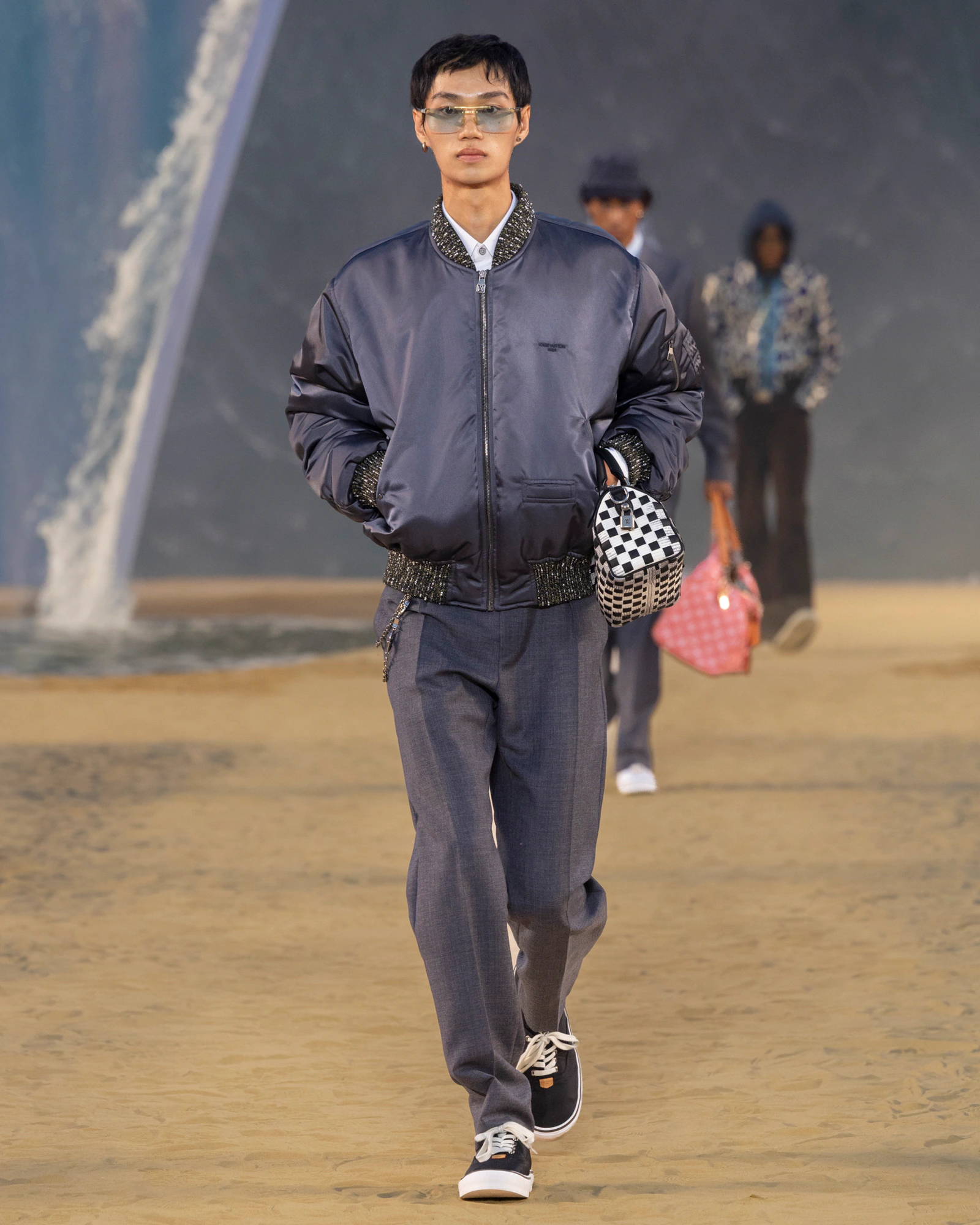
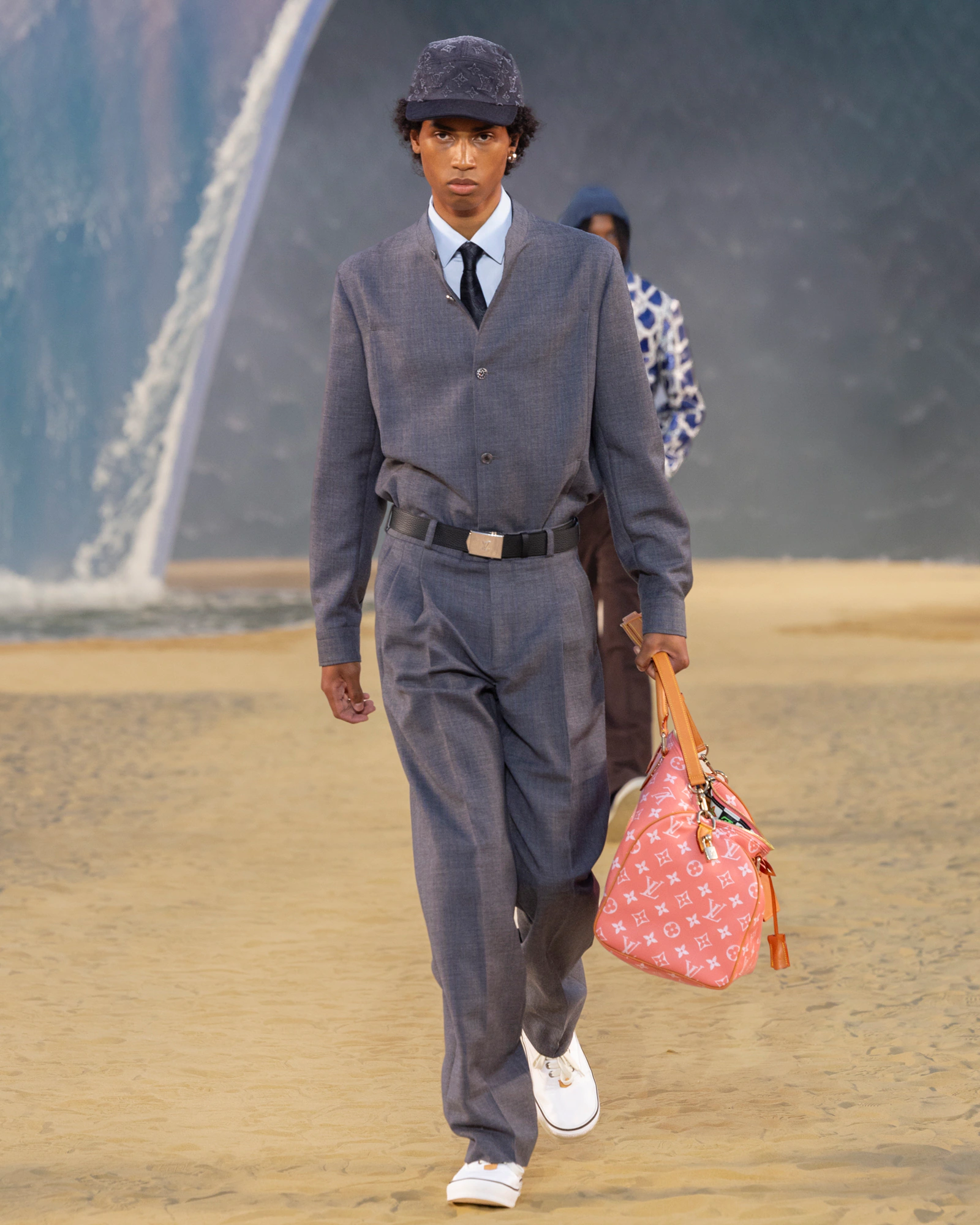
That tension between official storytelling and digital interpretation feels particularly relevant for Pharrell’s Louis Vuitton. His collections don’t ask to be read through one cultural lens; they invite multiple perspectives simultaneously. The result isn’t a literal destination but a moving collage of references, where luxury tourism gives way to cultural exchange.
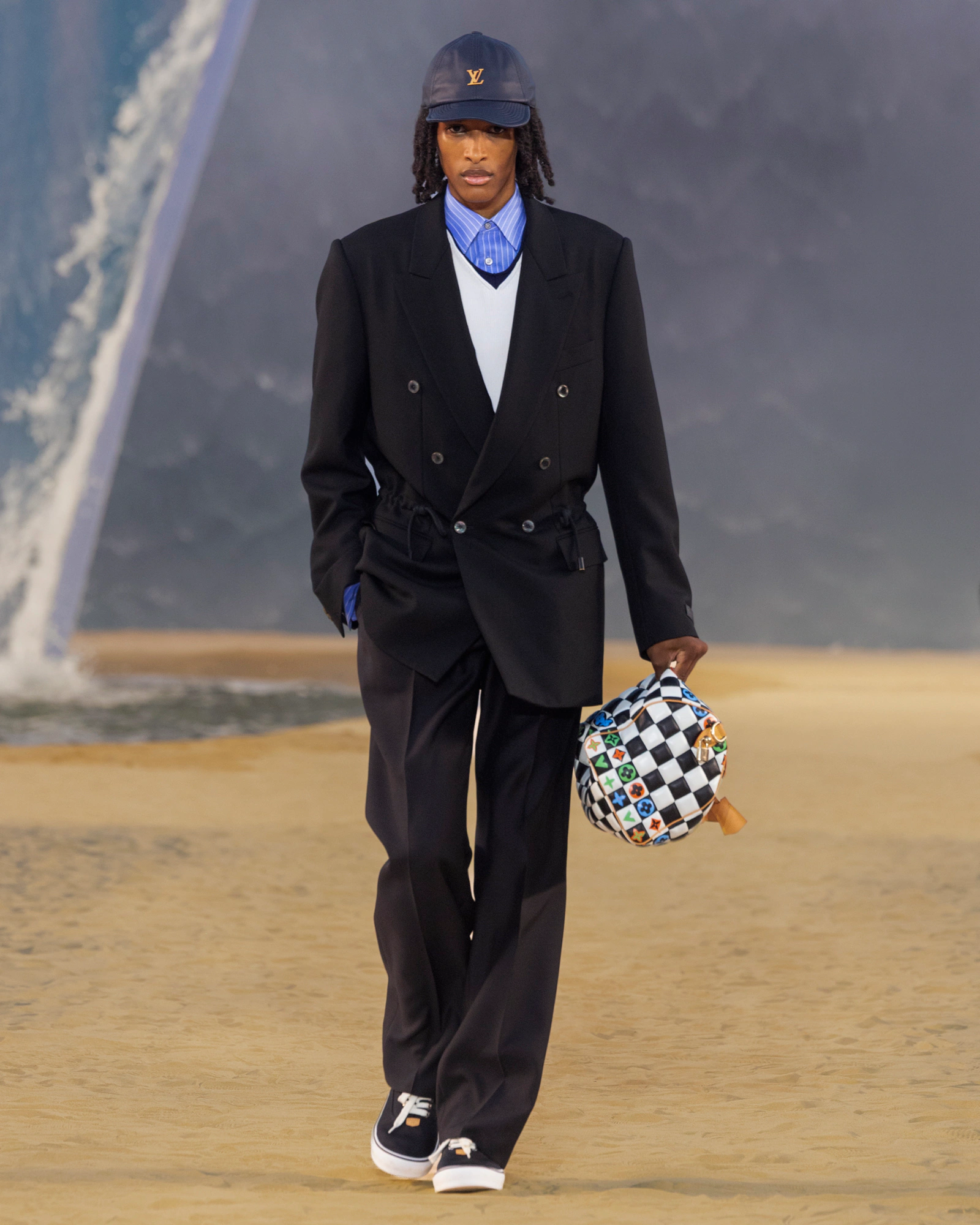
The wardrobe reflected that same fluidity. Tailoring lost its rigidity without abandoning elegance. Double-breasted jackets softened around the shoulders, shirts floated away from the body and trousers became increasingly generous, suggesting movement rather than structure. Technical fabrics sat comfortably next to crisp cottons, washed denim and supple leather, dissolving the traditional boundaries between performance wear and Parisian luxury.
Denim looked naturally sun-bleached, almost as if it had spent months travelling through different climates before reaching the runway. Outerwear carried a relaxed attitude, while knitwear and lightweight layers reinforced the collection’s lived-in feeling. Nothing appeared over-designed. Instead, the clothes embraced imperfection—a quality that increasingly defines contemporary luxury more than flawless execution.
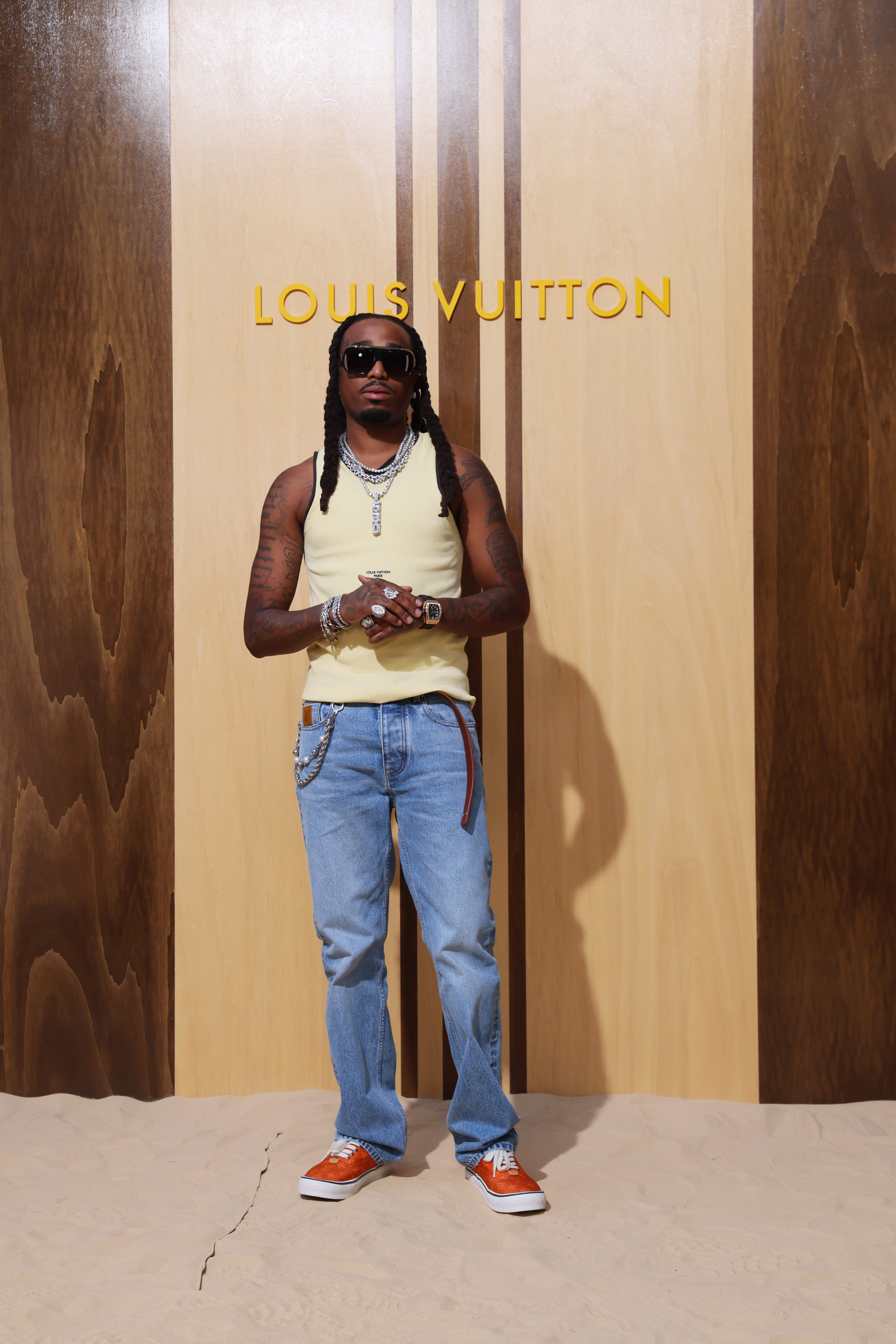
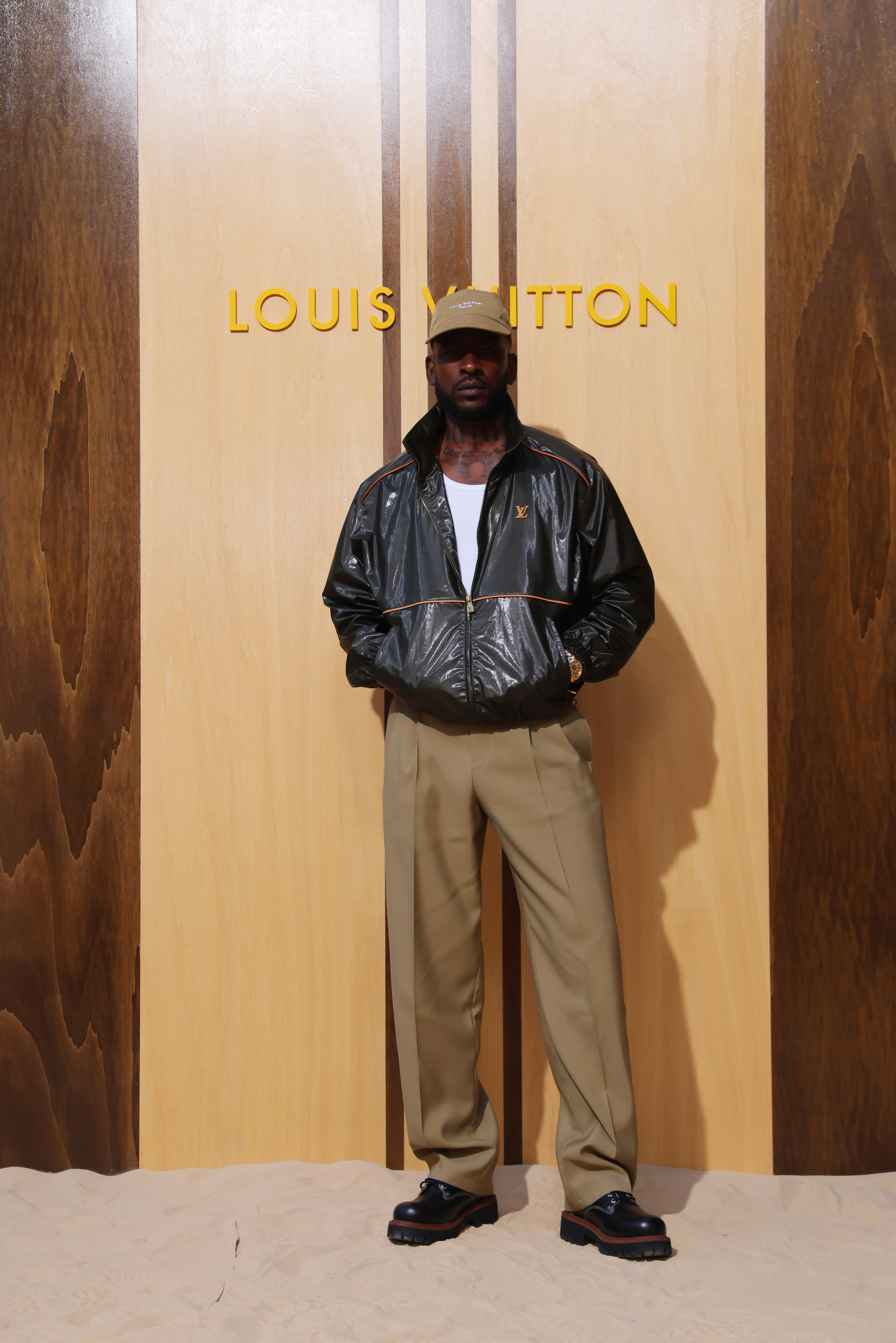
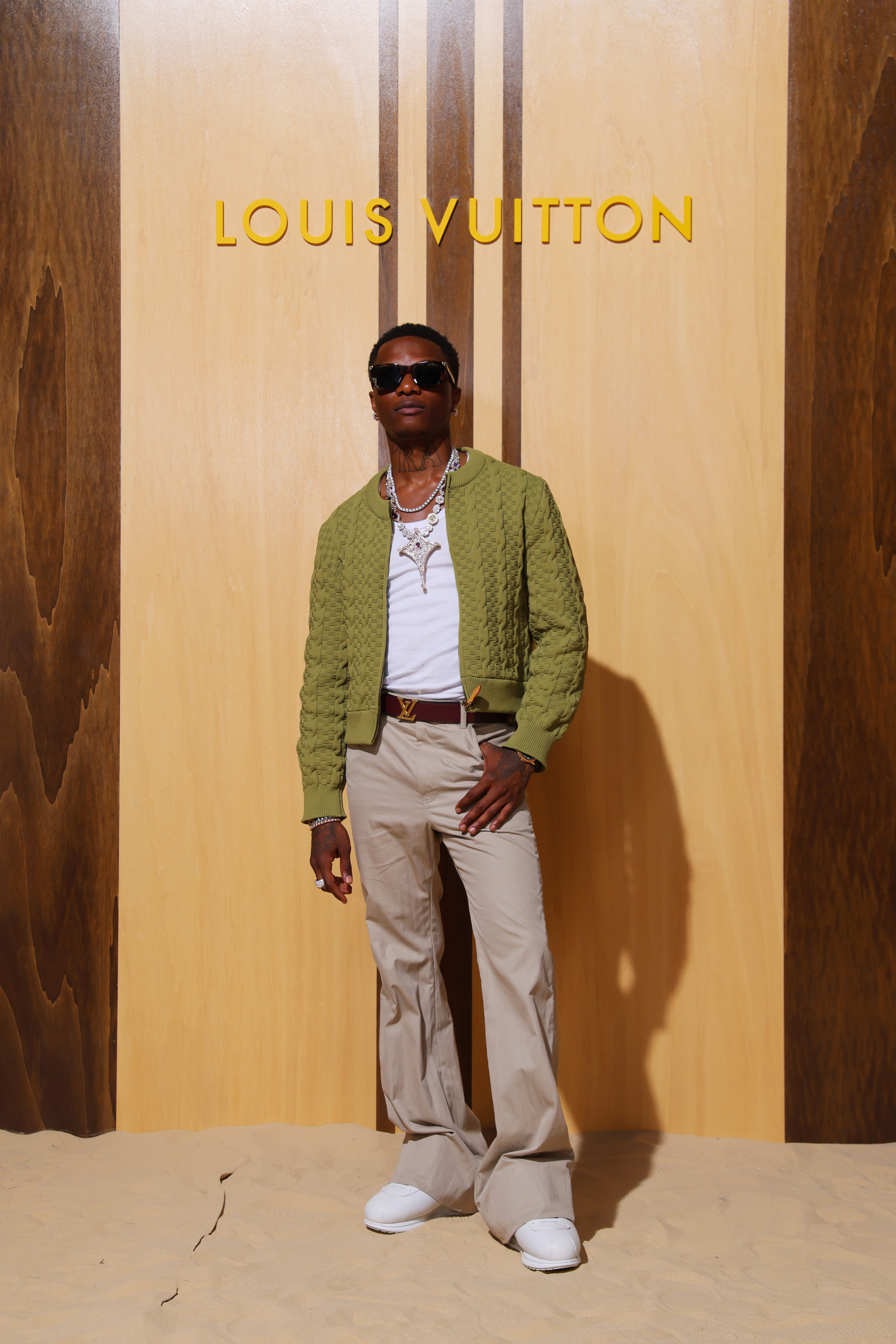
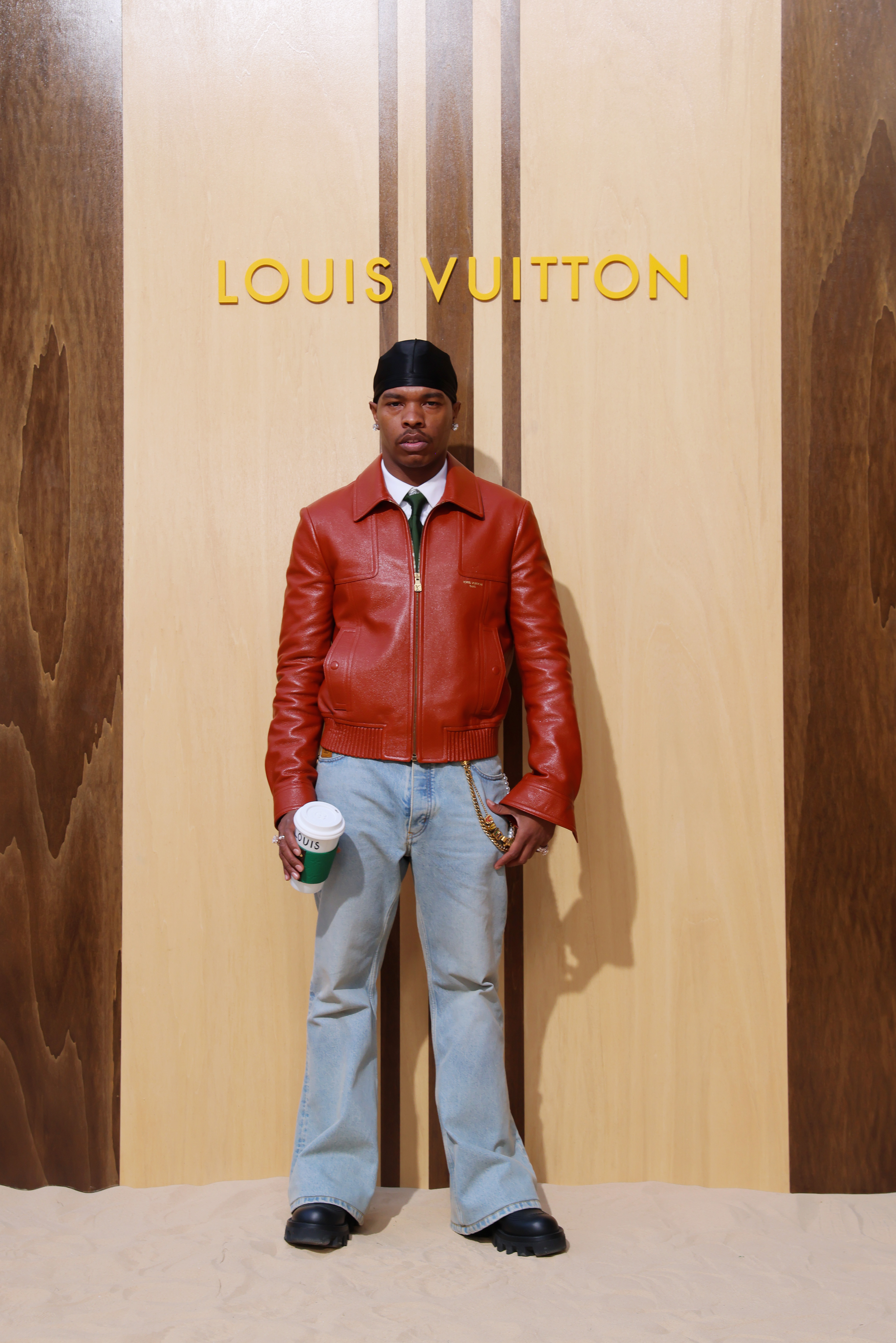
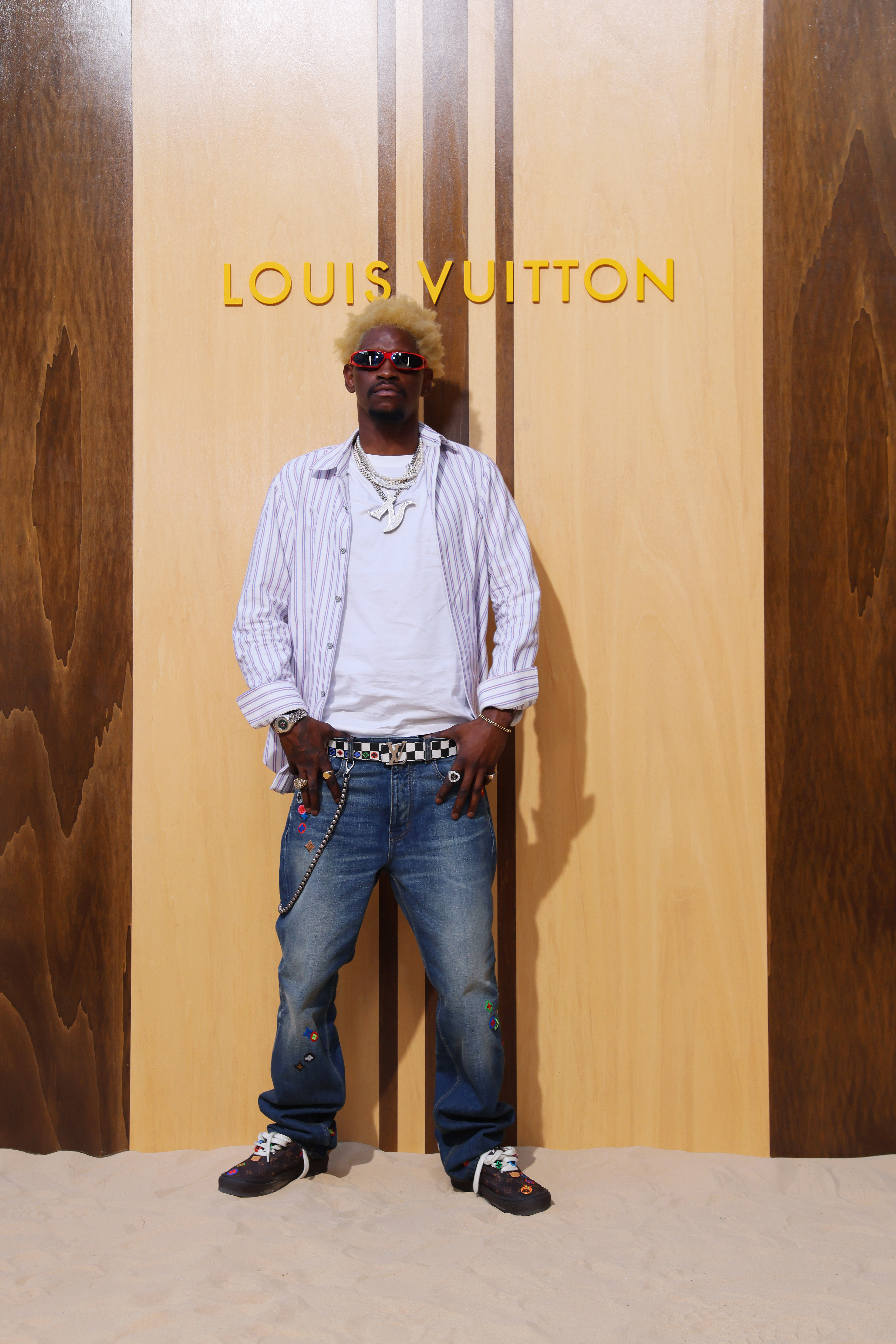
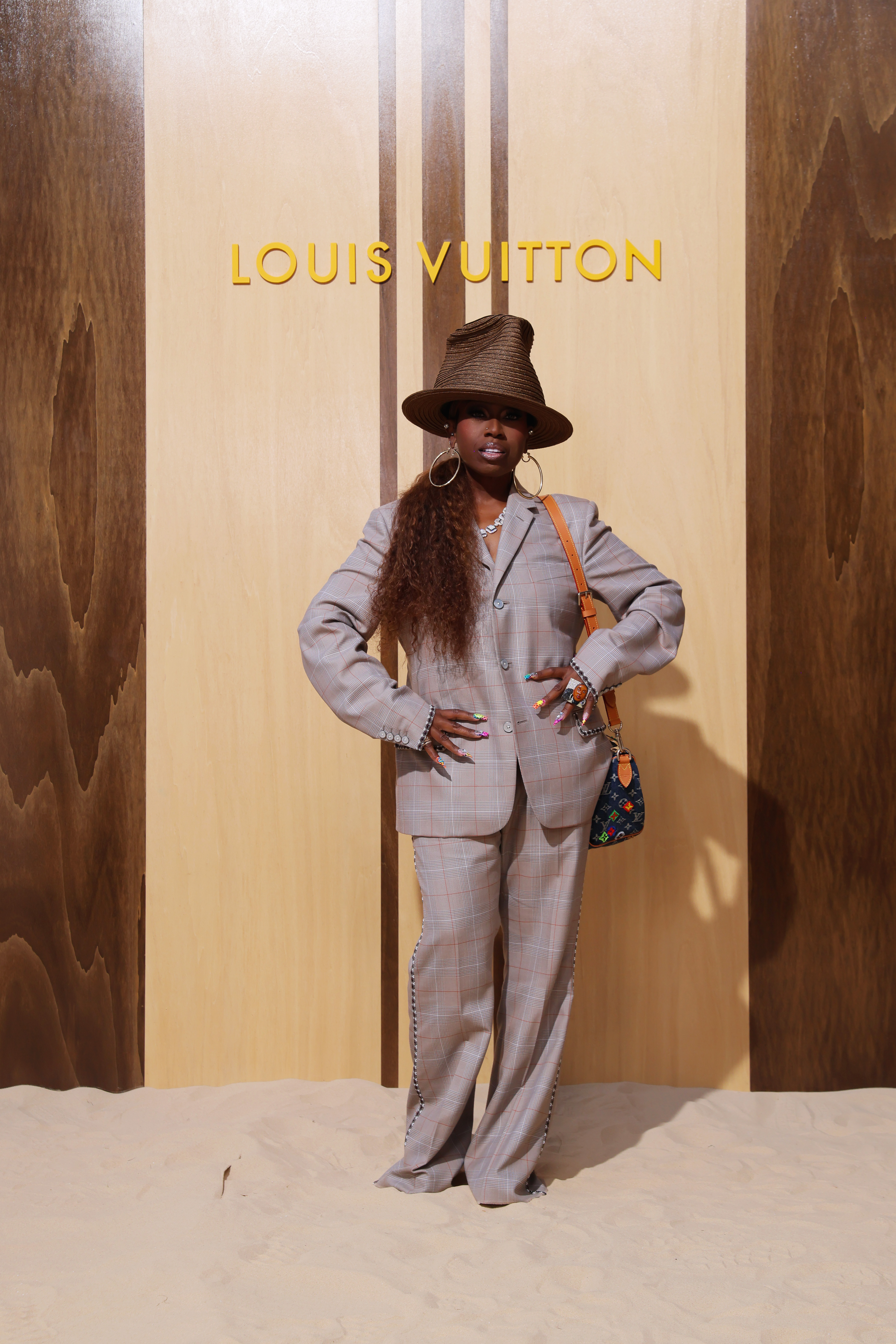
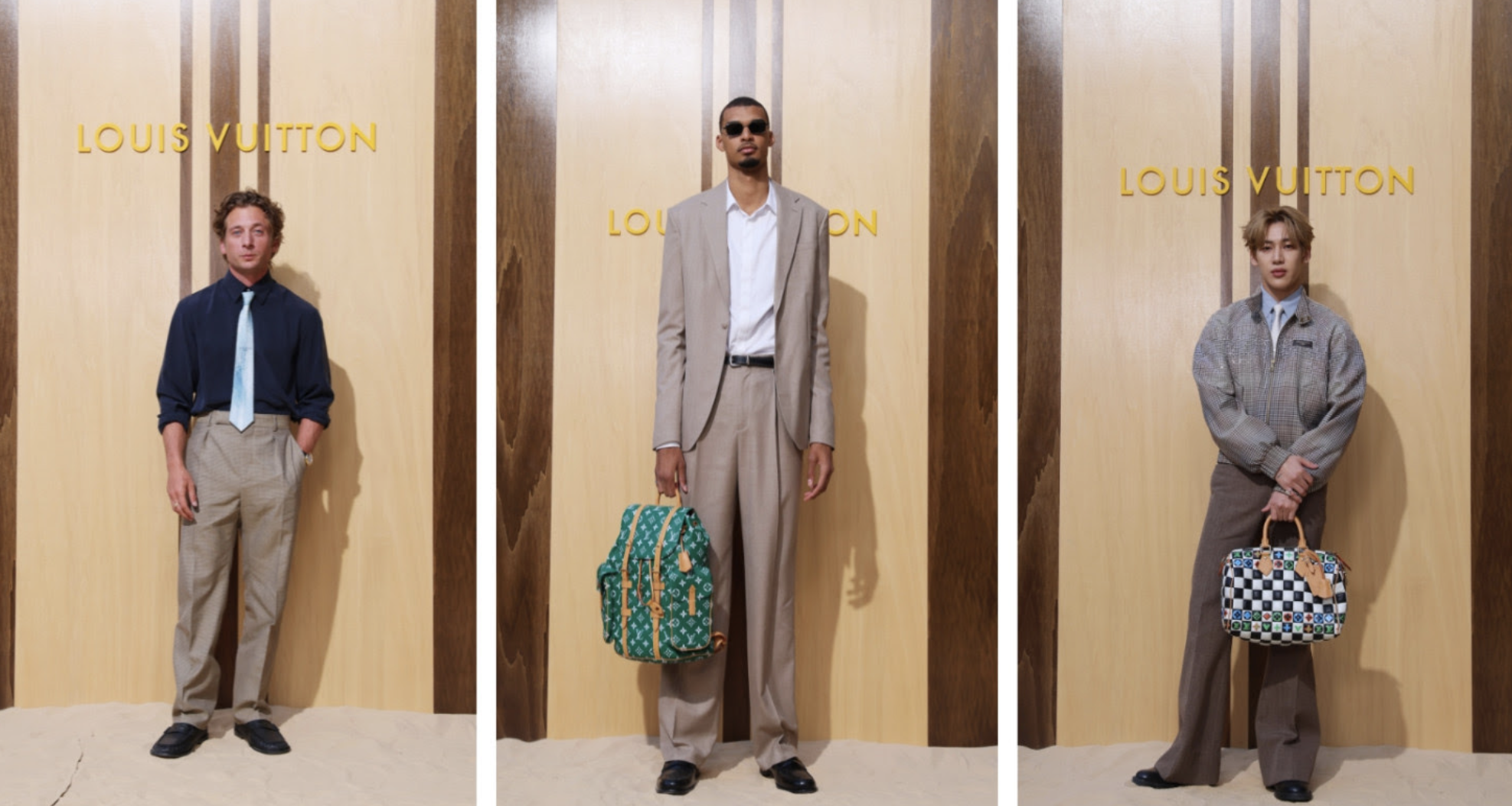
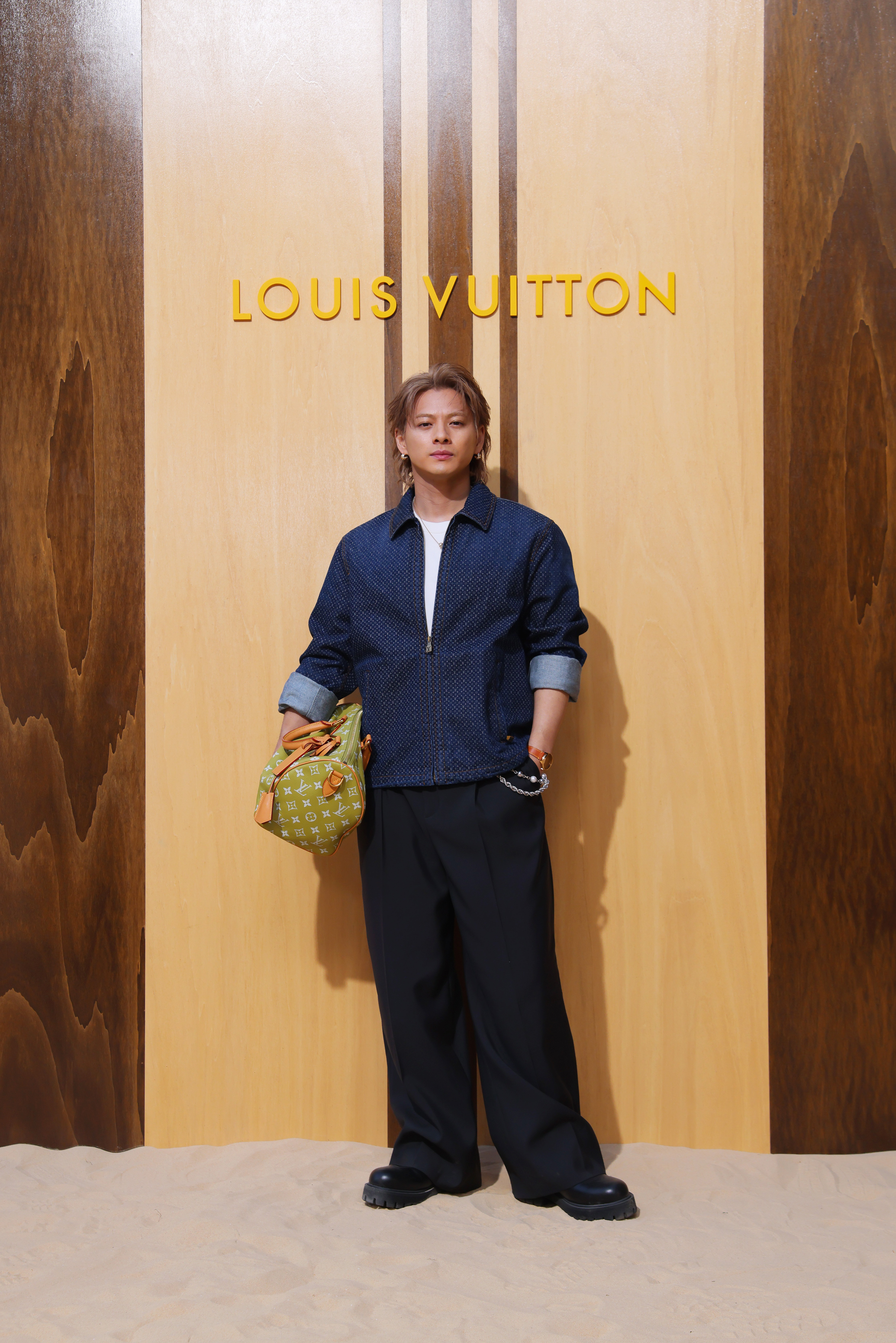
>> Scroll down to see all the celebrities that attend the Men’s Spring/Summer 2027 Louis Vuitton Show
If the garments built the atmosphere, the accessories delivered the commercial punch. Louis Vuitton has long understood that today’s luxury customer often enters the brand through an object rather than a full look, and Spring/Summer 2027offered plenty of future wishlist material. Compact Monogram crossbody bags, oversized travel duffels, softly structured totes, surfboards, sunglasses and playful leather goods reminded everyone why Vuitton remains the benchmark for luxury accessories.
Footwear followed a similar strategy. Low-profile sneakers borrowed freely from skate culture without becoming nostalgic replicas, while polished loafers and hybrid shoes grounded the collection in everyday wearability. Nothing felt designed exclusively for the runway. Everything looked ready to move immediately from the catwalk to street style, resale platforms and celebrity wardrobes.
The casting reinforced that sense of global citizenship. Rather than presenting a singular archetype of masculinity, the runway assembled different identities, body languages and attitudes, reflecting the increasingly borderless audience Louis Vuitton speaks to. Diversity here wasn’t performative; it simply mirrored the reality of contemporary fashion culture.
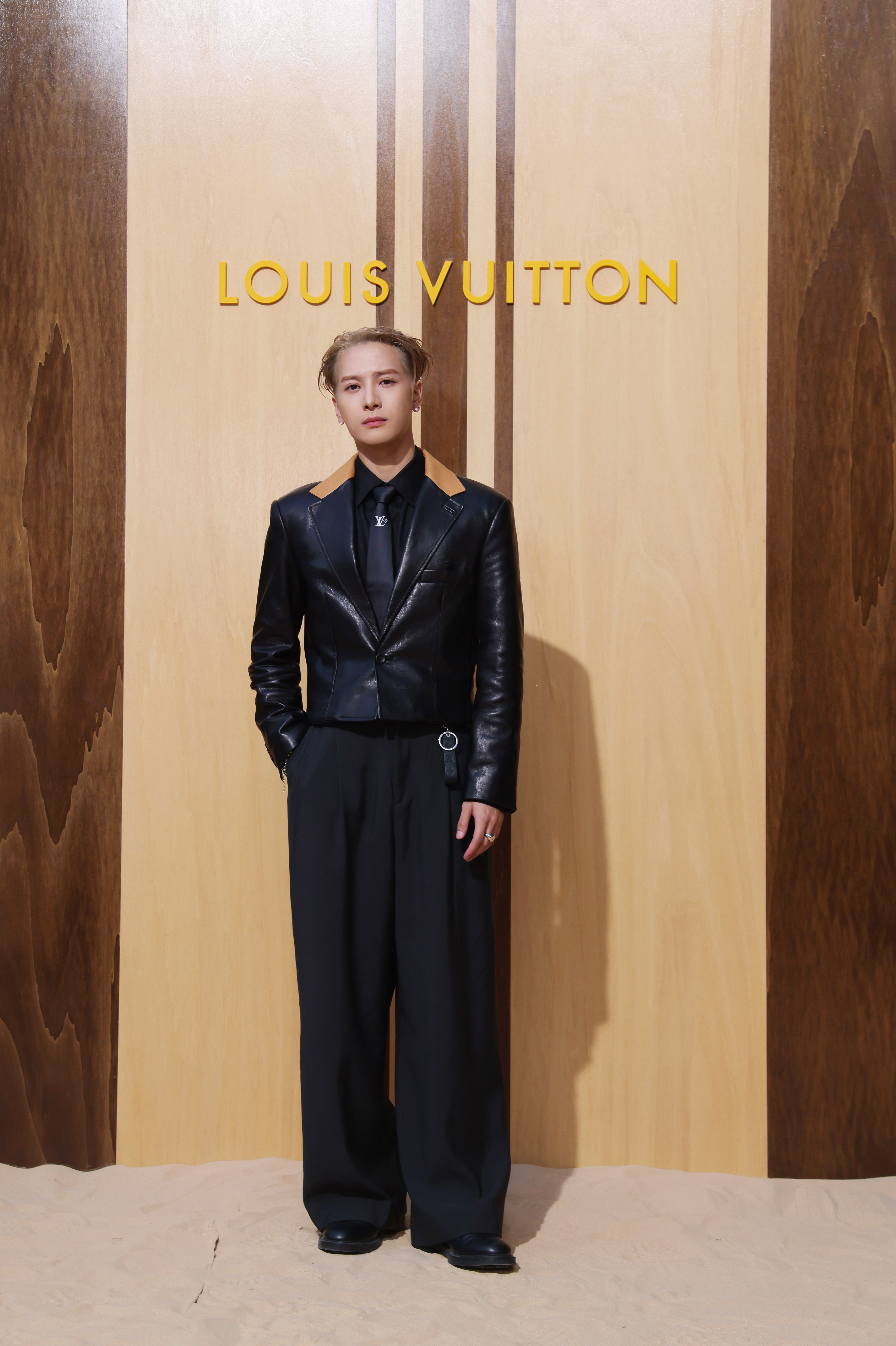
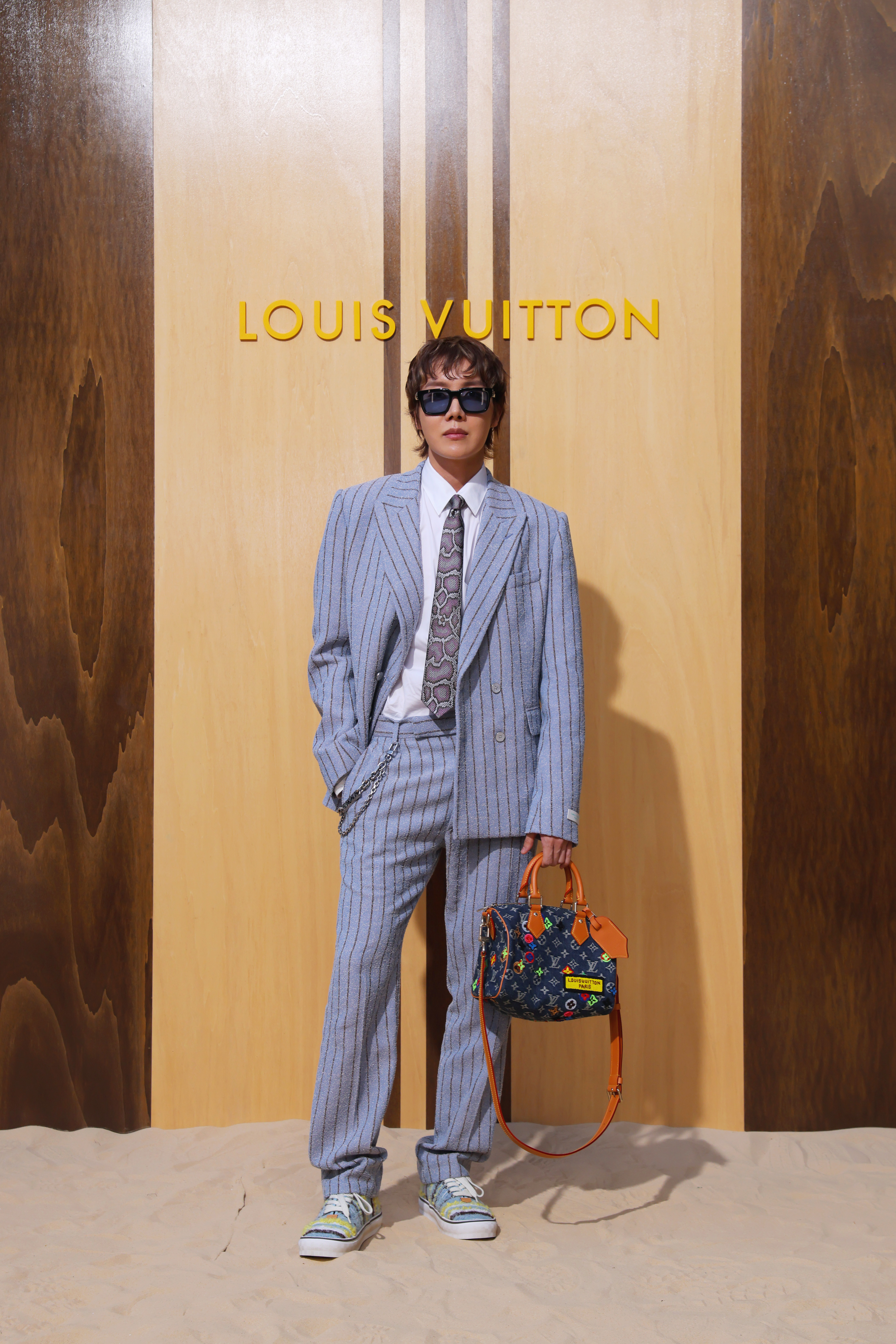
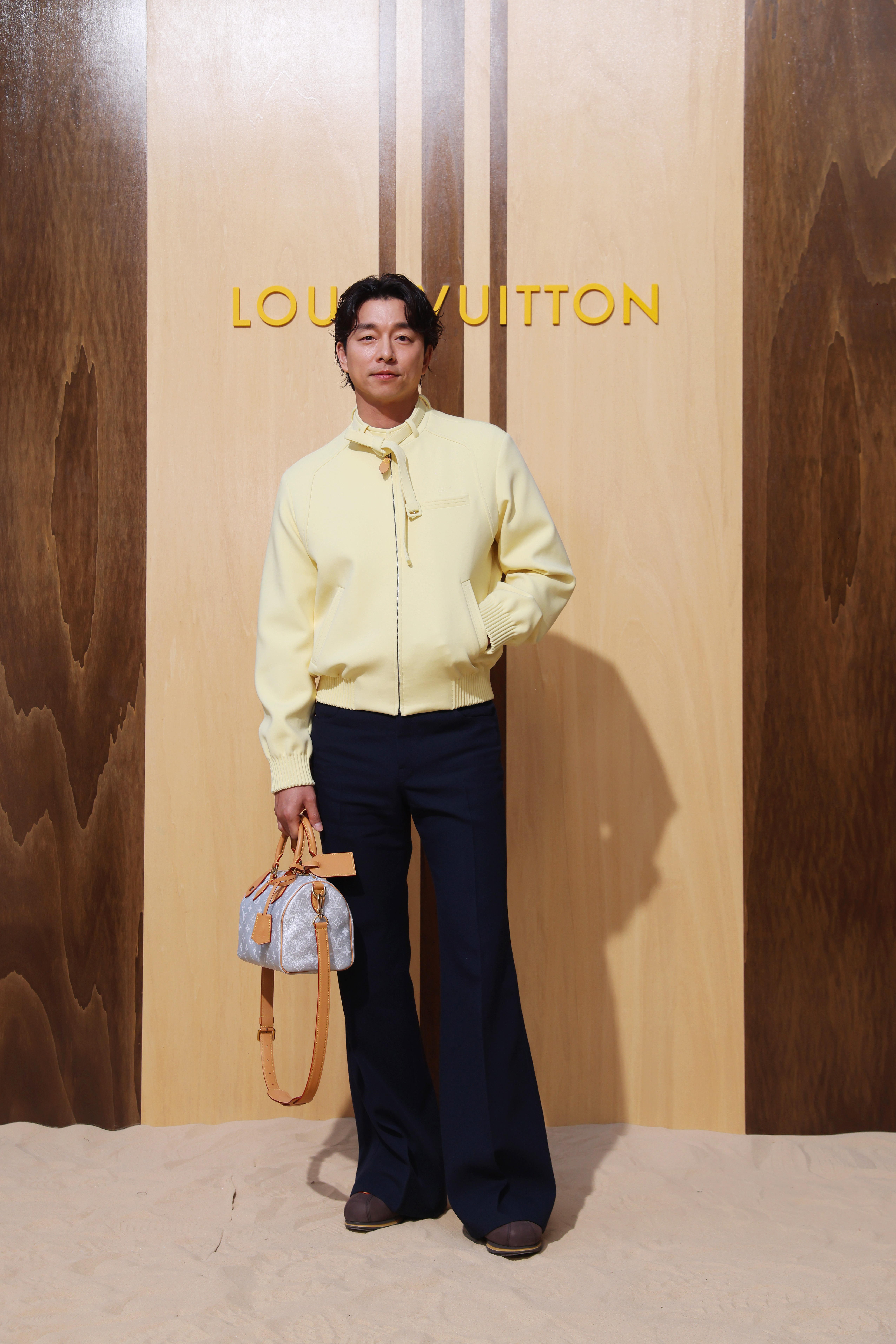
Pharrell’s greatest achievement isn’t necessarily designing the most radical clothes in Paris. It’s understanding how fashion exists in 2027. A runway show is no longer judged only by editors inside the venue but by thousands of fragmented online communities decoding every look in real time. In that sense, Louis Vuitton Men Spring/Summer 2027 succeeded because it generated conversation before consensus.
Commercially, the collection feels almost impossible to ignore. The accessories will dominate wishlists, the sneakers will inevitably enter the hype cycle and the travel pieces will reinforce Louis Vuitton’s unmatched authority in luxury leather goods. But beyond sales, the collection confirms something bigger: Louis Vuitton has evolved into a cultural platform as much as a fashion house. Under Pharrell Williams, products are no longer just products—they’re content, symbols and conversation starters designed to travel far beyond the runway.