A fashion store used to have one obvious purpose: you went inside, found something you liked, and bought it. Today, that feels almost too simple. The best fashion stores are designed to be photographed, remembered and talked about long after you’ve left. Some barely feel like stores at all.
The idea of the fashion boutique has been changing for more than a century. From Paul Poiret’s Paris storefront to Mary Quant’s noisy Chelsea boutique, Fiorucci’s daytime disco, the stripped-back minimalism of the 1990s and today’s immersive Jacquemus and Gentle Monster spaces, the store has slowly become another part of the brand itself.
Before the Store Became a Store
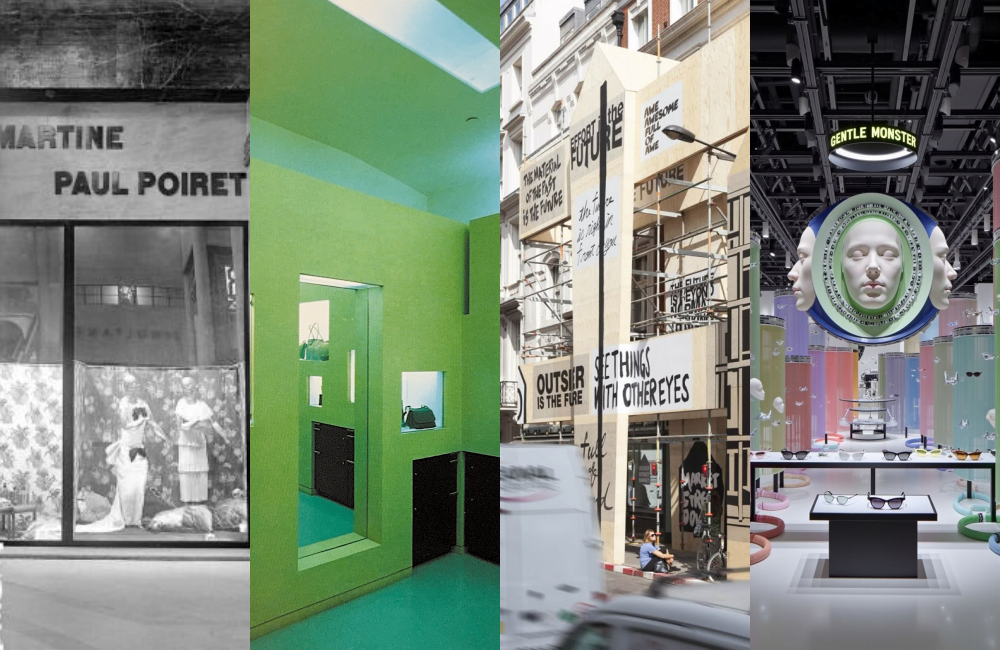
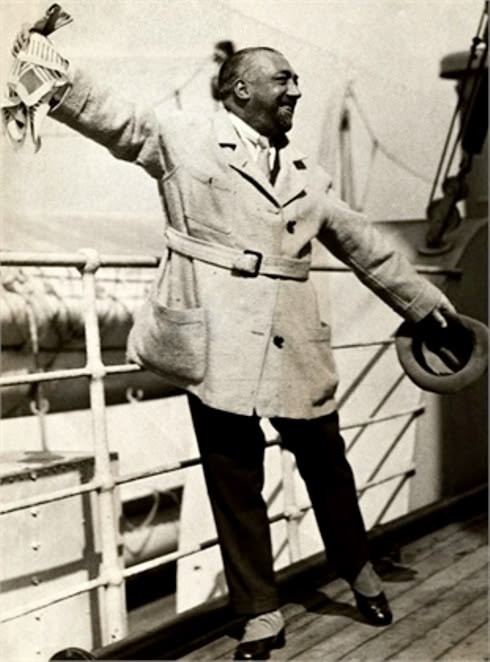
In 1903, Paul Poiret opened his fashion house at 5 Rue Auber in Paris. At the time, luxury fashion was something you went upstairs to see. Couture houses operated through private salons and ateliers, away from the street. Poiret did something different: he brought fashion down to ground level, put his name on the building and opened it up to the public through large windows.
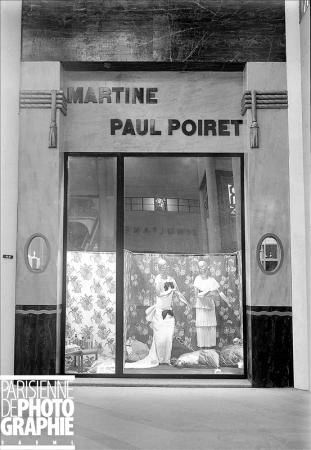
This sounds completely normal now. A branded façade, a logo, a window display, clothes visible from the street — it’s almost impossible to imagine a fashion store without them. But putting the fashion house’s identity directly into the public space helped establish a retail model that would become standard.
Poiret also understood that the world surrounding the clothes mattered. His later projects extended into perfume, graphic design and decorative arts, bringing fashion closer to the lifestyle branding that feels completely normal today.
The Boutique Becomes a Scene
By the 1950s, the store was becoming less formal and much more connected to youth culture.
In 1955, Mary Quant opened Bazaar on London’s King’s Road in Chelsea. The boutique offered something very different from the traditional couture house or department store. There was loud music, drinks, unusual window displays and extended opening hours. The restaurant Alexander’s occupied the basement, turning the building into somewhere to eat, shop and spend time rather than simply buy clothes.
Bazaar became part of the Chelsea Set and the emerging youth culture around King’s Road. Quant’s store wasn’t waiting for customers to arrive with a shopping list. The experience was part of the attraction.
And then came Fiorucci.
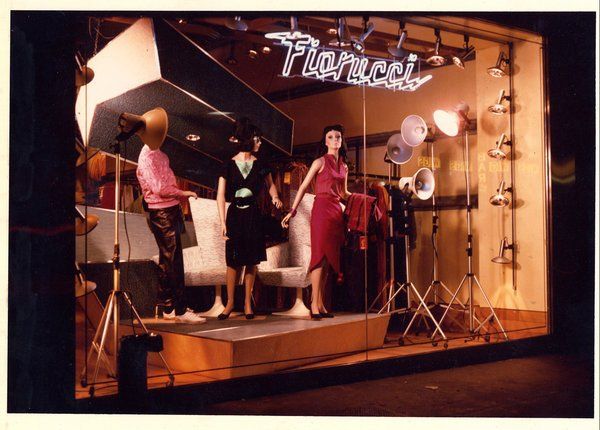
Founded in Milan in 1967, Elio Fiorucci pushed the idea even further. His stores mixed fashion with music, art, design and objects from around the world. His huge Milan store on Via Torino included performances and cultural events; when Fiorucci opened on East 59th Street in New York in 1976, it became known as the “daytime Studio 54,” attracting people from the worlds of fashion, music and art.
Suddenly, you didn’t necessarily have to go to a fashion store to shop. You could go because something was happening there.
When the Clothes Became Objects
By the 1990s, another kind of store was taking over.
The noise of the boutique era gave way to something much quieter. Minimalist fashion brands began treating the store almost like a gallery: fewer clothes, more space, controlled lighting, precise materials and carefully considered architecture.
Instead of filling every available surface with products, stores began isolating the clothes. A coat could hang alone against a wall. A handbag could sit inside a niche. Empty space became part of the presentation.
Bottega Veneta offers a good example of this approach. Architect François de Menil designed Bottega Veneta retail spaces in the 1990s, including stores in Japan, using simple geometric forms and wood-framed arches to organise the space.
The change wasn’t simply aesthetic. The store was starting to tell you how to look at the product.
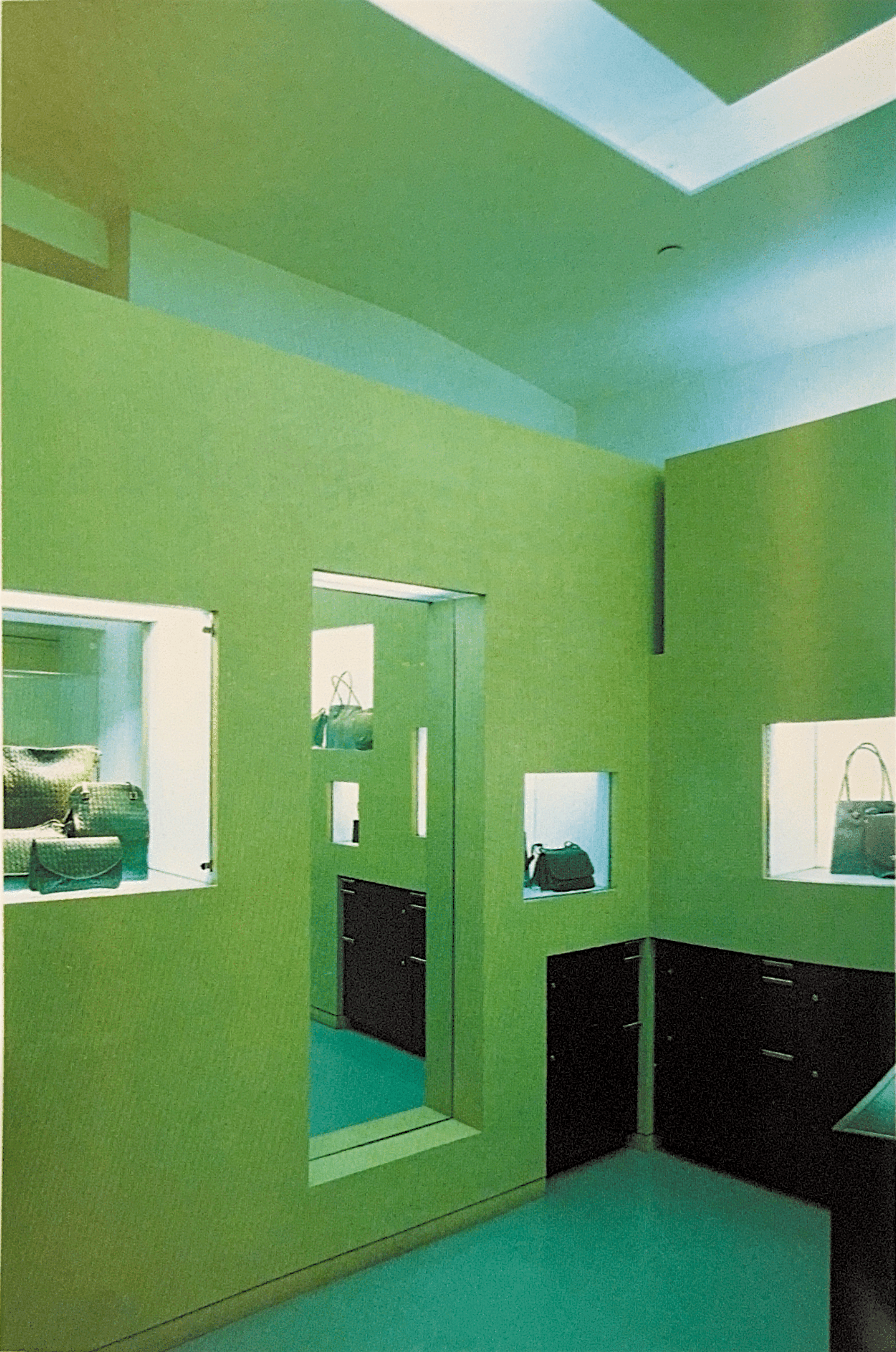
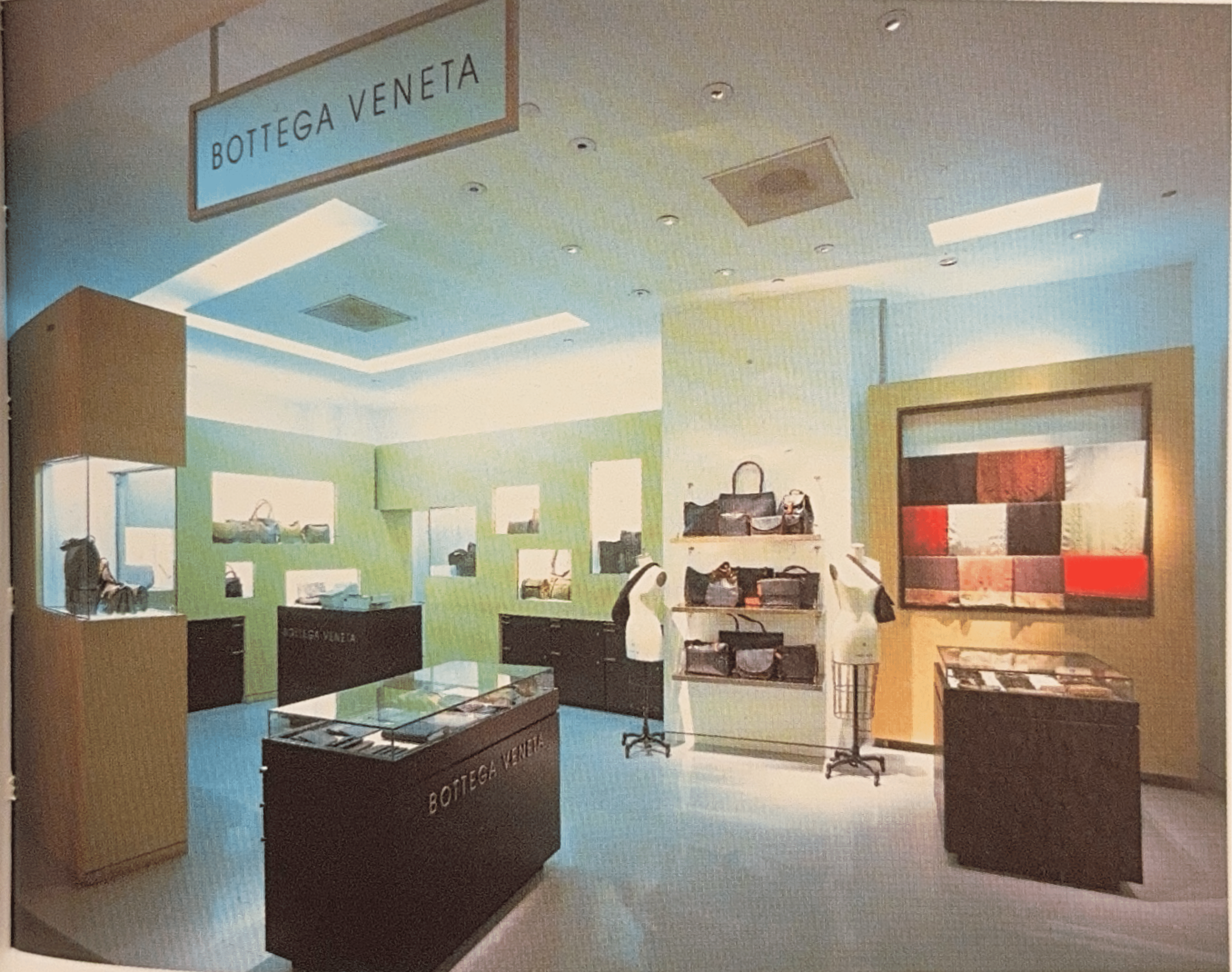
The clothes weren’t competing with hundreds of other objects anymore. They were being presented almost like pieces in an exhibition.
The Concept Store
Then came Dover Street Market.
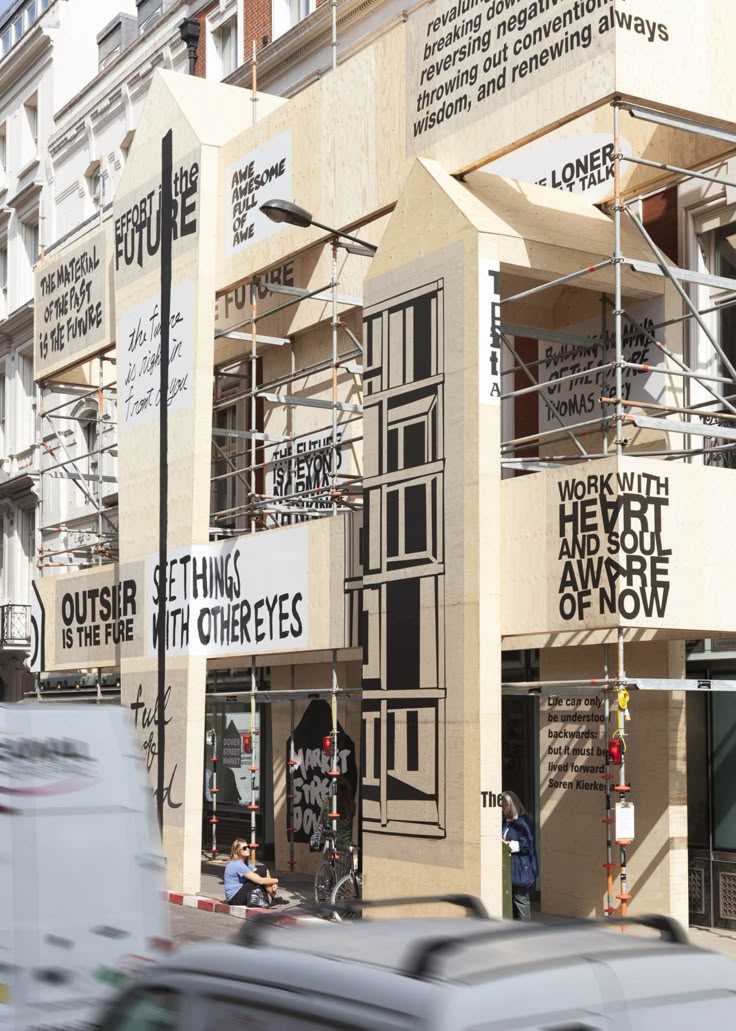
Founded by Rei Kawakubo and Adrian Joffe in London in 2004, Dover Street Market blurred the line between fashion store, gallery and installation. Rather than creating one perfectly controlled environment for one brand, it brought different designers and creative worlds together inside an ever-changing space.
This was a different kind of minimalism. The space could be chaotic, experimental and constantly changing.
The idea wasn’t:
Here are the clothes. Please buy them.
It was closer to:
Here’s a world. Look around.
Then Instagram Changed the Store
The 2010s brought a new customer into the store: the camera.
Instagram launched in 2010, and fashion quickly became part of a visual feed where the image of a place could be almost as valuable as what was being sold inside it. Vogue has described how Instagram changed fashion’s relationship with imagery, from the rise of the #OOTD to destination shows and stores becoming recognisable social-media locations.
Suddenly, a store didn’t only have to look good in person. It had to look good in a photograph.
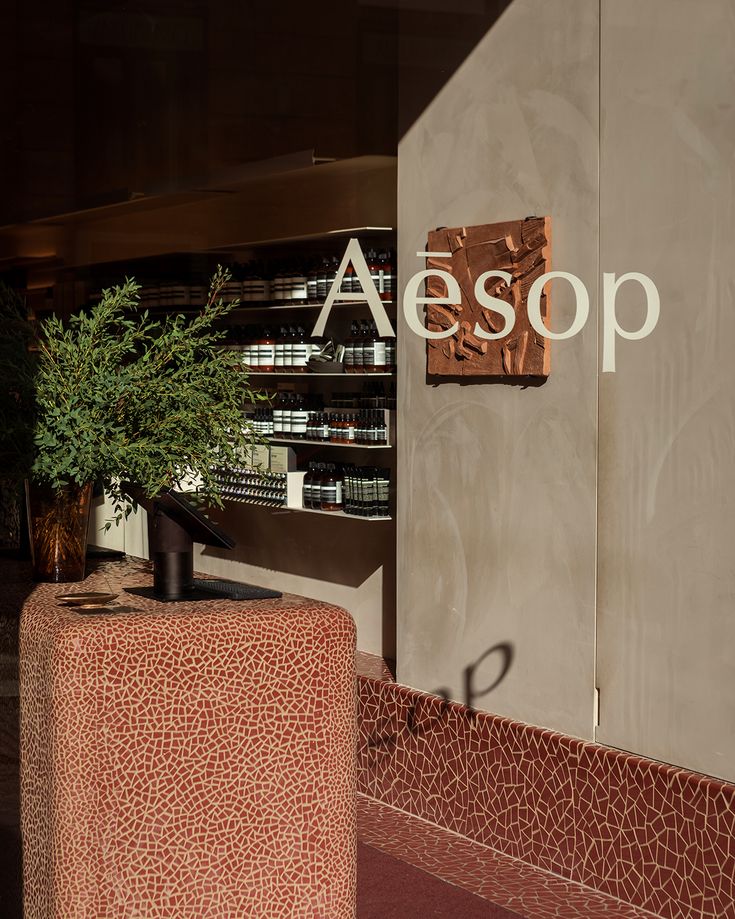
Think of the pink wall outside Paul Smith in Los Angeles, or the increasingly recognisable interiors of brands such as Acne Studios, Aesop and Gentle Monster.
The customer didn’t even have to buy anything for the brand to benefit. A photo of the space, a tagged location or a TikTok filmed inside could send the brand to thousands of people who had never visited the store.
Welcome to the Brand World
Today, the most interesting stores don’t necessarily try to make every location look identical.
Instead, brands are taking their identity and translating it into the place they’re entering.
Gentle Monster is probably one of the clearest examples. Its Shanghai HAUS flagship treats retail more like an art installation, with robotics, sculptures, exhibitions and interactive media alongside the eyewear. The brand itself describes the space as “Future Re-tail,” deliberately moving away from the traditional efficient shop layout.
Aesop does something quieter. Its Madrid stores use local architecture, materials and craft to connect the brand to the city. At its Fernando VI location, for example, the design draws from Spanish artistic traditions, using broken terracotta, local stone, wood and historic architectural references.
Jacquemus Understands the Assignment
Jacquemus might be one of the best examples of how physical retail now works alongside social media.
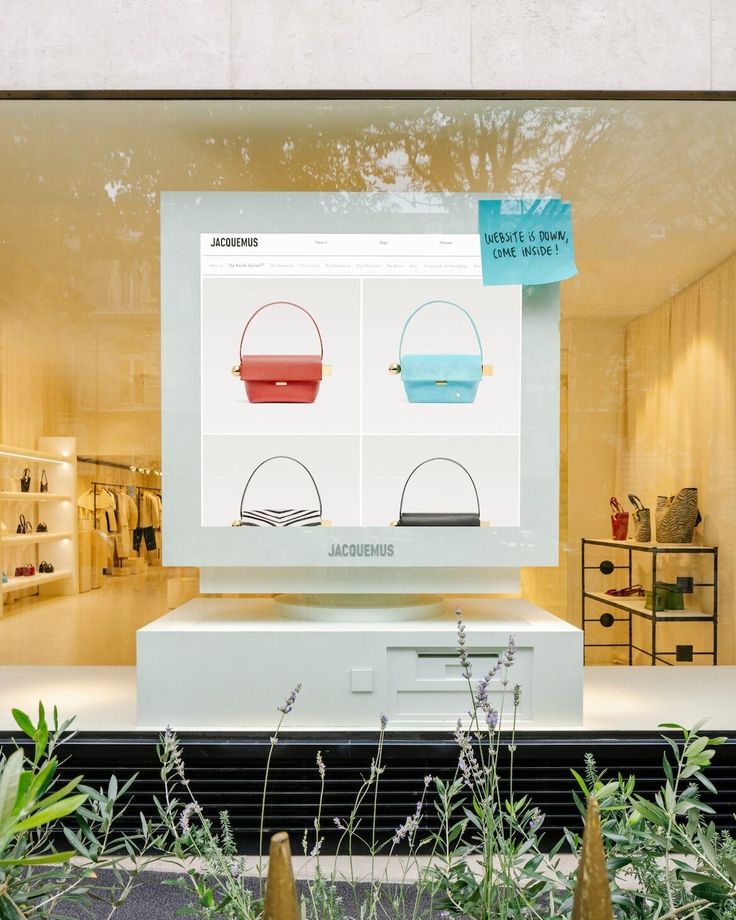
In 2024, the brand transformed its Paris store at 58 Avenue Montaigne into an enormous desktop computer, complete with a scrolling digital version of its website and a sticky note reading “Website is down, come inside.” The joke was simple, but the idea was clever: take something that normally exists online and turn it into a physical experience worth visiting — and, inevitably, photographing.
Jacquemus has just opened its Miami Design District store at 157 NE 40th Street, a two-storey space designed in collaboration with OMA. The Miami location is designed around the city itself while still translating the visual language of Jacquemus into the space.
This is where the evolution becomes especially clear.
The store has become another way for a brand to show you who it is.
So, What Are We Actually Going Into Stores For?
The funny thing is that almost everything inside a fashion store can now be bought online.
You don’t need to walk into a Jacquemus store to buy a bag. You don’t need to visit Gentle Monster to see what sunglasses they sell. You can find the product, its price and dozens of photographs without ever leaving your bedroom.
And yet brands are still investing heavily in physical spaces.
Because the store offers something a website can’t: a sense of place.
The same logic that made Mary Quant’s Bazaar exciting in 1955 is still there. Back then, people went to Bazaar for the clothes, but also for the music, the drinks, the people and the feeling of being somewhere new. Today, you might enter a Jacquemus store for the same reason you open its Instagram: you want a taste of the world the brand has created.
Even high-street and fast-fashion stores have picked up on this shift. Instead of trying to show as many products as possible through their windows, many now use cleaner displays, stronger visual identities and carefully designed spaces to sell the feeling first, leaving the actual product discovery for inside.
The technology changed. The marketing changed. The customer changed. – But the basic idea hasn’t.