

In an age of infinite health advice, the real luxury is knowing what to trust.
How much health information does it take to make us feel completely lost?
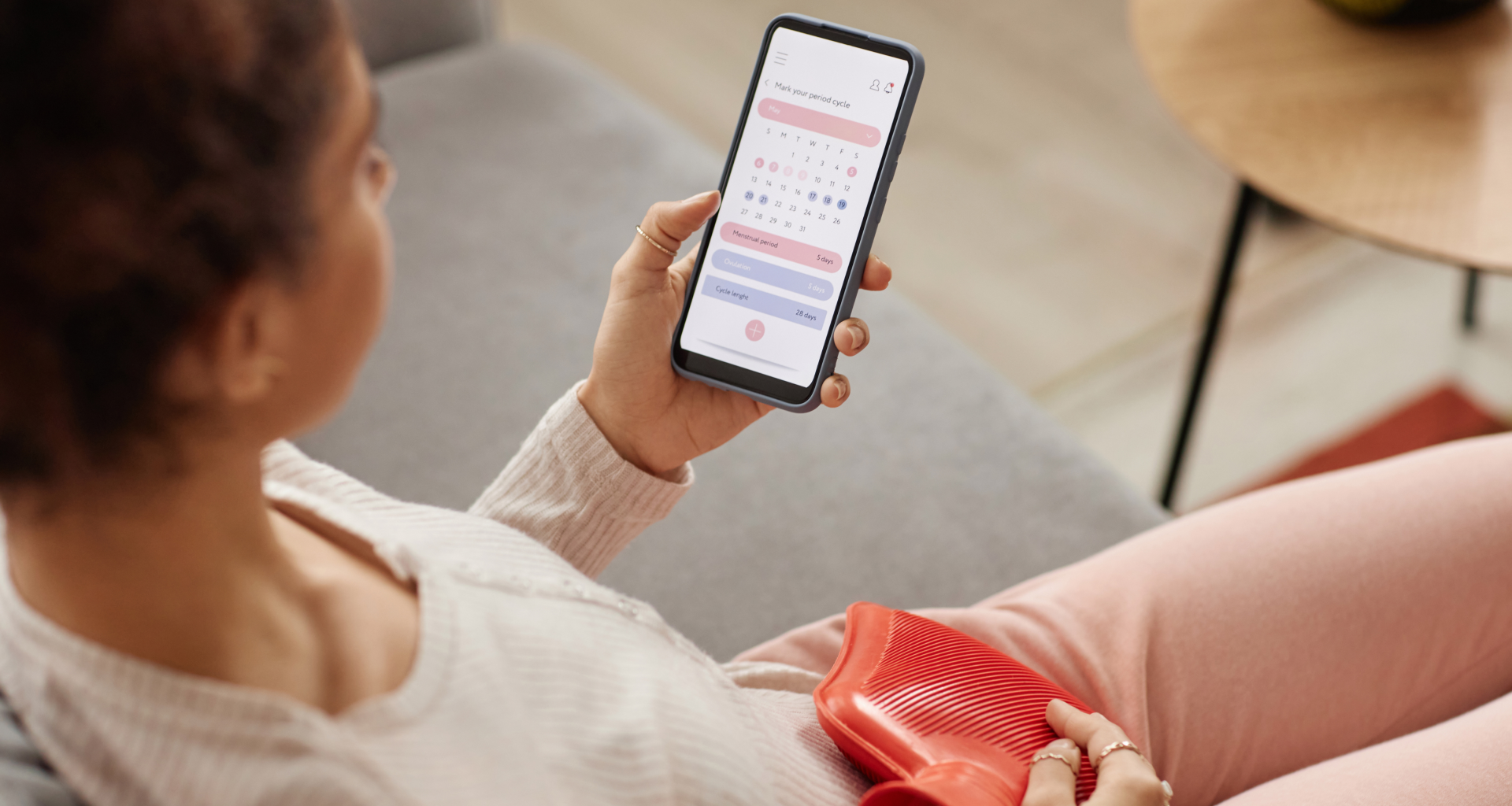
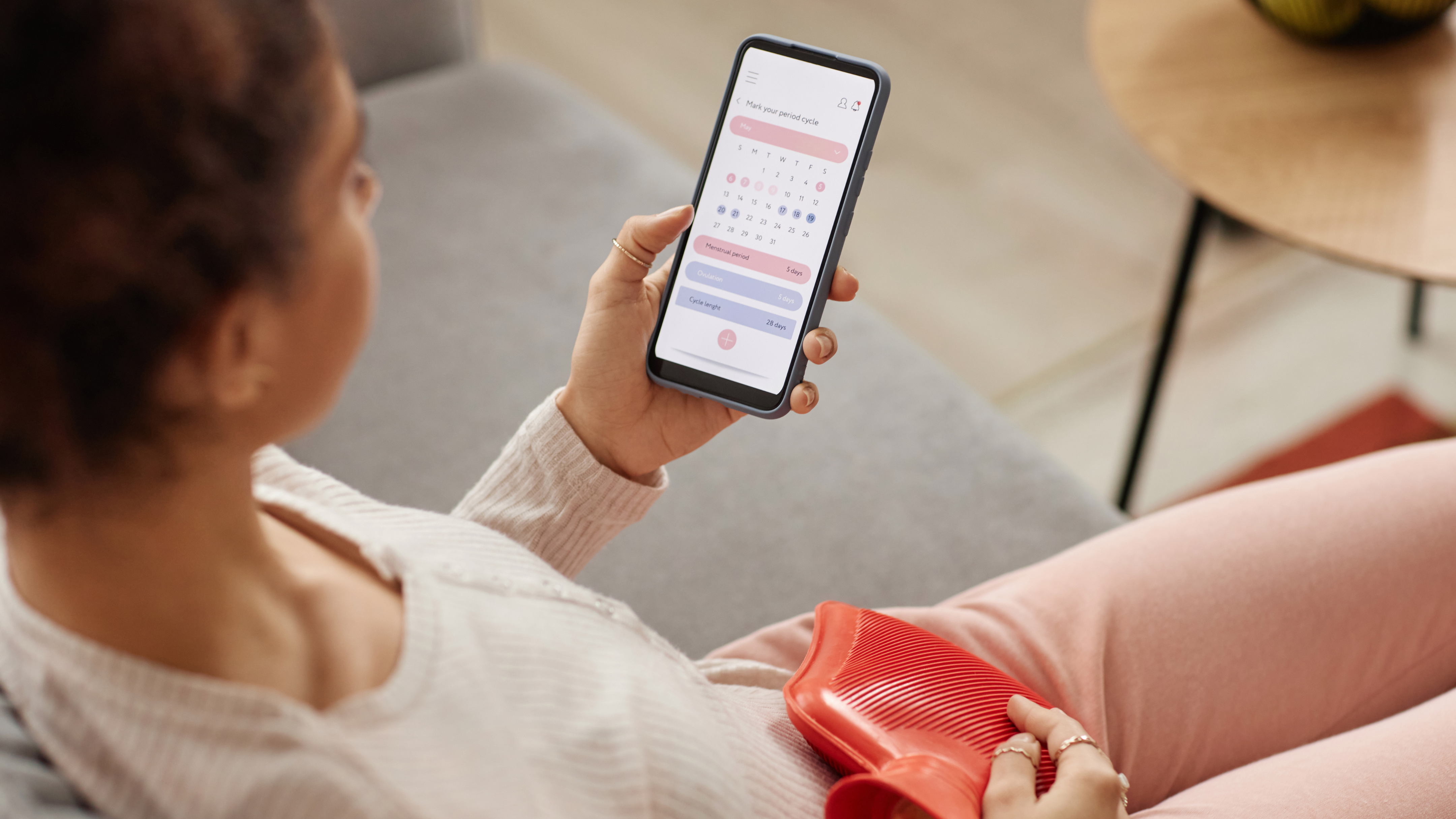
A Google search, three TikTok videos, an AI-generated answer and a pharmacy aisle full of promises. We have never had so much access to health information. So why are we still struggling to understand our own bodies?
Welcome to the great self-care paradox: information is everywhere, clarity is nowhere.
According to the Opella Health Literacy Barometer 2026, surveying 13,000 consumers and 500 pharmacists across 10 countries, only 35% of consumers feel confident navigating the entire self-care journey. The disconnect starts at the very beginning: just 29% can identify both their symptoms and the condition behind them. In other words, we can describe what hurts, but understanding why is another story.
The problem isn’t a lack of content. It’s a surplus of noise.
Health has become one of the most crowded conversations in contemporary culture. Algorithms recommend, search engines diagnose (or appear to), influencers prescribe routines, and AI is increasingly invited into our most personal questions. The Barometer finds that 31% of consumers regularly turn to AI for health information and advice. Yet when it comes to confidence, human expertise still holds the ground: 67% trust pharmacists more than AI for reliable and accurate health information.
There’s a reason for that. Self-care isn’t simply about choosing a product or decoding a symptom. It’s a sequence of decisions, each one requiring a degree of understanding. And even after seeking information, only half of consumers say their initial understanding of their condition was fully correct. Among 18–24-year-olds, 51% begin their health journey knowing their symptoms, but not the condition causing them.
This is where clarity becomes more than a communication exercise. It becomes a public health issue.
With its new global initiative, Clarity is Care, Opella is taking aim at the gap between having information and being able to use it. The program brings health literacy into three everyday touchpoints: the products people pick up, the advertising they encounter and the conversations they have at the pharmacy counter. Simpler packaging and instructions, campaigns designed to build measurable understanding, and closer collaboration with pharmacists are all part of the strategy.
The ambition is substantial: improve the health literacy of 50 million people every year and collaborate with 200,000 pharmacists globally by 2030.
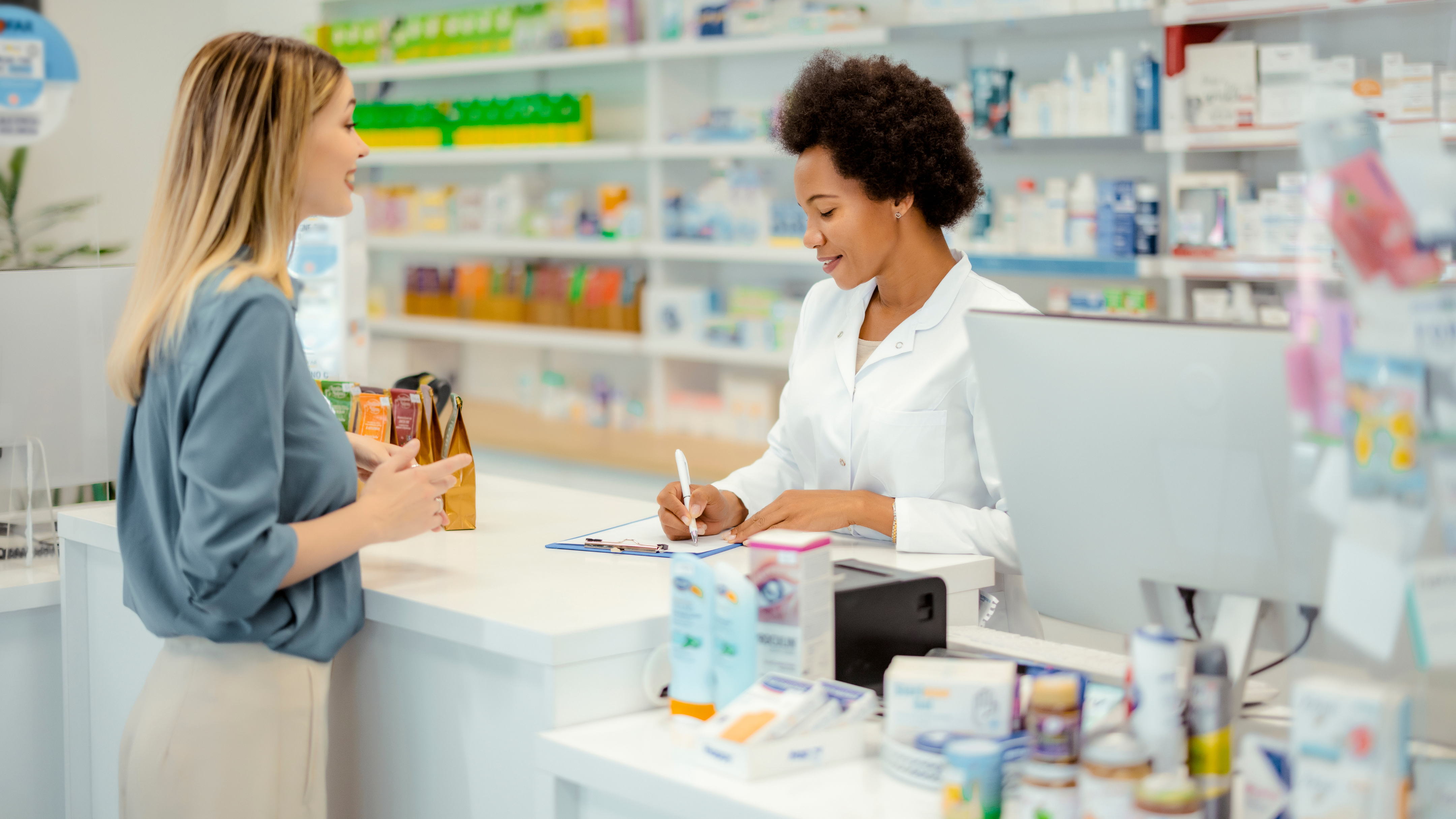
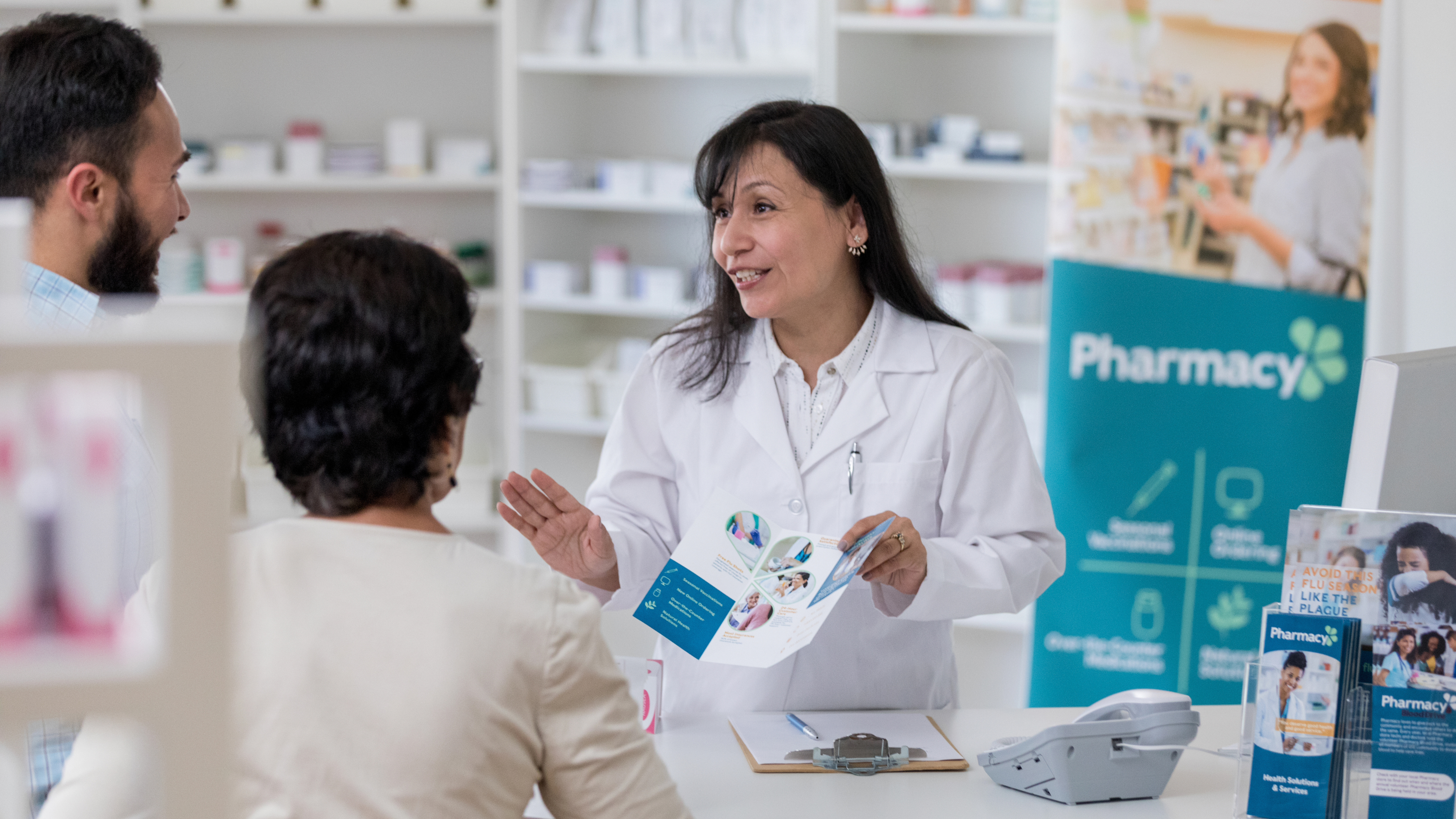
The pharmacist, in particular, deserves a closer look. In a culture obsessed with instant answers, the pharmacy counter offers something algorithms cannot easily replicate: context, conversation and professional judgement. The Barometer reflects this distinction, with 54% of consumers feeling more confident making health decisions with a pharmacist, compared with 38% on their own. Doctors and pharmacists also rank as the strongest sources of confidence when choosing a product.
The bigger picture is hard to ignore. Ageing populations, rising chronic disease burdens and pressure on primary care are forcing healthcare systems to rethink the role of self-care. Empowering people to make informed decisions can help support that shift, but autonomy without understanding is just another form of guesswork.

The next frontier of self-care isn’t more information. It’s better interpretation.
Clarity is Care puts that idea at the center of Opella’s agenda, connecting communication, product design and professional expertise around one essential question: can people actually understand what they’re being told, and act on it?
Because in a world where everyone has something to say about your health, the most valuable thing isn’t another answer. It’s knowing which one makes sense.
Less noise. More clarity. That’s where self-care begins.