Before we speak, we are seen. A coat held close around the body, a carefully chosen colour, a familiar shirt worn until its fabric softens, each can offer a first impression, but also something more intimate—a glimpse of the feelings, memories and desires we carry beneath the surface.
Fashion is often discussed through images, silhouettes, trends, materials and the changing language of style. Yet clothing also belongs to the private world of experience. It touches the skin, moves with the body and accompanies us through the rituals of ordinary life. A garment can provide protection, help us feel at ease, or allow us to step into a version of ourselves we are still learning to inhabit. It is at once visible to others and deeply personal to its wearer. This tension between the visible and the unseen has an ancient resonance.
In Greek thought, psychē (ψυχή) first referred to the breath of life—the animating force that distinguished the living from the dead. Over time, the word came to suggest the soul, the self and a person’s inner life. Although it does not precisely match the modern idea of the psyche as a realm of thoughts, emotions and memories, psychē offers a powerful starting point for thinking about what clothing does.
If the body makes life visible, might what covers it also reveal something of the life within?
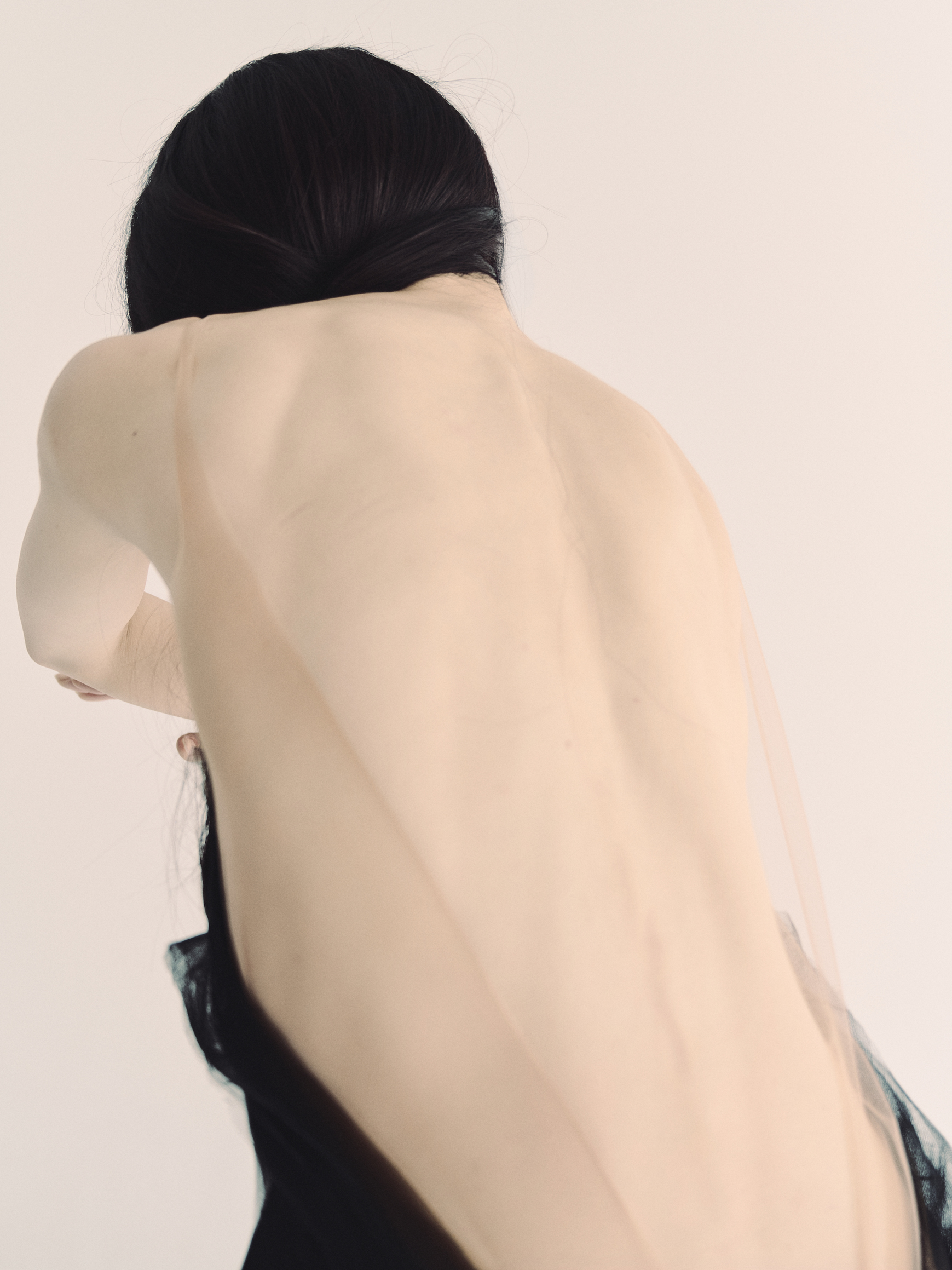
dress HUGO VILLANUEVA shoes CAROLIN HOLZHUBER
Clothing does not simply conceal or decorate the body. It helps us negotiate our relationship with the world. We dress for weather, work and occasion, but also for the emotional demands of a day. An outfit may offer confidence before a difficult conversation, familiarity in an unfamiliar place or a sense of composure when we feel uncertain. The garment becomes a kind of emotional shelter, a second skin through which we meet other people and move through public life. But this relationship works in both directions. We choose clothes to express how we feel, and what we wear can influence how we feel. A sharp silhouette might encourage a sense of authority; soft fabric may invite comfort; a treasured garment may restore a connection to a person, place or time. These effects are not universal, and they are rarely simple. The same garment can mean something different to different people—or even to the same person at different moments. Its meaning develops through use, memory and circumstance.
A garment’s story is often written gradually. Fabric stretches, fades, frays and softens. A stain or repair can become a record of daily life; a worn cuff may carry the evidence of repeated gestures. In this way, clothing can resemble the body itself, which also keeps traces of experience. Scars, marks and memories gather over time, shaping how we understand ourselves. Clothes, too, can become repositories: objects that hold a relationship, a period of life, a former identity or an experience we are not ready to leave behind.
Garments suggest that clothing is more than a surface placed over the body. Like a second skin, it gathers traces of time. The project asks where protection ends and burden begins: when does what we keep continue to support us, and when might it begin to limit us?
The question reaches beyond the wardrobe. We are living in a culture that often encourages accumulation—of objects, images, possessions and versions of the self— and letting go can feel difficult. A garment may be kept because it carries a memory, because it belonged to someone we love, or because it represents who we once were. Yet preserving an object cannot preserve the past unchanged. The garment remains, while its wearer continues to move through time. To release it may be a loss, but it can also make space for change. Fashion offers a particularly vivid way to examine this process because clothing is so closely tied to identity. We may dress to belong, to stand apart, to meet an expectation or to resist one. We may use appearance to remember who we have been, or to try out who we might become. Identity, like style, is not fixed. It is assembled and revised through choices, encounters and circumstances. A change of clothes does not make us an entirely different person, but it can open a small space in which change feels possible.
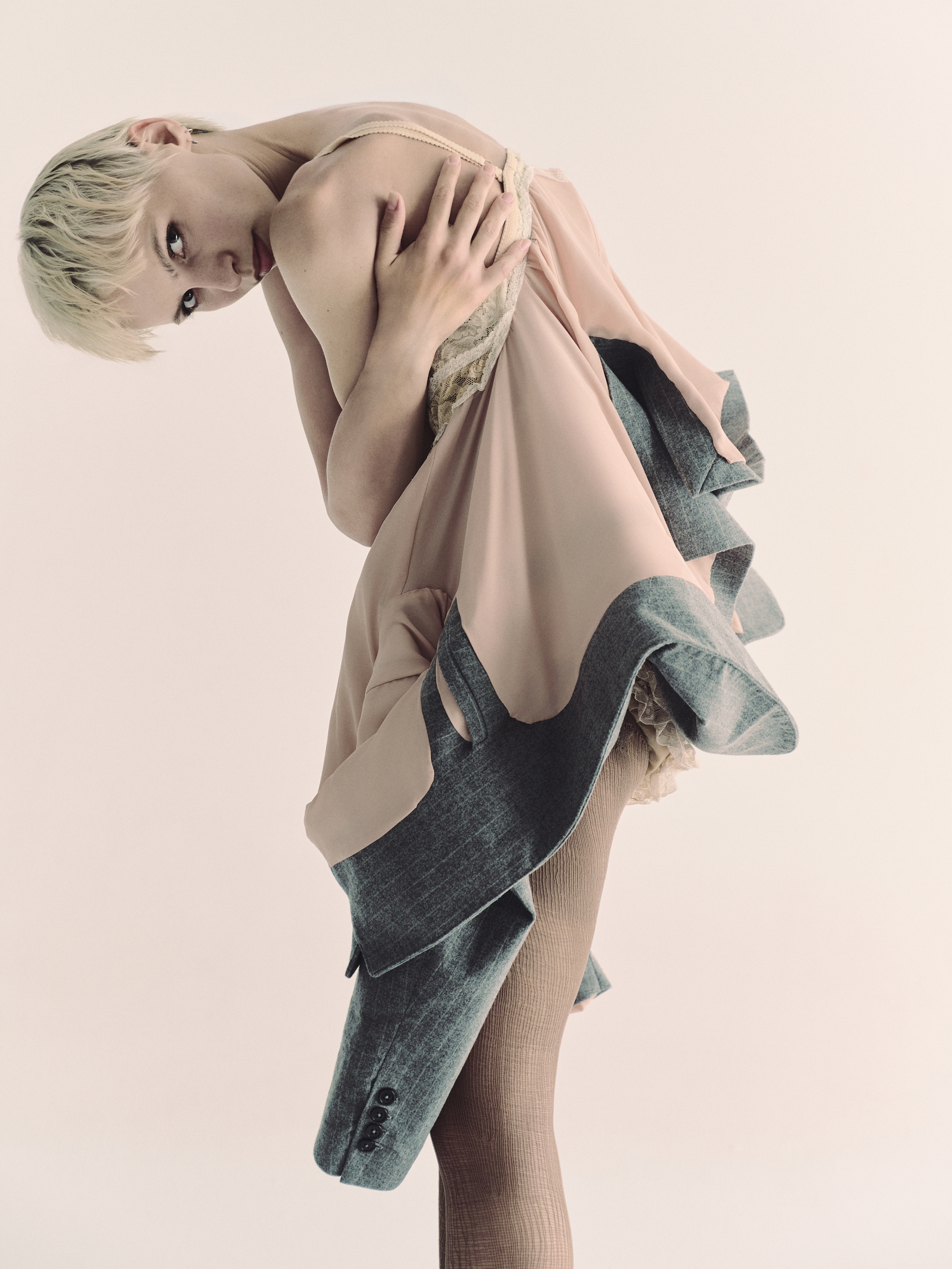
dress SAMUELE PAMPALONI tights VOft Knit underwear SAMUELE PAMPALONI
The conversation between clothing and the inner life is not a simple matter of garments “expressing” a person. Clothes do not provide a transparent window into the soul. They can conceal as much as they reveal, and their meanings are shaped by culture, context and the gaze of others. But they do create a meeting point between private feeling and public appearance—a place where memory, desire and identity can take material form. Perhaps this is why a garment can feel so charged. It is close to the body, yet it can outlast a particular moment. It protects us, presents us and sometimes reminds us of who we used to be. Its folds may hold memories; its alterations may mark a decision; its absence may become meaningful too.
To dress is not merely to select an appearance, but to participate in an ongoing exchange between the self and the world – to choose what we carry, what we reveal and what we keep close. The garment may not contain the soul, but it can accompany its changing shape—offering shelter, bearing witness and, at times, reminding us that letting go can be another way of becoming.
Words by Mira W.
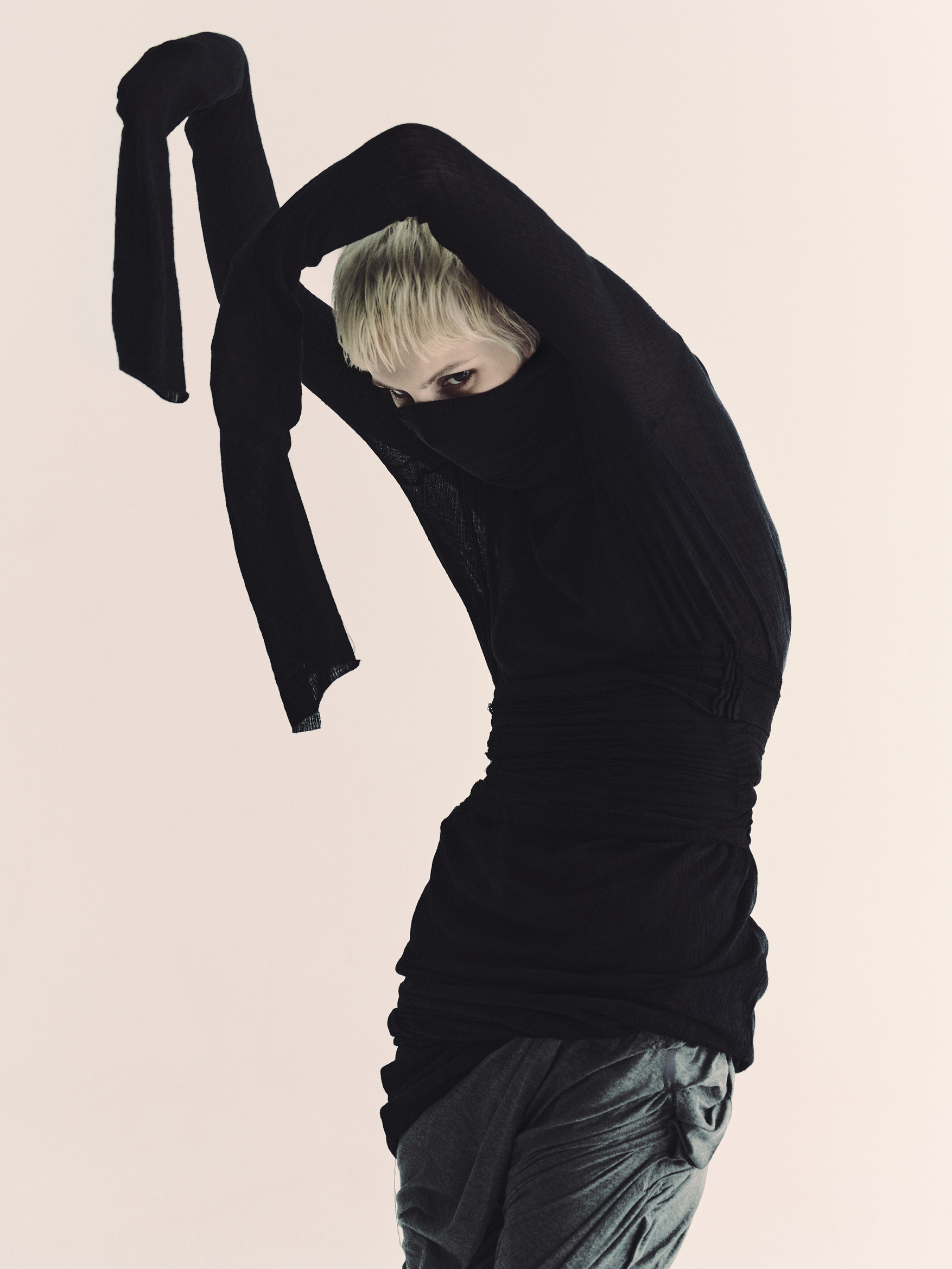

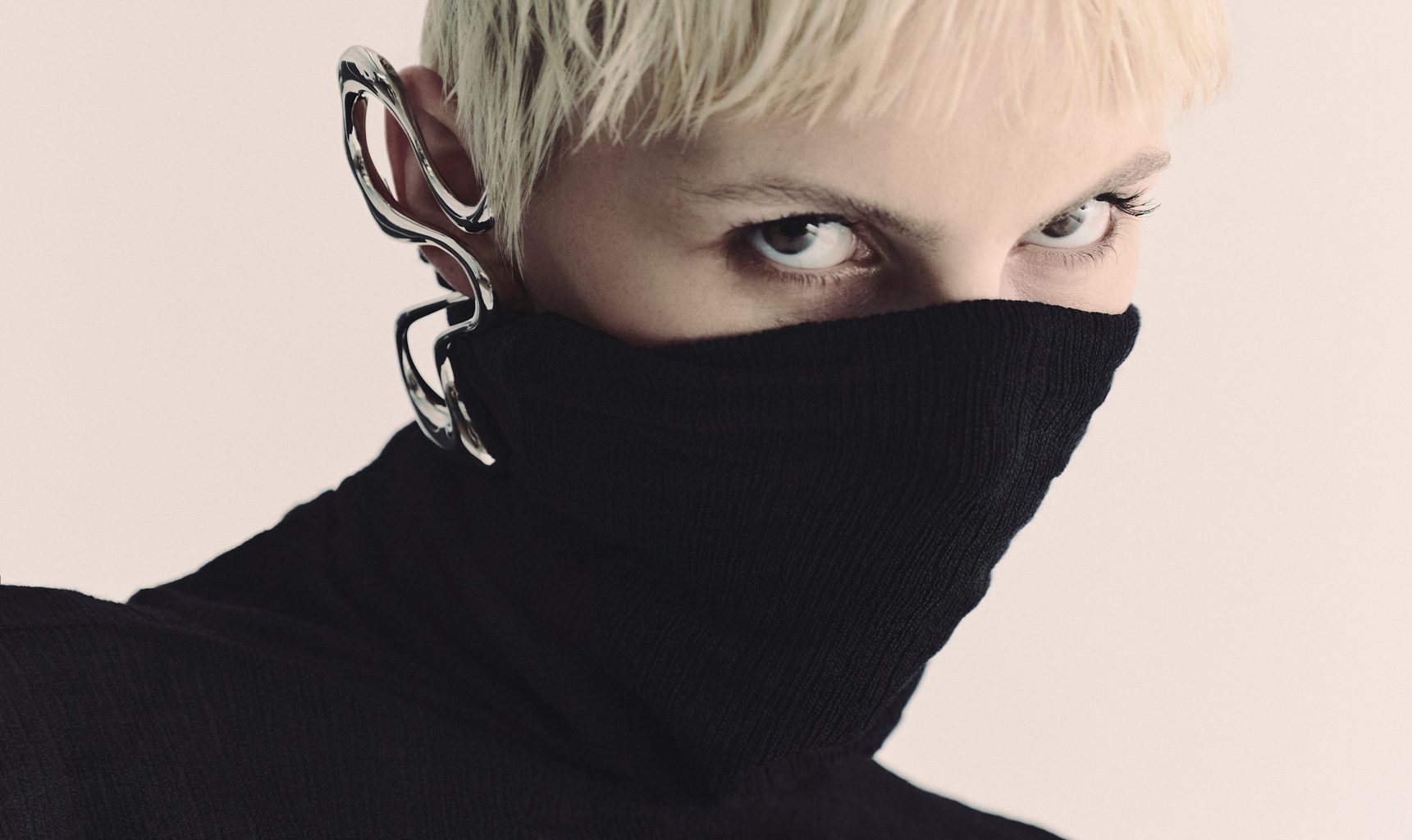
dress ART259DESIGN trousers with built-in shoes HUGO VILLANUEVA knitted textile VOFT KNIT (APOTHECA ATELIER) ear cuff by MAM ORIGINALS
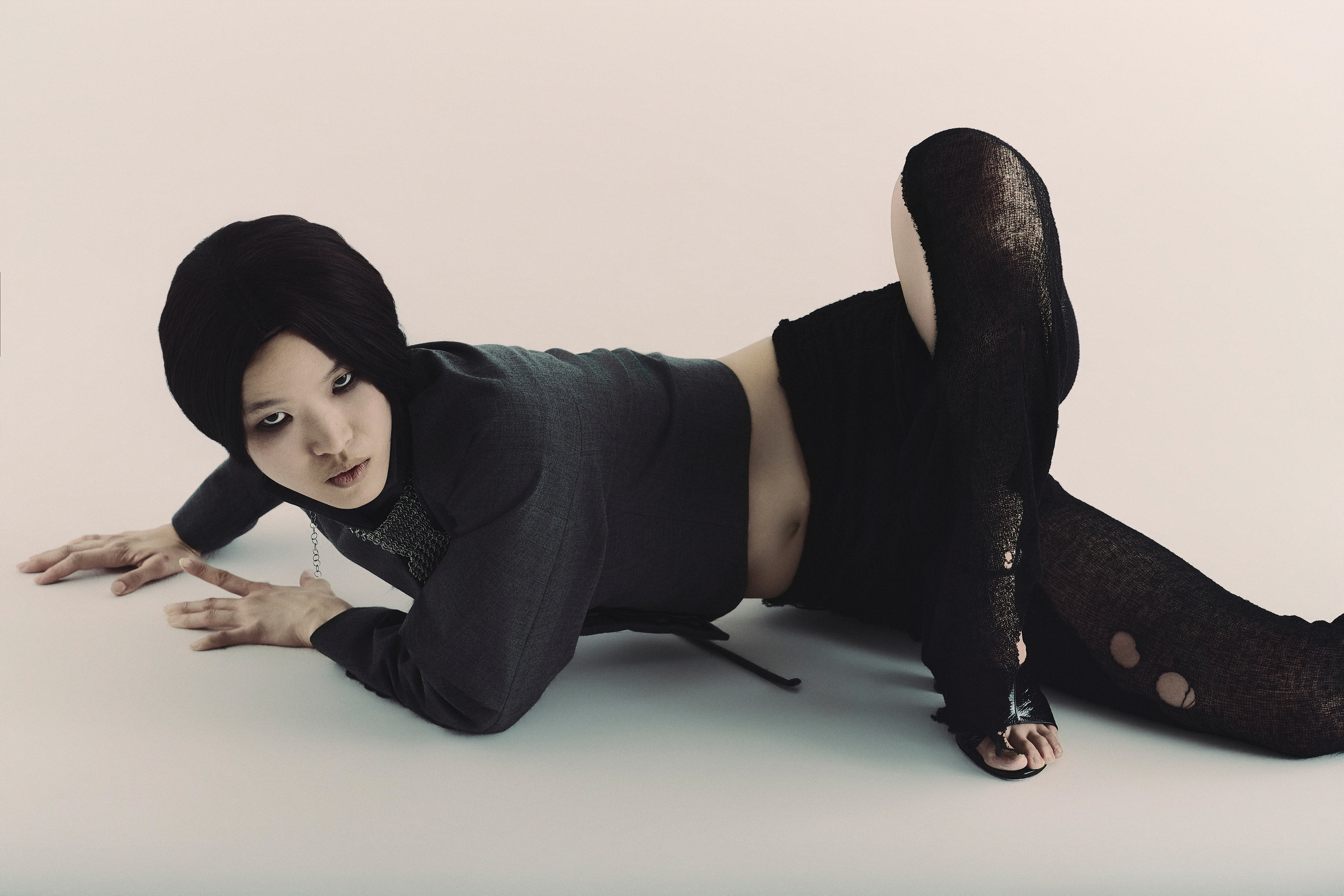
jacket OTTOLINGER jewels LAG WORD pants FLORIN shoes SCAJA
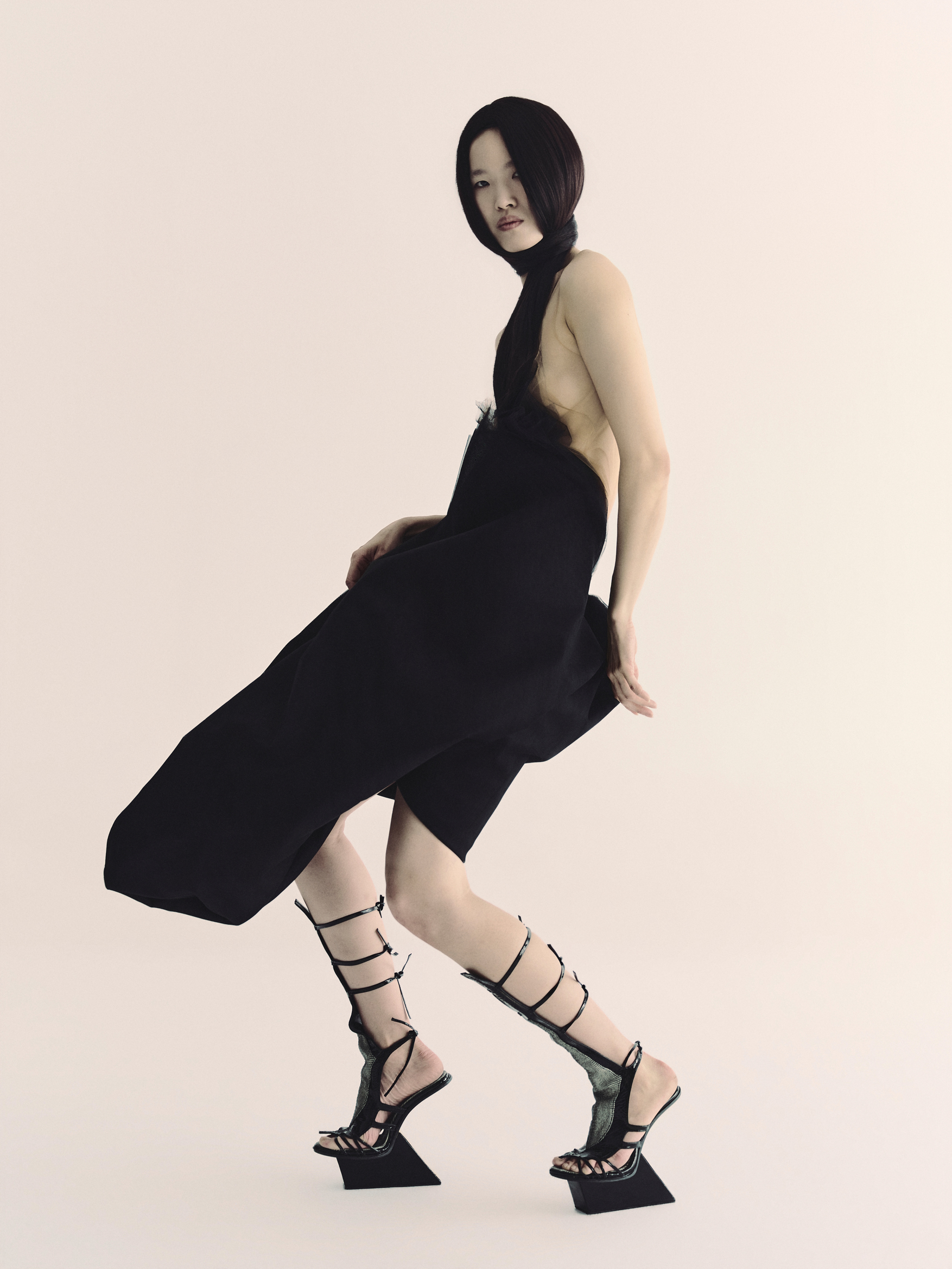
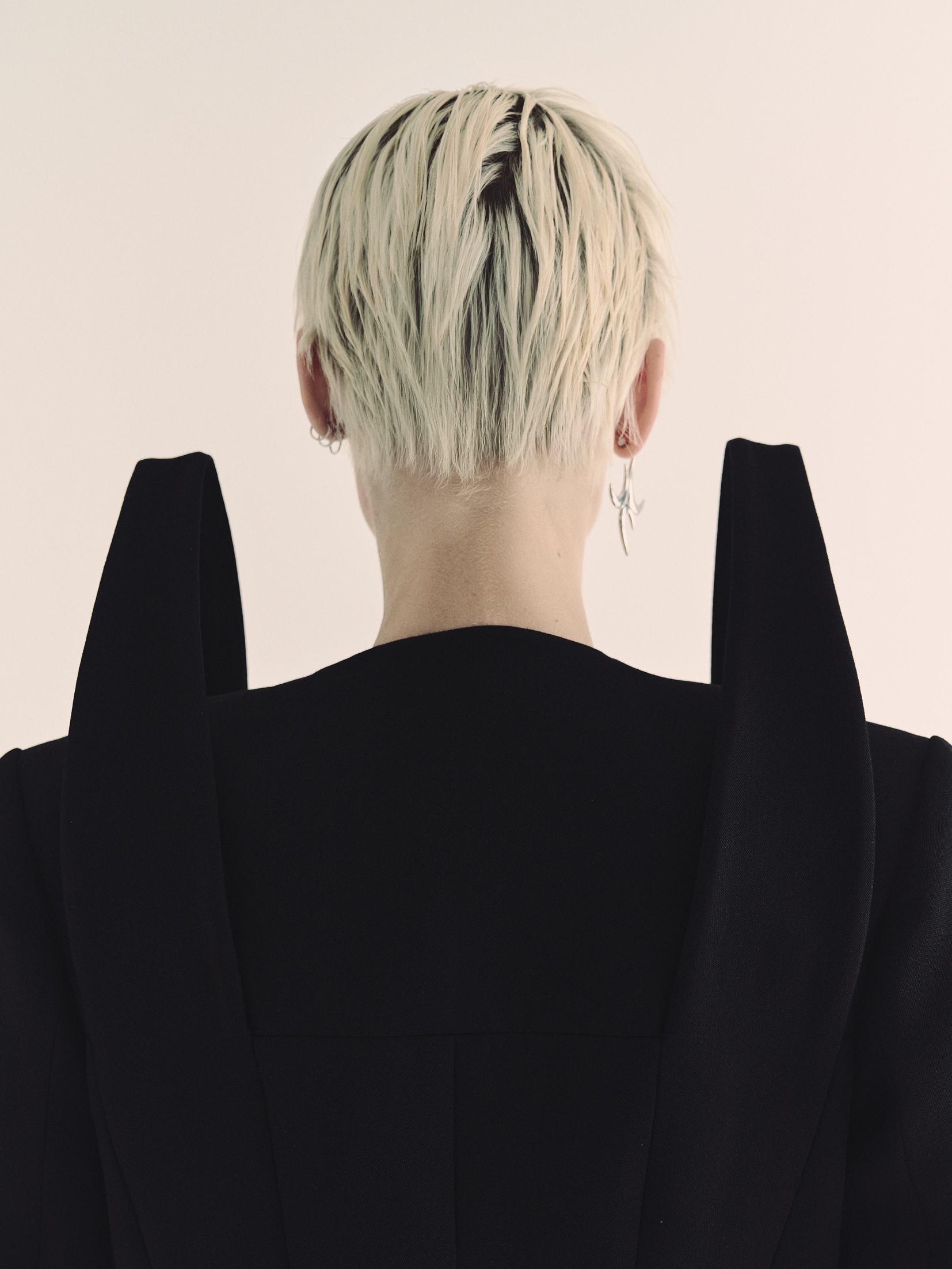
dress HUGO VILLANUEVA shoes CAROLIN HOLZHUBER
jacket MAISON FALCONE culotte PSIDE shoes CAROLIN HOLZHUBER
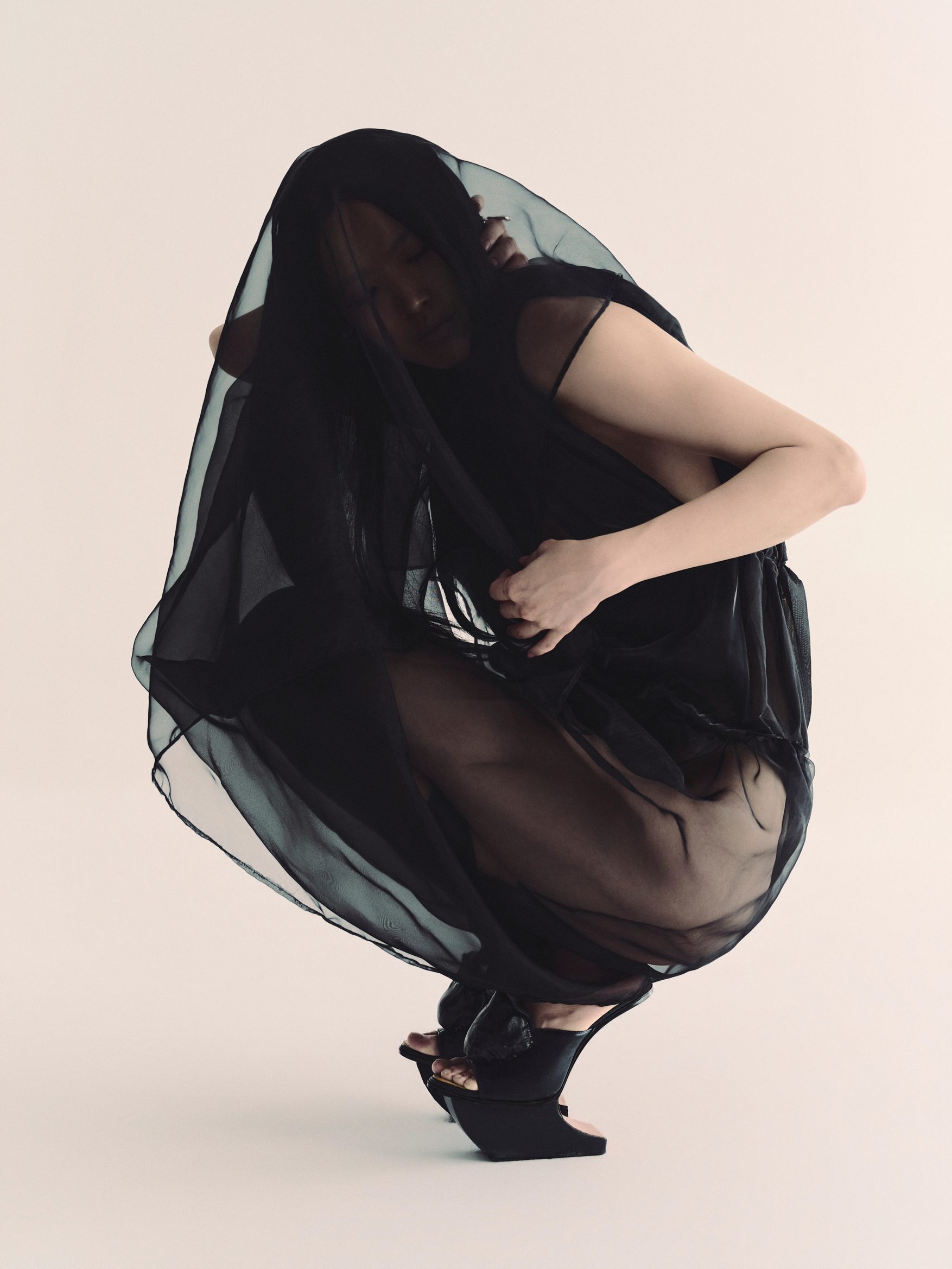
dress MAISON FALCONE shoes CAROLIN HOLZHUBER ring MAM ORIGINALS
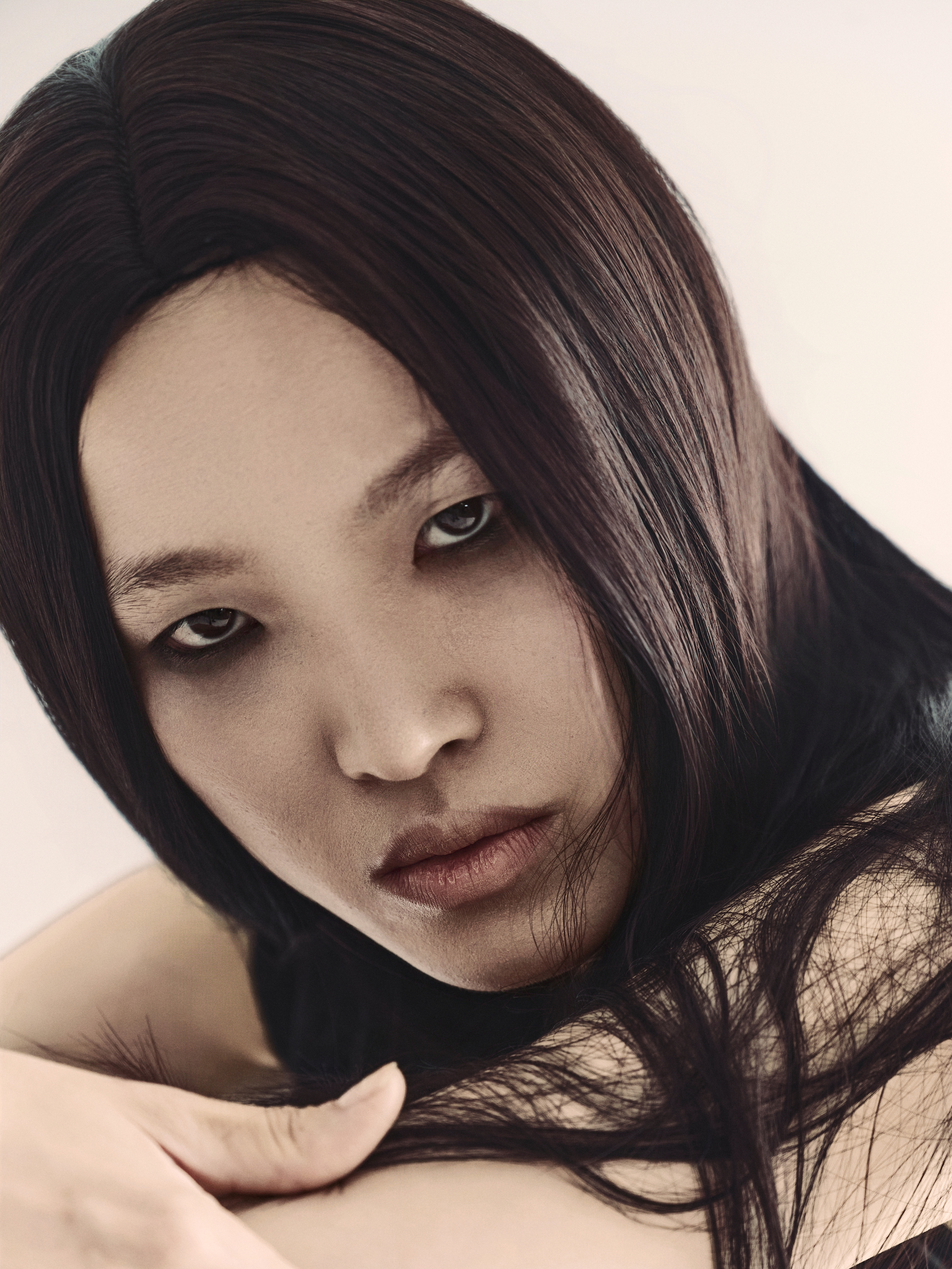
__________
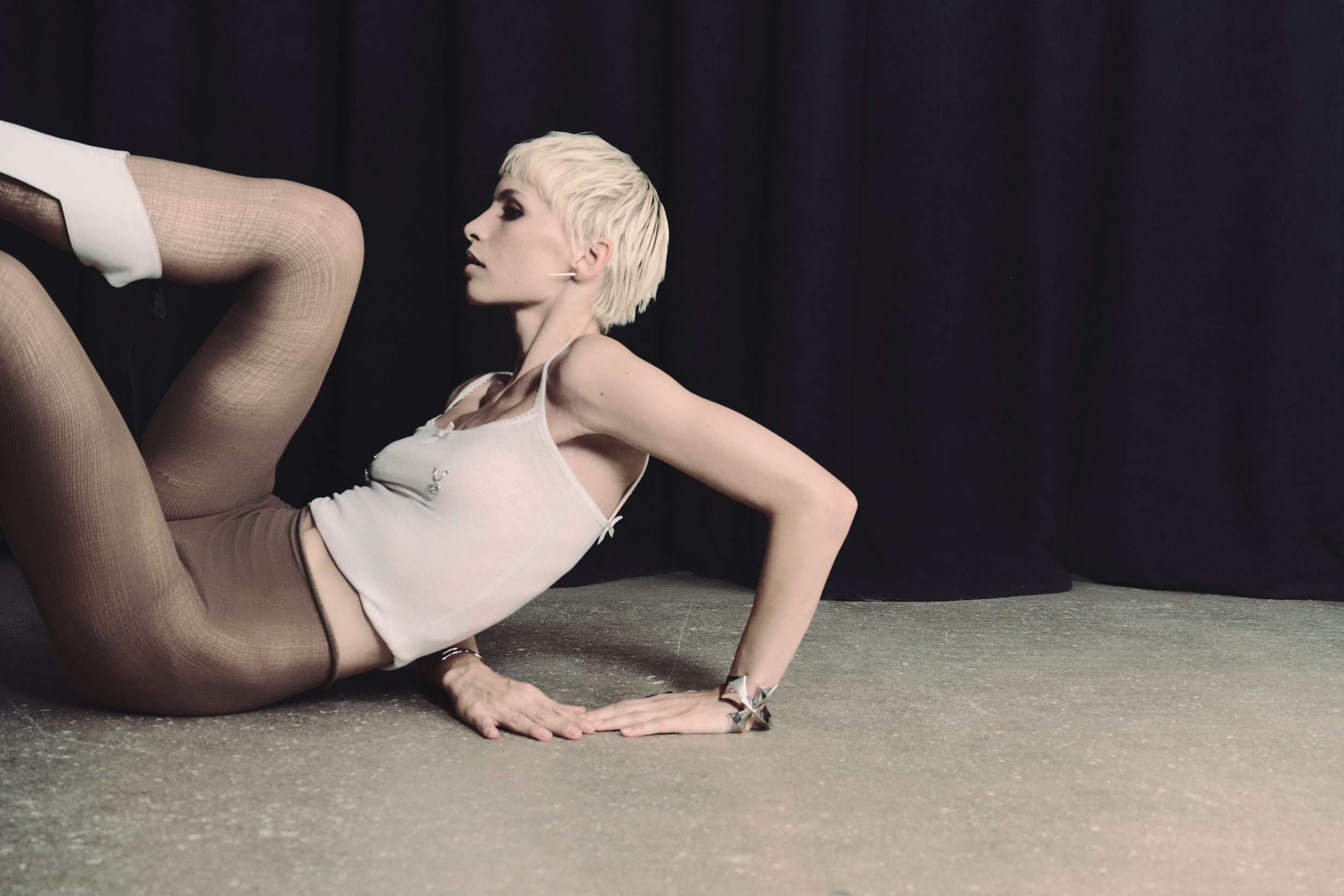
top NO DRESS jewels LAG WORD shoes CAROLIN HOLZHUBER tightsVOft Knit
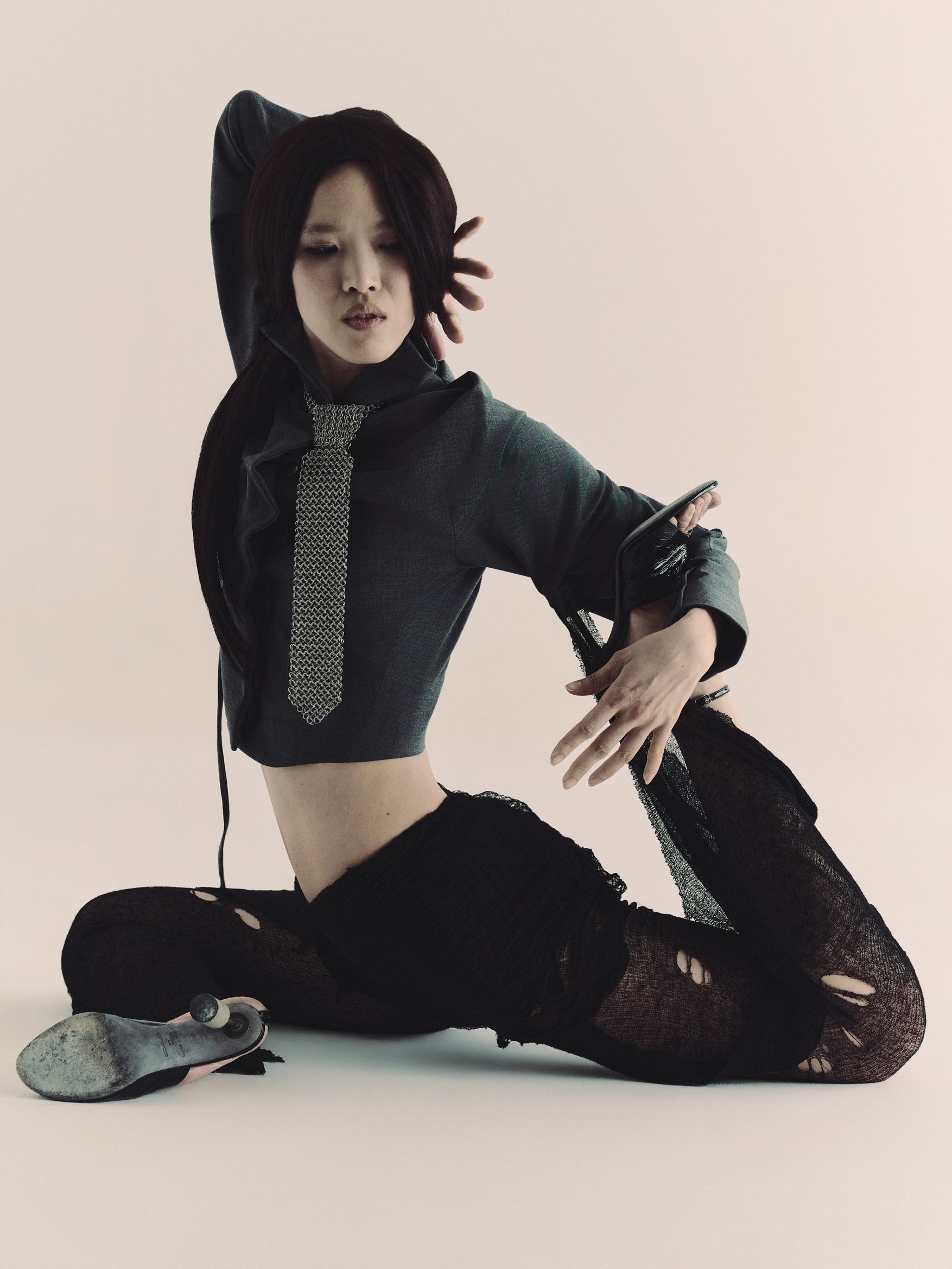
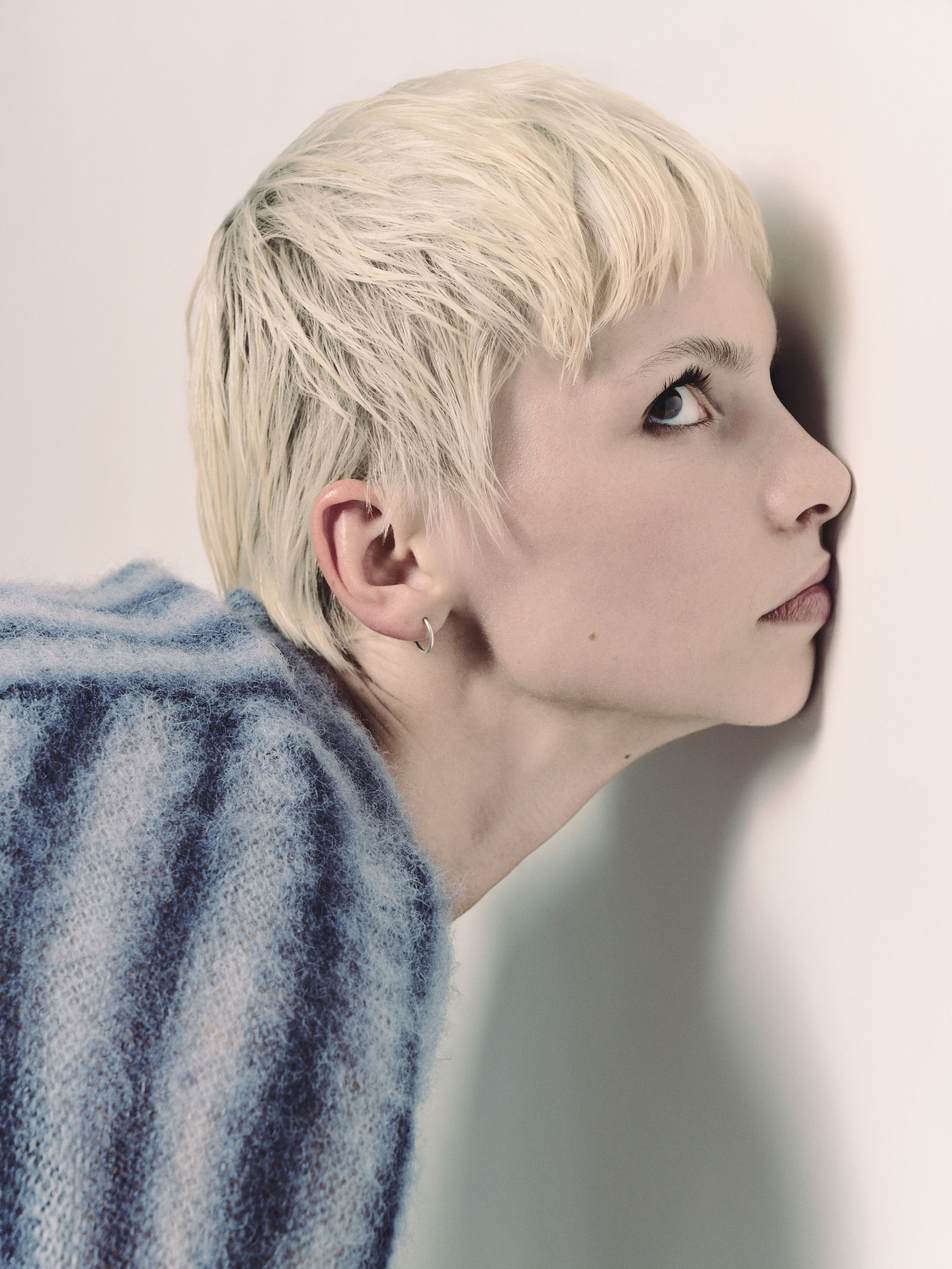
dress SAMUELE PAMPLONI shoes AEYDE
jacket OTTOLINGER jewels LAG WORD pants FLORANIA shoes SCAJA
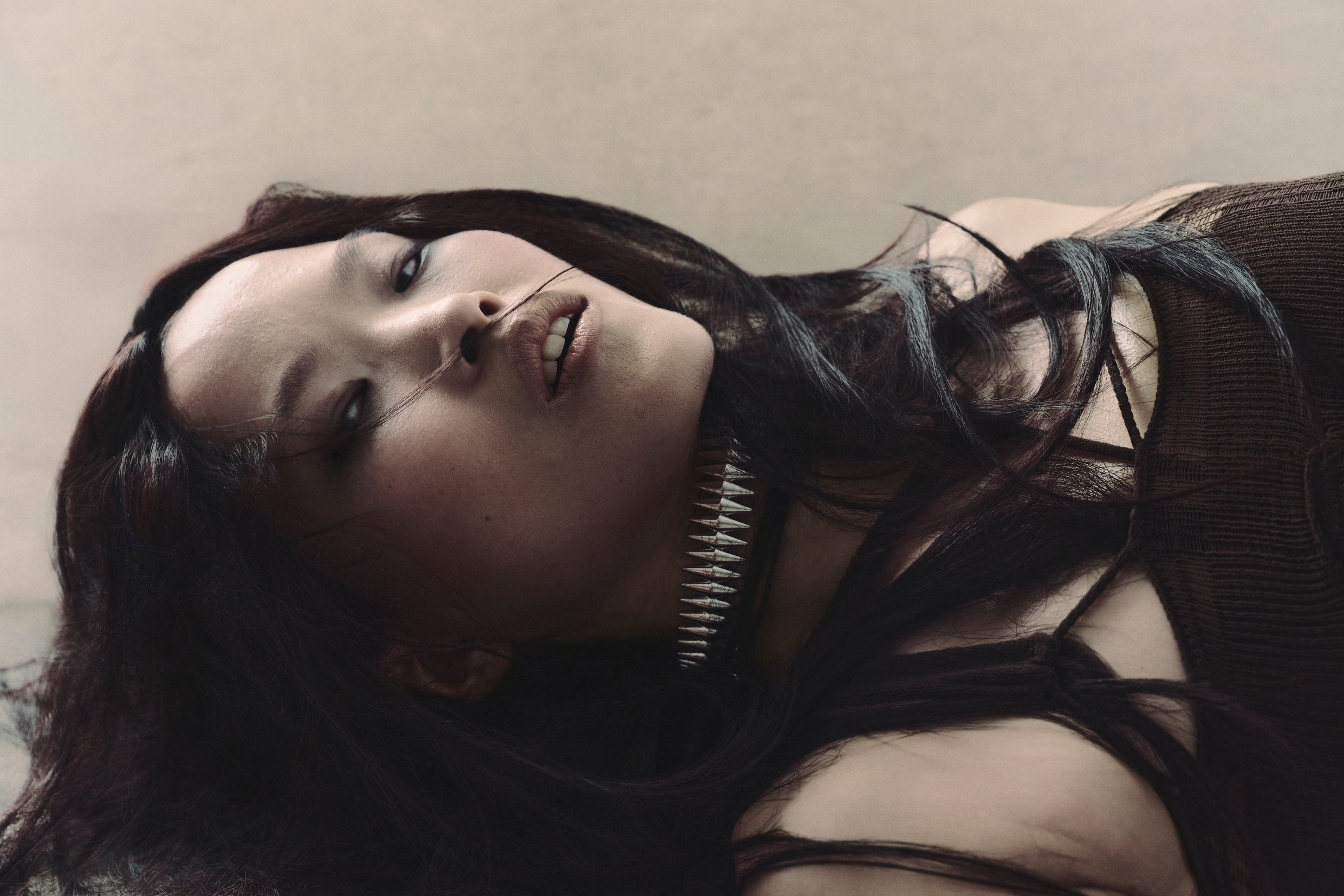
necklace LAG WORD top VOft Knit
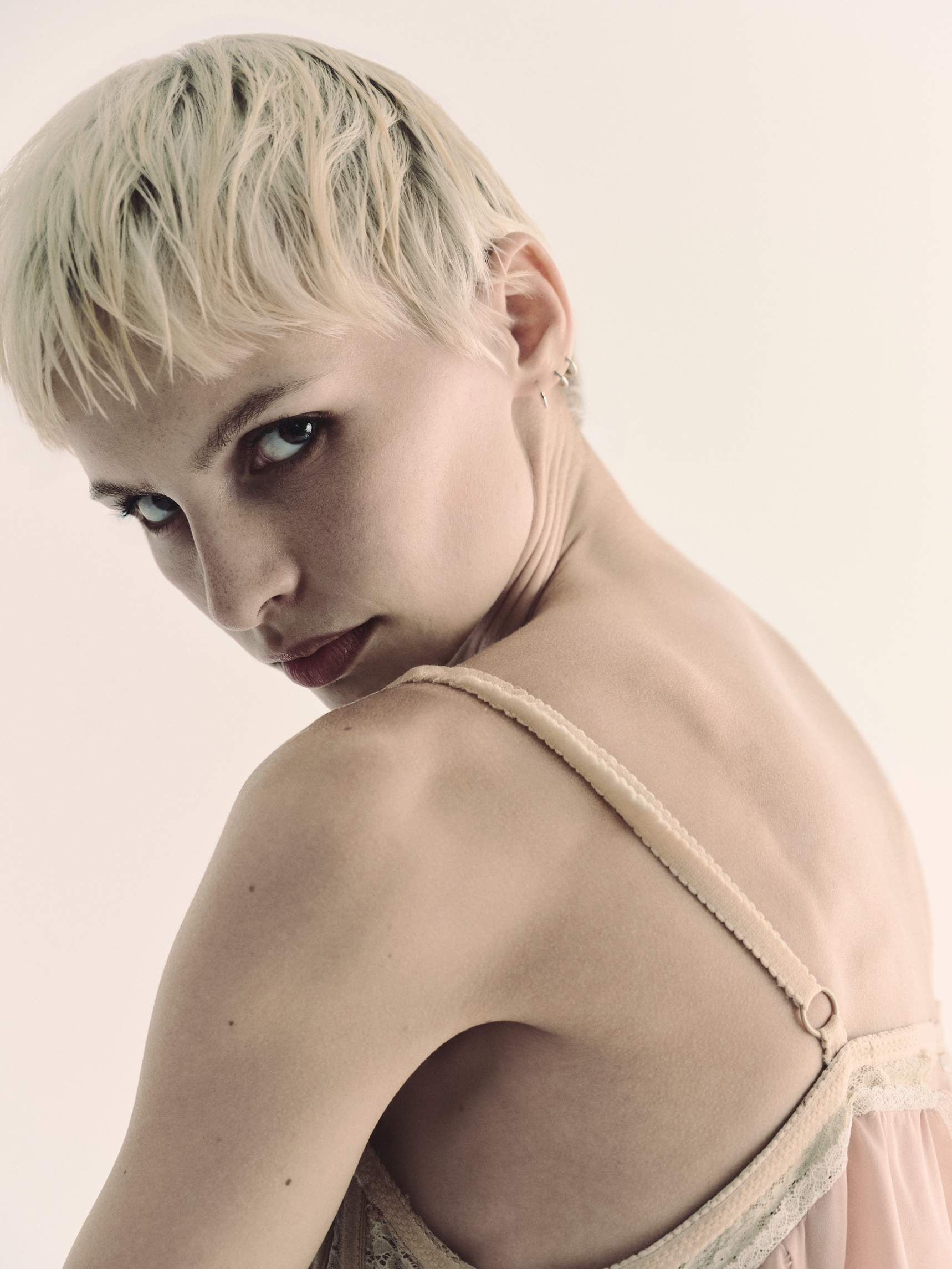
dress SAMUELE PAMPALONI tights VOft Knit underwear SAMUELE PAMPALONI
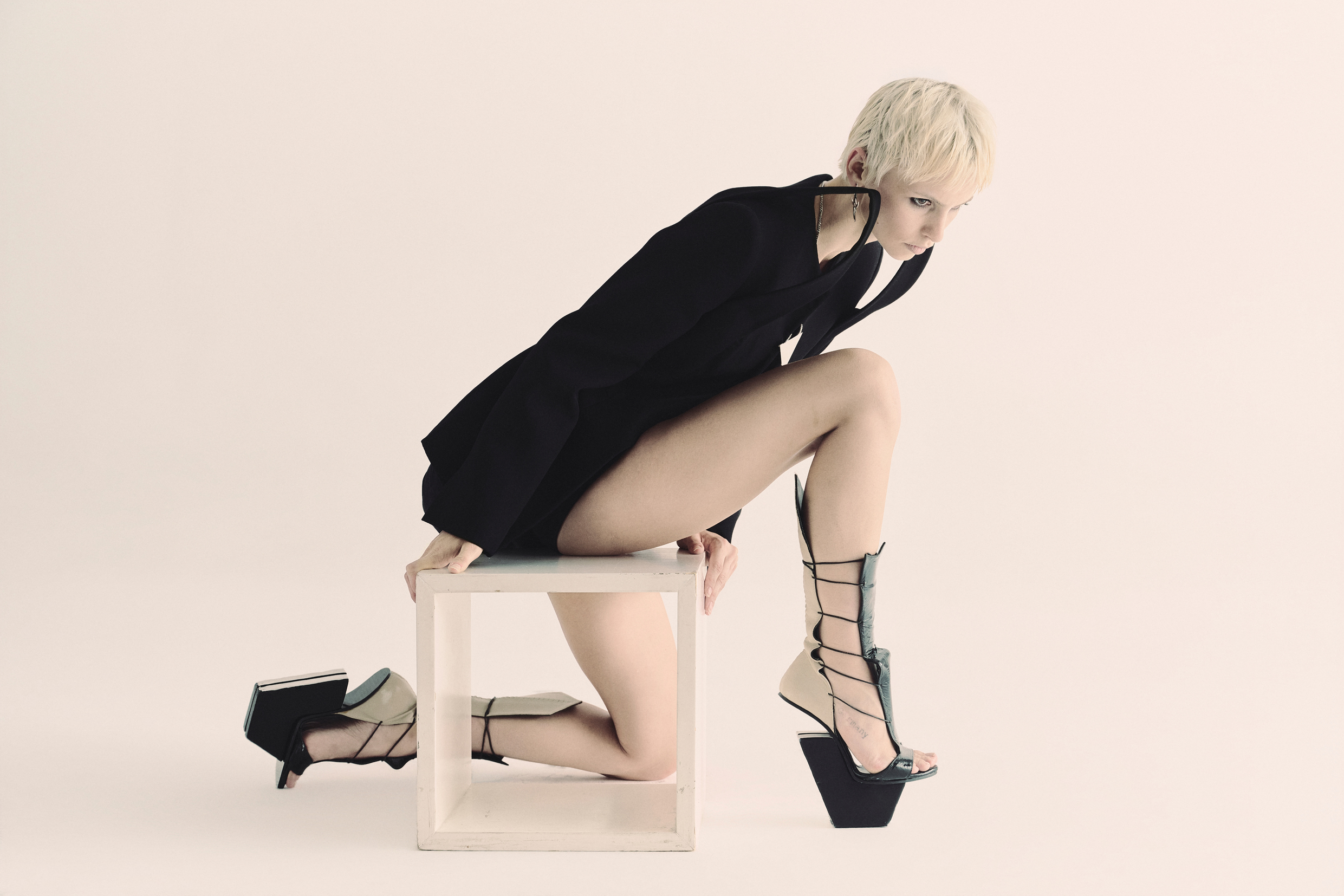
jacket MAISON FALCONE culotte PSIDE shoes CAROLIN HOLZHUBER
CREDITS:
Photography TIMOTHY JOSEPH BOUÉ
Styling PIETRO CARLI, IRENE MARTELLI, GRETA D’ALLIO, CLARISSA CAPONE, MARTIN TOSI, GIULIA LONARDI, MATTEO CAMPAGNARI, SIMONE SCURANI, NICOLE BERGAMINI, SOFIA RACHELE BROTTO, MATILDE GIULIARI
Hair + make-up FLAVIA CELA
Academic project coordinator: CECILIA BORTOLAZZI
Mentor: DAVIDE ANDREATTA
Production GIULIA CARRARO
Models LIU LIU at THE LAB MODELS, MARY JANE SAUER at ROW MODEL MANAGEMENT
Photo assistant FRANCESCA LANFRANCHI