

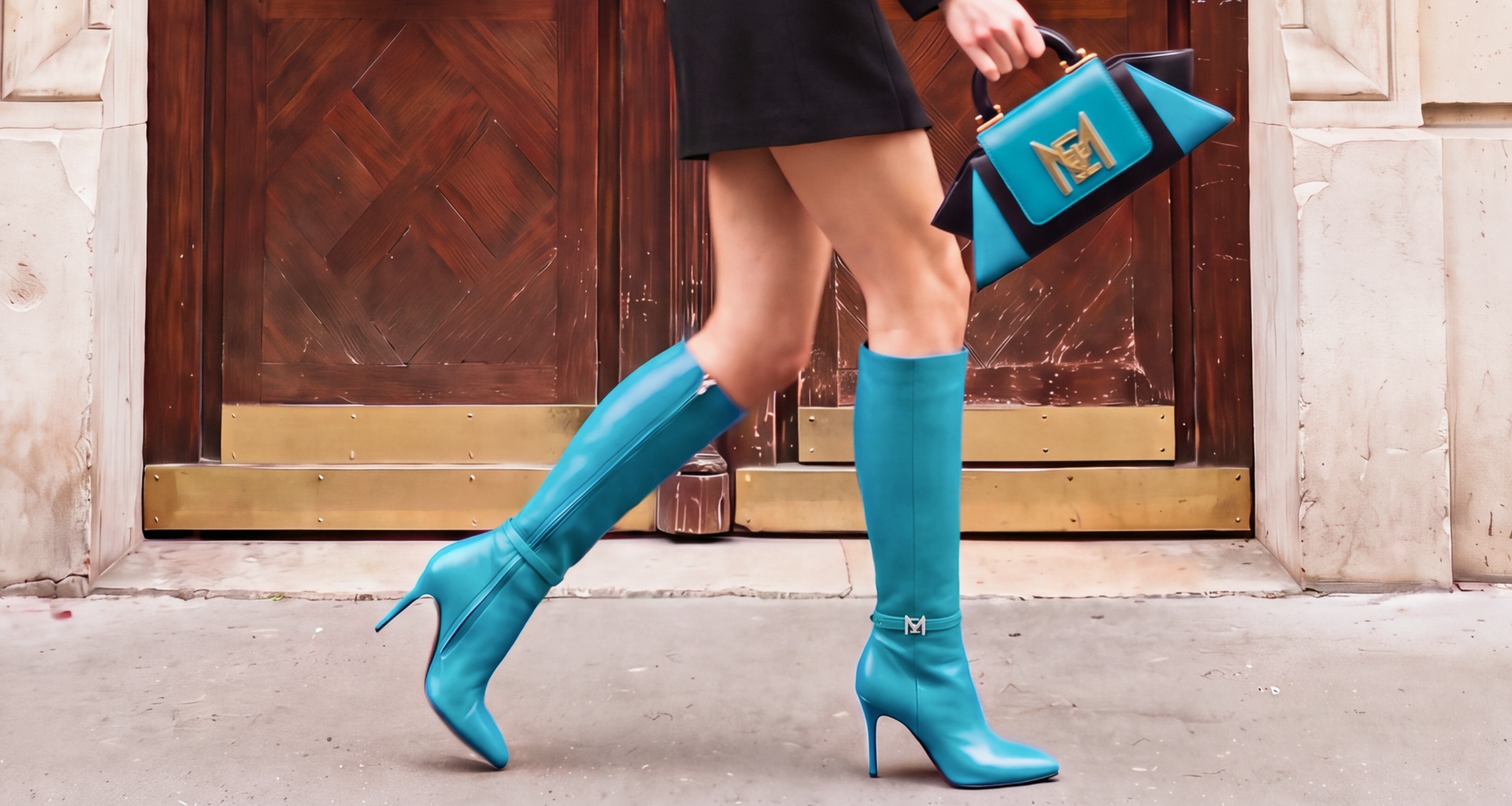
From the decline of fur to the move away from harmful animal-derived materials, FOUR PAWS’ 2026 report highlights the progress and challenges shaping animal welfare in fashion. Its Wear It Kind Directory offers consumers a clearer picture of brands’ commitments, helping them make more informed and conscious shopping choices.
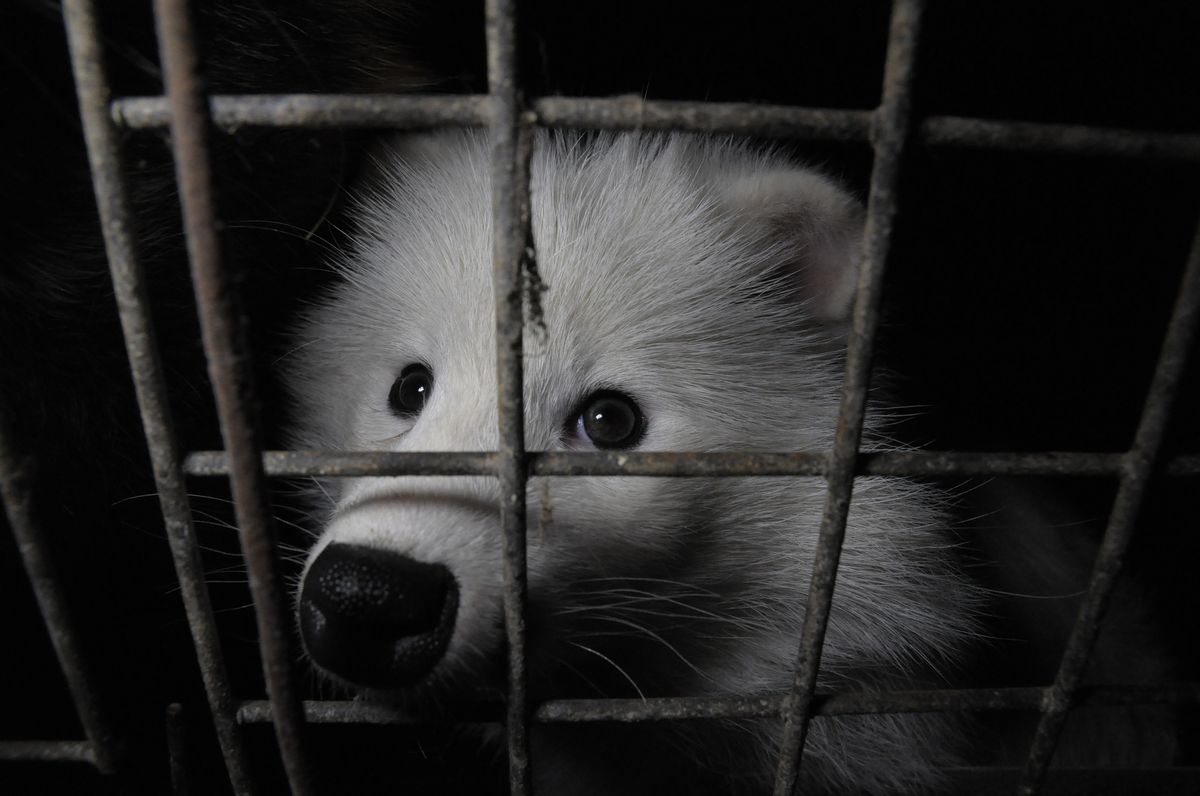
We check clothing labels for materials, prices and sustainability claims. But how much do we really know about the animals behind the clothes we wear? A new report from international animal welfare organisation FOUR PAWS puts this question in the spotlight, alongside a useful tool that helps consumers discover which fashion brands are taking animal welfare seriously.
The Animal Welfare in Fashion Report 2026 assessed 332 fashion brands through the Wear It Kind Directory, an online database designed to make animal welfare information more accessible to shoppers. The findings reveal encouraging progress, but also highlight how much remains to be done in an industry whose supply chains involve an estimated five billion animals every year.
One of the biggest changes concerns fur. According to the report, 82% of the brands assessed have publicly communicated fur-free policies or joined the Fur Free Retailer Program. Fur is gradually disappearing from mainstream fashion, although it remains a controversial issue in the luxury sector, where some major fashion houses have yet to commit to abandoning it permanently.
Down could be next. Among the positive changes recorded in this category, 35% involved brands either switching entirely from virgin to recycled down (6%) or eliminating down altogether (29%). What’s particularly interesting is that this shift isn’t limited to premium labels. Major high-street fashion groups, including H&M Group, are also moving towards alternatives.
Wool production is changing too. Today, 20% of the brands assessed have fully certified mulesing-free wool supply chains, up from 13% in 2024.
For those unfamiliar with the term, mulesing is a practice mainly used in Australian Merino sheep farming. It involves cutting away skin from around a lamb’s tail and hindquarters to prevent potentially dangerous parasitic infestations. While intended to protect sheep from a serious health risk, the procedure can cause significant pain and distress, and alternative prevention methods exist.
Yet despite these positive developments, one figure stands out: only 8% of the brands assessed have committed to actively reducing their overall use of animal-derived materials.
In other words, fashion may be making progress in addressing specific animal welfare concerns, but reducing its overall dependence on animal-derived materials remains a much bigger challenge.
Wear It Kind Directory: A Smarter Way to Shop
So, how can consumers tell which fashion brands are genuinely taking steps to protect animals? That’s where the Wear It Kind Directory comes in.
Created by FOUR PAWS, this publicly accessible online database offers a straightforward way to explore and compare brands’ animal welfare commitments before making a purchase.
Think of it as an animal welfare guide to your wardrobe.
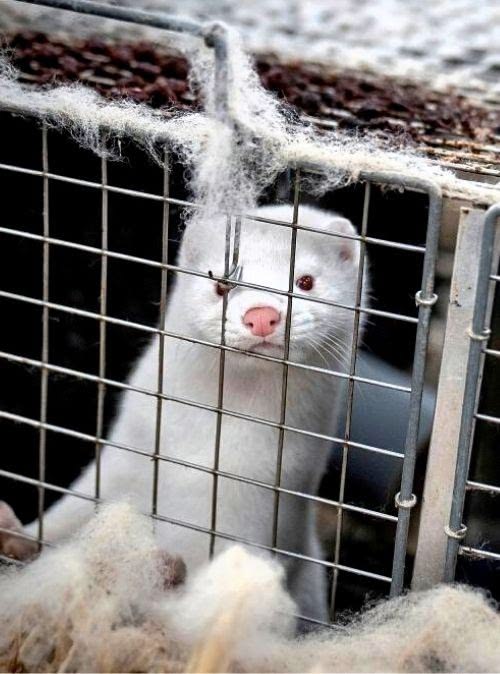
The platform looks at four key issues: whether brands avoid mulesing in wool production, how they address the risk of live plucking in down supply chains, whether they have committed to eliminating fur, and what they are doing to reduce their use of animal-derived materials.
Rather than relying on advertising claims, the assessments draw on publicly available evidence, including company policies, sustainability reports, product information and independent verification schemes.
The results are presented through a simple colour-coded system, from green to red, making it easier to see which brands are leading the way and which still have work to do.
For shoppers who care about animal welfare, this means having access to information that might otherwise be buried in lengthy sustainability reports or difficult-to-navigate corporate websites.
Of course, a positive animal welfare rating doesn’t automatically mean a brand is sustainable in every respect. Environmental impact, working conditions and product durability are all important parts of the bigger picture. The Directory focuses specifically on animal welfare, offering a clearer view of an issue that can sometimes get lost within broader sustainability conversations.
The report also makes an important point: certification alone isn’t enough. Brands need greater transparency, stronger relationships with their suppliers and more investment in alternatives to animal-derived materials if they want to make lasting improvements.
Ultimately, the Wear It Kind Directory is about making information more accessible and giving consumers greater power to ask questions about what they buy.
Because choosing what to wear is also about understanding the impact behind the label. And with tools like the Wear It Kind Directory, making a more informed choice is becoming a little easier.