
From Birkin bags printed on A4 paper to the disposable dresses of the 1960s, paper fashion is taking over social media, blending creativity, irony, and an increasingly unaffordable luxury industry.
A Birkin bag costs thousands of euros, while a sheet of A4 paper costs just a few cents. What if all it took to carry the world’s most coveted handbag was hitting “Print”?
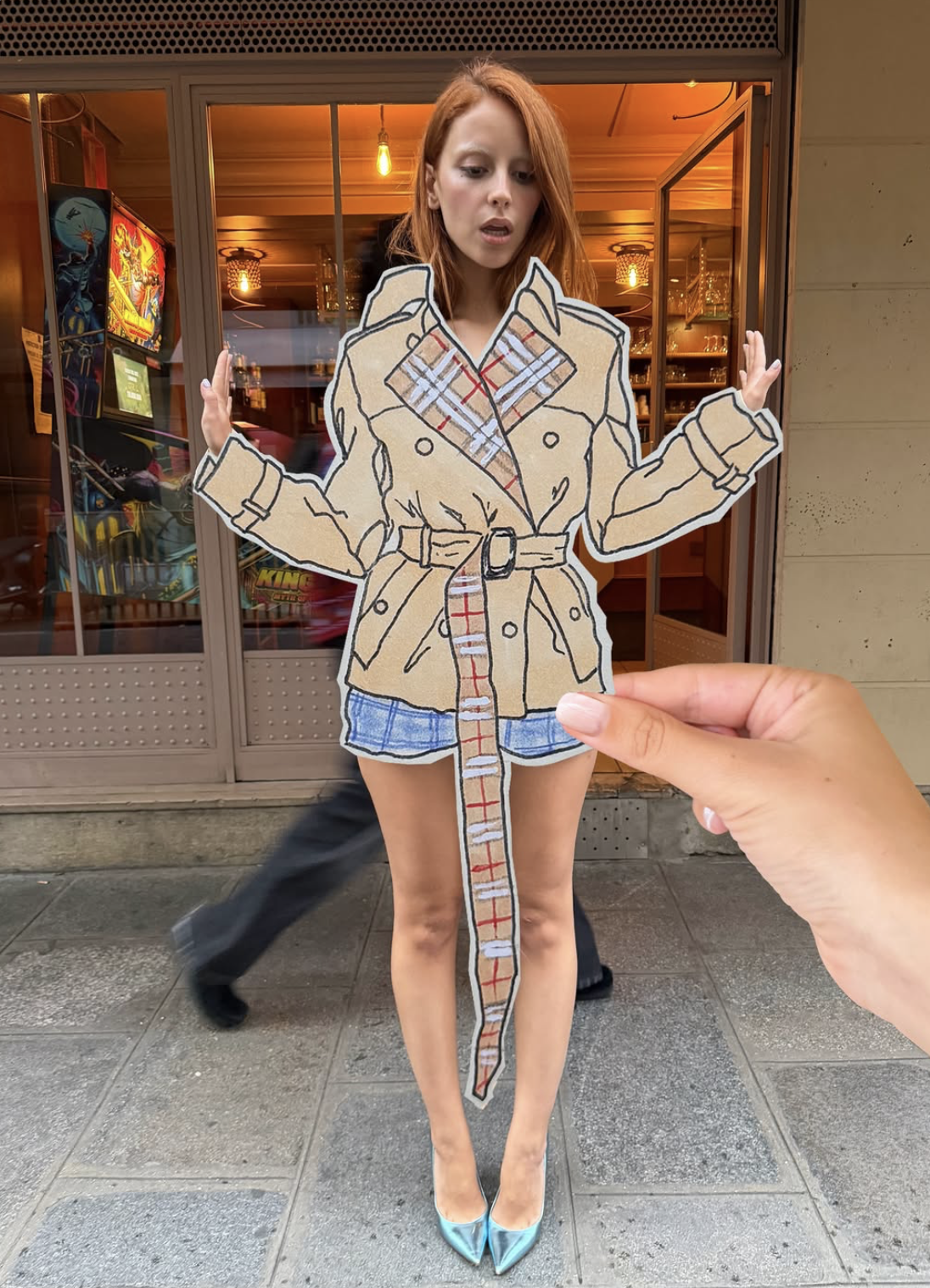
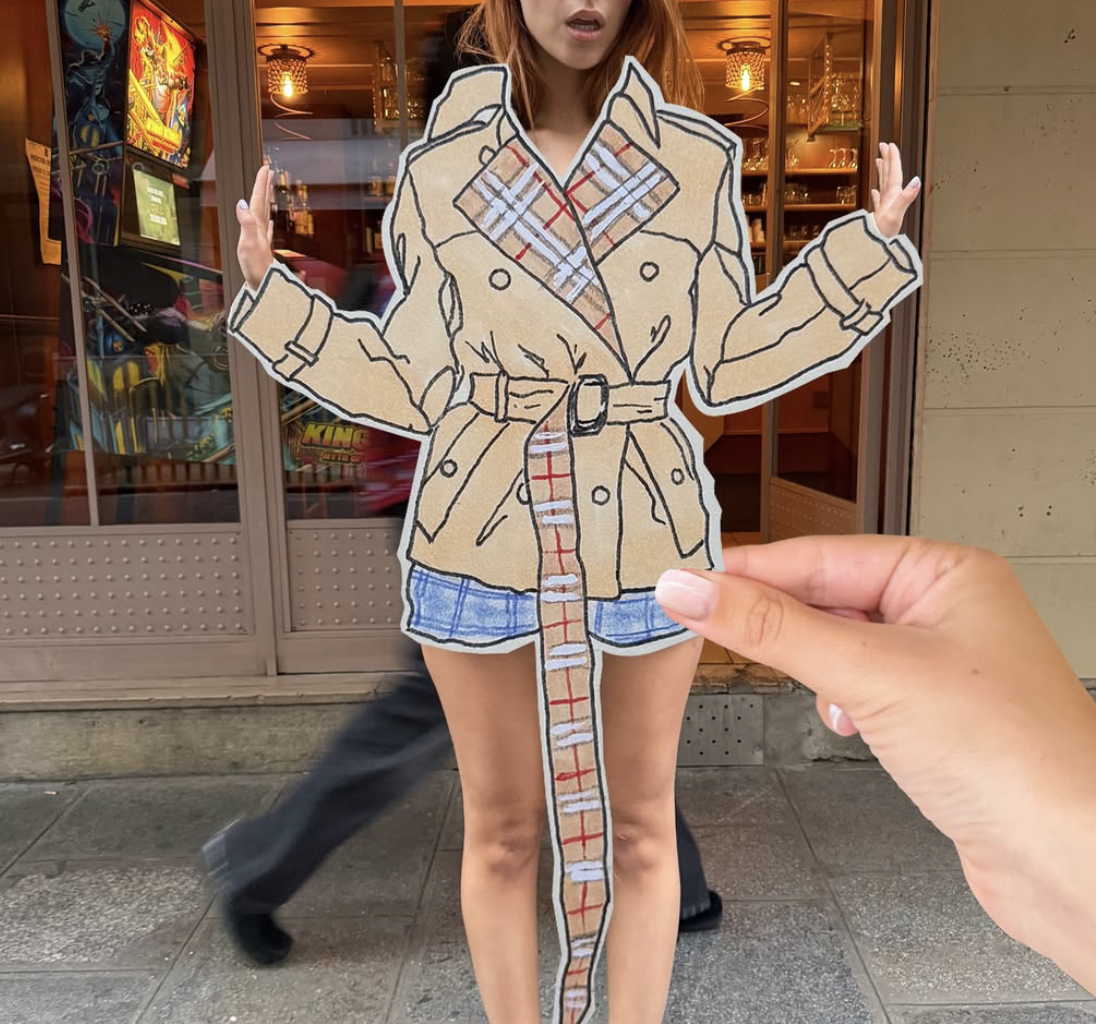
On TikTok and Instagram, creators are taking this idea quite literally, turning ordinary sheets of paper into Chanel accessories, Hermès bags, and entire looks inspired by major fashion houses. No luxurious materials or intricate craftsmanship required, just printed images, scissors, and a healthy dose of irony.
Among the creators embracing this trend are stylist Assia Rojas, creative Nadja Cheneaux, designer Boris Tardy, and model Leonardo de Marques who are reimagining the world of luxury through paper creations. From Loewe-inspired outfits to iconic Hermès Birkin and Kelly bags, pieces usually reserved for a privileged few become accessories to wear, photograph, and share. The result is a playful visual experiment that turns the desire for exclusive fashion into an opportunity to poke fun at its very inaccessibility.
But paper fashion isn’t just about printing designer handbags. Some creators are taking things further, using paper to construct entire outfits from head to toe. Take Sara Camposarcone, the Canadian fashion creator known for her maximalist style, unexpected combinations, vintage pieces, and eccentric accessories. In one of her videos, she created a complete paper outfit, from a hair bow to a dress and handbag, even making a matching hat and tie for her boyfriend. And she didn’t stop at showing off the final look: she also shared a tutorial so others could recreate it themselves.
When Fashion Cost $1.25
Paper fashion might seem like just another trend born on TikTok, but its history goes back sixty years. To understand its origins, we have to return to the 1960s, when disposable consumer culture was beginning to make its way into fashion.
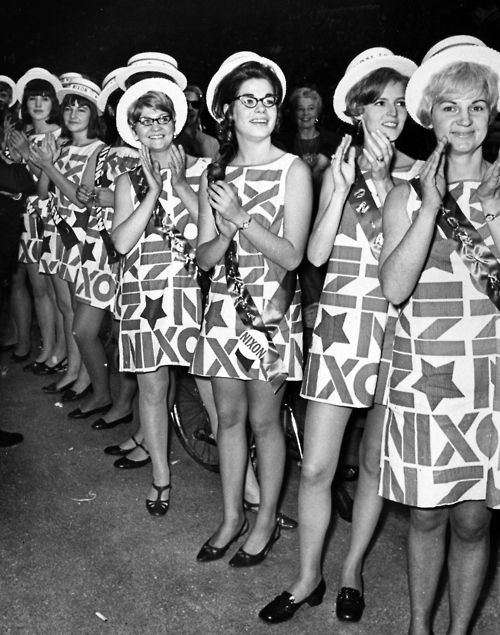
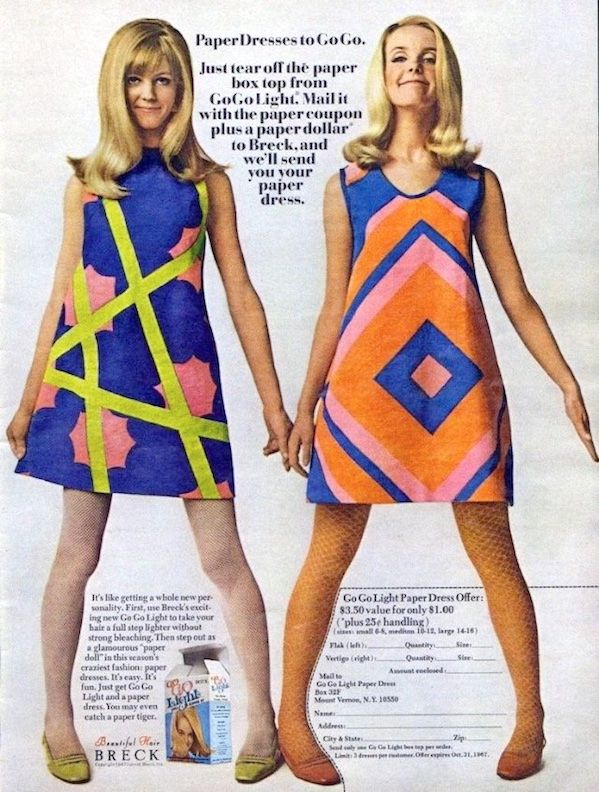
It was 1966 when the Scott Paper Company, an American manufacturer of paper products, introduced a rather unusual idea: disposable dresses sold for just $1.25. Colorful, lightweight, and affordable, they were designed to be worn briefly and then replaced. The concept perfectly captured the spirit of the era, when consumption was associated with modernity and the excitement of always having something new to wear.
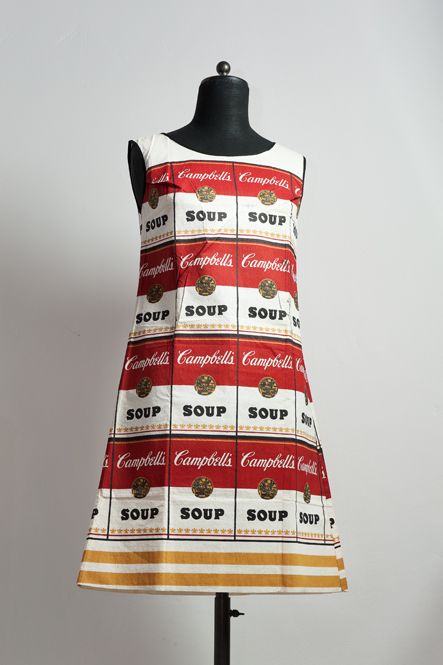
One of the most iconic examples of this craze was the “Souper Dress“, a paper dress covered in the famous Campbell’s Soup cans immortalized in the work of Andy Warhol. Although the dress wasn’t designed by the artist himself, it looked as though it had come straight out of his Pop Art universe. Art, advertising, and fashion came together in a single garment, anticipating the fascination with unexpected everyday objects that we now see in viral fashion content.
Luxury Is Everywhere, But Who Can Afford It?
Behind the apparent absurdity of these outfits lies a very contemporary contradiction. On social media, luxury is everywhere: handbags worth thousands of euros, exclusive collections, and accessories that become must-have items almost overnight. Yet for much of the younger generation, actually owning these products remains financially out of reach.
It’s one of the biggest paradoxes of contemporary fashion: luxury has never been so visible, yet so out of reach.Through campaigns and viral influencer content, major fashion houses appear daily in the feeds of millions of young people, encouraging them to desire products that most will never be able to afford. Everyone can participate in the fantasy of luxury, but only a select few can afford to own its symbols.
This is where a paper Birkin takes on a different meaning. It’s not simply a funny imitation, but potentially a subtle provocation aimed at an industry that has turned handbags and accessories into status symbols, assigning them a value that goes far beyond their function or materials. Printing a bag worth thousands of euros means, at least for a moment, taking its image out of the world of exclusivity and making it accessible to anyone with a printer.
The contrast with the 1960s is almost perfect. Back then, paper was used to make dresses so inexpensive they could be thrown away after just a few wears. Today, it’s being used to recreate objects so expensive that most people could never afford them. From a symbol of disposable consumer culture to a parody of unattainable luxury, the same material tells the story of two different eras and two very different ways of assigning value to fashion.
And perhaps that’s what makes this trend so interesting. While luxury brands continue to sell exclusivity, a new generation is proving that you don’t necessarily need to own something to play with its meaning.
Mmaybe the real luxury isn’t owning a Birkin. It’s being able to laugh at a system that convinced us we needed one in the first place.