

Lance Oppenheim’s Primetime brings Robert Pattinson, Phoebe Bridgers and the world of early reality television to the screen.

Courtesy of A24
In 2006, Chris Hansen became one of the most recognizable faces on television. His role on To Catch a Predator was built around a familiar sequence: a hidden camera, a suburban house, a confrontation, a question viewers already anticipated. The program transformed online interactions into televised encounters, turning anonymous internet conversations into some of NBC’s most discussed broadcasts.
Lance Oppenheim’s Primetime returns to that moment through Robert Pattinson’s portrayal of Hansen. Set during the height of To Catch a Predator, the film follows the production of the show and the people involved in creating its carefully controlled confrontations. Phoebe Bridgers makes her acting debut as Del, one of the decoy actors working on the program, while Merritt Wever plays producer Andie Bender.
The choice of 2006 creates a particular atmosphere. Television still operated around shared viewing moments. YouTube had only recently launched. Netflix was still primarily a DVD rental service. A successful television program could become part of a national conversation because millions of people encountered the same episode at the same time.
Yet many viewers discovering Primetime today will have first encountered Hansen through the internet. Clips from To Catch a Predator have circulated for years through YouTube uploads, memes, compilations and social media posts. The original broadcast has become part of a much larger archive of online references.
The director has spoken about discovering To Catch a Predator through YouTube and the parodies surrounding the show before revisiting the original broadcasts. His connection to the program was already shaped by the way the internet preserved and transformed television.
Primetime follows that same path. The film recreates the visual language of early reality television while looking at the ways those images continue to circulate.
Robert Pattinson’s Hansen

Credit: Courtesy of A24
Pattinson does not approach Hansen as an imitation. His performance focuses on the construction of the television personality itself.
The Hansen seen in Primetime understands the mechanics of a successful broadcast. He knows where to stand, when to enter a scene and how to deliver a line that will remain memorable after the episode ends. The famous confrontation format depends on repetition, yet Pattinson gives the character a sense of someone constantly adjusting himself for the camera.
His career has been shaped by shifting relationships with celebrity. After becoming globally recognized through Twilight, he moved toward filmmakers including David Cronenberg, the Safdie brothers, Robert Eggers and Bong Joon Ho. His public image has repeatedly been reinterpreted through the characters he chooses.
Hansen experienced a different version of that transformation. Television turned him into a recognizable figure whose authority depended partly on the familiarity of his presence. Viewers knew the voice, the expression and the structure of the encounter before the scene unfolded.
Oppenheim focuses on that process of becoming a television figure. Pattinson’s performance stays close to the uneasy space between professional confidence and personal ambition. Hansen appears aware of the power of the format surrounding him.
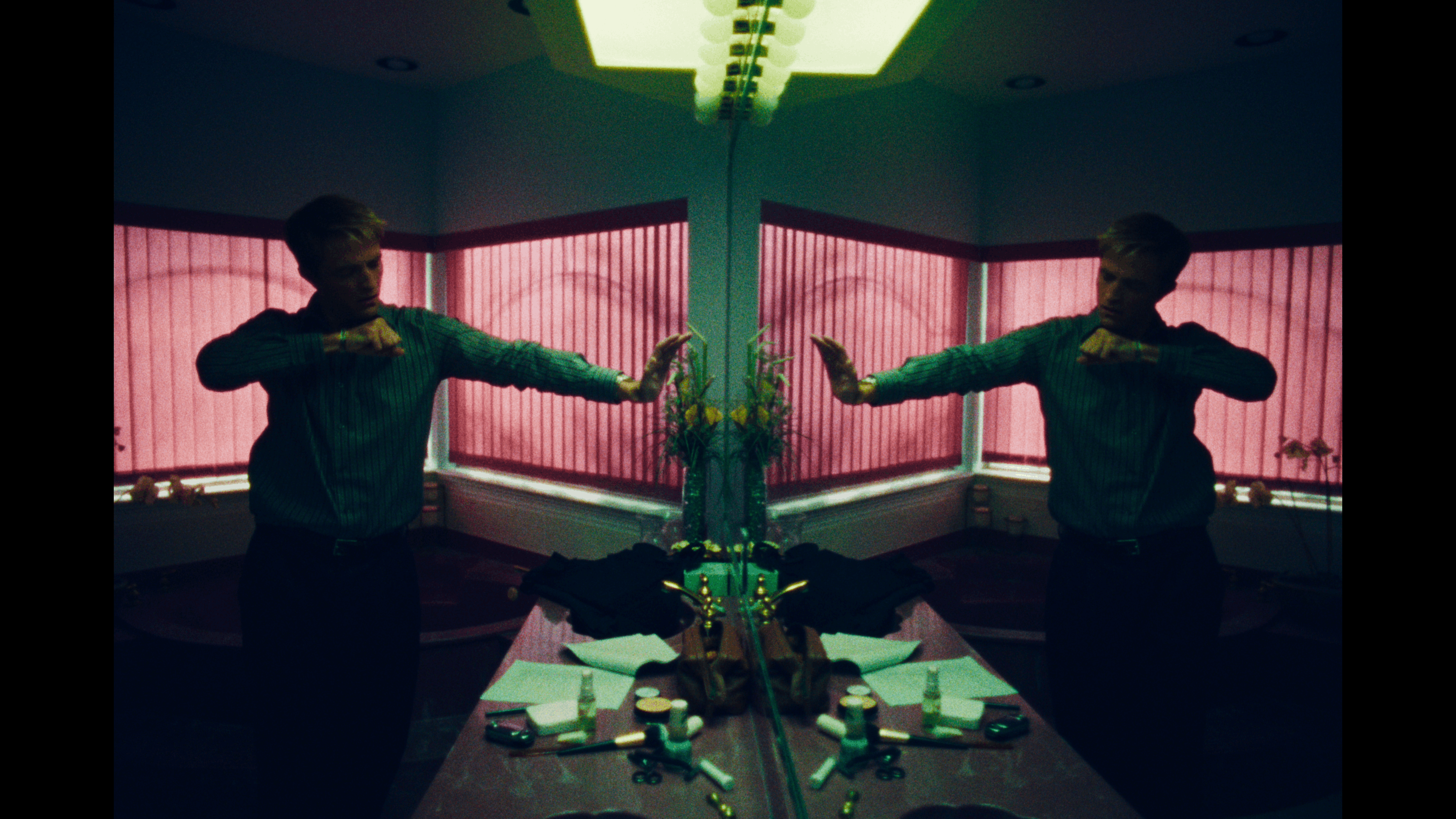
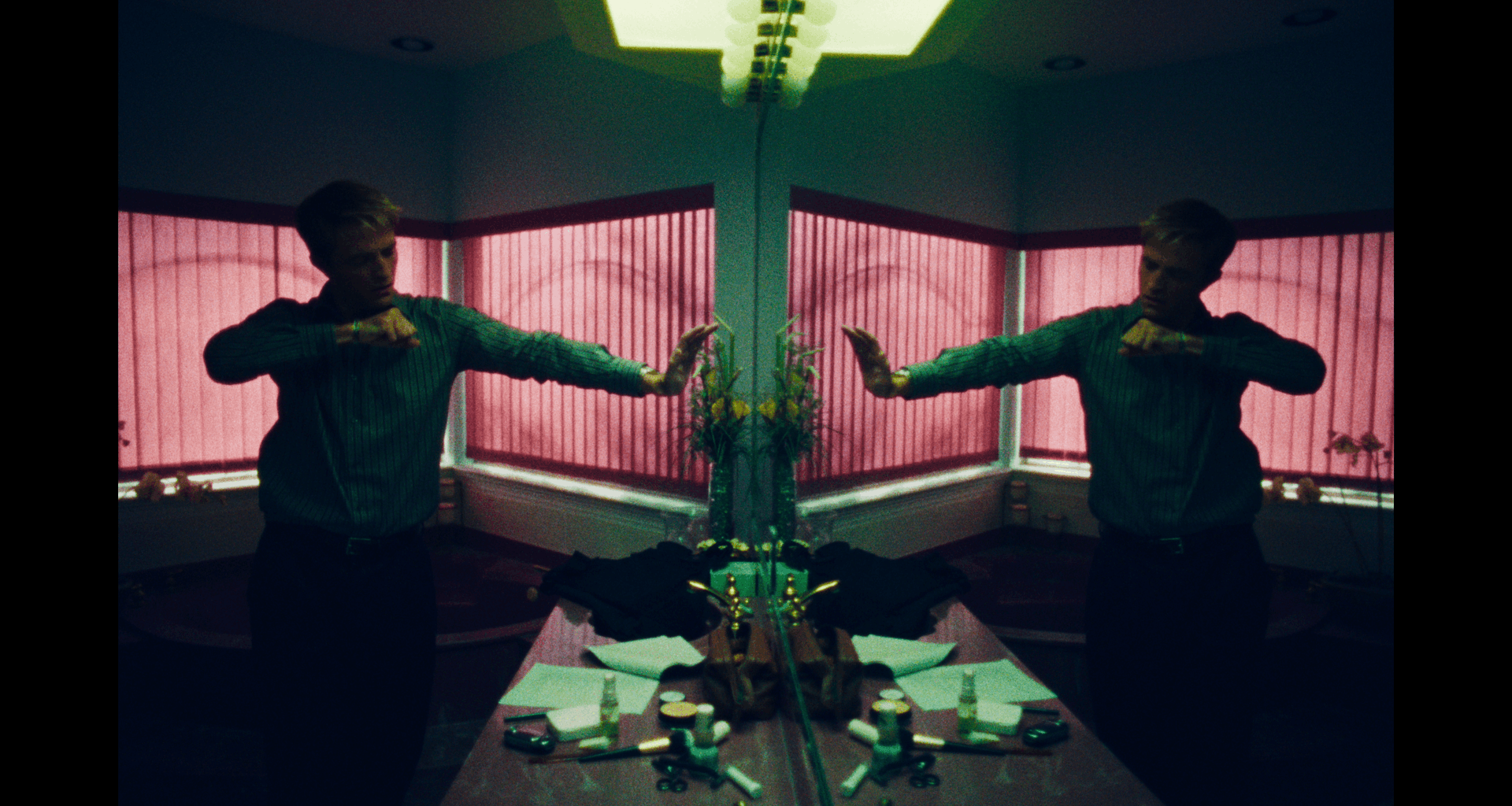
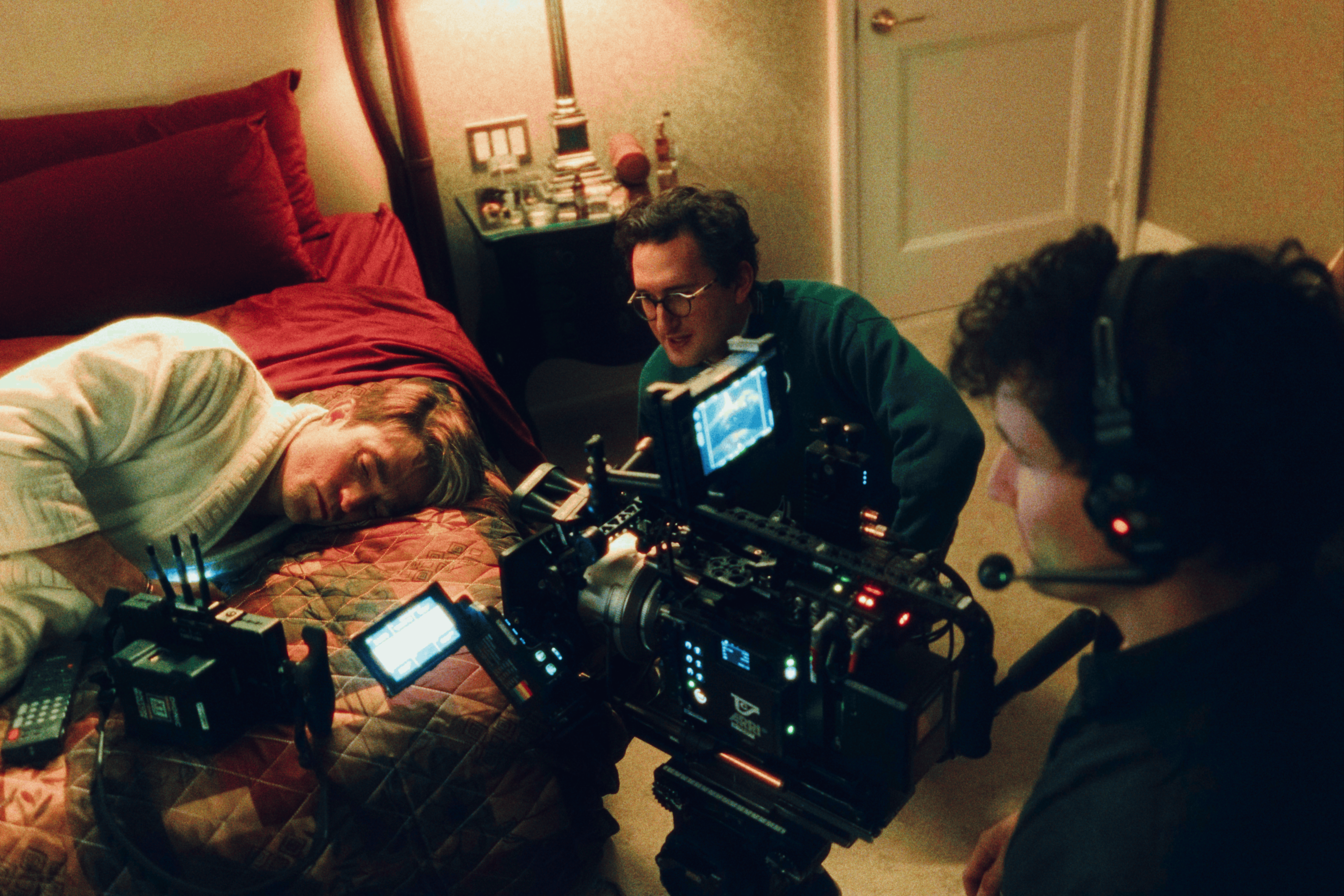
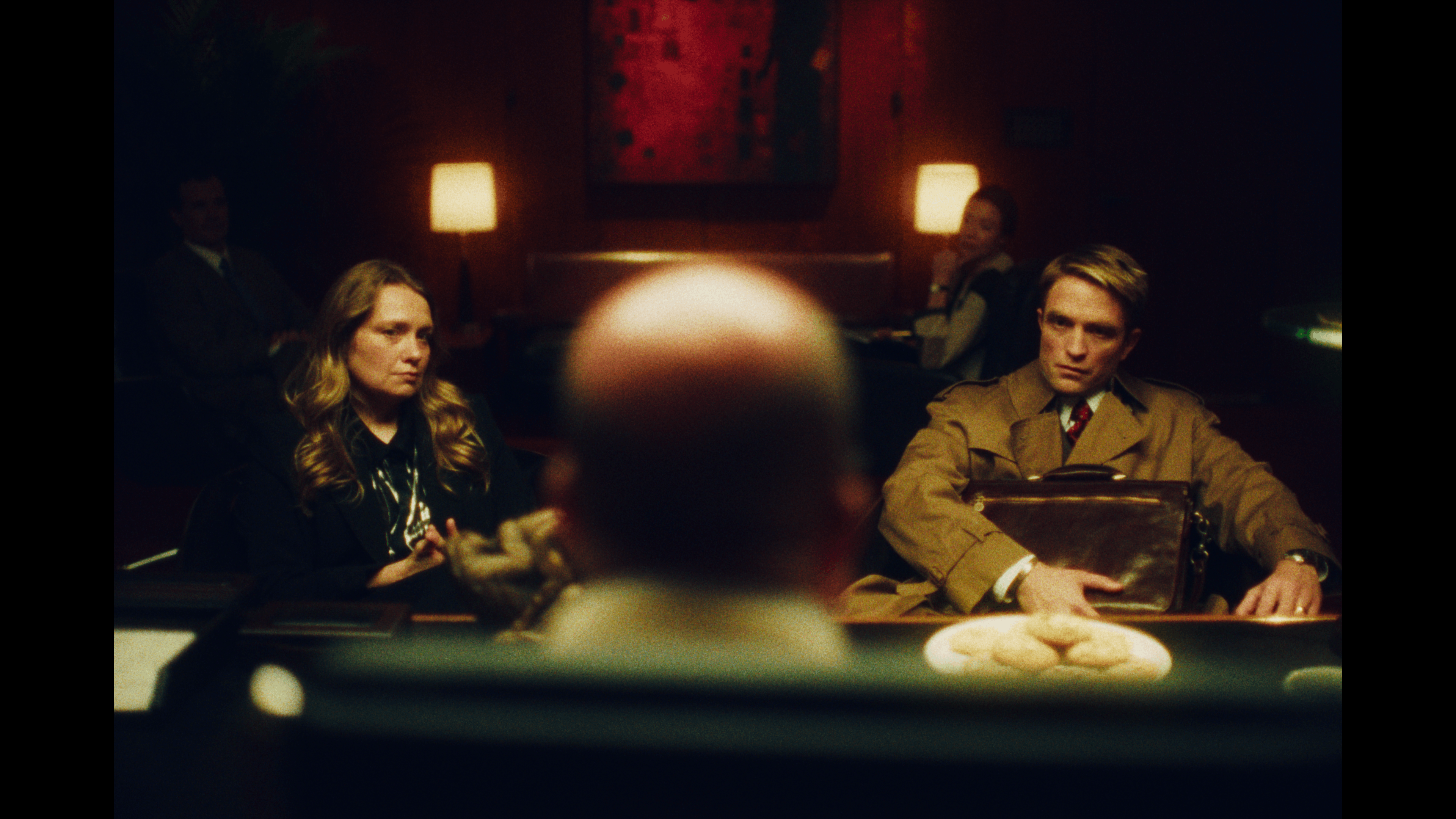
The film’s visual style reinforces that idea. Oppenheim recreates the textures of mid-2000s reality television through digital video, saturated colors, broadcast graphics and interiors that feel carefully arranged for filming. Critics have highlighted the film’s deliberately stylized recreation of the period.
The result is a portrait of someone whose career was built around appearing authentic in front of an audience.
Phoebe Bridgers’ First Role

Credit: Kate Green/Getty
Phoebe Bridgers enters Primetime as Del, one of the actors working as a decoy for the television production.
The casting creates an unusual connection between the film’s subject and contemporary music culture. Bridgers already has a highly recognizable visual identity surrounding her work. Her albums, performances, clothing choices and online presence have contributed to a public image that exists alongside the music itself.
In Primetime, she plays someone whose role depends on creating a convincing image for another person to believe.
Del’s work requires patience and repetition. She enters the situation, follows the production’s instructions and waits for the moment when the encounter changes direction. The television crew later transforms that interaction into a finished episode.
Bridgers brings a restrained quality to the role. Her presence reflects the strange environment of the production: a place where people perform versions of themselves while creating something presented as spontaneous.
Oppenheim has said that he had known Bridgers for years before making the film and eventually developed the role with her in mind. Her casting places a contemporary musician inside a story about one of television’s most recognizable forms of manufactured reality.
From NBC to YouTube
Credit: Sinna Nasseri
The cultural life of To Catch a Predator changed after its original broadcasts.
The program was created for network television, where viewers encountered episodes as scheduled events. Over time, individual scenes separated from their original context. Short clips began circulating independently, allowing people who had never watched the full program to recognize Hansen’s face, his questions and the structure of the confrontations.
That process reflects a broader shift in how older media survives. Television archives now move through platforms where individual moments can become more recognizable than the programs they came from.
A reality show episode can become a reaction clip. A television interview can become a meme. A scene from years earlier can gain a new audience through a completely different platform.
To Catch a Predator was particularly suited to this afterlife because its format relied on memorable moments. The arrival of Hansen, the confrontation, the reaction from the person being confronted: each part of the sequence was built around a clear visual payoff.
Oppenheim’s own relationship with the show followed this path. He encountered the program through the internet, where it had already developed a second cultural identity through clips and parodies.
That history gives Primetime its contemporary relevance. The film looks at a television phenomenon that was created for one media environment while being remembered through another.
The Legacy of Reality Television
Credit: Courtesy of A24
Reality television has become an unexpected archive of early internet culture. Programs that once seemed disposable now provide reference points for fashion, music, memes and online humor.
The appeal of these images often comes from their imperfections. The lighting feels artificial. The production techniques are visible. The performances exist in the space between authenticity and construction.
Those qualities have become recognizable visual references for a younger generation that often encounters older media through fragments rather than original broadcasts.
Primetime captures the moment when television began adapting to the internet while the internet was beginning to reshape television. Hansen’s career sits at the center of that transition. His image was created through television, then preserved through the platforms that followed.
The film remains focused on a specific story from 2006, yet its questions extend into contemporary celebrity culture. Public figures now exist through interviews, clips, photographs, performances and the reactions surrounding them.
Pattinson’s Hansen understands the power of a recognizable image. Bridgers’ presence reflects the way modern artists build worlds around their work. Oppenheim examines the television format that helped create this relationship between personality and public perception.
Primetime revisits a moment when reality television became a cultural event. It also examines why those images continue to find new audiences long after their original broadcasts.