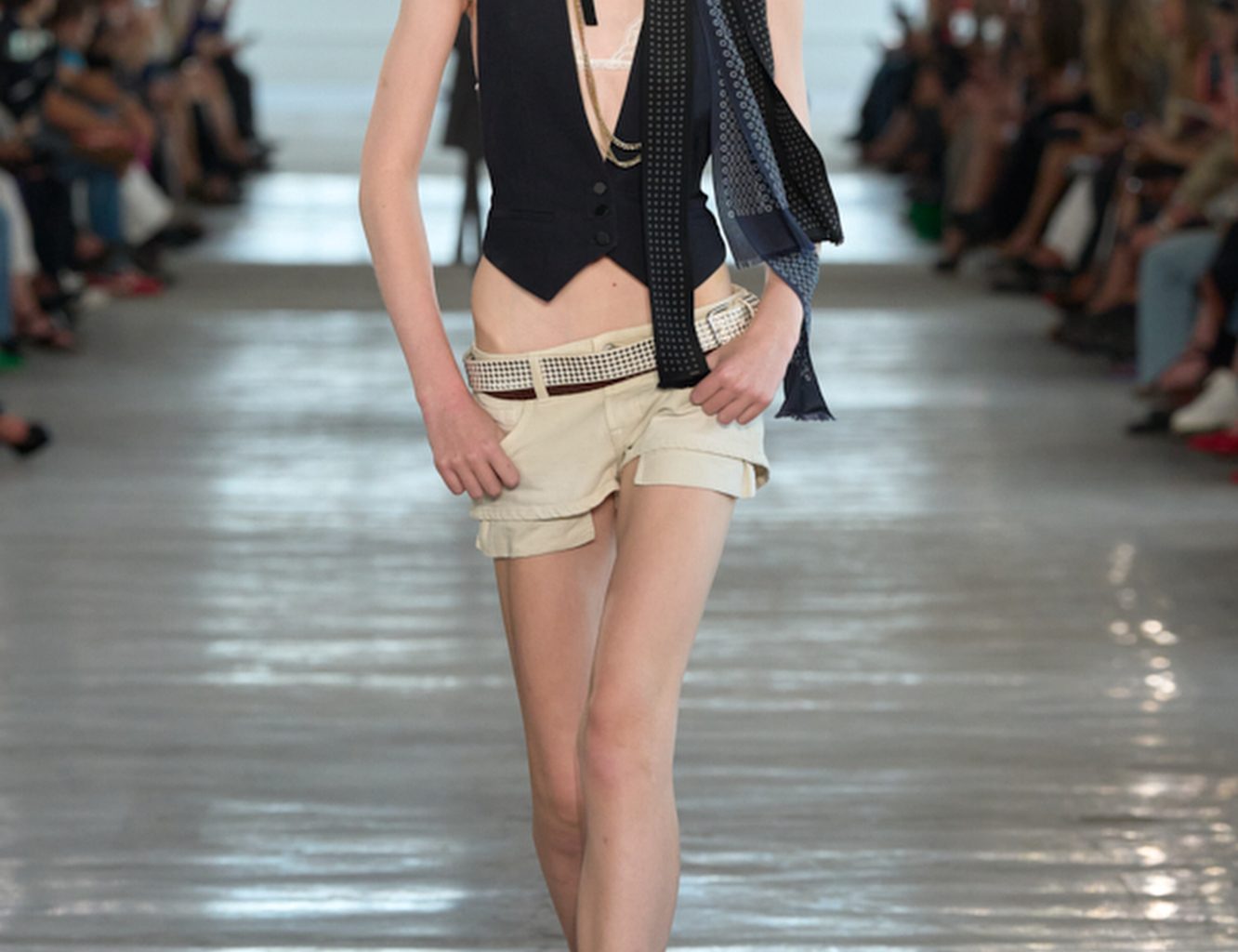
An analysis of the return of extreme thinness and standardized silhouettes on the runways, questioning the true limits of contemporary casting.
Now that Fashion Month has come to an end, the reality it leaves behind is as sharp as it is unforgiving. The runways across the four fashion capitals have turned off their spotlights, yet the prevailing sentiment has nothing to do with renewal or inspiration: it is, instead, a haunting sense of déjà-vu. Beneath glossy narratives of age inclusion and performative pledges to diversity, the image of the body that emerged from this latest round of shows tells a starkly different, far more ruthless story.
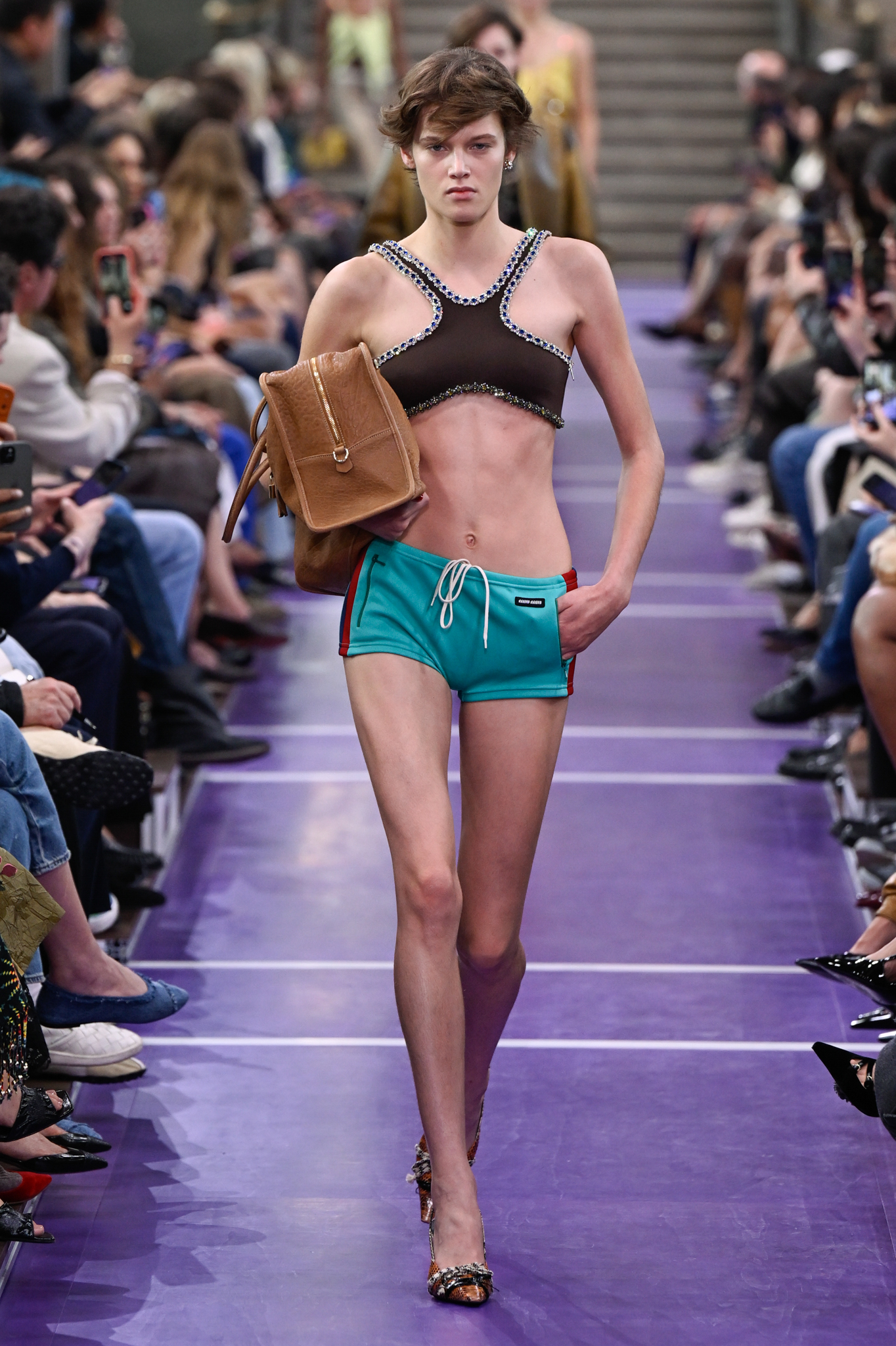
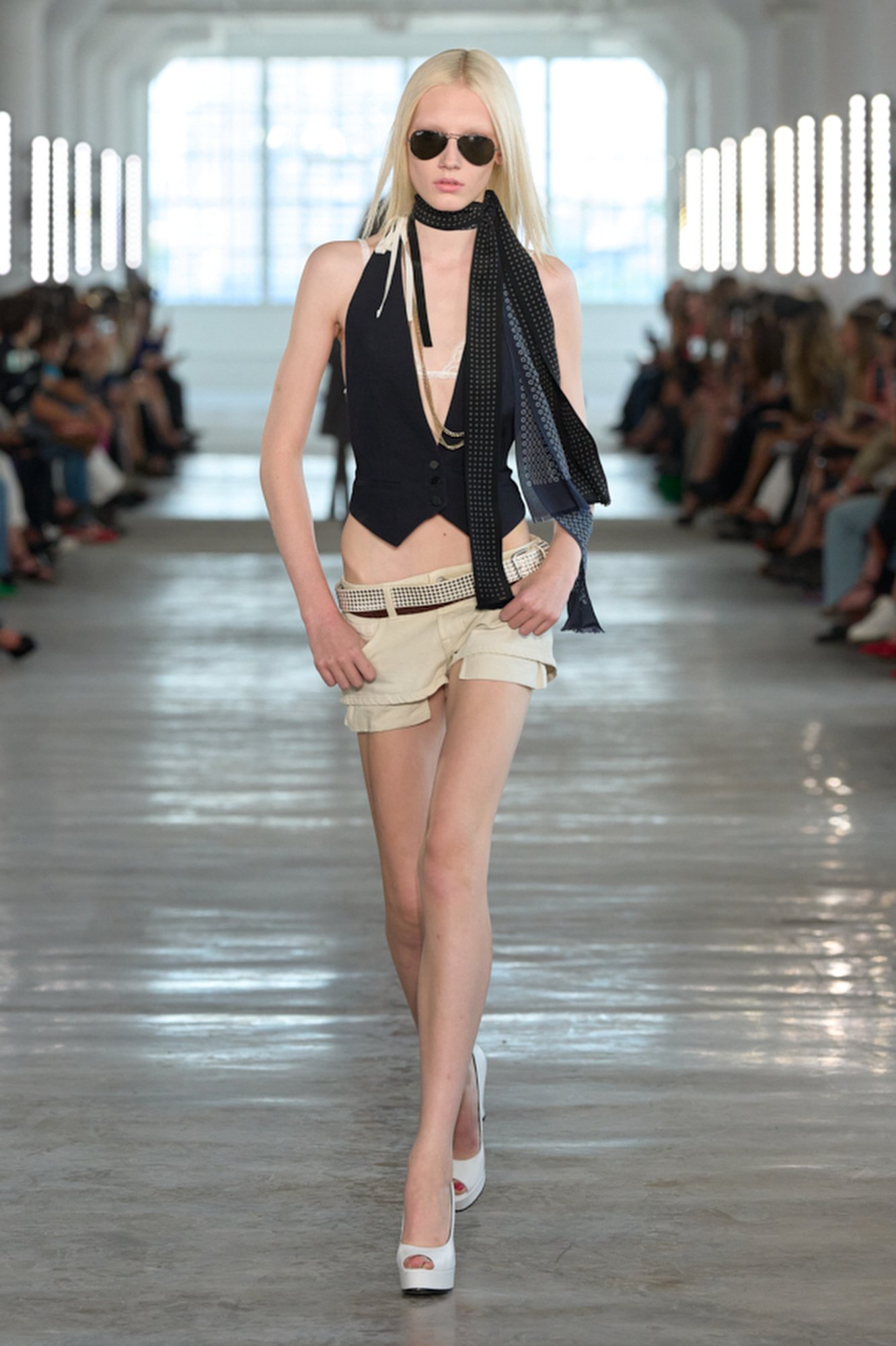
Numbers tell only part of the story, but one just needs to look at this season’s images to notice something that statistics alone fail to capture. Beyond the percentages of plus or mid-size options, what strikes you when observing the runways is how visibly exhausted, rather than simply slender, the young bodies on the catwalk appear.
It seems that even the most visionary brands have completely yielded to this extreme and angular thinness in their casting. This detail clashes even more when placed alongside the narrative of openness regarding age: the presence of a more mature model is celebrated as proof of inclusiveness, while the young models by her side walk the runway with a physique that feels like it belongs to another era of fashion, the pre-2018 era that we all thought we had left behind.
Instead of moving forward, the body on the runway is actively regressing.
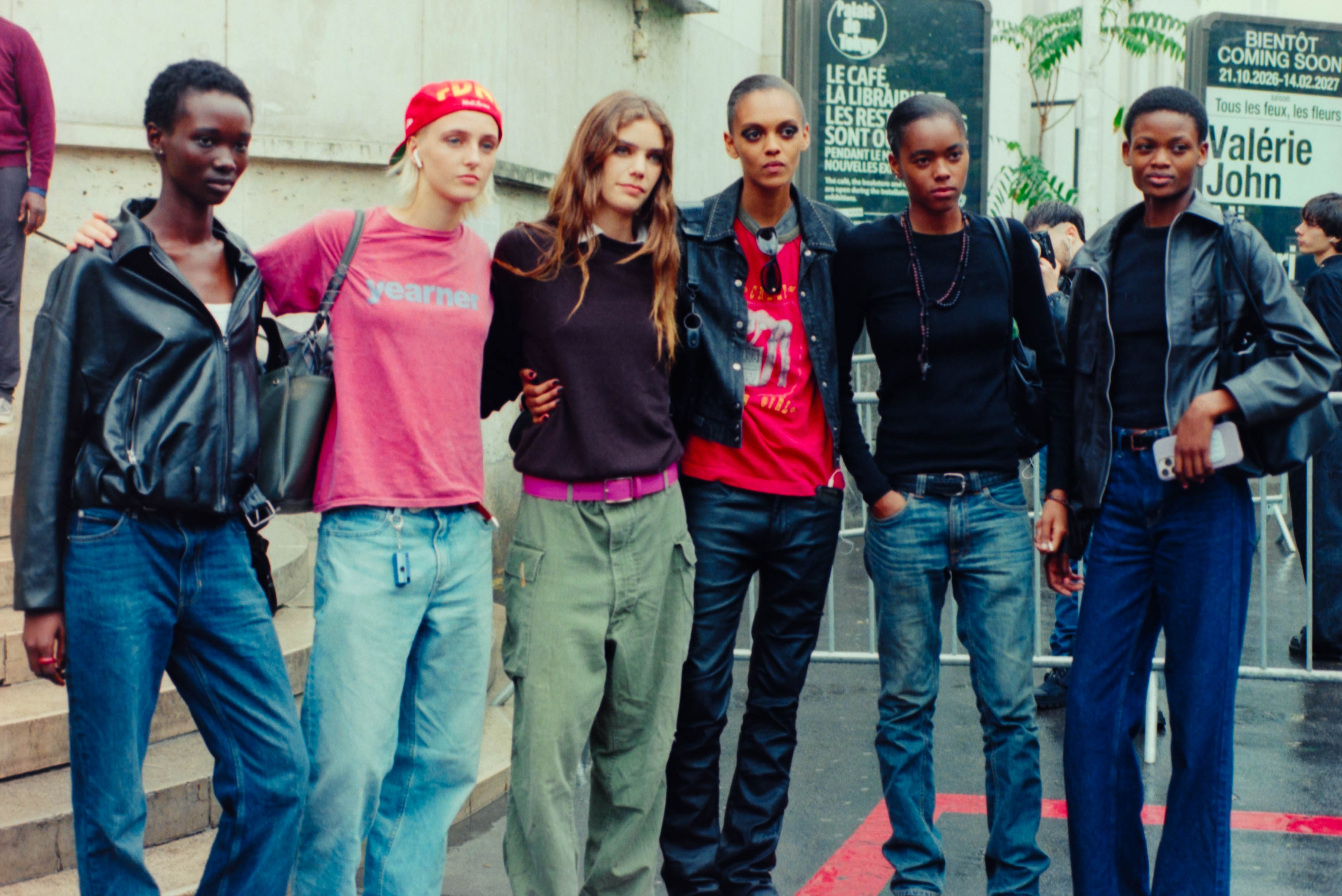
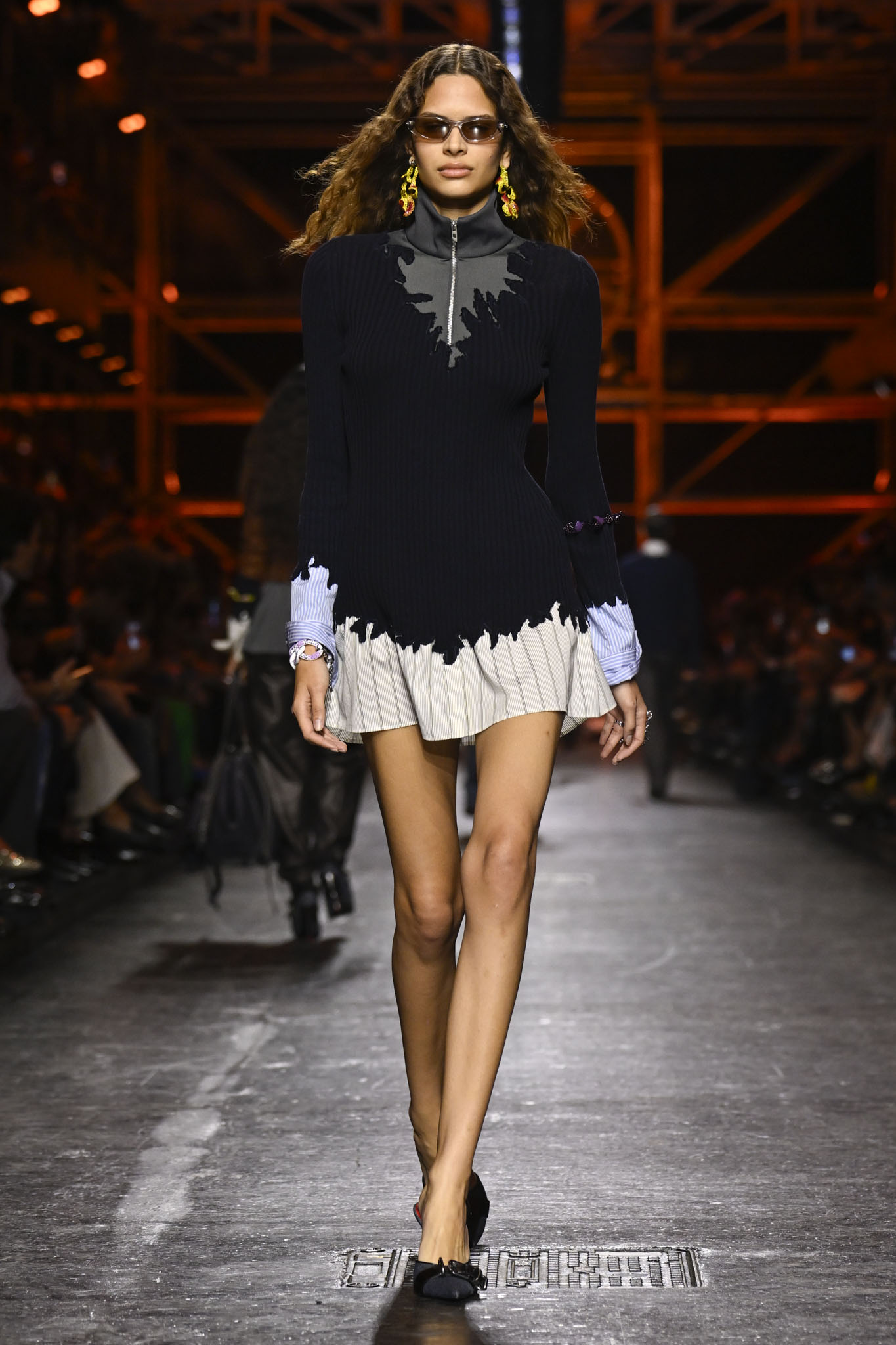
This is where the entire picture cracks. While age occasionally stops being a limitation, the variety of bodies on the runway has shrunk to a single, uncompromising measurement, completely losing that push toward true openness that the industry promised. Observing the international fashion week shows, the presence of curvy or plus size models has been reduced to a bare minimum, accompanied by an evident drop in intermediate sizes as well. In many shows, there is no real variety at all: the subjects end up looking all alike, one identical to the other, erasing any physiognomic uniqueness. Looking at the looks presented on the catwalk, the clear and unsettling sensation is that the proposed silhouette is now stretched to such an extreme that it appears worlds away from a normal human being, reducing human diversity to an invisible exception.
And men aren’t having it any better.
If you thought the problem only concerned women’s casting, think again. In menswear too, there has been a return to a heavily standardized and wiry physique. The vast majority of the looks presented remain anchored to the classic sample size, leaving very little room for different bodies. The guys walking today are, in fact, increasingly similar to one another, and increasingly slender.
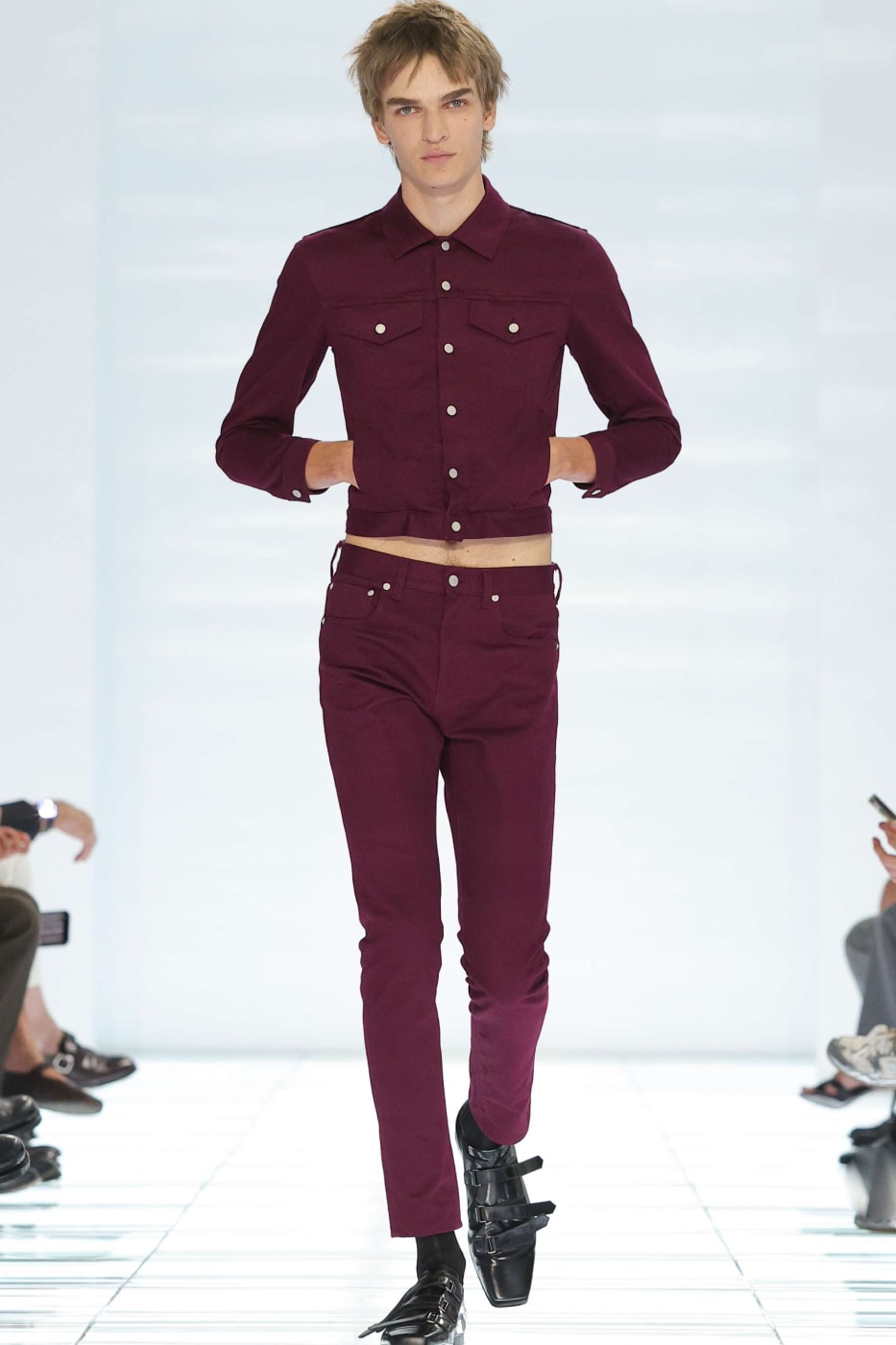
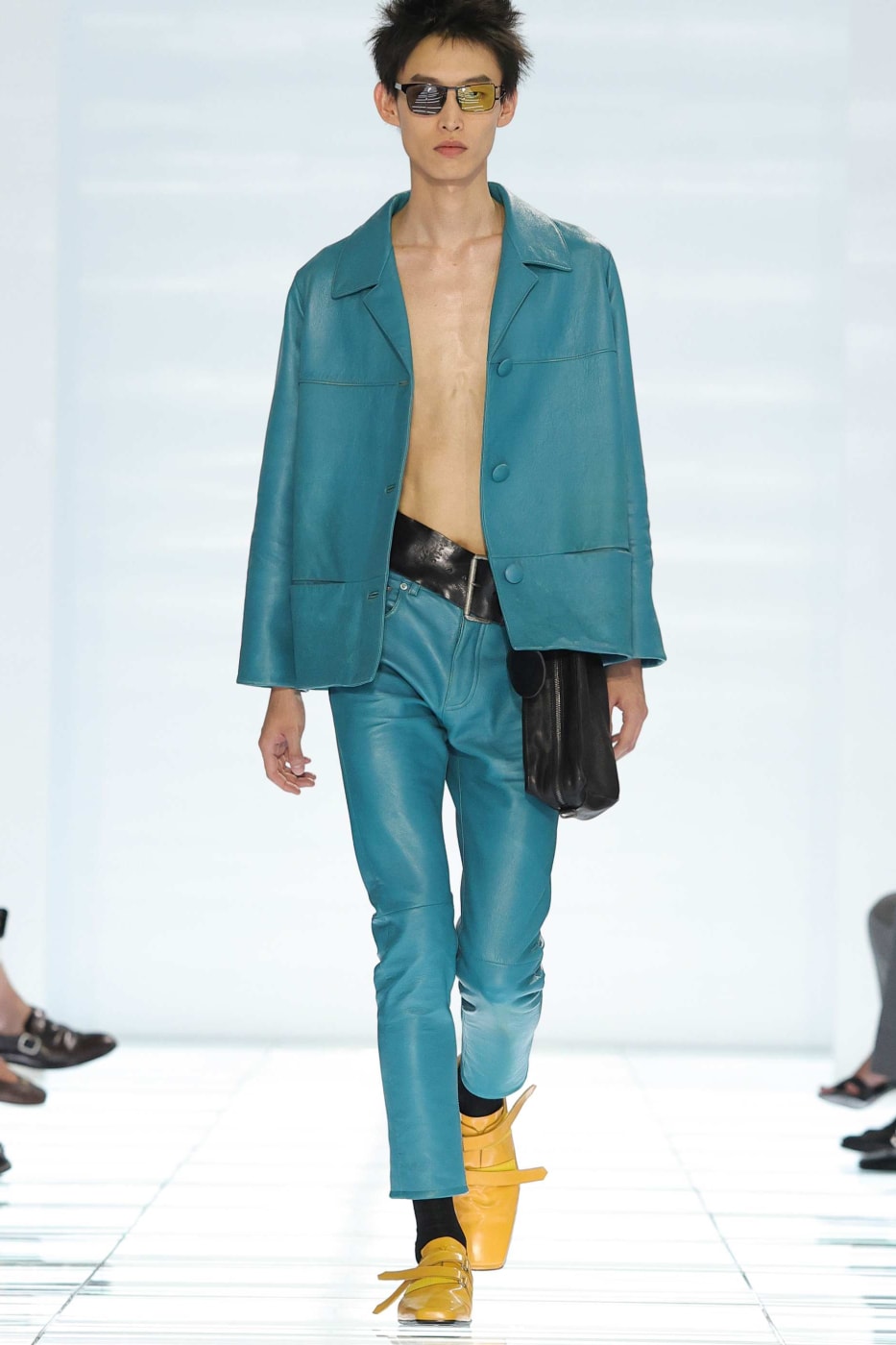
Slender and uniform lines at Prada SS27 menswear
The thin line between “alien” aesthetics and health
There is a further paradox running through today’s runways: the aesthetic search seems to have shifted toward the cult of the bizarre, the androgynous, and the “alien” and angular body type. The more a model appears ethereal, outside of traditional schemes, and almost extraterrestrial, the more desirable they are considered by creative directors. But when health is involved, the game becomes dangerous.
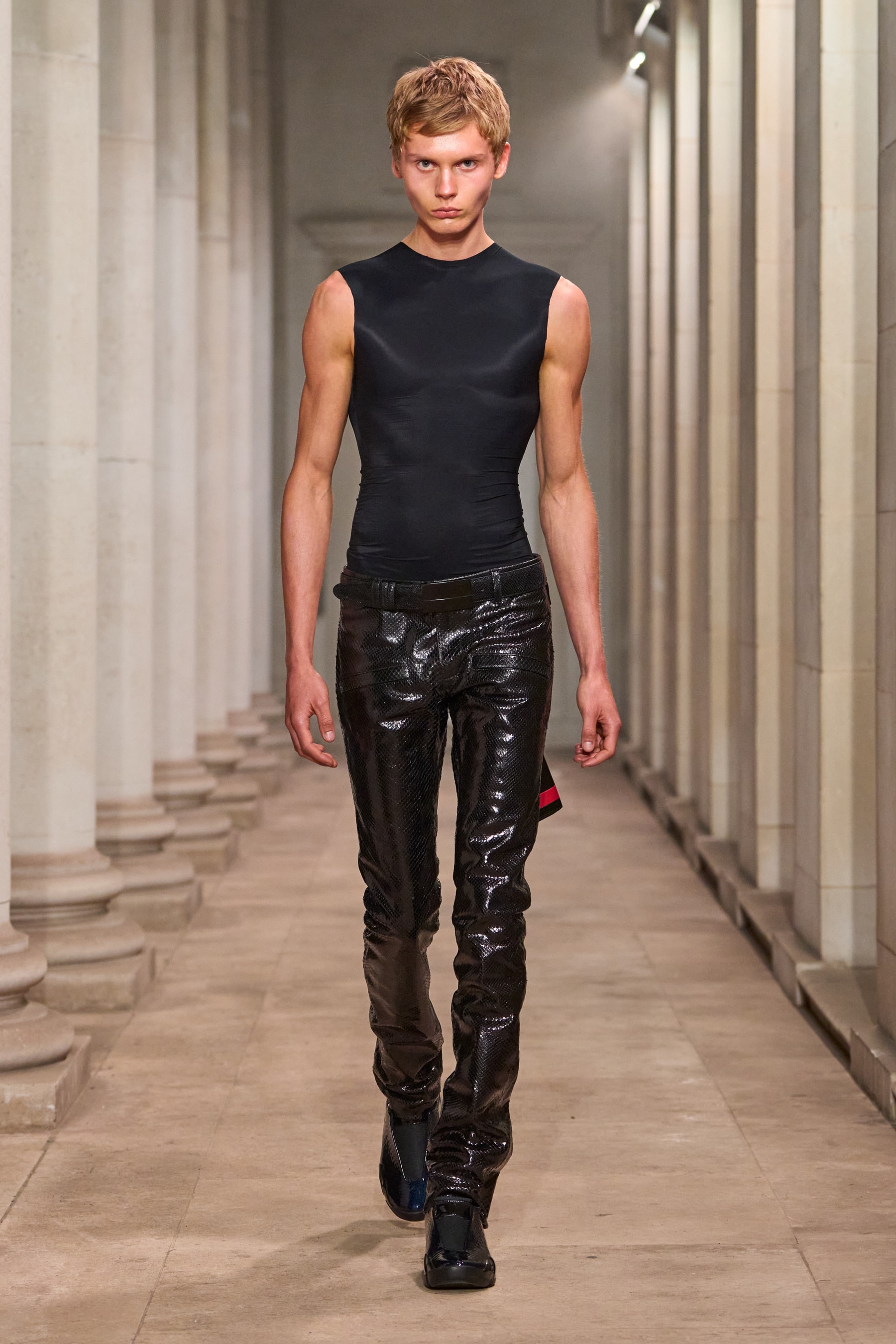
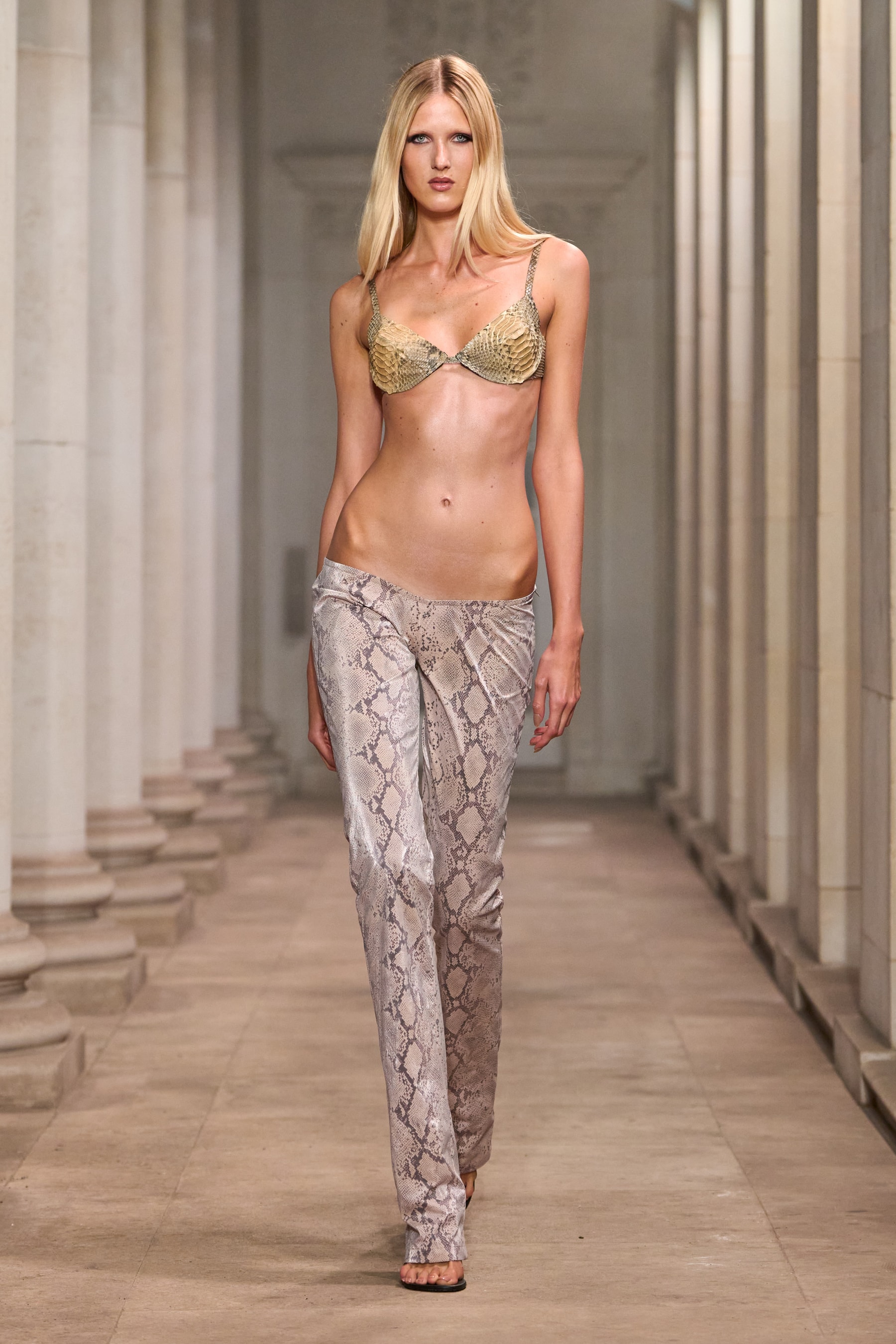
Chasing uniqueness and the breaking of classical canons is a merit, but it risks turning into a deception when the “strange” is not a person’s natural physiognomy, but rather the forced result of an extreme and unsustainable model of thinness. True inclusiveness and the appreciation of diversity cannot ignore psychophysical well-being: celebrating an anticonformist aesthetic must never mean normalizing or promoting standards at the limits of physical collapse. Avant-garde and visual creativity lose all meaning if the price to be paid is the health of those walking the runway and the awareness of those watching.
An eerie echo of the early 2010s
It is hard to shake the feeling of a disturbing déjà vu, as if the industry has quietly slipped back into the shadows of the early 2010s, when digital moodboards and indie sleaze culture romanticized an unfiltered, skeletal aesthetic under the guise of casual nonchalance. That specific brand of fragile, hollowed-out thinness has stealthily crept back into the fashion consciousness, dragging along old habits disguised as a new wave of retro cool.
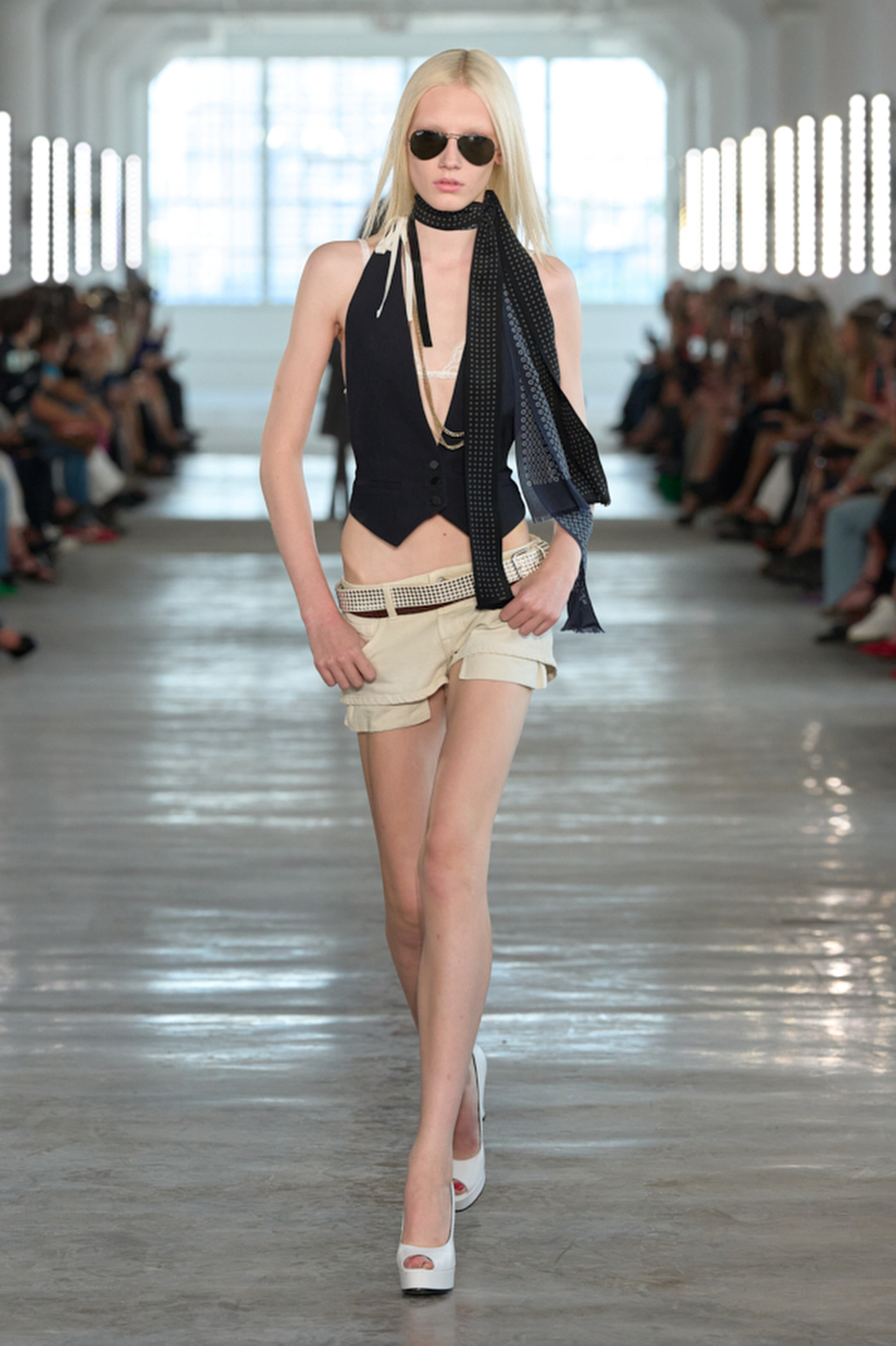
So, is fashion still that inclusive?
Everyone knows the true answer. On age, the runways have taken a genuine step forward. On everything else, body, size, authentic representation, the step has been backward, and quite a sharp one at that.
It must be said clearly: true inclusiveness does not mean chasing one extreme to cancel out the other. Extremes are always wrong, whether it is a forced imposition toward pathological thinness or falling into the opposite pole; the goal is not to replace one unreachable canon with another, but to celebrate health and the natural variety of real bodies. The problem today is the sense that fashion continues to reward a single rigid standard, often at the limits of sustainability for the health of those who wear it.
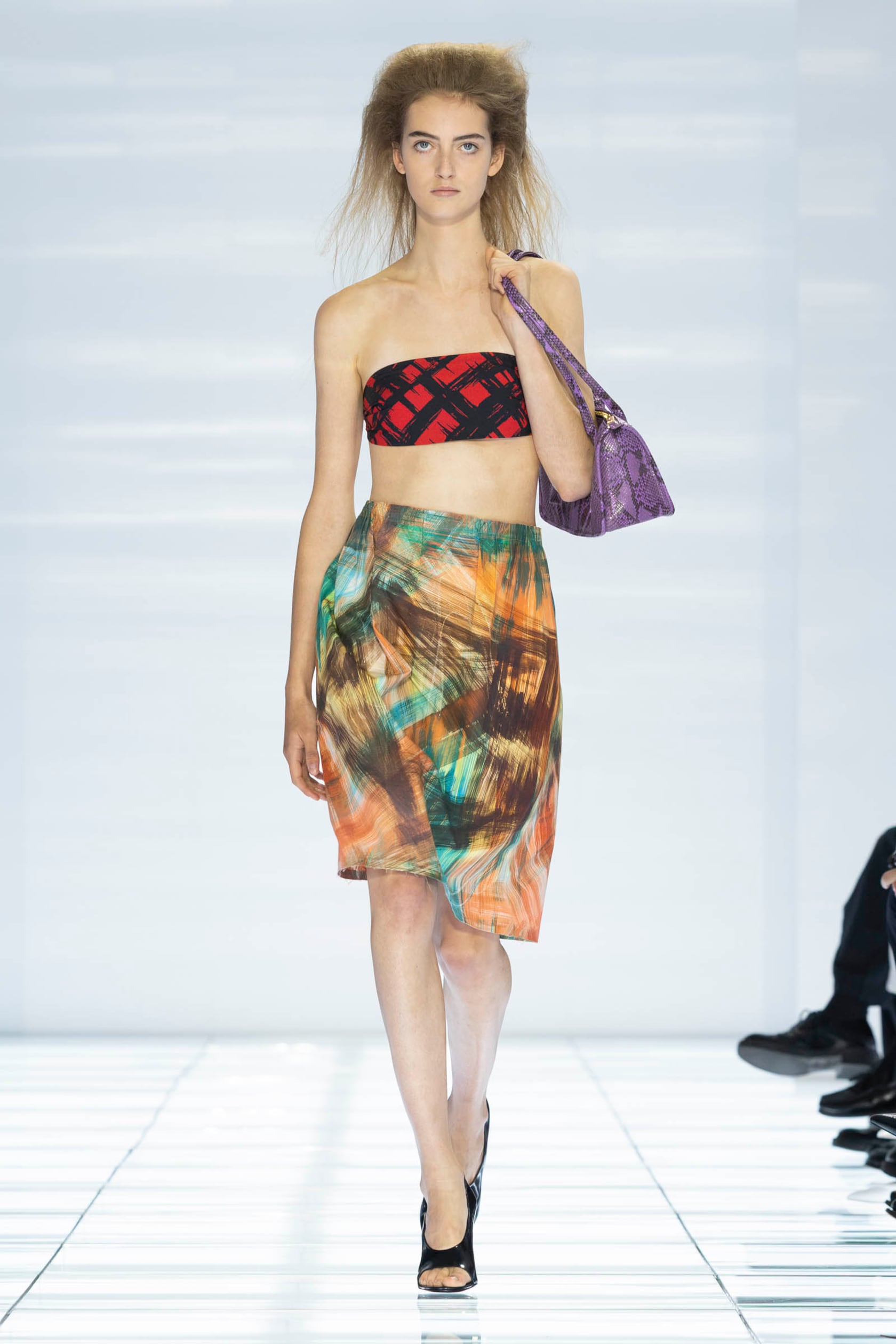
And upon closer inspection, this closure does not even benefit the brands themselves: in an era like today, where people want more than ever to feel understood, comprehended, and unique, and where the pursuit of strong and solid mental health represents one of the primary cornerstones, identification simply cannot happen. When a person does not recognize themselves in what they see, the bond of identification breaks, and consequently, the drive to purchase also diminishes. And it is a problem that concerns everyone closely, because those who look at these images, often teenagers and very young people still in the most delicate phase of building their body image, risk internalizing them as a model to follow, whichever direction the extreme shifts.
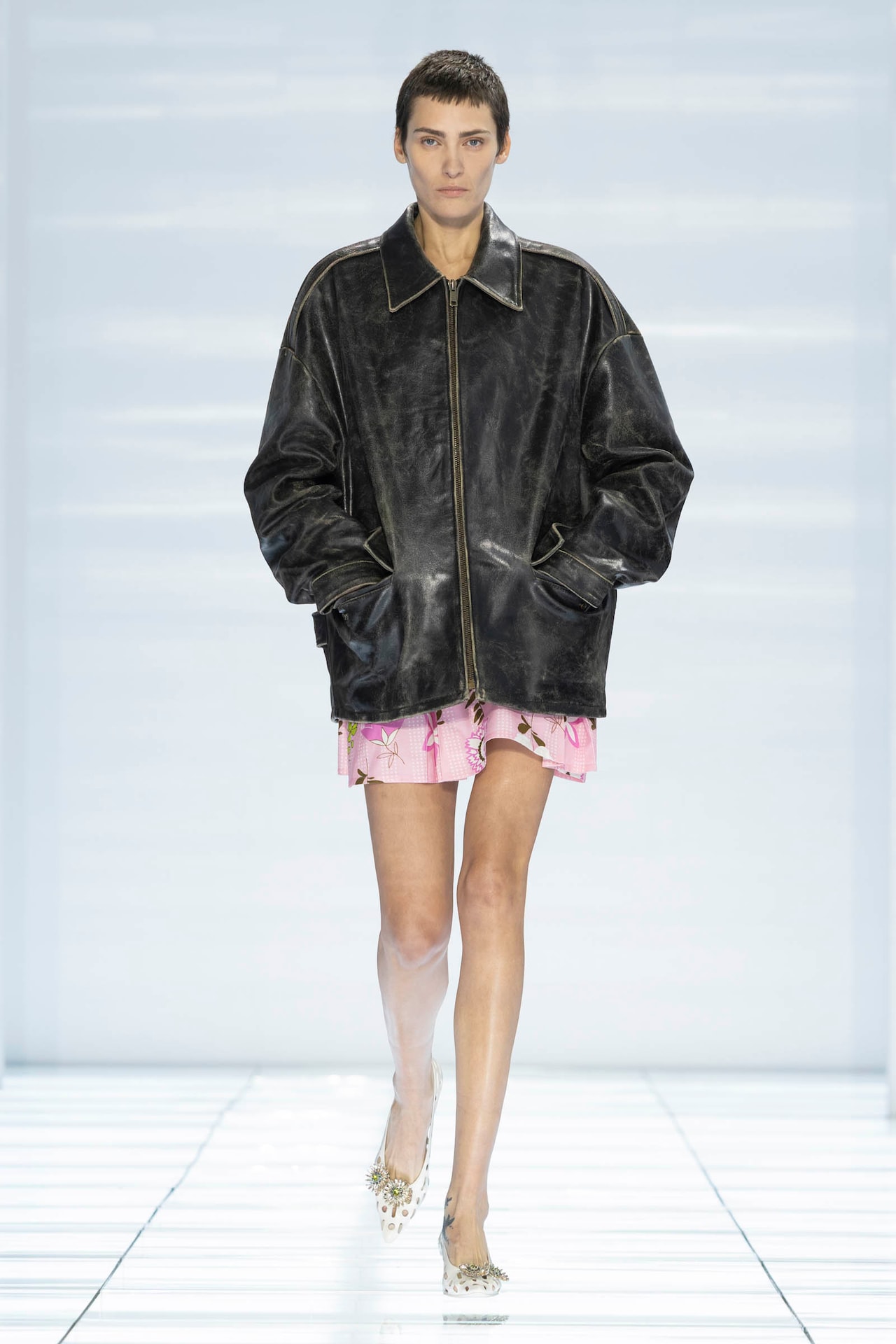
Prada SS27
In the end, inclusiveness seems to work intermittently: it lights up when it suits telling a story of return and nostalgia, and it turns off when it requires questioning sample sizes and standard casting measurements. The real test for fashion is not how well it can tell stories about itself. It is how willing it truly is to let itself be seen for what it is, in its natural, healthy variety.
Giulia Calbi