


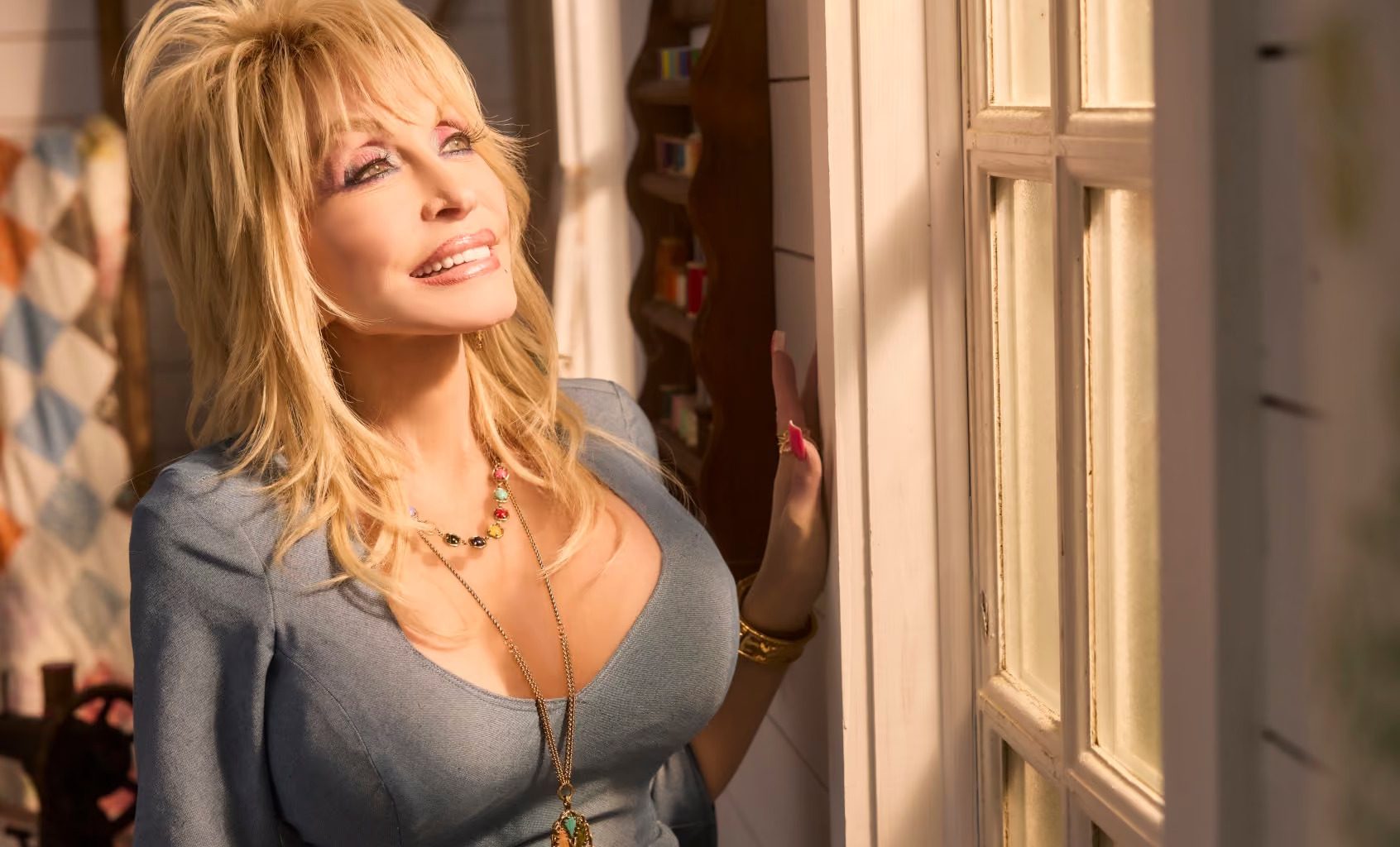
The Dolly Parton legacy reaches far beyond country music. Following her death on August 25, 2026, at 80, the singer, songwriter, actor, businesswoman and philanthropist leaves behind a career that shaped popular culture’s relationship with Southern identity, femininity, authorship and celebrity. From “Jolene” and “I Will Always Love You” to 9 to 5, Dollywood and the Imagination Library, Parton became one of the most recognizable women in the world without becoming less recognizably herself.
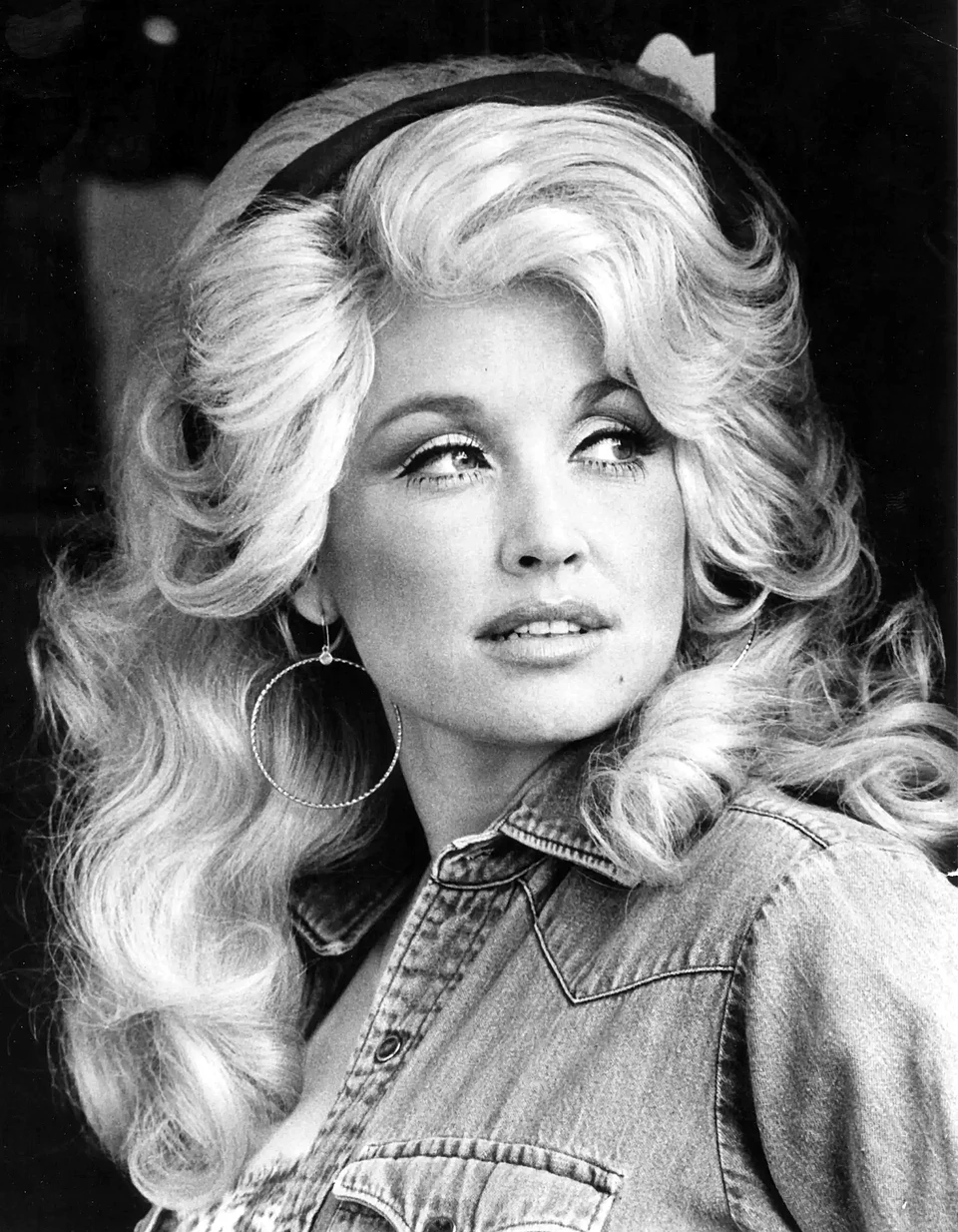
You could probably sketch Dolly Parton with a few lines of blonde hair, some rhinestones and a very particular silhouette and still make her recognizable.
Parton spent decades exaggerating the things women were often encouraged to tone down. She traced her style back to the woman she knew as the “town tramp” growing up in Tennessee: peroxide-blonde hair, red lips and nails, high heels and a tight skirt. While the adults around her disapproved, Parton thought she was beautiful. As a child without money for cosmetics, she later remembered improvising with burned matchsticks and honeysuckle. Vogue revisited that story in Parton’s own account of her style and visual history.
The platinum wigs, acrylic nails, sequins and fitted clothes eventually became as identifiable as her voice. More interestingly, they survived several decades of changing fashion without requiring much revision.
Dolly Parton Made Her Own Rules About Taste
Parton was very good at describing her appearance before anybody else could. “It costs a lot of money to look this cheap” became one of her most famous lines; when Vogue called her a fashion icon, she joked that she was more of an “eyesore” because she overdid everything. Her 2023 book Behind the Seams: My Life in Rhinestones documented the clothes and stories behind that image.
The joke contained a fairly sophisticated understanding of taste. Glamour associated with rural or working-class women has often been dismissed as tacky precisely because it is so visible. Parton acquired money and cultural status without adopting the restrained wardrobe that might traditionally signal either.
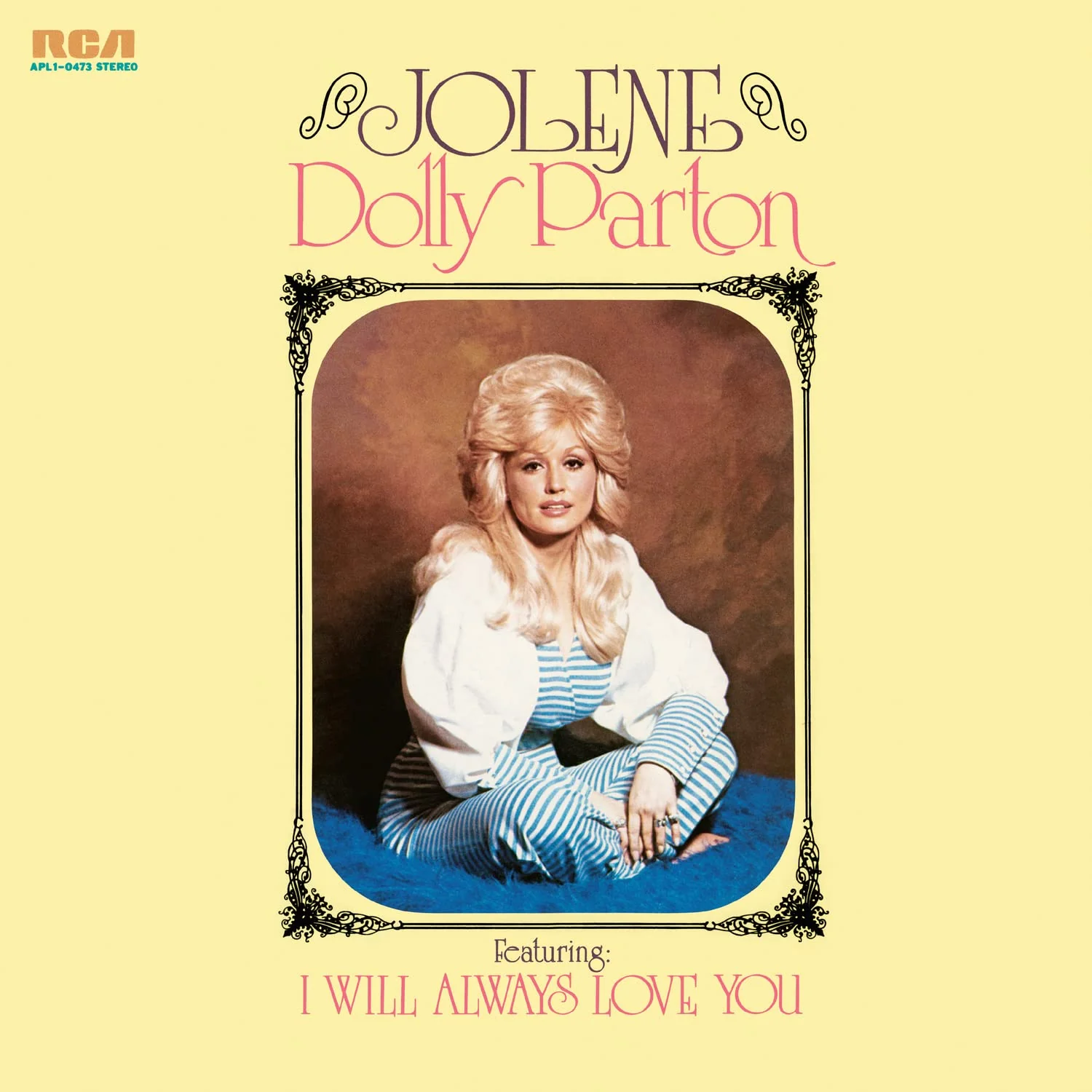
Her 1974 Jolene cover is an early example: bouffant hair, striped top and enormous puffed shoulders. On the cover of Here You Come Again in 1977, she appeared in jeans and a tied white shirt, a softer version of country glamour. For the 9 to 5 premiere in 1980, costume designer Ann Roth made her a strapless pink embroidered gown with a matching fur stole. Vogue includes all three among Parton’s defining fashion moments.
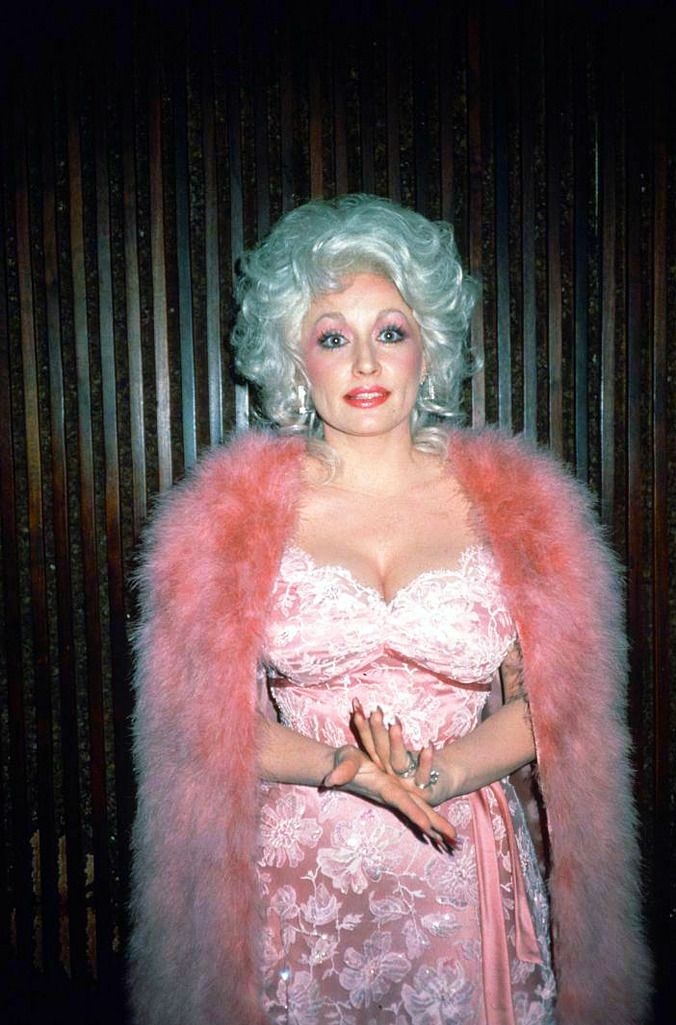
She eventually published an entire book about the clothes. Her approach to fashion remained remarkably consistent: “I never cared what other people did,” she told Vogue in 2023. “It was more important that I be comfortable in my own clothes and in my own self.”
“I Will Always Love You,” Elvis and the Value of Owning a Song
Underneath one of entertainment’s most elaborate public images was a songwriter who understood ownership unusually well.
Parton joined The Porter Wagoner Show in 1967, becoming nationally known through their musical partnership before deciding to pursue her career independently. She wrote “I Will Always Love You” as a farewell to Wagoner and released it in 1974. Parton’s own site recounts the song’s connection to her departure from Wagoner.
Then Elvis Presley wanted to record it.
Parton desperately wanted to hear him sing the song, but Colonel Tom Parker’s proposed arrangement required her to surrender half of the publishing rights. She refused and later recalled crying over the decision.
“I had to keep that copyright in my pocket.”
Her reasoning was practical: the songs belonged to her and were supposed to support her later in life. She told the story in detail in a 2021 interview with W.
The decision became especially consequential when Whitney Houston recorded “I Will Always Love You” for The Bodyguard in 1992, taking Parton’s composition into an entirely different scale of popular culture.
Parton said Priscilla Presley later told her that Elvis sang “I Will Always Love You” to her when their marriage ended. The song was also played at Whitney Houston’s funeral. In a 2021 interview, Parton joked that perhaps it would be played when she died too, she said that Whitney Houston’s version was far better than the original one.
9 to 5 Made Dolly a Different Kind of Star
Parton entered Hollywood in 1980 opposite Jane Fonda and Lily Tomlin in 9 to 5, playing Doralee Rhodes, a secretary dealing with a sexist boss and an office culture built around male authority.
The film brought questions of workplace inequality and sexual harassment into mainstream comedy, while Parton’s title song turned the frustration of repetitive labor into a No. 1 pop record. The Smithsonian has written about the real 9to5 organization and the film’s connection to working women’s activism.
Parton had not imagined herself as a movie star. Speaking to the AP before the film, she said she had expected fame to come through singing, songwriting or writing rather than acting. Her condition for Hollywood was characteristically direct: “If they allow me to be myself, then I can handle it.”
The Best Little Whorehouse in Texas, Steel Magnolias and decades of television followed, expanding her audience far beyond country radio without requiring her to abandon the accent, clothes or comic timing that had brought her there.
Dolly Took Tennessee With Her
The classic celebrity story usually requires leaving somewhere small for somewhere important. Parton challenged that by repeatedly putting money and attention back into East Tennessee.
Dollywood opened under her name in Pigeon Forge in 1986 and developed into one of the region’s major employers and tourist attractions. AP reported on the scale of Dollywood’s economic impact in East Tennessee after her death.
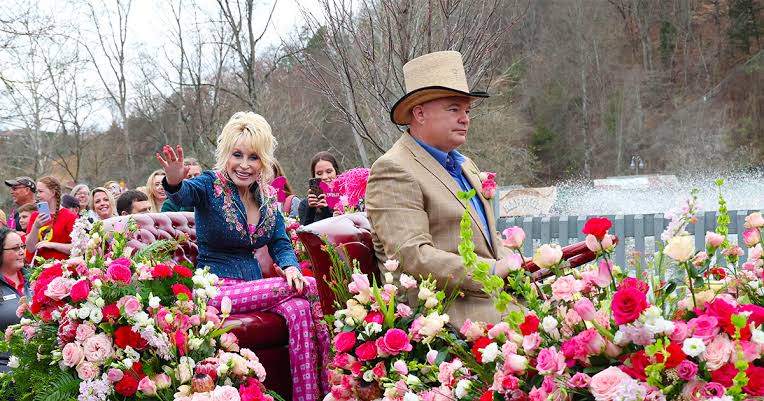
Parton used the park to foreground the music, crafts and culture of the Smoky Mountains rather than treating her Appalachian childhood merely as the hardship she had escaped.
The Imagination Library made that relationship more tangible. Founded in 1995 and inspired partly by her father’s inability to read and write, the program began by mailing free books to young children in her home county. By her death, it had distributed more than 330 million books internationally. The Imagination Library traces the program’s history and global expansion.
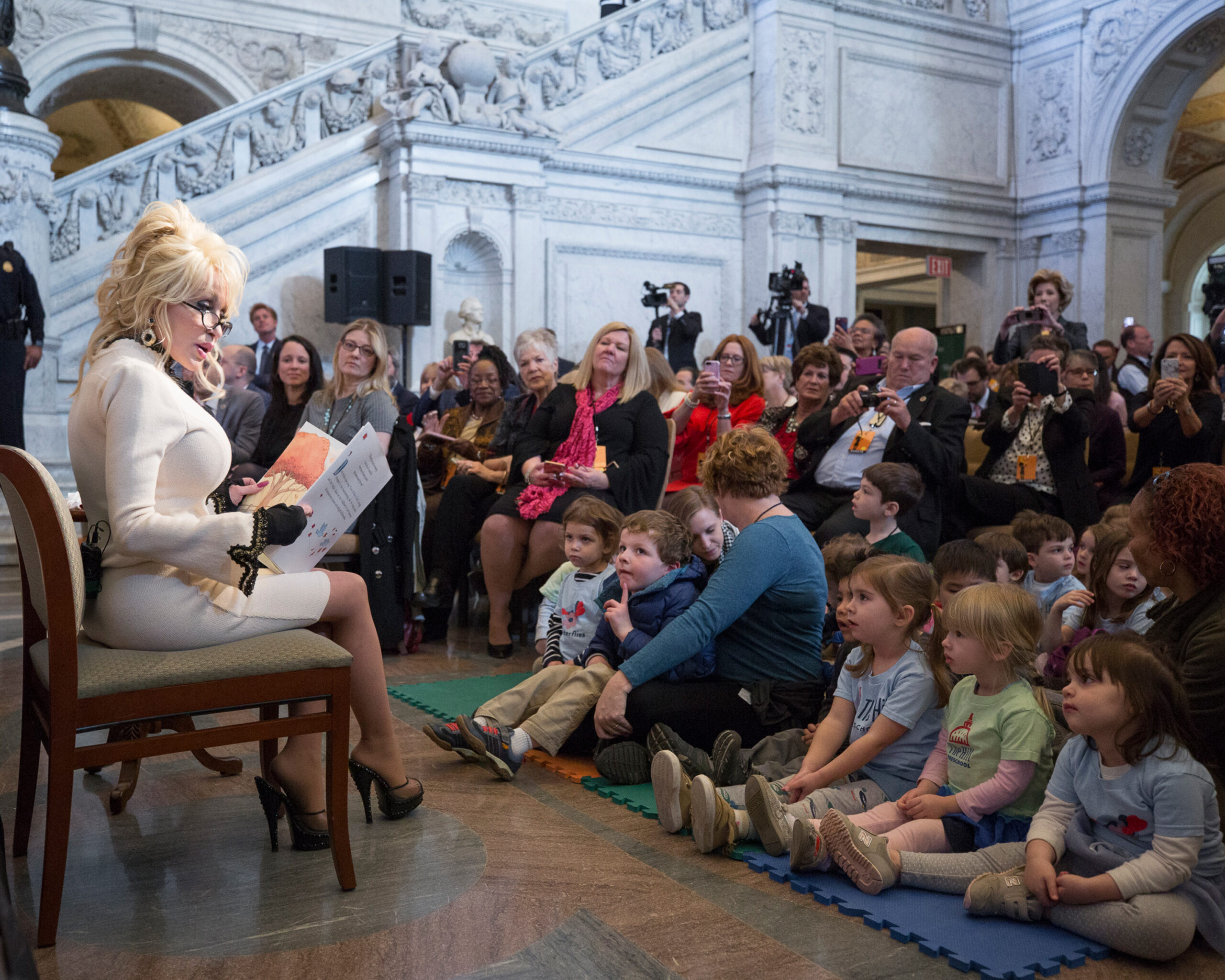
She also supported families affected by the 2016 Tennessee wildfires and contributed $1 million toward research connected with the Moderna COVID-19 vaccine.
The scale of those projects matters to the sociology of Dolly Parton. Appalachia was not simply material for songs, an accent or a convenient origin story. The region remained part of the economic and philanthropic structure she built around her fame.
How Dolly Became Everybody’s Dolly
Perhaps the strangest part of Parton’s cultural position was the variety of people who felt some ownership of her.
She remained openly Christian while developing an enormous LGBTQ+ following. Country audiences, drag performers, Hollywood, fashion and several generations of pop musicians could all recognize something in her. AP explored the particular importance of Parton to queer Christians following her death.
That relationship also made intuitive sense aesthetically. Drag understood Dolly immediately. Her public image already dealt in transformation, exaggeration, artificiality and the pleasure of constructing femininity on one’s own terms.
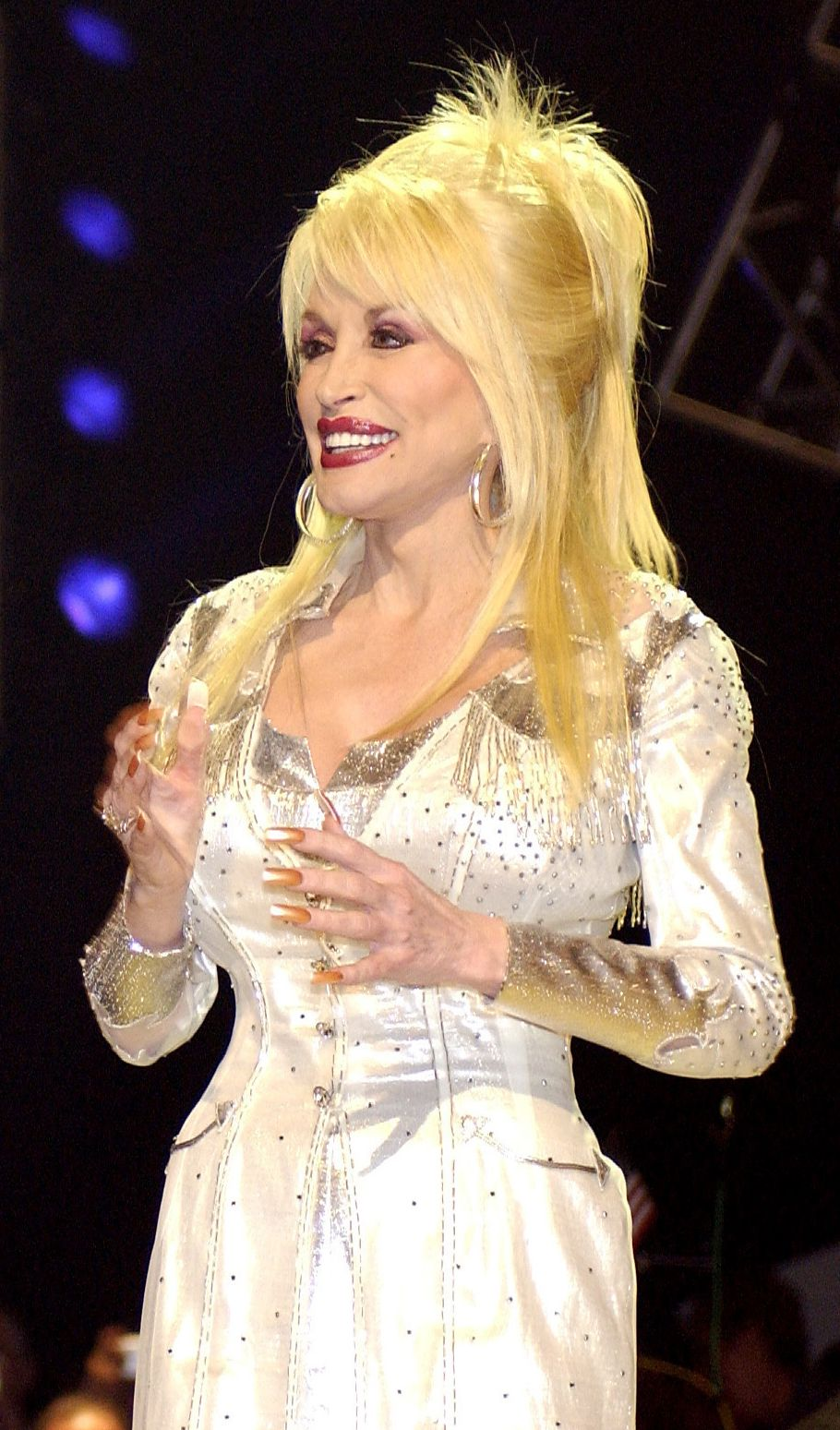
Miley Cyrus knew her as her godmother and “Aunt Dolly.” Beyoncé reinterpreted “Jolene.”
After her death, tributes stretched across music, film and fashion. The range was less surprising than it might initially appear. Parton had spent decades making herself legible to very different audiences without smoothing away the things that made her particular.
Even her jokes about herself tended to contain something useful. She described herself as a “workhorse that looks like a show horse,” a line that makes considerably more sense when the wigs and rhinestones are placed beside thousands of songs, publishing rights, films, businesses and a literacy program operating internationally.
Another of her best observations came when Reese Witherspoon told her that she wanted to be more like Dolly. Parton corrected her:
“Don’t be like me, be like you.”