


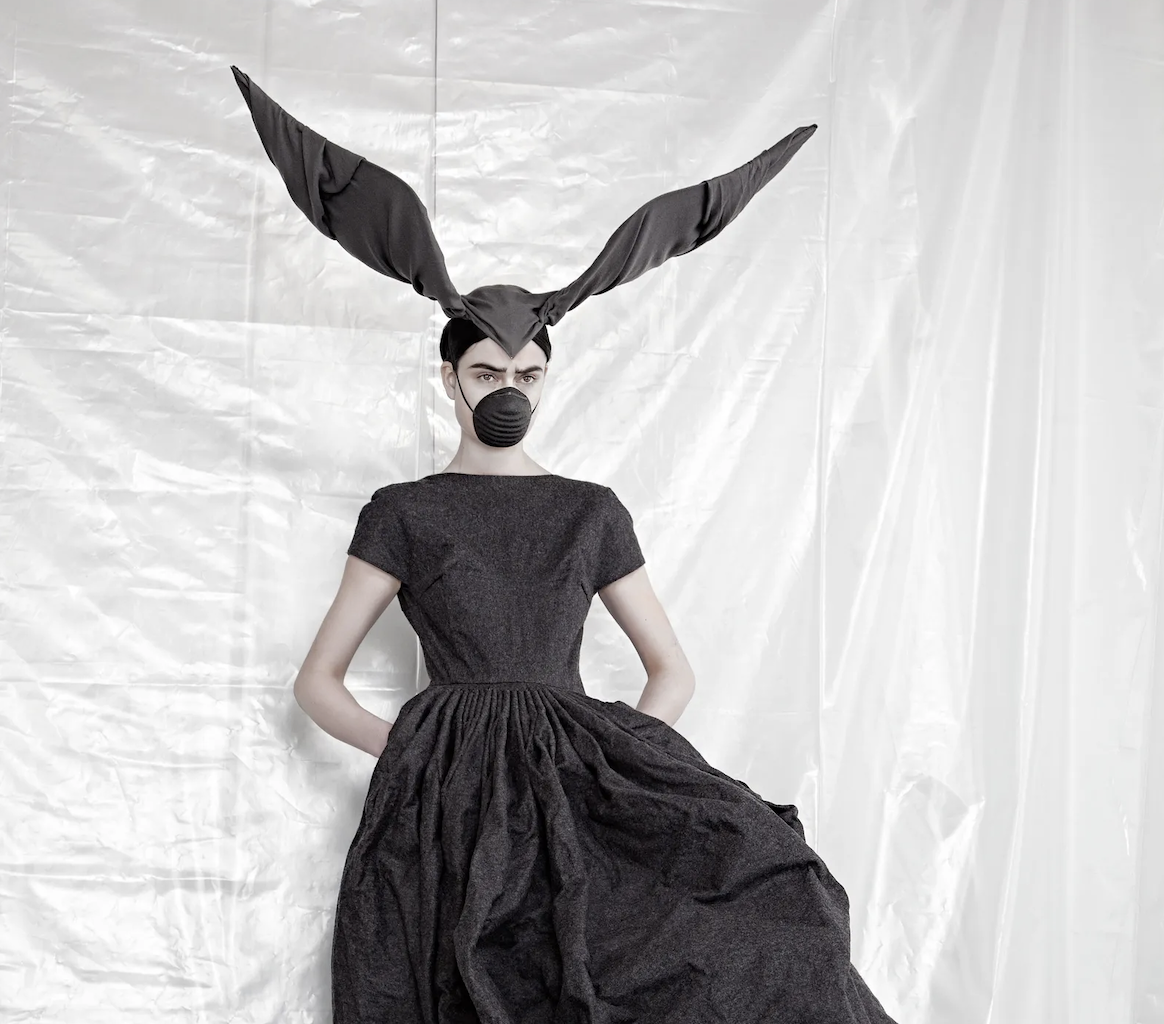
After years in the shadows, the Belgian cult label A.F. Vandevorst is quietly stepping back into focus with the revival of its most iconic piece, at a time when its archival legacy feels more relevant than ever.
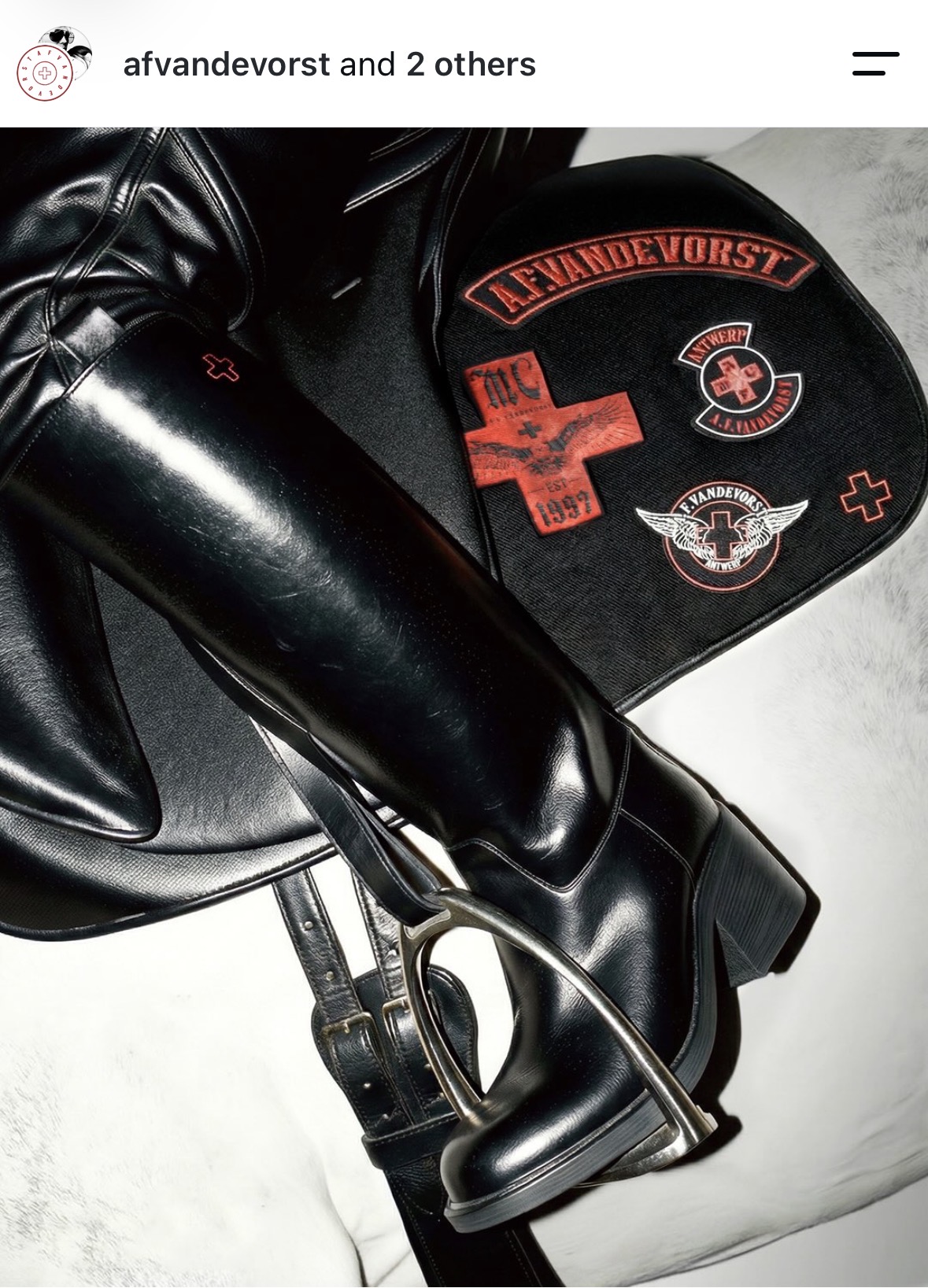
A.F. Vandevorst is quietly returning. No major announcement, no carefully orchestrated comeback: the Belgian brand is coming back with the relaunch of its most iconic piece, its signature riding boots. For now, An Vandevorst and Filip Arickx don’t seem interested in pushing the comeback much further. And yet, the timing could hardly be better. As fashion’s fascination with archival design continues to grow, the search for vintage A.F. Vandevorst pieces is reaching a new peak.
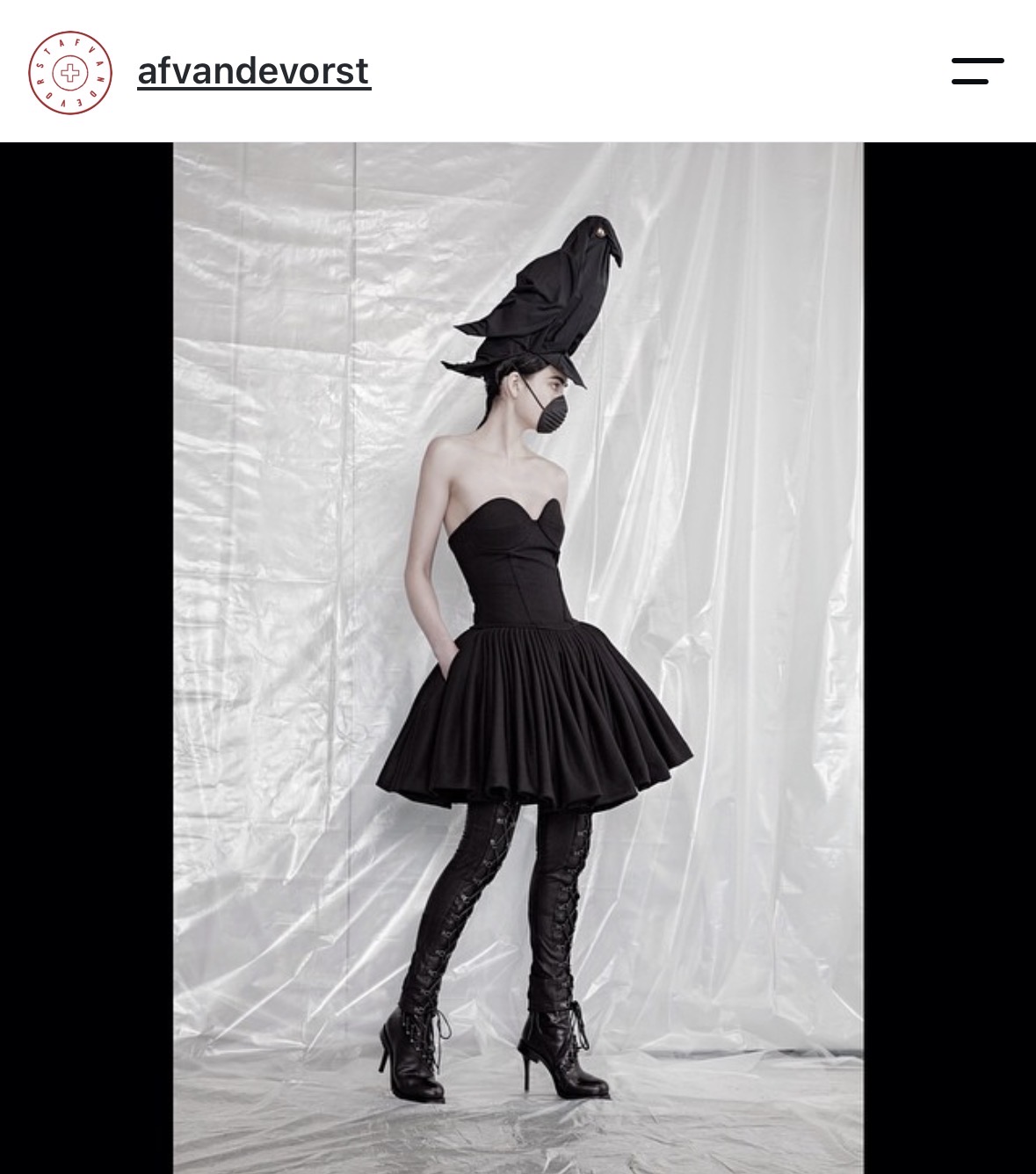
Founded in Antwerp in 1996, A.F. Vandevorst was one of the most distinctive names to emerge from the second wave of Belgian fashion. Dark, enigmatic and instantly recognizable, its universe brought together futuristic suggestions and pre-modern references, military discipline, sensuality and ritual. It was a language that remained relatively distant from the mainstream, and perhaps precisely because of that, became a cult favorite among fashion lovers and collectors.
The story of the brand begins ten years before its foundation. In 1987, An Vandevorst and Filip Arickx met in the corridors of Antwerp’s Royal Academy of Fine Arts. After spending six years as an assistant to Dries Van Noten, Vandevorst had developed a precise, personal, and deliberately niche vision, ready to evolve into something of its own. In 1996, nine years after they first met, the couple — soon to become husband and wife — founded A.F. Vandevorst and presented their first collection in Paris.
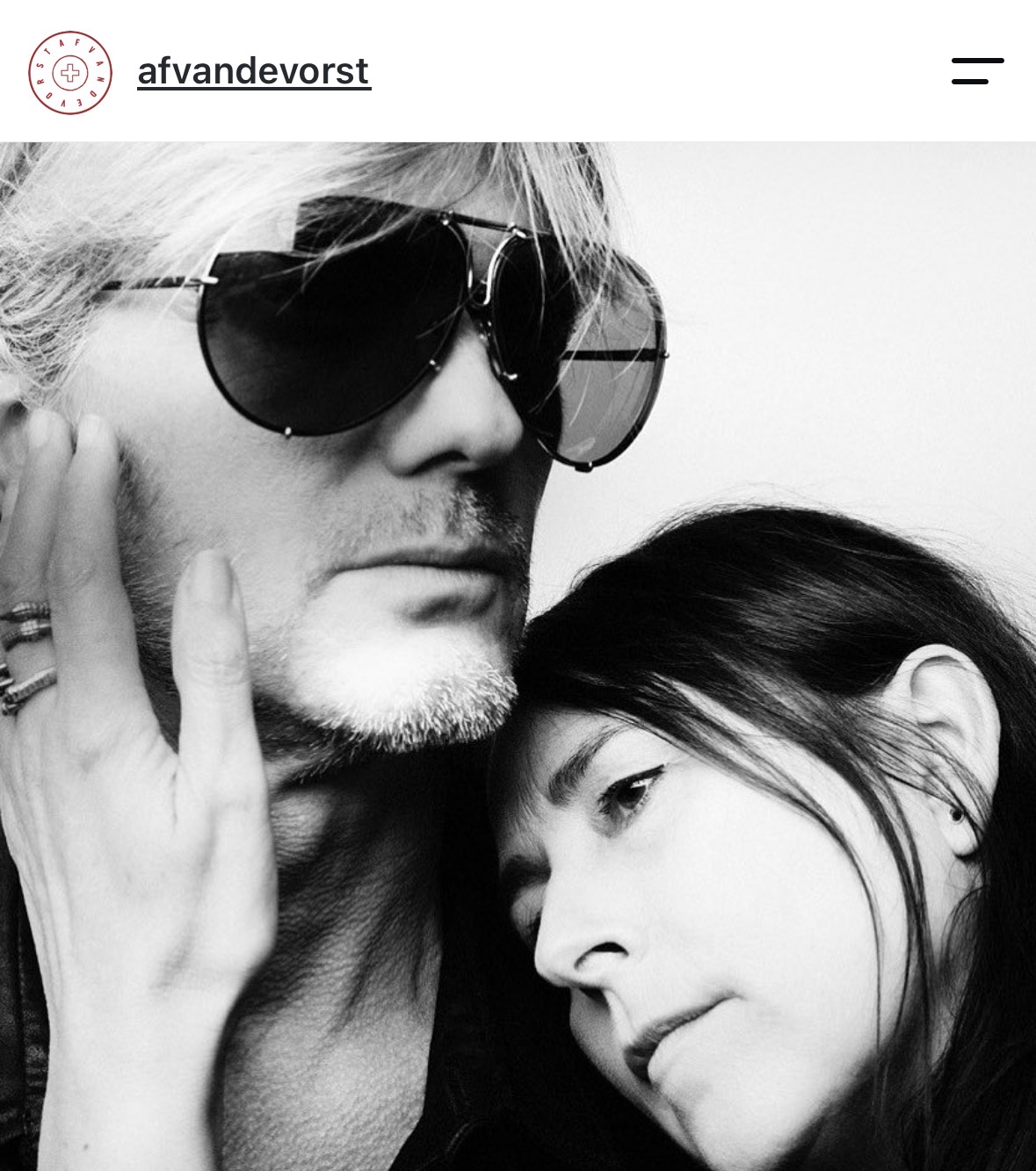
From the very beginning, the brand’s codes were clear: religion, red crosses, the equestrian world, armor and uniforms. Seemingly disparate elements were absorbed into a dark and rigorous visual universe, defined by a constant tension between protection and vulnerability, discipline and intimacy.
By the debut Fall/Winter 1998 collection, A.F. Vandevorst’s DNA was already palpable. Lingerie was brought to the surface in what was, at the time, a radical and subversive gesture, transforming something traditionally confined to the private sphere into a visible part of the construction of the garment. Heavy fabrics, military references and severe structures collided with a femininity that felt intimate, quiet and sensual.
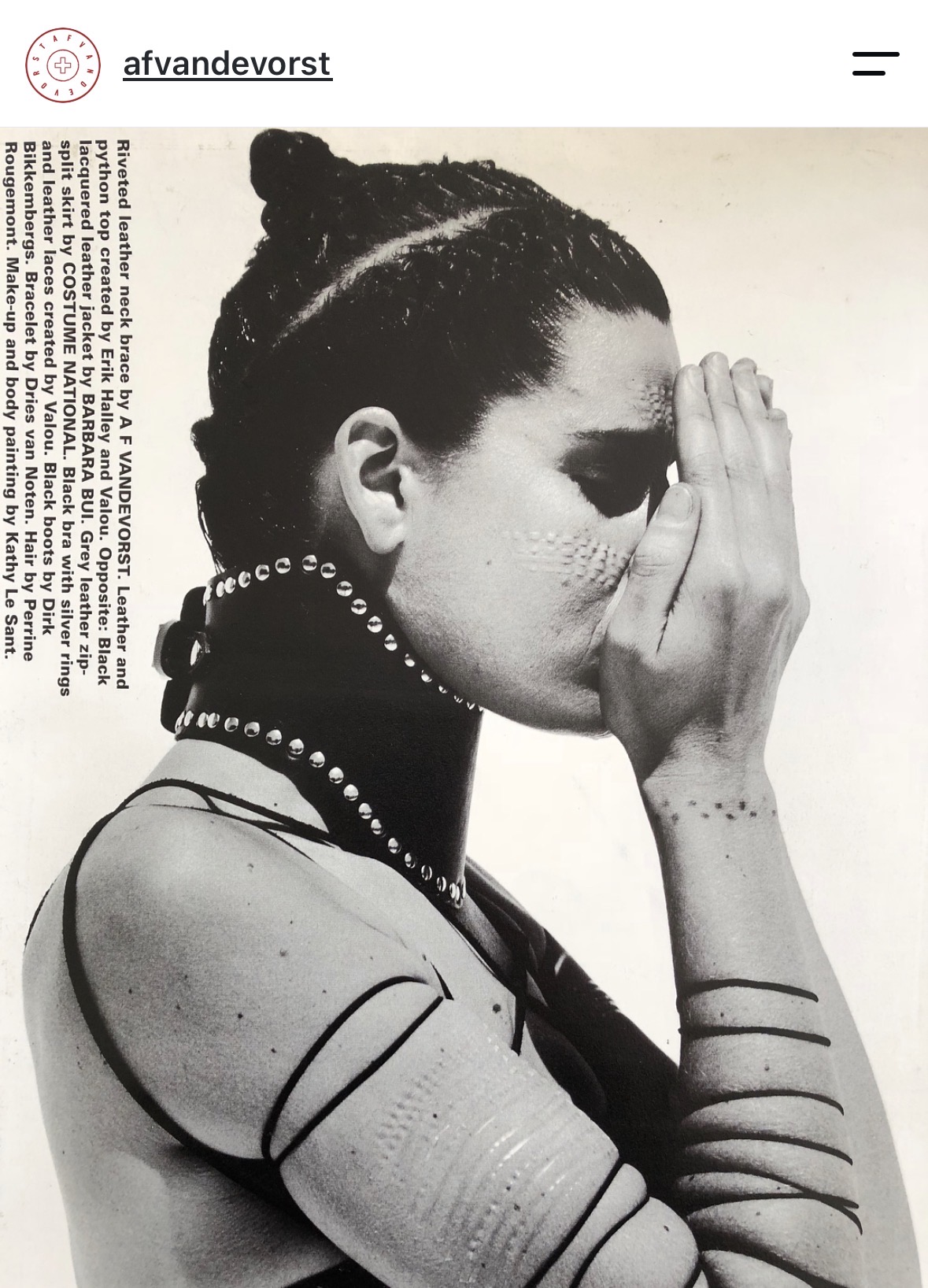
Music, too, emerged as a defining element of the brand’s narrative. Before the debut show, the founders gave each model a cassette featuring three songs: Wild Is the Wind by David Bowie, Superstar by Sonic Youth and I’ve Never Been to Me by Charlene.
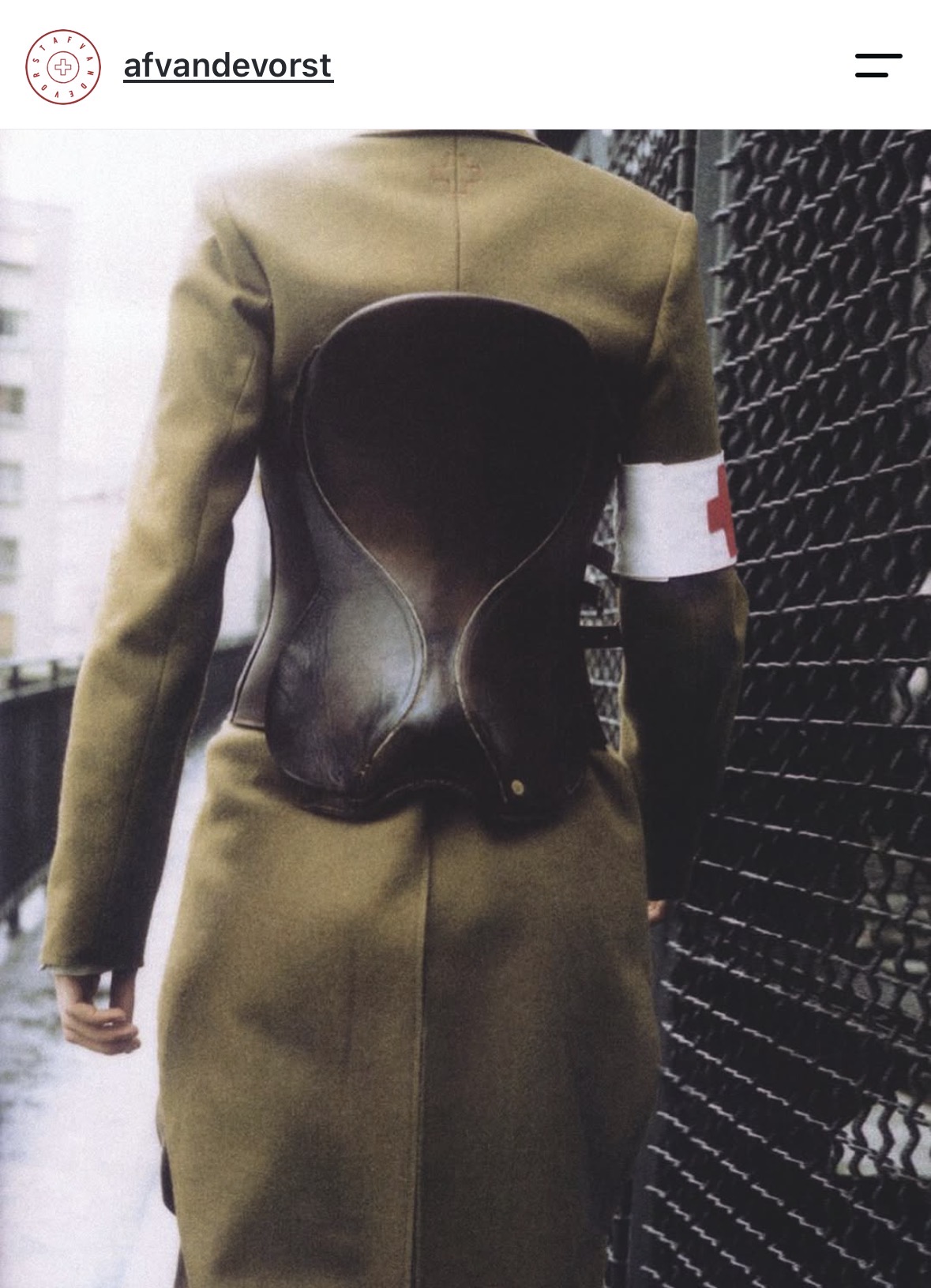
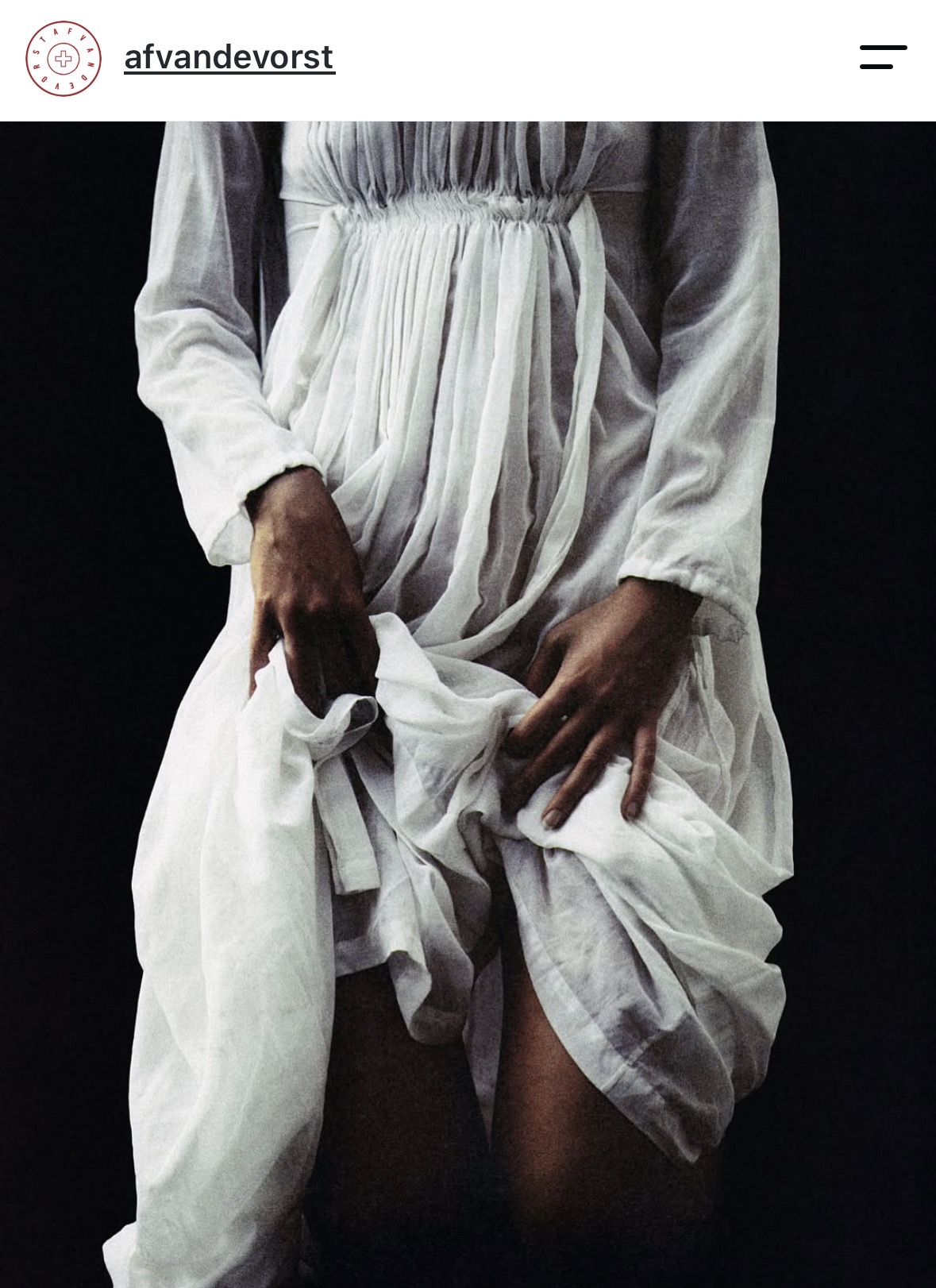
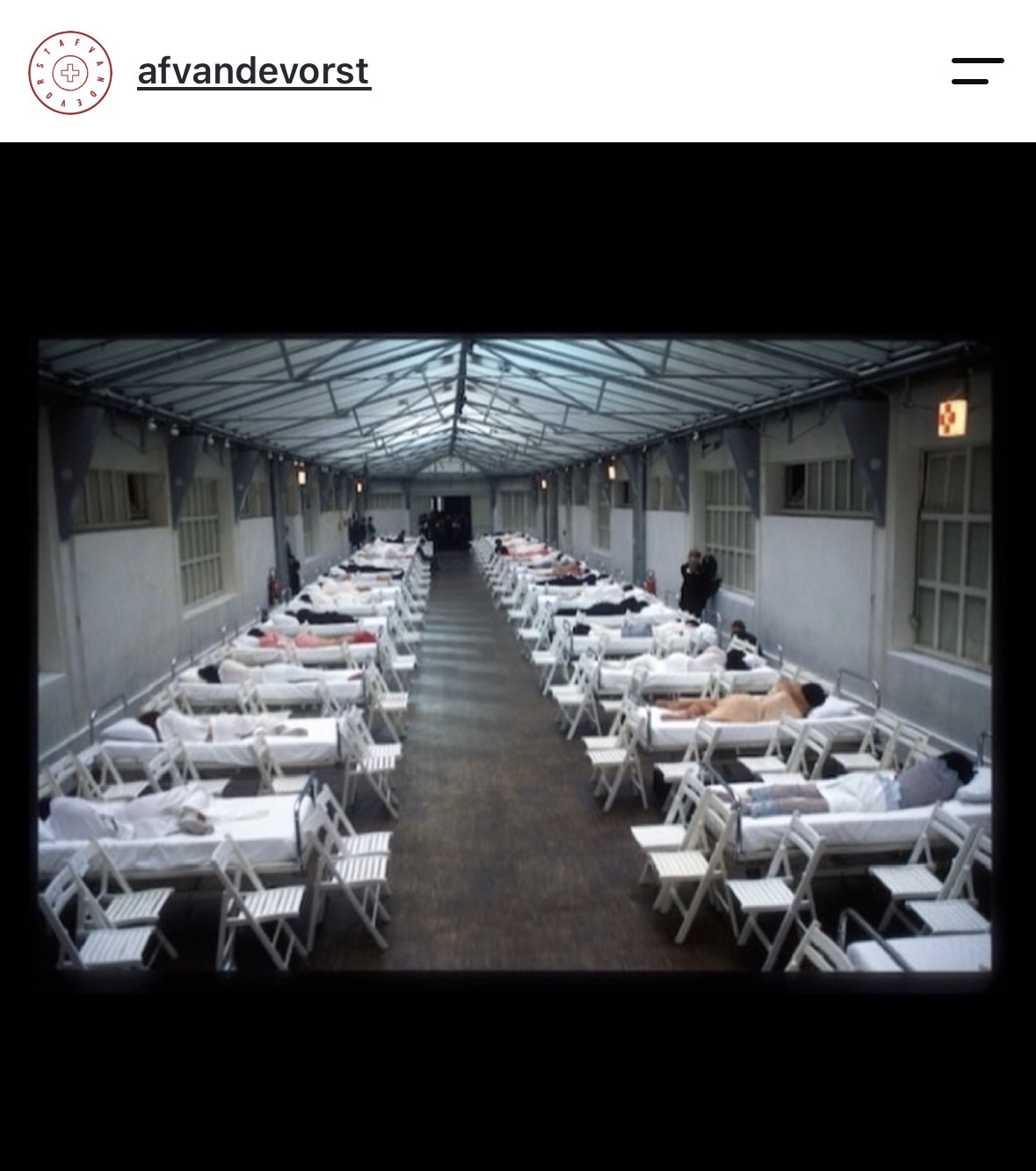
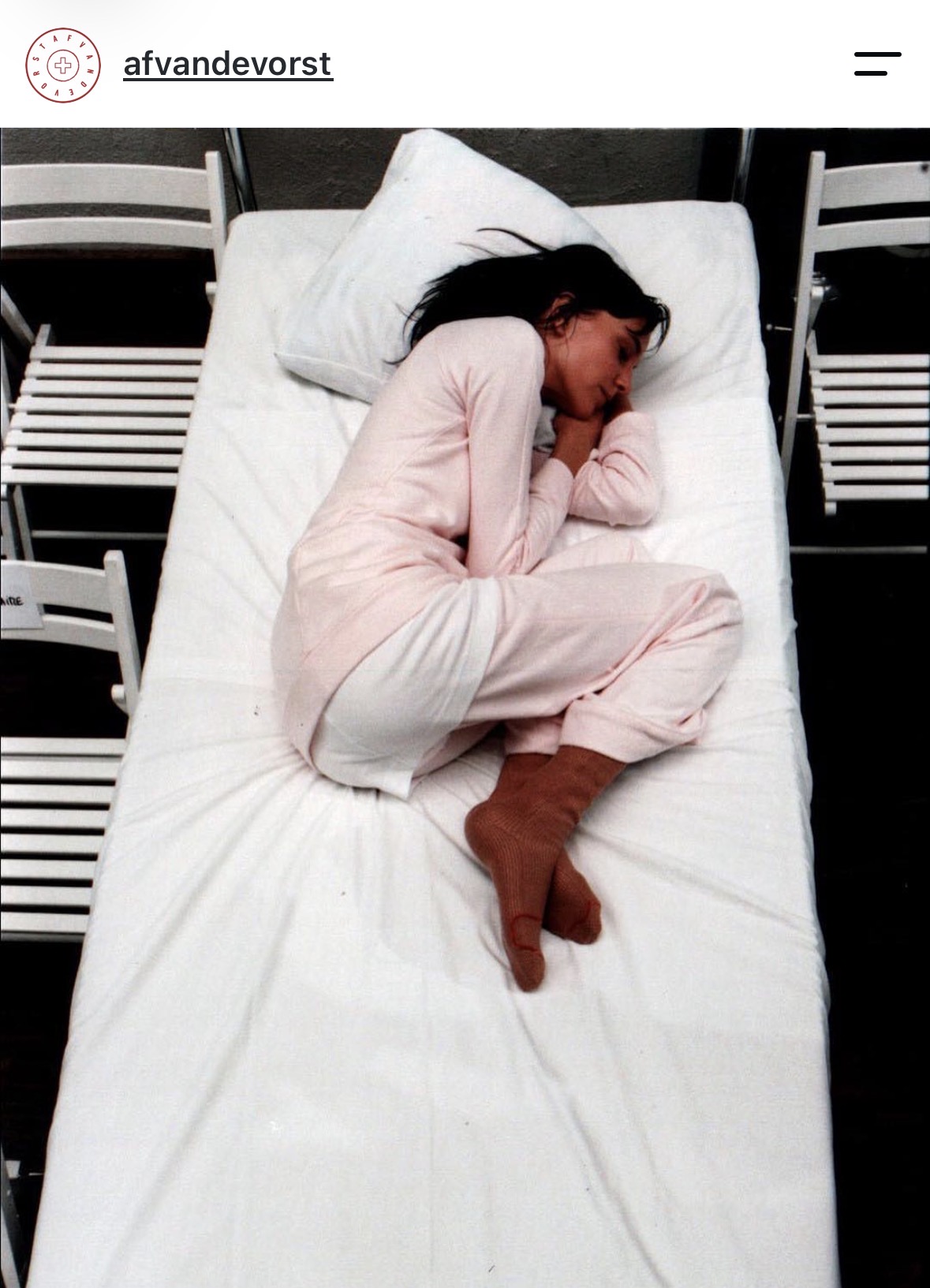
The following year, the body became even more central. For the now-iconic presentation, the space was transformed into a hospital-like setting: models lay across beds, their bodies illuminated by cold, clinical, unsettling light. The clothes were no longer the only objects under observation; the body wearing them became equally important, exposed and vulnerable. It remains one of the images that best captures the tension at the heart of the Vandevorst universe.
Collection after collection, the duo refined their language without ever losing that original friction. In doing so, A.F. Vandevorst built an immediately recognizable vocabulary while maintaining a deliberately peripheral position in relation to commercial fashion.
Following its final presentation in 2019, A.F. Vandevorst withdrew from the market in 2020. Its archive, comprising more than 2,000 pieces, was dispersed across museums and international collections, while Vandevorst and Arickx each moved on to independent academic and creative projects.
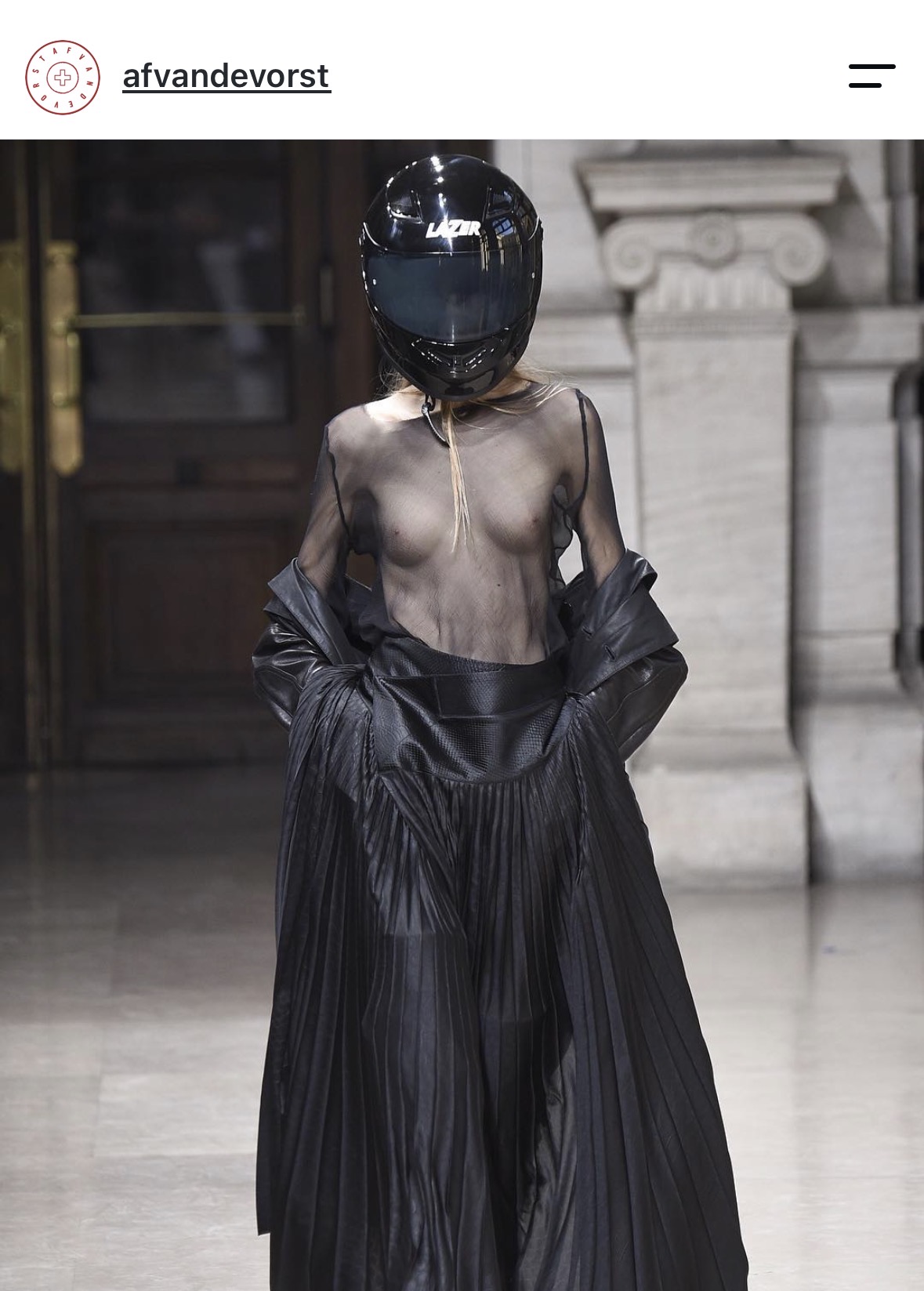
But A.F. Vandevorst never truly disappeared. It remained in the shadows, occupying that rare position reserved for brands that never reached the masses yet, perhaps because of it, managed to preserve their cultural capital intact. Throughout the years of absence, its pieces continued to circulate, to be searched for, collected and rediscovered by a new generation.
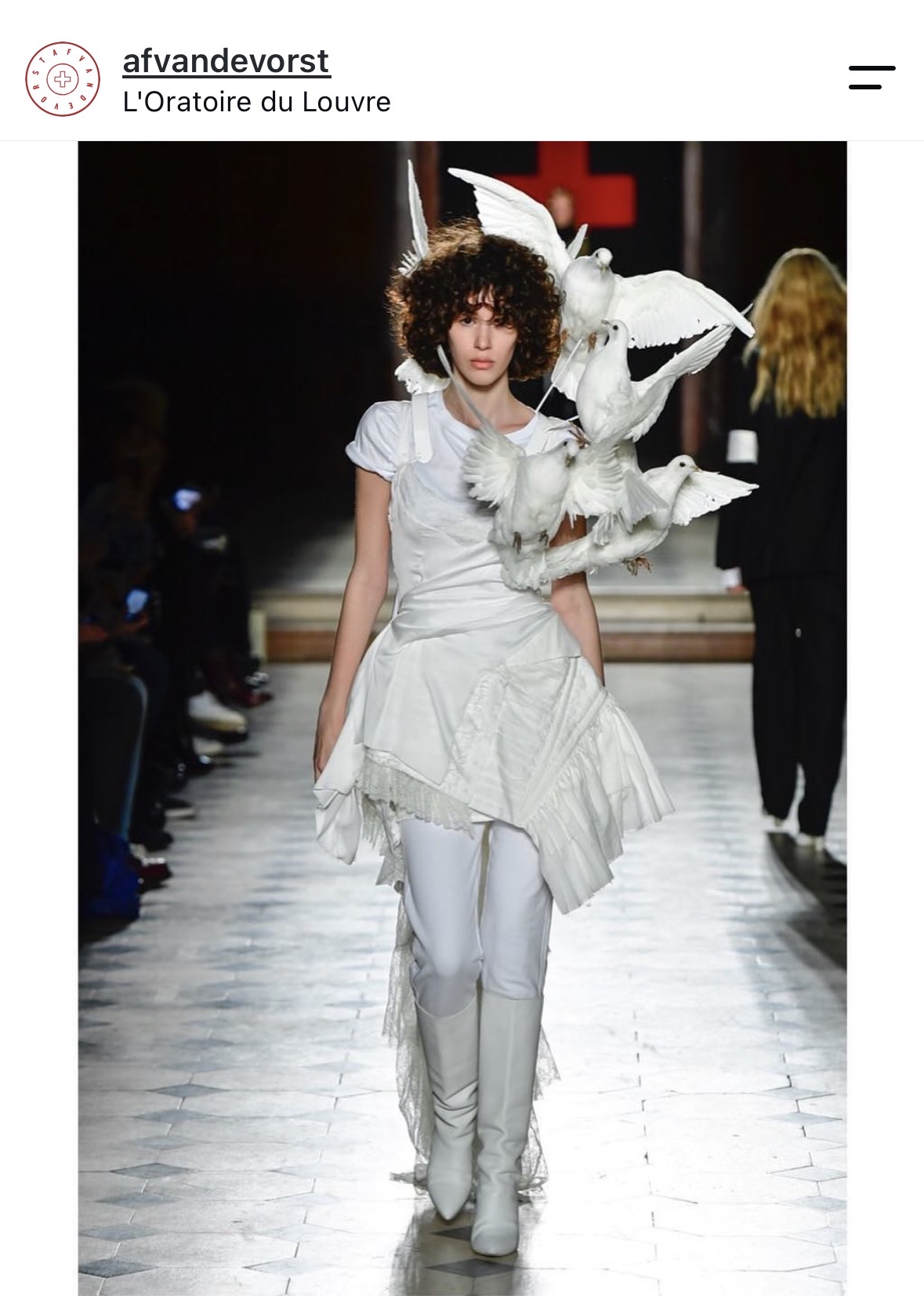
Today, as vintage fashion and designer archives become increasingly central to contemporary fashion culture, A.F. Vandevorst’s language feels surprisingly current. The return of the riding boots, then, doesn’t feel like the beginning of a conventional comeback. It is something far more consistent with the spirit of A.F. Vandevorst: a quiet, almost subterranean return.
And perhaps there has never been a better time to come back.