



by Ada Maria Francesca Romeo
How did Vibram’s FiveFingers go from niche performance footwear to fashion’s latest obsession? Here’s the story behind the trend and the designers who made it inevitable.
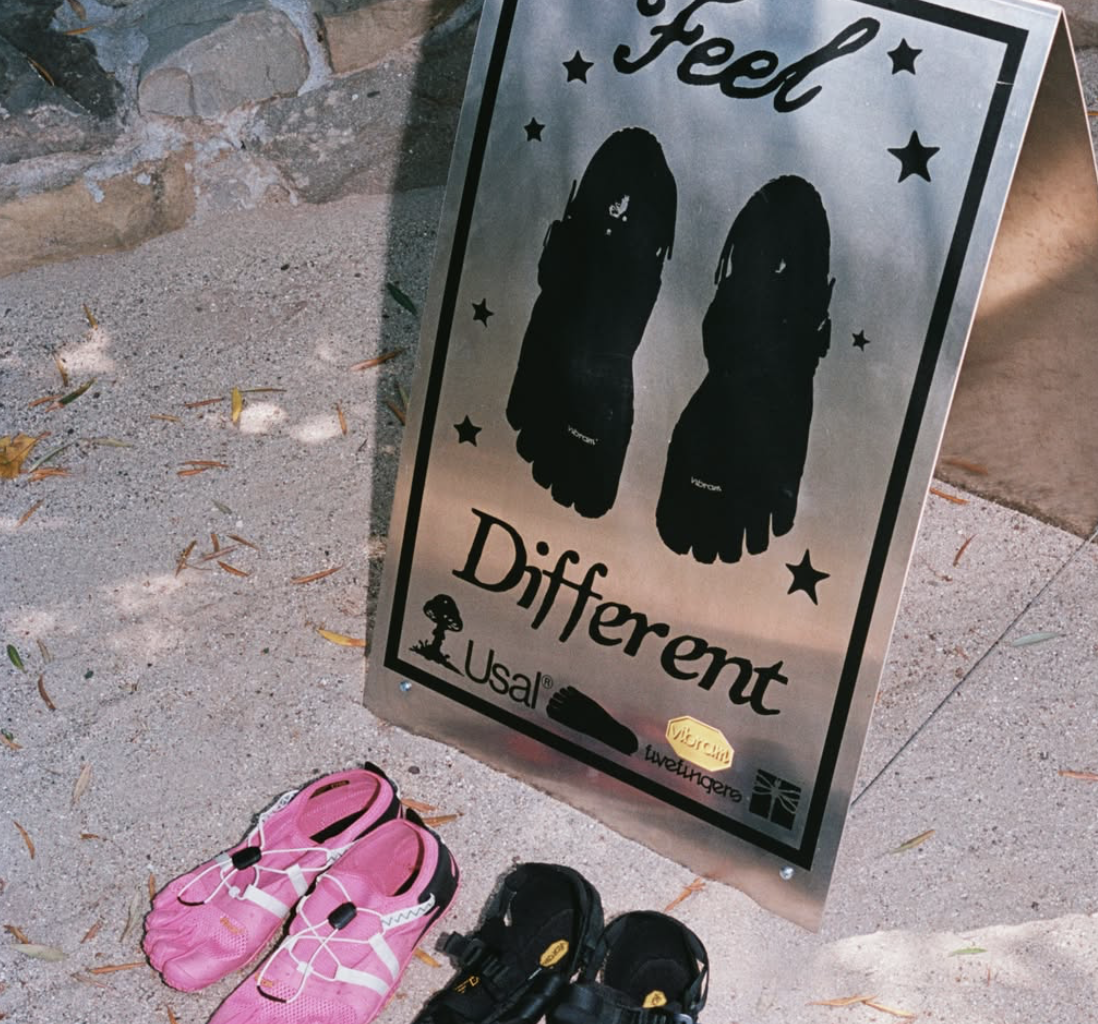
It was 2004 when Vibram, the Italian brand founded by Vitale Bramani, introduced the first FiveFingers, a shoe that would go on to redefine the concept of technical footwear. The model was conceived by Northern Italian designer and woodcutter Robert Fliri, who wanted to create a shoe capable of preserving the sensation of walking barefoot while still providing protection during mountain hikes.
For the company, headquartered near Varese, the launch marked a genuine breakthrough in the world of high-performance rubber soles. The idea was as simple as it was ambitious: to improve the quality of movement by maximizing contact with the ground. Thanks to their distinctive five-toe construction, FiveFingers engage the entire foot, including the toes, activating its muscles and encouraging a more natural walking experience.
Originally designed for outdoor enthusiasts and athletes, FiveFingers have since found an entirely new audience in the fashion world. Over the past five years, the silhouette has evolved into a cult favorite among younger generations, who pair them just as effortlessly with baggy jeans as with tailored trousers, transforming what was once purely technical footwear into a fashion statement.
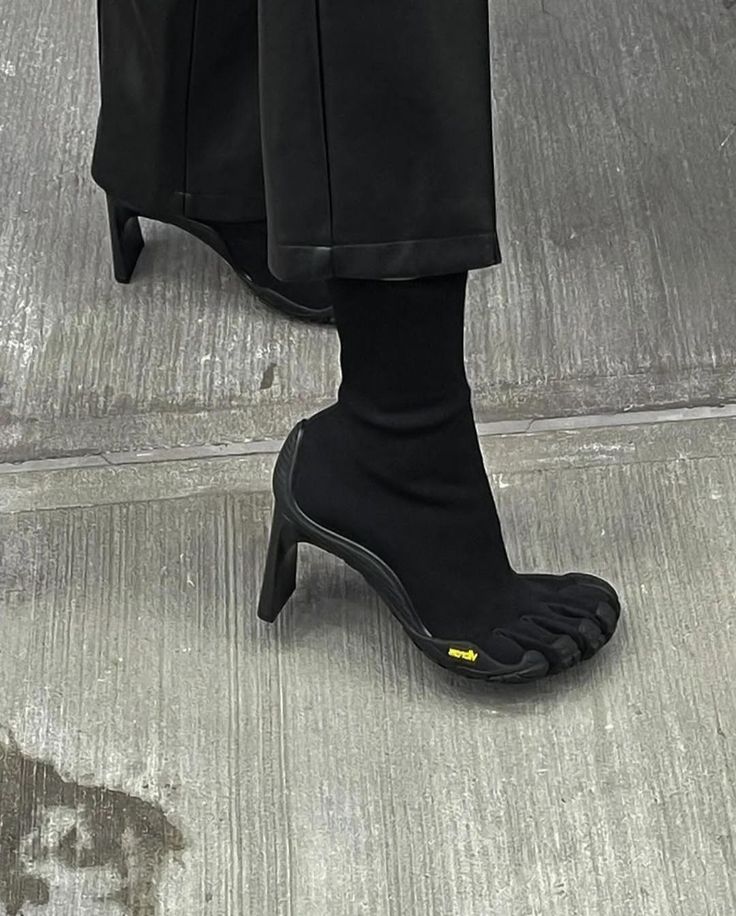
Nothing confirmed FiveFingers’ fashion credentials quite like Balenciaga‘s heeled version for the Fall/Winter 2020 collection in collaboration with Vibram. The unlikely pairing elevated a barefoot-inspired technical shoe into a provocative luxury accessory, proving that even the most unconventional silhouettes can become objects of desire.
Despite their growing popularity on the style circuit, Vibram insists that the shoe’s original purpose remains unchanged: to offer a highly technical product for people who value direct contact with the ground and the primal sensation of walking barefoot.
Their incredible recent rise has likely been fueled by the return of animal-inspired footwear. Among the most influential references are Japan’s iconic Tabi shoes, with their split-toe design, famously reinterpreted by Maison Margiela and long considered a grail item among fashion lovers.
Back in the early 2000s, Vivienne Westwood revisited some of her original 1970s boots by introducing the so-called animal toe, a detail that would later reappear across several of her collections.
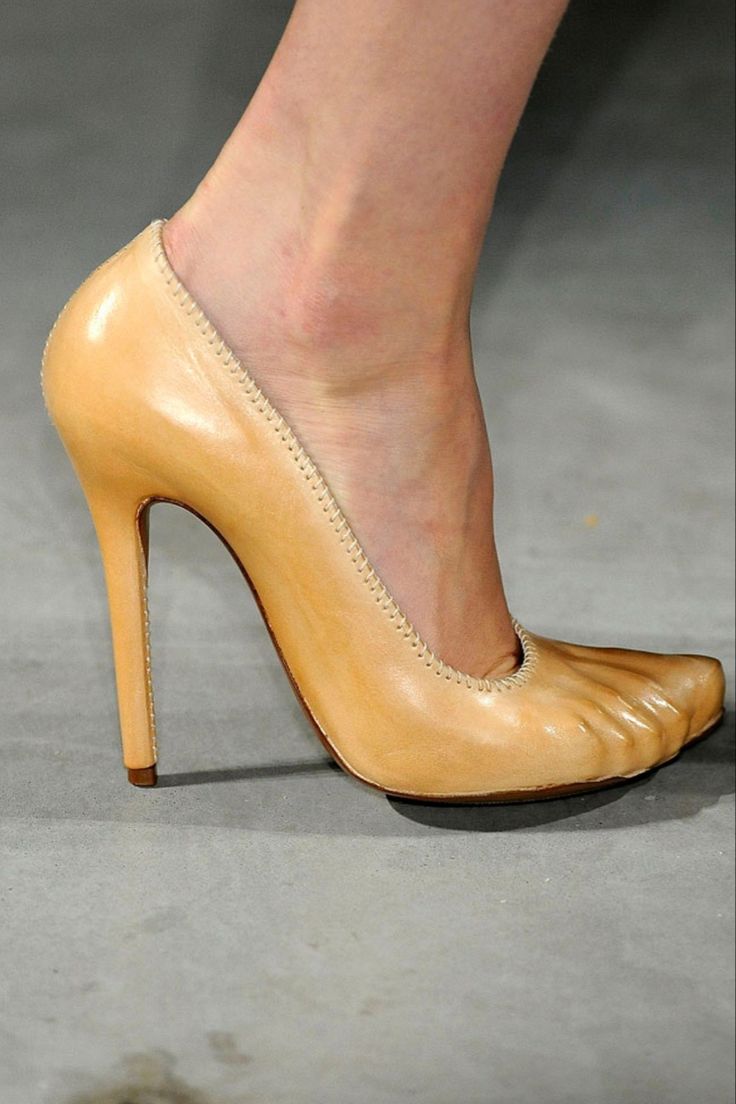
Another early example came from Alexander McQueen‘s Spring/Summer 2009 collection, where the designer presented nude leather pumps crafted to resemble bare feet. Using trompe-l’œil effect, the shoes featured sculpted, anatomically defined toes, blurring the line between footwear and the human body. Long before FiveFingers entered the fashion conversation, McQueen had already turned the foot itself into a design statement, foreshadowing the industry’s growing fascination with biomorphic and body-inspired silhouettes.
More recently, other designers have continued to explore this aesthetic. JW Anderson presented leather mules and lace-up shoes with curled toes resembling oversized feline paws in Spring/Summer 2024.
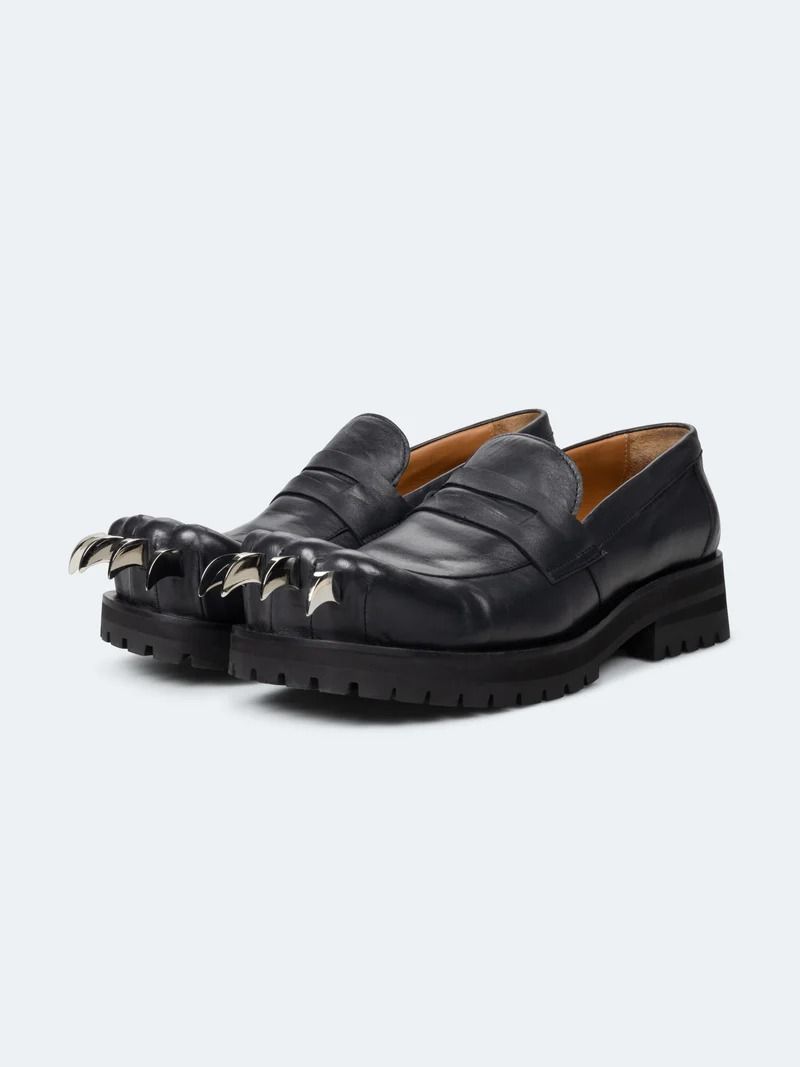
While Charles Jeffrey Loverboy unveiled Mary Janes and loafers adorned with sharp metallic claws in Fall/Winter 2024, pushing the dialogue between fashion and the animal kingdom even further.
In a fashion landscape where increasingly eccentric silhouettes have become objects of desire, it was only a matter of time before fashion enthusiasts embraced FiveFingers as nothing short of brilliant. More than just a technical shoe, they have come to embody the most radical evolution of a broader trend that blurs the line between the human body and the animal kingdom. Originally designed to strengthen the connection between body and nature, nearly twenty years after their debut, FiveFingers have unexpectedly emerged as one of the defining cult objects of contemporary fashion.