
In a world where everything moves faster, Le 21 proposes a radical act of luxury: taking time.
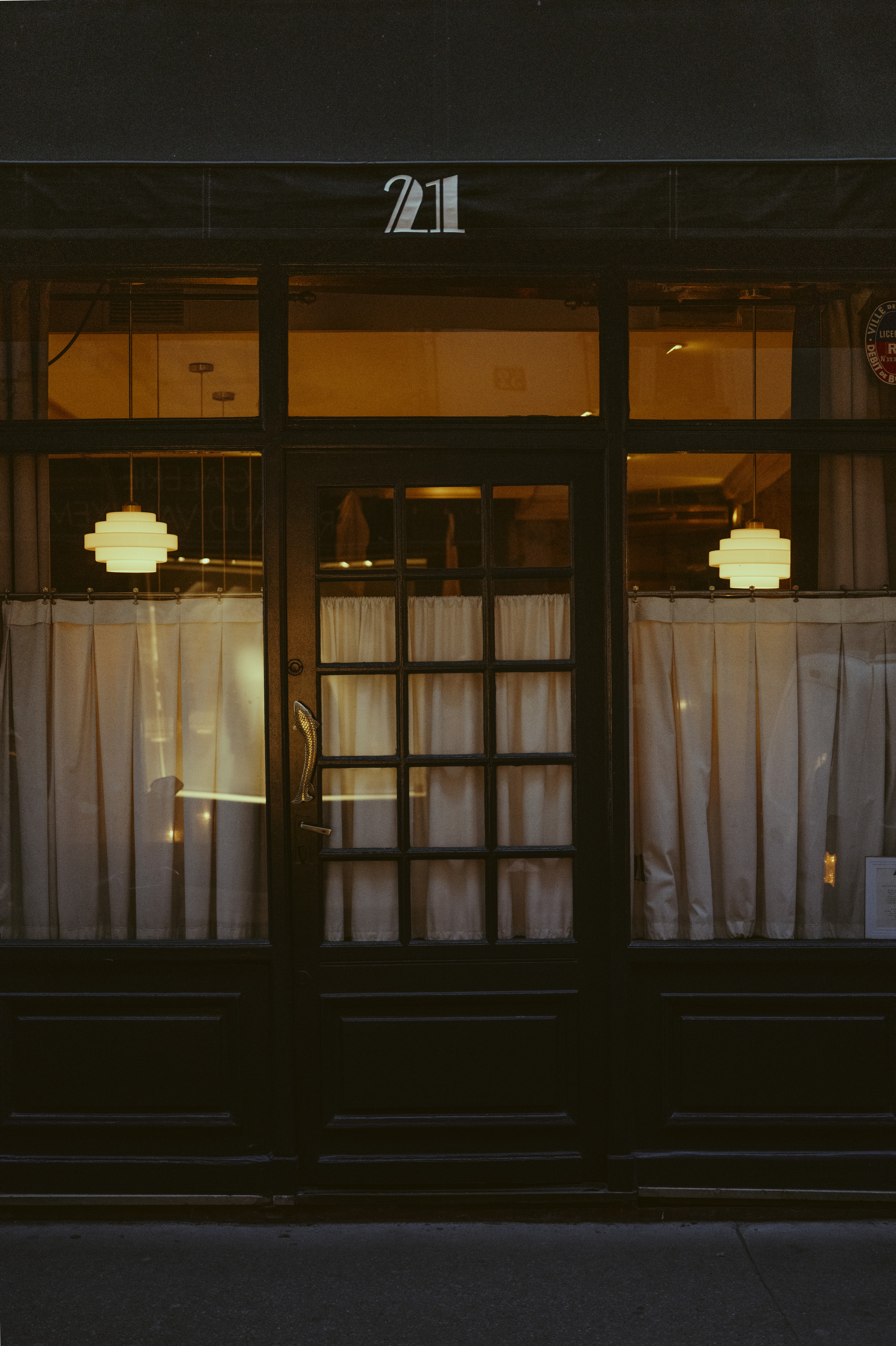
Hidden behind curtains on the Left Bank, in the heart of Saint-Germain-des-Prés, this discreet Parisian address has always been more than a restaurant. It has been a place of encounters, conversations, and quiet rituals: a table where the pleasure of dining was inseparable from the pleasure of being together. Once a beloved haunt for cultural figures, politicians, and neighbourhood regulars, Le 21 is now entering a new chapter under the direction of chef Braden Perkins, who is preserving its soul while imagining its future.
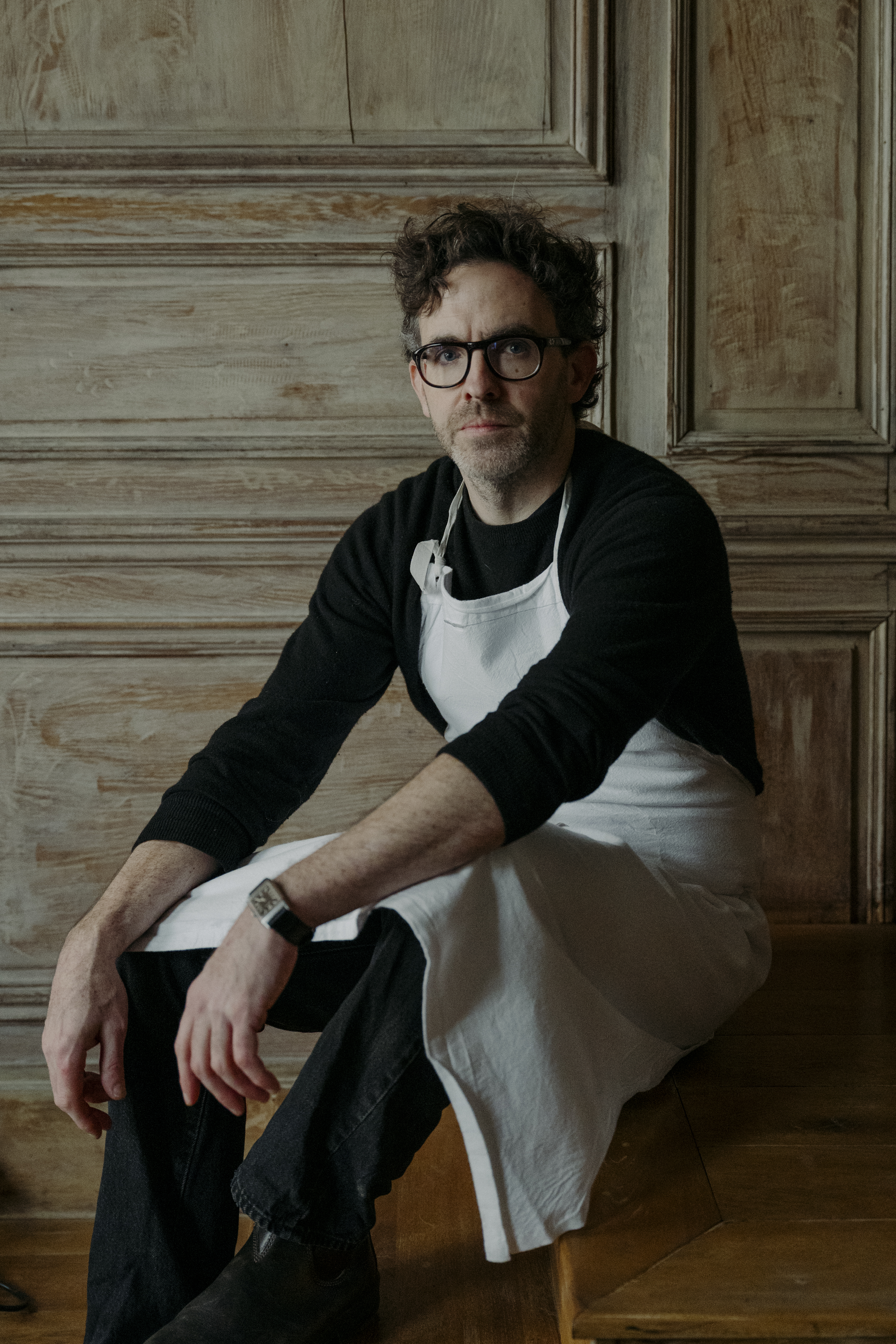
After nearly fifteen years creating restaurants around the Palais Royal, Perkins discovered in Le 21 the perfect opportunity for a new beginning. Taking over the keys in October 2025, he chose not to reinvent the space, but to listen to it. The original Pierre Frey wallpaper was restored, the Art Deco details preserved, the intimate booths and curtained windows maintained. With white tablecloths, candlelight, and a single evening seating, the restaurant feels suspended between a private home and a timeless Parisian dining room.
Born in New Orleans, Braden Perkins grew up surrounded by the culture of long family lunches, where meals unfolded over hours and food became a language of connection. His journey brought him to Paris in 2007, where his legendary Hidden Kitchen dinners created a new model of intimate hospitality, before he co-founded Verjus near the Palais Royal in 2011, followed by Ellsworth and The Twenty-Two Club. Across every project, one idea has remained constant: a meal is not simply something to consume, but something to experience.
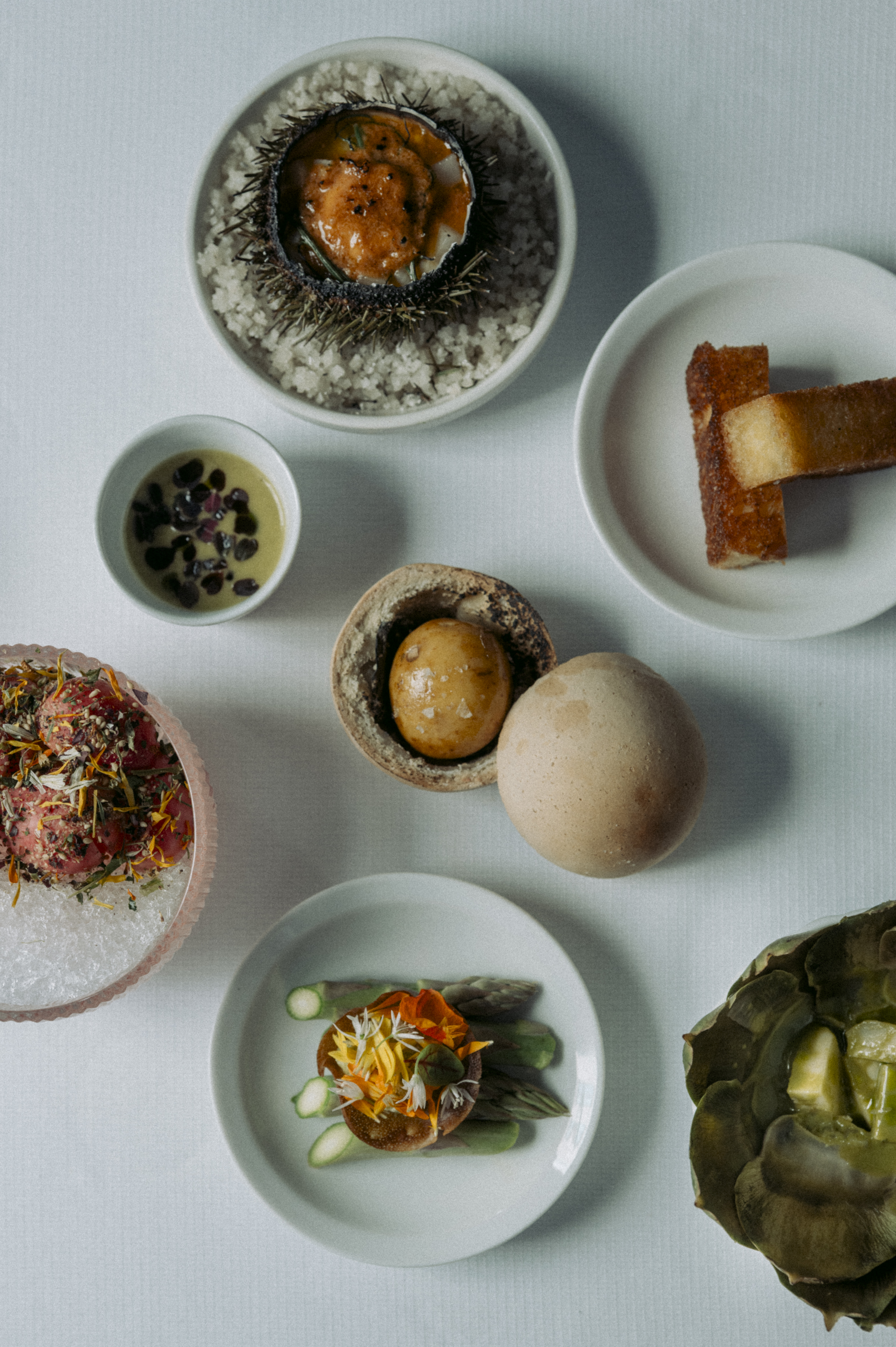
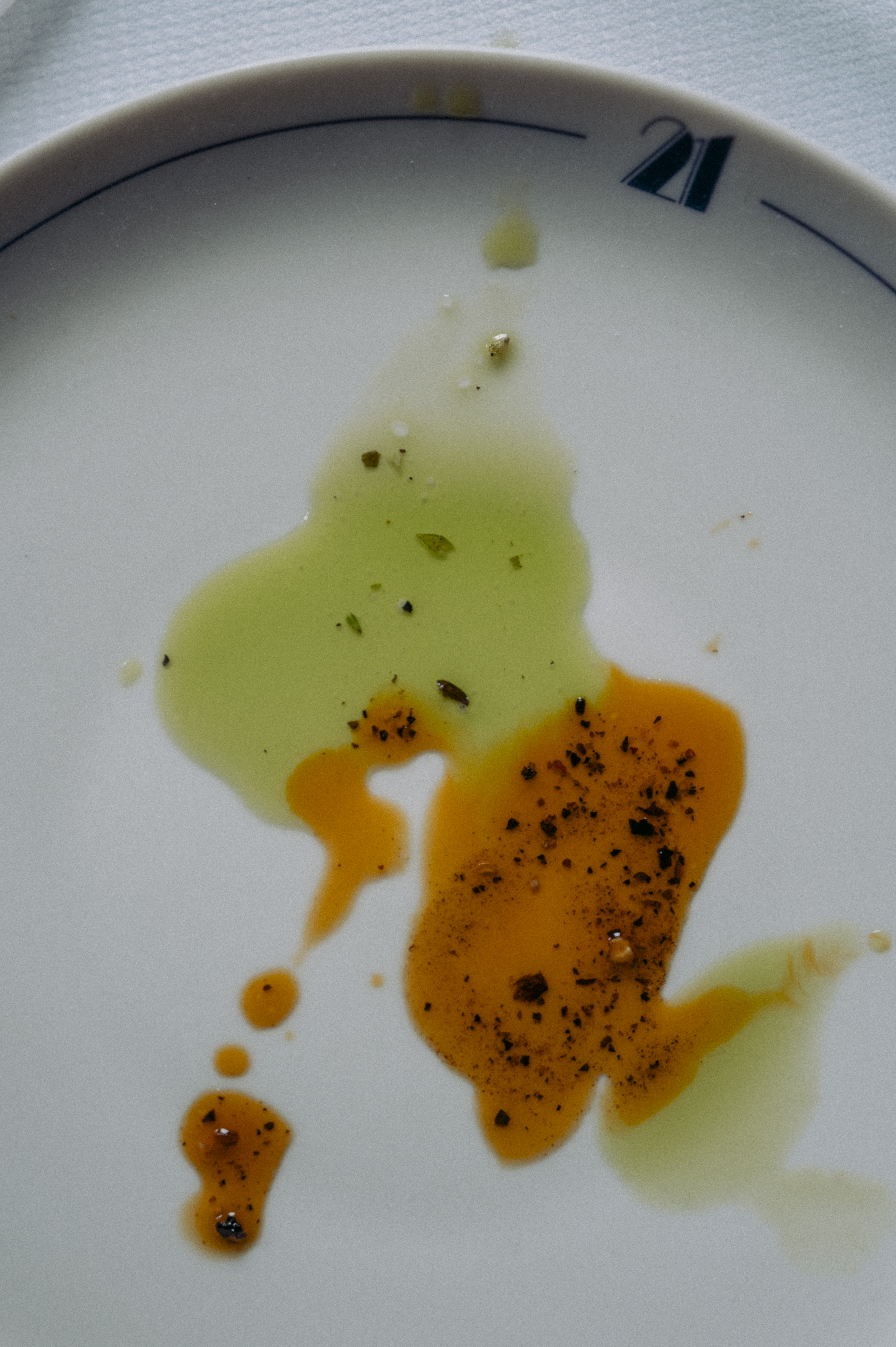
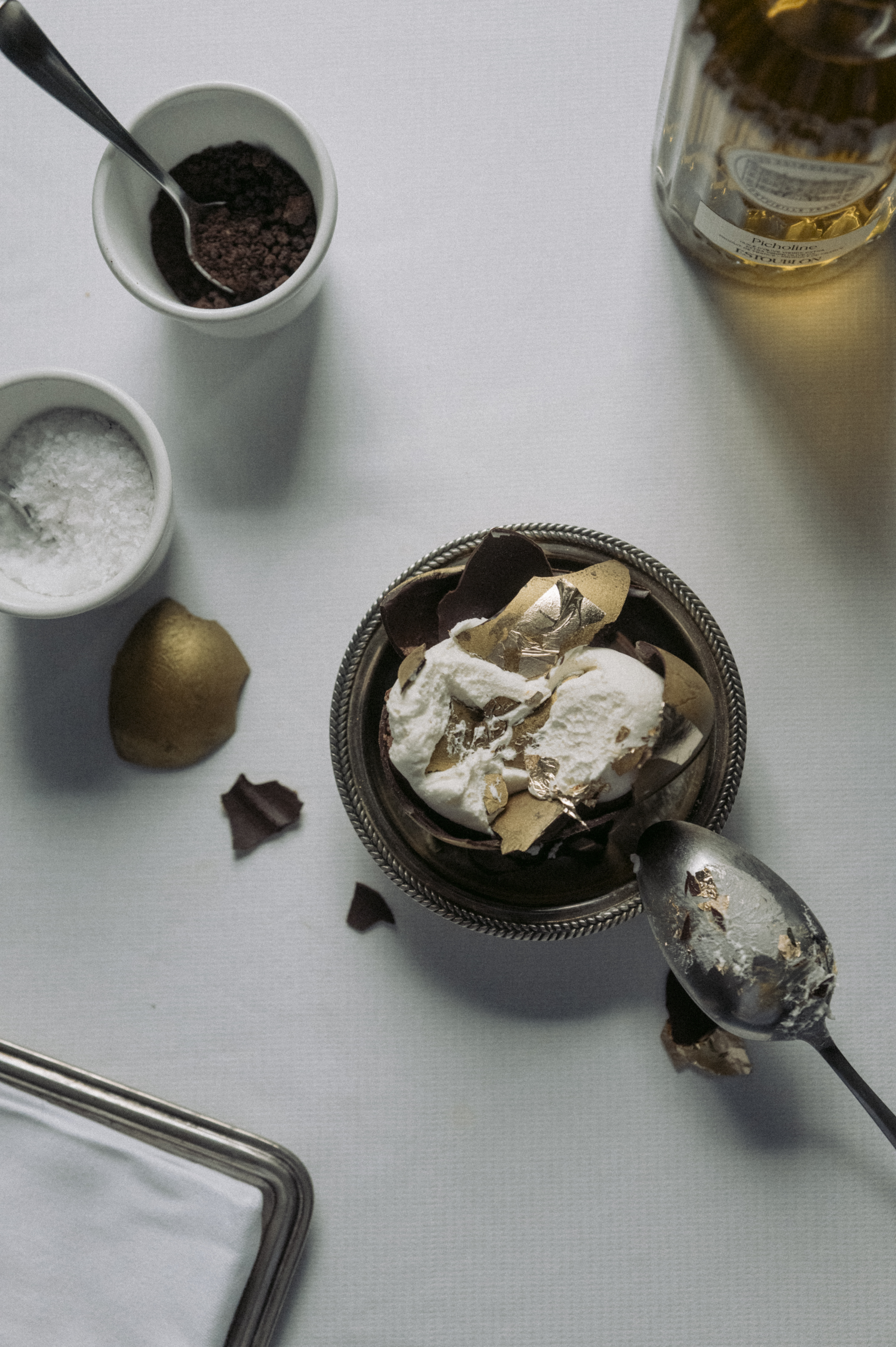
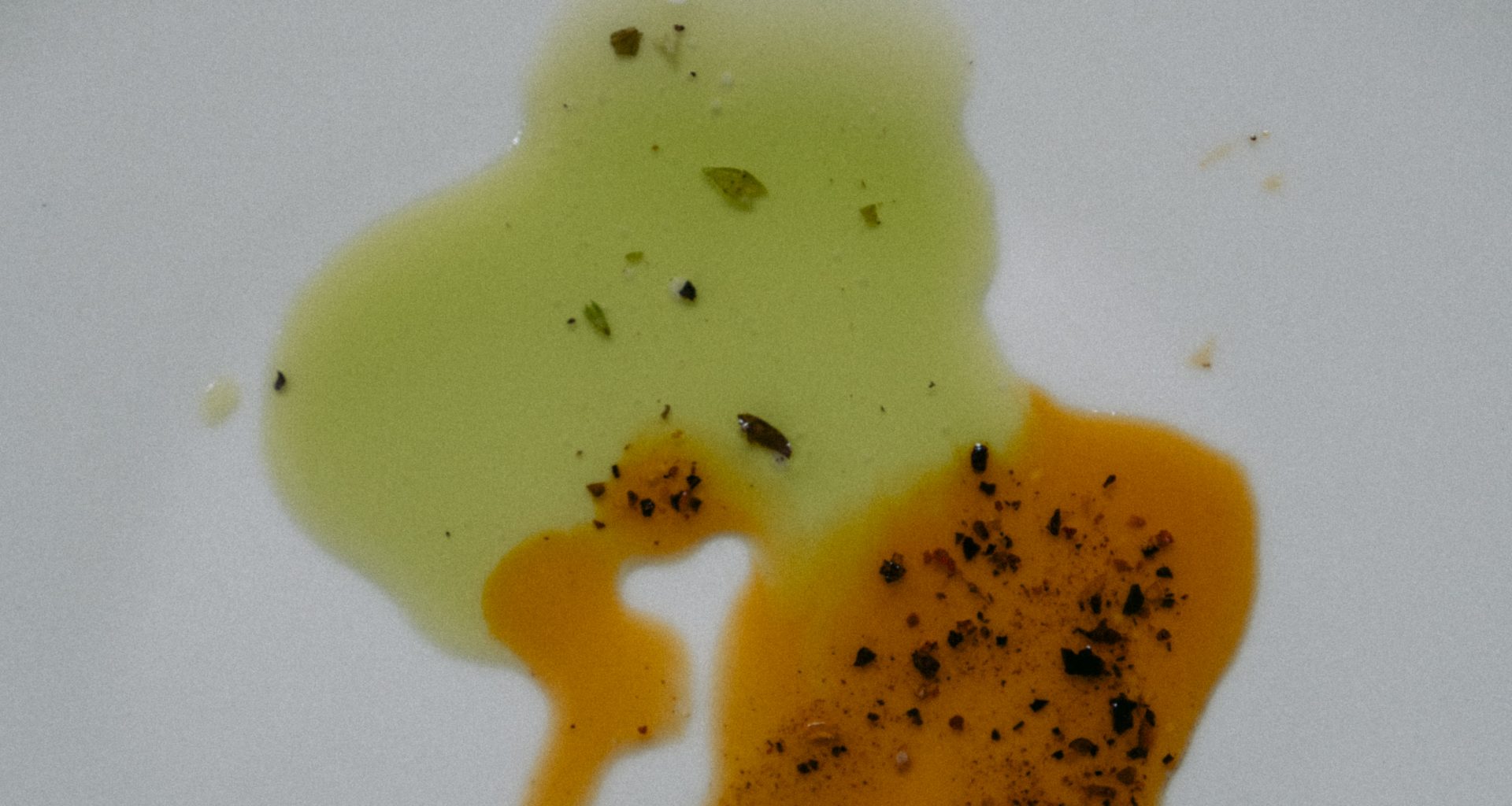
At Le 21, Perkins revisits the restaurant’s historic relationship with seafood – a legacy inherited from its original founder, chef Paul Minchelli – by introducing a more contemporary and balanced perspective. Here, vegetables become the starting point, while seafood appears as an accent, a seasoning, a memory of the ocean rather than the entire narrative. Each dish begins with a single ingredient, carefully observed through seasonality, texture, aroma, and personal recollection. The goal is not to recreate the past, but to understand what made a flavour unforgettable.
The result is a cuisine built around emotion, restraint, and precision. A conversation between nature, memory, and craftsmanship.
The experience begins before the first course arrives. At Le 21, Champagne marks the transition from the outside world into the intimacy of the table. The wine list remains intentionally concise, evolving with the seasons and encouraging guests to follow their own curiosity rather than predetermined rules. Everything reflects the same philosophy: generosity without excess, elegance without distance.
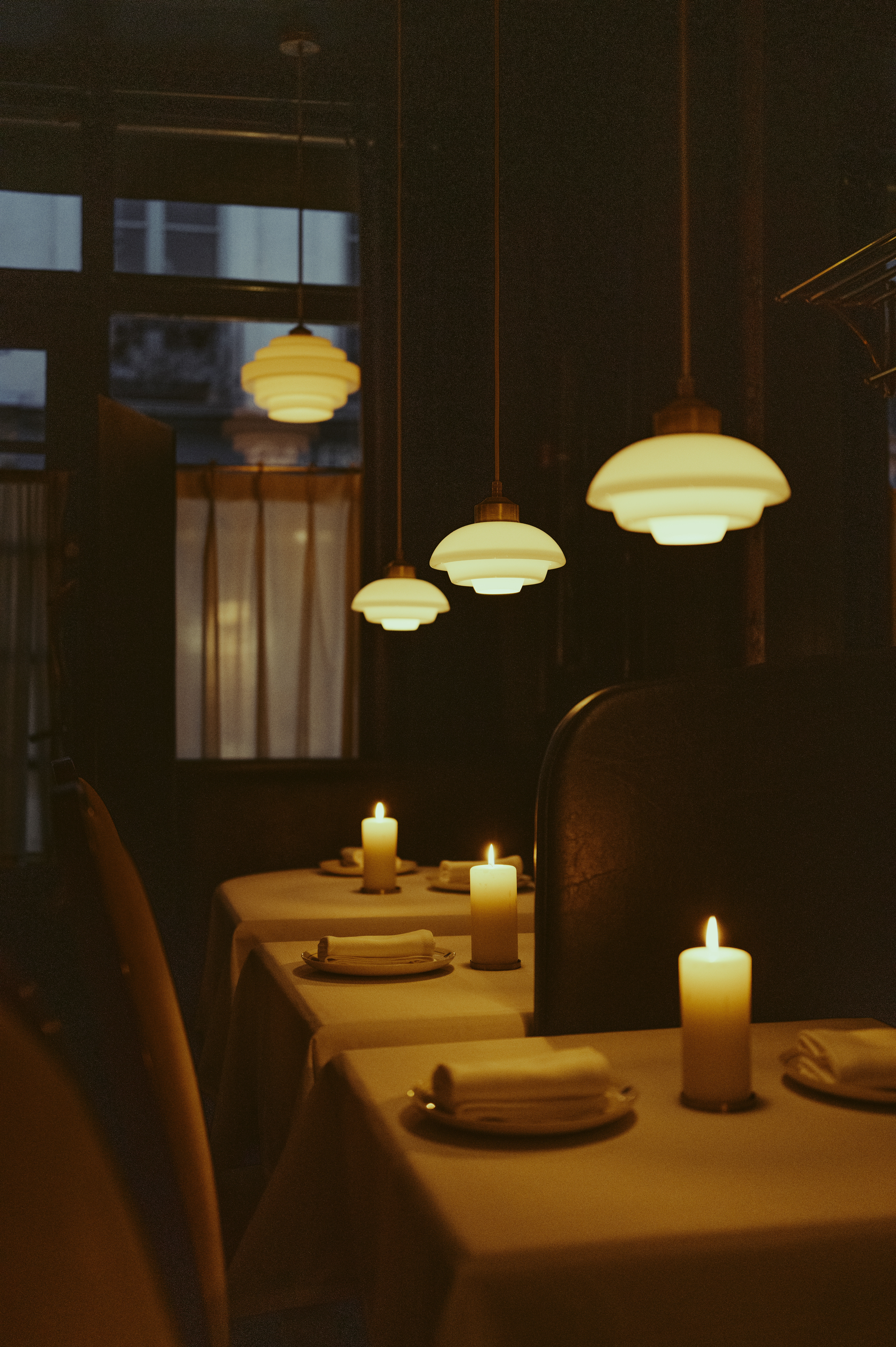
More than a restaurant, Le 21 represents a return to hospitality as an art form. A place where conversations last longer, where bottles are shared slowly, and where the greatest luxury is not what is placed on the plate, but the atmosphere created around it.
In an era obsessed with speed, Braden Perkins is bringing back something beautifully radical: the forgotten pleasure of staying.