Fashion has spent the last decade trying to convince us that identity comes with a dress code. Quiet luxury. Indie sleaze. Office siren. Gorpcore. Every aesthetic arrived with its own visual rulebook, promising individuality while producing endless copies of the same person.
Michael Rider’s Celine Spring–Summer 2027 quietly dismantles that idea.
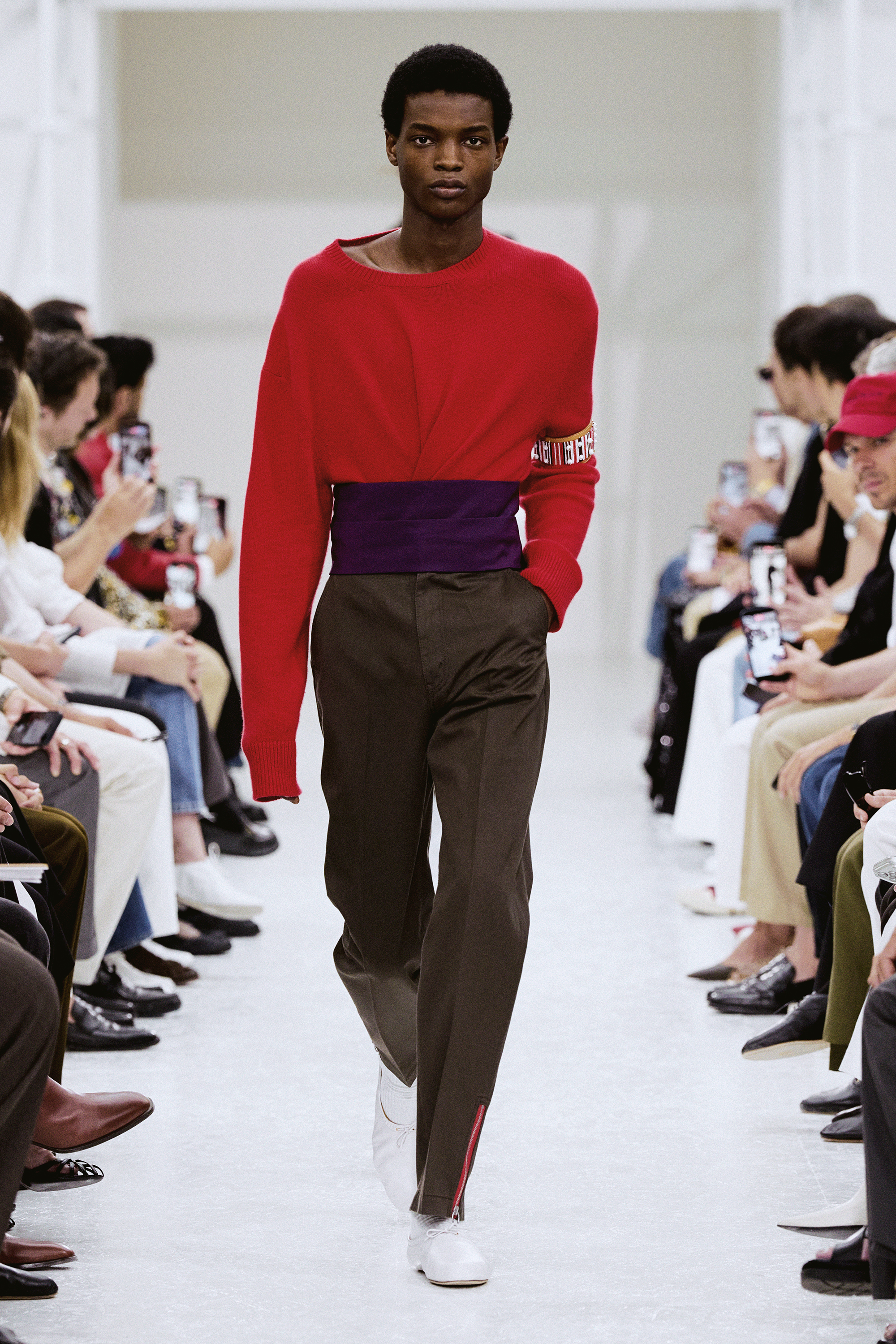
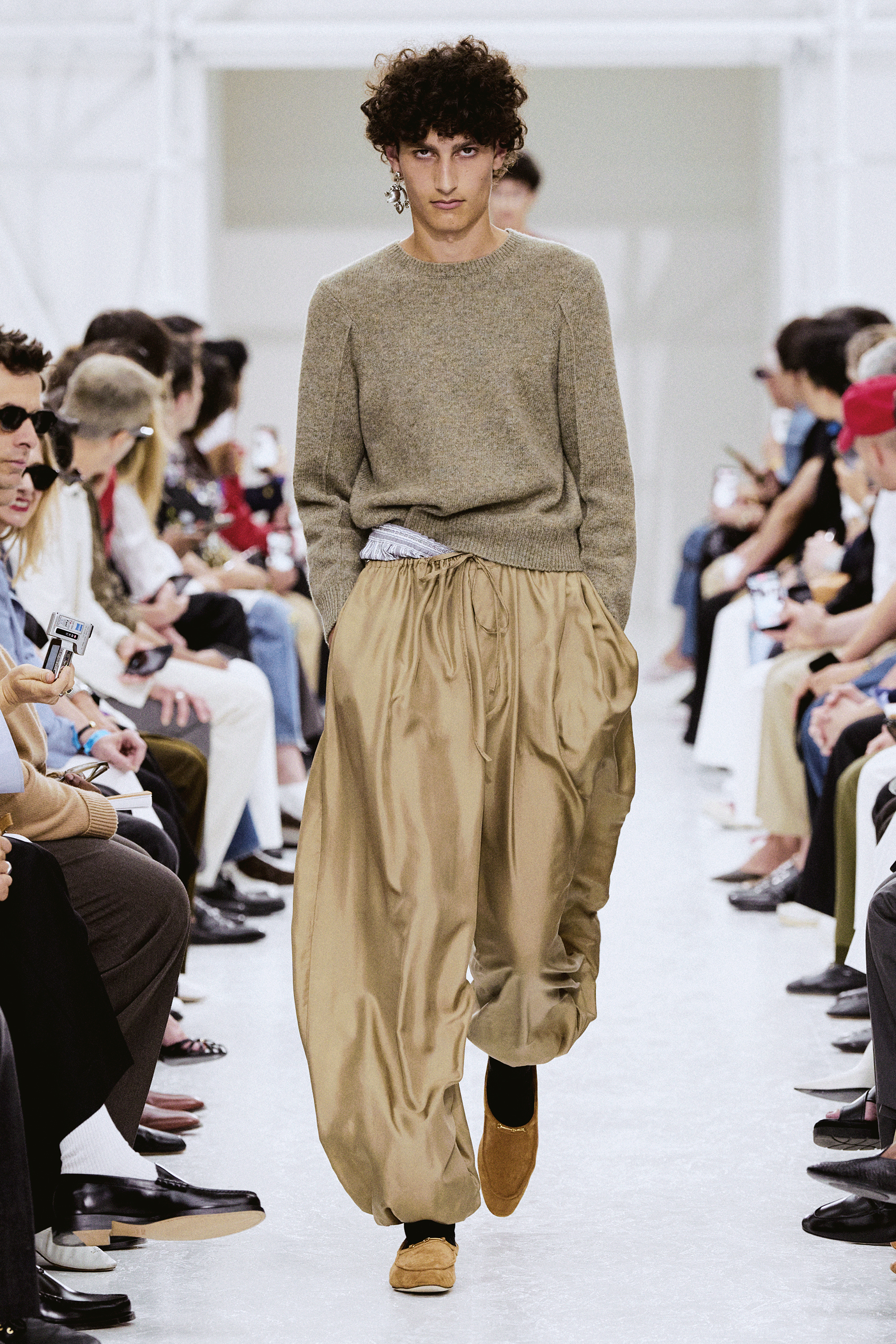
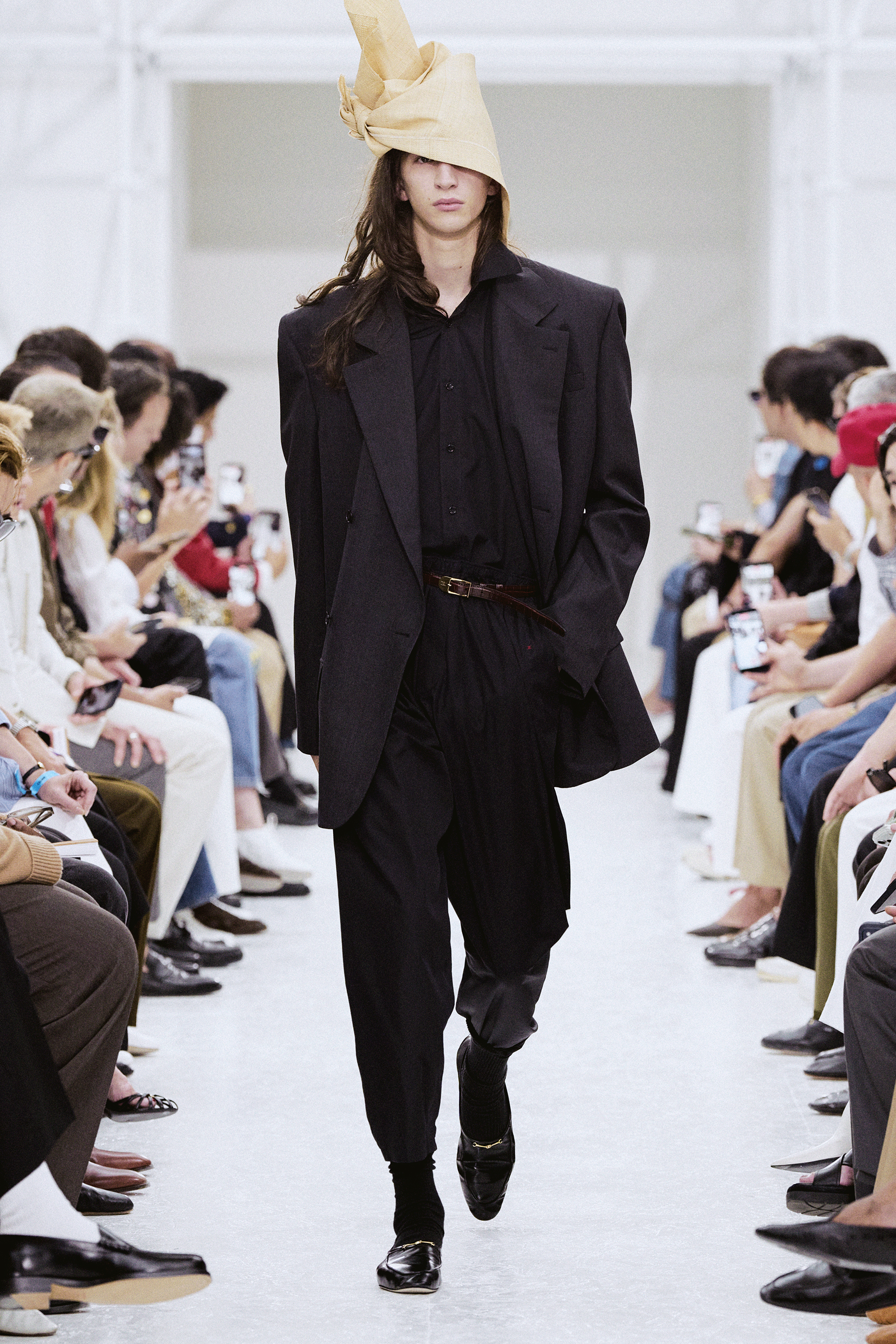
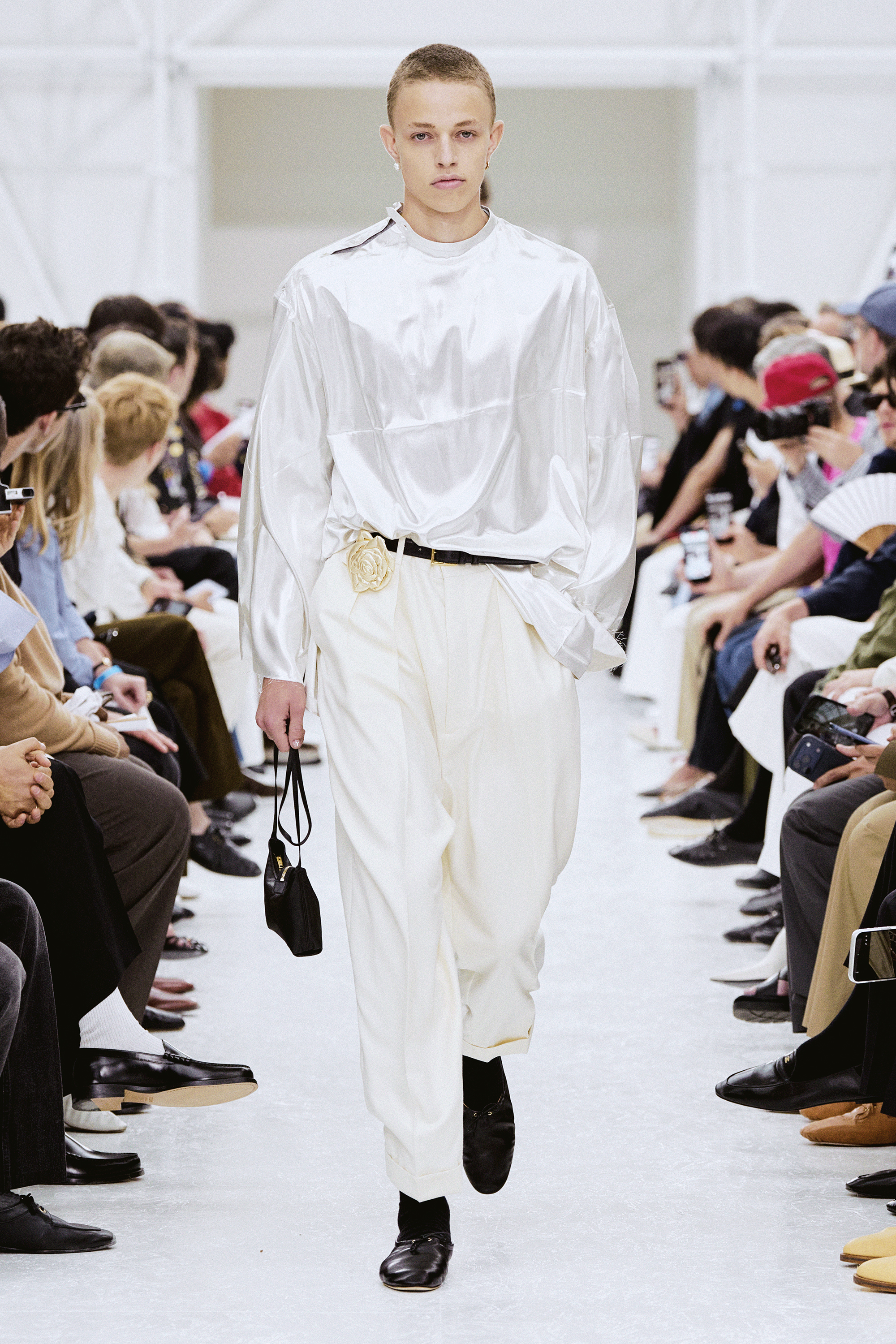
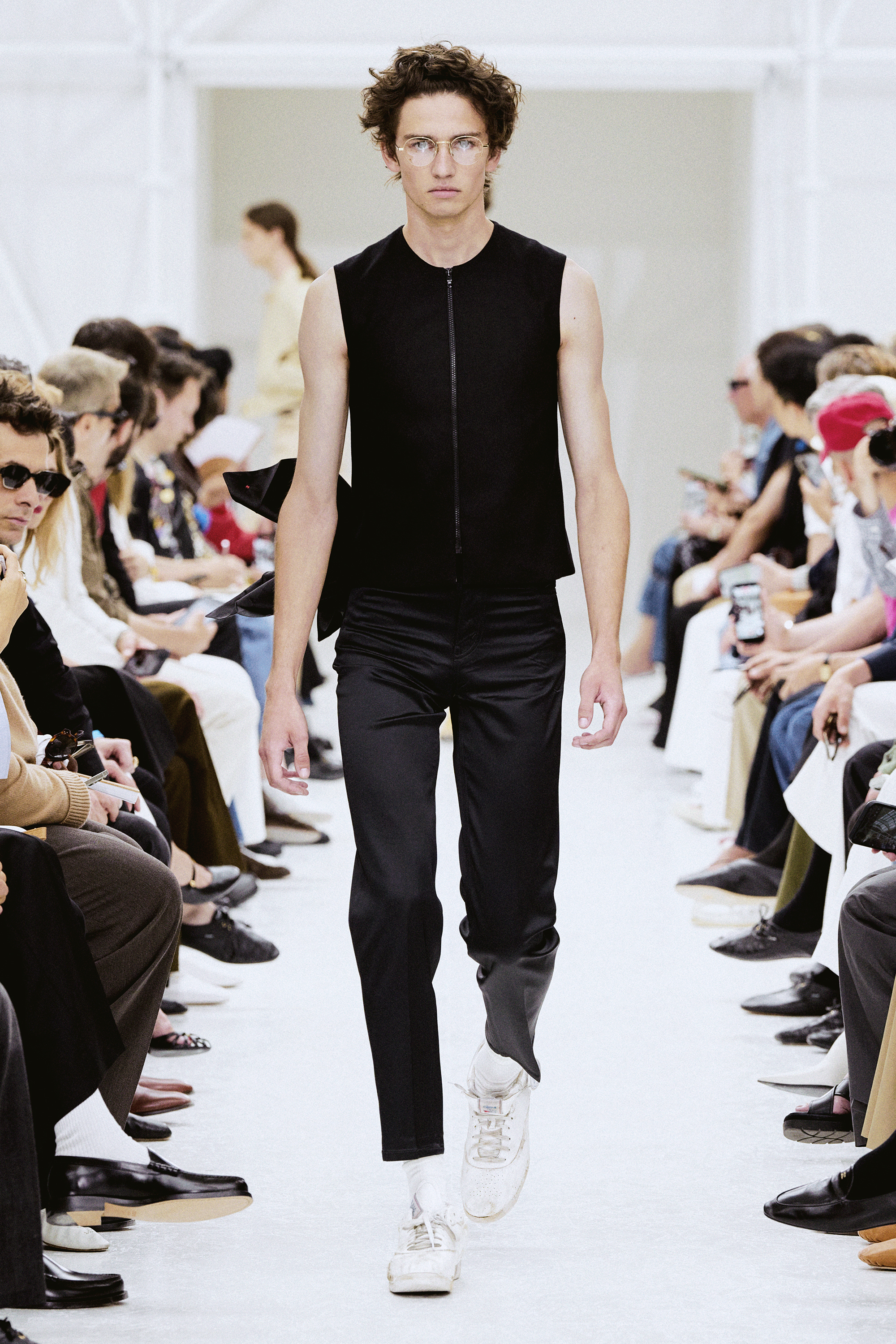
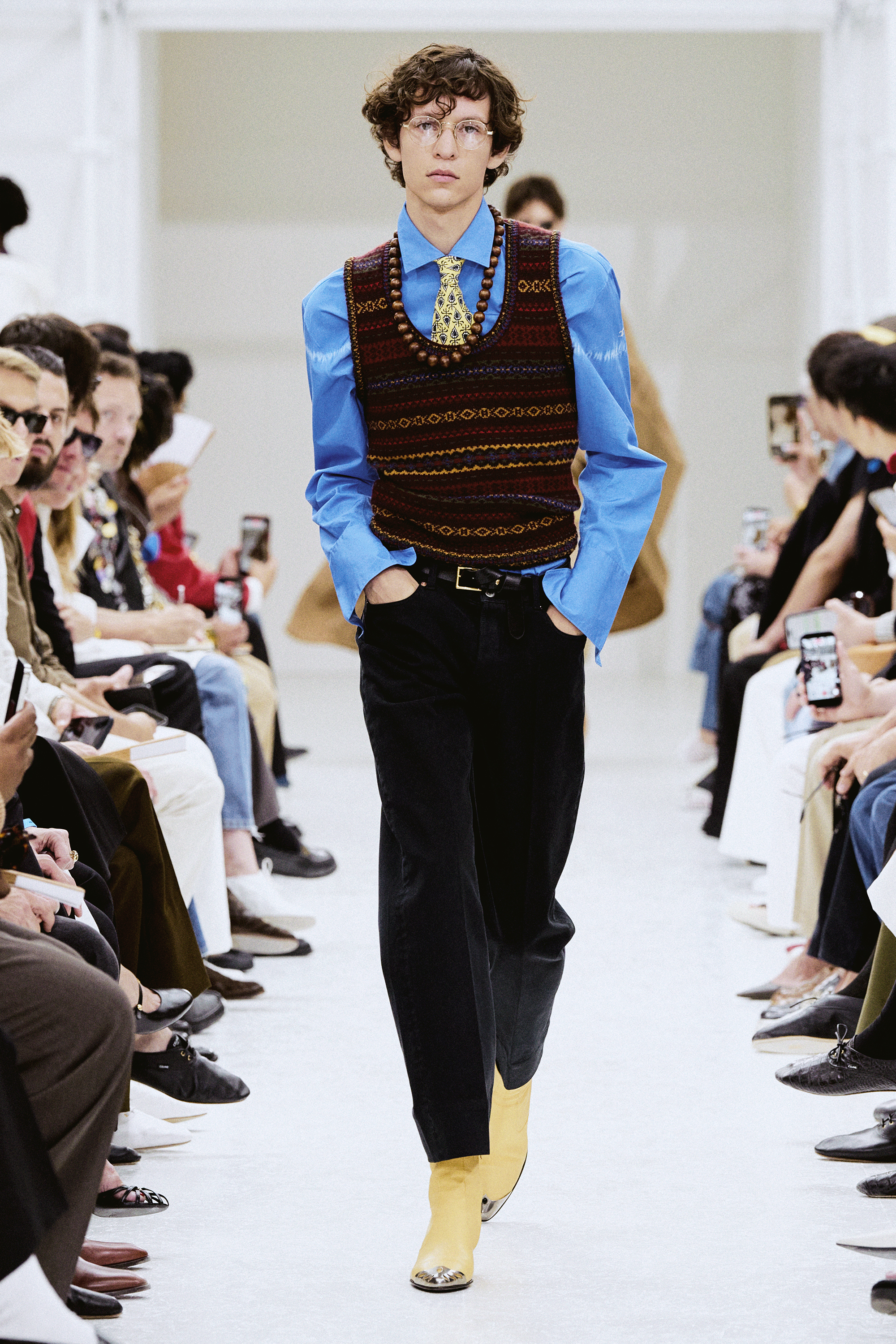
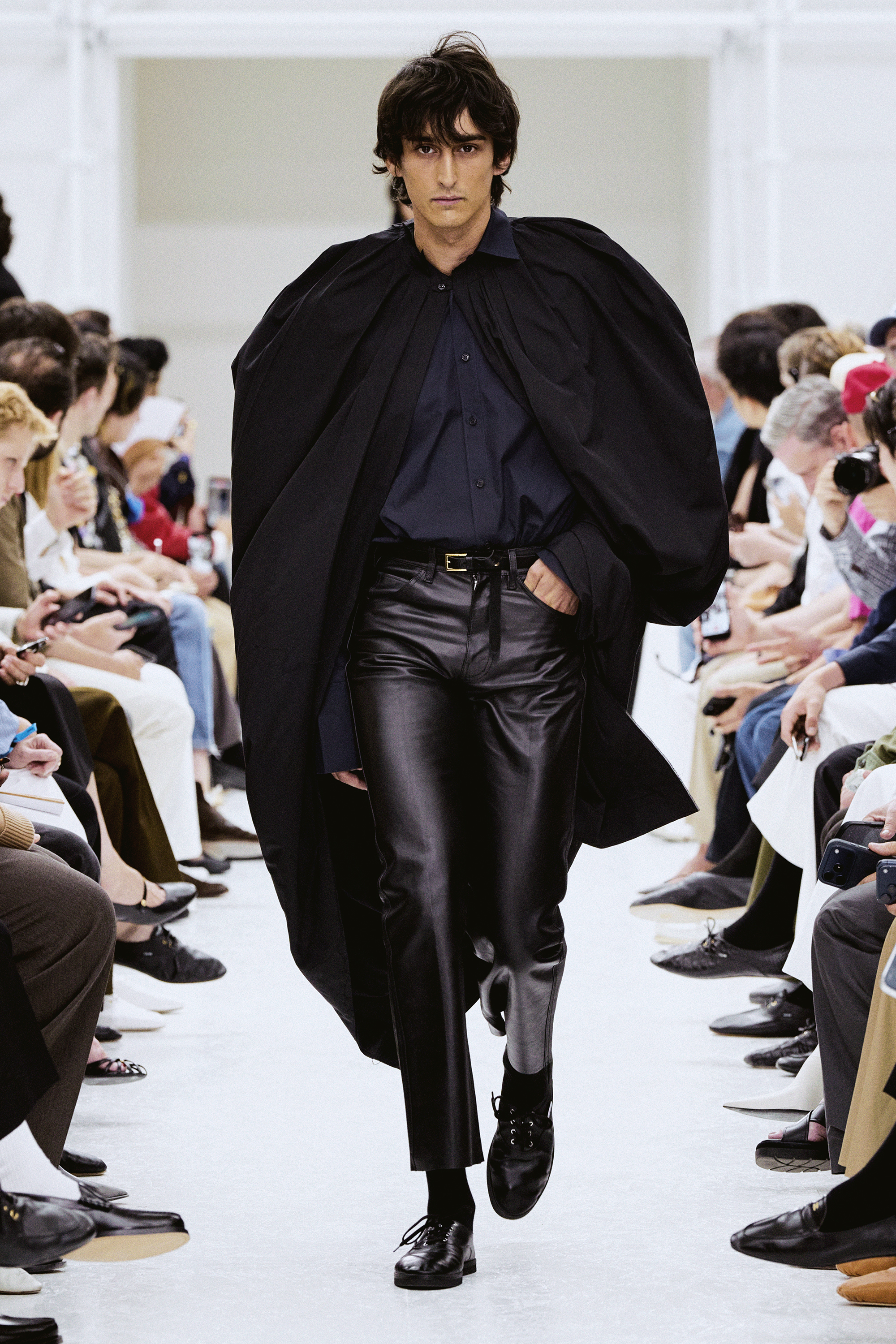
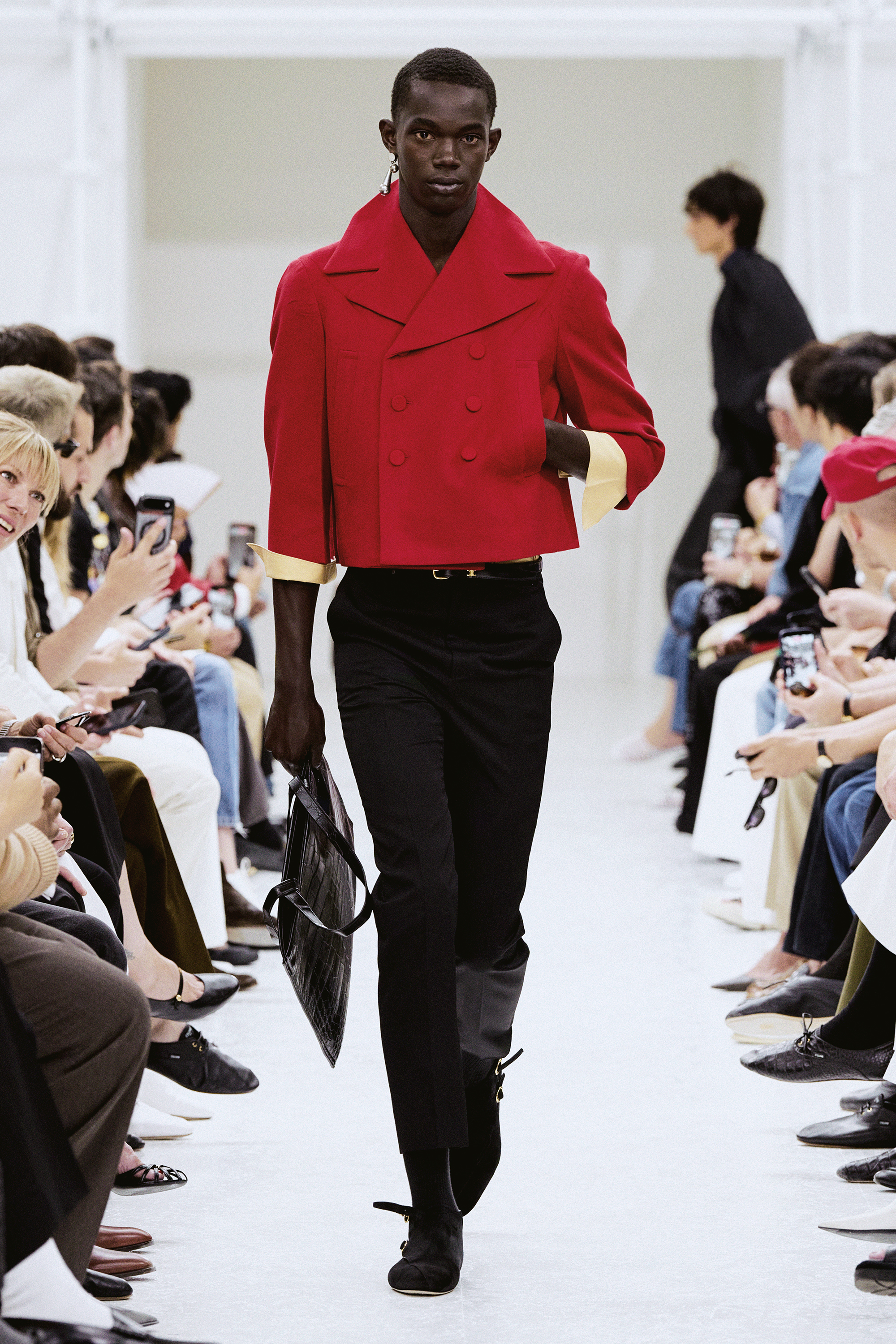
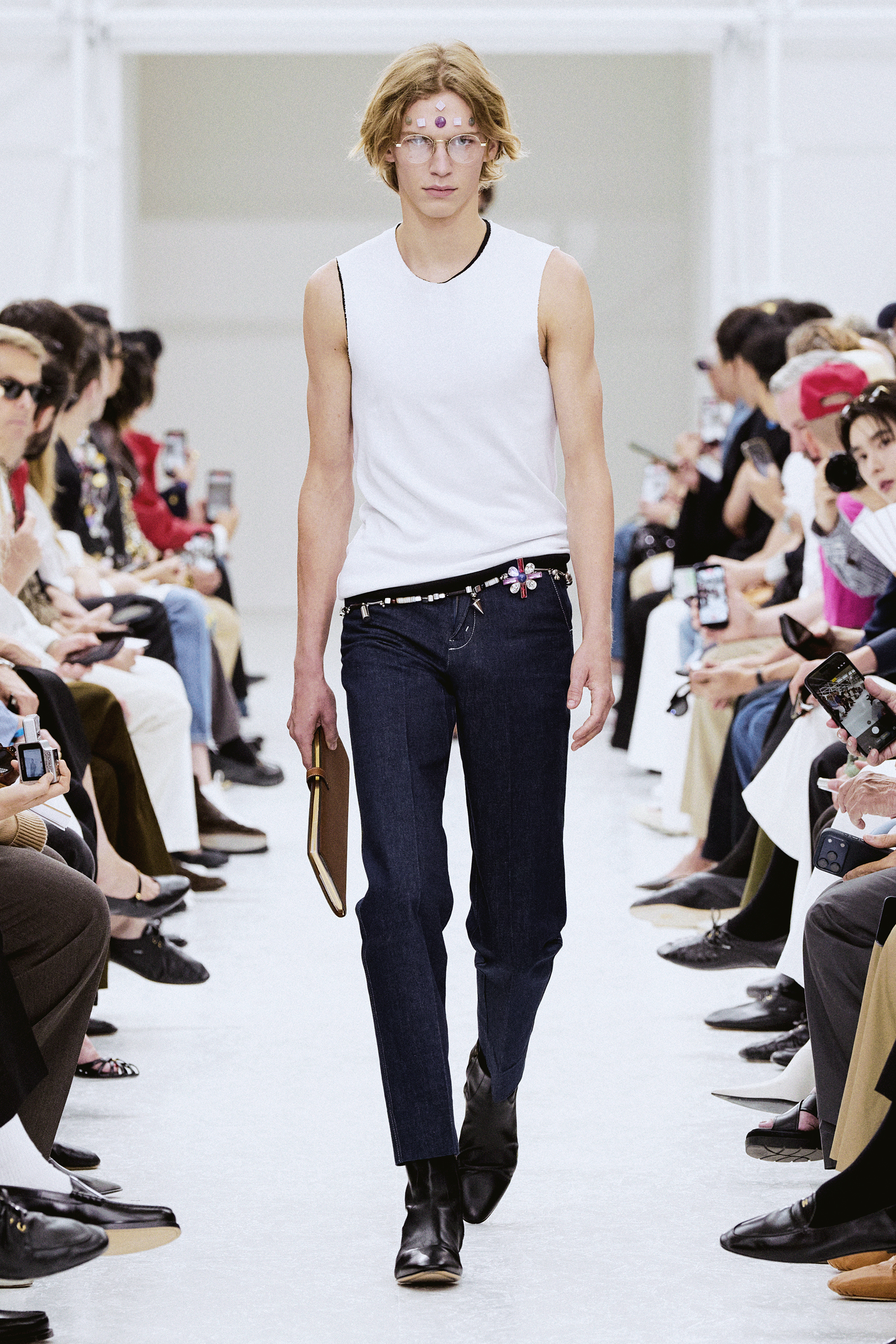
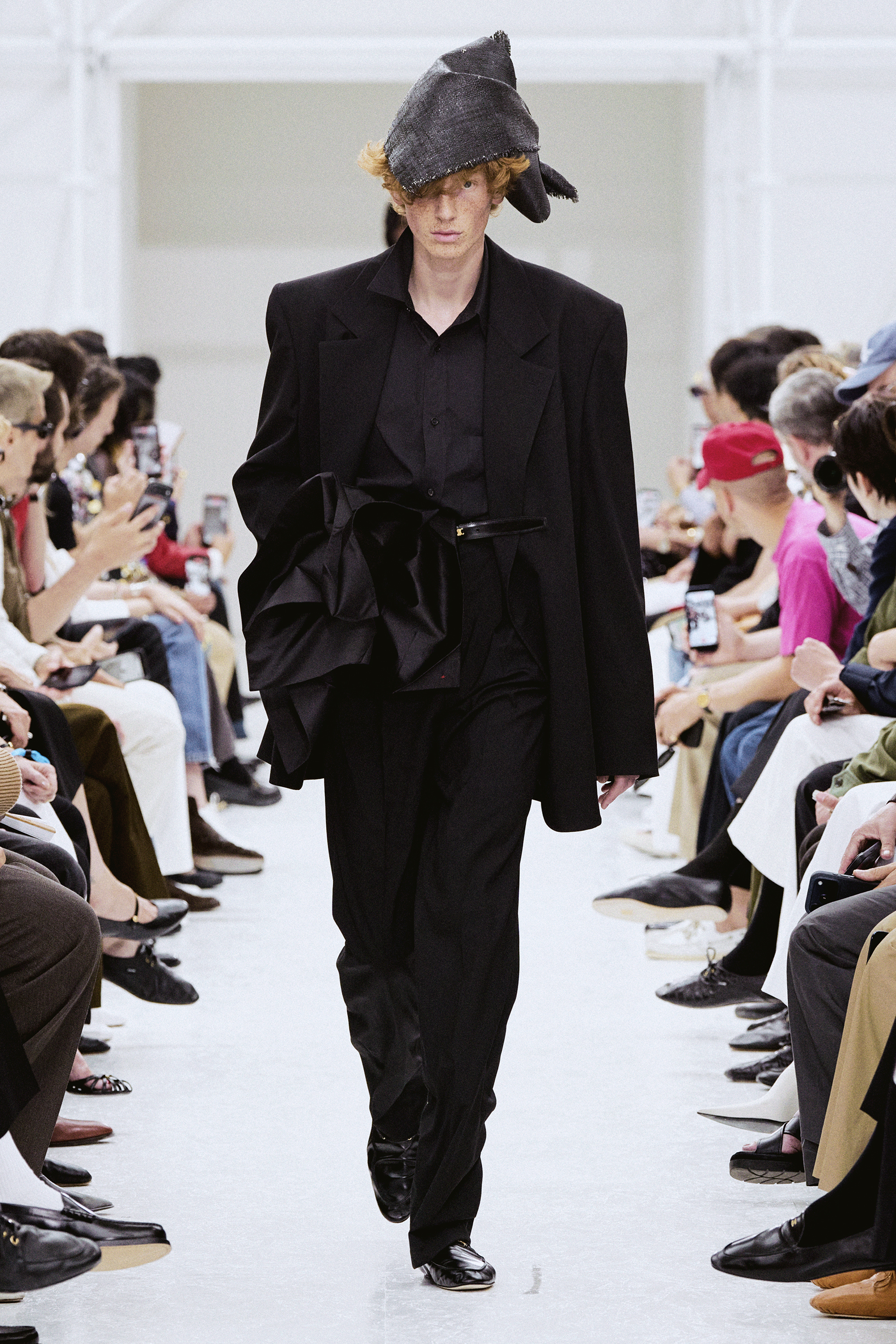
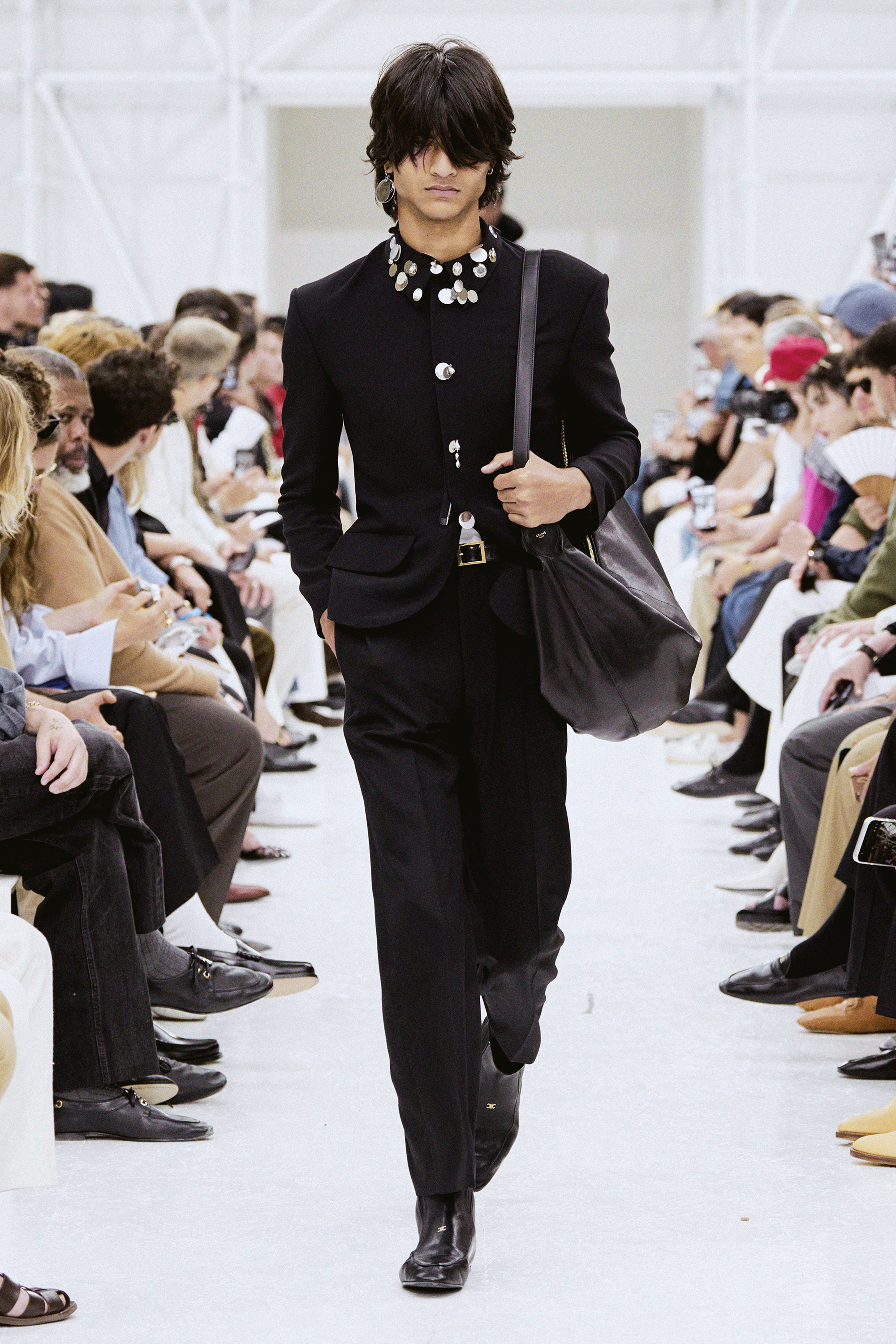
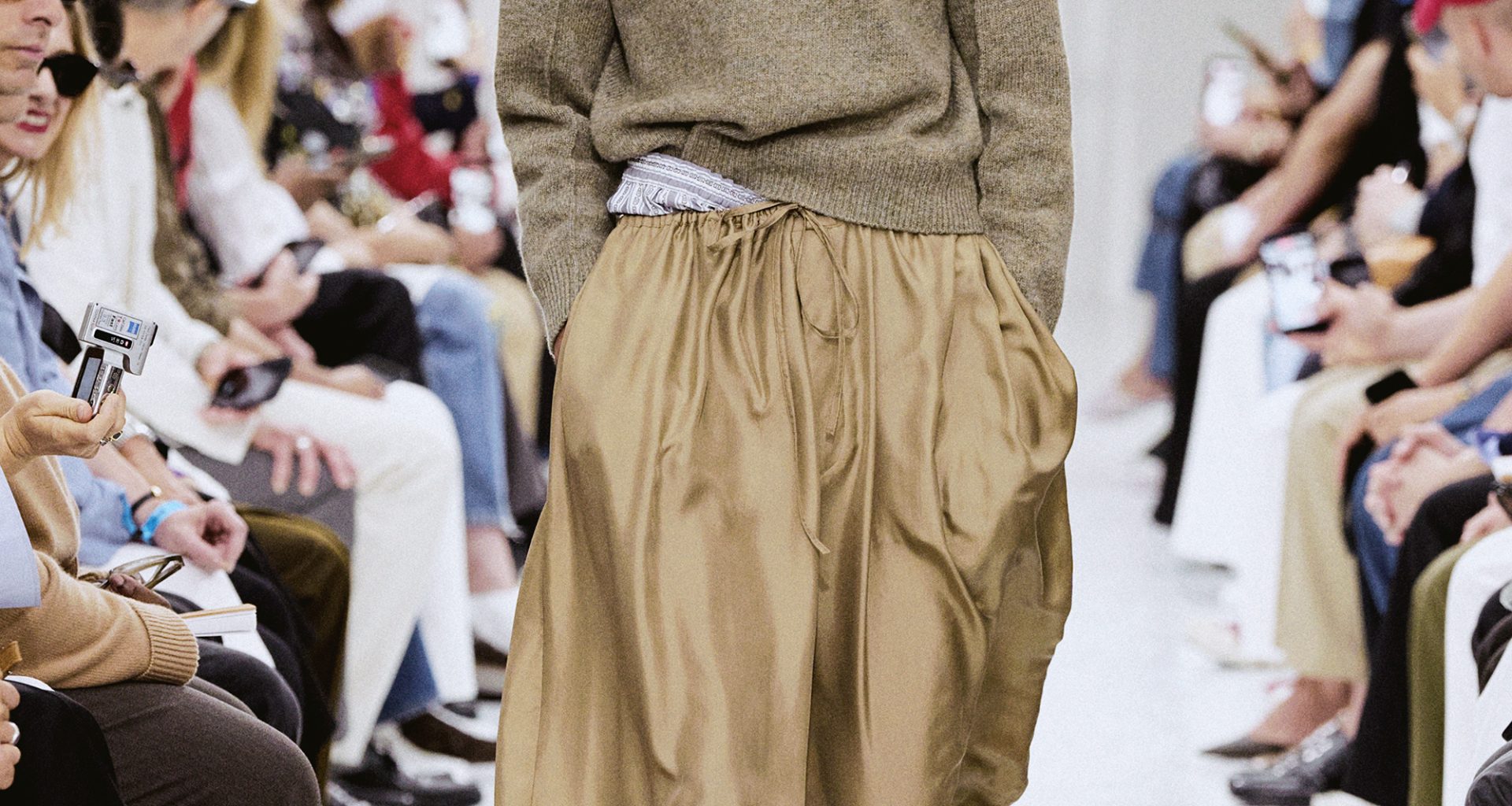
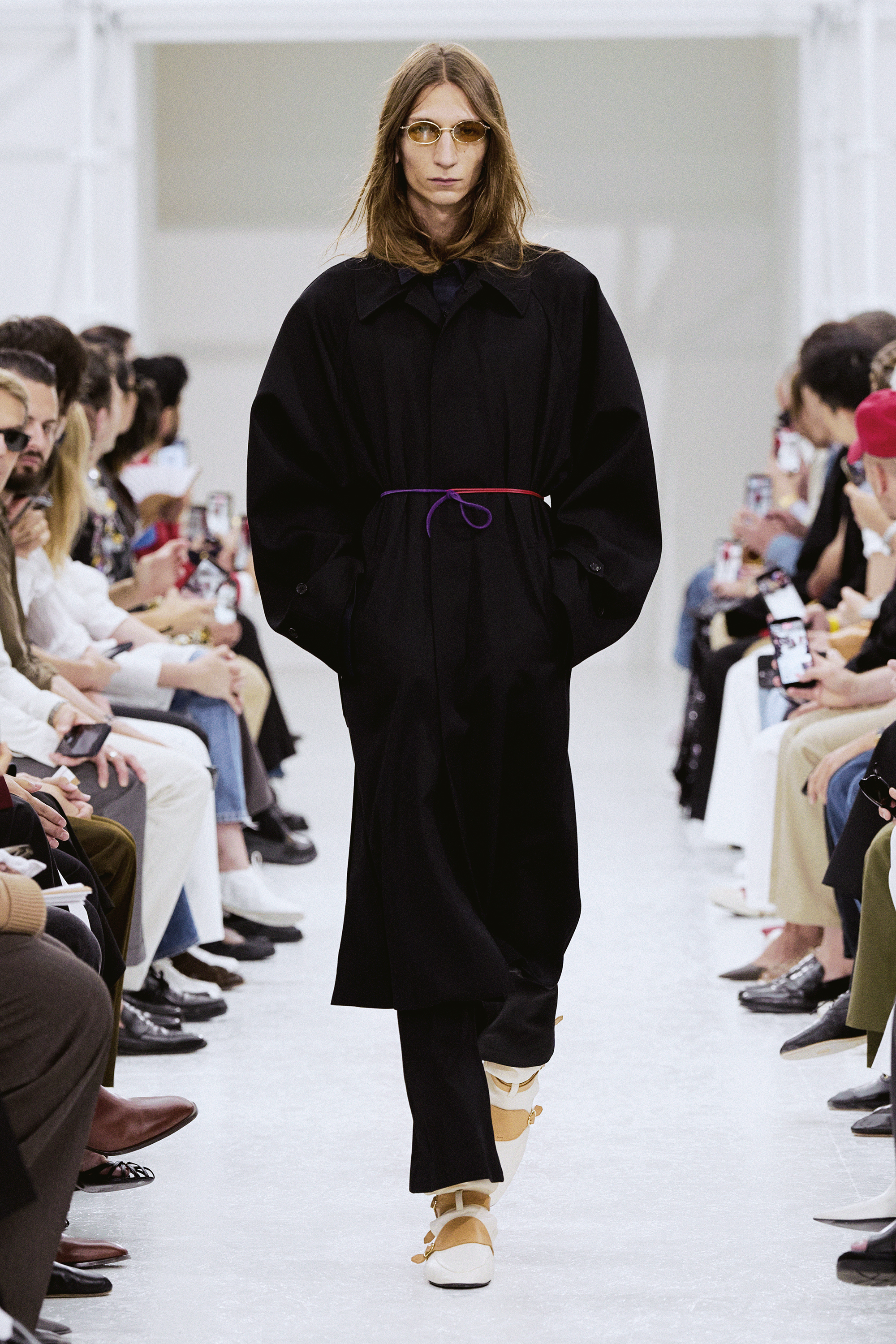
His first standalone menswear show isn’t interested in creating another uniform. Instead, it proposes something increasingly rare in contemporary fashion: character. Not one character, but many. Tailoring collides with balloon trousers. Razor-sharp skinny silhouettes coexist with oversized coats. A beaded tie meets a worn rugby shirt; an impeccably cut blazer sits next to ripped denim; precious leather shares the runway with clothes that look as though they’ve already lived a thousand summers.
Nothing feels nostalgic. Nothing feels forced.
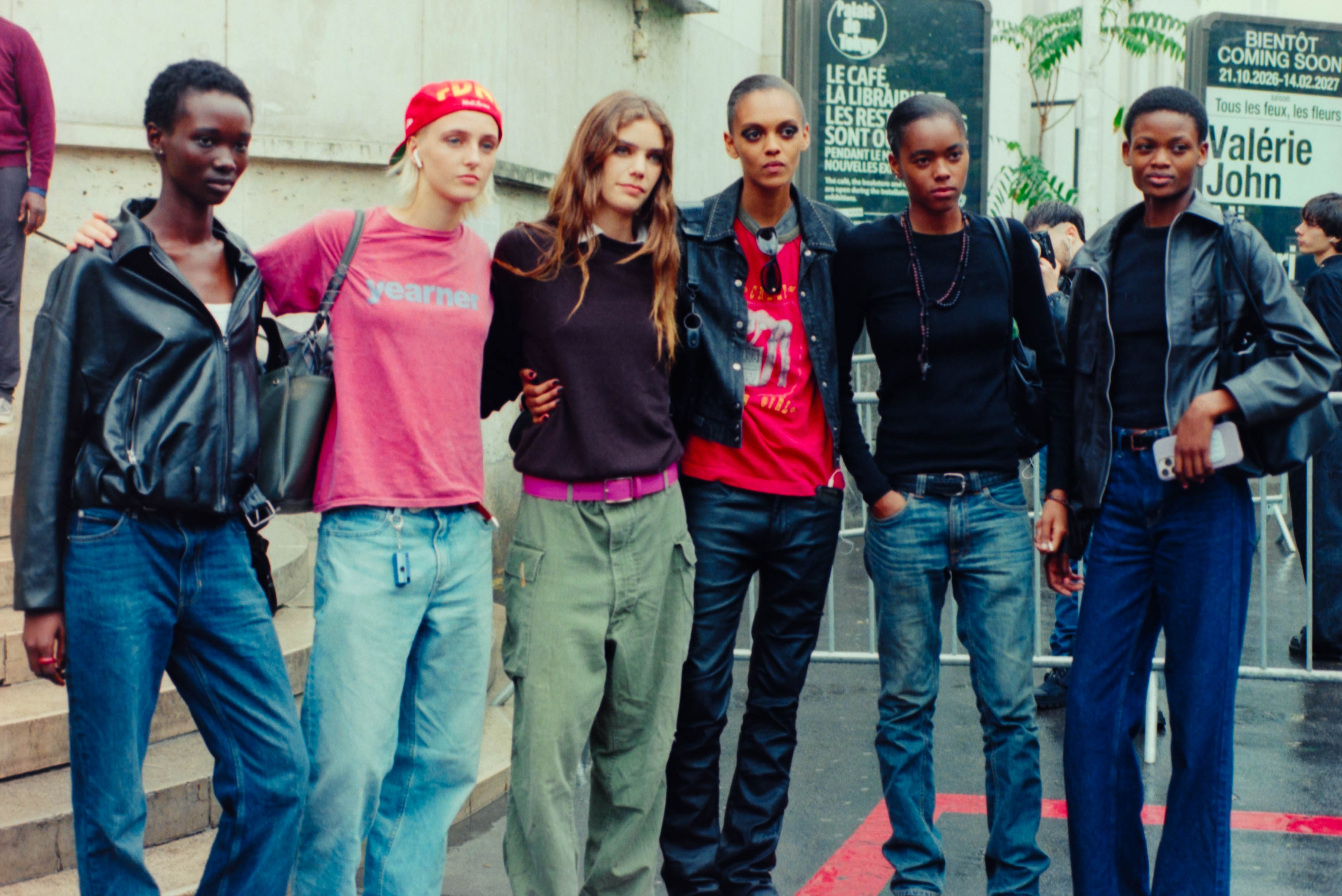
The collection unfolds like a cast rather than a single story, echoing Rider’s own words: “the clothes and the characters.” These aren’t looks assembled to perform an aesthetic for social media. They feel collected, inherited, customised, improvised—built over time instead of overnight.
That philosophy runs through every line of the show’s manifesto. Making do with a few great things. Free-styling. Being yourself, being on your own tip. They read less like fashion notes than fragments of a personal diary, rejecting the industry’s obsession with novelty in favour of instinct, memory and sincerity.
Even the clothes embrace contradiction. Tough and tender. Soft and strong. Slim trousers offset by generous tailoring. Bourgeois precision interrupted by schoolboy knitwear, rock-and-roll scarves, eccentric jewellery and shirts destined for long summer nights. The tension never resolves—and that’s precisely the point.
Rather than erasing Celine’s past, Rider allows different chapters of the house to coexist. There are echoes of Parisian bourgeois dressing, traces of American sportswear, flashes of youthful irreverence and a renewed appreciation for craftsmanship. The result isn’t a tribute to Phoebe Philo or Hedi Slimane. It’s something far more confident: a designer acknowledging the foundations of the house while refusing to become trapped by them.
Perhaps the most radical gesture is also the simplest. Rider never speaks about luxury. Instead, he talks about possibility. About music. About spending time outside. About returning to places you’ve known forever and somehow seeing them differently. About taking risks without performing them.
In an era where fashion often mistakes branding for identity, Celine Spring–Summer 2027 argues that style isn’t something you adopt—it’s something you uncover.
Not louder.
Just more sincerely your own.