by Giorgia Cantarini
For her first standalone menswear show, Simone Rocha brought lace, tailoring and emotional vulnerability to Florence, proposing a new and more intimate vision of masculinity for Spring/Summer 2027
For her first menswear show, Simone Rocha brought lace, intimacy and emotional tension to Pitti Uomo 110, challenging the traditional codes of male dressing for her Spring Summer 2027 show.
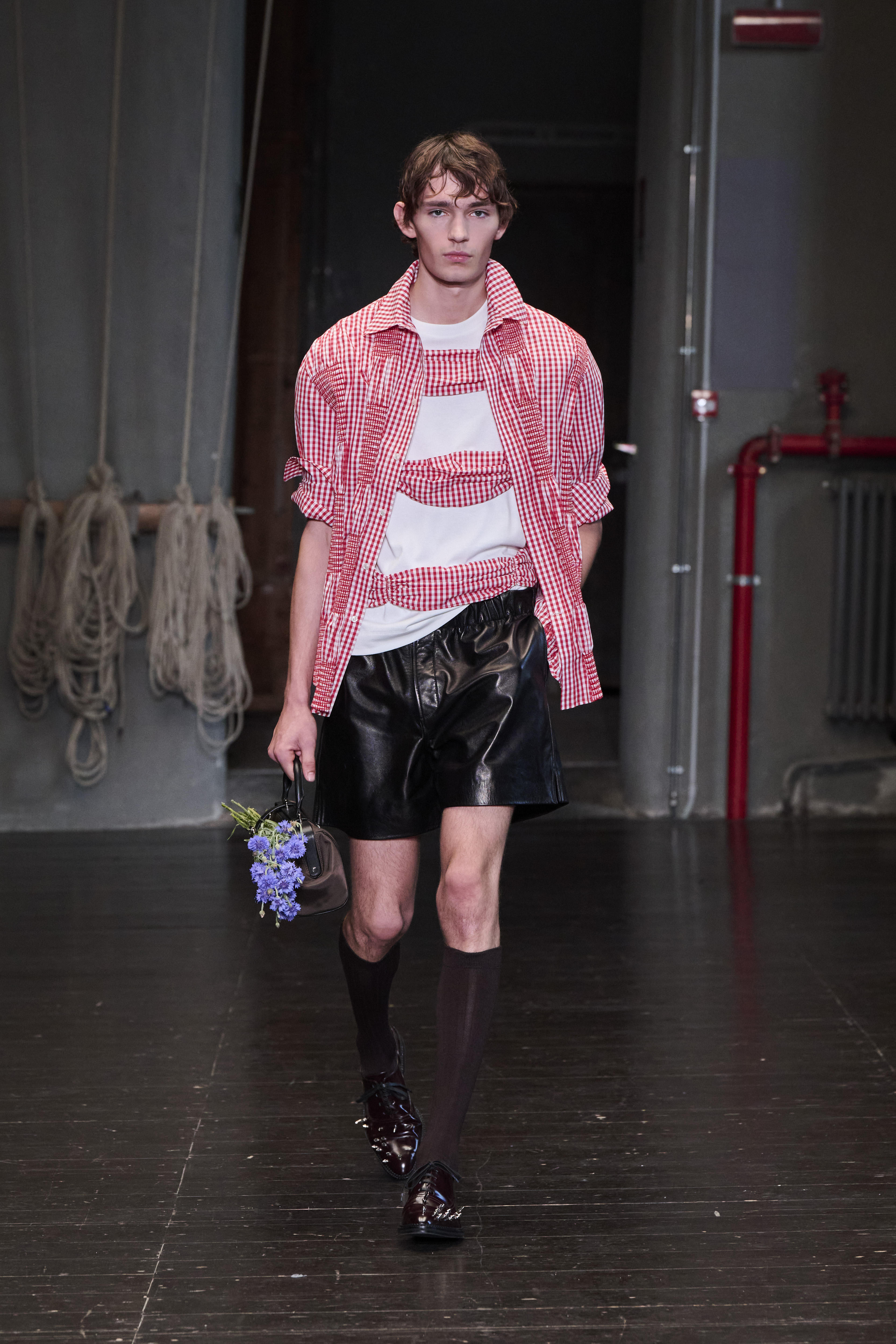
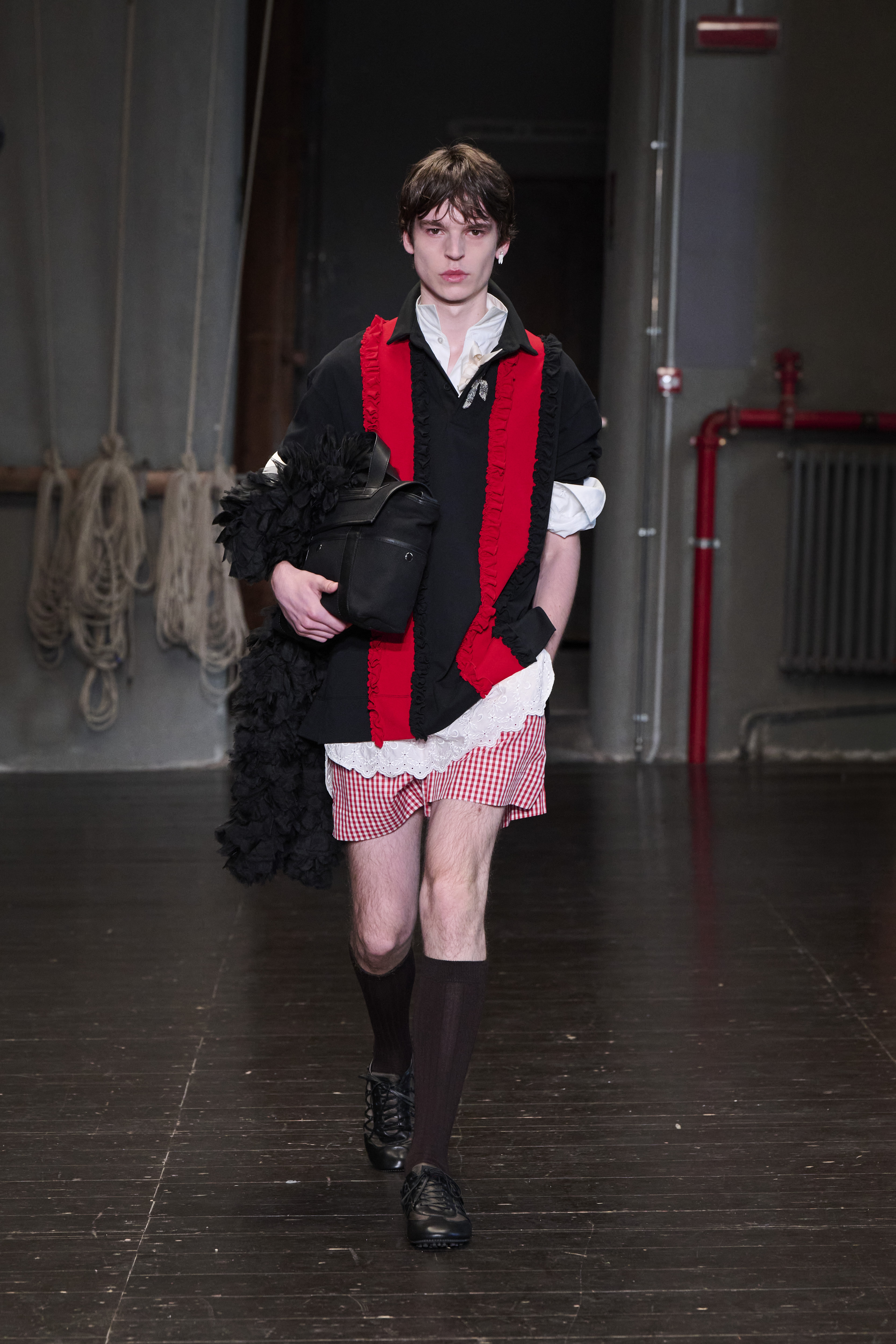
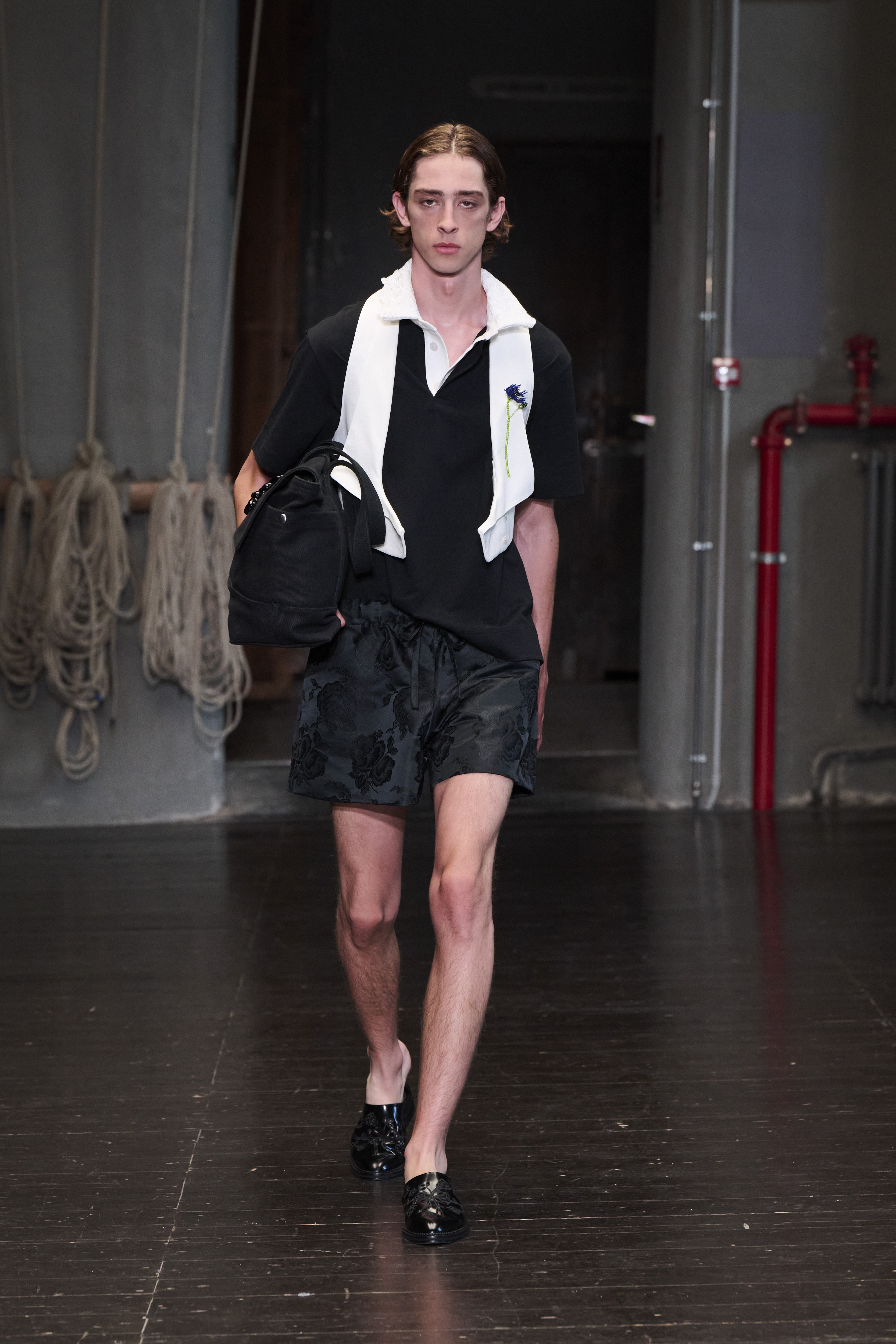
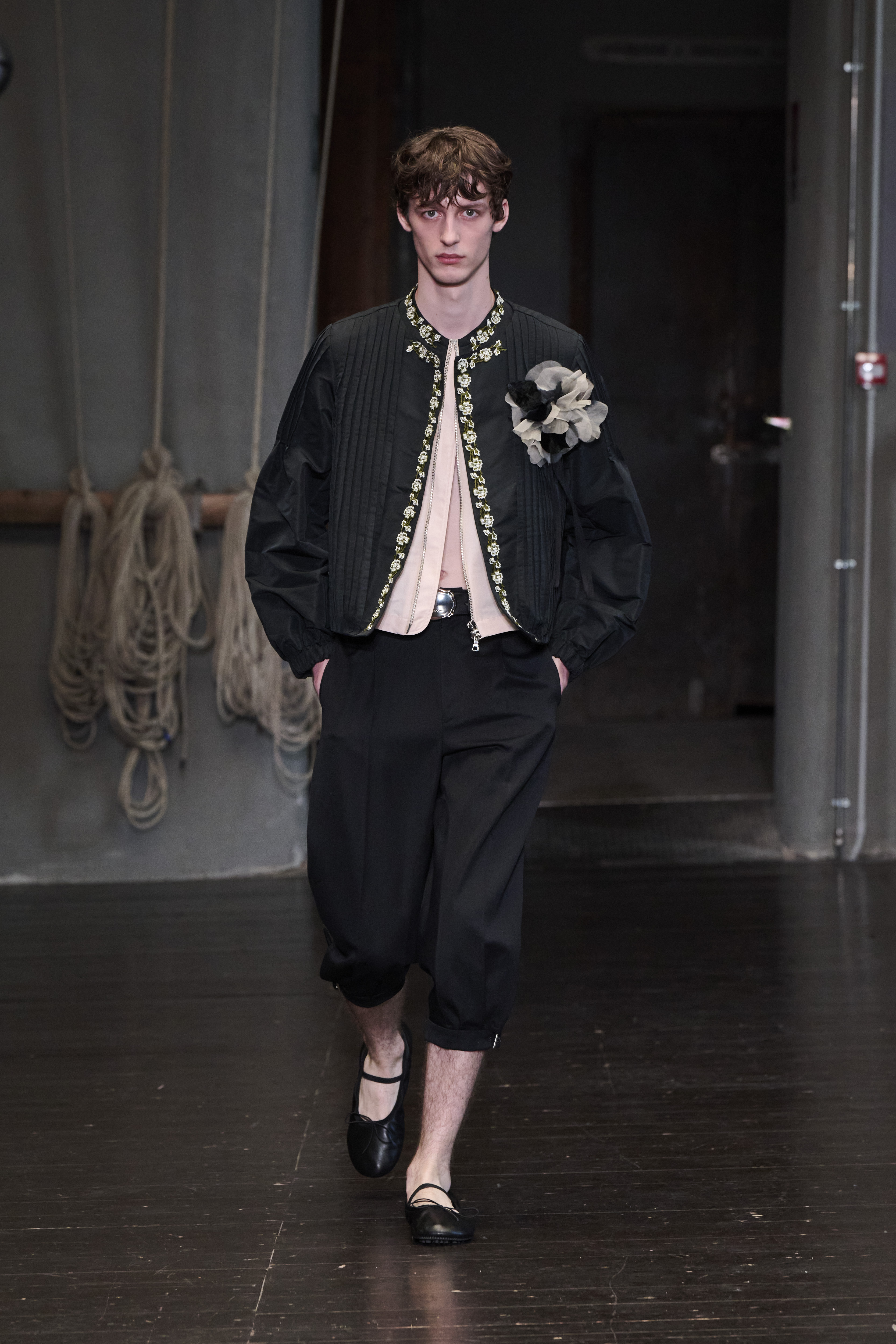
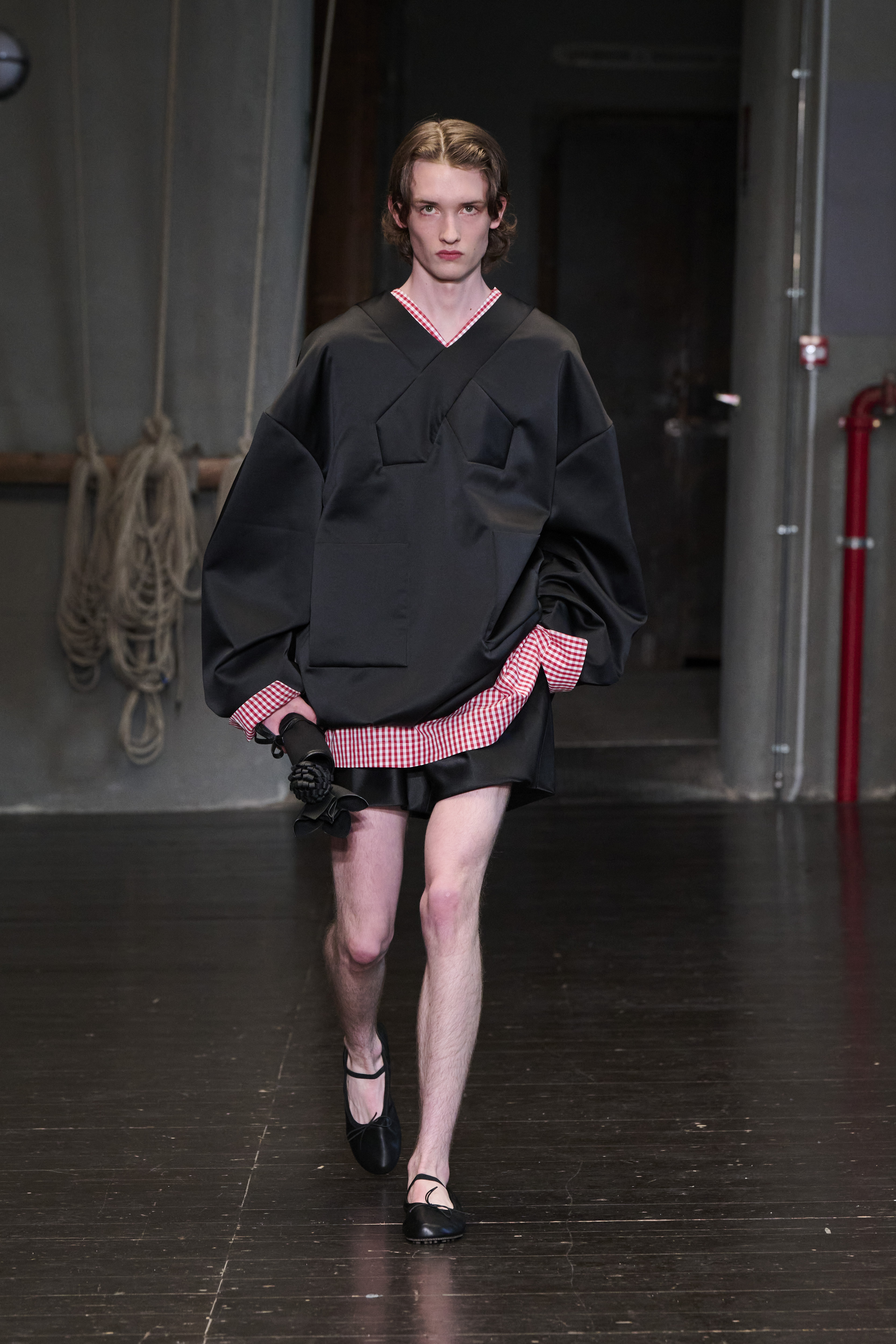
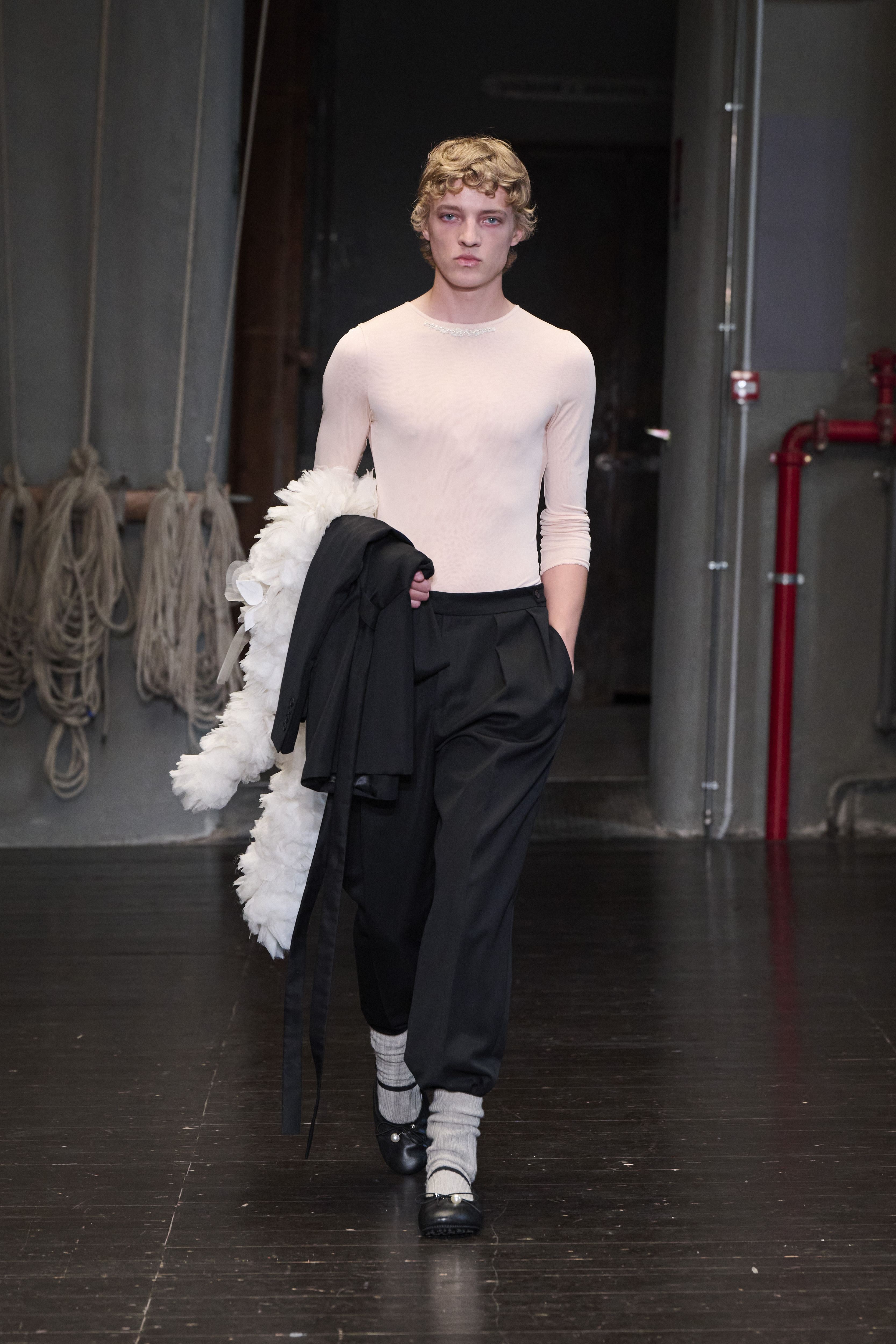
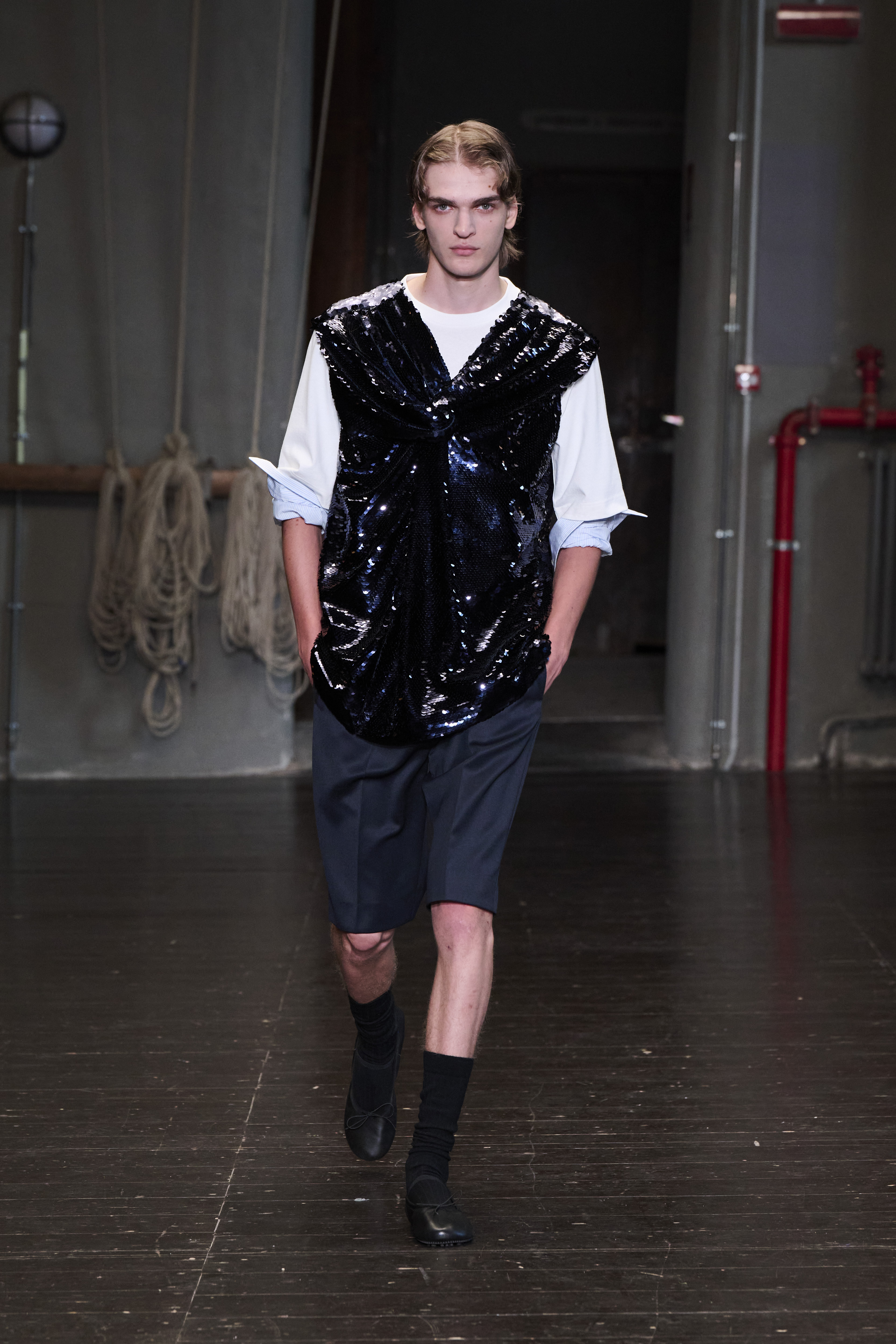
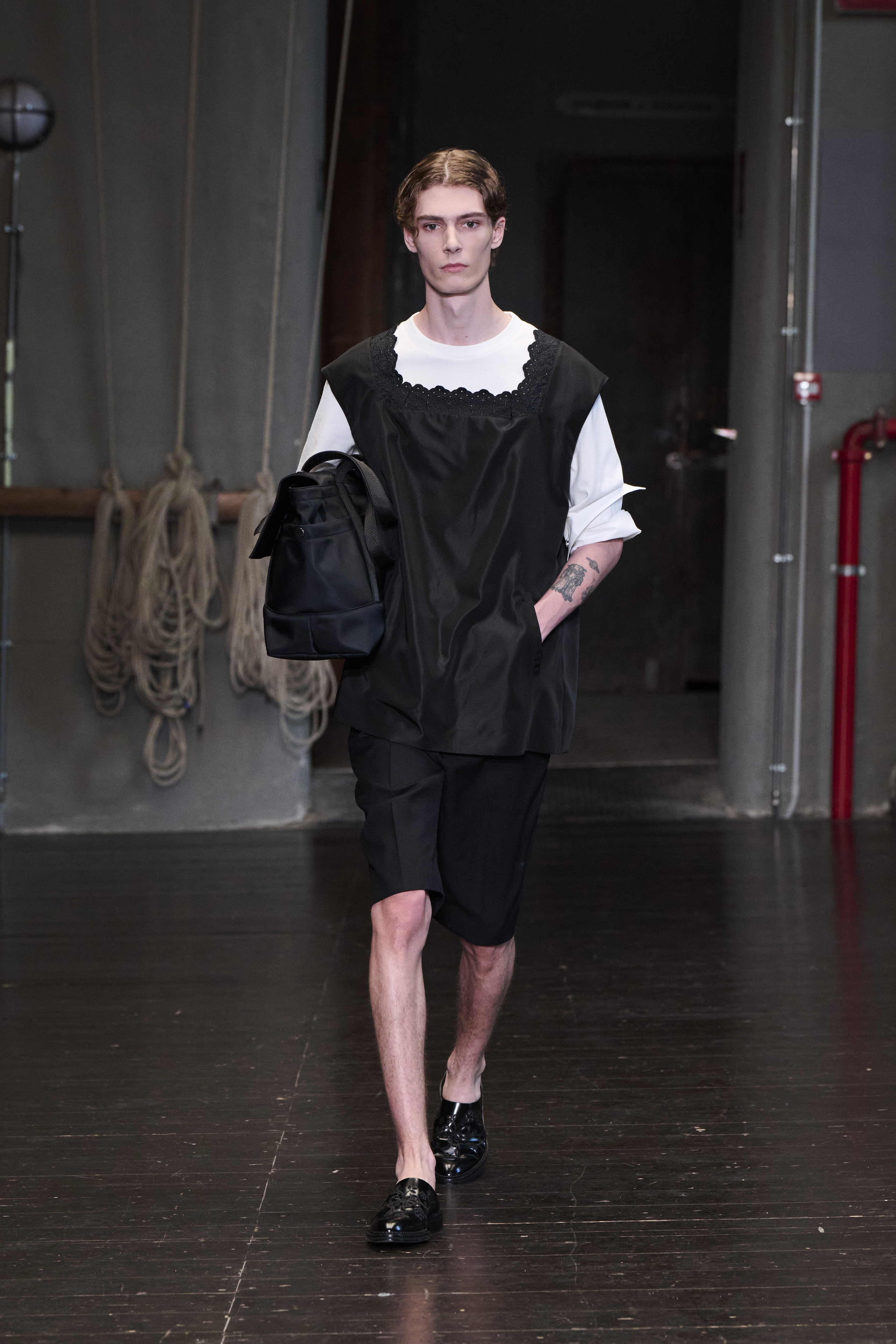
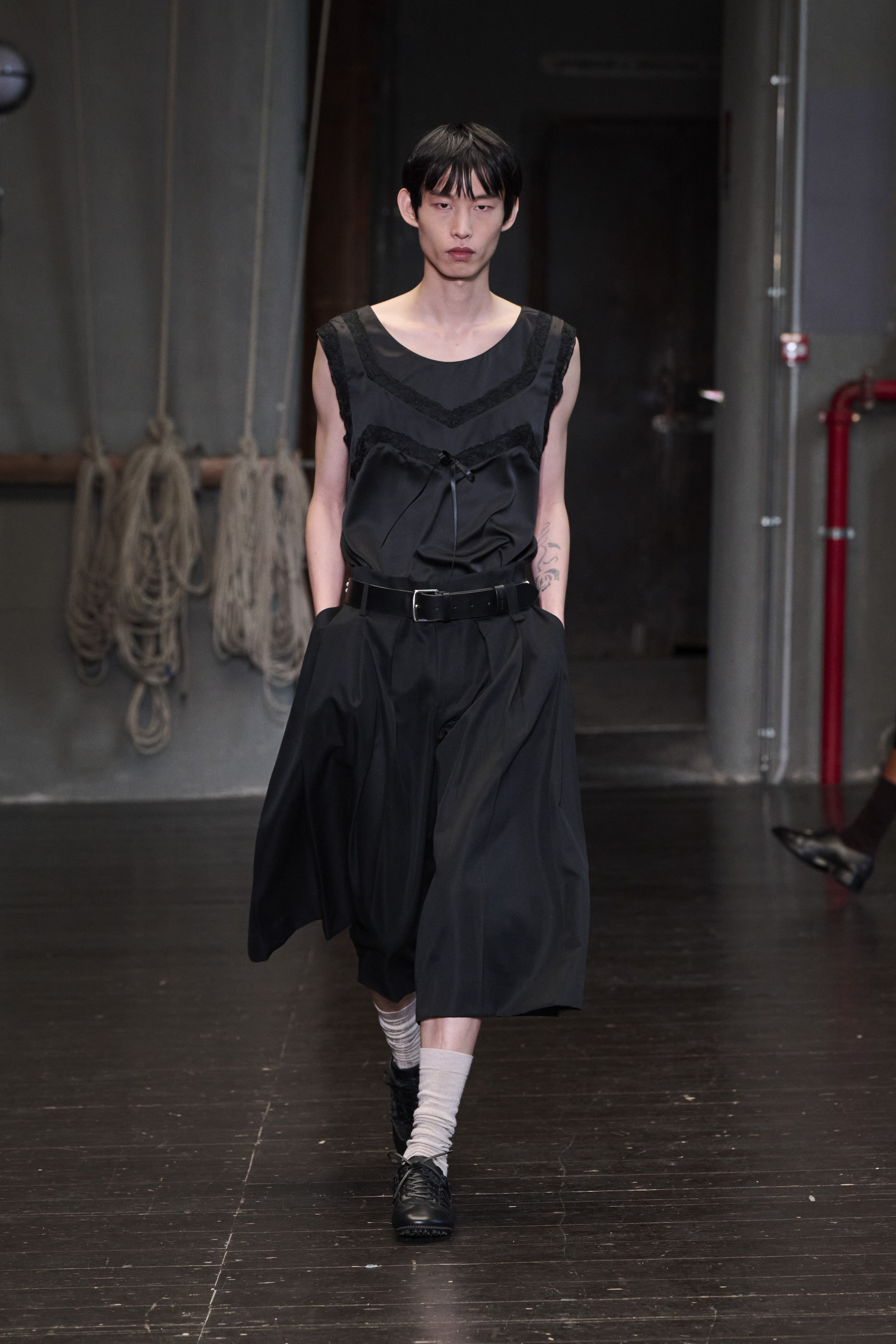
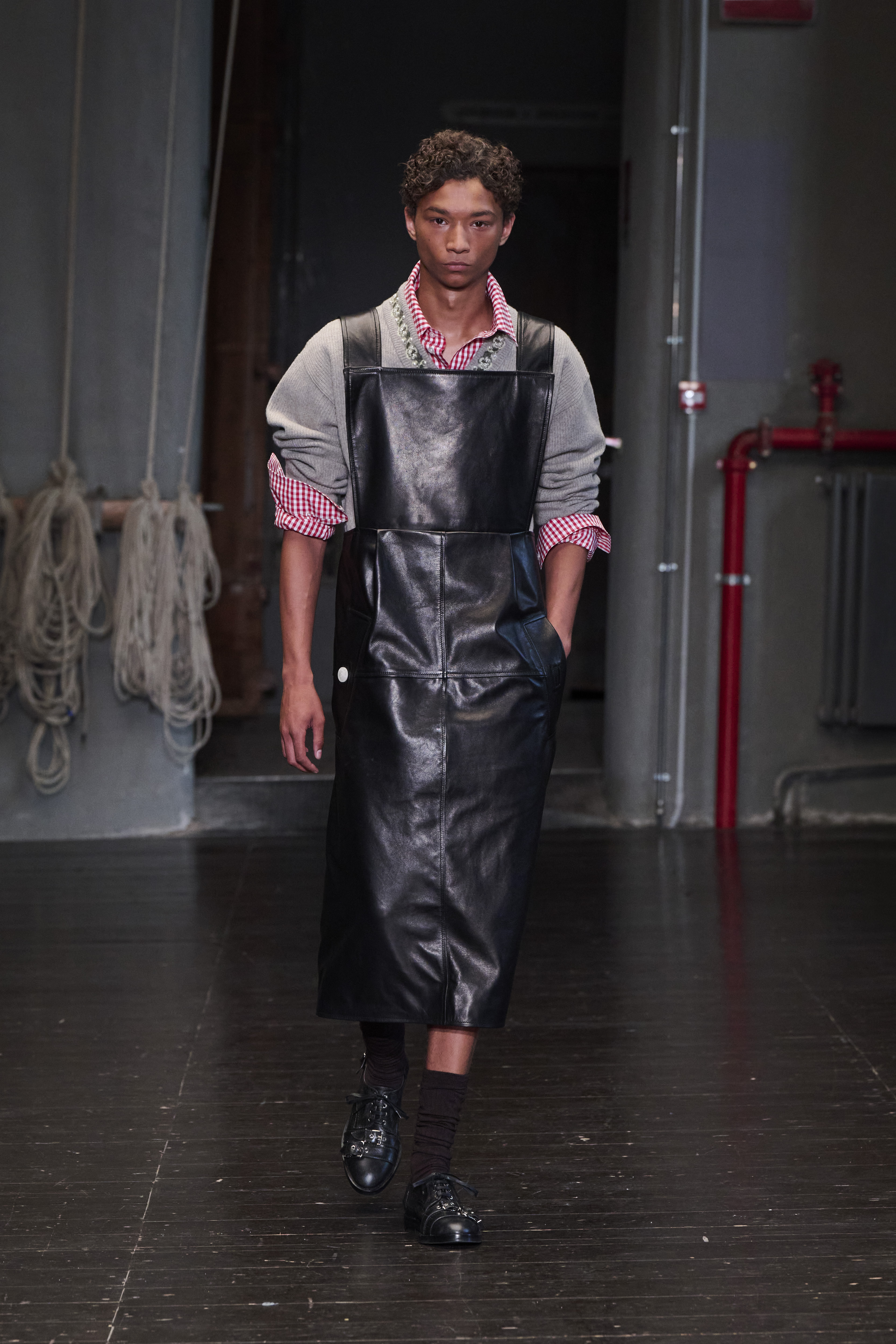
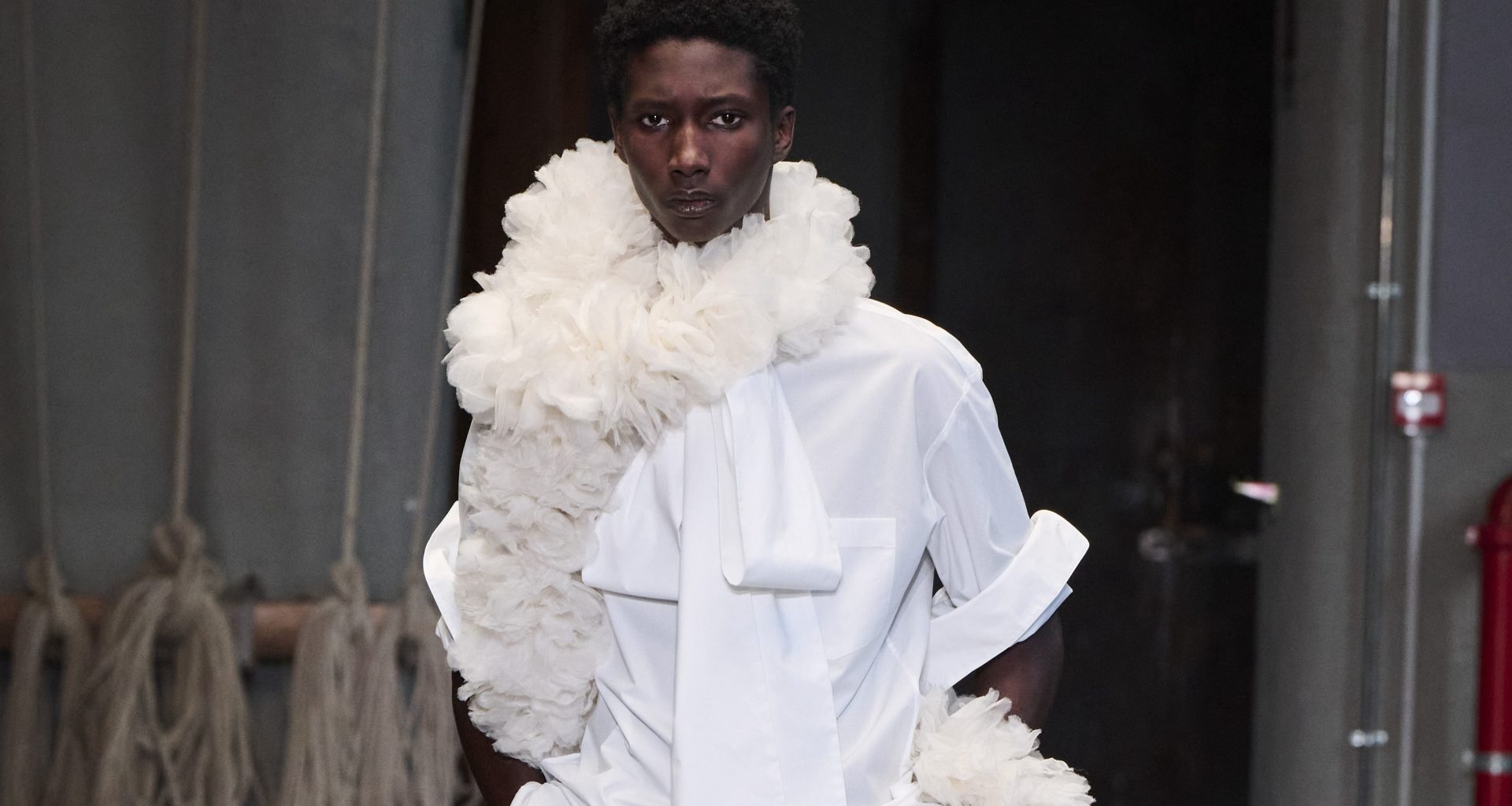
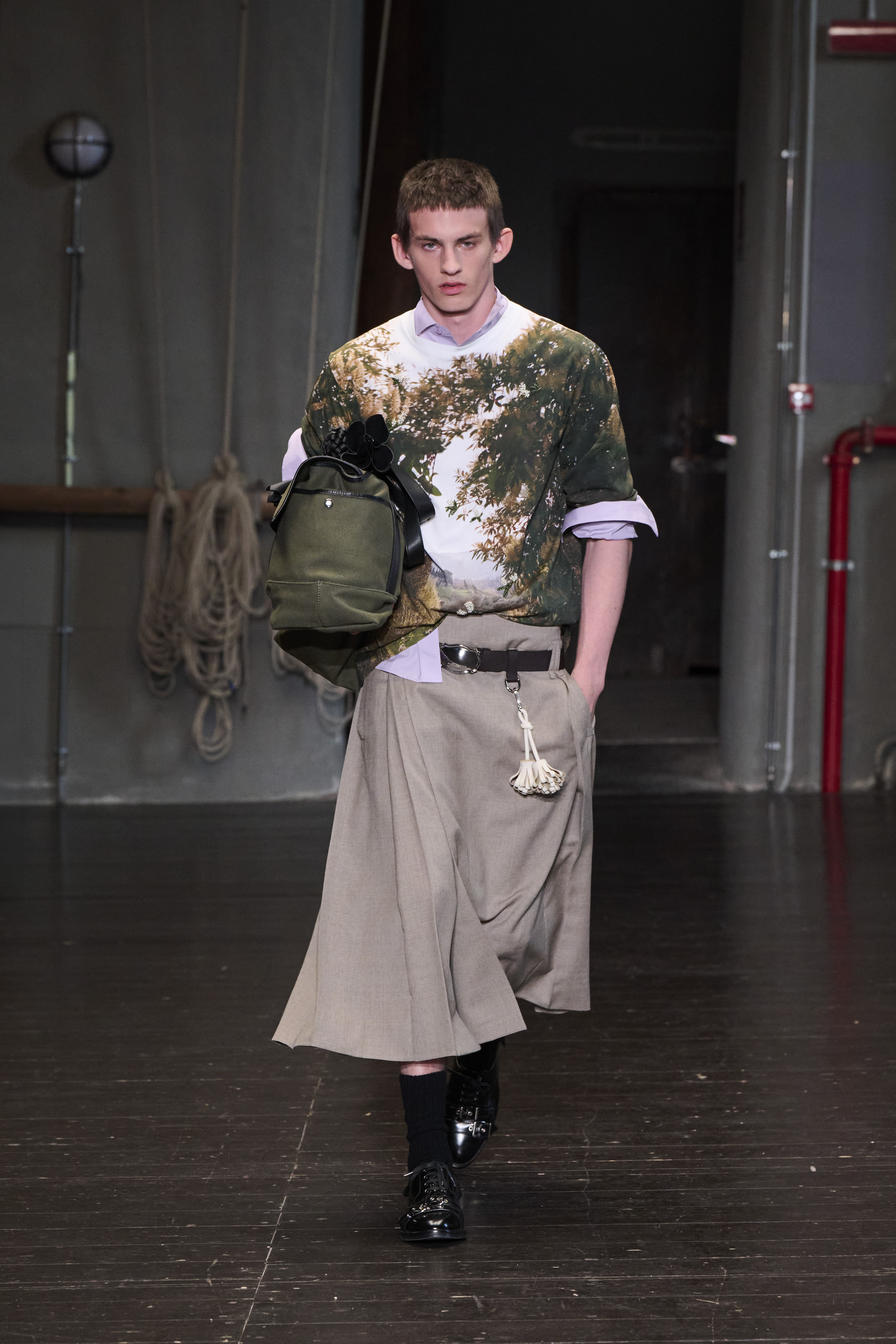
Presented inside Florence’s Teatro della Pergola, the Spring/Summer 2027 collection introduced a different kind of masculinity: romantic but not fragile, decorative without losing strength. Classic tailoring was opened, layered and disrupted. Jackets exposed the back. Boxer shorts appeared beneath structured silhouettes. Lace tops, broderie anglaise shirts and soft knits were combined with leather coats, technical fabrics and practical outerwear.
The contrasts felt distinctly Rocha. Delicacy met utility. Innocence met rebellion, masculinity and femininity blur the lines. Familiar menswear pieces became more sensual, theatrical and emotionally exposed. This was not about placing feminine details onto men’s clothing. Rocha approached menswear through construction, proportion and attitude, creating a wardrobe in which softness became a form of confidence.
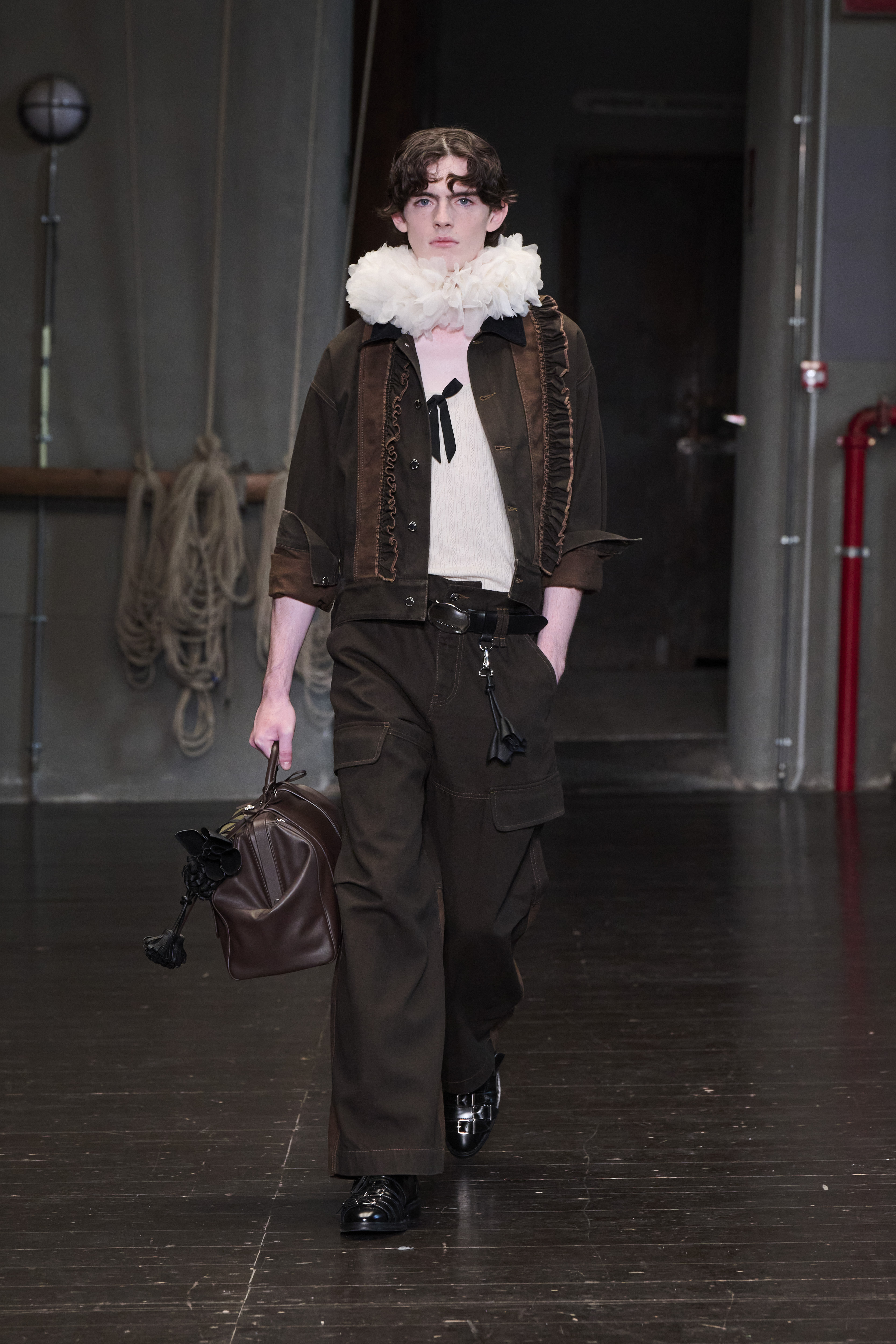
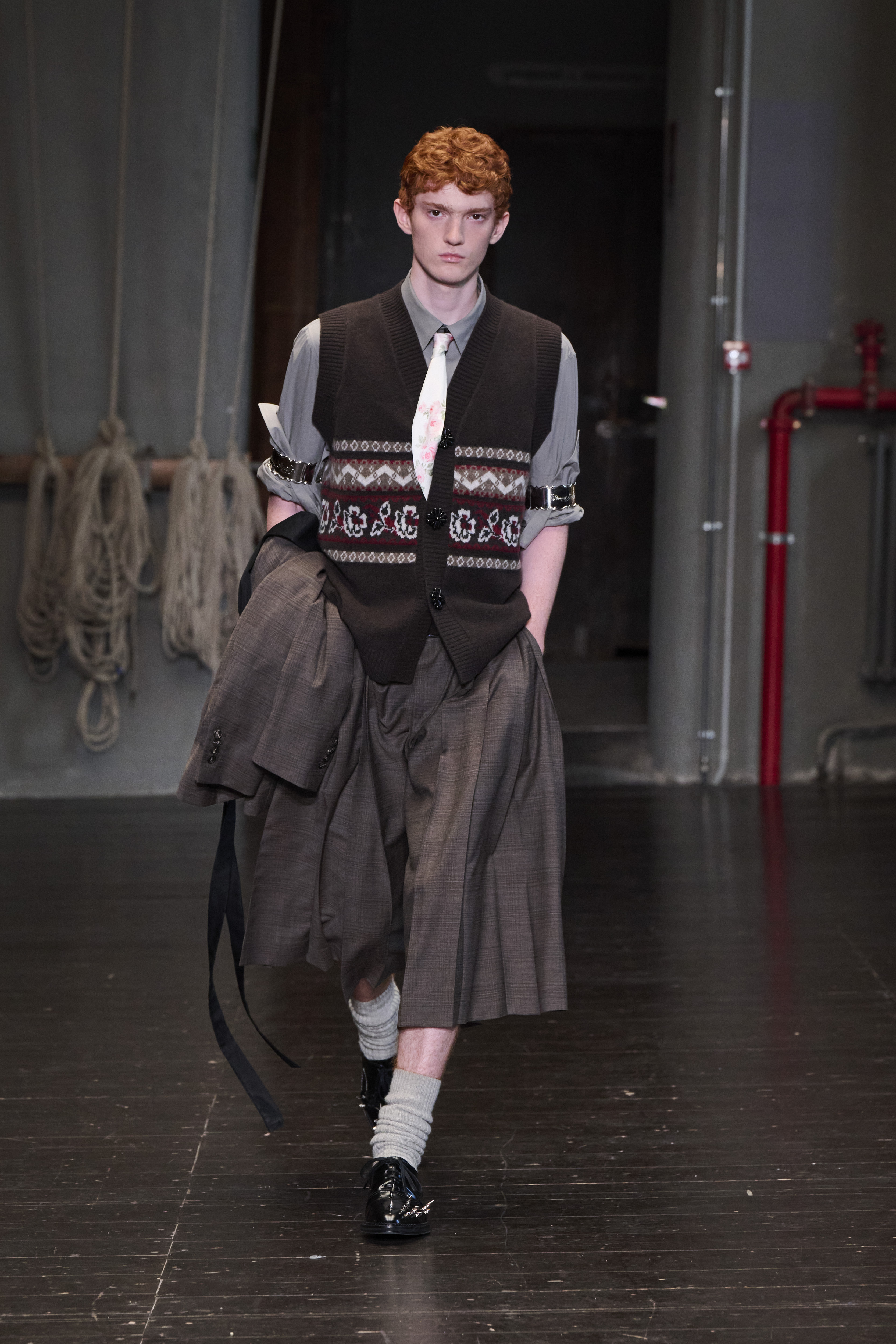
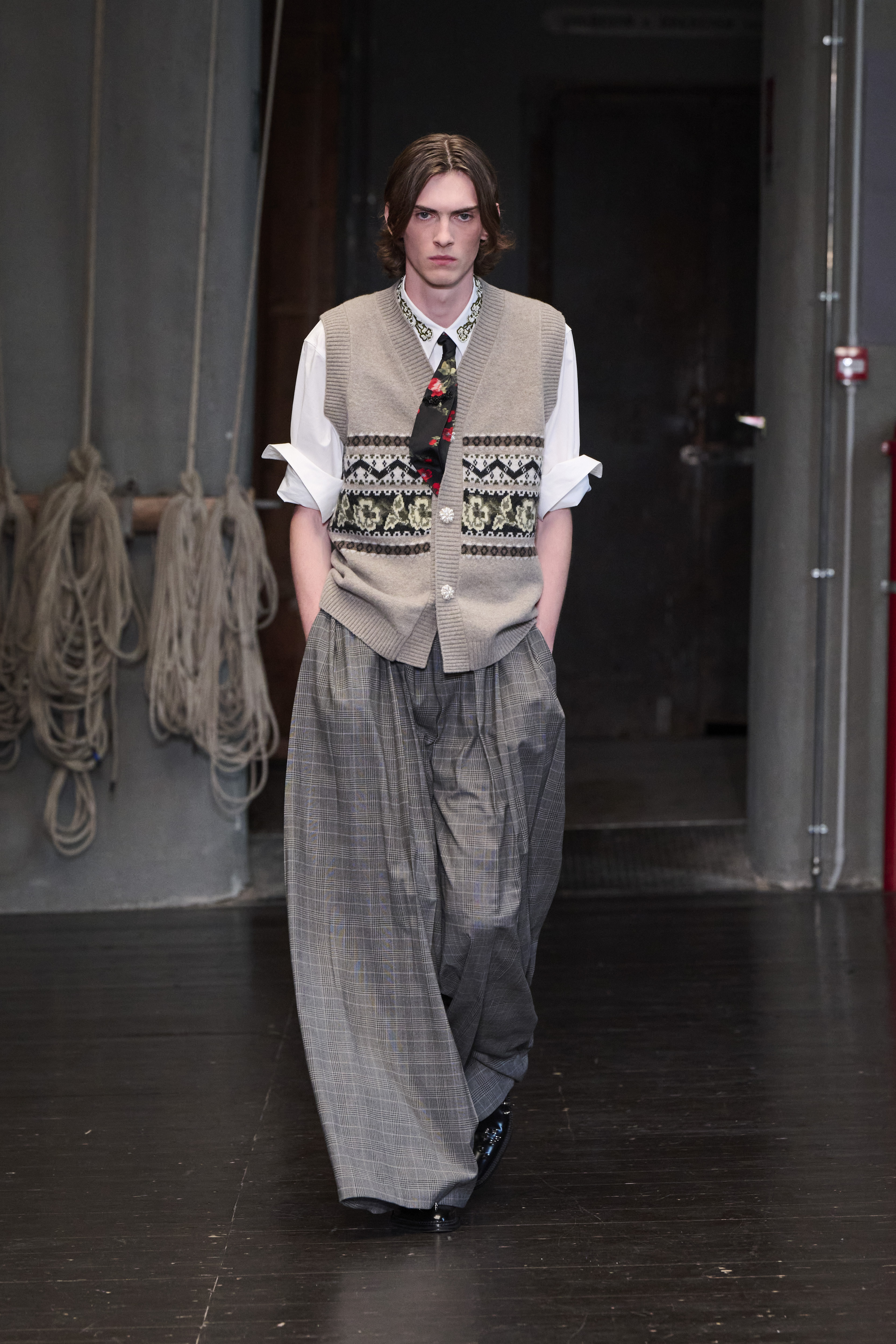
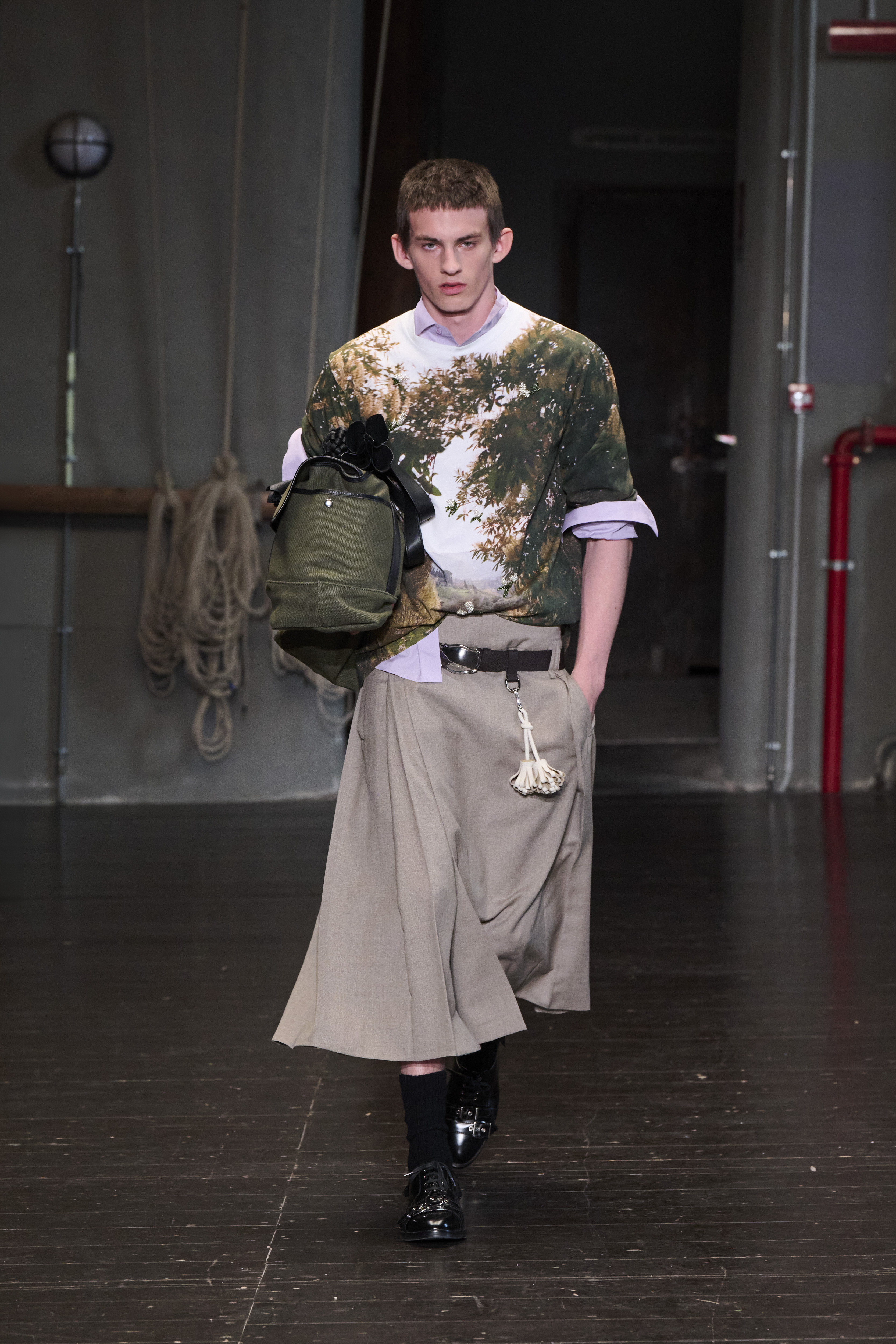
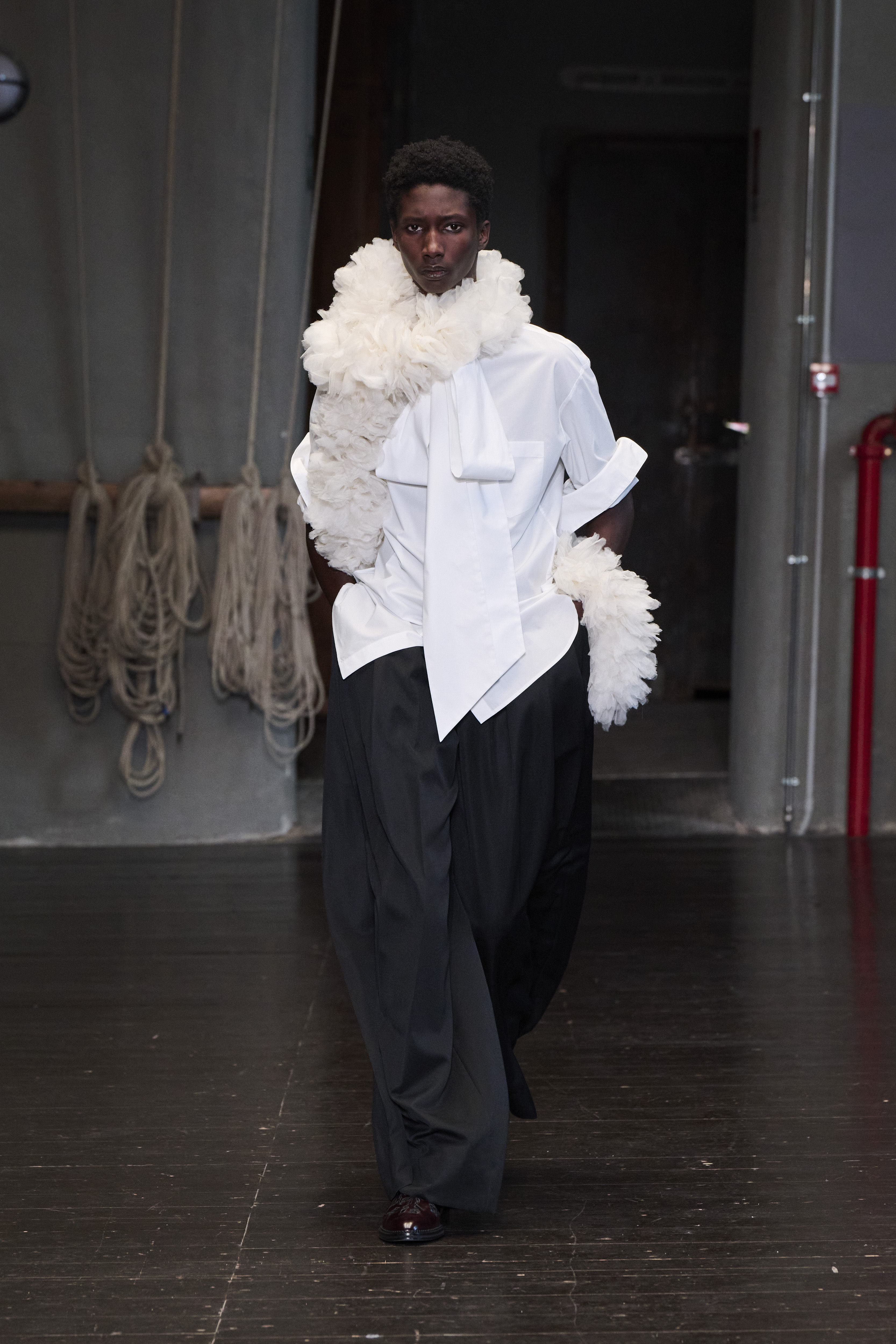
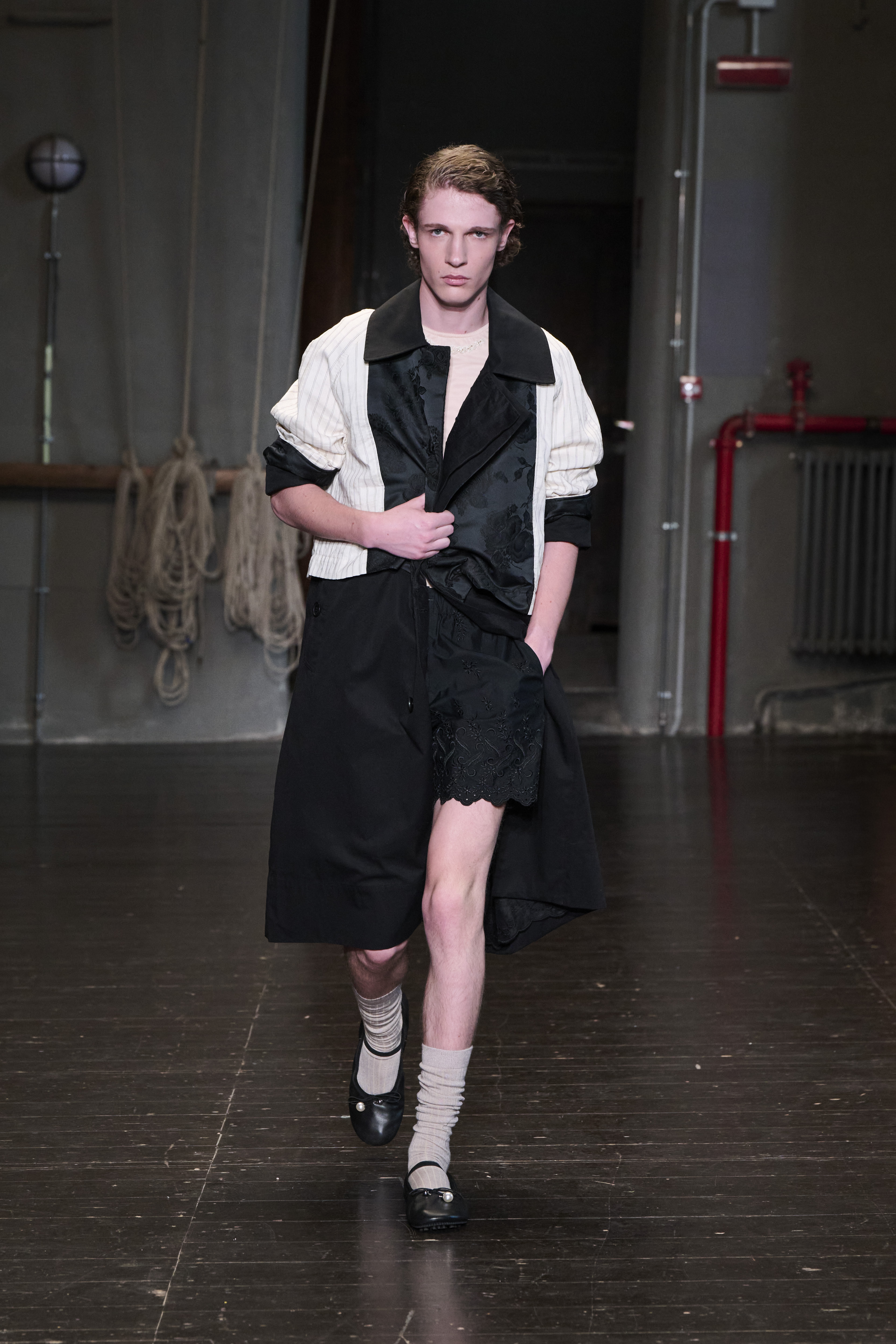
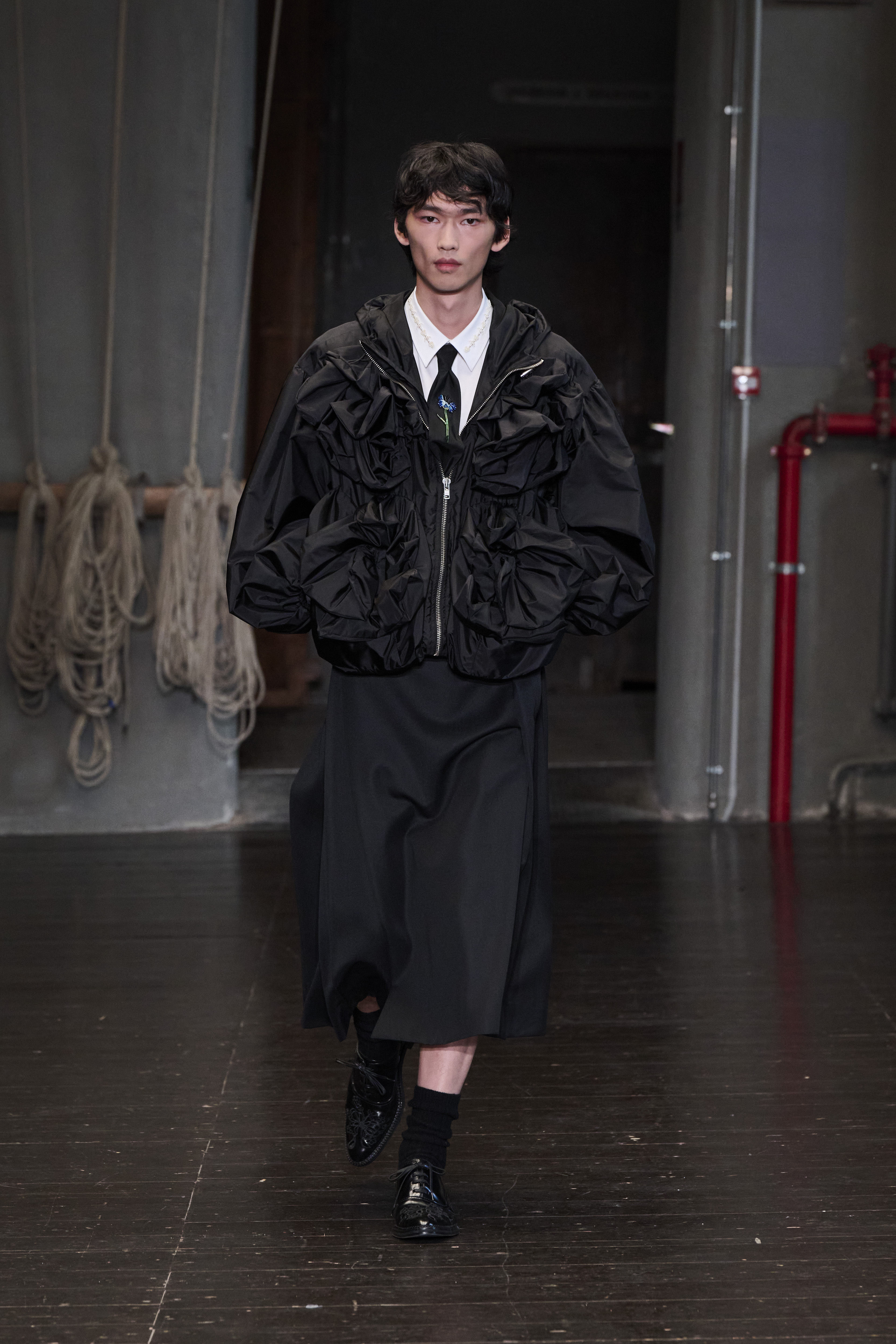
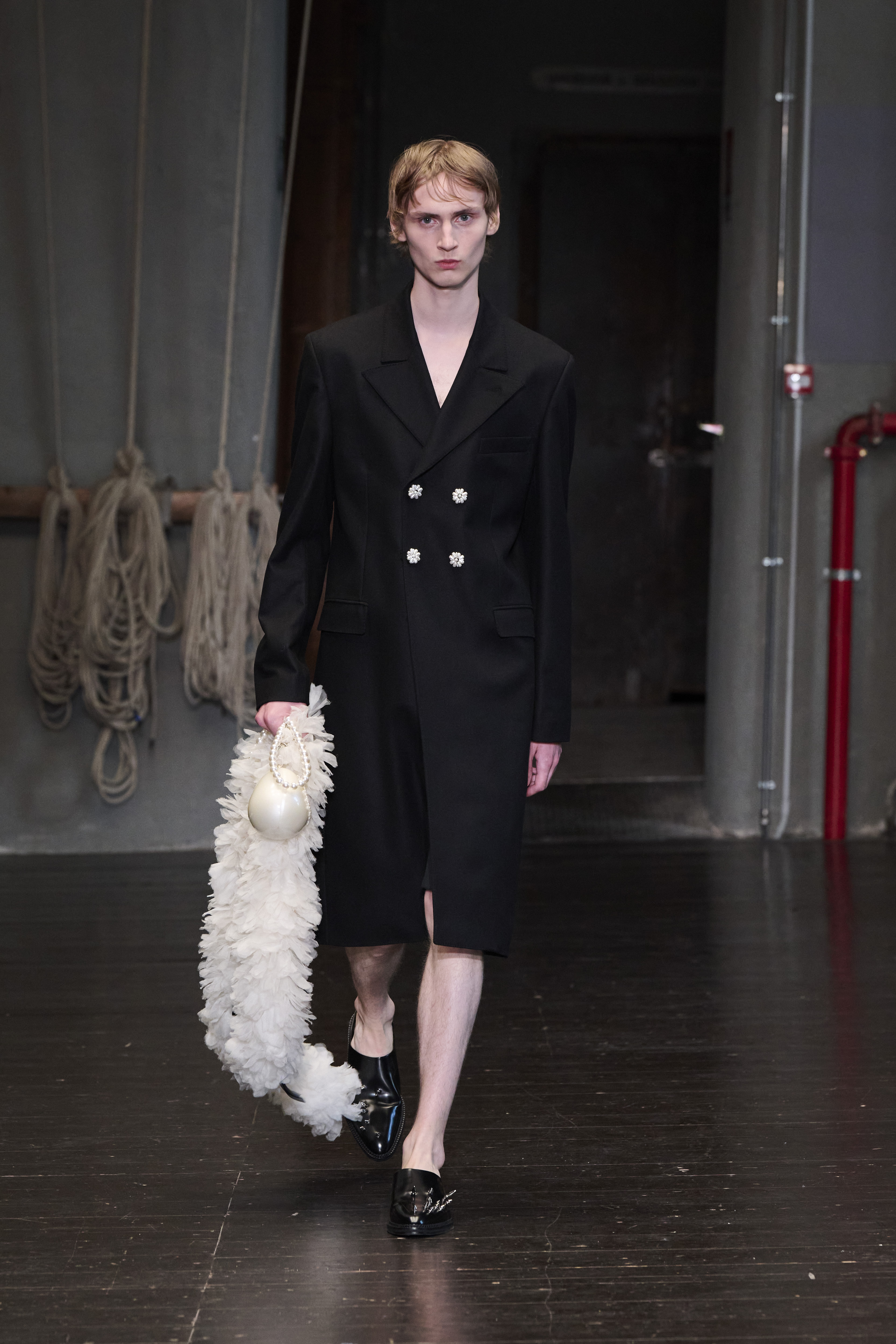
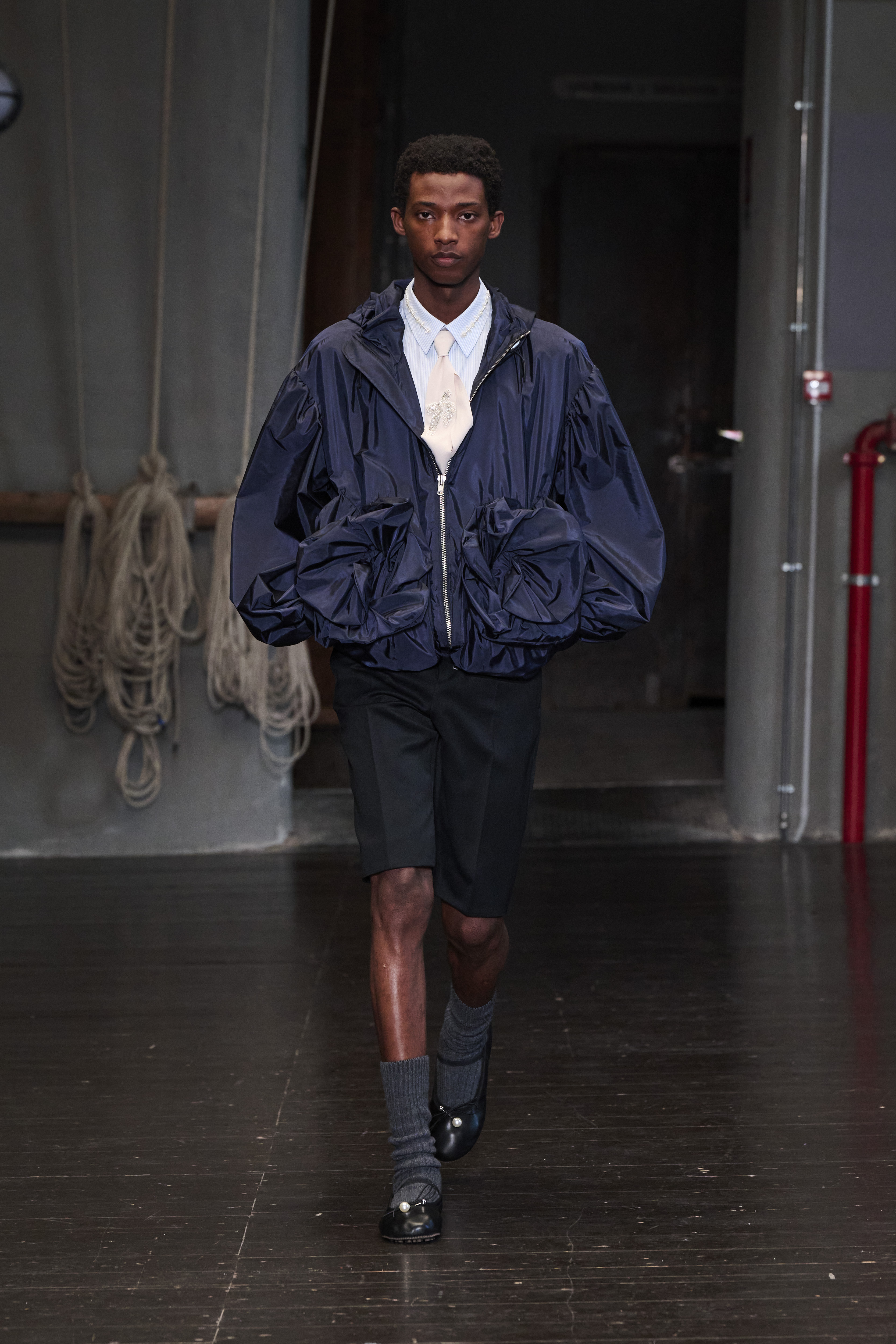
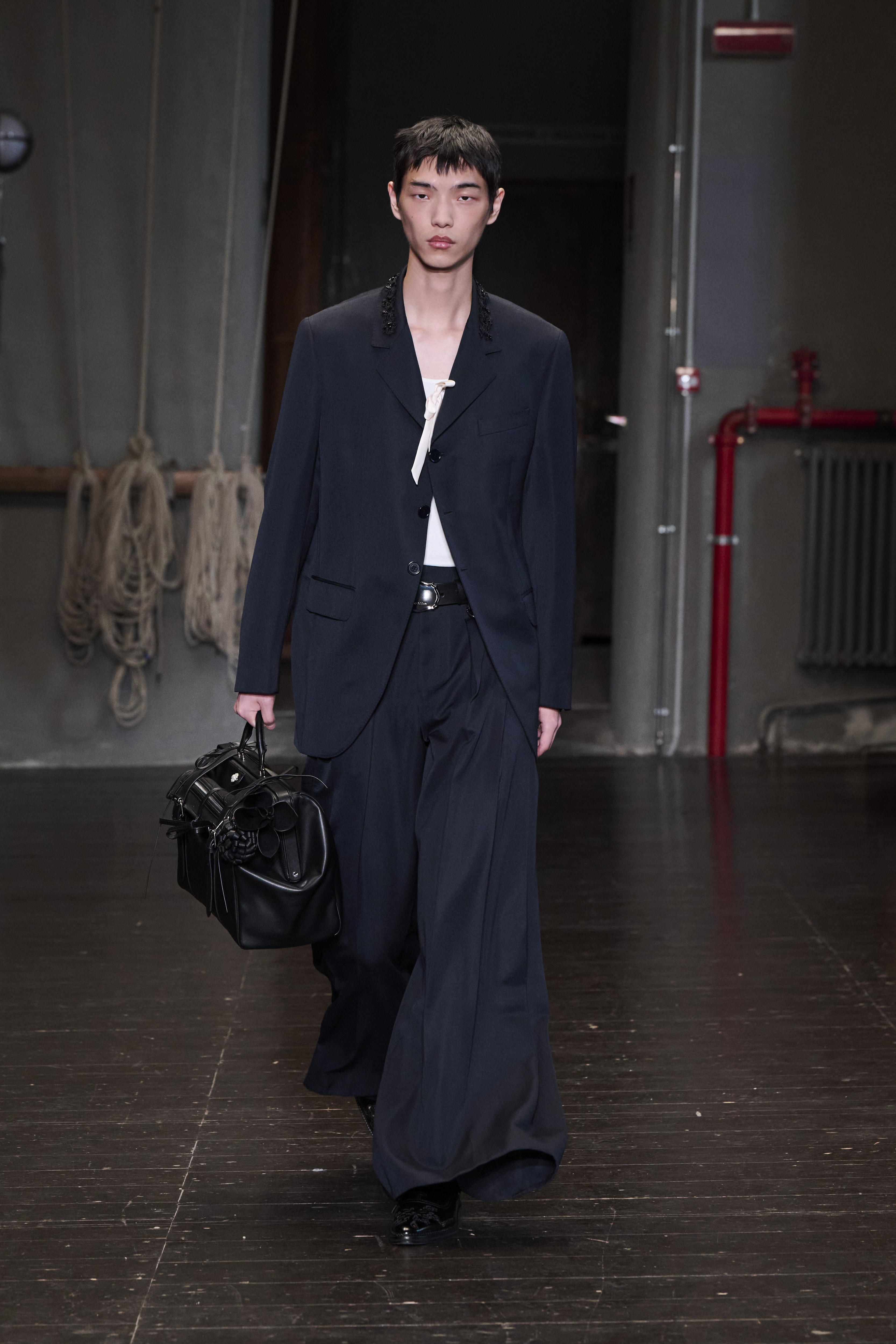
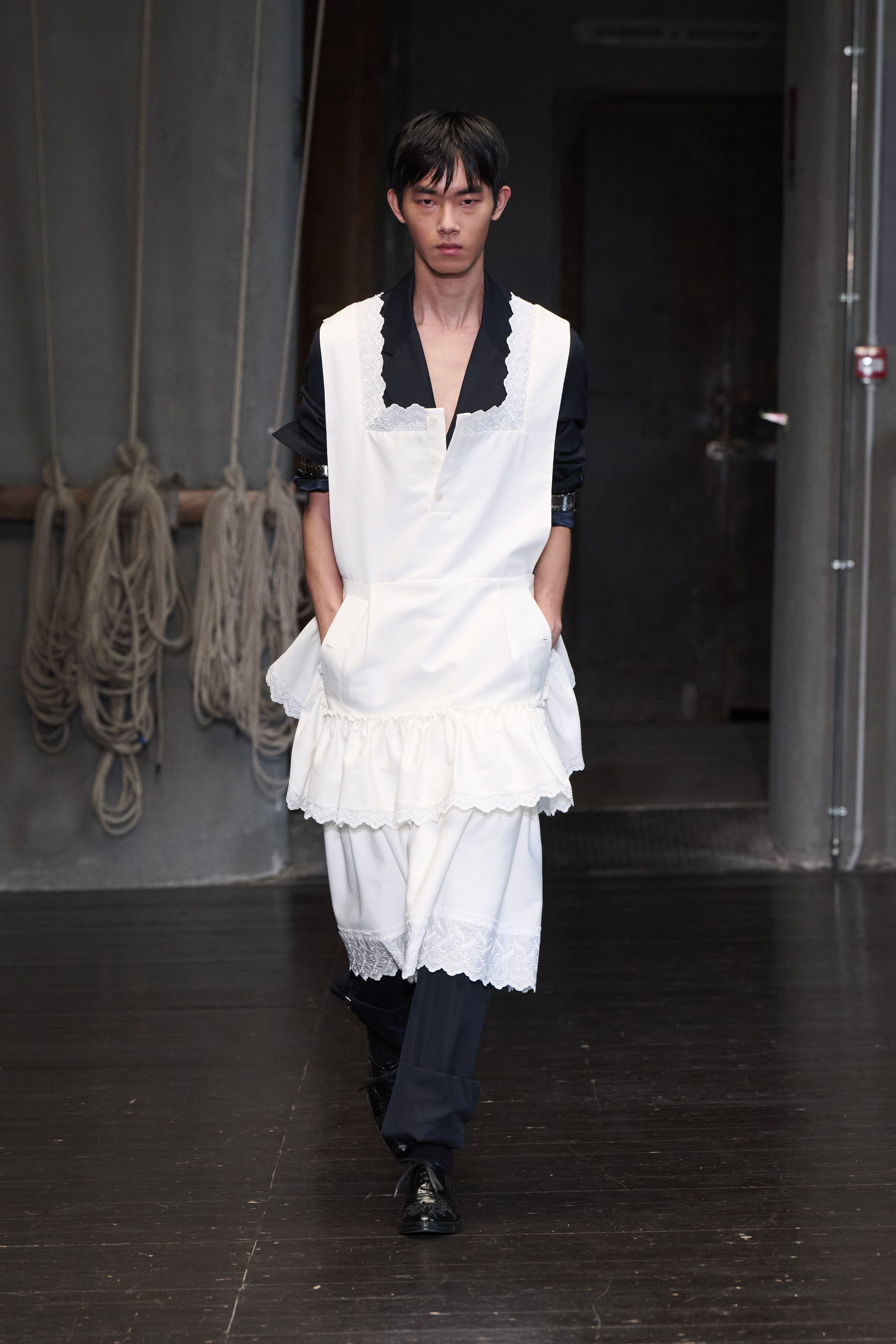
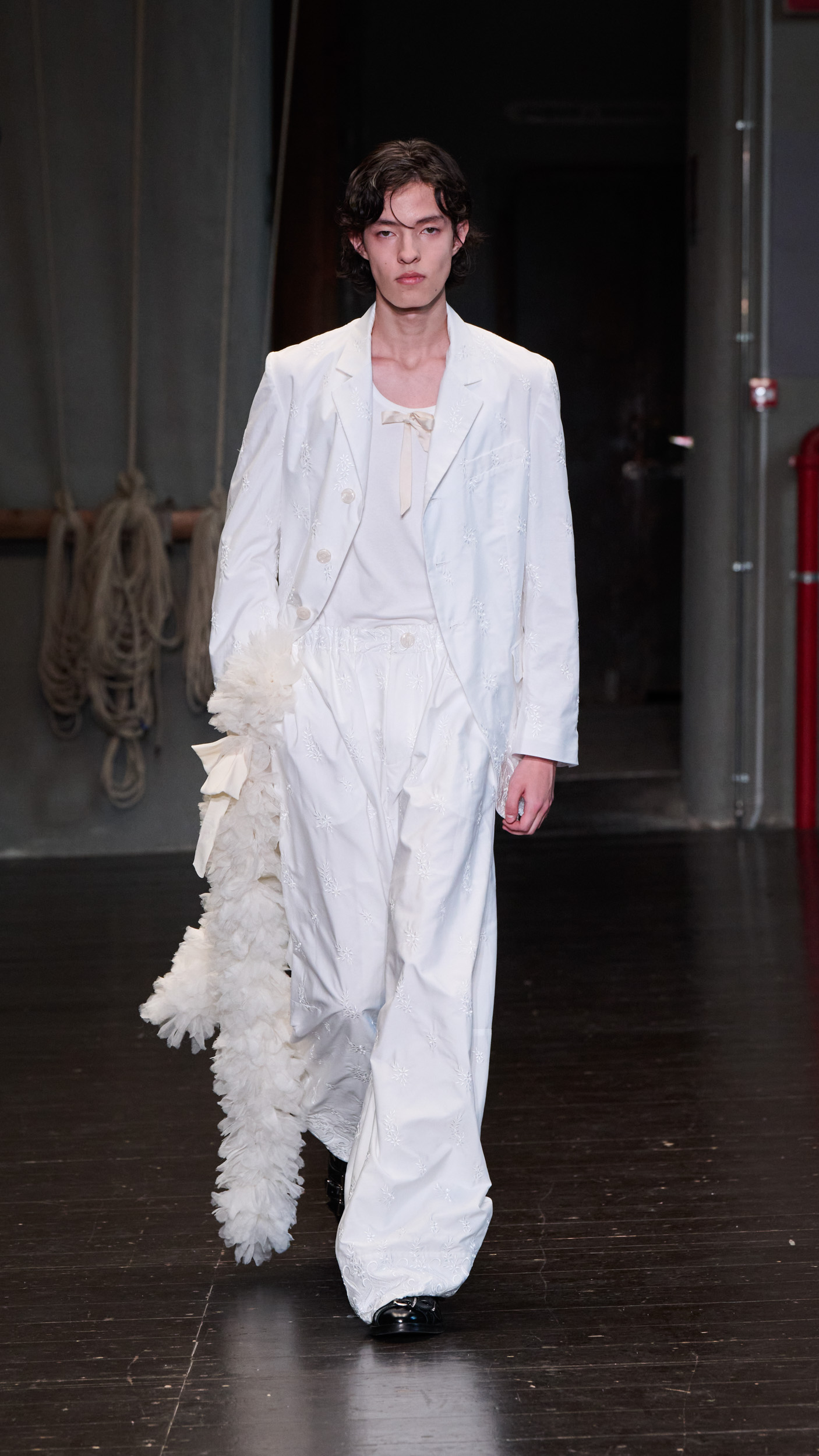
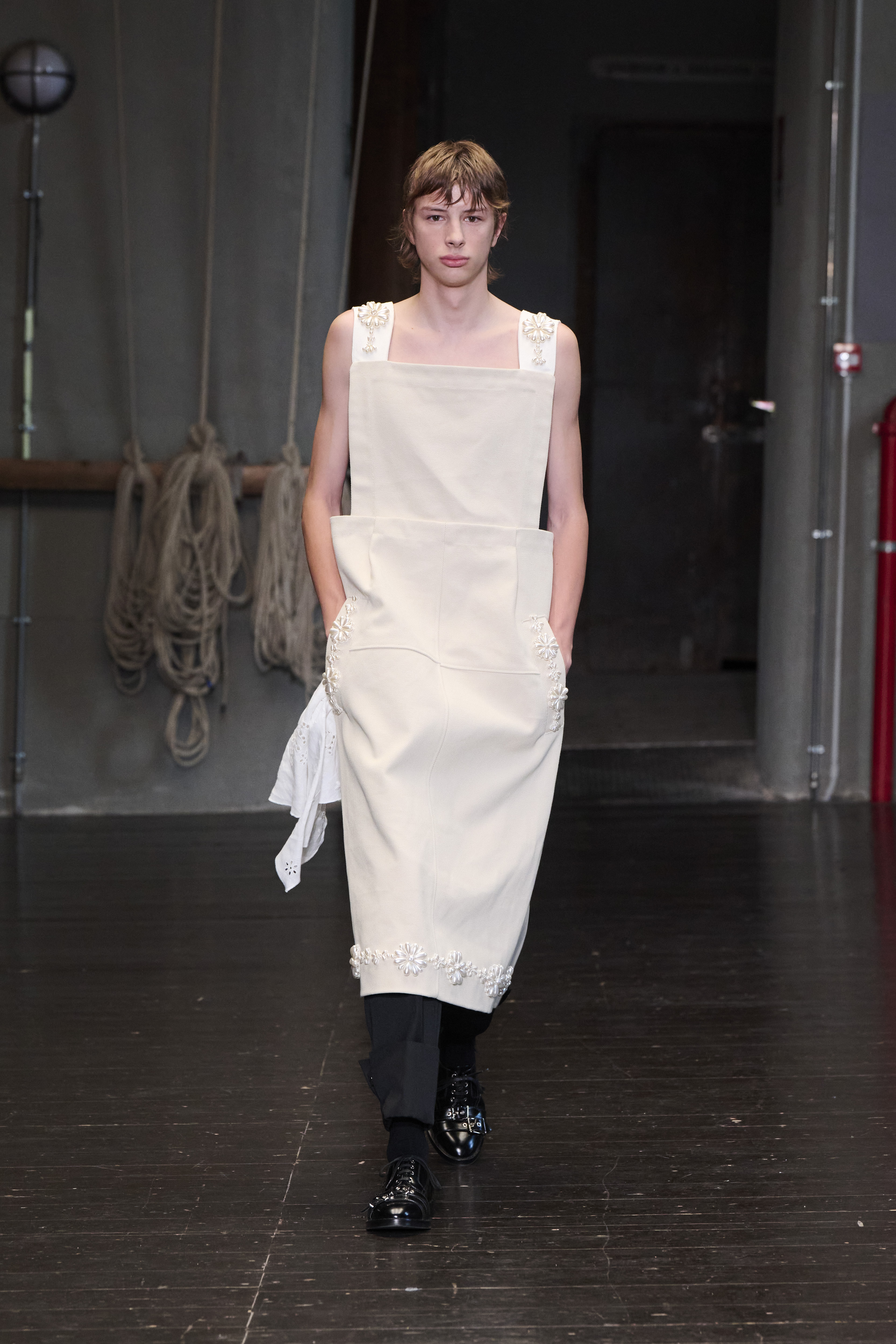
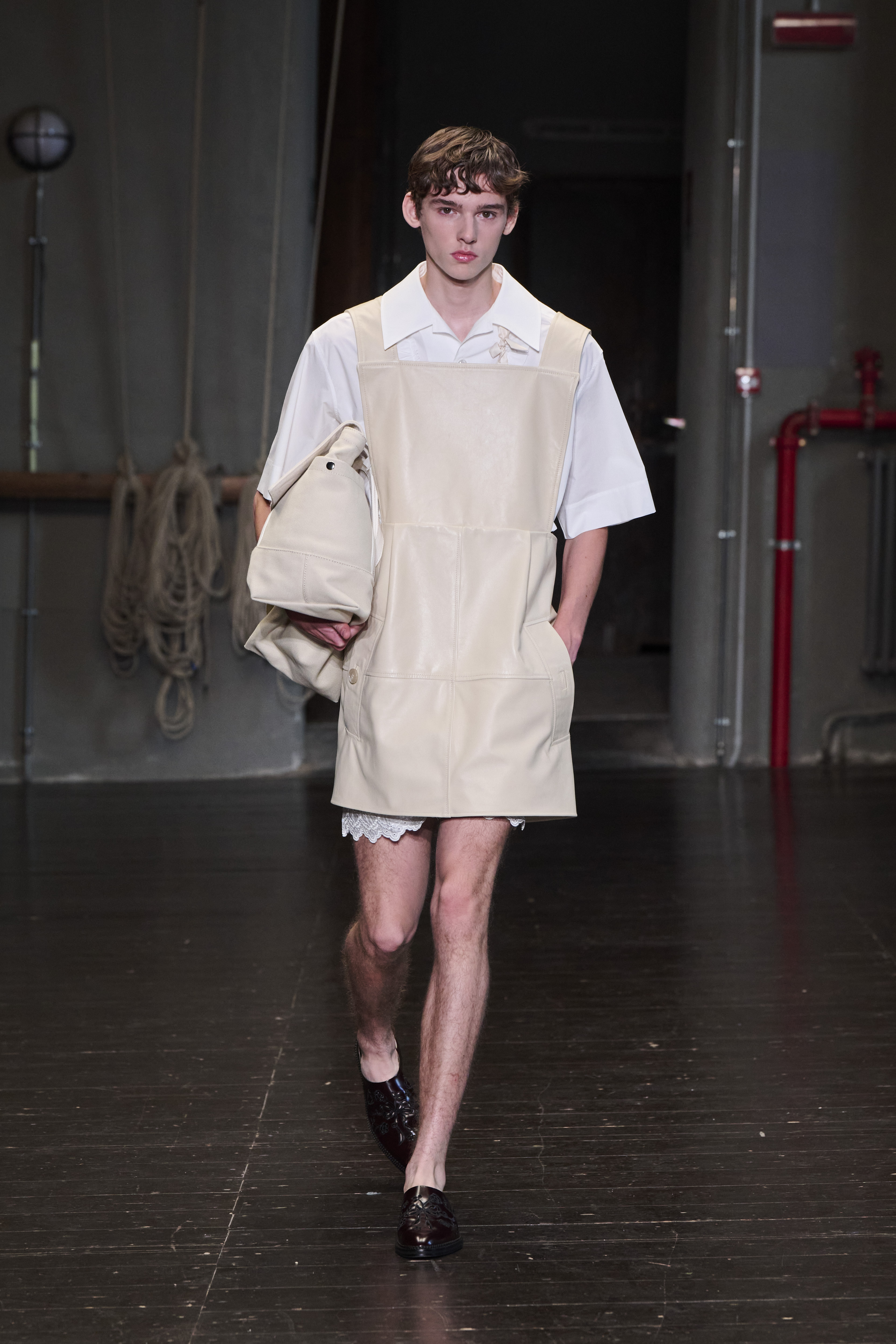
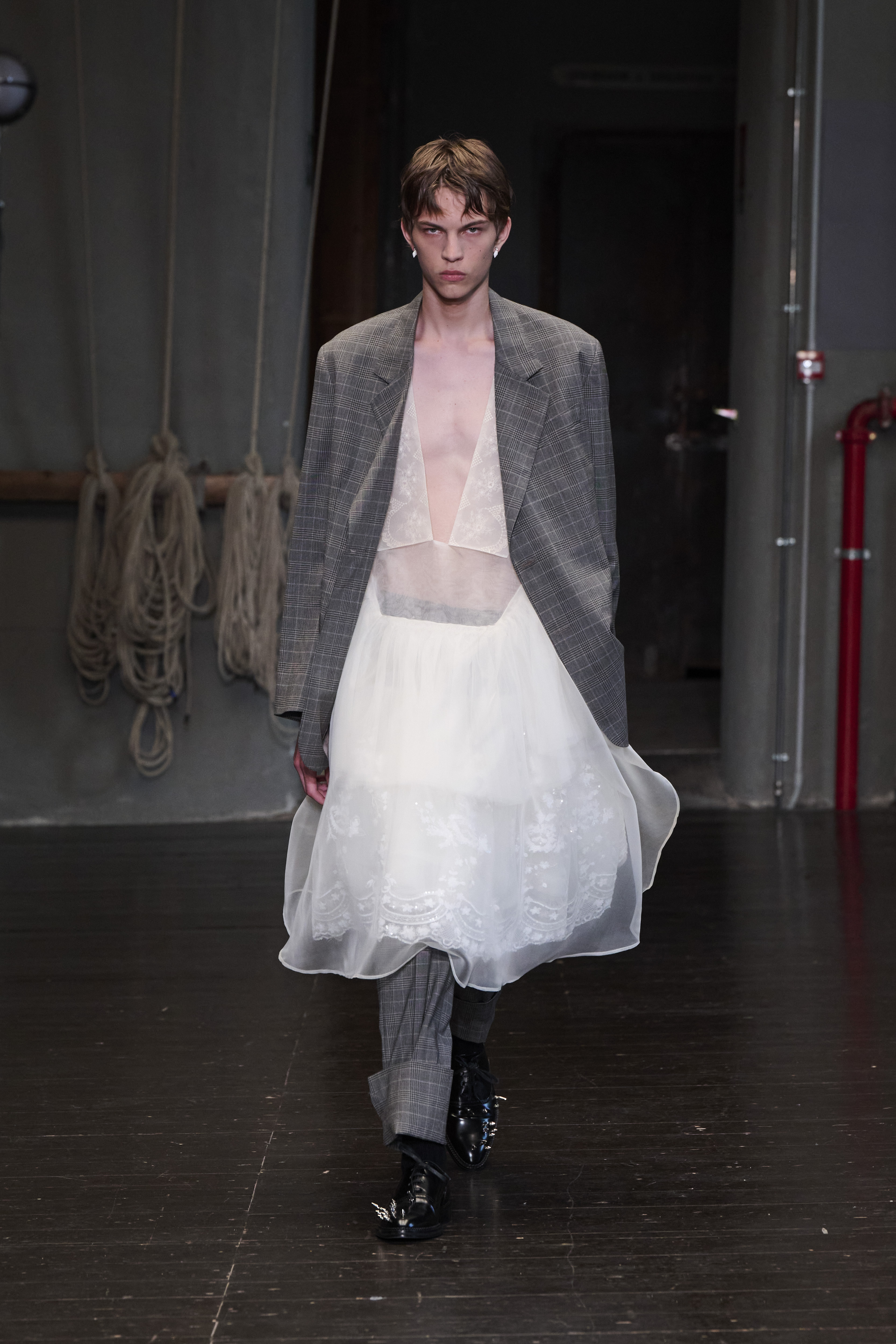
Florence also shaped the collection’s romantic language. References to A Room with a View, cornflowers and the historic theatre setting reinforced its sense of nostalgia, intimacy and performance. Rocha has worked with menswear since 2022, attracting figures including Bad Bunny, Paul Mescal and Josh O’Connor. But the Pitti Uomo show marked a turning point: menswear was no longer a secondary extension of her womenswear universe.
It had its own voice. At a moment when gender-fluid fashion can easily become a marketing formula, Simone Rocha offered something more convincing. Lace did not weaken the clothes. Romance did not cancel masculinity. Vulnerability became power. Men can love and carry flowers, who said they can’t?
The question was no longer whether men could wear beautiful things. It was why beauty had ever needed to be gendered.